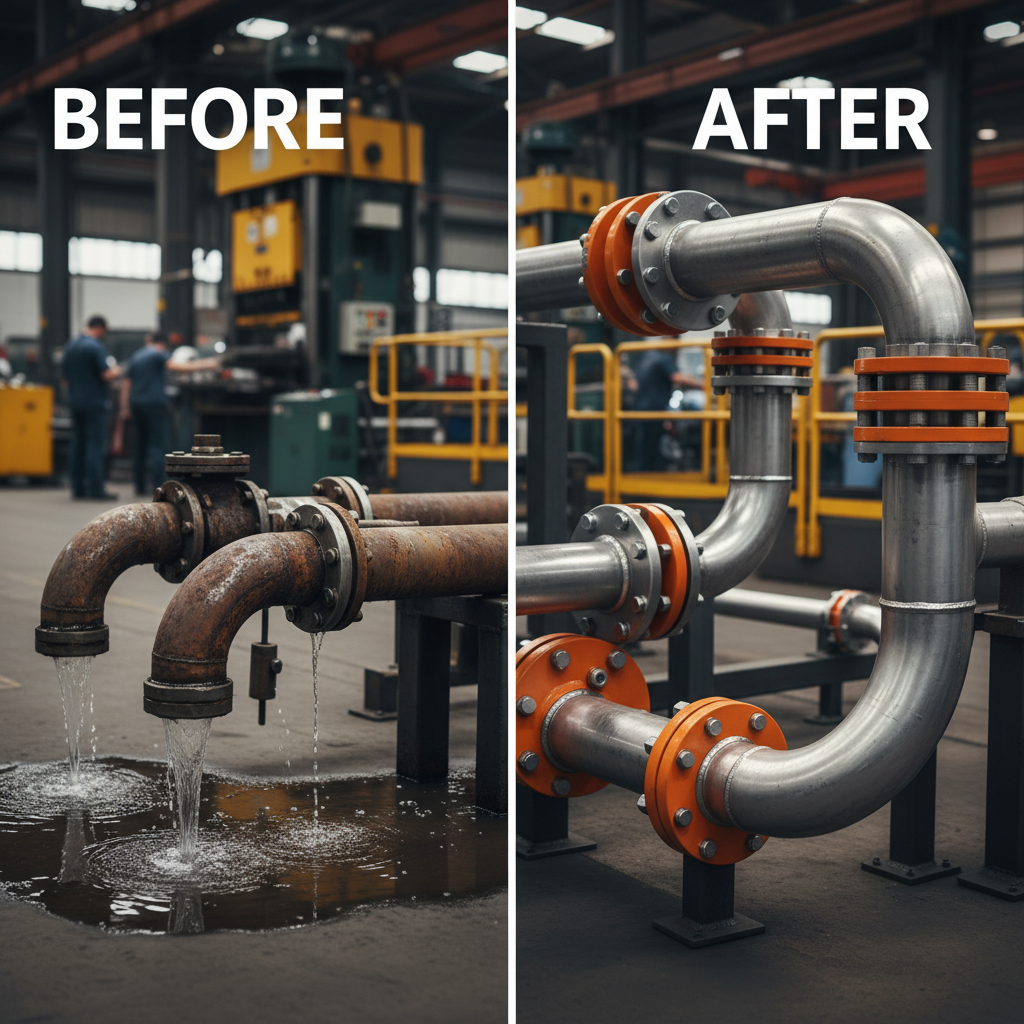
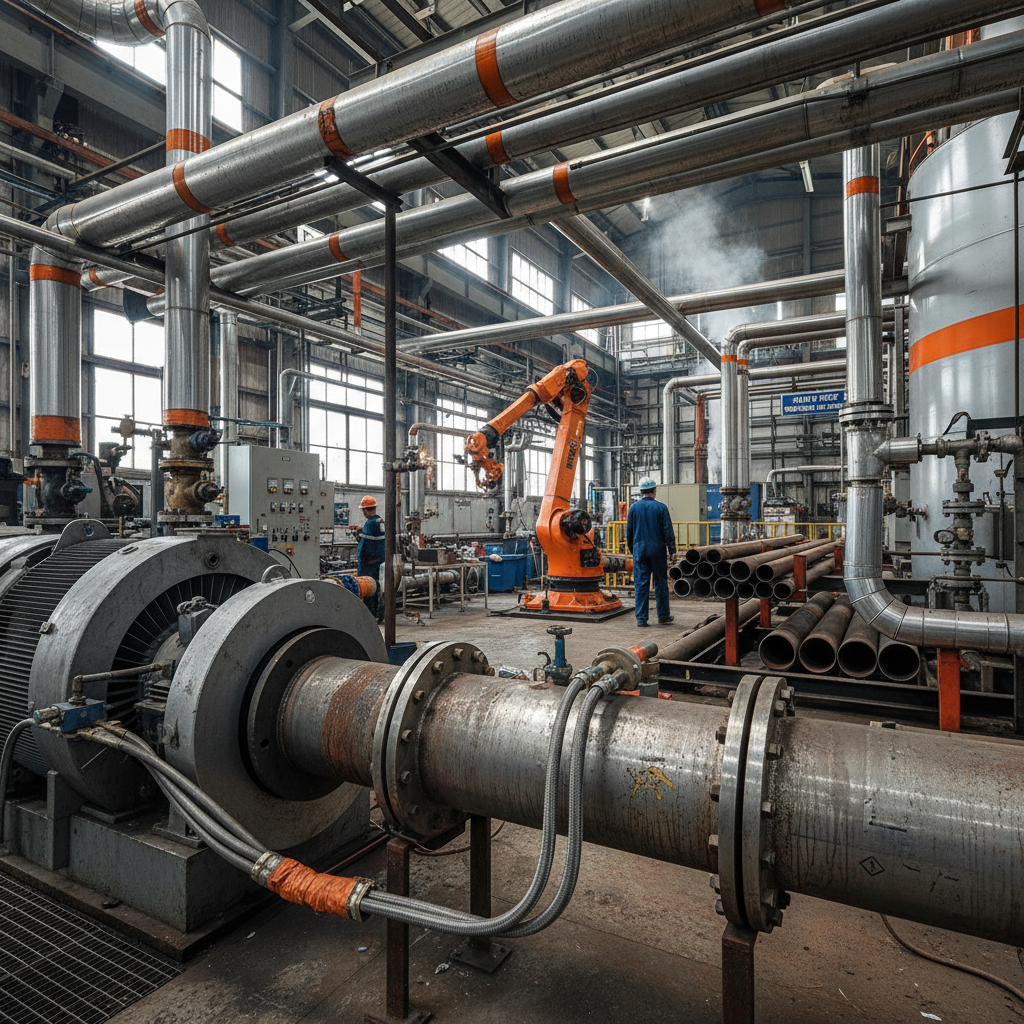
The implementation of a robust metal sewer pipe system is a cornerstone of modern urban planning and industrial hygiene. In an era where rapid urbanization puts immense pressure on existing waste management infrastructures, the transition to high-grade metallic piping ensures that hazardous effluents are transported safely without risking soil contamination or structural failure. Understanding the nuances of material selection, from corrosion-resistant alloys to reinforced steel, is essential for engineers aiming to build sustainable cities.
Globally, the demand for durable sewerage solutions has surged as emerging economies modernize their subterranean networks. The shift toward metal sewer pipe options is driven by the need for longevity and the ability to withstand extreme external pressures, such as those found in deep-burial scenarios or high-traffic urban corridors. By prioritizing metallurgical integrity, municipalities can drastically reduce the frequency of costly emergency repairs and minimize environmental hazards.
Beyond mere utility, the integration of advanced steel and iron alloys into sewer systems reflects a broader commitment to public health and environmental stewardship. When we analyze the lifecycle of a metal sewer pipe, the initial investment is balanced by a significant reduction in long-term maintenance costs and a lower probability of catastrophic leaks. This guide explores the technical specifications, global applications, and future innovations that define the current state of metallic wastewater transport.
Global Relevance of Metal Sewer Pipe Systems
On a global scale, the reliance on metal sewer pipe infrastructure is inextricably linked to the stability of urban centers. According to data aligned with World Bank urban development goals, the lack of adequate wastewater management in rapidly growing cities leads to significant GDP losses due to health crises and waterborne diseases. Metallic piping, particularly ductile iron and coated steel, provides the structural rigidity required to maintain flow in high-density areas where soil shifting and seismic activity are common threats.
The challenge currently facing global municipalities is the aging of mid-century infrastructure. Many cities are finding that legacy systems are failing, leading to "sinkholes" and contamination. The strategic replacement of these outdated lines with modern, corrosion-resistant metal sewer pipe options is not just a technical upgrade, but a necessary step in securing the humanitarian right to clean water and sanitized living environments.
Defining the Modern Metal Sewer Pipe
At its core, a metal sewer pipe is a heavy-duty conduit engineered from alloys such as cast iron, ductile iron, or stainless steel, specifically designed to transport waste and storm water from residential or industrial points to treatment plants. Unlike plastic alternatives, these pipes offer superior hoop strength, meaning they can withstand significantly higher external loads from overlying soil and road traffic without collapsing.
In the context of modern industry, these pipes are often integrated with advanced internal linings—such as epoxy or cement mortar—to prevent the corrosive effects of hydrogen sulfide gas, a common byproduct of wastewater decomposition. This synergy between a strong metallic shell and a protective inner layer transforms the metal sewer pipe into a high-performance asset capable of serving a community for over a century.
From a humanitarian perspective, the deployment of these systems in developing regions is transformative. By providing a leak-proof, durable method of sewage removal, these pipes prevent the seepage of raw waste into groundwater, directly reducing the incidence of cholera and other enteric diseases, thus elevating the standard of living in marginalized industrial zones.
Key Factors for Pipe Durability and Performance
One of the primary factors influencing the selection of a metal sewer pipe is Corrosion Resistance. Because sewage is chemically aggressive, the use of galvanized coatings or stainless steel alloys is critical. This ensures that the pipe wall does not thin over time, maintaining the structural integrity of the entire pipeline network.
Structural Load Capacity is equally vital. A high-quality metal sewer pipe is designed to handle "dead loads" (the weight of the earth) and "live loads" (the weight of vehicles passing above). This makes metallic pipes the gold standard for installations beneath highways, airports, and heavy industrial plants where PVC or HDPE would be prone to deformation.
Finally, Joint Integrity determines the system's success. Modern metal sewer pipe configurations utilize precision-engineered gaskets and mechanical joints that prevent infiltration (groundwater entering the pipe) and exfiltration (sewage leaking out), ensuring a closed-loop system that protects the surrounding ecosystem.
Global Applications and Industrial Use Cases
The application of metal sewer pipe varies significantly across different global environments. In coastal cities like Singapore or Rotterdam, where salt-water intrusion is a constant threat, high-grade stainless steel piping is utilized to prevent chloride-induced corrosion. These regions prioritize the longevity of the network to avoid the astronomical costs of excavating underwater or saturated soil.
In remote industrial zones, such as mining camps in the Australian Outback or oil refineries in the Middle East, the ruggedness of a metal sewer pipe is indispensable. These environments often experience extreme temperature fluctuations and shifting sands, requiring a pipe that can expand and contract without cracking while maintaining a leak-proof seal.
Efficiency Comparison of Metal Sewer Pipe Variations
Long-Term Value and Sustainability Benefits
Investing in a premium metal sewer pipe provides a tangible economic advantage over several decades. While the upfront cost of alloys like stainless steel may be higher than polymer options, the "Total Cost of Ownership" (TCO) is significantly lower. This is because metallic pipes are less likely to fail under pressure, meaning fewer road closures for repairs and a drastic reduction in the need for disruptive "dig-and-replace" operations.
From a sustainability angle, steel and iron are among the most recycled materials on the planet. A metal sewer pipe can be reclaimed and repurposed at the end of its service life, contributing to a circular economy. This contrasts sharply with composite pipes that often end up in landfills. Furthermore, the reliability of metal piping prevents soil contamination, protecting local biodiversity and ensuring that urban water tables remain untainted for future generations.
Future Trends in Metallurgical Piping
The future of metal sewer pipe technology is leaning heavily toward "smart infrastructure." We are seeing the integration of embedded sensors within the pipe walls that can detect corrosion levels, flow rate changes, and leakages in real-time. These IoT-enabled pipes allow city managers to move from reactive maintenance to predictive maintenance, fixing a potential leak before it becomes a burst.
Material science is also evolving with the development of nano-coatings. These ultra-thin, super-hydrophobic layers are being applied to the interior of metal sewer pipe systems to reduce friction and prevent the buildup of fats, oils, and grease (FOG). This innovation reduces the need for chemical cleaning and high-pressure jetting, thereby extending the life of the pipe and reducing operational costs.
Moreover, the industry is moving toward "Green Steel" production, utilizing hydrogen-based reduction instead of coking coal. This means that the metal sewer pipe of tomorrow will not only be durable and efficient but will also have a carbon-neutral footprint from the factory to the trench, aligning infrastructure growth with global climate goals.
Overcoming Challenges in Sewer Installation
Despite their advantages, the installation of metal sewer pipe systems presents challenges, primarily related to weight and handling. The sheer mass of ductile iron requires specialized heavy machinery for placement, which can be difficult in narrow, historic city streets. To solve this, engineers are adopting "Trenchless Technology" or "Pipe Bursting," where a new metal pipe is pulled through an existing failing line, minimizing surface disruption.
Another common limitation is the risk of galvanic corrosion when different metals are joined. Expert insights suggest the use of dielectric isolators and high-grade insulating gaskets to prevent the flow of electrical currents between pipes of varying metallurgy. By carefully managing these junctions, the lifespan of a metal sewer pipe network can be extended by decades.
Finally, cost volatility in the global steel market can affect project budgeting. The solution lies in strategic procurement and the use of standardized dimensions that allow for competitive bidding among suppliers. By focusing on quality certifications (such as ISO and ASTM standards), project managers can ensure they receive high-performance metal sewer pipe products regardless of market fluctuations.
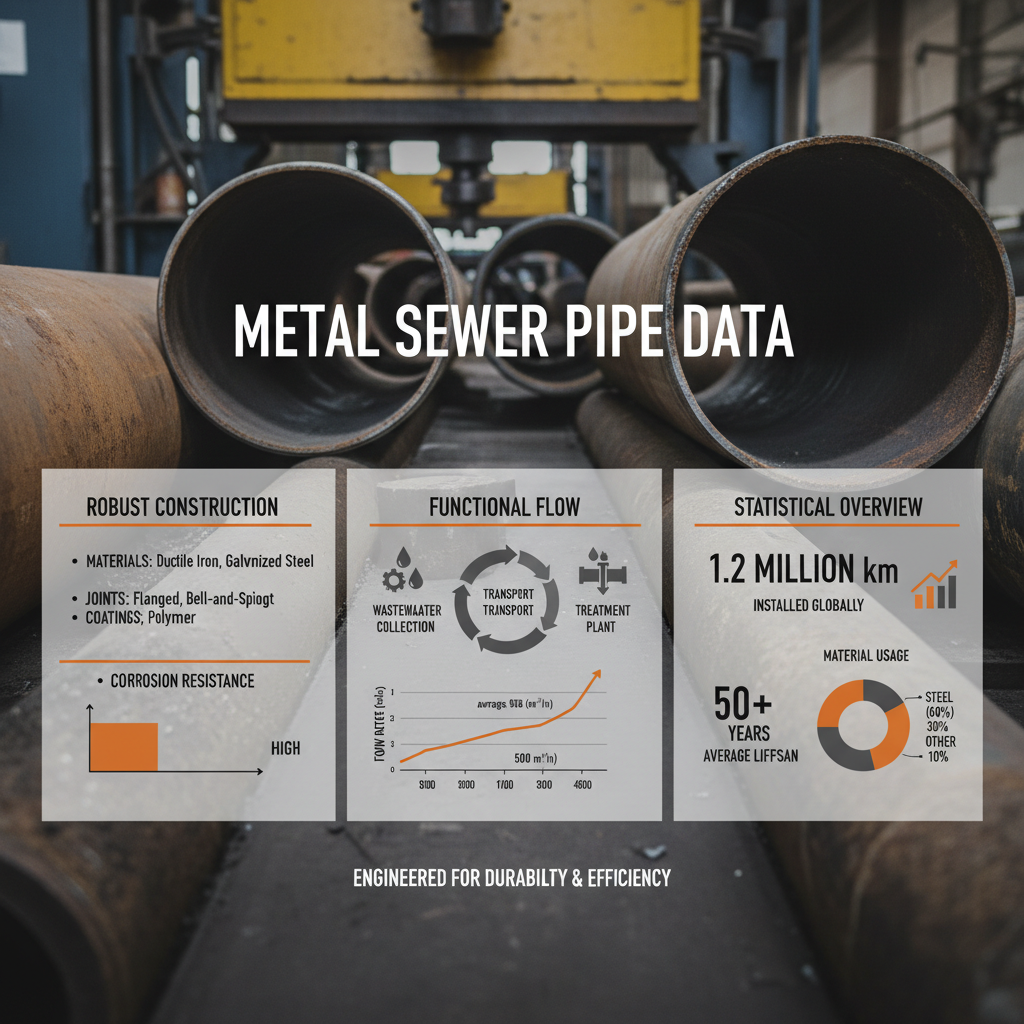
Technical Analysis of Metal Sewer Pipe Material Specifications
|
Material Type
|
Corrosion Resistance
|
Pressure Rating
|
Expected Lifespan
|
|
Ductile Iron (Epoxy Coated)
|
High
|
Excellent
|
50-70 Years
|
|
Stainless Steel 316L
|
Extreme
|
Very High
|
100+ Years
|
|
Galvanized Steel
|
Moderate
|
High
|
20-30 Years
|
|
Cast Iron (Traditional)
|
Low-Medium
|
Medium
|
40-60 Years
|
|
Carbon Steel (Cement Lined)
|
Medium-High
|
Extreme
|
50-80 Years
|
|
Alloy Steel (Custom)
|
Very High
|
High
|
70-90 Years
|
FAQS
Metal pipes offer significantly higher structural strength and resistance to external crushing loads. In urban environments, where pipes are buried under roads and heavy traffic, PVC can deform or crack under pressure. A metal sewer pipe ensures that the line remains open and functional, reducing the risk of sinkholes and catastrophic collapses that often plague plastic piping in high-load zones.
Corrosion is managed through a combination of material selection and protective coatings. High-grade stainless steels are used for chemically aggressive waste, while ductile iron is typically lined with cement mortar or epoxy resins. These linings create a barrier between the corrosive hydrogen sulfide gases and the metal wall, effectively neutralizing the acidic environment and extending the pipe's lifespan.
Yes, primarily due to its recyclability and longevity. Steel and iron are among the most recycled materials globally, allowing old pipes to be repurposed. Additionally, because they are less prone to leaks and bursts than cheaper alternatives, they prevent hazardous waste from leaching into the soil and groundwater, making them a superior choice for long-term environmental protection.
Depending on the material and the environment, a professionally installed metal sewer pipe can last anywhere from 50 to over 100 years. For instance, coated ductile iron typically lasts 50-70 years, while high-grade stainless steel can easily exceed a century if properly maintained. This far exceeds the lifespan of most thermoplastic piping options.
Engineers use "trenchless" technologies such as Cured-In-Place Pipe (CIPP) lining or pipe bursting. In pipe bursting, a metal pipe is pulled through the old line, breaking the existing pipe and replacing it simultaneously. This method allows for the upgrade to a robust metal sewer pipe system while minimizing traffic disruption and surface damage.
You should look for compliance with international standards such as ISO (International Organization for Standardization), ASTM (American Society for Testing and Materials), and EN (European Standards). These certifications guarantee that the pipe has undergone rigorous testing for tensile strength, wall thickness consistency, and coating adhesion, ensuring it can withstand the demands of a sewer environment.
Conclusion
The adoption of a high-performance metal sewer pipe system is an investment in the resilience and health of the urban landscape. By combining the unmatched structural strength of metallurgy with modern anti-corrosive coatings and smart monitoring technologies, cities can build wastewater networks that are not only durable but sustainable. From reducing the total cost of ownership to protecting precious groundwater resources, the long-term value of metallic piping far outweighs the initial installation costs.
As we look toward a future of "smart cities" and carbon-neutral construction, the evolution of metal sewer pipe will play a pivotal role. We encourage municipal planners and industrial engineers to prioritize quality-certified metallic solutions to ensure the safety and dignity of public sanitation systems. For world-class piping solutions and technical consultations, visit our website: www.world-steelmaterial.com