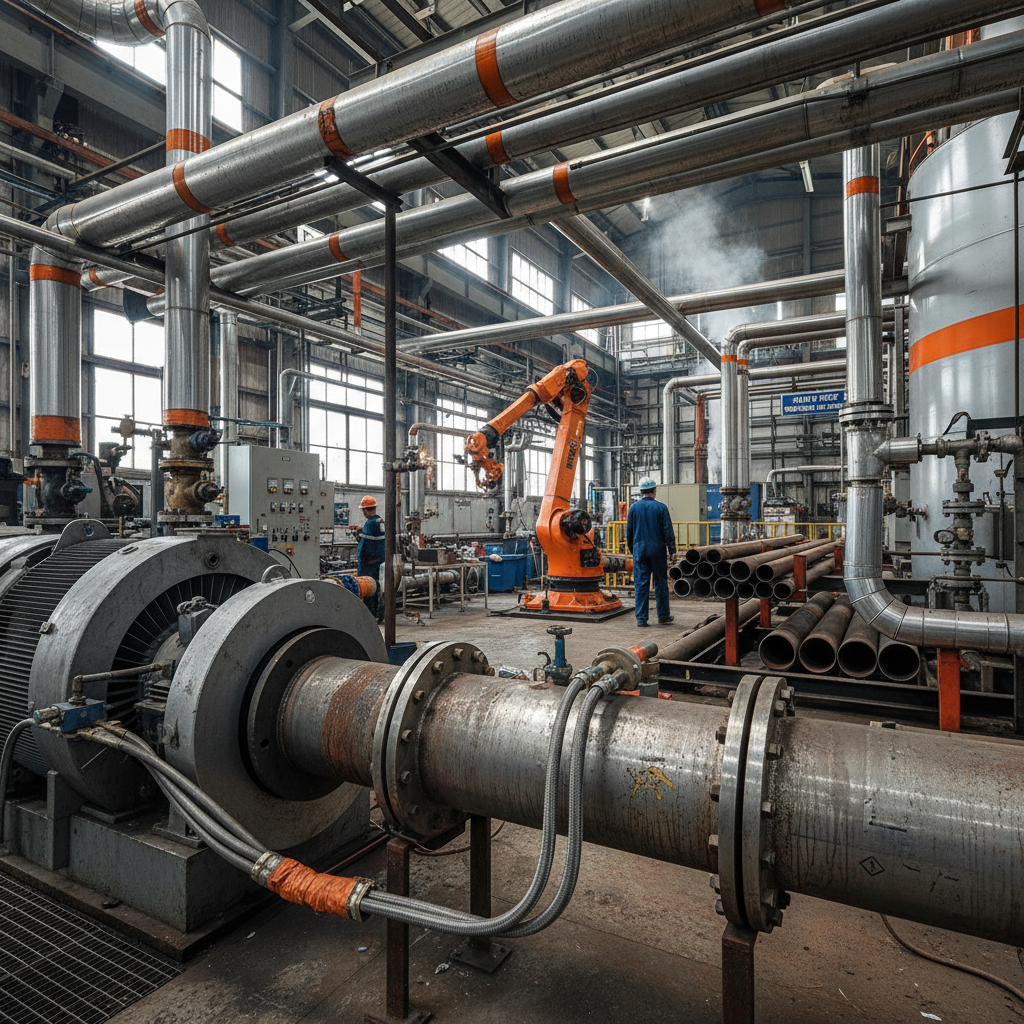
The global infrastructure for water transport relies heavily on the reliability and durability of the materials used in conduit systems. A high-quality metal water pipe serves as the backbone for both urban municipal grids and complex industrial cooling systems, ensuring that vital resources are moved efficiently without leakage or contamination. Understanding the nuances of metal selection and piping standards is essential for engineers and procurement specialists aiming to minimize long-term operational costs.
From a global perspective, the shift toward sustainable urban development has placed a renewed focus on the lifecycle of water distribution networks. By utilizing advanced alloys and precision manufacturing, the modern metal water pipe offers a superior alternative to plastic counterparts in high-pressure environments, providing the structural integrity required to withstand seismic shifts and extreme temperature fluctuations.
Whether it is integrated into large-scale pipeline projects or utilized as precise pipe tube fittings in a chemical plant, the choice of metallurgy determines the system's lifespan. This comprehensive guide explores the technical specifications, global applications, and future innovations surrounding the metal water pipe, providing a roadmap for selecting the right materials for diverse industrial needs.
Global Relevance of Metal Water Pipe Infrastructure
The demand for clean water distribution has reached a critical point globally, with the World Bank and various ISO standards emphasizing the need for leak-proof, durable transit systems. In many developing regions, the implementation of a robust metal water pipe network is the primary solution to reducing "non-revenue water"—water lost through leaks before it reaches the consumer.
Industrialization in Southeast Asia and Africa has further accelerated the need for high-grade steel and alloy piping. These systems must handle not only potable water but also high-temperature industrial coolants and processed water, making the mechanical properties of the metal water pipe a matter of critical safety and economic efficiency.
Defining the Modern Metal Water Pipe
In simple technical terms, a metal water pipe is a hollow cylindrical conduit manufactured from metals such as carbon steel, stainless steel, copper, or ductile iron, specifically engineered to transport water under varying pressure conditions. Unlike residential PVC piping, these industrial-grade components are designed to withstand extreme external loads, such as those found under heavy-traffic roadways or in deep underground strata.
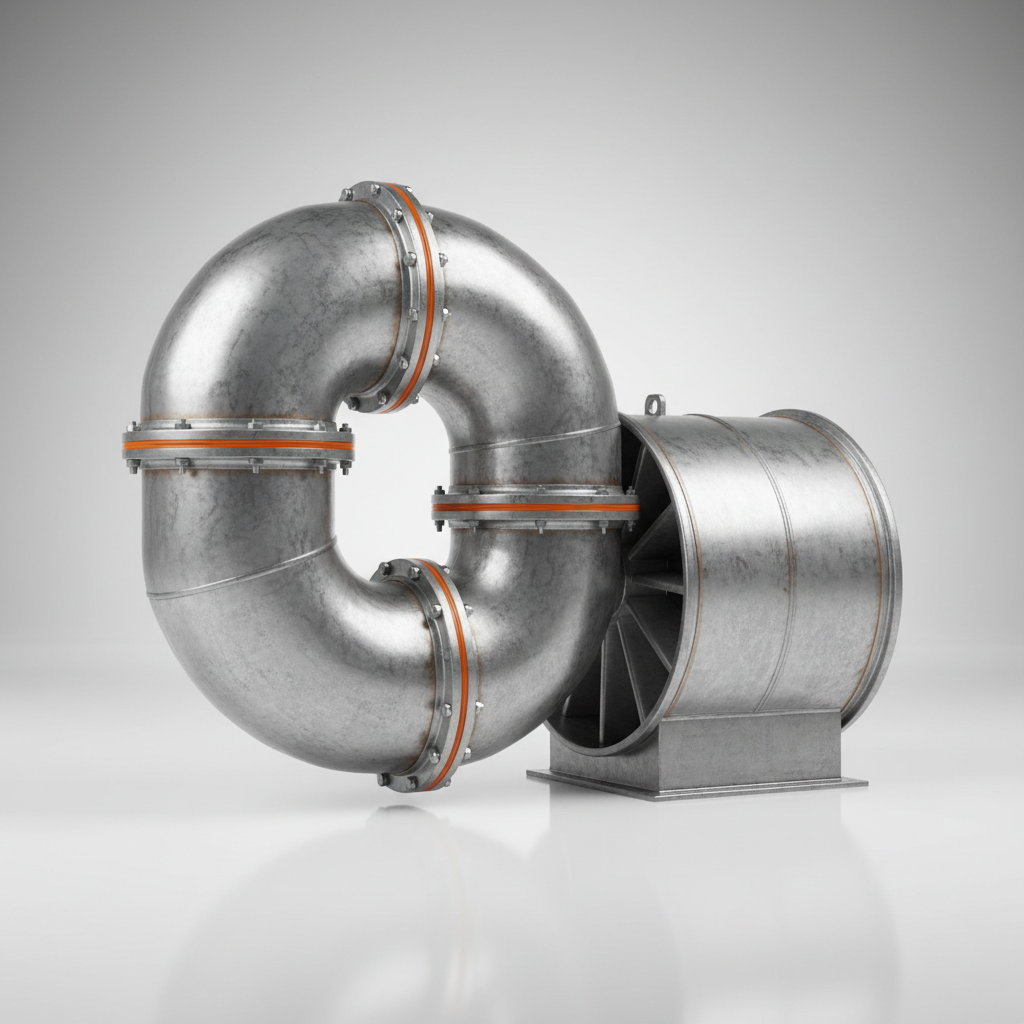
The connection to modern industry is profound. In the realm of "Steel Structure" and "Pipeline" engineering, these pipes are not merely tubes but integrated components of a larger mechanical system. They often require specialized Flanges and Pipe Fittings to ensure hermetic seals, preventing the contamination of water supplies and protecting the surrounding environment from leaks.
Beyond industrial use, these pipes address fundamental humanitarian needs. In post-disaster relief, the rapid deployment of modular metal piping allows for the immediate restoration of clean water access to displaced populations, proving that the engineering of a metal water pipe is as much about human dignity as it is about material science.
Core Components and Engineering Factors
The performance of a metal water pipe is dictated by its material composition. For instance, stainless steel provides unmatched corrosion resistance, making it ideal for treated water, while ductile iron offers the strength necessary for large-diameter municipal mains.
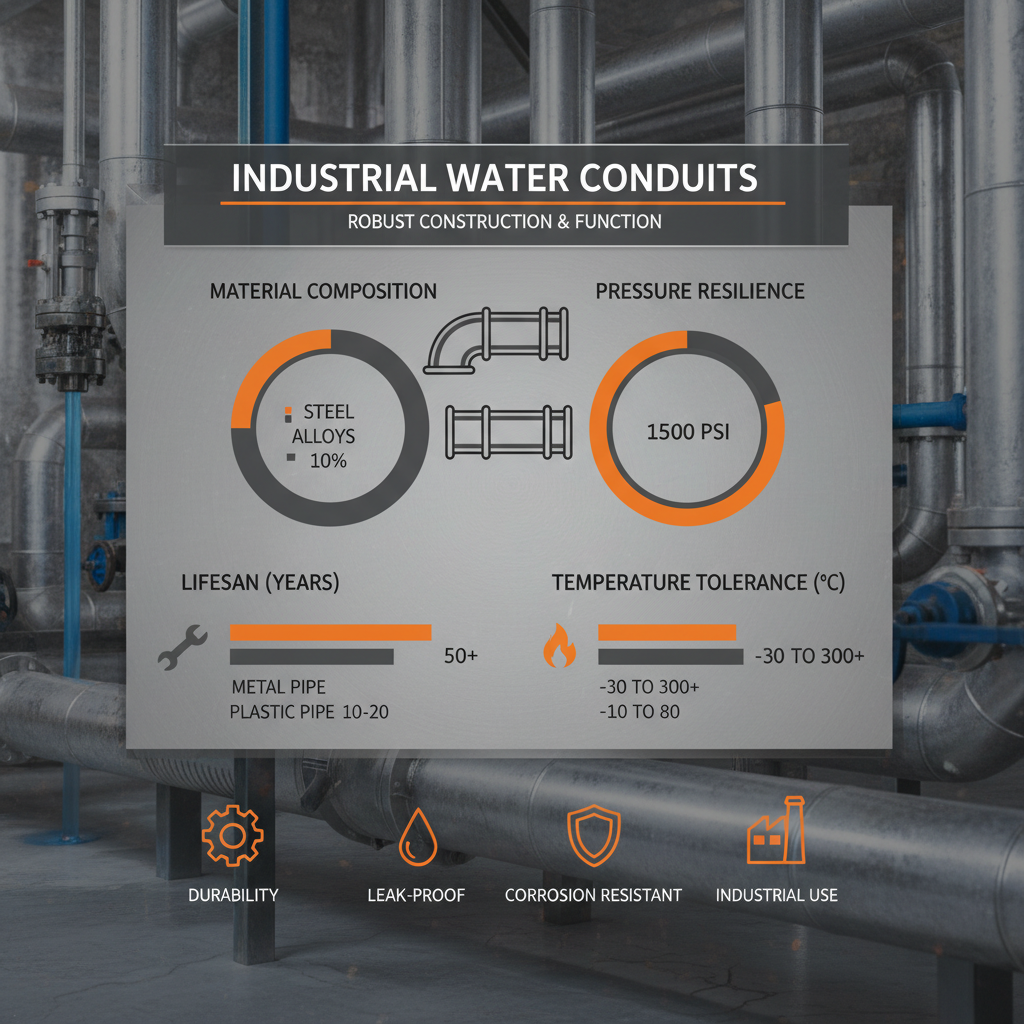
Durability is a primary factor; the wall thickness and coating of a metal water pipe are engineered to resist oxidation and chemical erosion. This is often achieved through galvanization or the application of epoxy linings, which extend the service life to several decades.
Scalability and cost-efficiency are also critical. By utilizing standardized Pipe Tube Fittings and precision-machined Flanges, engineers can scale a metal water pipe network from a small facility to a city-wide grid without compromising the pressure rating or flow velocity.
Practical Applications and Global Use Cases
In real-world contexts, the metal water pipe is indispensable across diverse sectors. In the petrochemical industry, for example, specialized alloy piping is used for cooling towers where water must be transported at high velocities and pressures to prevent equipment overheating.
Remote industrial zones, such as mining sites in the Andes or oil fields in the Middle East, rely on high-strength steel pipelines to transport water over vast distances across unstable terrain. In these scenarios, the structural resilience of the metal water pipe prevents catastrophic bursts that would otherwise halt production.
Comparative Performance of Metal Water Pipe Materials
Tangible Advantages and Long-Term Value
The long-term value of investing in a high-grade metal water pipe lies in the reduction of maintenance cycles. While the initial procurement cost may be higher than polymers, the lifespan of metal piping—often exceeding 50 years—drastically lowers the total cost of ownership (TCO) by eliminating frequent replacements and emergency repairs.
Beyond economics, there is a critical element of trust and safety. A metal water pipe does not leach chemicals into the water supply over time, ensuring the purity of drinking water for millions. This reliability fosters public trust in urban infrastructure and provides a sense of security in industrial safety protocols.
Future Trends in Piping Innovation
The future of the metal water pipe is being shaped by the digital transformation of infrastructure. "Smart Piping" now integrates embedded sensors into the pipe walls to detect micro-leaks and pressure drops in real-time, allowing for predictive maintenance before a burst occurs.
Sustainability is also driving the development of "Green Steel" for pipe manufacturing. By using hydrogen-based reduction instead of coking coal, the carbon footprint of every metal water pipe produced is significantly reduced, aligning industrial growth with global net-zero targets.
Furthermore, automation in the production of Pipe Fittings Machine and Flanges is enabling the creation of customized piping geometries. This allows for more efficient flow dynamics, reducing energy consumption in water pumping stations and enhancing the overall efficiency of the metal water pipe network.
Overcoming Implementation Challenges
One of the most common challenges in deploying a metal water pipe is corrosion, particularly in saline or acidic soils. Expert insights suggest the use of cathodic protection and advanced fusion-bonded epoxy (FBE) coatings to create an impermeable barrier between the metal and the environment.
Installation costs and labor intensity also pose hurdles. To overcome this, the industry is moving toward modular, prefabricated pipeline segments. By assembling a metal water pipe system in a controlled factory environment before shipping to the site, project timelines are slashed and joint failure rates are minimized.
Finally, integrating new metal pipes with legacy systems requires precision. The use of adaptive Flanges and custom-engineered transition fittings allows modern metal water pipe components to be seamlessly grafted onto older networks, ensuring a gradual but effective modernization of urban water grids.
Technical Comparison and Analysis of Metal Water Pipe Selection
|
Material Type
|
Pressure Resistance
|
Corrosion Rating (1-10)
|
Expected Lifespan
|
|
Stainless Steel 316
|
Very High
|
10
|
60+ Years
|
|
Galvanized Steel
|
High
|
6
|
25-30 Years
|
|
Ductile Iron
|
Extreme
|
7
|
50+ Years
|
|
Copper Alloy
|
Moderate
|
9
|
40-50 Years
|
|
Carbon Steel
|
High
|
4
|
20-30 Years
|
|
Chrome-Moly Steel
|
Extreme
|
8
|
50+ Years
|
FAQS
For maximum longevity and corrosion resistance, stainless steel (specifically grade 316) is the gold standard. It resists oxidation and chemical attack, making it ideal for high-purity water systems. However, for large-scale municipal water mains where structural strength against ground pressure is more critical, ductile iron is often the preferred choice due to its extreme durability and cost-effectiveness at scale.
Corrosion prevention is achieved through a combination of external coatings and electrochemical protection. We recommend using fusion-bonded epoxy (FBE) or polyethylene coatings to seal the metal from soil moisture. Additionally, installing sacrificial anodes or using impressed current cathodic protection (ICCP) can prevent the metal from oxidizing, significantly extending the life of the piping network.
Yes, in terms of lifecycle sustainability. Metal pipes are 100% recyclable at the end of their service life, unlike most polymers. Furthermore, they have a significantly longer lifespan, meaning fewer replacements and less environmental disruption over a century. The emergence of "Green Steel" production further reduces the initial carbon footprint of these installations.
Absolutely. Metal pipes are designed specifically for high-pressure environments where plastics would fail or deform. By adjusting the wall thickness (Schedule) and choosing the right alloy, a metal water pipe can handle pressures ranging from standard municipal levels to extreme industrial requirements. Ensure that all Flanges and Pipe Fittings are rated for the same pressure class to avoid weak points.
Integration requires the use of adaptive transition fittings. Depending on the material of the old system, we use specialized Flanges or mechanical couplings that create a watertight seal between different metals or between metal and plastic. Precision measurement and the use of compatible gaskets are essential to prevent galvanic corrosion at the point of connection.
While it varies by material, a well-maintained stainless steel or ductile iron pipe typically lasts between 50 to 100 years. Carbon steel pipes may last 20 to 30 years if not properly coated. The key to maximizing this lifespan is the quality of the initial coating and the implementation of a regular monitoring program to detect early signs of wear or corrosion.
Conclusion
The selection and implementation of a high-quality metal water pipe system is a critical investment in the stability and safety of any water distribution network. By balancing material science—such as the choice between stainless steel and ductile iron—with precision engineering in Flanges and fittings, organizations can ensure a system that is not only durable and leak-proof but also sustainable for future generations.
Looking forward, the integration of smart sensors and green manufacturing will continue to elevate the standard of water transport. We encourage engineers and procurement managers to prioritize long-term lifecycle value over short-term costs to build infrastructure that stands the test of time. For professional guidance and high-grade materials, visit our website: www.world-steelmaterial.com