
-
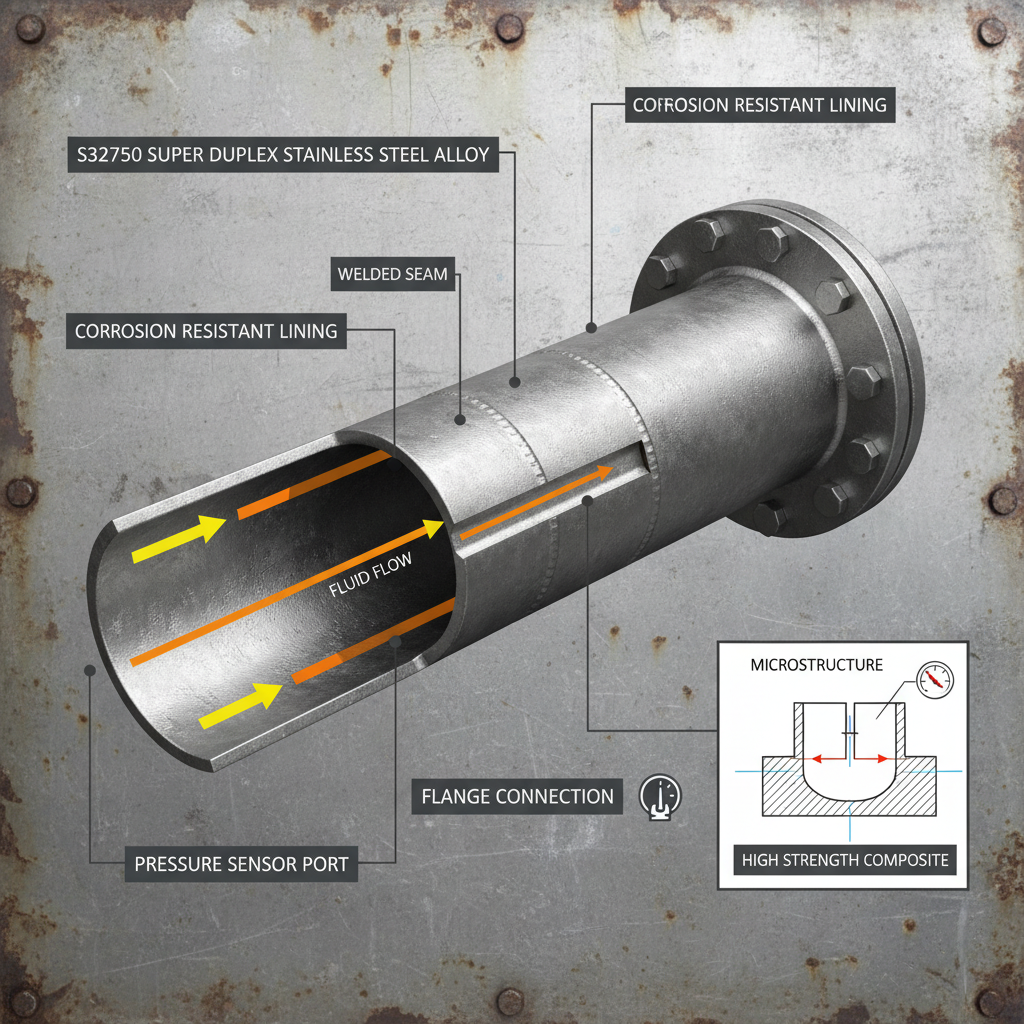 In the world of industrial piping, few materials offer the sheer resilience and reliability of the s32750 pipe. As a super duplex stainless steel, S32750 is engineered to withstand the most aggressive environments, where standard stainless steels would fail rapidly. From offshore oil platforms to chemical processing plants, this high-performance material ensures structural integrity and longevity. In this comprehensive guide, we will explore the technical specifications, unique advantages, and critical applications of S32750, helping you understand why it is the gold standard for corrosive service.Read more
 -
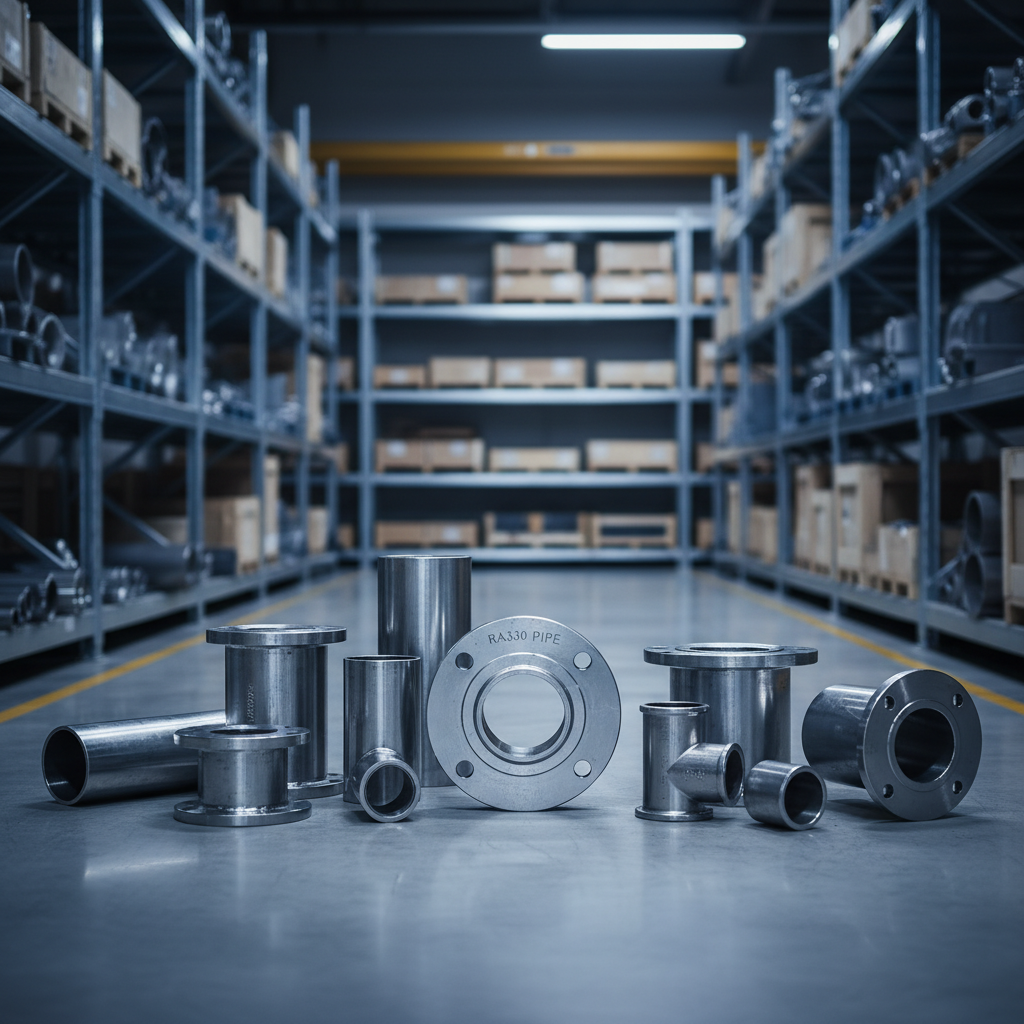 In the demanding world of high-temperature industrial processing, the selection of metallurgy is critical to operational safety and longevity. The ra330 pipe is engineered specifically to withstand extreme oxidative environments where standard stainless steels would fail. Known for its exceptional resistance to scaling and oxidation, this alloy is a cornerstone in heat-treating and petrochemical applications. Understanding the nuanced chemical composition and mechanical behavior of the RA330 alloy allows engineers to optimize system efficiency and reduce maintenance downtime. In this comprehensive guide, we will explore why this specific piping solution is the gold standard for extreme thermal stability.Read more
 -
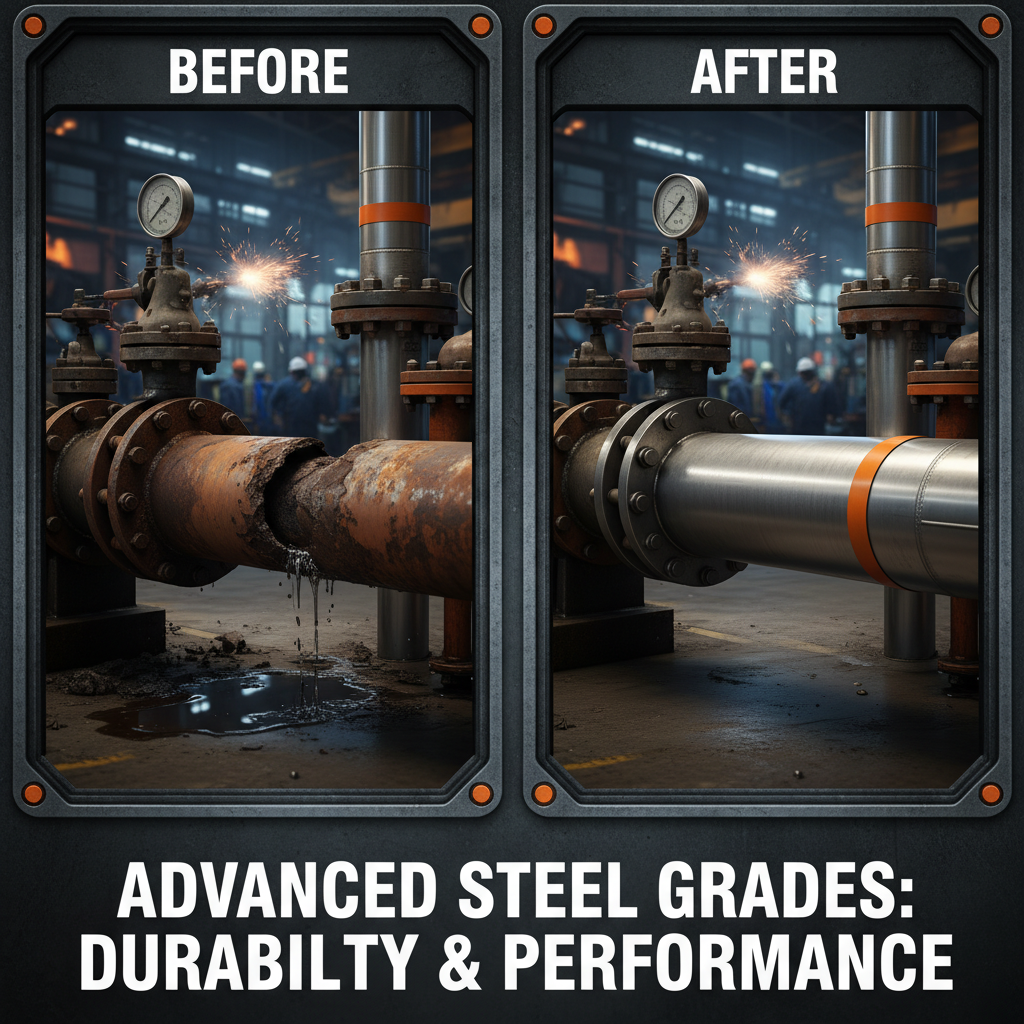 Selecting the appropriate pipe steel grades is crucial for ensuring the longevity, safety, and efficiency of pipeline systems across various industries. From oil and gas transmission to water distribution, the choice of steel directly impacts a project's success. This article will delve into the different grades of pipe steel, their properties, applications, and key considerations for choosing the right material. We'll explore how factors like pressure, temperature, and corrosion resistance influence material selection, providing a practical guide for engineers, procurement professionals, and anyone involved in pipeline projects.Read more
 -
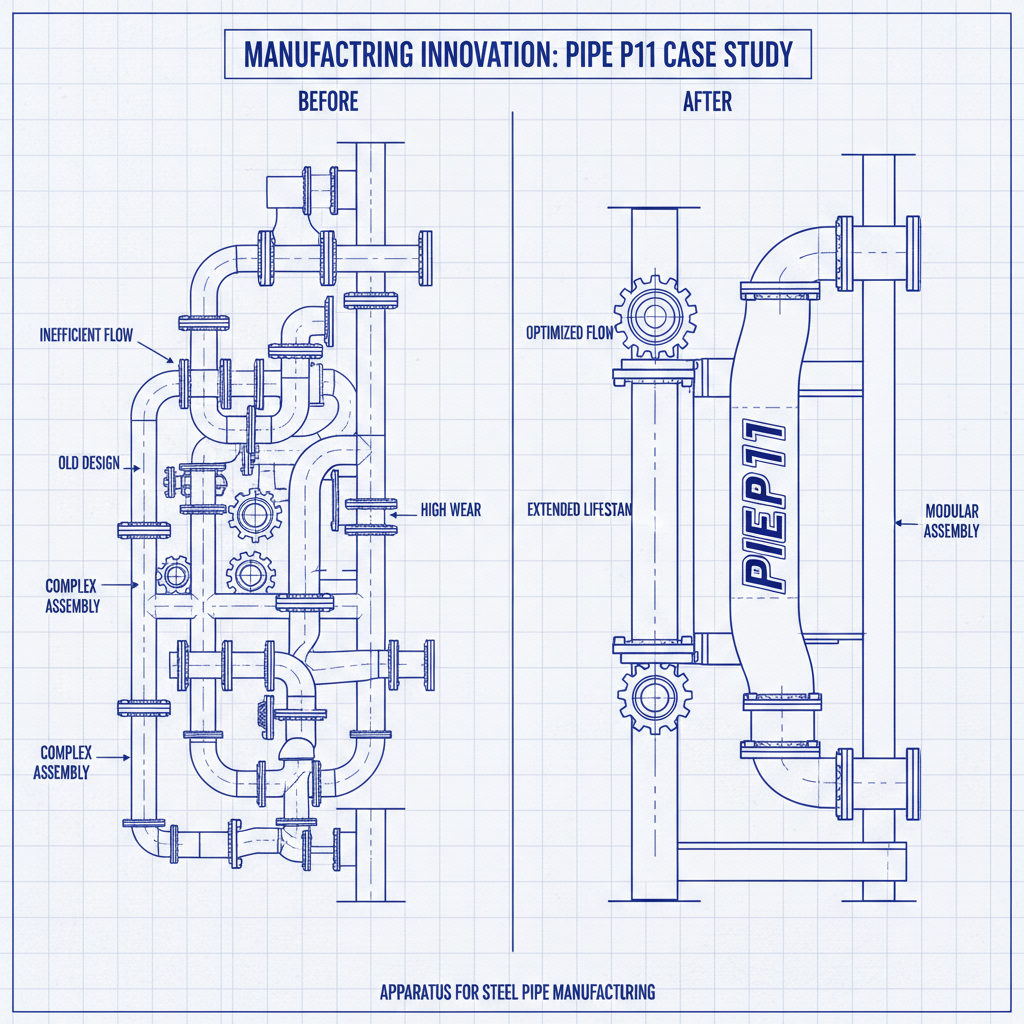 The Pipe P11 is a high-performance steel pipe gaining prominence in various industrial applications. Known for its exceptional strength, durability, and corrosion resistance, it's quickly becoming a preferred material for projects requiring reliability and longevity. This article will delve into the key characteristics, applications, specifications, and benefits of the Pipe P11, providing a comprehensive overview for engineers, procurement professionals, and anyone seeking a robust piping solution. Choosing the right steel pipe is critical for ensuring the safety and efficiency of your operations, and the Pipe P11 offers a compelling combination of properties that make it a leading choice.Read more
 -
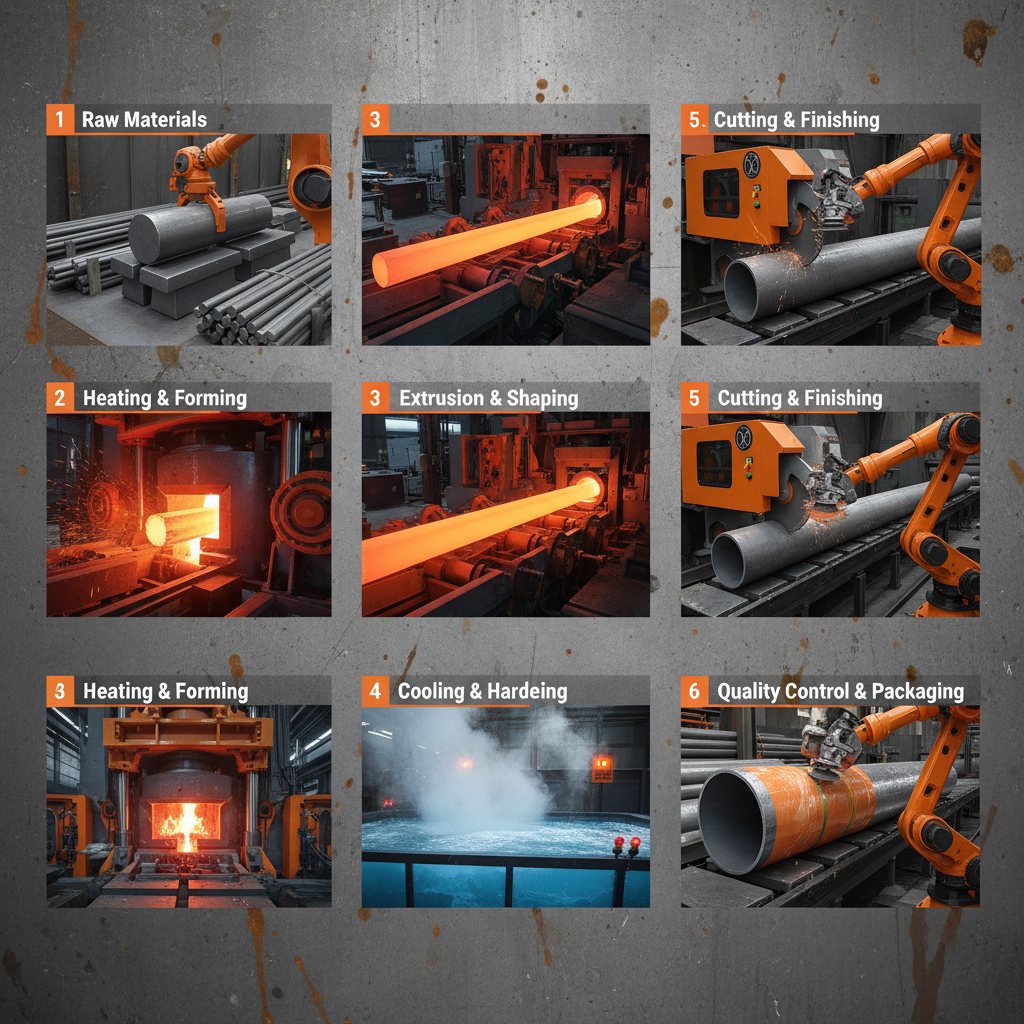 Pipe alloy refers to a diverse group of metallic materials engineered for use in pipelines, exhibiting superior performance compared to standard carbon steel. These alloys are selected for their resistance to corrosion, high temperatures, and pressure, vital in industries like oil and gas, chemical processing, and water transportation. Choosing the right pipe alloy is crucial for ensuring pipeline integrity, safety, and longevity. This article explores the different types of pipe alloys, their key properties, common applications, and considerations for sourcing high-quality materials.Read more
 -
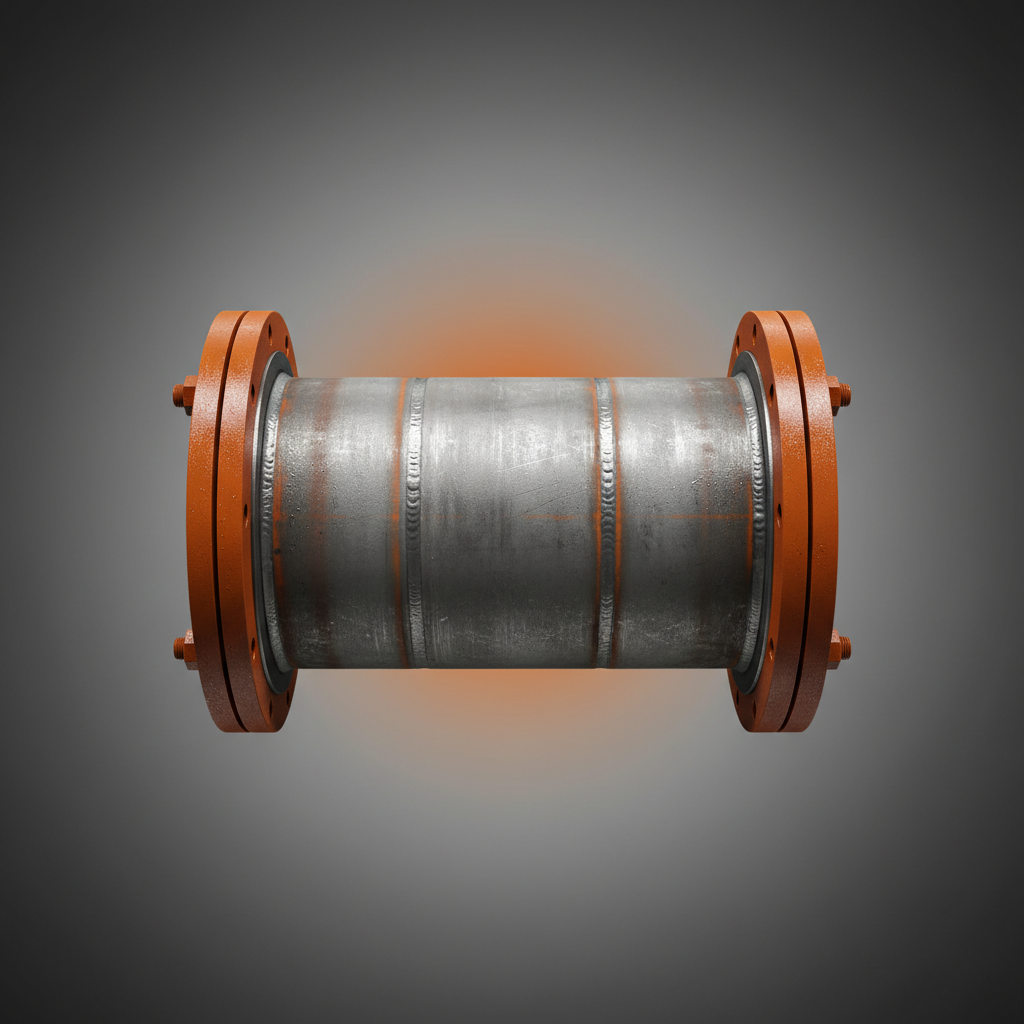 P91 chrome, also known as 9Cr18MoV steel, is a high-alloy, creep-resistant steel widely used in high-temperature applications, particularly in the power generation, petrochemical, and aerospace industries. Renowned for its exceptional strength and oxidation resistance at elevated temperatures, P91 is a critical material in components exposed to harsh operational environments. This article explores the key characteristics, applications, sourcing options, and benefits of P91 chrome. You can find high-quality P91 Chrome steel at World Steel Material.Read more
 -
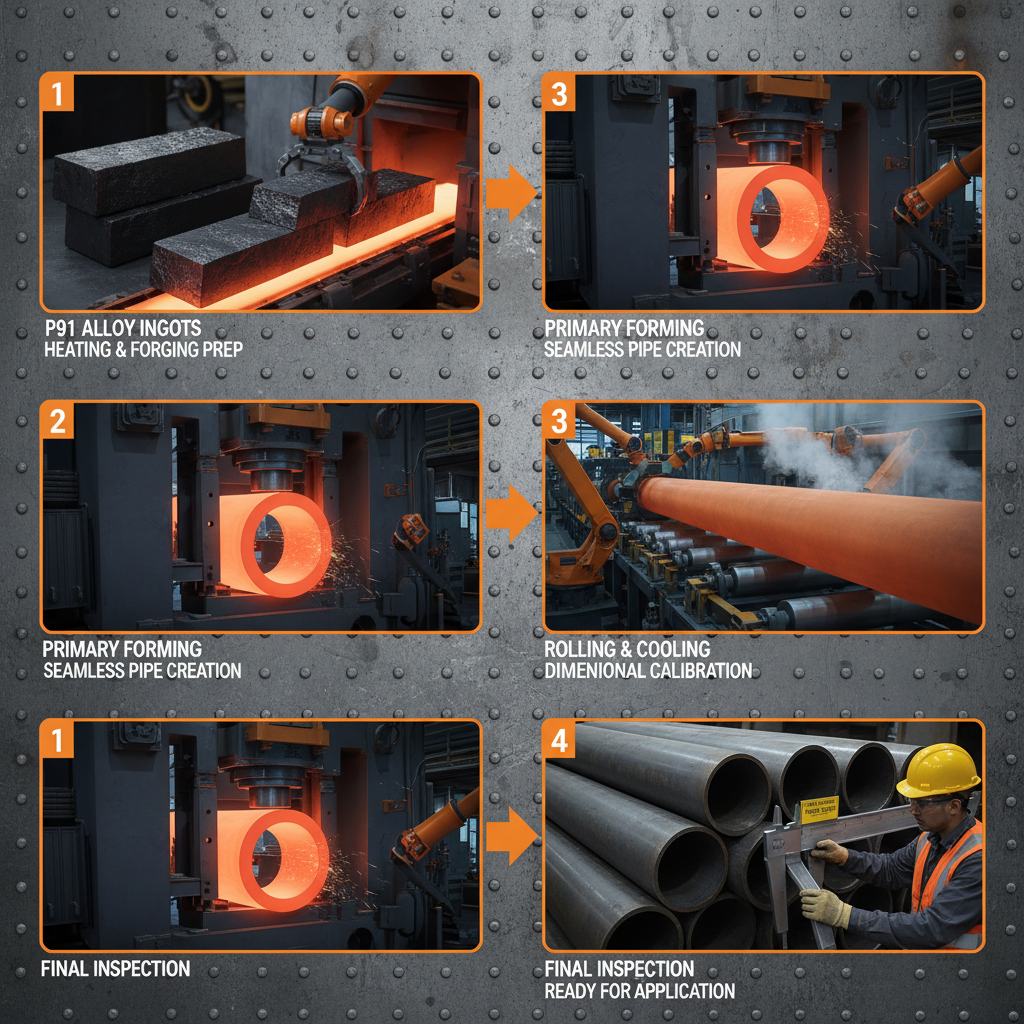 P91 alloy, also known as 9Cr-1Mo steel, is a creep-resistant alloy steel primarily used in high-temperature applications, particularly in the power generation industry. Renowned for its strength, oxidation resistance, and weldability, P91 is a critical material in the construction of power plants and other demanding environments. This article will provide an in-depth look at the characteristics, benefits, applications, and considerations for using P91 alloy, offering valuable insights for engineers, material scientists, and procurement professionals. Understanding its properties is key to optimal performance and longevity in challenging operational conditions. The power generation industry is the largest consumer of P91 alloy. It's commonly used in the fabrication of main steam lines, superheater and reheater tubes, and headers in fossil fuel and nuclear power plants.Read more
 -
 P22 chrome pipe is a high-alloy steel pipe known for its exceptional strength and corrosion resistance at elevated temperatures. It’s a crucial component in numerous industries, including power generation, petrochemicals, and aerospace. This article will explore the properties, applications, manufacturing processes, and sourcing options for P22 chrome pipe. We’ll delve into why this material is preferred in demanding environments and how to ensure you're acquiring the right specifications for your needs. P22 chrome pipe refers to alloy steel pipe conforming to ASTM A335 Grade P22 specifications. The ‘P22’ designation indicates a specific chemical composition containing chromium, molybdenum, and other alloying elements. This composition gives the pipe exceptional creep strength, oxidation resistance, and resistance to corrosion, even at high temperatures (up to 1100°F / 593°C). The addition of chromium forms a protective oxide layer, preventing further corrosion. Its durability and performance make it a vital material in demanding applications where failure is not an option.Read more
 -
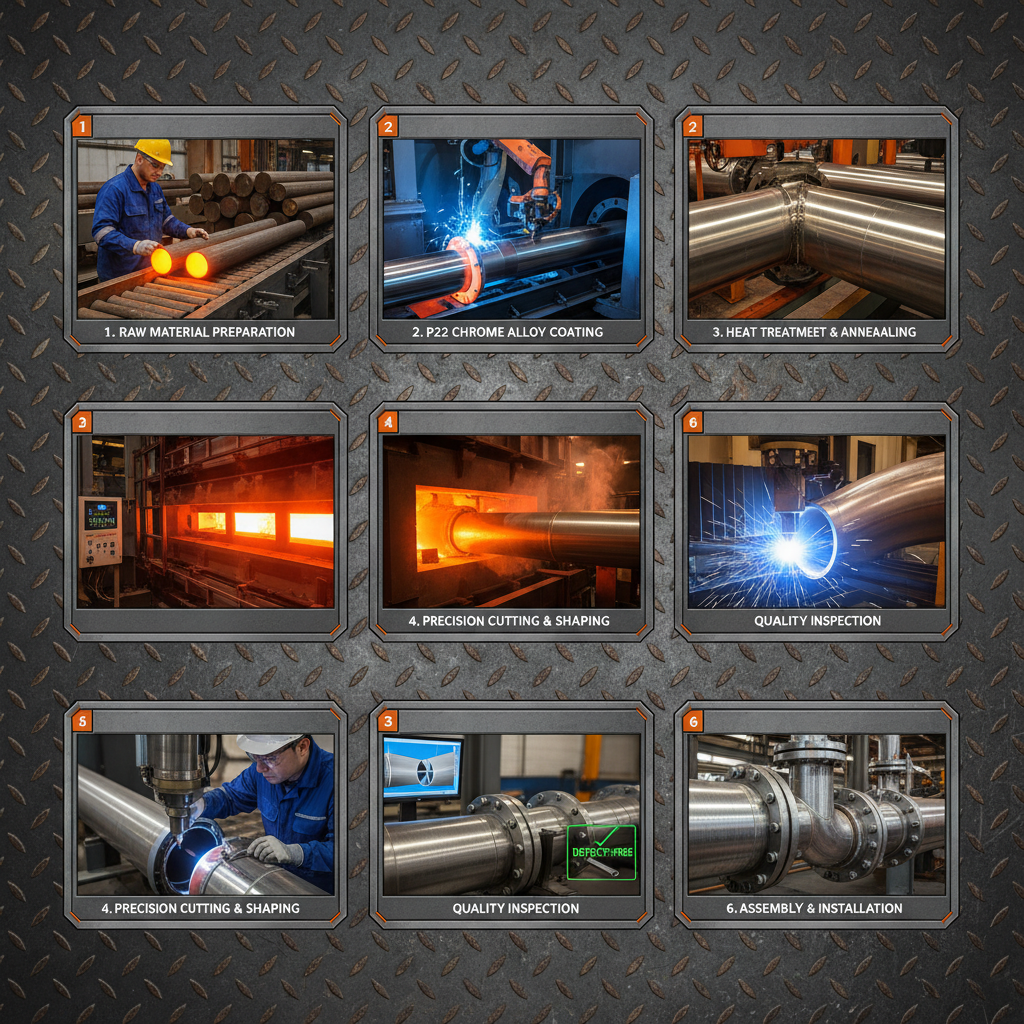 P22 chrome, a high-chromium alloy steel, is renowned for its exceptional hardness, wear resistance, and corrosion resistance. These qualities make it a critical material across numerous industrial applications. At World Steel Material, we specialize in providing high-quality P22 chrome and other alloy steels to meet the demanding needs of our global clientele. This article will delve into the key characteristics of P22 chrome, its common applications, and considerations for sourcing a reliable supplier. Choosing the correct alloy steel is paramount to ensuring the longevity and performance of your equipment. P22 chrome boasts a chemical composition specifically engineered for high-performance applications. Typically containing 11-13.5% chromium, alongside elements like manganese, silicon, and carbon, this alloy exhibits superior mechanical properties. High hardness translates to exceptional resistance to abrasive wear, while the chromium content provides excellent corrosion resistance, particularly in elevated temperatures. It also demonstrates good tensile strength and impact toughness, making it suitable for demanding service conditions.Read more
 -
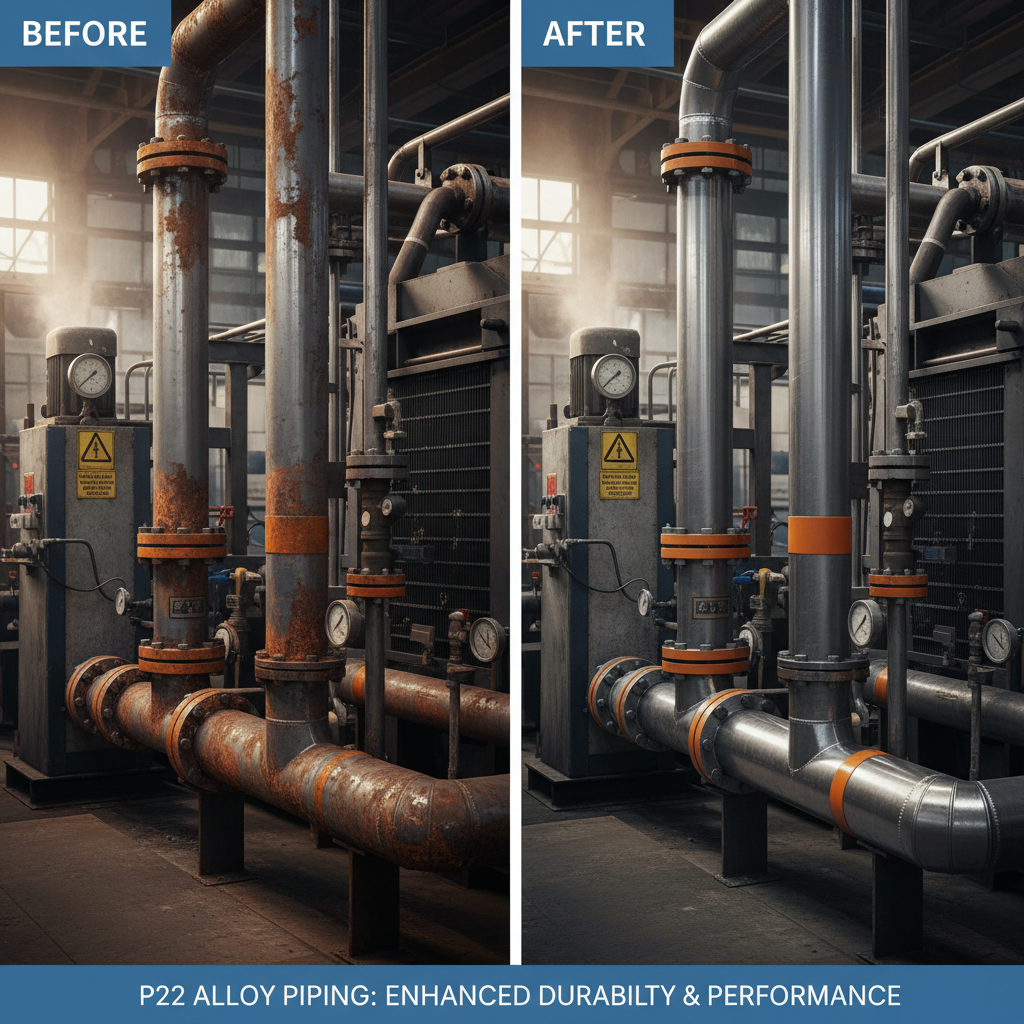 P22 alloy, also known as 22CrMo5Ni1, is a crucial material in high-temperature applications, particularly within the power generation industry. This alloy boasts exceptional creep resistance, oxidation resistance, and high-temperature strength, making it ideal for components exposed to extreme conditions. This article will explore the key properties of P22 alloy, its common applications, sourcing options, and important considerations for procurement. Finding a reliable P22 alloy supplier is paramount for ensuring the quality and longevity of your projects. Understanding this material is vital for engineers and procurement professionals alike. P22 alloy is a chromium-molybdenum steel containing nickel. Its core composition is designed to enhance its resistance to high-temperature deformation and corrosion. The main elements and their approximate percentages are as follows: Chromium (Cr) ~22%, Molybdenum (Mo) ~5%, Nickel (Ni) ~1%, Carbon (C) ~0.2%, and Iron (Fe) making up the balance. This precise composition results in a material with a high tensile strength, even at elevated temperatures.Read more
 -
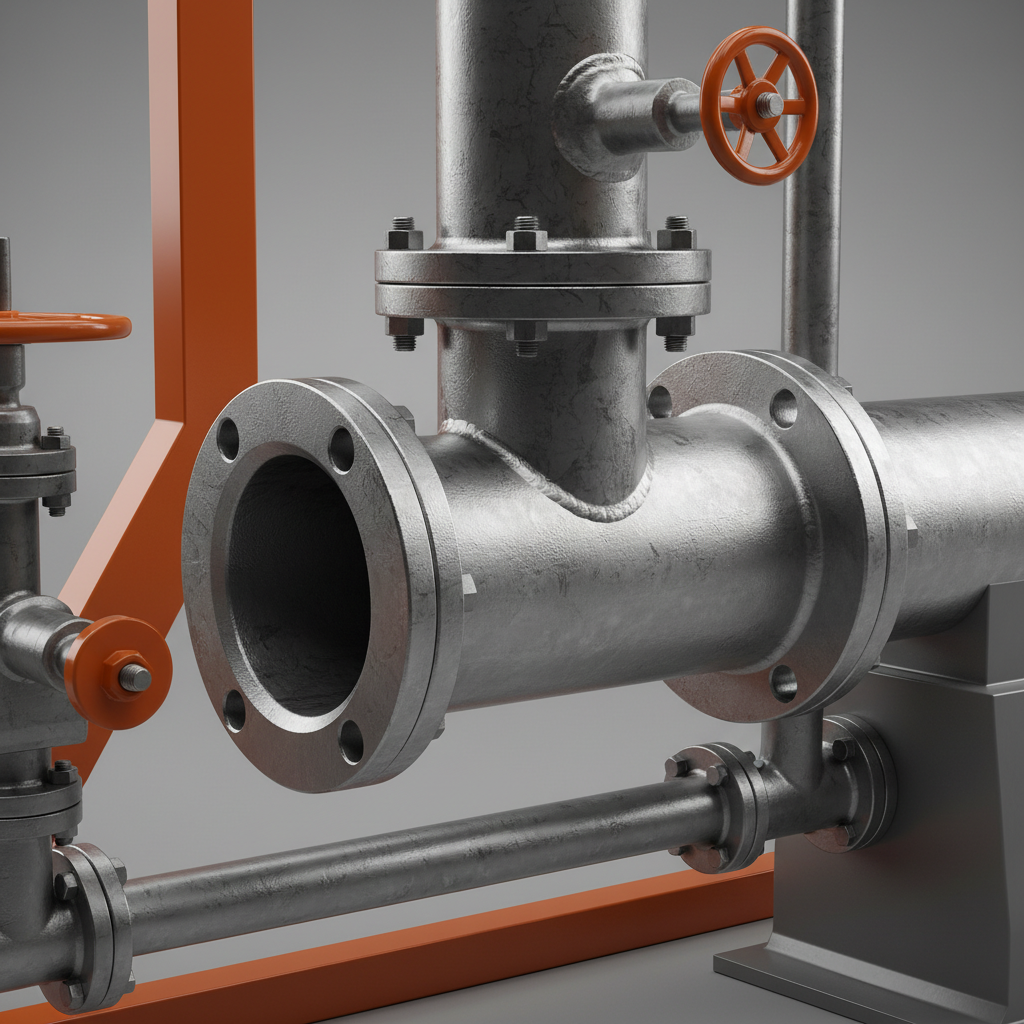 P11 chrome pipe is a vital component in high-temperature applications, particularly within the power generation and petrochemical industries. Known for its exceptional resistance to oxidation, corrosion, and creep, it’s a material of choice when dealing with extreme conditions. This article provides a detailed overview of P11 chrome pipe, covering its composition, properties, applications, advantages, and how to source high-quality products from a trusted supplier like World-Steelmaterial.com. We'll explore why P11 is preferred for demanding environments and what considerations are crucial when selecting this material. P11 chrome pipe is a seamless alloy steel tube manufactured to meet ASTM A335 standards. The “P11” designation signifies its chemical composition, primarily 1.25% chromium, which contributes to its superior high-temperature strength and oxidation resistance. This alloy also includes molybdenum, which further enhances its creep resistance, making it ideal for applications involving prolonged exposure to elevated temperatures. Its exceptional performance makes it a cornerstone material in industries where reliability and durability are paramount.Read more
 -
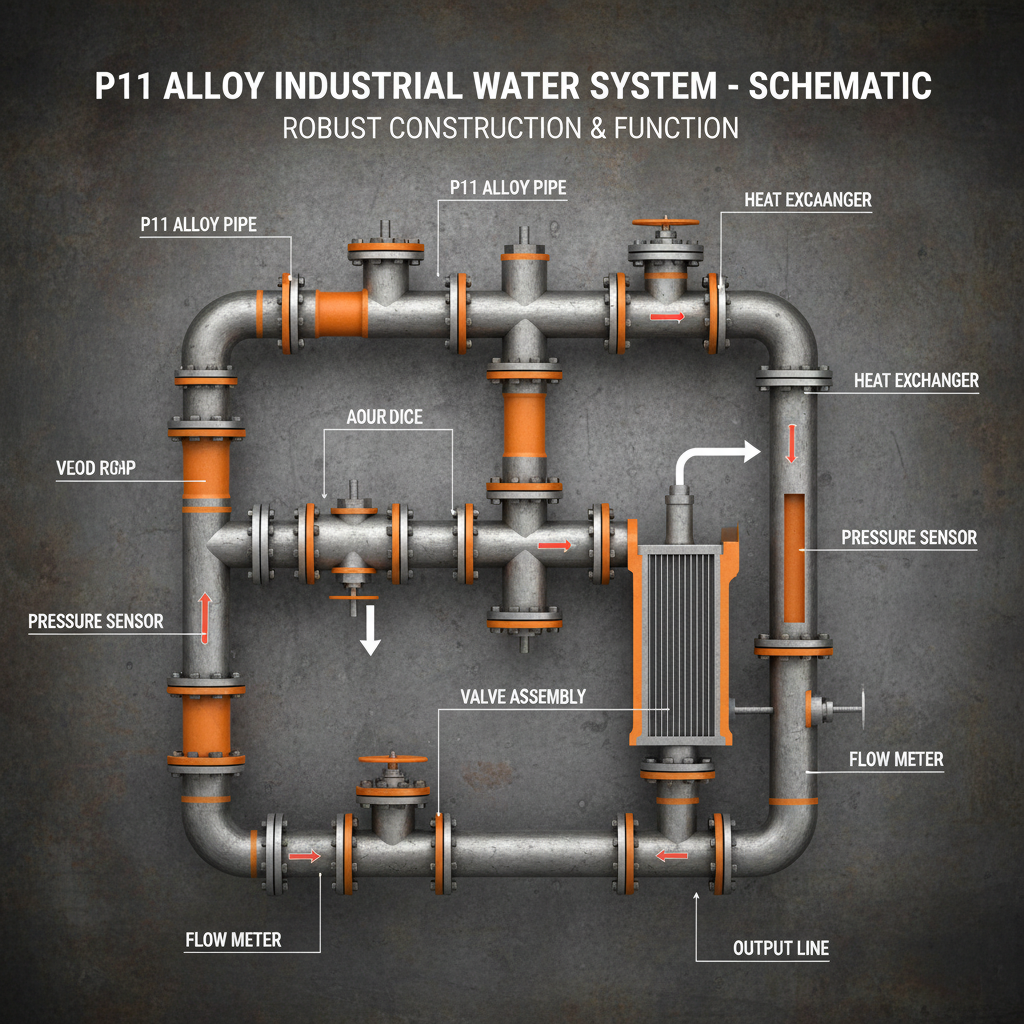 P11 alloy, a nickel-chromium-molybdenum alloy, is renowned for its exceptional high-temperature strength and corrosion resistance. Widely utilized in critical components within the aerospace, power generation, and chemical processing industries, P11 alloy is vital for maintaining operational integrity in demanding environments. This article will delve into the specifics of P11 alloy, including its composition, key properties, typical applications, and how to source high-quality materials from a reliable supplier like World Steel Material. Understanding the nuances of this alloy is crucial for engineers and procurement specialists alike. P11 alloy’s superior performance stems from its precise chemical composition. The inclusion of nickel, chromium, and molybdenum contributes to its high creep strength, oxidation resistance, and overall durability. These elements work synergistically to maintain the alloy’s structural integrity at elevated temperatures. The typical composition is approximately 8.5% Chromium, 4.5% Molybdenum, 2.0% Nickel with the balance being Iron.Read more

 English
  Arabic
  Bengali
  China
China  French
  German
  Hausa
Hausa  Indonesian
  Italian
  Japanese
  Javanese
  Malay
Malay  Persian
  Portuguese
  Punjabi
  Russian
  Spanish
  Swahili
  Telugu
  Vietnamese