-
 L605 tubing is a crucial component in various industrial applications, prized for its strength, precision, and versatility. As a leading supplier of steel materials, World Steel Material provides high-quality L605 tubing tailored to meet diverse engineering needs. This article will delve into the specifications, applications, advantages, and purchasing considerations for L605 tubing, providing a comprehensive resource for engineers, manufacturers, and procurement professionals. Choosing the right tubing material is paramount for ensuring project success and structural integrity. L605 tubing refers to a specific grade of seamless carbon steel tubing. It’s characterized by its excellent weldability, formability, and high strength-to-weight ratio. The 'L605' designation indicates adherence to specific chemical composition and mechanical property standards. This tubing is typically manufactured using cold drawing processes, resulting in tight tolerances and a smooth surface finish. The quality of L605 tubing from reputable suppliers like World Steel Material is consistently high, guaranteeing reliable performance in demanding applications. L605 tubing finds extensive application across a wide range of industries. Commonly used in the manufacturing of automotive components such as chassis parts, exhaust systems and structural elements, it also plays a critical role in the construction of agricultural machinery, hydraulic cylinders, and general engineering projects.Read more
-
 Heavy wall carbon steel pipe is a critical component in numerous industries, including oil & gas, construction, and manufacturing. Its robust construction and versatility make it ideal for high-pressure applications and demanding environments. This article will delve into the specifics of heavy wall carbon steel pipe, covering its characteristics, applications, standards, and purchasing considerations. Understanding these aspects is essential for making informed decisions and ensuring project success. The term “heavy wall” refers to the pipe's wall thickness. Compared to standard wall pipes, heavy wall pipes offer superior strength and durability. This increased thickness allows the pipe to withstand higher internal and external pressures, making them suitable for critical applications. Carbon steel, an alloy of iron and carbon, is the primary material used due to its cost-effectiveness, weldability, and good mechanical properties. The carbon content typically ranges from 0.05% to 2.1% by weight, influencing the steel's hardness and strength. Choosing the right carbon steel grade is crucial for meeting specific project requirements.Read more
-
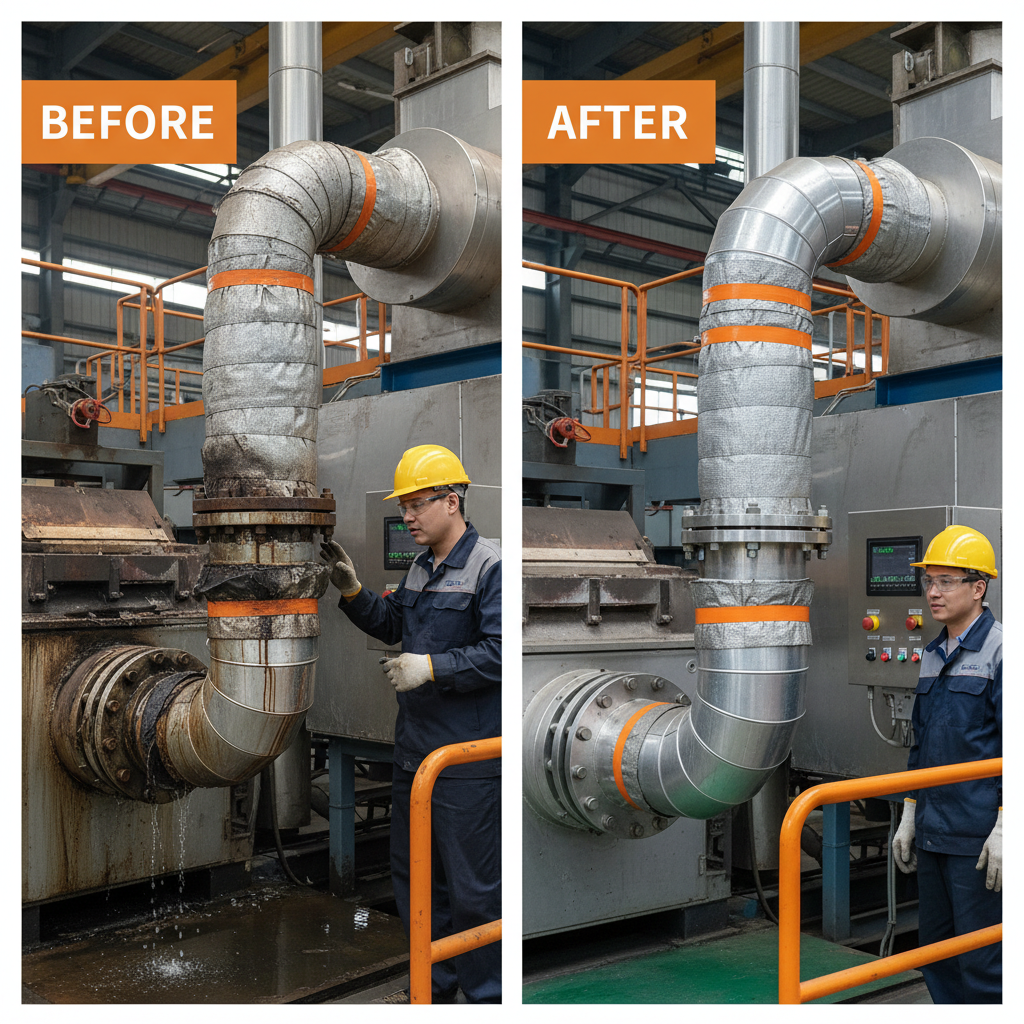 In demanding industrial applications, selecting the right piping material is crucial for efficiency, safety, and longevity. Heat resistant stainless steel pipe stands out as a superior choice when conveying high-temperature fluids or gases. This article will comprehensively explore its properties, applications, grades, and advantages, providing valuable insights for engineers, procurement managers, and anyone involved in material selection. Investing in quality stainless steel pipe minimizes downtime and ensures operational reliability. Stainless steel's heat resistance isn't inherent to the entire material family. It stems from the alloying elements, particularly chromium, nickel, and molybdenum. Chromium forms a passive oxide layer on the surface, protecting against corrosion even at elevated temperatures. Nickel enhances the steel’s ability to maintain its structure and resist oxidation, while molybdenum further increases resistance to high-temperature corrosion and creep. The specific composition dictates the maximum operating temperature and the environment in which the pipe can reliably perform.Read more
-
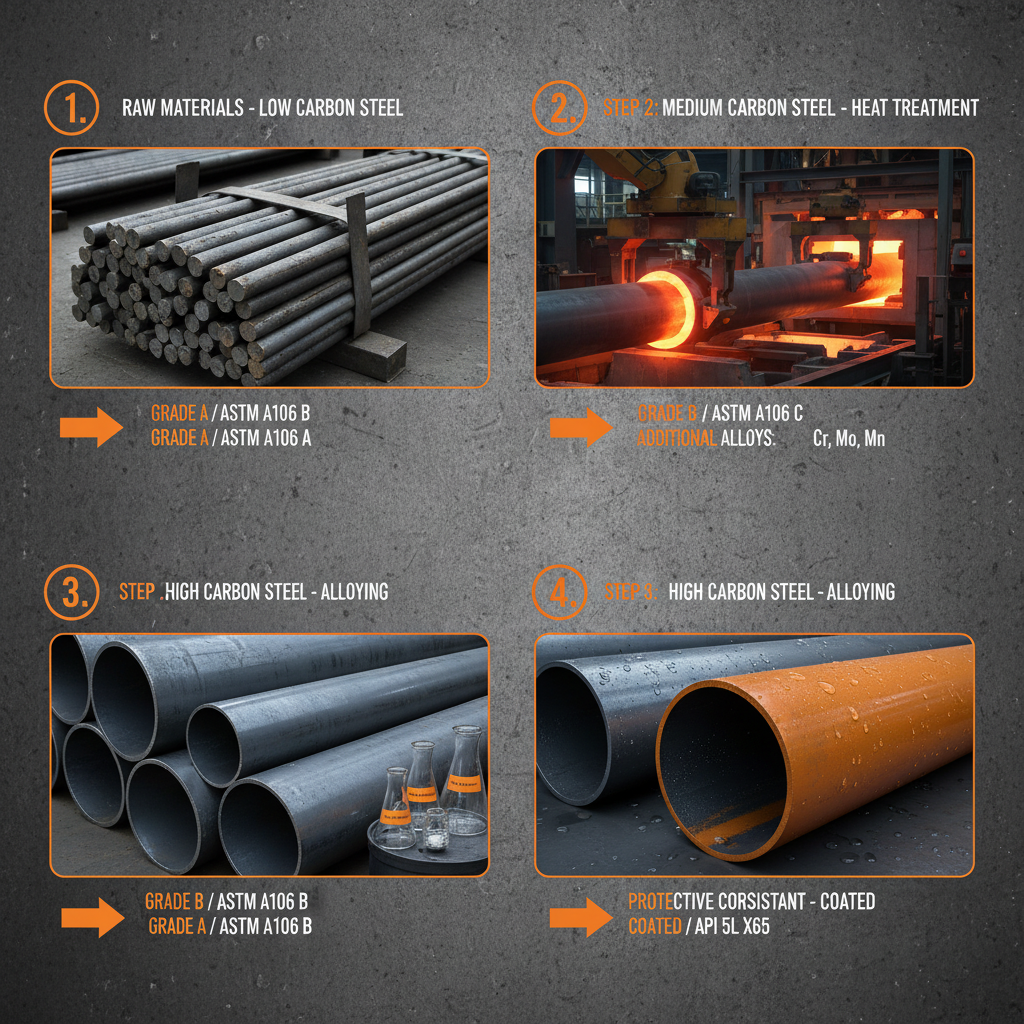 Carbon steel pipe is a foundational material in countless industries, from oil and gas to construction and plumbing. But not all carbon steel pipe is created equal. Different applications require different levels of strength, ductility, and weldability. This is where understanding the grades of carbon steel pipe becomes crucial. This article will delve into the key grades, their properties, and how to choose the right pipe for your specific needs. Selecting the appropriate grade ensures safety, longevity, and cost-effectiveness in your projects. Carbon steel pipe grades are classified based on their chemical composition, particularly the percentage of carbon content. Generally, higher carbon content equates to greater strength and hardness, but reduced ductility and weldability. The most common grades include A53, A106, API 5L, and X42, each tailored for specific applications.Read more
-
Duplex steel tubes are a versatile and high-performance material widely used across numerous industries, from oil and gas to chemical processing and marine engineering. Their unique combination of austenitic and ferritic stainless steels results in superior strength, corrosion resistance, and weldability. This article provides an in-depth look into duplex steel tubes, covering their properties, applications, benefits, and factors to consider when selecting the right tube for your needs. We will explore the key advantages of using duplex steel tubes for demanding applications. The defining characteristic of duplex steel is its microstructure – a roughly equal combination of austenite and ferrite. This unique composition imparts several advantageous properties. Firstly, it exhibits significantly higher strength than standard austenitic stainless steels. Secondly, it offers outstanding resistance to stress corrosion cracking, pitting, and crevice corrosion, particularly in chloride-rich environments. Duplex steel also demonstrates excellent weldability and good toughness, making it suitable for complex fabrication processes. The addition of alloying elements like chromium, nickel, and molybdenum further enhances its corrosion resistance and mechanical properties.Read more
-
Duplex stainless steel pipe is a highly versatile material widely used in various industries, including oil & gas, chemical processing, and marine engineering. Known for its superior strength, corrosion resistance, and cost-effectiveness compared to austenitic or ferritic stainless steels, duplex pipe is a crucial component in demanding applications. This article provides an in-depth exploration of duplex stainless steel pipe, covering its properties, applications, grades, and sourcing options. We will also discuss the benefits of choosing a reliable supplier like World Steel Material for your project needs. Duplex stainless steel derives its name from its microstructure, which contains a roughly equal proportion of austenite and ferrite. This unique combination imparts a blend of desirable properties. The austenite phase enhances its toughness and weldability, while the ferrite phase boosts its resistance to stress corrosion cracking, pitting, and crevice corrosion. World Steel Material offers a broad range of duplex stainless steel pipes designed to meet stringent industry standards.Read more
-
Duplex stainless steel pipe represents a significant advancement in corrosion resistance and mechanical strength compared to traditional stainless steel grades. This article explores the unique properties of duplex SS pipe, its diverse applications in industries like oil and gas, chemical processing, and marine engineering, and why choosing a reputable supplier like World Steel Material is crucial for ensuring quality and reliability. Understanding the nuances of this material is essential for engineers and procurement professionals seeking durable and high-performance piping solutions. Duplex stainless steel doesn't refer to a single alloy but rather a family of stainless steels with a mixed microstructure of austenite and ferrite. This unique combination delivers superior strength, enhanced resistance to stress corrosion cracking, and improved pitting corrosion resistance compared to austenitic stainless steels like 304 or 316. The presence of both phases provides a synergistic effect, making duplex SS pipe ideal for harsh environments where conventional materials would quickly fail. There are several duplex grades, each with varying compositions and properties to suit different applications.Read more
-
Cold drawn stainless steel tube is a versatile material used in a wide range of industries due to its precision, strength, and corrosion resistance. This article provides an in-depth look at its manufacturing process, properties, applications, and considerations for sourcing high-quality tubes. Whether you're an engineer, manufacturer, or purchasing agent, understanding the nuances of cold-drawn stainless steel tubing is crucial for successful project outcomes. Learn how World Steel Material can provide you with the best solutions for your needs. Cold drawing is a metalworking process used to reduce the diameter of stainless steel tubing by pulling it through a die. Unlike hot-rolled tubing, cold-drawn tubes are processed at room temperature, resulting in a smoother surface finish, tighter tolerances, and increased strength.Read more
-
Cold drawn mechanical tubing is a versatile material widely used in various industries due to its precision, strength, and smooth surface finish. This article provides an in-depth look at cold drawn mechanical tubing, covering its manufacturing process, key characteristics, applications, and benefits. We’ll explore why choosing the right tubing is vital for your specific needs, and how World-Steelmaterial.com can provide tailored solutions. This guide aims to equip you with the knowledge to make informed decisions when sourcing this critical component. Cold drawn mechanical tubing is produced by drawing seamless or welded tubing through a die to reduce its diameter and increase its length. This process is performed at room temperature, hence the term "cold drawn." Unlike hot-rolled tubing, cold drawing improves the tubing's mechanical properties, dimensional accuracy, and surface finish. The result is a tubing with tighter tolerances, higher strength, and a smoother inner and outer surface. The process work hardens the metal increasing tensile strength and yield strength.Read more
-
Brazing stainless steel tubing is a crucial joining process in numerous industries, including automotive, aerospace, and HVAC. It offers a strong, leak-tight, and corrosion-resistant joint, making it ideal for critical applications. This article delves into the process, materials, techniques, and best practices for effectively brazing stainless steel tubing, ensuring optimal performance and longevity. Understanding the nuances of brazing is vital for achieving reliable and durable connections. We'll explore the advantages, common challenges, and solutions to ensure successful brazing outcomes. Brazing is a joining process where two or more metal items are joined together by melting and flowing a filler metal into the joint. Unlike welding, the base metals are not melted in brazing. For stainless steel, carefully selecting the appropriate filler metal is paramount. Common filler metals include nickel-based alloys and silver-based alloys, each offering distinct properties like corrosion resistance, strength, and temperature tolerance. Preparing the surfaces by thorough cleaning and applying a flux to prevent oxidation is equally important.Read more
-
Stainless steel tubing, particularly those manufactured to ASTM standards, plays a crucial role in numerous industries, from construction and automotive to food processing and medical applications. This article will delve into the world of ASTM stainless steel tubes, exploring their properties, grades, applications, and the importance of choosing the right tube for your specific needs. Understanding these factors is paramount for ensuring optimal performance, longevity, and safety in your projects. We’ll also highlight where to source high-quality stainless steel tubes. ASTM International develops and publishes technical standards for a wide range of materials, including stainless steel. These standards ensure quality, consistency, and reliability. Several ASTM standards apply to stainless steel tubes, each defining specific requirements for chemical composition, mechanical properties, dimensions, and testing procedures.Read more
-
4 alloy pipe is a critical material used in a multitude of industries, prized for its strength, corrosion resistance, and durability. Whether you're involved in oil and gas, chemical processing, or general engineering, understanding the nuances of this material is essential. This article will provide an in-depth look at 4 alloy pipe, covering its composition, properties, applications, and key considerations for sourcing. We aim to equip you with the knowledge needed to make informed decisions regarding this vital component. Explore our range of steel materials, including 4 alloy pipe, at World Steel Material. 4 alloy pipe generally refers to pipes manufactured from 4% chromium molybdenum alloy steel. The primary alloying elements are chromium and molybdenum, with smaller amounts of other elements like manganese, silicon, and carbon. The addition of these elements significantly enhances the steel’s mechanical properties. Chromium imparts corrosion and oxidation resistance, while molybdenum increases hardenability, strength, and toughness, particularly at elevated temperatures. This combination makes 4 alloy pipe ideal for high-pressure and high-temperature applications.Read more


 English
 Arabic
 Bengali
 China
 French
 German
 Hausa
 Indonesian
 Italian
 Japanese
 Javanese
 Malay
 Persian
 Portuguese
 Punjabi
 Russian
 Spanish
 Swahili
 Telugu
 Vietnamese