

Brazing Stainless Steel Tubing: A Comprehensive Guide
Brazing stainless steel tubing is a crucial joining process in numerous industries, including automotive, aerospace, and HVAC. It offers a strong, leak-tight, and corrosion-resistant joint, making it ideal for critical applications. This article delves into the process, materials, techniques, and best practices for effectively brazing stainless steel tubing, ensuring optimal performance and longevity. Understanding the nuances of brazing is vital for achieving reliable and durable connections. We'll explore the advantages, common challenges, and solutions to ensure successful brazing outcomes.
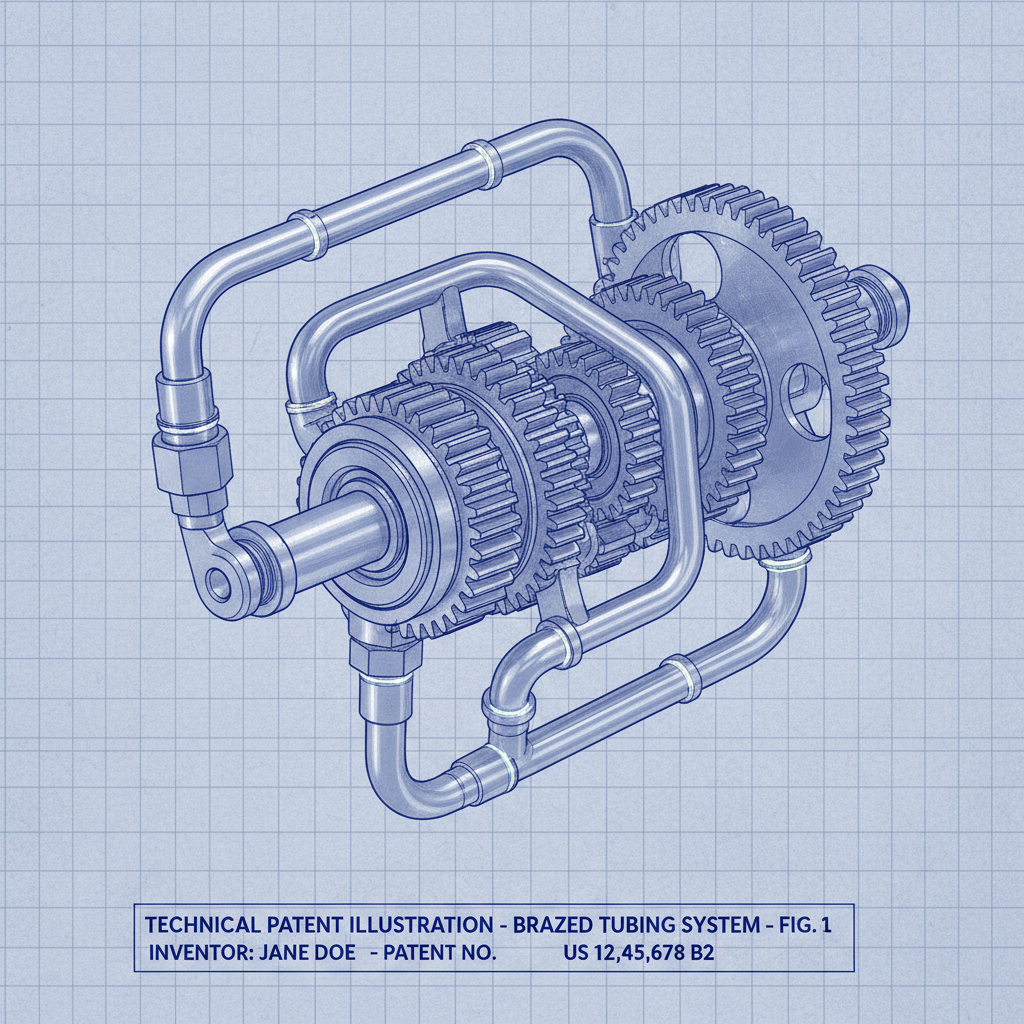
Understanding the Brazing Process for Stainless Steel
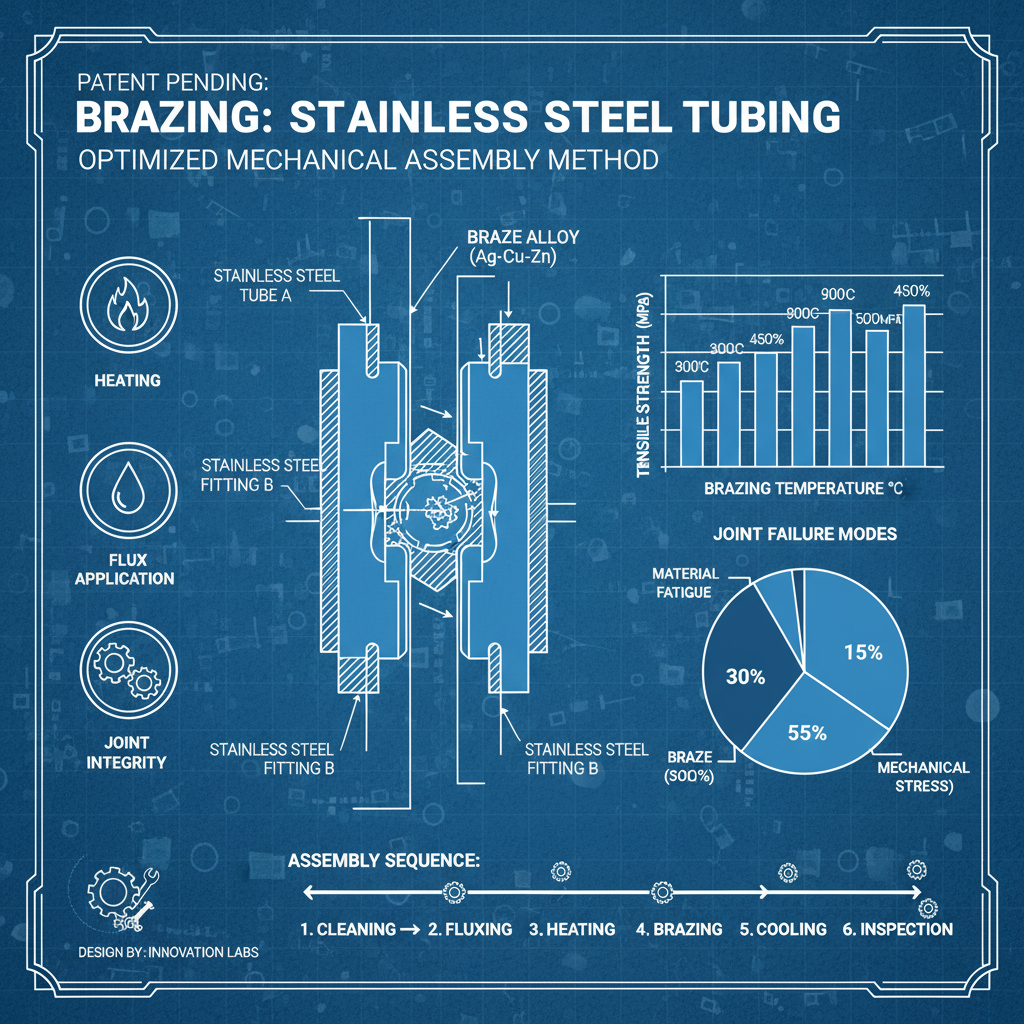
Brazing is a joining process where two or more metal items are joined together by melting and flowing a filler metal into the joint. Unlike welding, the base metals are not melted in brazing. For stainless steel, carefully selecting the appropriate filler metal is paramount. Common filler metals include nickel-based alloys and silver-based alloys, each offering distinct properties like corrosion resistance, strength, and temperature tolerance. Preparing the surfaces by thorough cleaning and applying a flux to prevent oxidation is equally important. The brazing process requires precise temperature control and a protective atmosphere to ensure a strong and reliable joint. This process ensures minimal distortion and maintains the integrity of the stainless steel tubing.
Key Highlights: Careful selection of filler metal and thorough surface preparation are essential for successful brazing. Precise temperature control and a protective atmosphere are vital to ensuring a strong, corrosion-resistant joint.
Choosing the Right Filler Metal for Stainless Steel Tubing
Selecting the correct filler metal is critical for a successful braze. Nickel-based alloys (like BNi-5) offer excellent corrosion resistance and high strength, making them ideal for demanding applications. Silver-based alloys (like Ag-45) provide good flow characteristics and are suitable for less critical joints. Consider the operating temperature, corrosive environment, and mechanical stress the joint will experience. The filler metal’s melting point should be lower than the stainless steel tubing’s melting point to ensure a proper braze. Consulting with a materials expert can help determine the best filler metal for your specific application.
Filler Metal Selection Considerations:
• Corrosion Resistance
• Joint Strength
• Operating Temperature
• Flow Characteristics
Brazing Stainless Steel Tubing: A Comparison of Techniques
Several brazing techniques can be employed, each with advantages and disadvantages. Torch brazing offers flexibility and portability, suitable for on-site repairs. Furnace brazing provides uniform heating and is ideal for mass production. Induction brazing delivers precise heat control and is often used for automated processes. Dip brazing, while efficient, can be less controlled. The best technique depends on the volume, complexity, and precision requirements of the application. Proper ventilation and safety precautions are essential regardless of the chosen method. Choosing high-quality stainless steel tubing is critical to the success of the brazing process.
Essential Preparations Before Brazing Stainless Steel
Thorough preparation is paramount for a successful braze. This includes degreasing to remove oils and contaminants, followed by cleaning with a stainless steel cleaner to eliminate oxides. A flux is then applied to prevent oxidation during heating. Ensure the tubing is properly supported to prevent distortion. Maintain a tight fit between the tubing ends to minimize the amount of filler metal needed. Pre-heating the tubing can improve the flow of the filler metal. Finally, protecting the surrounding areas from heat damage is crucial. Meticulous preparation directly translates to a stronger, more reliable joint.
Quality Control and Inspection of Brazed Joints
After brazing, a thorough inspection is essential to verify the joint’s integrity. Visual inspection should check for complete filler metal flow and the absence of voids or cracks. Non-destructive testing methods, such as dye penetrant inspection or radiography, can reveal hidden defects. Pressure testing is crucial for applications requiring leak-tight joints. Ensuring the brazed joint meets the required specifications guarantees long-term reliability and prevents failures. Proper documentation of the inspection process is also recommended for traceability and quality assurance. For critical applications, consider consulting with a certified welding inspector.
Conclusion: Achieving Robust and Reliable Brazed Joints
Successful brazing stainless steel tubing requires careful material selection, precise technique, and diligent quality control. By understanding the principles outlined in this guide, professionals can create strong, durable, and leak-tight joints that meet the demands of diverse applications. Investing in proper training, equipment, and quality assurance processes is vital for maximizing the benefits of this essential joining method.
Frequently Asked Questions (FAQs)
What type of flux should I use when brazing stainless steel?
The choice of flux is critical. A borax-based flux is commonly used for brazing stainless steel, offering good corrosion resistance and effective oxide removal. However, it's crucial to thoroughly remove the flux residue after brazing, as it can be corrosive over time. Silver-containing fluxes are also available and provide enhanced flow characteristics, but they are typically more expensive. Always choose a flux specifically designed for stainless steel and follow the manufacturer's instructions for application and removal.
What are some common reasons for brazing failures in stainless steel?
Several factors can contribute to brazing failures. Improper surface preparation, incorrect filler metal selection, insufficient flux, or inadequate heating are common causes. Contamination of the joint area, such as from oil or dirt, can also prevent proper bonding. Finally, excessive movement during the cooling process can introduce stress and lead to cracking. A systematic approach to troubleshooting can help identify the root cause of the failure and prevent recurrence.
Can stainless steel tubing be brazed without flux?
While technically possible in highly controlled environments, brazing stainless steel without flux is generally not recommended. Flux plays a crucial role in preventing oxidation during heating, ensuring proper wetting and flow of the filler metal. Without flux, the stainless steel surface will form a layer of oxide, inhibiting the brazing process and resulting in a weak, unreliable joint. In specialized applications with exceptionally clean surfaces and a strictly controlled atmosphere, fluxless brazing may be considered, but it requires advanced techniques and expertise.
How do I prevent distortion when brazing thin-walled stainless steel tubing?
Distortion is a common concern when brazing thin-walled tubing. Use localized heating to minimize the heat-affected zone. Support the tubing adequately to prevent sagging or bending during heating and cooling. Consider using a lower brazing temperature and a faster heating rate. Employing a heat sink can also help dissipate heat and reduce distortion. Additionally, controlling the cooling rate can prevent residual stress buildup and minimize warping.
Post time: Feb . 11, 2026 02:35
 English
  Arabic
  Bengali
  China
China  French
  German
  Hausa
Hausa  Indonesian
  Italian
  Japanese
  Javanese
  Malay
Malay  Persian
  Portuguese
  Punjabi
  Russian
  Spanish
  Swahili
  Telugu
  Vietnamese