

Understanding 4 Alloy Pipe: A Comprehensive Guide
4 alloy pipe is a critical material used in a multitude of industries, prized for its strength, corrosion resistance, and durability. Whether you're involved in oil and gas, chemical processing, or general engineering, understanding the nuances of this material is essential. This article will provide an in-depth look at 4 alloy pipe, covering its composition, properties, applications, and key considerations for sourcing. We aim to equip you with the knowledge needed to make informed decisions regarding this vital component. Explore our range of steel materials, including 4 alloy pipe, at World Steel Material.
What is 4 Alloy Pipe? Composition and Characteristics
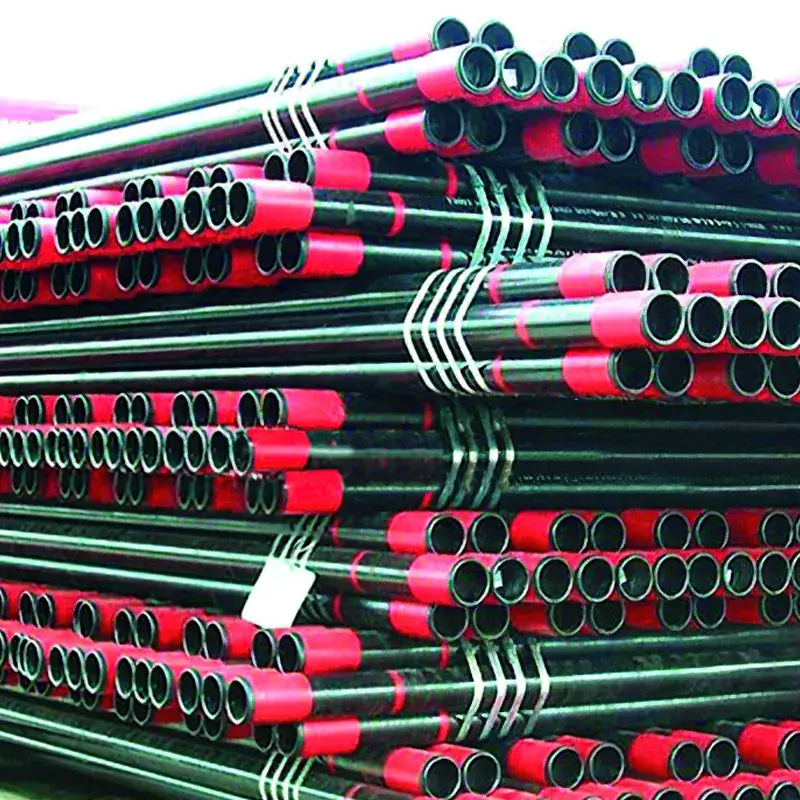
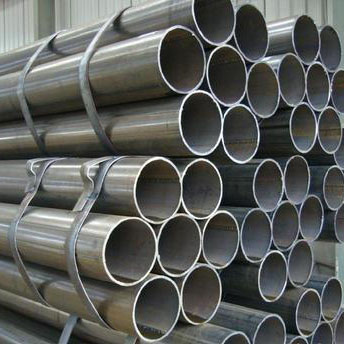
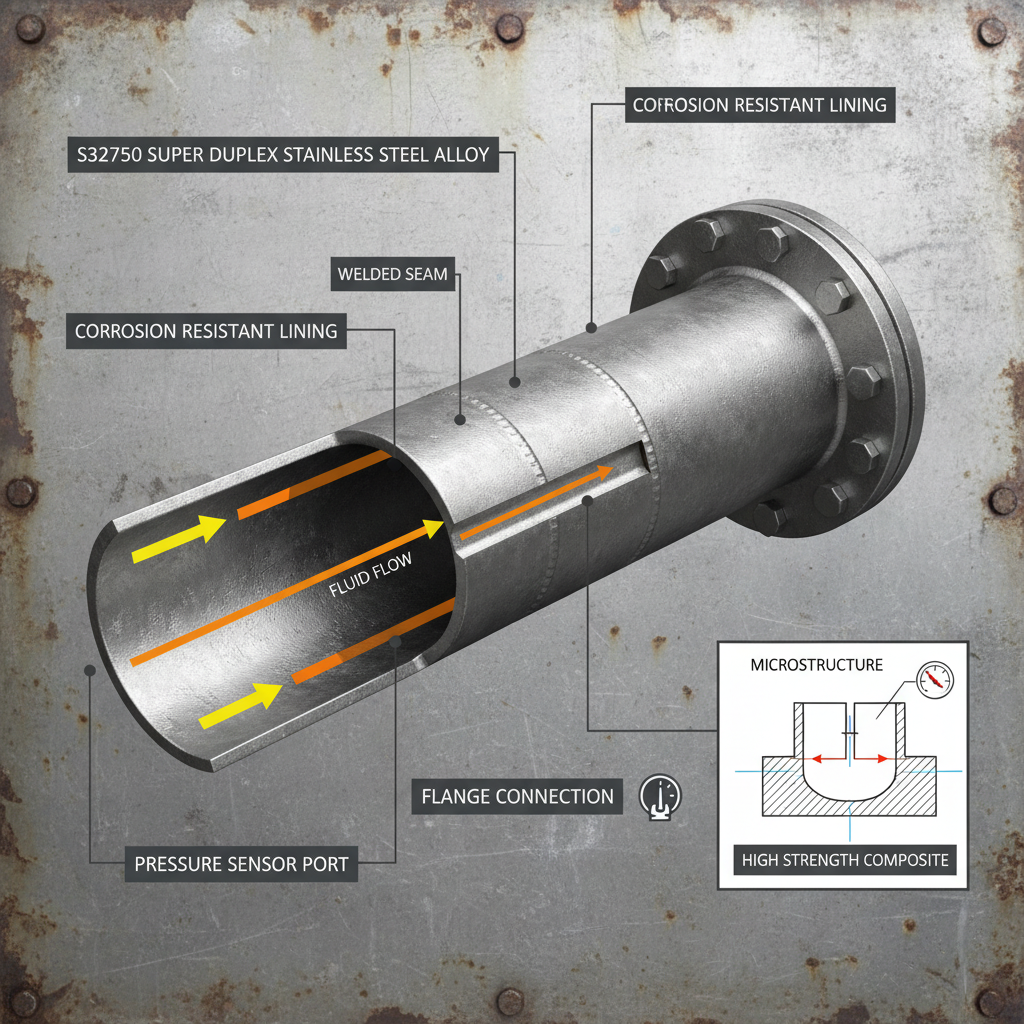
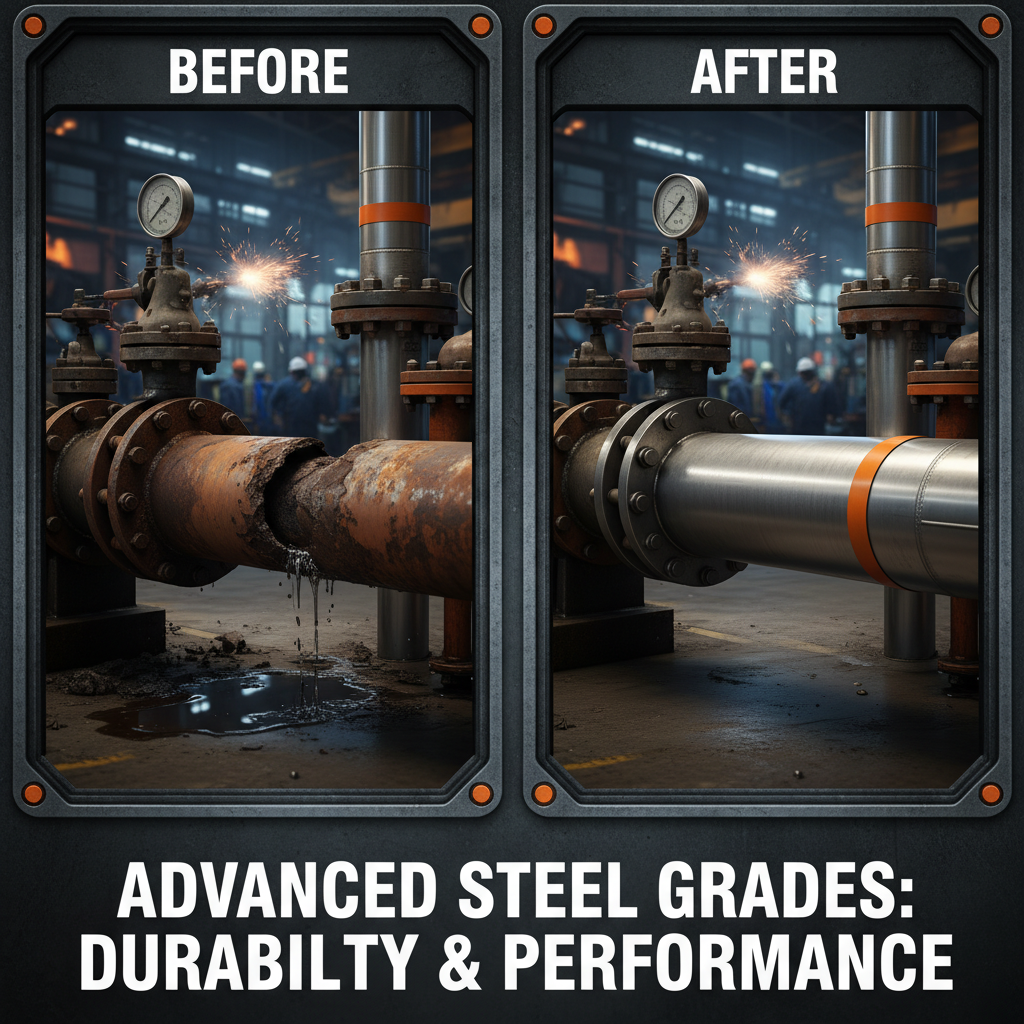
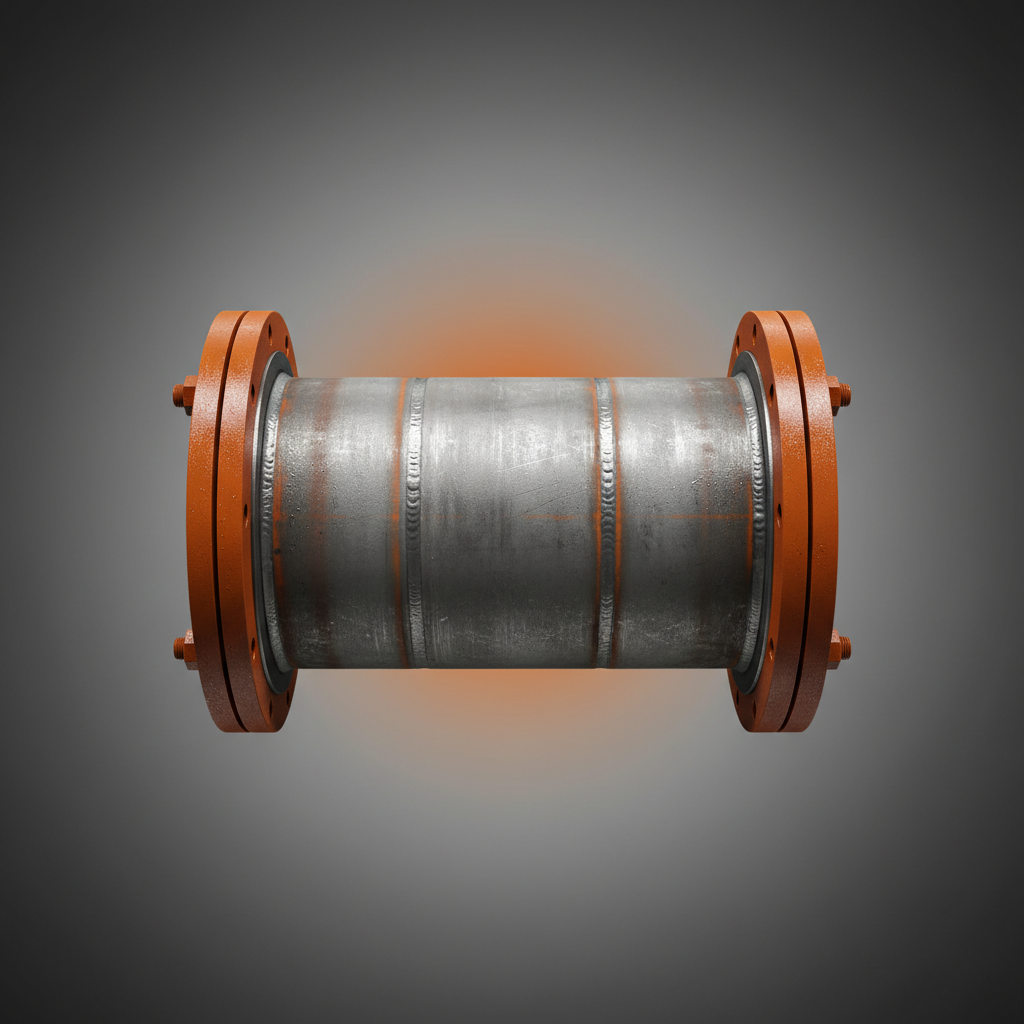
4 alloy pipe generally refers to pipes manufactured from 4% chromium molybdenum alloy steel. The primary alloying elements are chromium and molybdenum, with smaller amounts of other elements like manganese, silicon, and carbon. The addition of these elements significantly enhances the steel’s mechanical properties. Chromium imparts corrosion and oxidation resistance, while molybdenum increases hardenability, strength, and toughness, particularly at elevated temperatures. This combination makes 4 alloy pipe ideal for high-pressure and high-temperature applications. It’s a common choice where carbon steel alternatives fall short in terms of longevity and performance.
Key Highlights: Chromium enhances corrosion resistance, and molybdenum increases hardenability, strength, and toughness, making it suitable for demanding environments.
Mechanical Properties of 4 Alloy Pipe
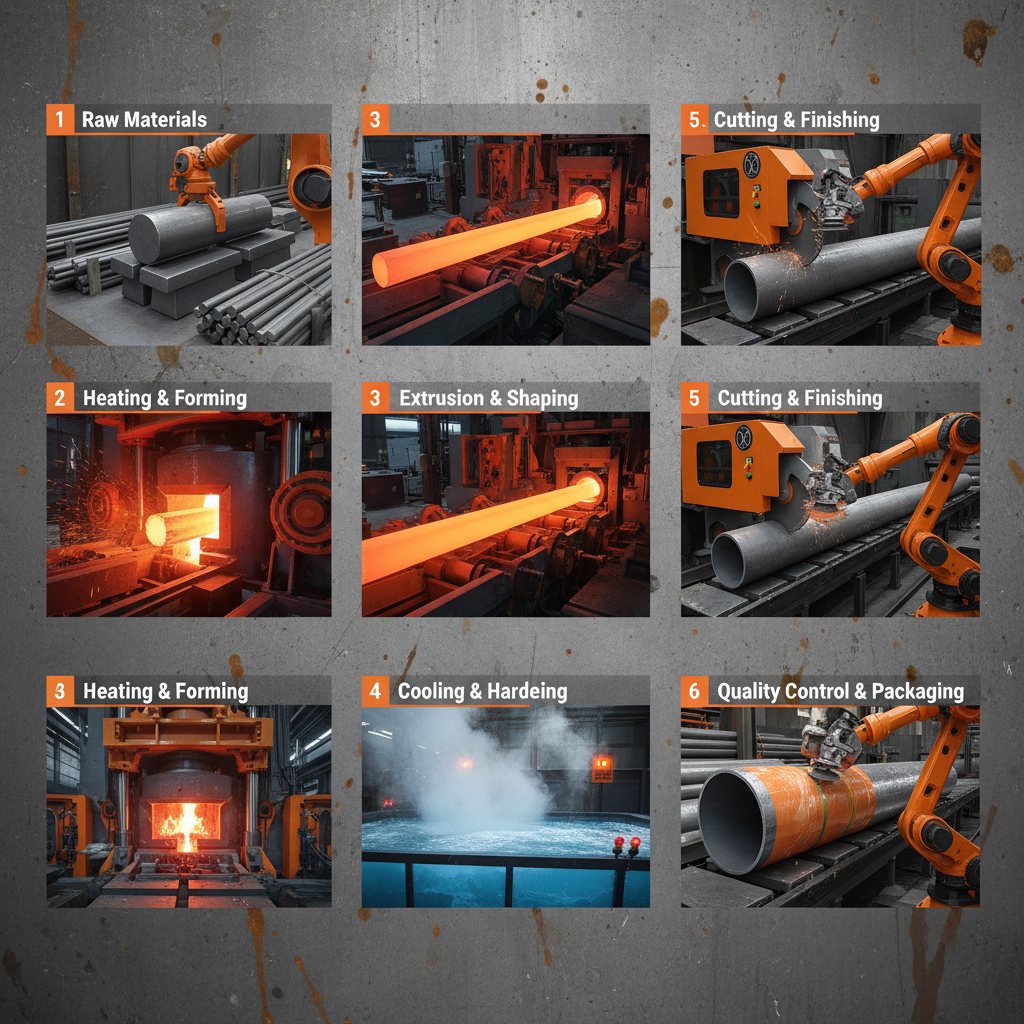
The mechanical properties of 4 alloy pipe are superior to many other steel alloys. These properties directly contribute to its widespread use in demanding applications. Key properties include high tensile strength, yield strength, and impact toughness. The pipe can withstand significant internal and external pressures without deformation or failure. Furthermore, it exhibits excellent creep resistance at elevated temperatures, making it suitable for applications like power generation and petrochemical processing. Understanding these properties is crucial for selecting the right pipe for a specific application.
Key Mechanical Properties:
• High Tensile Strength
• High Yield Strength
• Excellent Impact Toughness
• Superior Creep Resistance
4 Alloy Pipe vs. Other Alloy Pipes: A Comparison
While several alloy pipes are available, 4 alloy pipe distinguishes itself in specific applications. Compared to carbon steel, it offers significantly improved corrosion resistance and strength. Against 5 alloy pipe (containing 5% chromium molybdenum), 4 alloy generally exhibits slightly lower strength but often better weldability and cost-effectiveness. Choosing the correct alloy depends on the specific requirements of the application, balancing performance and budget. Here's a quick comparison:
Applications of 4 Alloy Pipe
4 alloy pipe finds extensive use in numerous industries due to its robust properties. Common applications include: boiler tubes in power plants, superheater tubes, heat exchanger tubes in chemical processing, oil and gas pipelines, and components in refining units. Its ability to withstand high temperatures and pressures makes it invaluable in these settings. The pipe is also used in structural applications requiring high strength and durability.
Sourcing and Specifications for 4 Alloy Pipe
When sourcing 4 alloy pipe, it's crucial to verify specifications to ensure they meet your application's requirements. Key considerations include pipe size (diameter and wall thickness), schedule (indicating pressure rating), manufacturing standards (ASTM, ASME), and material certifications. Reputable suppliers like World Steel Material provide detailed specifications and quality assurance documentation. Proper sourcing ensures the integrity and longevity of your systems.
Conclusion: Investing in Quality 4 Alloy Pipe
Selecting the right 4 alloy pipe is paramount for ensuring the safety, efficiency, and longevity of your operations. Understanding its composition, properties, and applications is crucial for making informed decisions. Partnering with a reliable supplier like World Steel Material guarantees quality, adherence to specifications, and expert support. Don't compromise on quality – choose the right alloy for your needs.
Frequently Asked Questions (FAQs)
What are the common manufacturing standards for 4 alloy pipe?
The most common manufacturing standards for 4 alloy pipe include ASTM A335 (for seamless and welded pipes) and ASME SA335. These standards specify the requirements for chemical composition, mechanical properties, manufacturing processes, and testing procedures. Adherence to these standards ensures the pipe's quality and reliability. Always verify that the pipe you're sourcing meets the relevant standards for your application.
Can 4 alloy pipe be used in corrosive environments?
Yes, 4 alloy pipe exhibits good corrosion resistance due to the presence of chromium. However, the degree of resistance depends on the specific corrosive agent. For highly corrosive environments, additional corrosion-resistant alloys or coatings might be necessary. Consider the specific chemicals and conditions your pipe will be exposed to when making your selection.
What is the typical wall thickness range for 4 alloy pipe?
The typical wall thickness range for 4 alloy pipe varies depending on the schedule and intended application. Common schedules include 40, 80, and 160, with corresponding wall thicknesses ranging from approximately 0.154 inches to 0.625 inches. Heavier wall thicknesses are used for higher pressure applications. Selecting the correct wall thickness is critical for ensuring the pipe can withstand the operating pressures and stresses.
What are the benefits of choosing a reputable supplier like World Steel Material?
Choosing a reputable supplier like World Steel Material ensures you receive high-quality 4 alloy pipe that meets industry standards. Benefits include guaranteed material certifications, competitive pricing, reliable delivery, and expert technical support. A trusted supplier minimizes the risk of receiving substandard materials that could compromise the safety and performance of your systems.
Post time: Jan . 28, 2026 11:15


 English
  Arabic
  Bengali
  China
China  French
  German
  Hausa
Hausa  Indonesian
  Italian
  Japanese
  Javanese
  Malay
Malay  Persian
  Portuguese
  Punjabi
  Russian
  Spanish
  Swahili
  Telugu
  Vietnamese