

QUESTIONS & ANSWERS
Boiler Steel Pipe FAQ: Integration, Spare Parts and Maintenance Questions
This FAQ answers common questions from procurement teams and engineers about boiler steel pipe, covering applicable ASTM standards and grades, how seamless tubes are manufactured, which rust-removal methods are used in maintenance, how to evaluate tube quality when sourcing, and the main application areas. All answers draw from confirmed product documentation by Beijing Sinoworld Steel Material Co., Ltd.

Boiler Steel Pipe: Common Buyer Questions Answered
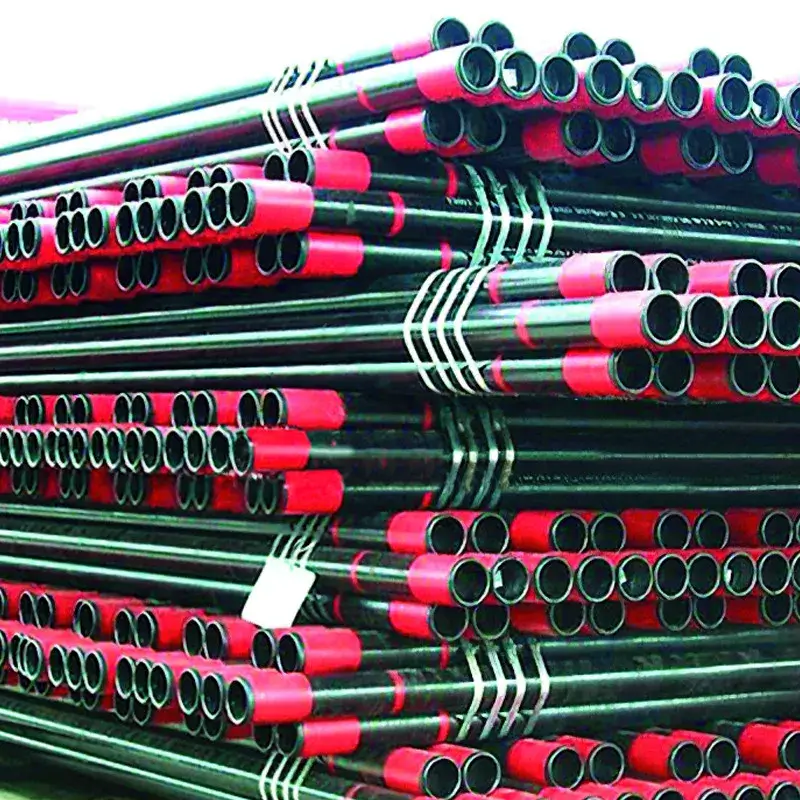
Seamless boiler tubes are a core component in steam boilers, power generation facilities, and industrial processing plants. The questions below address the topics buyers and maintenance teams raise most often: applicable standards, how these tubes are made, how to keep them in good condition, what to look for when sourcing, and where they are used.
1. What standards apply to this product, and what are the main grades?
Two ASTM standards are most commonly referenced for boiler steel pipe:
- ASTM A179 — covers seamless cold-drawn low-carbon steel tubes intended for heat exchangers, condensers, and similar heat-conveying equipment. The principal grade is A179.
- ASTM A192 — covers high-pressure, minimum-wall-thickness seamless carbon steel boiler and superheater tubes. The principal grade is A192.
Both standards are issued by the American Society for Testing & Materials. The appropriate standard for a given installation depends on operating pressure, temperature, and equipment type; consult the equipment manufacturer’s specification before selecting a grade.
2. How are these seamless tubes manufactured?
Both medium-pressure and high-pressure tubes share a common initial process: fine drawing, surface brightening, hot rolling, cold drawing, and heat expansion.
High-pressure tubes require additional heat-treatment steps to increase strength and resistance:
| Step | Purpose |
|---|---|
| Quenching | Increases hardness; the tube is heated to the appropriate temperature then rapidly immersed in water or oil, followed by cooling in air or a freezing zone. |
| Tempering | Removes the brittleness introduced by quenching, preventing the tube from cracking. |
| Annealing | Removes internal stress; the tube is heated to critical temperature and then cooled slowly in ash or lime. |
Medium-pressure tubes do not require these additional heat-treatment stages.
3. What rust-removal methods are used during maintenance?
Four approaches are recognised:
- Solvent and emulsion cleaning — removes dust and oil but cannot eliminate all organic remnants.
- Manual or power-tool cleaning — removes oxide coatings, welding slag, and surface rust.
- Chemical and electrolytic (acid) cleaning — a thorough method that strips rust and scale chemically.
- Spray rust removal — the most effective approach; removes dirt, oxides, and rust to a greater degree than other methods and simultaneously increases surface roughness, which improves subsequent coating adhesion.
For pressurised systems, always follow the equipment manufacturer’s maintenance guidelines and applicable safety regulations.
4. What should buyers check when evaluating tube quality?
When reviewing potential steel pipe suppliers, check the following on any sample or shipment:
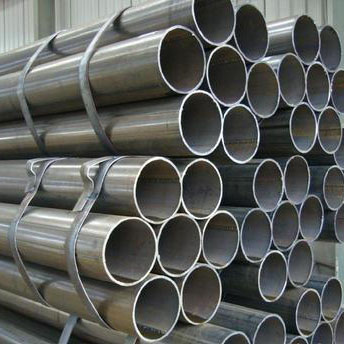
- Cross-section smoothness — a quality seamless tube has a smooth cross-section free of bumps and irregularities.
- Density — low-density material contains a higher proportion of impurities and should be avoided.
- Trademark / markings — reputable manufacturers mark their seamless tubes legibly; absent or unclear marking is a warning sign.
- Surface finish — the outer and inner surface should be smooth and even; rough or uneven surfaces indicate poor manufacturing control.
These checks apply whether you are sourcing through wholesale steel pipe suppliers or directly from a mill.
5. Where are these tubes used?
Boiler tubes are widely used in:
- Steam boilers for industrial and power-generation processes
- Fossil fuel power plants and electric power plants
- Industrial processing plants
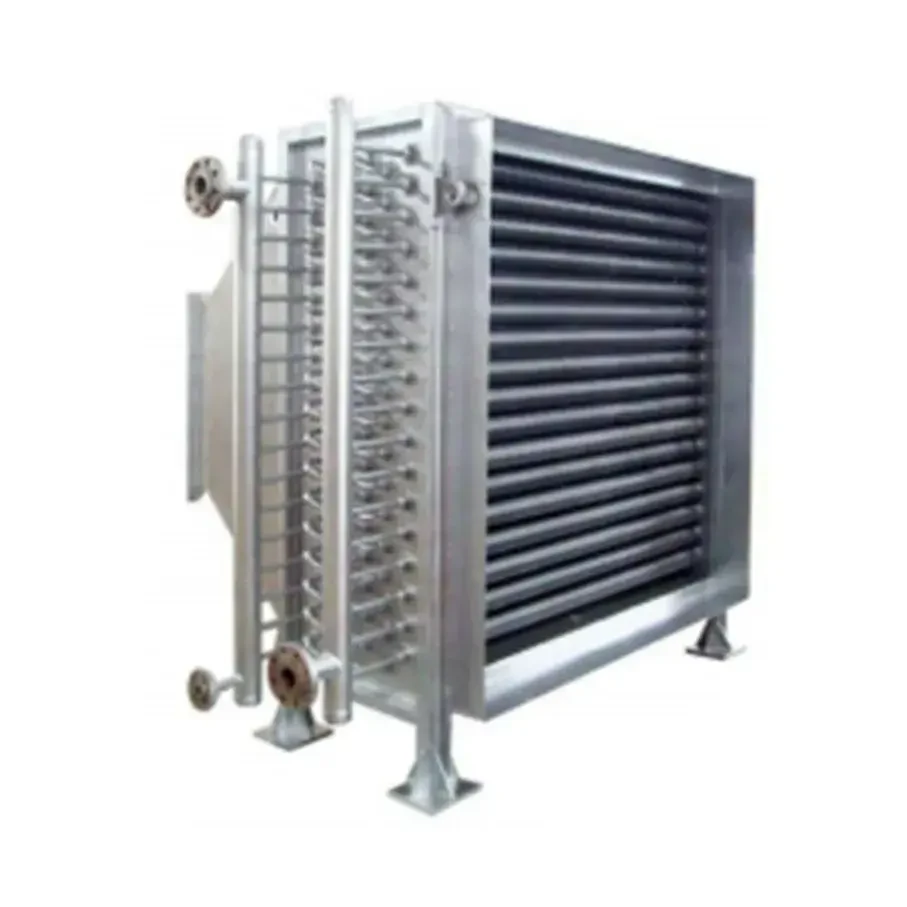
- Heat exchangers and condensers (typically ASTM A179 grade)
- Superheaters (typically high-pressure ASTM A192 grade)
The correct grade — medium-pressure or high-pressure — is determined by the operating conditions of the specific system.
For sourcing enquiries, contact Beijing Sinoworld Steel Material Co., Ltd.
THE PEOPLE

About the author
THE COMPANY
Beijing Sinoworld Steel Material Co., Ltd.
BEIJING SINOWORLD STEEL MATERIAL CO., LTD was established in 2012 and has nearly 15 years of global experience serving the OCTG, petrochemical, boiler, heat exchanger, shipbuilding, and automotive machinery manufacturing industries. Located in Beijing, the capital of China, our company supplies a full range of OCTG pipes ,Line pipes,Firefighting pipes,boiler tubes,Pipe fittings,flanges,vlaves,etc to customers worldwide.In addition, we have successfully obtained UL certification, further demonstrating our…
About Us ↗Visit company website ↗YOUR NEXT STEP
Bring your brief. Start a useful conversation.
Use case, specification, quantity and delivery window: make the next conversation specific.
Post time: Oct . 29, 2026 00:28


 English
 Arabic
 Bengali
 China
 French
 German
 Hausa
 Indonesian
 Italian
 Japanese
 Javanese
 Malay
 Persian
 Portuguese
 Punjabi
 Russian
 Spanish
 Swahili
 Telugu
 Vietnamese