Honestly, it's been a wild year. Everyone's talking about pre-fabricated buildings, modular construction… you see it everywhere now. Not just for temporary stuff, but for real, permanent structures. Makes sense, right? Labor costs are climbing, schedules are tighter, and everyone wants something faster. But speed isn’t everything, trust me. I’ve seen too many “fast” projects end up costing a fortune in rework.
What people don’t talk about enough is the little things. The details. It’s those tiny details that'll bite you. You’re designing something in a fancy CAD program, everything looks perfect… then you get on site and realize, “Oh, the forklift can’t actually get around this thing.” Or “How are we supposed to run the electrical conduit through that?” It’s always something.
And it always comes back to the materials. Speaking of which, we're using a lot of galvanized steel pipe china these days. Good stuff, especially for the framework. I actually like the smell of it when you’re cutting – a bit metallic, kind of reassuring, you know? It’s solid, feels good in the hand. But you gotta be careful with the edges; they get sharp. We’re moving away from some of the cheaper stuff from overseas, honestly. The welds were just… questionable. Strangely, I’ve been seeing more stainless steel pipe china used for the plumbing, even though it’s more expensive. Apparently, people are worried about corrosion in certain areas.
Industry Trends and Design Pitfalls
Have you noticed how everyone wants “open concept” now? It looks great in the brochures, but on site, it’s a nightmare for soundproofing and structural support. You end up needing a lot more steel pipe china reinforcement, and it adds cost. It's always a compromise. And, I encountered this at a factory in Jiangsu province last time, their pipe china sizing were slightly off, created all sorts of problems during assembly. You have to check everything, even if it's supposedly “standard”.
Another thing, everyone’s obsessed with BIM (Building Information Modeling). Great tool, don’t get me wrong. But it’s only as good as the data you put in. Garbage in, garbage out. And if the guys on the ground aren’t trained to use it properly, it’s just another expensive piece of software collecting dust.
Material Spotlight: Steel Pipe China
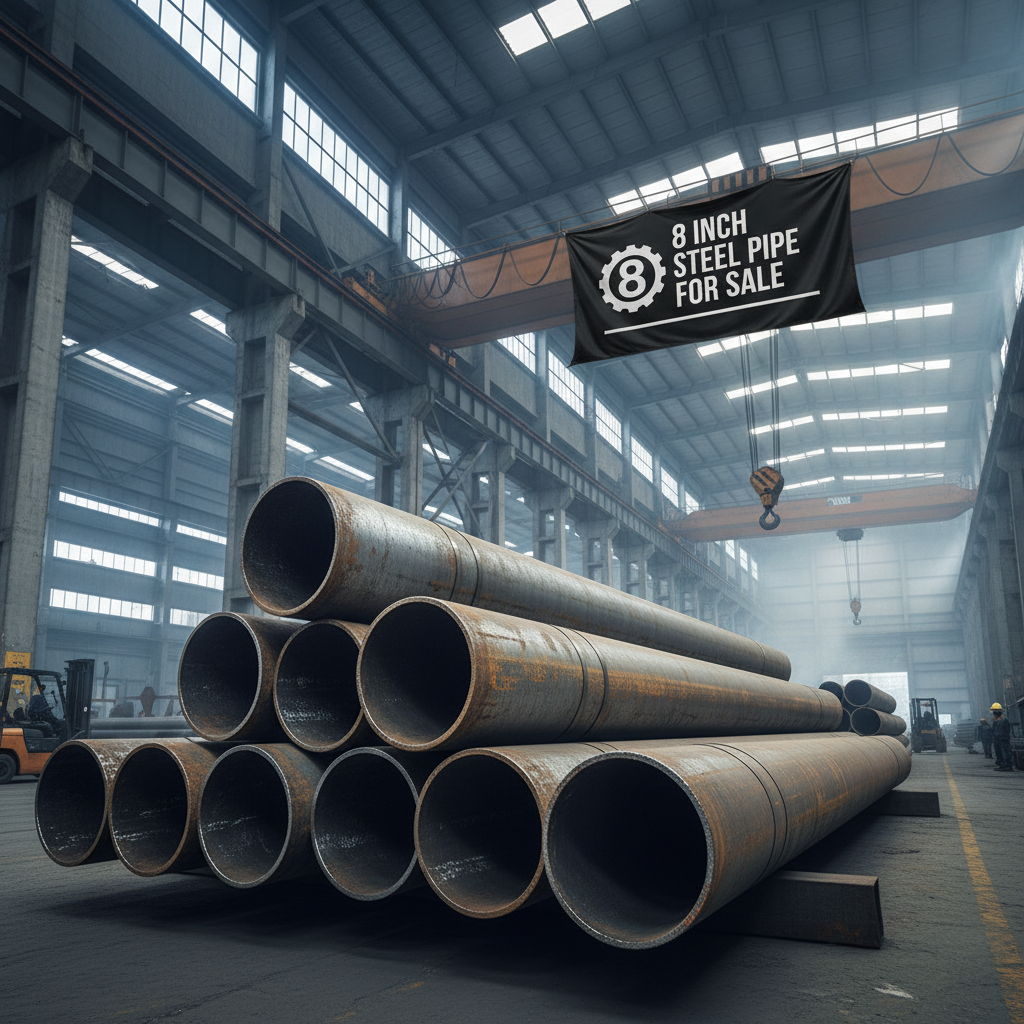
We're primarily using Schedule 40 steel pipe china for the structural elements – the columns, beams, that sort of thing. It’s got a good strength-to-weight ratio, relatively easy to weld, and it's pretty readily available. You can feel the quality, you know? It's got heft to it. We’ve started using some high-strength low-alloy (HSLA) steel pipe china in certain applications where we need to minimize weight. It’s pricier, but it can save you on transportation costs and make installation easier.
For the plumbing, like I said, we’re seeing a lot of stainless steel pipe china. It’s more resistant to corrosion, obviously. But it’s a pain to work with. It’s harder to cut, harder to weld, and it’s…slippery. I've cut my knuckles on that stuff more times than I care to admit.
And don’t even get me started on the different coatings. Galvanized, epoxy-coated, powder-coated… each one has its pros and cons. You gotta consider the environment, the intended use, and, frankly, the budget. Sometimes, you just go with what you know works, even if it’s not the “optimal” solution.
Real-World Testing and Performance
Look, we don’t have fancy labs running load tests on everything. We test stuff on site. We build a small section, put weight on it, see if it holds. Simple as that. I’ve personally stood under beams while they were being loaded, just to get a feel for it. Not recommended, by the way. But you learn things.
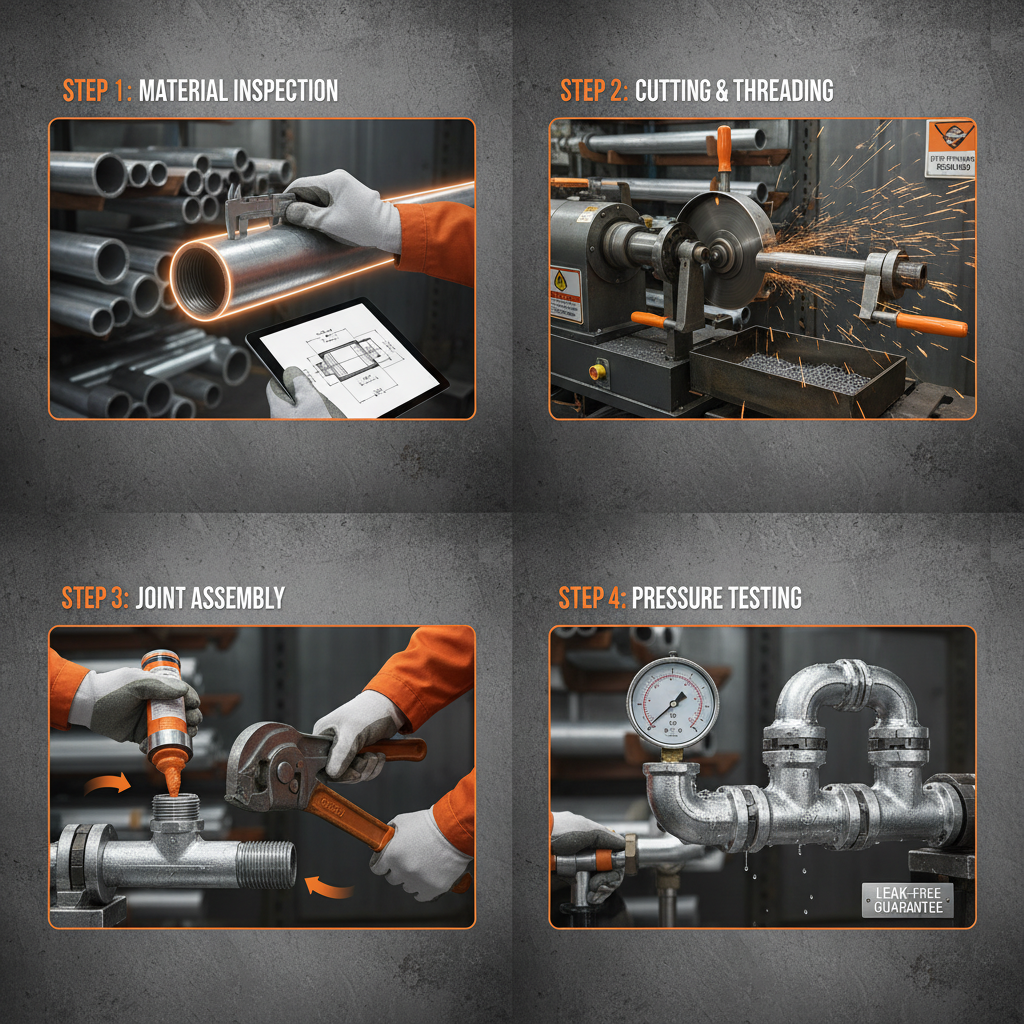
We also rely heavily on pull tests for the welds. You clamp a piece of pipe china, and then you pull it with a hydraulic jack. See if the weld holds. If it doesn’t… well, you redo it. It sounds basic, but it's surprisingly effective. It’s about knowing your welders and trusting their work. A bad weld can ruin everything.
And honestly, a lot of testing is just… observation. You watch how the structure behaves over time. Does it settle? Does it deform? Are there any cracks forming? It’s about being vigilant and paying attention to the details. Later… forget it, I won't mention it.
User Applications and Unexpected Uses
We originally designed this system for temporary shelters after disasters, but it turns out people are using it for all sorts of things. Small offices, workshops, storage facilities… even tiny houses. It's surprisingly versatile.
I’ve even seen a guy using it to build a chicken coop. A chicken coop. Apparently, it’s stronger and more weatherproof than anything he could buy at the hardware store. And strangely enough, the chickens seemed pretty happy about it.
Application of Pipe China by Sector
Advantages and Disadvantages
The biggest advantage is speed, obviously. You can erect a structure with this system much faster than with traditional methods. It’s also relatively lightweight and easy to transport. And, it’s pretty strong, provided you use the right materials and do the welding correctly.
But it's not perfect. It can be expensive, especially if you're using high-quality steel pipe china. And it requires skilled labor. You can’t just throw some guys on site and expect them to build a sound structure. It's also not the most aesthetically pleasing system, let's be honest. It looks… industrial.
Customization Options and Examples
We can customize almost anything. Different sizes, different coatings, different connection types. Last month, that small boss in Shenzhen who makes smart home devices insisted on changing the interface to , thinking it’d look “sleek.” It turned out to be a total disaster. The load distribution was all off, and the whole thing was wobbly. Had to go back to the original design.
But more reasonable customizations are common. We’ve done projects where we’ve added insulation panels to the steel frame, or integrated solar panels into the roof structure. It's all about adapting the system to meet the specific needs of the client.
Anyway, I think there is always scope for innovation, adapting this system to changing need is what we're all about.
Durability and Long-Term Reliability
If it's installed correctly and maintained properly, this stuff can last for decades. Steel pipe china is a durable material, and it’s resistant to a lot of things – fire, pests, weather. But it's not invincible. You need to protect it from corrosion, especially in coastal areas. Regular inspections are crucial.
You also have to consider the connections. The welds are the weakest point. They need to be inspected regularly and repaired if necessary. A good welder is worth their weight in gold, trust me.
Ultimately, whether this thing works or not, the worker will know the moment he tightens the screw.
Summary of Long-Term Reliability Factors
| Material Quality |
Installation Technique |
Environmental Exposure |
Maintenance Schedule |
| High-grade steel pipe china (corrosion resistance) |
Proper welding procedures and quality control |
Coastal areas (high salt content) |
Annual visual inspections for corrosion/damage |
| Galvanized coating thickness |
Accurate alignment and secure connections |
Industrial environments (chemical exposure) |
Bi-annual coating re-application if needed |
| Alloy composition (strength) |
Load distribution and structural integrity |
Extreme weather events (wind, snow) |
Prompt repair of any detected damage |
| Consistent material sourcing |
Professional installation team |
Seismic activity (earthquake zones) |
Periodic re-tightening of connections |
| Thickness of steel pipe china walls |
Compliance with building codes |
Humidity and temperature fluctuations |
Replacement of worn or damaged components |
| Manufacturing quality control |
Proper foundation and support |
UV radiation exposure |
Professional structural assessment every 5 years |
FAQS
Steel is significantly stronger and more durable than wood, offering better resistance to fire, pests, and rot. It's also more dimensionally stable, meaning it’s less prone to warping or shrinking over time. This translates to a longer-lasting structure with reduced maintenance needs. While initially more expensive, the long-term cost savings from reduced repairs and replacements often outweigh the upfront investment. It's also, frankly, faster to work with once you get the hang of it.
The cost of steel pipe china fluctuates based on market conditions, but generally, it falls somewhere in between concrete and timber. Concrete is usually the cheapest upfront, but it requires significant labor and time for installation. Timber is often comparable to steel in initial cost, but lacks the same level of durability and fire resistance. The total project cost needs to consider material prices, labor, transportation, and long-term maintenance. It’s not always a simple comparison.
Galvanization is the most common form of corrosion protection, where the steel is coated with a layer of zinc. This provides a sacrificial barrier, meaning the zinc corrodes instead of the steel. Epoxy coatings offer a more robust barrier, particularly in harsh environments. Powder coating is another option, providing a durable and aesthetically pleasing finish. Regular inspections and maintenance are crucial, even with these protective measures.
Working with steel pipe china requires a higher level of skill than working with wood. Proper welding techniques are essential, and welders should be certified to industry standards (e.g., AWS). Accurate cutting, fitting, and assembly also demand precision. It's not a DIY project. We usually look for people with at least a couple of years of experience in steel fabrication and construction.
Yes, one of the advantages of steel pipe china is its adaptability. Structures can be relatively easily modified or expanded by adding new sections or connections. This is much more challenging with concrete or traditional wood framing. However, any modifications must be carefully engineered to ensure structural integrity. It's never as simple as just bolting something on.
Steel is a highly recyclable material, which is a significant environmental benefit. However, the production of steel is energy-intensive and generates greenhouse gas emissions. Using recycled steel pipe china can help mitigate this impact. Proper disposal of any scrap steel is also crucial. It's about making responsible choices throughout the entire lifecycle of the material.
Conclusion
So, where does all this leave us? Steel pipe china is a versatile, durable, and increasingly popular building material. It’s not a magic bullet, and it comes with its own set of challenges. But when used correctly, it can provide a cost-effective and sustainable solution for a wide range of construction projects. It’s really about weighing the pros and cons and making informed decisions based on the specific needs of the project.
Looking ahead, I think we’ll see even more innovation in this area. New alloys, improved coatings, and more efficient construction techniques. But at the end of the day, it all comes down to the craftsmanship. Ultimately, whether this thing works or not, the worker will know the moment he tightens the screw.