You know, after running around construction sites all year, smelling cement and dust, you start to see what really matters with pipe manufacturer. It's not about fancy specs on a datasheet, it's about whether the guy on the ground can actually use the stuff without wanting to throw it into the nearest mud puddle. Lately, I've been seeing a huge push for prefabrication, everything’s gotta be modular. It's efficient, sure, but sometimes… sometimes it feels like they’re designing for robots, not people.
To be honest, the biggest trend is definitely lightweight materials. Everyone wants less weight, easier handling. But that often means sacrificing something else, right? Durability, usually. You get these composites that look great in the catalog, but one good knock and… well, let's just say I’ve seen a few. And don’t even get me started on the "eco-friendly" options. A lot of hype, not a lot of substance.
Have you noticed how everyone is obsessed with corrosion resistance these days? It’s a good thing, obviously. But they forget that the connection points are often the weakest link. You spend all this money on fancy pipe, then use a cheap, mismatched fitting and…boom. Leaking nightmare.
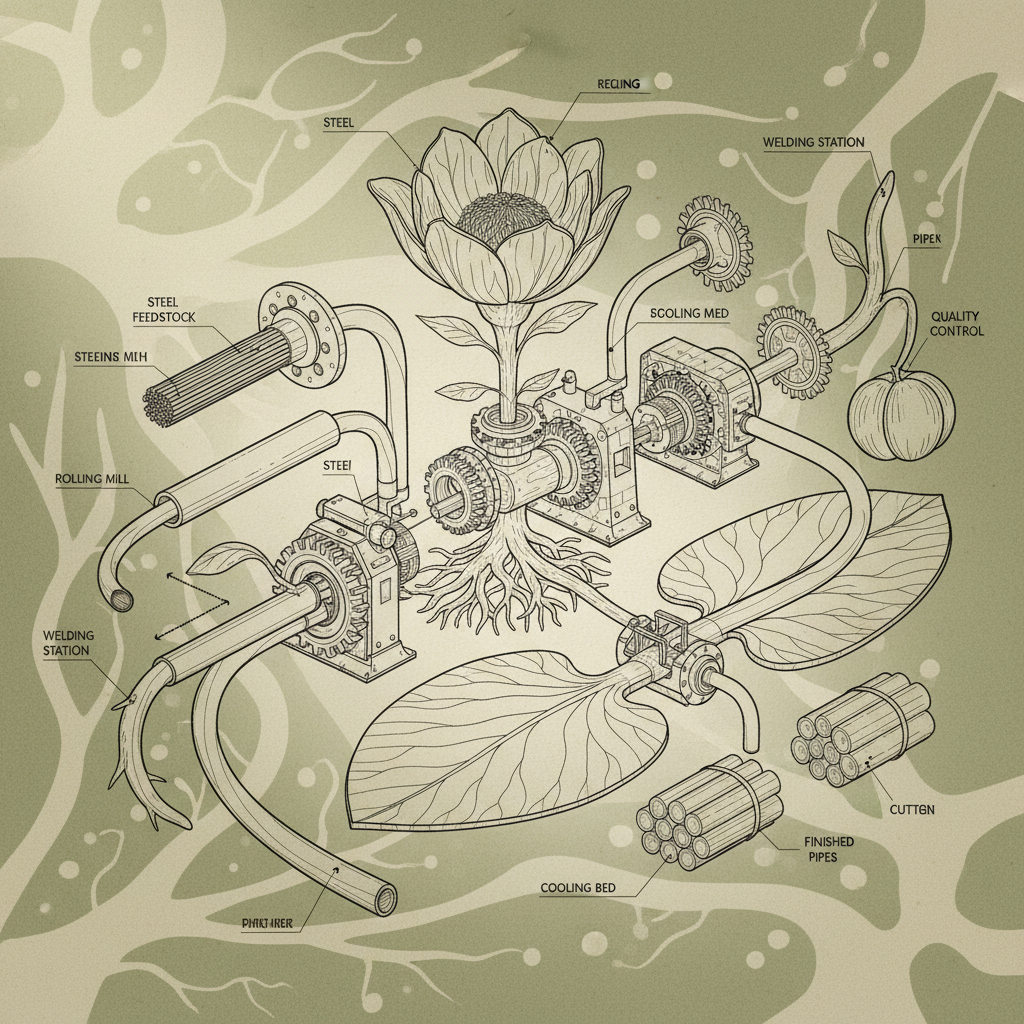
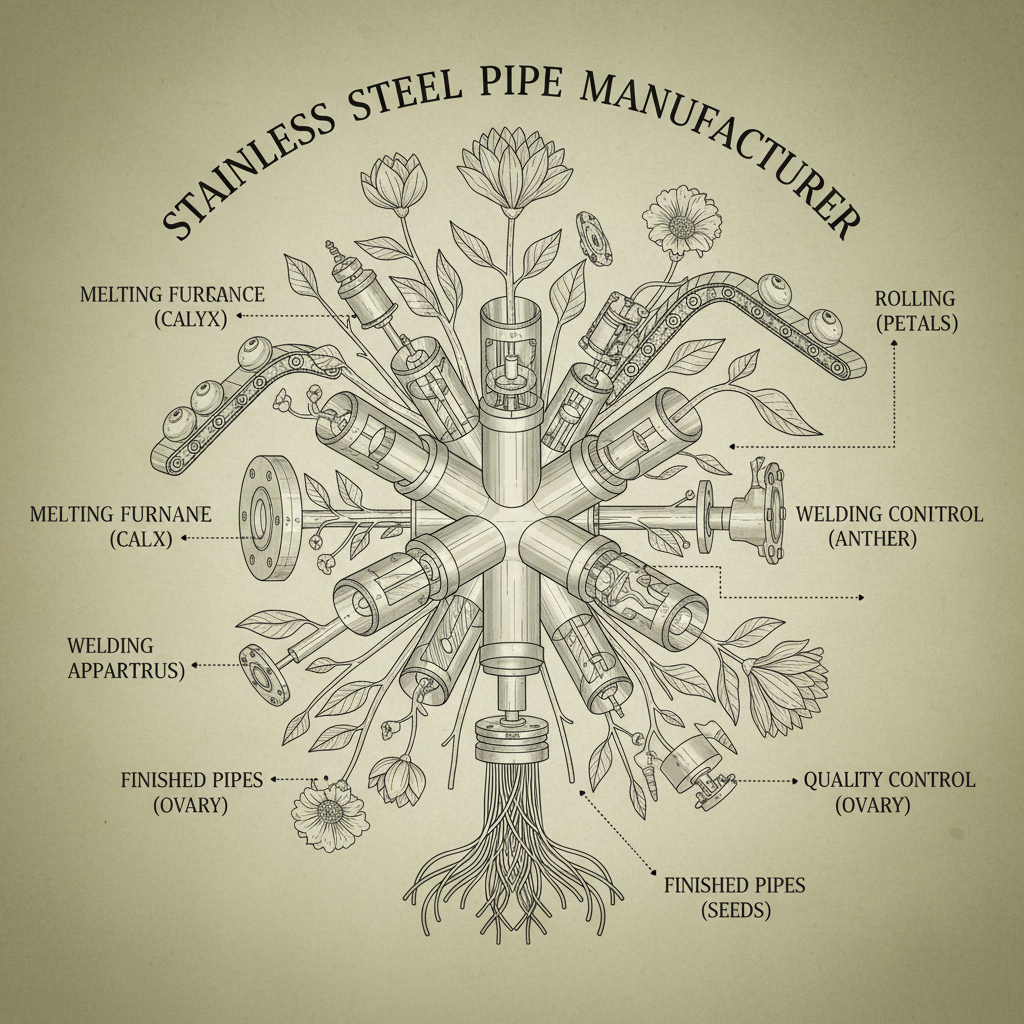
I encountered this at a factory in Tianjin last time. They were showing off their new, super-lightweight PVC pipe. Smelled like plastic, naturally. Not a bad smell, just… plastic-y. They were boasting about how easy it was for one guy to lift a whole section. Good for the worker, I guess, but the wall thickness was so thin, I was worried about it cracking just from the pressure of the water. Strangely, they had a fancy lab report showing it passed all the tests, but… you just feel when something isn't right, you know?
Anyway, I think the biggest shift is towards smarter pipes, with integrated sensors for leak detection and flow monitoring. Sounds great on paper, but the electronics have to be seriously robust to survive the conditions on a construction site. Salt spray, vibration, temperature swings... it's a harsh life for a little circuit board.
Choosing the right pipe manufacturer isn’t just about price. You need to look at their quality control processes, their certifications, their lead times, and their ability to customize products. And honestly? Talk to other contractors. Word of mouth is still the best way to find a reliable supplier. Don't just chase the cheapest quote, you'll regret it later.
Critical. Absolutely critical. You need to be able to verify that the materials meet the required standards. Look for certifications like NSF, ASTM, and ISO. A reputable manufacturer will readily provide these. If they hesitate, walk away. It means they're trying to hide something. You don’t want to be liable for a failure because someone skimped on the certifications.
Poor installation is a big one. Over-tightening, under-tightening, improper solvent welding… all lead to leaks. Corrosion is another common culprit, especially with metal pipes. And surprisingly, physical damage. Construction sites are rough places. Guys run into things with forklifts, drop heavy objects… it happens. That’s why choosing a durable material in the first place is so important.
Pressure testing is your safety net. It's the last line of defense against leaks. You pressurize the system and check for any drops in pressure. It's not foolproof, but it catches a lot of problems before they become major disasters. We usually do a hydrostatic test, but also check for visual defects while the system is pressurized.
Huge impact. If you’re in a coastal environment, you need corrosion-resistant materials. If it’s a cold climate, you need materials that won’t become brittle. If it's an area with seismic activity, you need flexible pipes. You’ve got to consider the whole picture. Ignoring the environment is just asking for trouble.
Prefabrication speeds up installation, reduces waste, and improves quality control. It’s done in a controlled environment, so you eliminate a lot of the errors that happen on site. But, and this is a big but, you have to plan everything carefully. Changes are much more difficult to make once the system is pre-fabricated.
So, there you have it. Pipe manufacturer isn't just about the pipes themselves. It's about understanding the materials, the installation process, the environmental factors, and the people who are actually using the stuff. It's a complex business, and there's no magic bullet.
Ultimately, whether this thing works or not, the worker will know the moment he tightens the screw. That's the bottom line. If it feels solid, if it goes together smoothly, if it doesn’t leak… then you’ve got a good system. Visit our website at www.world-steelmaterial.com to learn more about our range of high-quality pipe solutions.