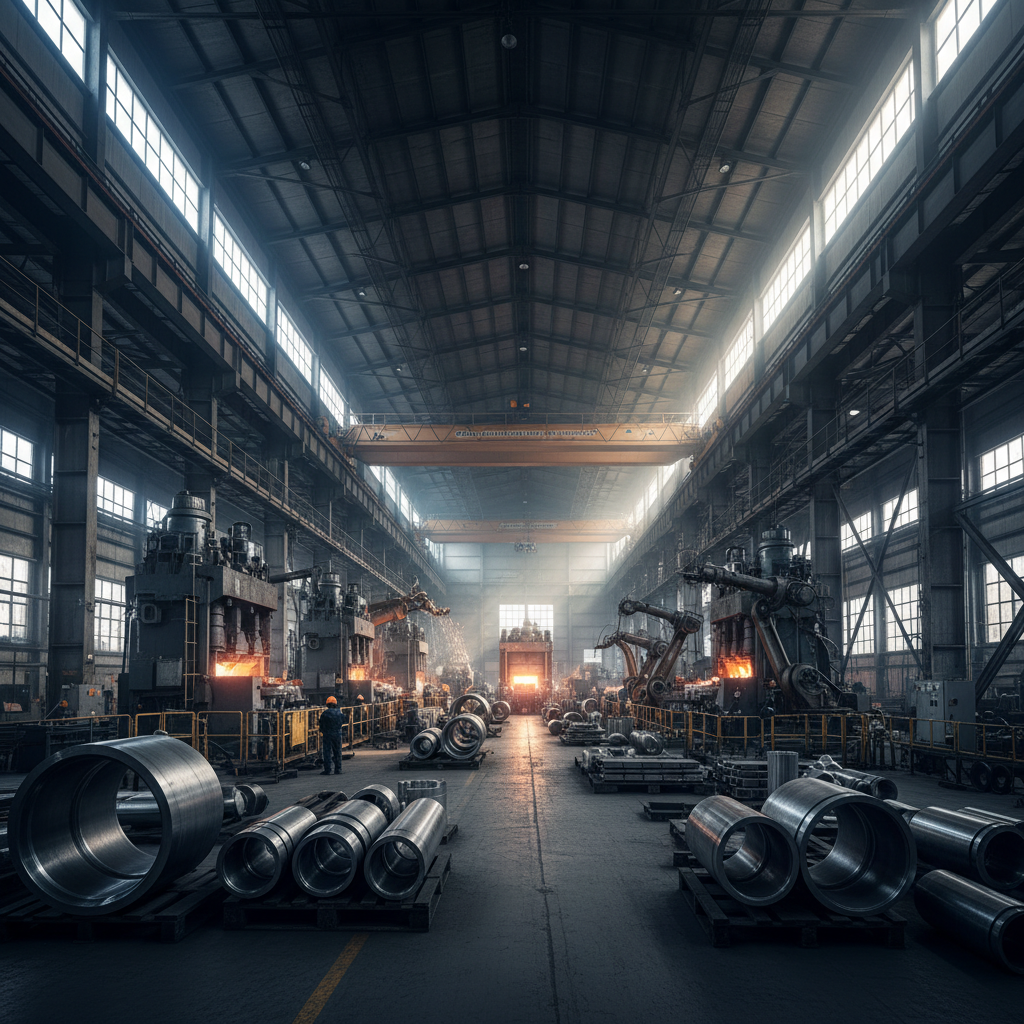
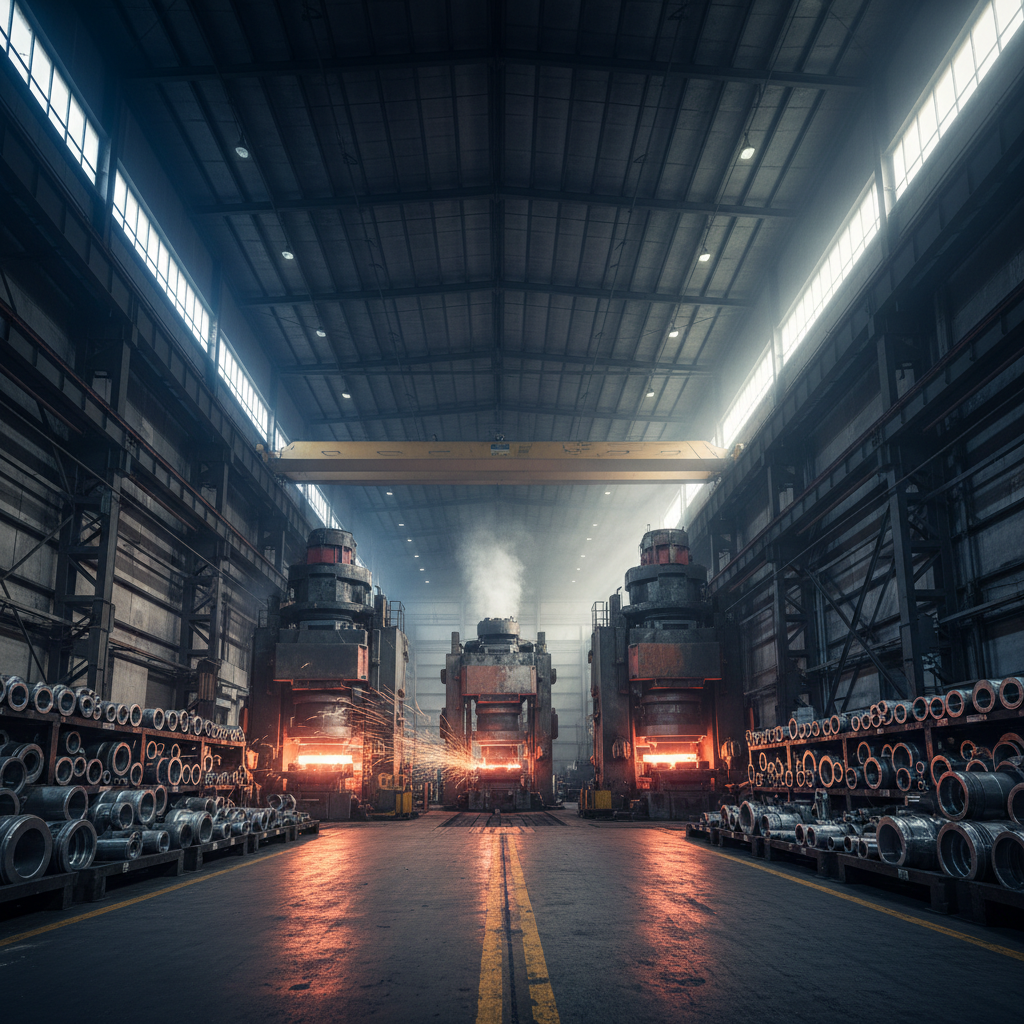
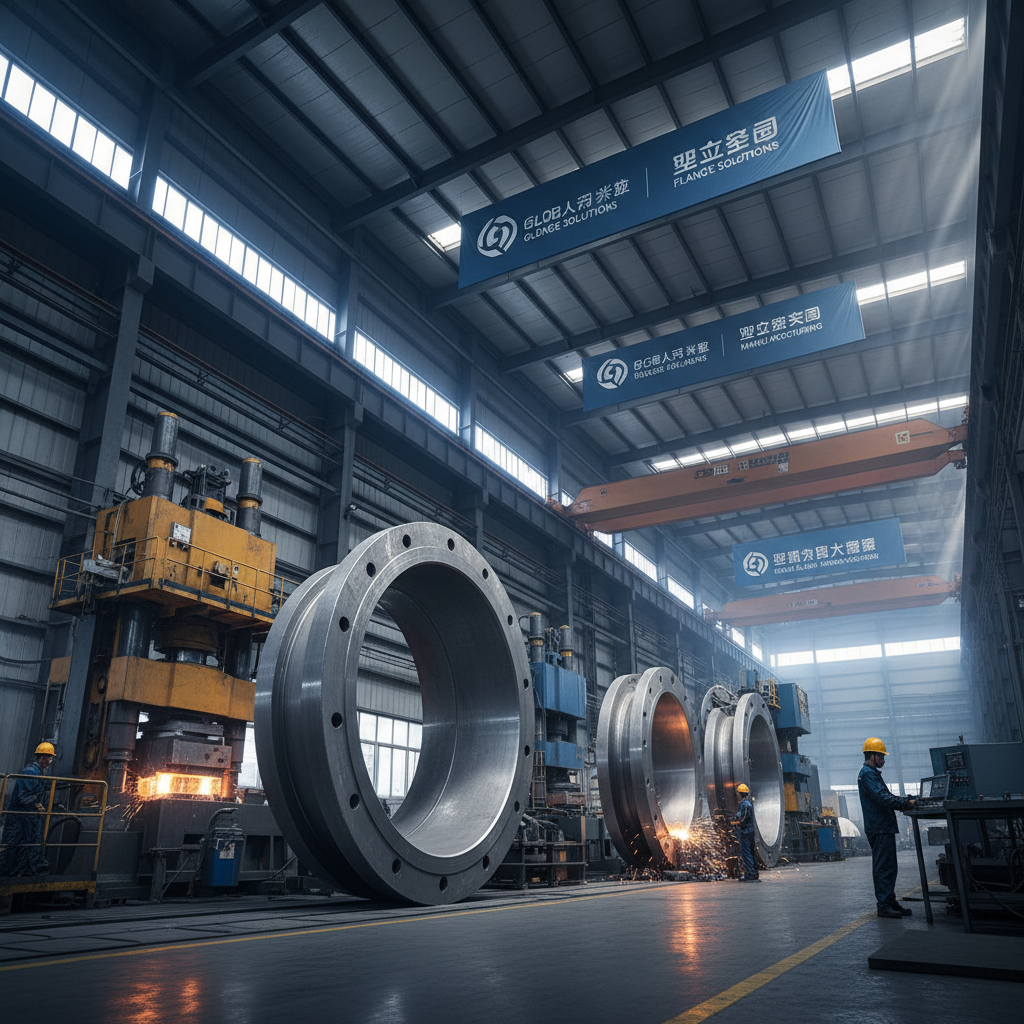
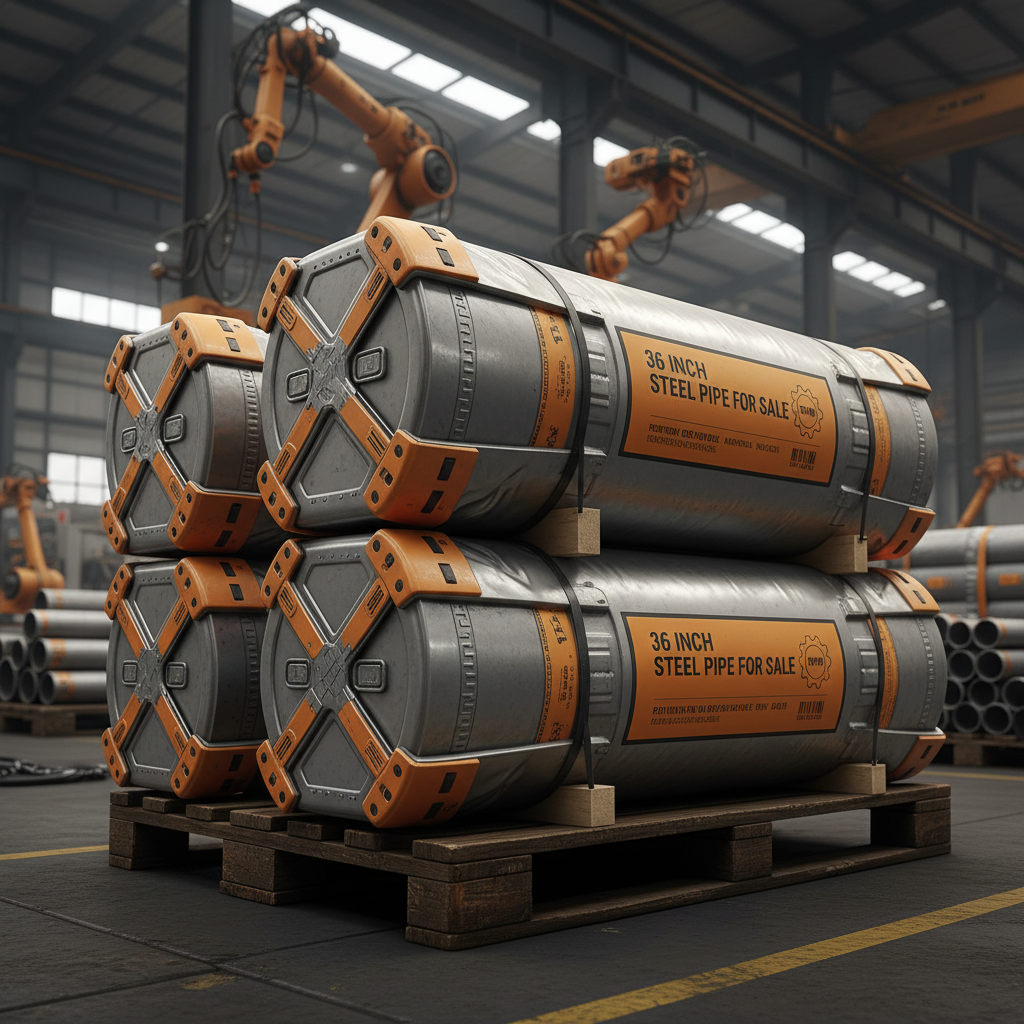
Forged pipe fittings manufacturers play a crucial role in modern infrastructure, providing robust and reliable connections for fluid and gas transport across diverse industries. The demand for these fittings is steadily increasing globally, driven by expanding energy sectors, infrastructure development, and stringent safety regulations. Understanding the nuances of forged fittings – their manufacturing processes, material properties, and applications – is paramount for engineers, procurement specialists, and anyone involved in the design and maintenance of piping systems. forged pipe fittings manufacturers are at the forefront of this critical component supply chain.
The global market for forged pipe fittings is substantial, with key regions including North America, Europe, and Asia-Pacific demonstrating significant growth. According to industry reports, the demand is projected to continue its upward trajectory due to ongoing investments in oil & gas, chemical processing, power generation, and water treatment facilities. This necessitates a deeper understanding of the capabilities and quality standards of various forged pipe fittings manufacturers to ensure project success and operational longevity.
Addressing challenges such as material sourcing, manufacturing precision, and adherence to international standards requires a commitment to innovation and continuous improvement within the forged pipe fittings industry. Selecting the right manufacturer is no longer just about cost; it’s about ensuring safety, reliability, and long-term performance, especially in demanding applications.
Introduction to forged pipe fittings manufacturers
Forged pipe fittings manufacturers specialize in creating pipe connections through a forging process, which involves shaping metal under extreme pressure. This process imparts superior strength and durability compared to other manufacturing methods like casting or machining. Consequently, these fittings are vital components in high-pressure, high-temperature, and critical applications. forged pipe fittings manufacturers must adhere to stringent quality control measures.
The selection of a reliable forged pipe fittings manufacturer is critical for ensuring the integrity and longevity of piping systems. Factors such as material expertise, forging techniques, quality certifications (e.g., ISO 9001, API 6A), and supply chain management play a significant role in determining the suitability of a manufacturer for specific project requirements.
The Global Landscape of forged pipe fittings manufacturers
The global forged pipe fittings market is characterized by a mix of established players and emerging manufacturers, primarily concentrated in countries with robust steel industries. China, India, the United States, Germany, and Italy are prominent manufacturing hubs. Competition is fierce, driven by factors such as price, quality, lead times, and customization capabilities. forged pipe fittings manufacturers operating in this competitive environment must prioritize innovation and customer service.
Geopolitical factors, trade policies, and fluctuations in raw material prices (e.g., steel, alloys) also significantly impact the market dynamics. Supply chain disruptions, as experienced during recent global events, highlight the importance of diversified sourcing and resilient manufacturing capabilities for forged pipe fittings manufacturers.
Furthermore, regional demand is influenced by specific industry trends. For example, the growth of the shale gas industry in North America has spurred demand for high-strength forged fittings, while infrastructure development in Asia-Pacific drives demand for a broader range of fitting types and sizes.
Defining Forged Pipe Fittings Manufacturers
Forged pipe fittings manufacturers are companies specializing in the production of pipe fittings using the forging process. Unlike cast or machined fittings, forged fittings are created by shaping metal – typically steel, stainless steel, or alloy steels – under intense compressive forces. This process aligns the grain structure of the metal, resulting in fittings with superior strength, impact resistance, and pressure-handling capabilities.
These manufacturers often provide a comprehensive range of fittings, including elbows, tees, reducers, couplings, flanges, and crosses, in various sizes, materials, and pressure ratings. They cater to a diverse clientele across industries like oil & gas, petrochemical, power generation, chemical processing, water treatment, and shipbuilding. forged pipe fittings manufacturers ensure products meet required industry standards.
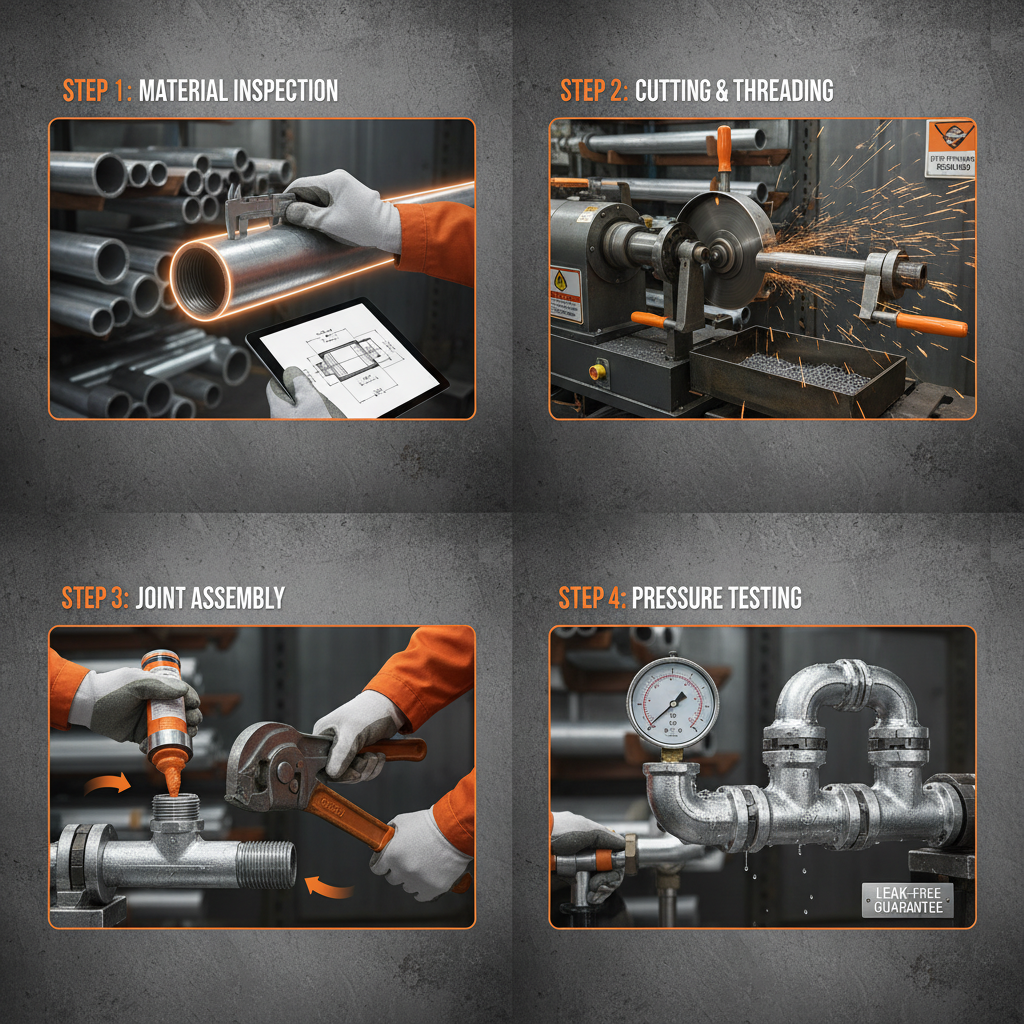
Their operations typically involve raw material sourcing, forging, heat treatment, machining, quality control, and logistics. Many manufacturers also offer value-added services such as custom forging, material certification, and non-destructive testing (NDT) to meet specific customer requirements and ensure product compliance.
Core Characteristics of Quality forged pipe fittings manufacturers
Quality forged pipe fittings manufacturers distinguish themselves through several key characteristics. Firstly, a commitment to using high-quality raw materials, often sourced from certified suppliers, is paramount. Secondly, employing skilled personnel and advanced forging techniques – such as open-die forging, closed-die forging, or ring rolling – ensures consistent product quality and dimensional accuracy.
Furthermore, robust quality control systems, including thorough inspection procedures and non-destructive testing (NDT) methods, are essential for identifying and mitigating defects. Adherence to internationally recognized standards (e.g., ASME, ASTM, API) is another crucial indicator of a manufacturer's commitment to quality and safety.
Forged Pipe Fittings Manufacturing Quality Metrics
Global Applications and Industry Use Cases
Forged pipe fittings find application across a multitude of industries. In the oil & gas sector, they are integral components of pipelines, wellheads, and refineries, where they must withstand extreme pressures and corrosive environments. The petrochemical industry relies heavily on forged fittings for similar demanding applications in chemical processing plants.
Power generation facilities, including nuclear and fossil fuel plants, utilize forged fittings in steam lines and cooling systems. Water treatment plants employ them in distribution networks and pumping stations. Shipbuilding also represents a significant market, where forged fittings are used in seawater systems and hydraulic lines. forged pipe fittings manufacturers serve all these sectors.
Advantages and Long-Term Value Proposition
The advantages of using forged pipe fittings extend beyond their superior strength and durability. Their robust construction minimizes the risk of leaks and failures, enhancing safety and reducing maintenance costs. Forged fittings typically have a longer service life compared to other types, resulting in lower lifecycle costs.
From a sustainability perspective, the durability of forged fittings contributes to resource efficiency by reducing the need for frequent replacements. The reliability of these fittings also fosters trust and confidence in the integrity of piping systems, which is critical in safety-sensitive applications.
Choosing a reputable forged pipe fittings manufacturer ensures access to expertise, customized solutions, and consistent quality, further enhancing the long-term value proposition.
Future Trends and Innovations in the Sector
Several trends are shaping the future of forged pipe fittings manufacturing. The increasing adoption of Industry 4.0 technologies, such as automation, data analytics, and machine learning, is driving improvements in manufacturing efficiency and quality control. Digital twin technology is also gaining traction, allowing manufacturers to simulate and optimize forging processes.
The development of new materials, including high-strength alloys and corrosion-resistant steels, is expanding the application range of forged fittings. Sustainability initiatives are also driving demand for eco-friendly manufacturing practices and the use of recycled materials. forged pipe fittings manufacturers are investing in R&D to meet these challenges.
Furthermore, the growing emphasis on remote monitoring and predictive maintenance is creating opportunities for integrating sensors and data analytics into forged fittings to enhance their performance and reliability.
Overview of Challenges and Solutions for Forged Pipe Fittings Manufacturers
| Challenge |
Impact on Manufacturers |
Proposed Solution |
Implementation Complexity (1-5) |
| Raw Material Price Volatility |
Reduced Profit Margins, Uncertain Costing |
Long-Term Contracts with Suppliers, Strategic Stockpiling |
3 |
| Skilled Labor Shortage |
Difficulty Maintaining Quality, Reduced Production Capacity |
Investment in Training Programs, Automation |
4 |
| Stringent Quality Standards |
Increased Inspection Costs, Potential for Rejection |
Implementation of Robust Quality Management Systems (e.g., ISO 9001) |
2 |
| Supply Chain Disruptions |
Production Delays, Increased Lead Times |
Diversification of Sourcing, Regionalization of Supply Chains |
3 |
| Environmental Regulations |
Increased Compliance Costs, Potential for Penalties |
Adoption of Sustainable Manufacturing Practices, Investment in Pollution Control Technologies |
4 |
| Competitive Pricing Pressure |
Reduced Profitability, Erosion of Market Share |
Focus on Value-Added Services, Product Differentiation, Lean Manufacturing |
2 |
FAQS
Forged pipe fittings are commonly manufactured from carbon steel, alloy steel, stainless steel, and occasionally specialized alloys like Monel or Inconel. The choice of material depends on the application’s temperature, pressure, and corrosive environment requirements. Carbon steel is a cost-effective option for many general-purpose applications, while stainless steel provides superior corrosion resistance. Alloy steels offer enhanced strength and toughness for more demanding services.
A reputable forged pipe fittings manufacturer should hold certifications such as ISO 9001 (Quality Management System), API 6A (for oil and gas applications), and PED (Pressure Equipment Directive) for European markets. These certifications demonstrate a commitment to quality control, process adherence, and regulatory compliance, ensuring that the fittings meet industry standards and safety requirements.
The forging process aligns the grain structure of the metal along the contours of the fitting, creating a denser and more uniform material. This alignment eliminates voids and imperfections commonly found in castings, resulting in significantly higher tensile strength, yield strength, and impact resistance. The forging process also work-hardens the metal, further increasing its strength and durability.
Common NDT methods include radiographic testing (RT) to detect internal flaws, ultrasonic testing (UT) to assess material thickness and identify subsurface defects, magnetic particle testing (MT) to reveal surface cracks, and liquid penetrant testing (PT) to detect surface imperfections. These tests ensure that the fittings meet stringent quality standards without damaging the material.
Lead times for custom forged pipe fittings can vary depending on the complexity of the design, the material requirements, and the manufacturer’s production schedule. Generally, lead times range from 4 to 12 weeks. It's best to contact forged pipe fittings manufacturers directly to obtain a specific quote and lead time for your project.
Reputable manufacturers maintain comprehensive material traceability systems, including material certificates, heat treat records, and forging documentation. These records allow for tracking the origin and processing history of the materials used in each fitting, ensuring compliance with industry standards and customer specifications. Ask your supplier about their traceability procedures.
Conclusion
Forged pipe fittings manufacturers are indispensable to the integrity and safety of critical infrastructure globally. Their commitment to quality, innovation, and adherence to rigorous standards is paramount in ensuring the reliable transport of fluids and gases across diverse industries. Investing in high-quality forged fittings from reputable manufacturers translates to reduced maintenance costs, enhanced safety, and increased operational efficiency.
Looking ahead, the forged pipe fittings sector will continue to evolve with advancements in materials science, manufacturing technology, and sustainability practices. By embracing these changes and prioritizing customer needs, manufacturers can solidify their position as vital partners in building a more resilient and sustainable future. For reliable and high-quality forged pipe fittings, visit our website: www.world-steelmaterial.com.