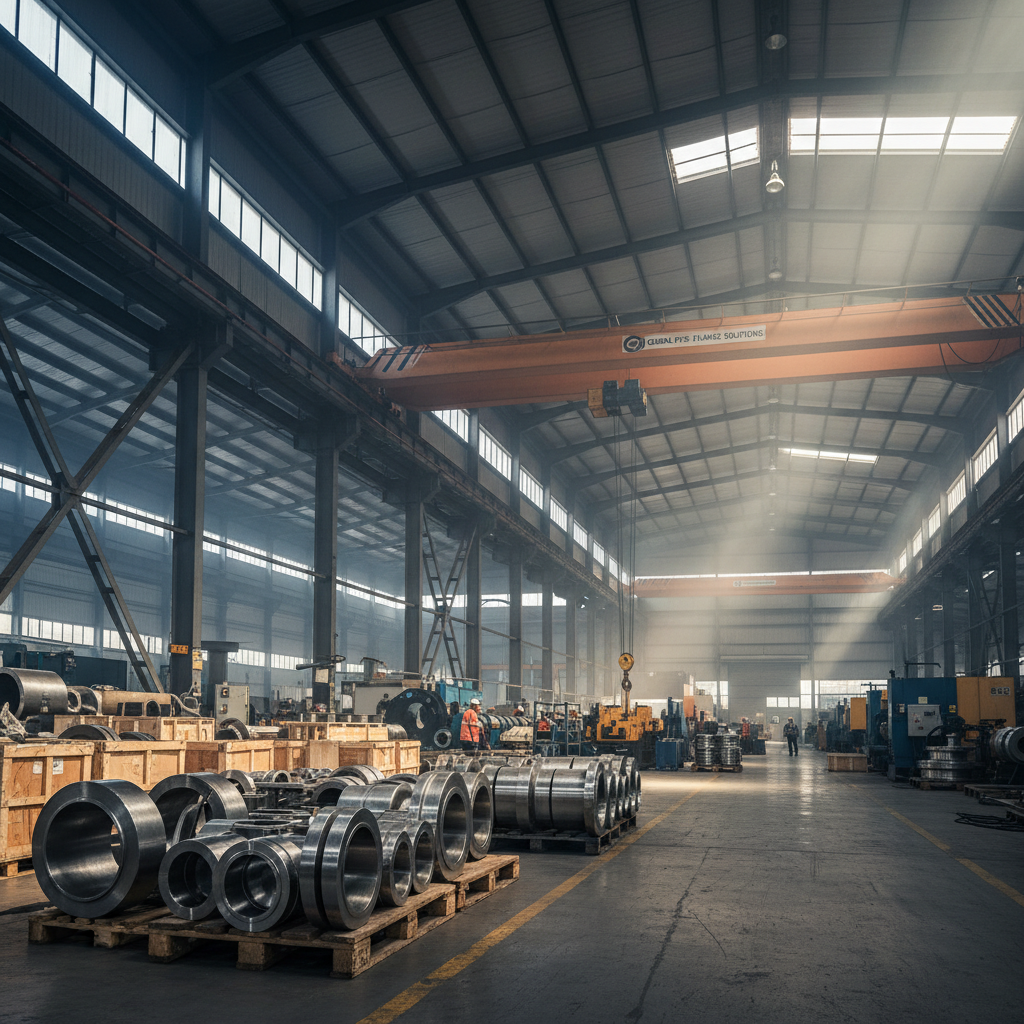
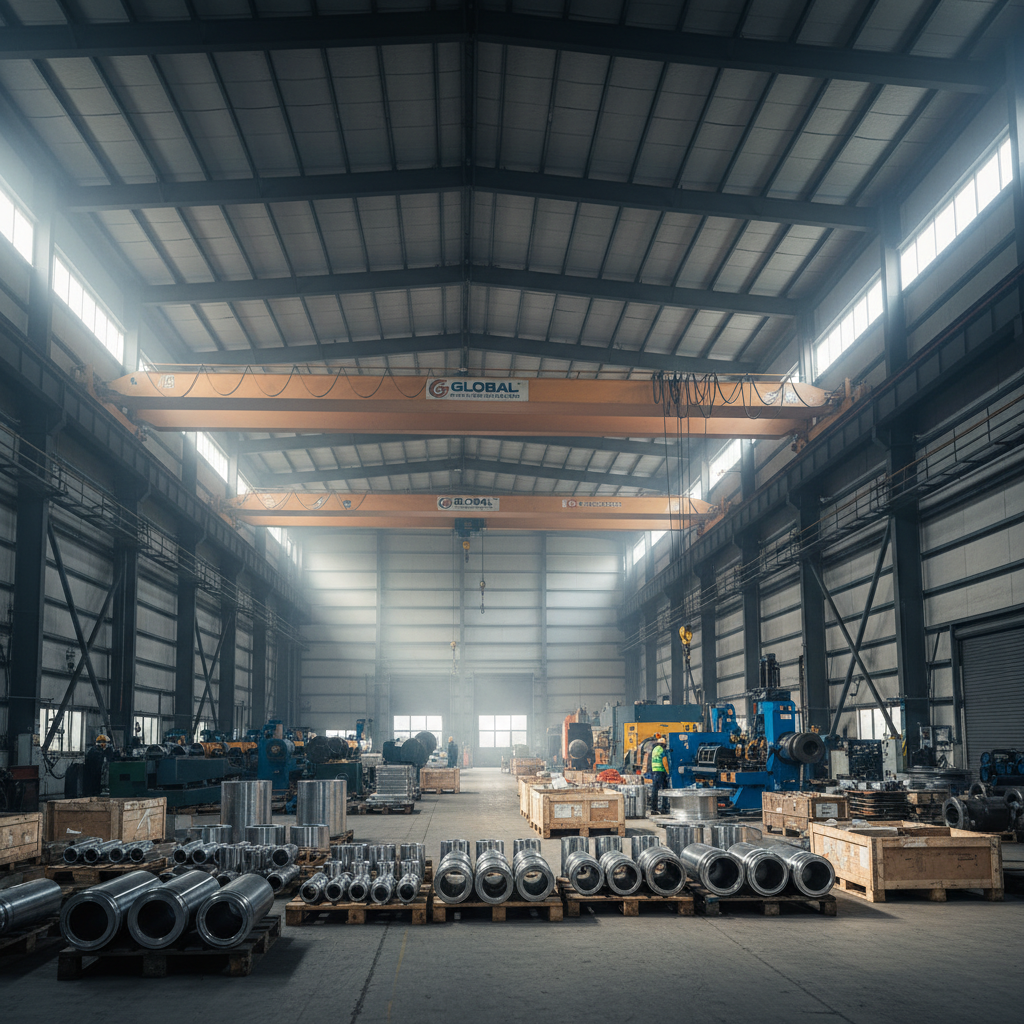
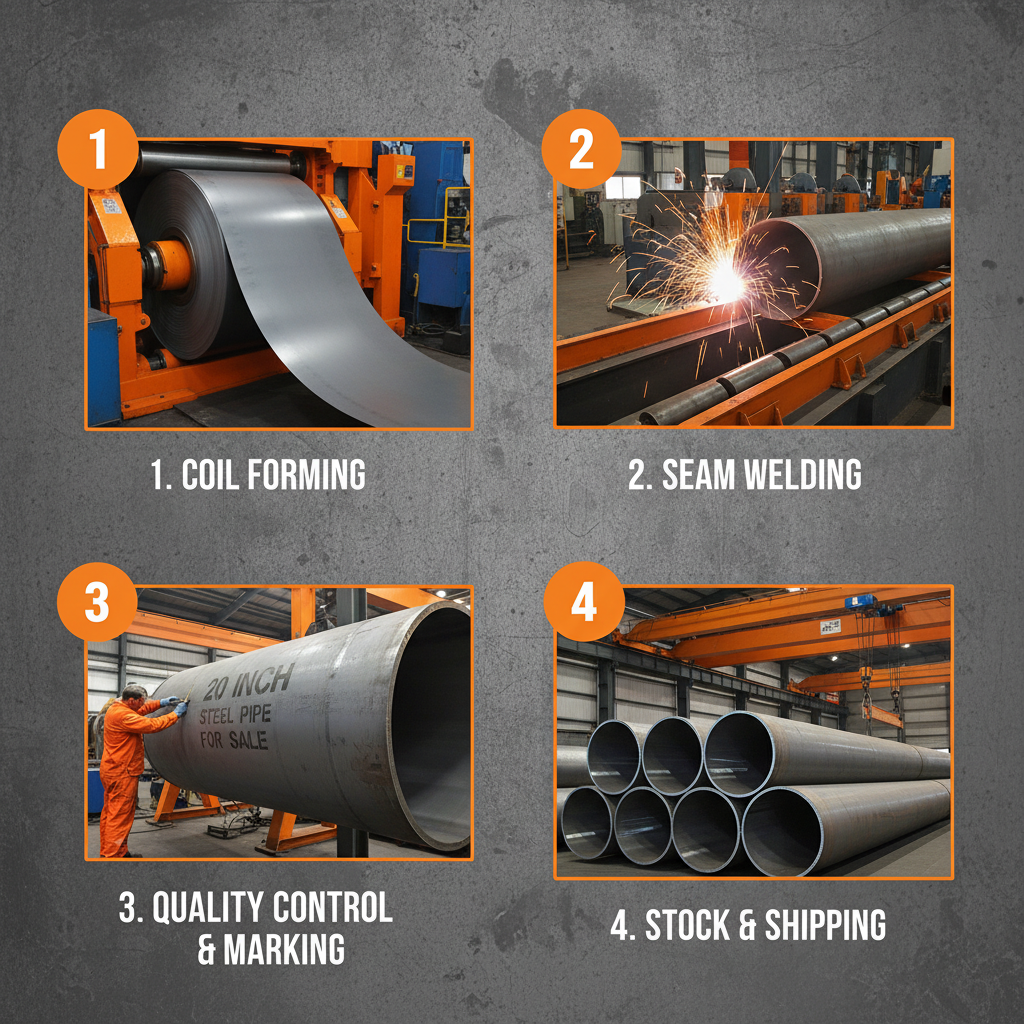
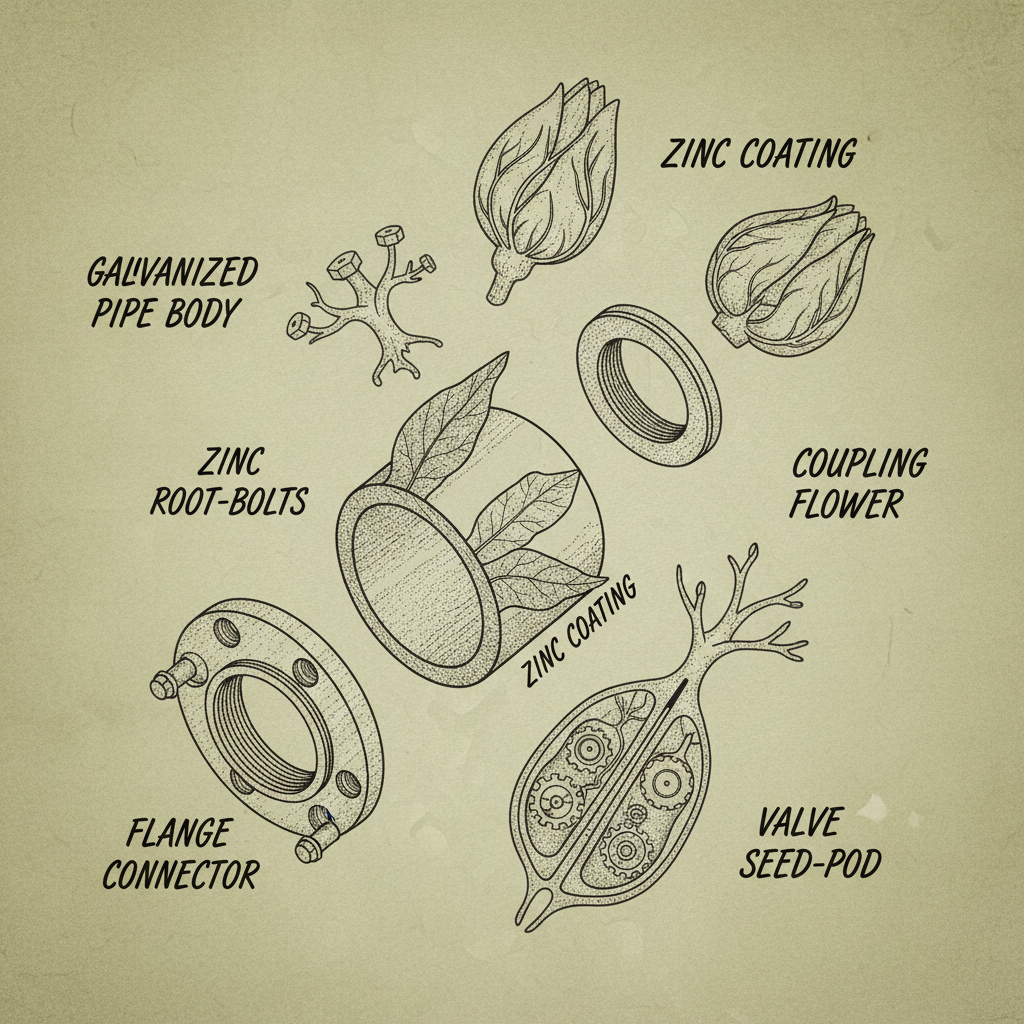
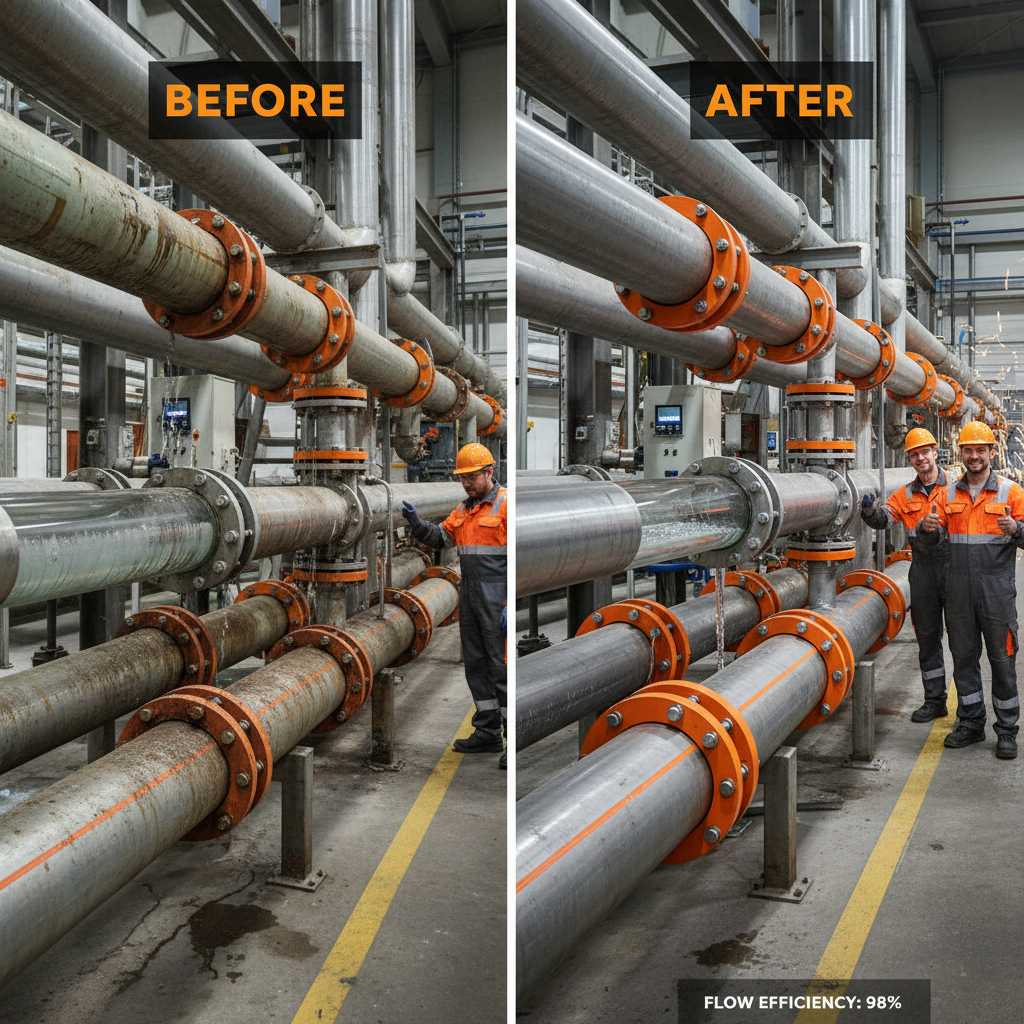
Pipe fittings and flanges manufacturers play a crucial role in modern infrastructure, serving as the essential connective elements in piping systems across diverse industries. These components facilitate the safe and efficient transportation of fluids and gases, underpinning critical processes in sectors like oil and gas, water treatment, power generation, and chemical processing. The global demand for high-quality pipe fittings and flanges manufacturers is consistently strong, driven by ongoing industrialization, infrastructure development, and the need for reliable, leak-proof connections in increasingly complex systems.
The market for pipe fittings and flanges manufacturers is substantial, estimated to be worth billions of dollars globally, with key players concentrated in regions such as China, India, the United States, and Europe. According to ISO standards, meticulous manufacturing processes and rigorous quality control are paramount, ensuring the integrity and longevity of these components. A major challenge the industry addresses is adapting to stricter environmental regulations and the growing demand for sustainable materials and manufacturing practices.
Understanding the nuances of pipe fittings and flanges manufacturers, including material selection, manufacturing techniques, and industry standards, is vital for engineers, procurement professionals, and anyone involved in the design, construction, and maintenance of piping systems. Effective sourcing from reliable manufacturers like pipe fittings and flanges manufacturers ensures project success, minimizes risks, and contributes to overall operational efficiency.
The Importance of Pipe Fittings and Flanges Manufacturers
The significance of reliable pipe fittings and flanges manufacturers cannot be overstated in industries reliant on fluid transfer. These components are not merely connectors; they are critical safety elements ensuring the containment and controlled movement of potentially hazardous or valuable substances. Selecting a reputable manufacturer, like pipe fittings and flanges manufacturers, is paramount to preventing leaks, system failures, and associated environmental or operational risks.
Furthermore, efficient fluid transport directly impacts operational costs and productivity. High-quality pipe fittings and flanges manufacturers contribute to minimized pressure drops, reduced energy consumption, and prolonged system lifespan, ultimately enhancing profitability and sustainability for end-users. The global supply chain relies heavily on the consistency and quality provided by leading manufacturers in this sector.
Defining Pipe Fittings and Flanges Manufacturers
Pipe fittings and flanges manufacturers specialize in the production of components used to connect pipes, change the direction of flow, and seal connections within piping systems. Pipe fittings encompass a wide range of shapes and configurations, including elbows, tees, reducers, couplings, and unions, each designed for a specific application. These fittings are crafted from various materials, such as carbon steel, stainless steel, alloy steel, and specialized polymers, selected based on the fluid being transported, pressure requirements, and environmental conditions.
Flanges, on the other hand, are disc-shaped components with bolts holes that allow for the attachment of pipes, valves, pumps, and other equipment. They provide a robust and secure connection, often used in high-pressure and high-temperature applications. Manufacturers employ diverse forging, casting, and machining processes to create these components, adhering to stringent industry standards like ANSI, ASME, and DIN.
The connection between pipe fittings and flanges manufacturers and modern industry is undeniable. Without these essential components, the efficient and safe operation of power plants, refineries, chemical facilities, and water distribution networks would be impossible. Their contribution extends to humanitarian efforts, providing clean water access and sanitation solutions globally.
Key Characteristics of Leading Manufacturers
Leading pipe fittings and flanges manufacturers differentiate themselves through a commitment to quality, precision, and customer satisfaction. This includes employing advanced manufacturing technologies, such as CNC machining and automated welding, to ensure dimensional accuracy and consistent product performance. A robust quality control system, encompassing material testing, non-destructive examination, and pressure testing, is essential for verifying compliance with industry standards.
Beyond technical capabilities, a strong manufacturer prioritizes responsiveness to customer needs, offering customized solutions, short lead times, and comprehensive technical support. This encompasses the ability to handle complex orders, provide specialized coatings and finishes, and offer expert advice on material selection and system design. Effective communication and a collaborative approach are hallmarks of a successful partnership.
Furthermore, a commitment to ethical sourcing, environmental responsibility, and worker safety are increasingly important characteristics. Manufacturers are expected to adhere to sustainable practices, minimize waste, and ensure fair labor conditions throughout their supply chain. Certifications like ISO 9001 and ISO 14001 demonstrate a dedication to these principles.
Material Selection and Performance
The selection of appropriate materials is paramount in pipe fittings and flanges manufacturers, directly influencing the component’s durability, corrosion resistance, and overall performance. Carbon steel is a common choice for general-purpose applications due to its strength and cost-effectiveness. However, in corrosive environments or high-temperature services, stainless steel alloys, such as 304 and 316, are preferred for their superior resistance to chemical attack and oxidation.
Alloy steels, containing elements like chromium, molybdenum, and nickel, offer enhanced strength and toughness, making them suitable for demanding applications like high-pressure pipelines and offshore oil and gas systems. Specialized materials like duplex stainless steel and super alloys are employed in extremely corrosive or high-temperature environments. Proper material selection ensures long-term reliability and minimizes the risk of premature failure.
Material Performance Comparison for pipe fittings and flanges manufacturers
Global Applications and Industry Impact
Pipe fittings and flanges manufacturers are integral to a vast range of industries worldwide. In the oil and gas sector, they facilitate the transportation of crude oil, natural gas, and refined products, ensuring the reliable supply of energy. The chemical industry relies on these components for the safe handling of corrosive and hazardous chemicals, while the power generation sector utilizes them in steam and cooling water systems.
Water treatment facilities employ pipe fittings and flanges manufacturers to deliver clean and potable water to communities, while the pharmaceutical industry demands high-purity connections for the production of life-saving medications. The food and beverage industry utilizes sanitary fittings and flanges manufacturers to maintain hygiene and prevent contamination.
Advantages and Long-Term Value Proposition
Investing in high-quality pipe fittings and flanges manufacturers offers numerous tangible benefits. Reduced maintenance costs, minimized downtime, and improved operational efficiency are immediate advantages. The long-term durability and corrosion resistance of superior components translate into extended system lifespan, reducing the need for frequent replacements.
Beyond cost savings, reliable pipe fittings and flanges manufacturers enhance safety, protecting personnel and the environment from potential hazards. A strong value proposition lies in the peace of mind knowing that critical systems are operating securely and efficiently, fostering trust and confidence among stakeholders.
Future Trends and Innovation in Manufacturing
The pipe fittings and flanges manufacturers industry is undergoing continuous innovation, driven by advancements in materials science, manufacturing technologies, and sustainability concerns. The development of new alloys with enhanced corrosion resistance and strength is a key area of focus. Additive manufacturing, or 3D printing, is emerging as a promising technique for creating customized fittings and flanges with complex geometries.
Digitalization and automation are transforming manufacturing processes, enabling greater precision, efficiency, and traceability. The integration of IoT sensors and data analytics allows for real-time monitoring of component performance and predictive maintenance. Furthermore, a growing emphasis on sustainable materials and manufacturing practices is driving the adoption of eco-friendly processes and recycled materials.
Summary of Key Challenges and Solutions in the Pipe Fittings and Flanges Manufacturers Industry
| Challenge |
Impact on Industry |
Potential Solution |
Implementation Cost (1-10) |
| Supply Chain Disruptions |
Increased Lead Times, Price Volatility |
Diversification of Suppliers, Regional Manufacturing |
7 |
| Stringent Quality Standards |
High R&D Costs, Potential for Product Recalls |
Implementation of Advanced Quality Control Systems |
8 |
| Corrosion Resistance |
Reduced Component Lifespan, Increased Maintenance |
Development of Advanced Alloy Materials |
9 |
| Skilled Labor Shortage |
Reduced Manufacturing Capacity, Quality Issues |
Investment in Training Programs, Automation |
6 |
| Sustainability Concerns |
Environmental Impact, Regulatory Pressure |
Adoption of Green Manufacturing Processes |
7 |
| Increasing Competition |
Price Pressure, Reduced Margins |
Focus on Niche Markets, Value-Added Services |
5 |
FAQS
The most prevalent materials include carbon steel, stainless steel (304/316), alloy steel, and various polymers. Carbon steel offers cost-effectiveness for general applications, while stainless steel provides superior corrosion resistance. Alloy steel is favored for high-pressure, high-temperature environments, and polymers are used in specialized applications requiring chemical inertness and lightweight properties. Selecting the appropriate material is crucial for ensuring long-term performance and safety.
Flange facing selection depends on the service conditions, including pressure, temperature, and the type of fluid being handled. Raised Face (RF) is common for moderate conditions, while Flat Face (FF) is used with brittle materials. Ring Type Joint (RTJ) provides a metal-to-metal seal for high-pressure, high-temperature applications. Proper facing selection ensures a leak-tight connection and prevents gasket failure. Consulting with a pipe fittings and flanges manufacturers expert is recommended.
Several key standards dictate the manufacturing processes and quality control procedures for pipe fittings and flanges manufacturers. These include ANSI (American National Standards Institute), ASME (American Society of Mechanical Engineers), API (American Petroleum Institute), and DIN (Deutsches Institut für Normung). Adherence to these standards ensures the components meet stringent safety and performance requirements, promoting reliability and preventing failures.
Forged flanges are created by shaping solid metal billets through processes like hammering or pressing, resulting in a superior grain structure and higher strength. Cast flanges, conversely, are made by pouring molten metal into a mold. While cast flanges are more cost-effective, forged flanges generally offer better mechanical properties and are preferred for critical applications involving high pressure and temperature.
Look for manufacturers with ISO 9001 certification, demonstrating a robust quality management system. Request material test reports (MTRs) verifying the chemical composition and mechanical properties of the materials used. Inspect the components for any defects, such as cracks, porosity, or dimensional inaccuracies. Partnering with a reputable pipe fittings and flanges manufacturers committed to quality control is essential.
Stainless steel offers significantly enhanced corrosion resistance compared to carbon steel, making it ideal for applications involving corrosive fluids or harsh environments. While more expensive, stainless steel’s longevity and reduced maintenance requirements can result in long-term cost savings. It also maintains its strength at higher temperatures and is less susceptible to oxidation. Therefore, it's often the preferred choice for critical applications where reliability is paramount.
Conclusion
Pipe fittings and flanges manufacturers are foundational components in a vast array of industries, driving efficiency, safety, and reliability in fluid transfer systems worldwide. The selection of appropriate materials, adherence to stringent industry standards, and collaboration with reputable manufacturers are crucial for ensuring optimal performance and minimizing operational risks. As technology advances and sustainability concerns grow, the industry will continue to innovate, offering solutions that are more efficient, durable, and environmentally responsible.
Looking ahead, investing in cutting-edge manufacturing techniques, embracing digitalization, and prioritizing sustainable practices will be vital for staying competitive and meeting the evolving needs of a global market. By focusing on quality, innovation, and customer satisfaction, pipe fittings and flanges manufacturers will continue to play a pivotal role in shaping the future of infrastructure and industrial processes.