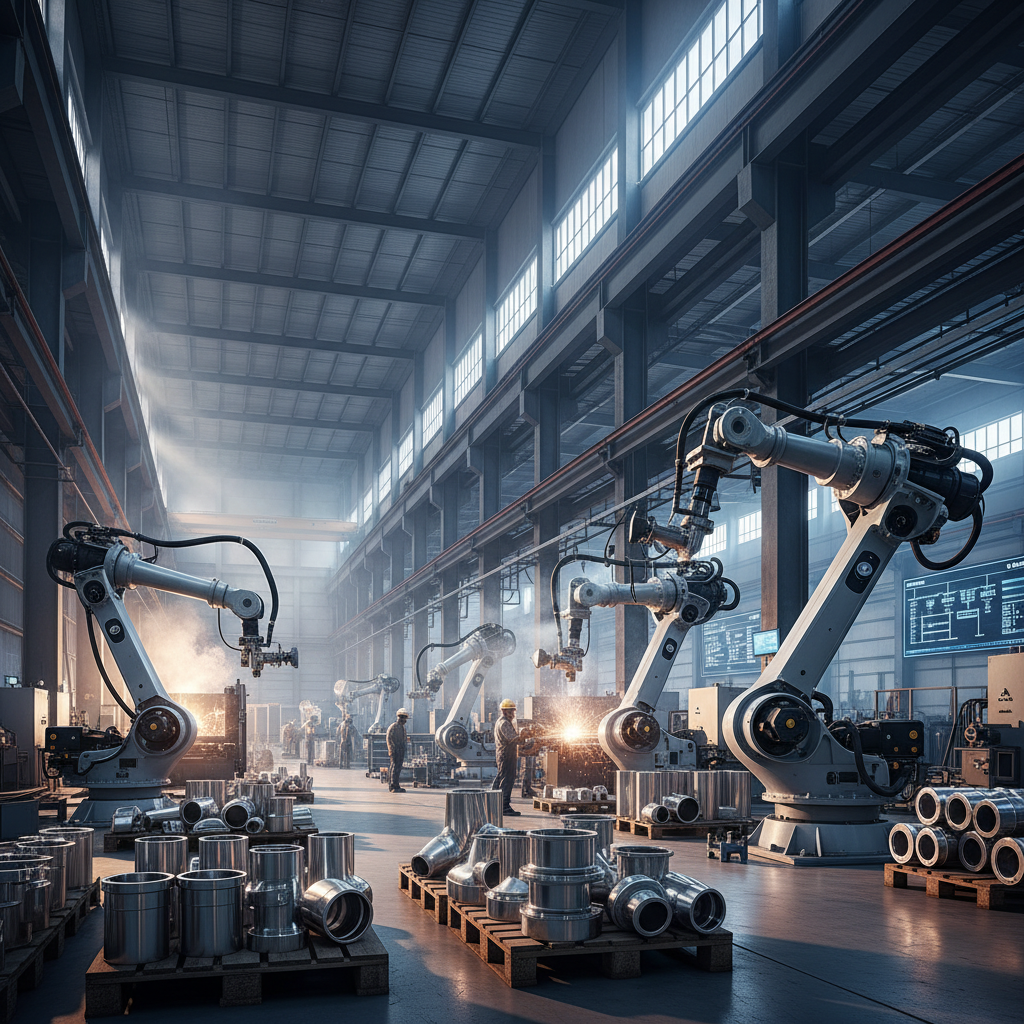
Pipe flange manufacturers play a critical role in numerous industries globally, facilitating the safe and efficient transfer of fluids and gases. These manufacturers aren’t merely suppliers of components; they are integral to the functioning of infrastructure spanning oil and gas, chemical processing, water treatment, power generation, and more. The demand for high-quality, reliable flanges is consistently high due to the critical safety requirements and the potential consequences of failure in these applications.
The global market for pipe flanges is substantial and experiencing steady growth, driven by infrastructure development in emerging economies, increasing industrialization, and stringent safety regulations. According to industry reports, the market is projected to reach significant values in the coming years. pipe flange manufacturers are thus continually investing in advanced manufacturing technologies and materials to meet these demands.
Understanding the nuances of pipe flange manufacturing, from material selection to quality control, is paramount for engineers, procurement professionals, and operators in industries reliant on fluid and gas transfer systems. Effective sourcing from reputable pipe flange manufacturers is key to ensuring long-term operational safety, minimizing downtime, and maximizing return on investment.
Introduction to Pipe Flange Manufacturers
Pipe flange manufacturers are specialized companies dedicated to the design, production, and distribution of flanges—critical components used to connect pipes, valves, pumps, and other equipment in piping systems. These manufacturers serve a diverse range of industries, each with unique requirements for flange materials, sizes, and pressure ratings. Selecting the appropriate manufacturer is crucial for system integrity and long-term performance.
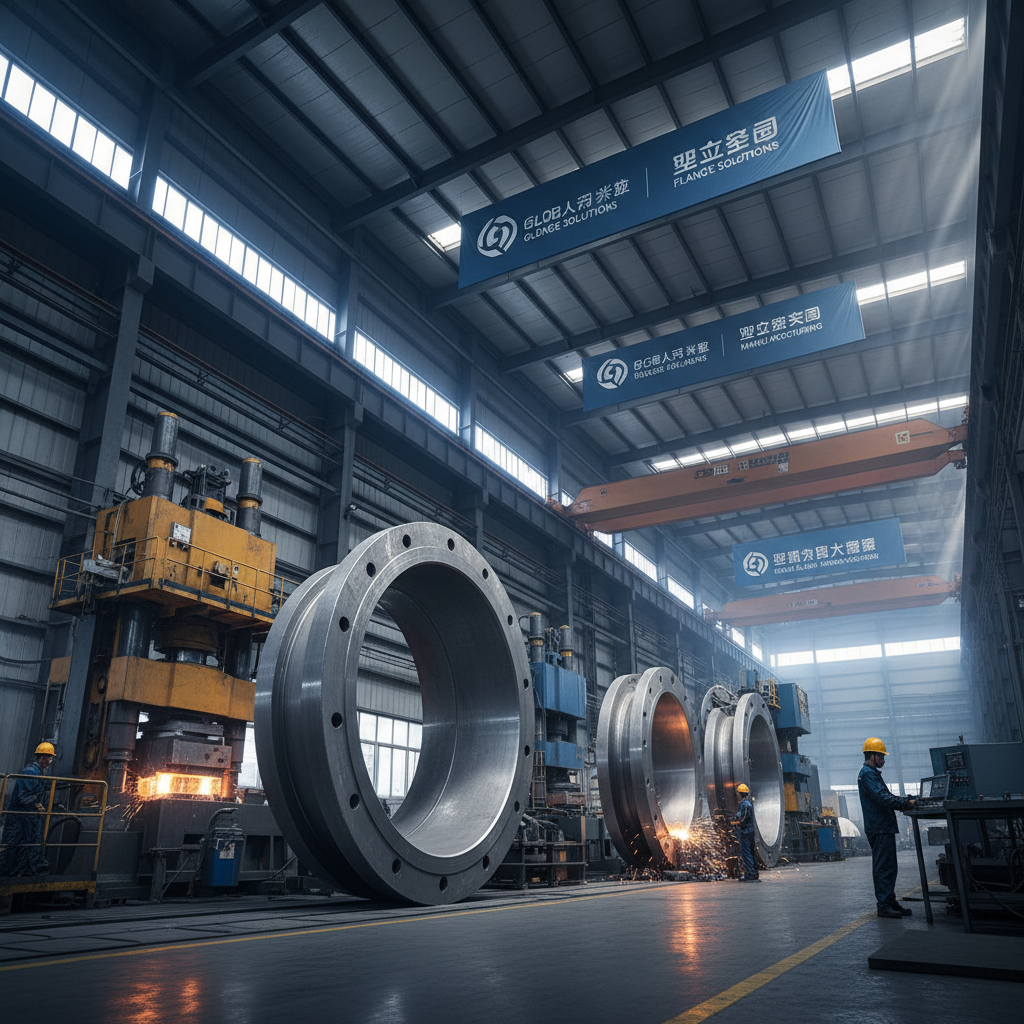
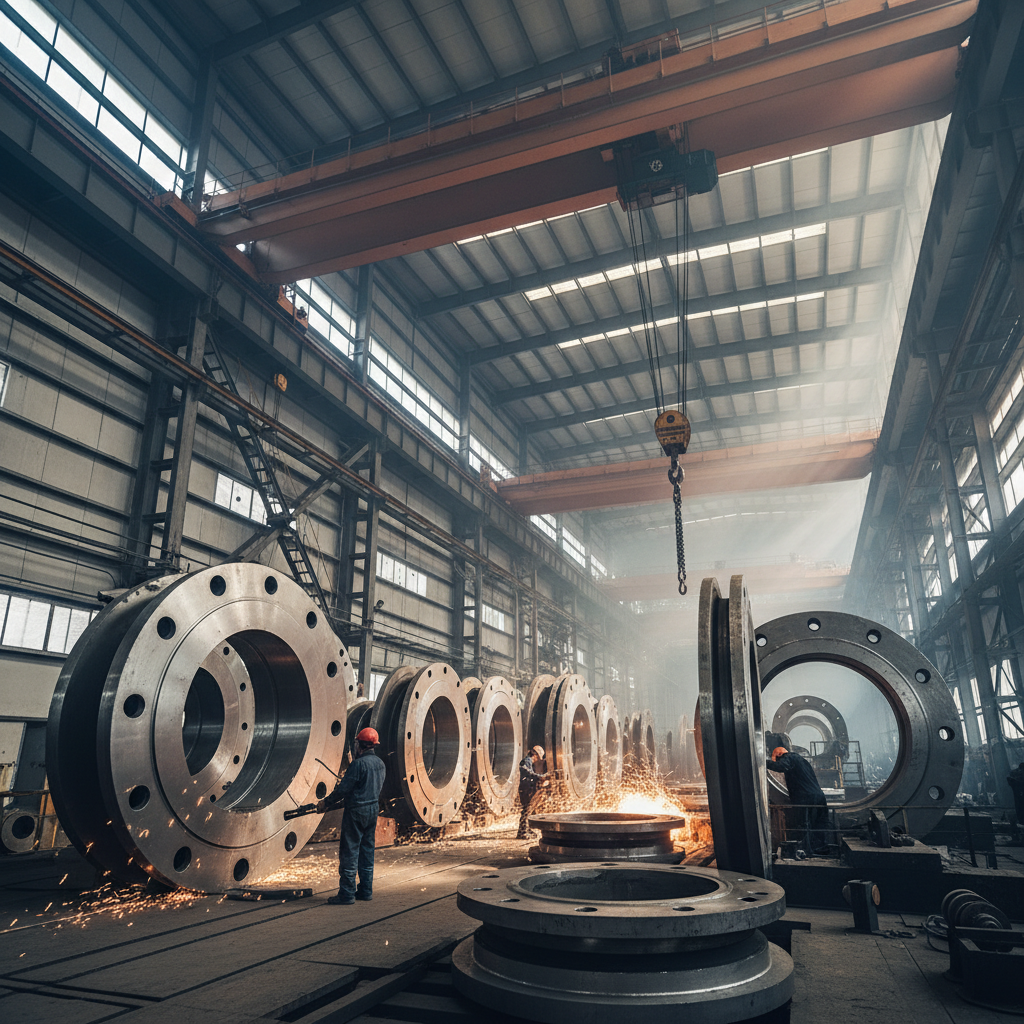
The process of manufacturing flanges involves intricate processes such as forging, casting, machining, and quality control. Manufacturers often adhere to stringent international standards, such as those set by ASME, ANSI, and DIN, to ensure product reliability and safety. pipe flange manufacturers are continually refining their techniques to improve efficiency and meet evolving industry demands.
Defining Pipe Flange Manufacturers
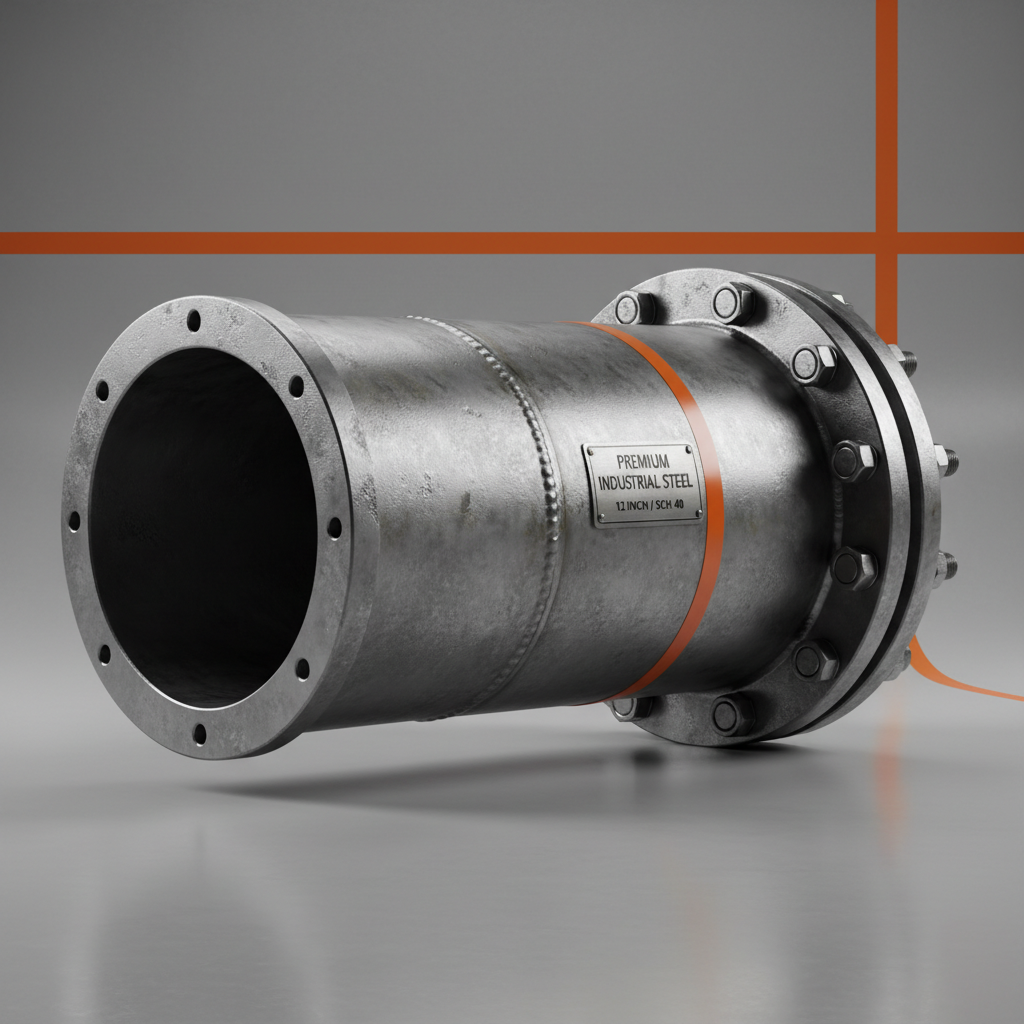
At its core, a pipe flange manufacturer is a company specializing in creating flanges – disc-shaped metal components with bolts holes used to connect sections of piping together. These aren’t simply bolted-on accessories; they are vital for maintaining pressure integrity, enabling disassembly for maintenance, and accommodating thermal expansion and contraction in piping systems. Manufacturers often offer a broad catalog of flange types, including weld neck, slip-on, blind, and threaded flanges, among others.
These manufacturers act as crucial links in the supply chain for numerous essential industries. The quality of the flanges directly impacts the reliability and safety of the entire system. Pipe flange manufacturers must therefore prioritize material traceability, precise machining, and rigorous testing to meet the demanding requirements of their customers.
The connection to modern industry and humanitarian needs is profound. Reliable piping systems, reliant on robust flanges, deliver clean water, transport energy resources, and facilitate chemical processes that underpin modern life. In emergency situations, like natural disasters, the swift deployment of piping systems with quality flanges can be crucial for providing potable water and sanitation, showcasing the broader impact of these manufacturers.
Core Components of Flange Manufacturing
Durability is a cornerstone of successful flange manufacturing. Flanges must withstand harsh operating conditions, including extreme temperatures, high pressures, and corrosive environments. This necessitates the use of high-quality materials, such as carbon steel, stainless steel, alloy steel, and specialized alloys, tailored to the specific application. Effective coating and surface treatments are also vital for enhancing corrosion resistance.
Scalability refers to a manufacturer’s ability to meet fluctuating demand and accommodate varying order sizes. Leading pipe flange manufacturers invest in flexible manufacturing processes and robust supply chain management to efficiently handle both small-batch custom orders and large-scale production runs, serving diverse customer needs.
Cost Efficiency isn’t just about offering the lowest price; it's about providing optimal value. This involves streamlining production processes, minimizing material waste, and optimizing logistics. Furthermore, preventative maintenance programs, reliable supply chains and minimizing downtime all contribute to cost efficiency. A focus on automation and lean manufacturing principles are often employed.
Global Applications and Industries Served
Pipe flange manufacturers provide vital components to the Oil & Gas industry, where they are used in pipelines, refineries, and offshore platforms. These flanges must meet stringent safety standards due to the high-risk nature of these environments. The Chemical Processing industry also relies heavily on flanges for handling corrosive chemicals and maintaining process integrity.
In the Power Generation sector, flanges are used in steam lines, cooling systems, and other critical applications. Water Treatment plants utilize flanges in piping systems for delivering clean water and managing wastewater. The Pharmaceutical industry requires high-purity flanges to ensure the integrity of their production processes.
Geographically, demand is strong in regions undergoing rapid industrialization, such as Asia-Pacific, the Middle East, and parts of South America. In remote industrial zones, readily available, reliable flanges are crucial for maintaining operations with limited access to maintenance resources. In post-disaster relief operations, quick deployment of piping systems using standardized flanges is often essential for providing clean water and sanitation.
Pipe Flange Manufacturers Performance Metrics
Advantages and Long-Term Value Proposition
The primary advantage of choosing reliable pipe flange manufacturers is cost savings through reduced maintenance and downtime. High-quality flanges minimize the risk of leaks, failures, and costly repairs. Furthermore, employing standardized flanges simplifies inventory management and reduces procurement complexities.
Sustainability is increasingly a key factor. Selecting manufacturers who prioritize responsible sourcing, efficient manufacturing processes, and durable products contributes to a lower environmental footprint. The longevity of well-made flanges reduces the need for frequent replacements, conserving resources.
Future Trends and Innovations in Flange Manufacturing
The integration of digital technologies, such as 3D printing (additive manufacturing), is poised to revolutionize flange production. This allows for the creation of complex flange designs with greater precision and reduced material waste. Automation and robotic welding are also becoming increasingly prevalent, enhancing efficiency and consistency.
The development of new materials, including advanced alloys and composites, offers improved corrosion resistance, higher strength-to-weight ratios, and enhanced performance in extreme environments. Greater emphasis on predictive maintenance and sensor-based monitoring will allow for proactive identification of potential issues before they escalate, reducing downtime and improving safety.
Challenges and Solutions for Pipe Flange Manufacturers
One major challenge is maintaining consistent quality across large production volumes. Implementing robust quality control procedures, including non-destructive testing methods like ultrasonic and radiographic inspection, is crucial. Traceability of materials is also paramount, ensuring compliance with industry standards.
Supply chain disruptions can pose a significant challenge. Diversifying sourcing, building strategic partnerships with suppliers, and maintaining adequate inventory levels can mitigate these risks. Another challenge lies in meeting increasingly stringent environmental regulations. Manufacturers must invest in cleaner production technologies and adopt sustainable practices to remain competitive.
Adapting to the evolving needs of industries embracing green energy, such as hydrogen production and carbon capture, presents both a challenge and an opportunity. Pipe flange manufacturers need to develop flanges specifically designed for these applications, utilizing materials compatible with these new environments.
Summary of Key Challenges and Mitigation Strategies for Pipe Flange Manufacturers
| Challenge Area |
Impact on Manufacturers |
Mitigation Strategies |
Long-Term Benefits |
| Quality Control |
Increased defect rates, customer dissatisfaction, potential safety hazards |
Implement rigorous testing, material traceability, and employee training |
Enhanced product reliability, stronger customer relationships, reduced liability |
| Supply Chain Disruptions |
Production delays, increased costs, inability to meet customer demand |
Diversify sourcing, build strategic partnerships, maintain safety stock |
Increased supply chain resilience, stable production costs, improved customer service |
| Environmental Regulations |
Increased compliance costs, potential fines, negative brand reputation |
Invest in cleaner production technologies, adopt sustainable practices, obtain certifications |
Reduced environmental impact, enhanced brand image, improved access to markets |
| Evolving Industry Needs |
Loss of market share, reduced revenue, obsolescence of existing products |
Invest in R&D, develop new materials, adapt manufacturing processes |
Expanded market opportunities, increased revenue, sustained competitiveness |
| Skilled Labor Shortage |
Difficulty maintaining production quality, increased labor costs, reduced innovation |
Invest in training programs, offer competitive wages, promote STEM education |
Improved workforce quality, reduced labor turnover, increased innovation |
| Increasing Material Costs |
Reduced profit margins, higher product prices, potential loss of competitiveness |
Negotiate long-term contracts, explore alternative materials, optimize material usage |
Stable profit margins, competitive pricing, reduced waste |
FAQS
Pipe flange manufacturers utilize a variety of materials, with carbon steel being the most common due to its cost-effectiveness and strength. Stainless steel is preferred for corrosive environments, while alloy steels are chosen for high-temperature and high-pressure applications. Other materials, like ductile iron and specialized alloys, are used for specific niche applications, often determined by fluid compatibility and operational demands.
Reputable pipe flange manufacturers adhere to rigorous international standards, including those set by the American Society of Mechanical Engineers (ASME), the American National Standards Institute (ANSI), and the Deutsches Institut für Normung (DIN). These standards specify requirements for design, materials, manufacturing processes, and testing, ensuring product safety and reliability. Compliance with these standards is often a prerequisite for supplying flanges to regulated industries.
Material traceability is critically important in flange manufacturing, especially for applications where failure could have severe consequences. It ensures that the origin and composition of the materials used in each flange can be verified. This is essential for identifying and addressing potential issues, such as material defects or non-compliance with specifications. Detailed documentation throughout the manufacturing process is crucial for maintaining traceability.
Common testing methods for pipe flanges include visual inspection, dimensional checks, hydrostatic testing (to verify pressure integrity), and non-destructive testing (NDT) techniques like ultrasonic testing (UT), radiographic testing (RT), and liquid penetrant testing (PT). These tests are designed to detect defects, ensure proper dimensions, and verify the flange’s ability to withstand operating conditions.
Weld neck flanges have a long, tapered hub that is welded directly to the pipe, providing a strong, high-integrity connection. They are preferred for high-pressure and high-temperature applications. Slip-on flanges, on the other hand, simply slip over the pipe and are then welded in place. They are easier to install but generally suitable for lower-pressure applications. The choice depends on the specific application requirements.
Look for manufacturers with established certifications (e.g., ISO 9001), a proven track record, and positive customer reviews. Request material test reports (MTRs) and ensure they have a robust quality control system in place. Consider their experience with your specific application and their ability to meet your technical requirements. A site visit or audit can provide further assurance.
Conclusion
In conclusion, pipe flange manufacturers are essential contributors to the safe and efficient operation of countless industries worldwide. The importance of durable, reliable flanges cannot be overstated, impacting everything from infrastructure integrity to environmental protection and the safe transport of vital resources. Choosing a knowledgeable and reputable manufacturer is a critical decision impacting long-term performance and safety.
Looking ahead, continued innovation in materials, manufacturing processes, and digital technologies will further enhance the capabilities and sustainability of pipe flange manufacturing. Embracing these advancements will be key to meeting the evolving demands of a rapidly changing world, ensuring that pipe flange manufacturers remain at the forefront of critical infrastructure support. Visit our website at www.world-steelmaterial.com to learn more about our range of high-quality flanges and how we can meet your specific needs.