Stainless steel fittings manufacturers are critical components in a vast array of industries, from oil and gas to food processing and pharmaceutical production. Their ability to withstand corrosive environments, high pressures, and extreme temperatures makes them indispensable for ensuring the safety, efficiency, and longevity of complex systems. Understanding the nuances of these manufacturers – their capabilities, quality control processes, and material expertise – is paramount for businesses seeking reliable and durable solutions for fluid handling and structural integrity.
Globally, the demand for stainless steel fittings is consistently growing, driven by infrastructure development, increasing industrialization in emerging economies, and a heightened focus on hygiene and safety standards. According to the World Steel Association, stainless steel production reached over 50 million tonnes in 2022, with a significant portion dedicated to fittings and related components. This growth underscores the vital role these manufacturers play in supporting global economies and technological advancements.
Choosing the right stainless steel fittings manufacturer isn't merely about cost; it’s about mitigating risk, ensuring compliance, and maximizing the lifecycle of critical infrastructure. A robust supply chain reliant on qualified manufacturers is fundamental for sectors where failure is not an option, driving innovation and best practices in material science and engineering. stainless steel fittings manufacturers are pivotal in this landscape.
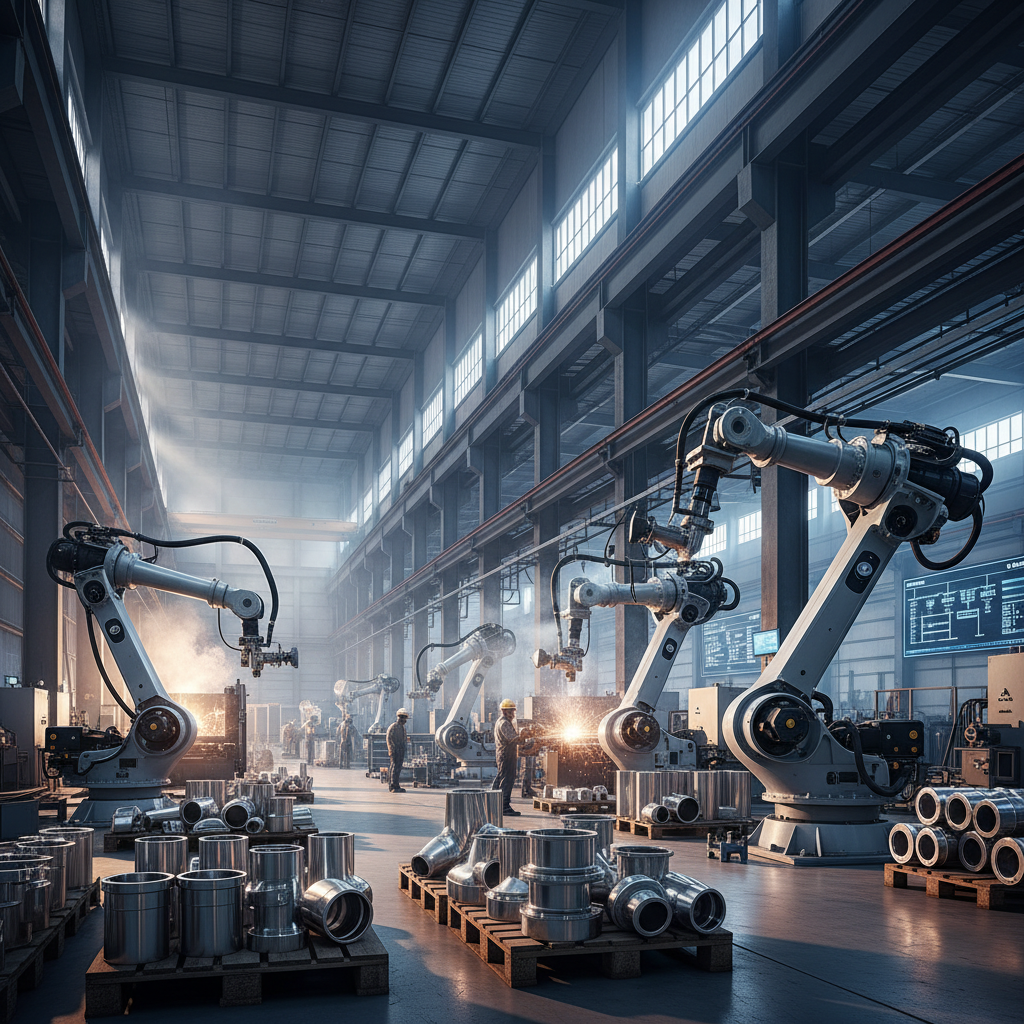
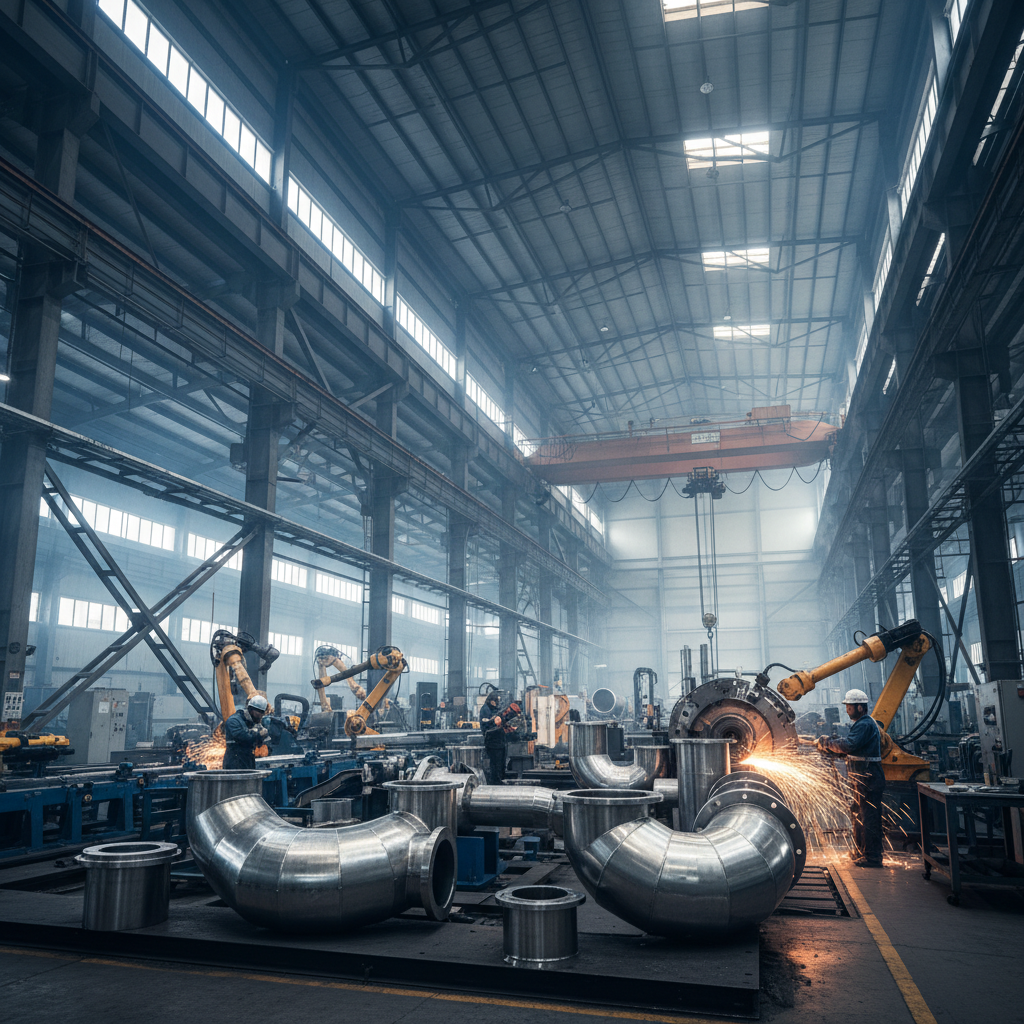
The significance of reliable stainless steel fittings manufacturers extends far beyond simply providing components. These manufacturers are vital partners in ensuring the integrity of critical systems across numerous sectors. Their expertise in material selection, precision machining, and rigorous quality control directly impacts the safety, efficiency, and longevity of projects ranging from large-scale industrial plants to sensitive medical equipment. stainless steel fittings manufacturers play a crucial role.
A competent manufacturer understands the nuances of different stainless steel grades (304, 316, etc.) and their appropriate applications. They are also adept at employing various manufacturing techniques – forging, casting, machining – to produce fittings that meet precise specifications and withstand demanding operating conditions. This level of expertise translates into reduced downtime, lower maintenance costs, and enhanced overall system performance for their clients.
When evaluating stainless steel fittings manufacturers, prioritize certifications like ISO 9001 for quality management, ensuring consistent product quality and adherence to international standards. Industry-specific certifications such as ASME for pressure vessel components or API for oil and gas applications are also crucial, demonstrating compliance with relevant regulations. Material test reports (MTRs) confirming the chemical composition and mechanical properties of the stainless steel used are essential for traceability and assurance.
Determining the appropriate stainless steel grade is paramount. Factors to consider include the corrosive environment, operating temperature, pressure requirements, and the fluid or gas being conveyed. Consult with the manufacturer's technical experts to discuss your specific needs. Request material recommendations and ensure they provide documentation verifying the suitability of the chosen grade for your application. Proper material selection prevents premature failure and ensures long-term reliability.
Lead times for custom stainless steel fittings vary significantly depending on the complexity of the design, the quantity ordered, and the manufacturer's current workload. Typically, lead times range from 4 to 12 weeks, but can be longer for highly specialized components or large-volume orders. It's crucial to discuss your project timeline with the manufacturer during the quotation process and establish clear communication channels for updates.
Reputable stainless steel fittings manufacturers implement comprehensive quality control measures throughout the entire production process. These include raw material inspection, dimensional verification, non-destructive testing (NDT) methods like radiography and ultrasonic testing to detect internal flaws, pressure testing to ensure leak-tightness, and visual inspection for surface defects. Proper documentation and traceability are also vital components of a robust quality control system.
Selecting the correct stainless steel grade for the specific environment is the first step. Proper surface finishing (e.g., passivation) can enhance corrosion resistance. Avoiding galvanic corrosion by using compatible materials in contact with stainless steel is also important. Regular inspection and maintenance, including cleaning and the application of protective coatings when necessary, can further extend the lifespan of the fittings and minimize the risk of corrosion.
Working with a local manufacturer can offer several advantages, including shorter lead times, reduced shipping costs, improved communication, and the ability to conduct on-site inspections. It also supports local economies and reduces the carbon footprint associated with transportation. However, it’s crucial to ensure the local manufacturer possesses the necessary technical expertise and quality certifications to meet your specific requirements.
In conclusion, selecting the right stainless steel fittings manufacturer is a critical decision that directly impacts the reliability, safety, and longevity of your projects. A thorough understanding of material properties, quality control processes, and industry standards is essential. Investing in high-quality fittings from a reputable manufacturer delivers substantial long-term value, minimizing downtime, reducing maintenance costs, and safeguarding operational integrity.
Looking ahead, embracing emerging trends like automation and additive manufacturing will further enhance the capabilities and efficiency of stainless steel fittings manufacturers. By prioritizing innovation, sustainability, and customer collaboration, these manufacturers will continue to play a vital role in supporting critical infrastructure and driving advancements across a wide range of industries. Visit our website: www.world-steelmaterial.com