Pipes and fittings manufacturers are fundamental to modern infrastructure, facilitating the safe and efficient transport of fluids and gases across a multitude of industries. From potable water distribution to oil and gas pipelines, these components are integral to the functioning of our society. Understanding the nuances of their production, materials, and applications is crucial for engineers, policymakers, and anyone involved in infrastructure development. The global market for pipes and fittings is substantial and growing, driven by urbanization, industrialization, and increasing demands for resource management.
The significance of reliable pipes and fittings manufacturers extends beyond simply containing flow. Their integrity directly impacts public health, environmental safety, and economic stability. Failures in pipeline systems can lead to catastrophic consequences, including water contamination, gas leaks, and environmental damage. Consequently, stringent quality control, adherence to industry standards (like those set by ASTM and ISO), and continuous innovation are paramount for manufacturers operating in this sector. pipes and fittings manufacturers play a vital role in minimizing these risks.
Selecting the appropriate pipes and fittings manufacturers isn’t just about price; it’s about long-term performance, durability, and sustainability. The ability to source high-quality components from reputable manufacturers is a critical factor in ensuring the longevity and reliability of infrastructure projects. Investing in quality upfront can significantly reduce maintenance costs, prevent costly failures, and contribute to a more resilient and sustainable future.
The Importance of Pipes and Fittings Manufacturers
The effectiveness of any fluid or gas transport system heavily relies on the quality and precision of its constituent pipes and fittings. Manufacturers specializing in these components don't simply produce products; they deliver essential elements of critical infrastructure. A robust supply chain of pipes and fittings manufacturers is thus foundational to modern economies.
The global demand for these products is constantly evolving, driven by population growth, industrial expansion, and the need for more efficient resource management. Understanding the role of manufacturers – from raw material sourcing to final product delivery – is critical for ensuring reliability, sustainability, and cost-effectiveness in various sectors.
Defining Pipes and Fittings Manufacturers
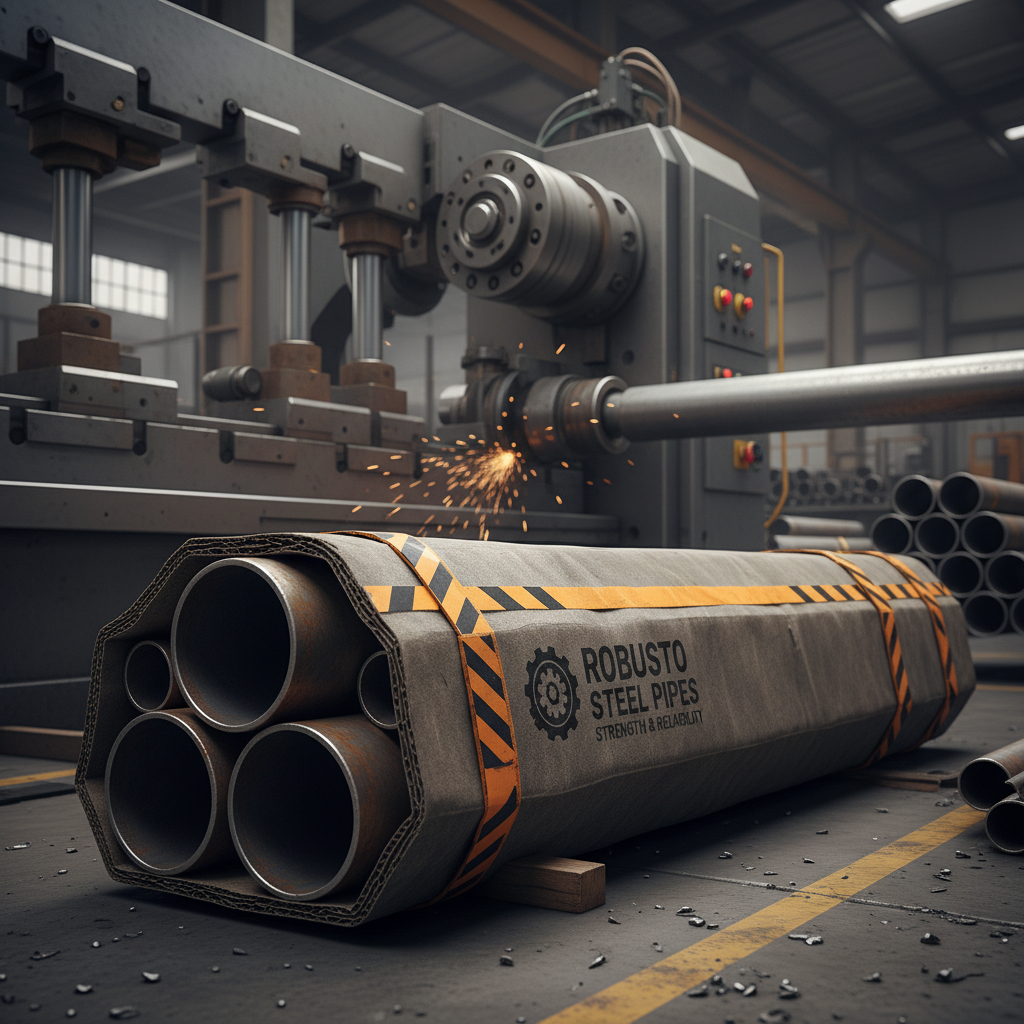
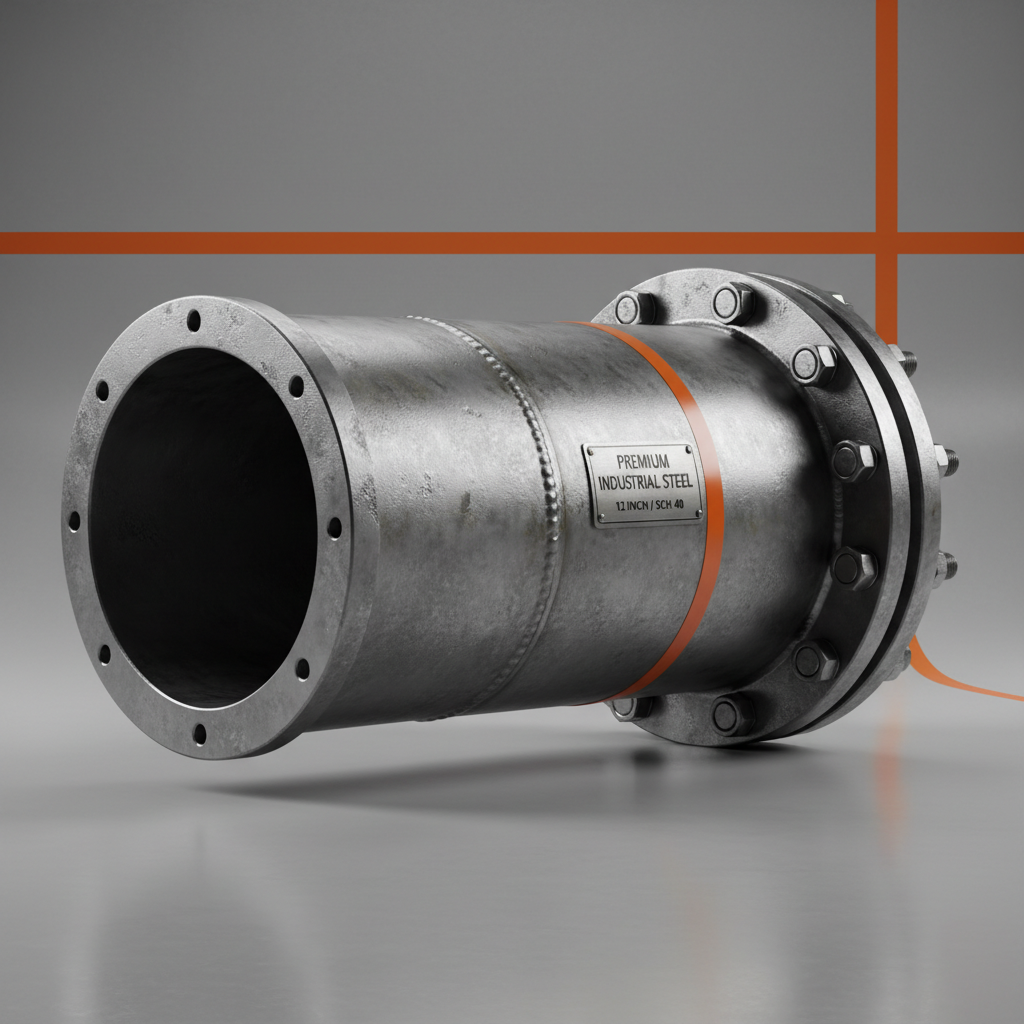
Pipes and fittings manufacturers are companies dedicated to the design, production, and distribution of tubular products and components used to convey fluids, gases, and other materials. These manufacturers work with a range of materials, including steel (carbon, stainless, alloy), plastic (PVC, CPVC, HDPE), copper, and others, each offering specific properties suitable for different applications.
Their operations encompass various processes, including extrusion, molding, welding, machining, and finishing, all performed to meet stringent industry standards and customer specifications. The ability to deliver custom solutions alongside standard product offerings is a key characteristic of successful pipes and fittings manufacturers.
This sector isn’t merely about producing conduits; it's about enabling essential services like clean water delivery, safe waste disposal, and efficient energy transmission, all cornerstones of modern life and humanitarian efforts.
Key Factors Influencing Manufacturer Selection
When choosing a pipes and fittings manufacturer, several key factors need careful consideration. Durability is paramount, as pipelines are often subjected to harsh environments and demanding operating conditions. Manufacturers utilizing high-quality materials and robust manufacturing processes ensure the longevity and reliability of their products.
Scalability is another crucial aspect, particularly for large-scale infrastructure projects. Manufacturers capable of efficiently producing and delivering large volumes of pipes and fittings within specified timelines are essential for project success. The ability to adapt to changing demands and offer customized solutions further enhances scalability.
Cost Efficiency is naturally a significant factor, but it shouldn't come at the expense of quality or reliability. A reputable manufacturer will offer competitive pricing without compromising on the integrity of its products. Total cost of ownership, including maintenance and potential replacement costs, should be considered.
Compliance and Certification are non-negotiable. Manufacturers should adhere to relevant industry standards (ASTM, ISO, API) and possess necessary certifications to demonstrate their commitment to quality and safety. Technological Innovation and Customer Support also play key roles in modern pipes and fittings manufacturing.
Global Applications and Industry Impact
The applications of pipes and fittings manufactured are incredibly diverse. In the Oil & Gas industry, they're essential for transporting crude oil and natural gas across vast distances. The Water Treatment sector relies on them for delivering clean water and managing wastewater. The Construction industry utilizes them extensively in plumbing, heating, and cooling systems.
Geographically, demand is high in rapidly developing economies like China and India, where infrastructure investments are substantial. In North America and Europe, modernization and replacement of aging infrastructure drive demand. Even in remote industrial zones in Australia and Africa, reliable pipes and fittings are indispensable for resource extraction and processing.
In post-disaster relief operations, quick deployment of pipelines and fittings is critical for providing potable water and sanitation. Furthermore, the agricultural sector benefits from irrigation systems reliant on durable and efficient piping. The scope of pipes and fittings manufacturers extends far beyond industrial applications.
Pipes and Fittings Manufacturers - Performance Metrics
Advantages and Long-Term Value Proposition
The advantages of selecting reliable pipes and fittings manufacturers extend beyond initial cost savings. Enhanced safety is a primary benefit, reducing the risk of leaks, failures, and associated hazards. Improved operational efficiency, stemming from smoother flow and reduced maintenance, leads to significant cost reductions over the lifespan of the system.
Long-term value is further amplified by the increasing focus on sustainability. Manufacturers employing eco-friendly materials and processes contribute to a smaller environmental footprint, aligning with global sustainability goals. This isn't just an ethical consideration; it's increasingly becoming a business imperative.
Future Trends in Pipes and Fittings Manufacturing
Several key trends are shaping the future of pipes and fittings manufacturing. The adoption of advanced materials, such as composite polymers and corrosion-resistant alloys, is gaining momentum. Digitalization, including the use of IoT sensors for pipeline monitoring and predictive maintenance, is becoming increasingly prevalent.
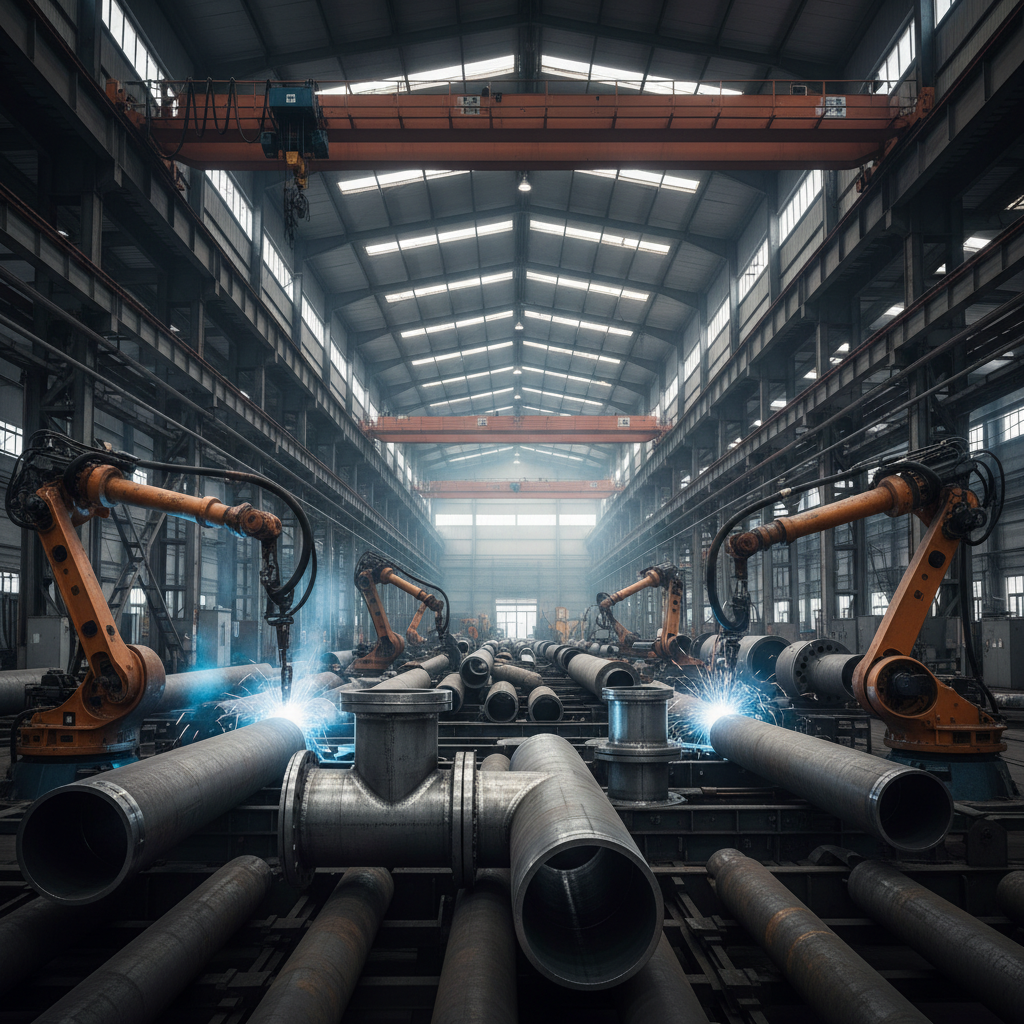
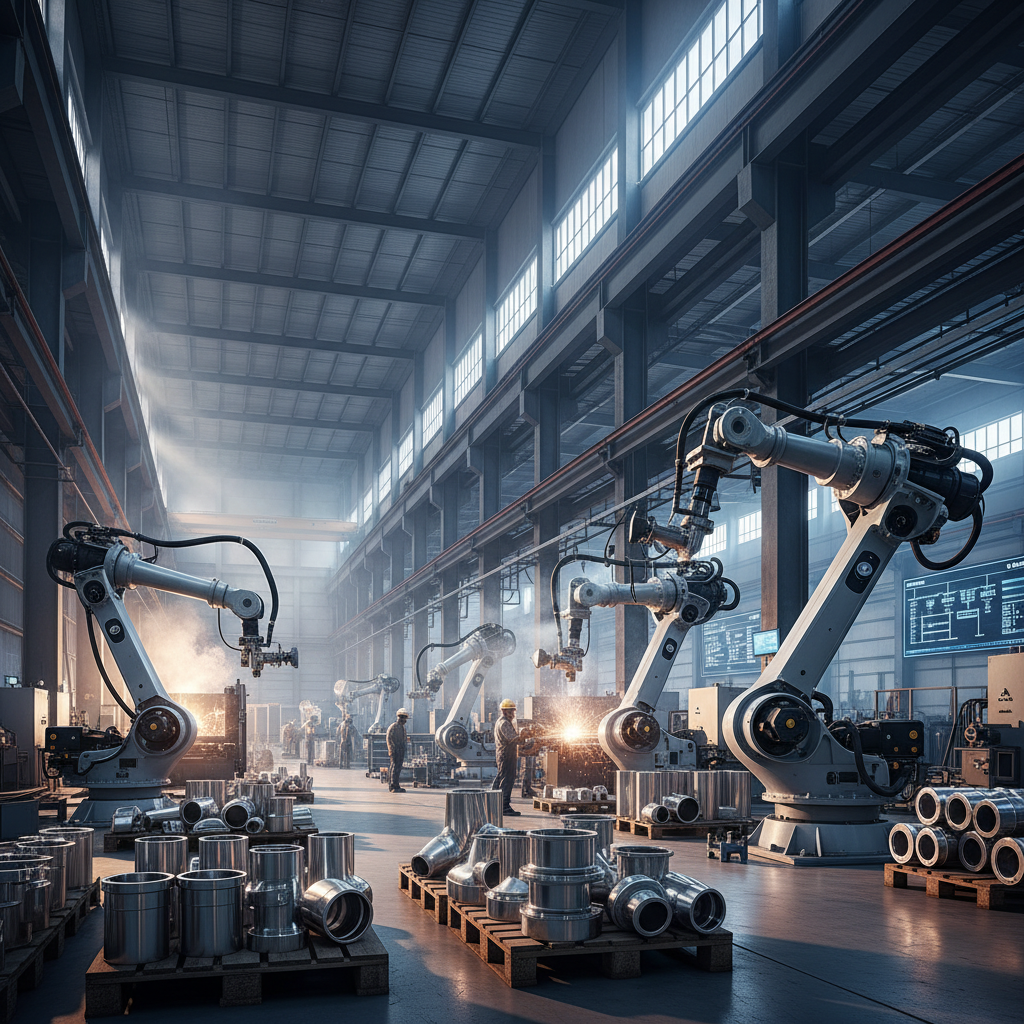
Automation and robotics are streamlining manufacturing processes, enhancing efficiency and reducing labor costs. Furthermore, the industry is actively exploring sustainable manufacturing practices, including the use of recycled materials and energy-efficient production methods.
Challenges and Innovative Solutions
Despite advancements, the pipes and fittings industry faces challenges. Corrosion remains a significant issue, particularly in harsh environments. Ensuring consistent quality control across global supply chains can be complex. Fluctuations in raw material prices can impact profitability.
Innovative solutions are emerging to address these challenges. Advanced coating technologies are enhancing corrosion resistance. Blockchain technology is improving supply chain transparency and traceability. Diversification of material sourcing strategies is mitigating price volatility. pipes and fittings manufacturers are increasingly investing in research and development to stay ahead of the curve.
The development of smart pipes equipped with sensors for real-time monitoring and leak detection represents a significant leap forward. These technologies empower operators to proactively address potential issues, minimizing downtime and preventing costly repairs.
Key Performance Indicators for Evaluating Pipes and Fittings Manufacturers
| Material Composition |
Manufacturing Process |
Quality Assurance Procedures |
Certifications and Compliance |
| High-Grade Steel (e.g., 316L Stainless Steel) |
Automated Welding and Forming |
Hydrostatic Testing, Non-Destructive Examination (NDE) |
ISO 9001, ASTM Standards, API 5L |
| Polypropylene (PP) with UV Stabilizers |
Injection Molding, Extrusion |
Pressure Testing, Dimensional Accuracy Checks |
NSF/ANSI 61, WRAS Certification |
| Copper Alloy C12200 |
Bending, Soldering, Brazing |
Leak Testing, Visual Inspection |
ASTM B42, CSA B125 |
| High-Density Polyethylene (HDPE) |
Butt Fusion, Electrofusion |
Pull Testing, Joint Integrity Checks |
DIN 8074/8075, EN 12201 |
| Ductile Iron (65-45-12) |
Centrifugal Casting, Machining |
Tensile Strength Testing, Hardness Testing |
AWWA C151, EN 545 |
| Polyvinyl Chloride (PVC) Schedule 80 |
Extrusion, Socket Welding |
Impact Resistance Testing, Chemical Resistance Testing |
ASTM D1785, NSF/ANSI 14 |
FAQS
Lead times for custom orders can vary considerably depending on the complexity of the specifications, the volume required, and the manufacturer’s current workload. Generally, expect a lead time of 8-16 weeks for significant custom projects. However, discussing specific requirements with the manufacturer upfront is crucial for obtaining an accurate estimate and establishing a realistic delivery schedule. Factors such as material availability and necessary certifications also influence lead times.
Reputable manufacturers implement rigorous quality control measures throughout the entire production process. These typically include raw material inspection, dimensional accuracy checks, hydrostatic testing, non-destructive examination (NDE) like radiography and ultrasonic testing, and visual inspections. Many manufacturers also adhere to industry standards like ISO 9001 and maintain comprehensive documentation to ensure traceability and accountability.
Selecting the right pipe material involves considering several factors, including the fluid being conveyed, the operating temperature and pressure, the environmental conditions, and applicable industry regulations. Consulting with a materials engineer or the manufacturer’s technical team is highly recommended. Each material—steel, PVC, copper, etc.—has distinct properties that make it suitable for different applications.
Essential certifications include ISO 9001 (Quality Management System), which demonstrates a commitment to consistent quality. Industry-specific certifications like ASTM standards, API (American Petroleum Institute) certifications, and NSF/ANSI standards (for potable water applications) are also crucial. Verify that the manufacturer’s certifications are current and relevant to your specific application requirements.
Non-destructive testing (NDT) methods, such as radiography, ultrasonic testing, and liquid penetrant inspection, are critical for detecting flaws and imperfections in pipes and fittings without damaging the material. NDT helps ensure the structural integrity and reliability of the components, preventing failures and ensuring safe operation. It's a vital part of quality control and adherence to industry standards.
Many reputable pipes and fittings manufacturers offer technical support and design assistance. They can provide guidance on material selection, pipe sizing, fitting configurations, and compliance with relevant codes and standards. Leveraging their expertise can optimize pipeline performance, reduce costs, and ensure long-term reliability. Some manufacturers utilize specialized software and modeling tools to aid in the design process.
Conclusion
In conclusion, pipes and fittings manufacturers represent a foundational element of modern infrastructure, impacting public health, economic stability, and environmental sustainability. Selecting a reliable manufacturer requires careful consideration of durability, scalability, cost efficiency, and adherence to stringent quality control standards. Understanding the key factors that drive the industry and embracing innovative solutions are essential for ensuring the long-term integrity of pipeline systems.
Looking ahead, the industry is poised for continued growth and innovation, driven by evolving demands for sustainability, digitalization, and advanced materials. By prioritizing quality, investing in research and development, and fostering collaboration, pipes and fittings manufacturers can continue to play a vital role in building a more resilient and sustainable future.