0%

Table of Contents

You see a lot of projects come and go, and one thing always stands out – the backbone of nearly every structure, large or small, is good, reliable metal tube. It's not glamorous, but without it, things just don’t stand up. I've spent years walking these sites, and you quickly learn to appreciate the materials that just work day in and day out. Metal tube is one of those materials.

We’re not talking about just any pipe here; we're talking about precision engineered metal tube that meets incredibly demanding standards. From scaffolding to structural supports, from plumbing to complex machinery housings, it’s everywhere. The sheer volume of metal tube consumed globally is staggering, a real testament to its necessity in modern construction and manufacturing.

What's changed over the years isn’t necessarily the need for metal tube, but the demands placed on it. We’re building taller, stronger, and more complex structures than ever before. That means the metal has to be more reliable, more durable, and more versatile. And that's where understanding the nuances of different types and applications really comes into play.
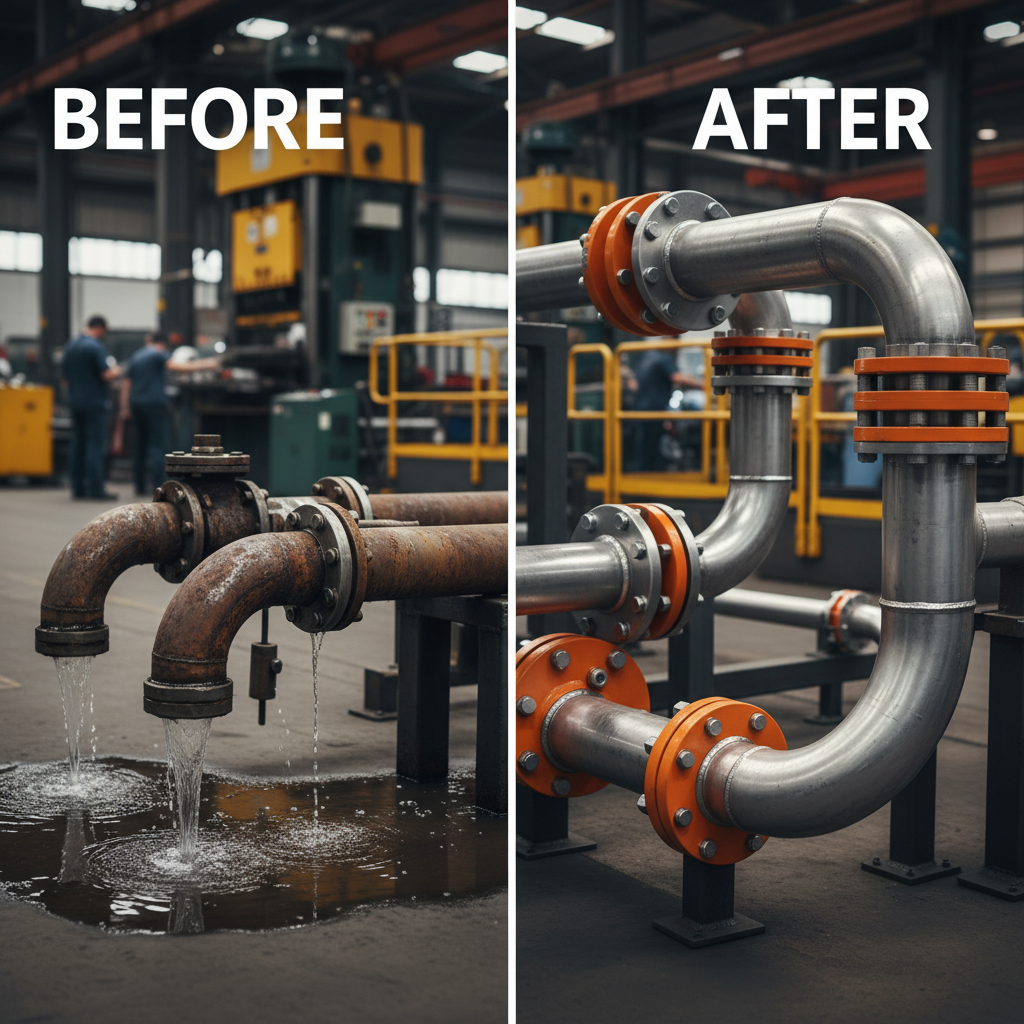
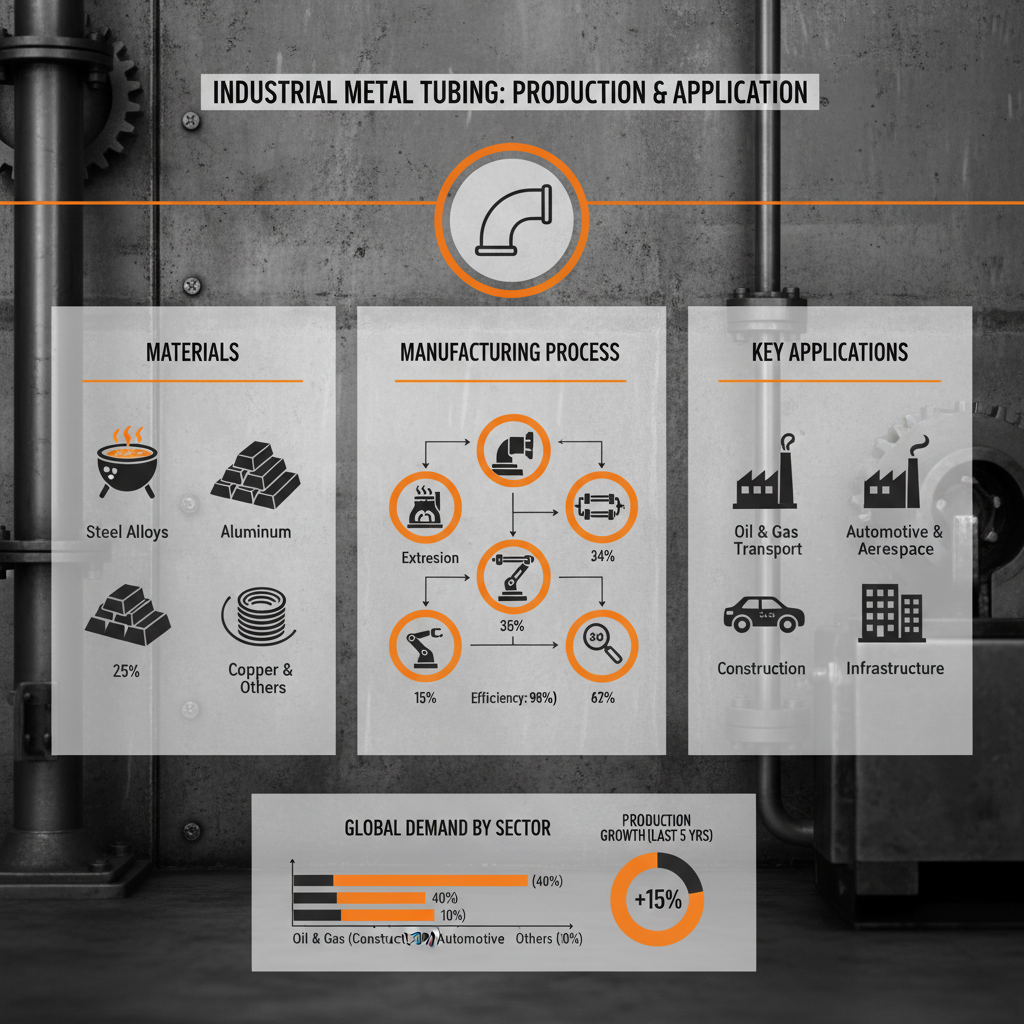
The Indispensable Role of Metal Tube in Modern Construction and Manufacturing

The Essential Role of metal tube in Construction

The Indispensable Role of Metal Tube in Modern Construction and Manufacturing

You’re walking a site, and you see it everywhere – supporting structures, running utilities, even as part of temporary scaffolding. Metal tube isn’t a flashy component, but it’s fundamentally critical. Its strength-to-weight ratio is fantastic, making it ideal for situations where you need structural integrity without adding excessive bulk. It’s a workhorse material.

I've seen projects delayed, and sometimes even compromised, because of subpar metal tube. It's not an area where you want to cut corners. Choosing the right grade, wall thickness, and finish can make or break a project, impacting everything from safety to long-term maintenance costs.

Defining Metal Tube: Beyond Just a Pipe

Folks often use "pipe" and "tube" interchangeably, but there's a difference. Pipe is defined by its outside diameter and is typically used for transporting fluids or gases. Metal tube, on the other hand, is defined by its dimensions – both outside diameter and wall thickness. This precision is crucial for structural applications where accurate load-bearing capacity is essential.

It's a key component in modern industrial infrastructure. Think about the complex systems within a power plant, or the intricate frameworks of a high-rise building – all rely heavily on precisely manufactured metal tube. It allows for efficient transfer of materials and distributes loads effectively.

Ultimately, metal tube allows us to build things that simply wouldn’t be possible otherwise. It’s a cornerstone of modern engineering, enabling progress in everything from transportation to energy production.

Key Characteristics of High-Quality metal tube

Durability is paramount. You need metal tube that can withstand the rigors of a construction site – impacts, corrosion, and constant stress. That’s why the steel alloy is so important, and why coatings and galvanization are often essential.

Precision is also crucial. Consistent dimensions and wall thicknesses are vital for ensuring structural integrity. We’re talking about tolerances measured in fractions of an inch. A slight variance can compromise the entire system. This precision relies on strict quality control during the manufacturing process.

Finally, weldability is a big factor. A lot of structures are assembled by welding metal tube sections together, so the material needs to be compatible with common welding techniques without losing its strength or integrity.

Global Applications of metal tube Across Industries

It’s not just construction. You see metal tube everywhere. In the automotive industry, it’s used for chassis components and exhaust systems. In aerospace, it's part of critical flight control structures. And in oil and gas, it’s crucial for pipelines transporting valuable resources.

I’ve worked on projects in remote locations – drilling platforms in the North Sea, infrastructure projects in developing nations – and in those situations, the reliability of materials is even more critical. You can’t just run to the hardware store for a replacement. Metal tube needs to perform under harsh conditions.

Performance Comparison of metal tube Manufacturing Methods


The Long-Term Benefits: Cost, Durability, and Sustainability

While the initial cost of high-quality metal tube might be higher, the long-term savings are significant. It lasts longer, requires less maintenance, and reduces the risk of costly failures. That adds up over the lifespan of a project.

Its inherent durability also contributes to sustainability. By reducing the need for frequent replacements, we minimize waste and conserve resources. And, importantly, steel is highly recyclable, making it a relatively environmentally friendly material.

Innovations and Emerging Trends in metal tube Technology

We’re seeing some exciting developments in metal tube manufacturing. High-frequency welding is becoming more precise, allowing for thinner walls and lighter structures without sacrificing strength. And new alloy compositions are pushing the boundaries of corrosion resistance.

There's also a growing focus on automation and digital monitoring. Using sensors to track stress levels and detect potential weaknesses in metal tube structures is becoming increasingly common, enabling proactive maintenance and preventing catastrophic failures.

The drive for lighter, stronger, and more sustainable materials will continue to fuel innovation in this space for years to come.

Challenges and Solutions in metal tube Implementation

Sourcing reliable metal tube can be a challenge, particularly with global supply chain disruptions. It's crucial to work with reputable suppliers who can guarantee quality and delivery.

Another issue is ensuring proper installation and welding techniques. Poor workmanship can negate the benefits of even the highest-quality metal tube. Investing in skilled labor and rigorous quality control is essential.

Finally, keeping up with evolving industry standards and regulations requires continuous learning and adaptation. It’s a dynamic field, and staying informed is key to ensuring safe and effective implementations.

Analysis of metal tube Quality Control Parameters

Parameter Testing Method Acceptance Criteria Impact on metal tube Performance
Tensile Strength Universal Testing Machine ≥ 500 MPa Resistance to deformation under load
Yield Strength Universal Testing Machine ≥ 300 MPa Permanent deformation threshold
Wall Thickness Ultrasonic Testing ± 5% of nominal thickness Load-bearing capacity and corrosion resistance
Corrosion Resistance Salt Spray Testing ≥ 48 hours Longevity in corrosive environments
Weld Quality Radiographic Testing No cracks or porosity Structural integrity of welded joints
Surface Finish Visual Inspection & Surface Roughness Tester Free from defects, Ra ≤ 3.2 μm Corrosion resistance and aesthetic appearance

FAQS

What are the most common types of steel used in metal tube production?

Carbon steel is a mainstay due to its cost-effectiveness and strength, but stainless steel is frequently chosen for its corrosion resistance. Alloy steels, incorporating elements like chromium and molybdenum, enhance specific properties like toughness and weldability. The right choice depends heavily on the application, from structural supports to high-pressure piping. Understanding these differences, and working with a knowledgeable supplier, is crucial for selecting the appropriate material.

How does galvanization affect the lifespan of metal tube?

Galvanization significantly extends the lifespan of metal tube by providing a protective zinc coating. This coating acts as a barrier against corrosion, even if the steel is scratched or damaged. In harsh environments, like coastal areas or industrial settings, galvanized metal tube can last decades longer than uncoated steel, reducing maintenance and replacement costs.

What is the role of welding in constructing structures with metal tube?

Welding is the primary method for joining metal tube sections to create complex structures. The strength and integrity of the weld are critical, so using qualified welders and appropriate welding techniques is essential. Different welding processes, like MIG, TIG, and stick welding, are chosen based on the steel type and application requirements. Regular inspections and non-destructive testing are vital to ensure weld quality.

How can I determine the appropriate wall thickness for a specific application?

Determining the right wall thickness requires considering several factors, including the load-bearing requirements, the intended use, and the environmental conditions. Structural engineers perform calculations to determine the minimum thickness needed to withstand the anticipated stresses. Corrosion allowance is also factored in, particularly in harsh environments. Always consult with a qualified engineer to ensure you’re using the correct wall thickness for your specific application.

What are the sustainability aspects of using metal tube?

Steel is one of the most recycled materials globally, making metal tube a relatively sustainable choice. Utilizing recycled steel reduces the need for virgin materials and lowers the environmental impact of production. Furthermore, the durability of metal tube means less frequent replacement, reducing waste over its lifespan. Choosing manufacturers with responsible sourcing practices is also important.

What are the key quality control checks performed on metal tube during manufacturing?

Quality control checks include dimensional inspections, visual inspections for surface defects, mechanical testing (tensile and yield strength), and non-destructive testing (ultrasonic testing, radiographic testing) to detect internal flaws. Hydrostatic testing is also performed to ensure the tube can withstand pressure. These checks are vital to guarantee that the metal tube meets the required standards and specifications before it leaves the factory.

Conclusion

Metal tube is more than just a building material; it’s a fundamental component of modern infrastructure and industry. Its strength, durability, and versatility make it indispensable across a wide range of applications. By understanding its key characteristics, embracing innovation, and prioritizing quality control, we can continue to leverage its benefits for generations to come.

Looking ahead, expect to see even more advancements in metal tube technology, driven by the demands for greater efficiency, sustainability, and resilience. Investing in research and development, and fostering collaboration between manufacturers, engineers, and end-users, will be crucial for unlocking its full potential. Visit our website at www.world-steelmaterial.com to learn more.

David Miller

David Miller

David Miller is a Senior Project Engineer at Beijing Sinoworld Steel Material Co., Ltd, with over 8 years of experience in the steel industry. He specializes in OCTG pipe procurement and project management, particularly focusing on international tenders. David played a key role in the successful implementation of the Pakistan
Previous The Enduring Importance of Metal Drain Pipe in Modern Infrastructure
Next The Essential Role of Metal Pipe in Modern Infrastructure and Future Trends