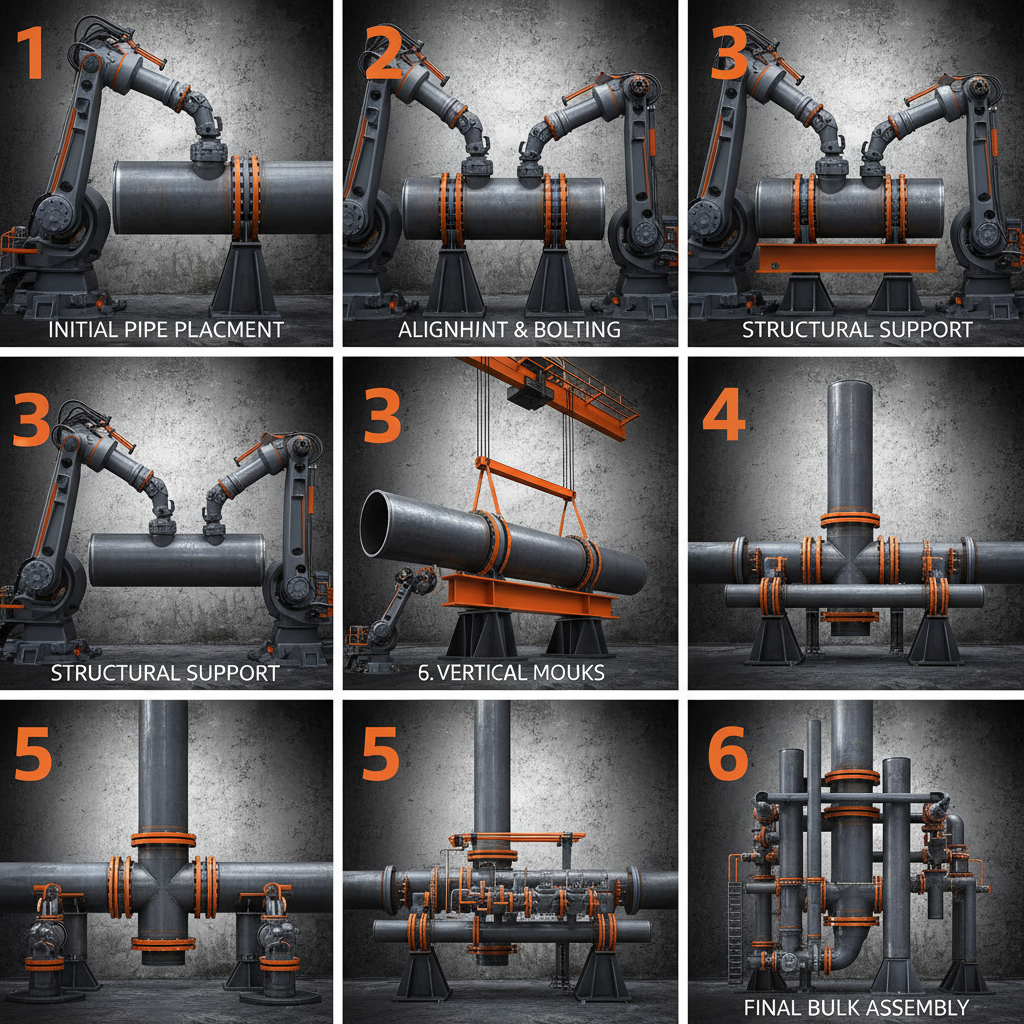
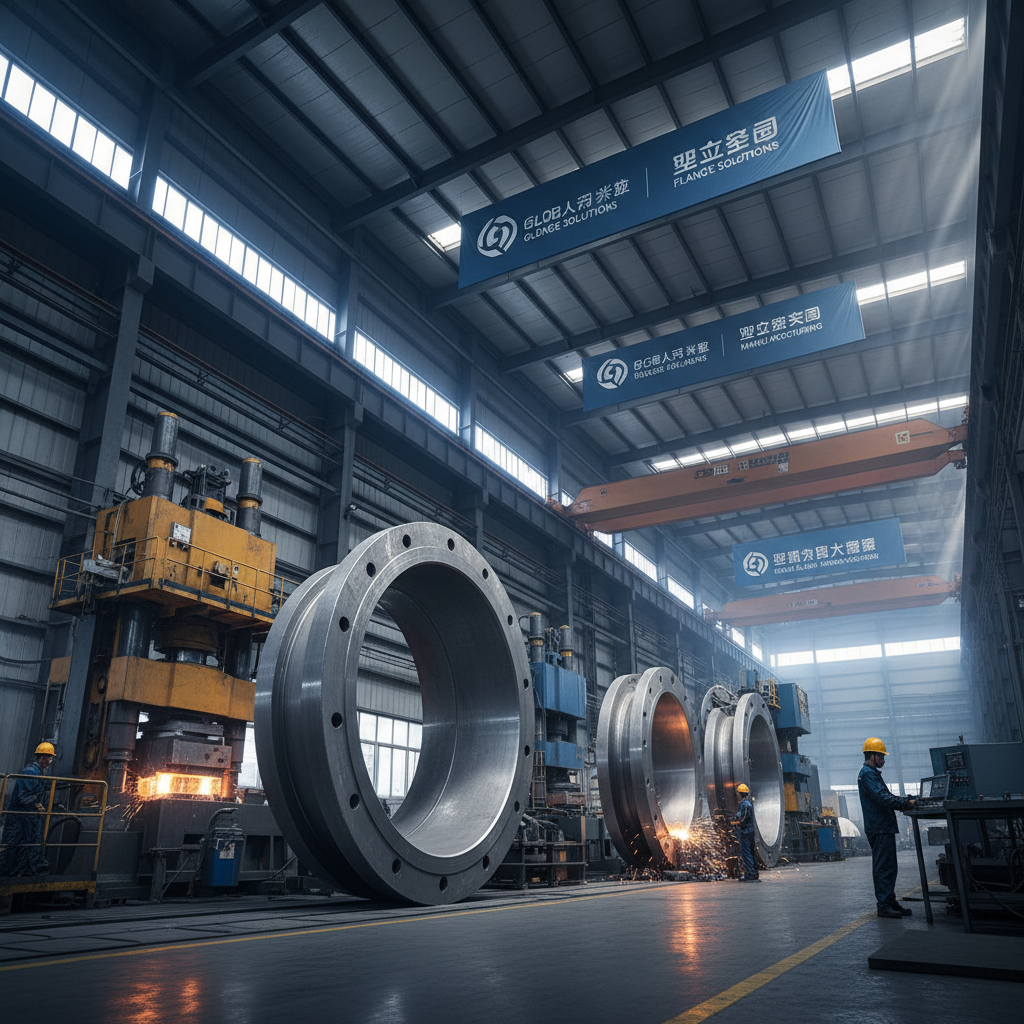
Pipe bulk, encompassing the large-scale procurement, storage, and distribution of piping materials, is a foundational element of modern infrastructure. Globally, it underpins critical sectors like oil and gas, water management, construction, and increasingly, renewable energy projects. The efficient management of pipe bulk directly influences project timelines, costs, and operational reliability, impacting economies worldwide. Understanding its nuances is paramount for engineers, project managers, and procurement specialists, offering opportunities for optimization and risk mitigation.
The global market for pipe bulk is substantial and growing, driven by increasing infrastructure investments, particularly in developing nations. According to recent reports, the steel pipe industry alone is projected to reach \$250 billion by 2028, with a significant portion dedicated to bulk orders. This demand is fueled by urbanization, industrialization, and a growing need for water and energy transmission networks. Effective strategies for pipe bulk handling are no longer a logistical detail, but a strategic advantage.
Addressing the challenges of efficient pipe bulk management – including storage, transportation, corrosion prevention, and inventory control – directly contributes to project success and minimizes environmental impact. The ability to source, store, and deploy large quantities of piping materials quickly and reliably is critical, especially in emergency situations and remote locations.
Introduction to Pipe Bulk
Pipe bulk management is about more than just having pipes available when needed. It’s a comprehensive approach that integrates strategic sourcing, efficient logistics, and robust inventory control to minimize downtime and ensure project success. Effective pipe bulk solutions reduce project risks, lower overall costs, and support sustainable development. pipe bulk is the cornerstone of many infrastructure projects.
The scale of pipe bulk requirements varies dramatically depending on the project. A cross-country pipeline will demand substantially larger quantities than a local water distribution network. However, regardless of scale, the underlying principles of efficient management remain the same: proactive planning, accurate forecasting, and reliable execution.
Defining Pipe Bulk
Pipe bulk refers to the procurement and handling of large quantities of piping materials, typically in standardized lengths and diameters. This includes not just the pipes themselves, but also fittings, valves, flanges, and other associated components. The term 'bulk' signifies a volume sufficient to meet the demands of a significant project or ongoing operational needs.
This concept is crucial in industries where continuous flow and reliable infrastructure are paramount. Consider the oil and gas sector, where pipelines stretching thousands of kilometers require massive quantities of pipe bulk for construction and maintenance. Similarly, municipal water systems rely on a consistent supply of pipe bulk to ensure the delivery of clean water to communities.
Ultimately, pipe bulk bridges the gap between manufacturing and application, allowing for the seamless construction and operation of essential infrastructure systems. Efficient pipe bulk management is therefore directly tied to economic stability and public well-being.
Key Characteristics of Effective Pipe Bulk Management
Successful pipe bulk management hinges on several core characteristics. First and foremost is traceability – the ability to track each component from origin to installation, ensuring quality control and accountability. Secondly, optimization of storage space and inventory levels is vital to minimize costs and prevent material waste.
Further, risk mitigation is critical, encompassing protection against corrosion, damage during transport, and potential supply chain disruptions. Finally, scalability is essential, allowing the system to adapt to changing project demands and future growth. These characteristics, when integrated, create a robust and efficient pipe bulk operation.
Implementing these characteristics requires a combination of skilled personnel, advanced technology, and well-defined processes. A proactive approach to pipe bulk, rather than a reactive one, ensures that projects stay on schedule and within budget. pipe bulk solutions must address these key areas.
Core Components of Pipe Bulk Solutions
Building a comprehensive pipe bulk solution requires attention to several key components. Sourcing and Procurement involves identifying reliable suppliers, negotiating favorable contracts, and ensuring material compliance with industry standards.
Next, Storage and Handling necessitates dedicated facilities equipped for safe and efficient storage, loading, and unloading of large-diameter pipes and fittings. Inventory Management, powered by real-time tracking systems, optimizes stock levels and minimizes the risk of shortages or overstocking.
Pipe Bulk Component Importance Ratings
Global Applications and Use Cases
The applications of pipe bulk are incredibly diverse. In the energy sector, it’s essential for constructing oil and gas pipelines that transport resources across vast distances. Water utilities depend on pipe bulk for installing and maintaining distribution networks, ensuring access to clean water for millions.
Construction projects, from large-scale infrastructure developments to commercial buildings, utilize significant quantities of pipe bulk for plumbing, fire suppression systems, and HVAC networks. Furthermore, in post-disaster relief operations, readily available pipe bulk can be crucial for establishing temporary water and sanitation systems.
Advantages and Long-Term Value
Investing in robust pipe bulk management yields numerous advantages. Cost savings are achieved through optimized inventory control, reduced waste, and minimized downtime. Sustainability is enhanced by preventing corrosion and extending the lifespan of piping infrastructure.
The long-term value lies in the reliability and resilience of critical infrastructure. A well-managed pipe bulk system reduces the risk of leaks, failures, and disruptions, ensuring consistent service delivery and protecting public health and safety. This translates to increased trust and improved operational efficiency.
Future Trends in Pipe Bulk
The future of pipe bulk is being shaped by several emerging trends. The growing demand for renewable energy is driving innovation in materials and techniques for constructing pipelines that transport hydrogen and other alternative fuels. Digital transformation is playing a pivotal role, with the implementation of IoT sensors and data analytics to optimize inventory management and predict maintenance needs.
Automation is streamlining warehouse operations and improving the efficiency of loading and unloading processes. Furthermore, sustainability considerations are leading to the adoption of more eco-friendly materials and practices, such as using recycled plastics and minimizing carbon emissions. pipe bulk will embrace these advancements.
Finally, advancements in corrosion-resistant coatings and materials will extend the lifespan of piping infrastructure, reducing the need for frequent replacements and minimizing environmental impact.
Overview of Pipe Bulk Risk Assessment
| Risk Category |
Likelihood (1-5) |
Impact (1-5) |
Mitigation Strategy |
| Supply Chain Disruption |
3 |
4 |
Diversify suppliers, maintain safety stock. |
| Corrosion and Degradation |
4 |
5 |
Implement corrosion prevention measures, regular inspections. |
| Inventory Inaccuracy |
2 |
3 |
Utilize real-time tracking systems, regular audits. |
| Damage During Transport |
3 |
3 |
Secure packaging, careful handling procedures. |
| Material Quality Issues |
2 |
4 |
Rigorous quality control checks, supplier vetting. |
| Theft and Security Breaches |
1 |
2 |
Enhanced security measures, access control. |
FAQS
The cost of pipe bulk is influenced by several key factors, including the material type (steel, PVC, etc.), diameter and length, quantity ordered, transportation costs, current market prices for raw materials, and any applicable tariffs or import duties. Strategic sourcing and negotiating long-term contracts can help mitigate cost fluctuations.
To ensure quality, always require a Material Test Report (MTR) from the supplier, verifying the material's composition and properties. Conduct visual inspections for any damage during transit. Perform dimensional checks to confirm the correct size and specifications. Consider non-destructive testing methods, like ultrasonic testing, for critical applications.
Outdoor storage requires careful planning to prevent corrosion and damage. Pipes should be elevated off the ground using wooden blocks or supports to prevent direct contact with moisture. Covering the pipes with tarps or weatherproof sheeting provides protection from the elements. Proper stacking and securing are also essential to prevent collapse.
Minimizing waste starts with accurate material estimation based on detailed project plans. Employing skilled pipefitters and welders reduces errors and rework. Implementing a cut-length optimization strategy helps utilize materials efficiently. Recycling or repurposing leftover pipe sections is also a sustainable practice.
A just-in-time (JIT) delivery system minimizes inventory holding costs and reduces the risk of material obsolescence. It requires close coordination with suppliers to ensure timely delivery of materials as needed for the project. However, it also demands a reliable supply chain and accurate forecasting to avoid disruptions.
Implementing a barcode or RFID tagging system allows for precise tracking and tracing of each pipe section throughout the supply chain. This provides visibility into the material's location, specifications, and history, facilitating quality control and accountability. Integration with a digital inventory management system is highly recommended.
Conclusion
In conclusion, effective pipe bulk management is a critical success factor for a wide range of industries and projects. From optimizing costs and minimizing waste to ensuring the reliability and sustainability of infrastructure, a strategic approach to sourcing, handling, and inventory control is paramount. Embracing technological advancements and adopting best practices are essential for navigating the complexities of the global pipe market.
Looking ahead, the demand for pipe bulk will continue to grow, driven by infrastructure development and the transition to sustainable energy sources. Proactive planning, robust risk management, and a commitment to innovation will be key to unlocking the full potential of pipe bulk and building a more resilient and efficient future. Visit our website at www.world-steelmaterial.com to learn more.