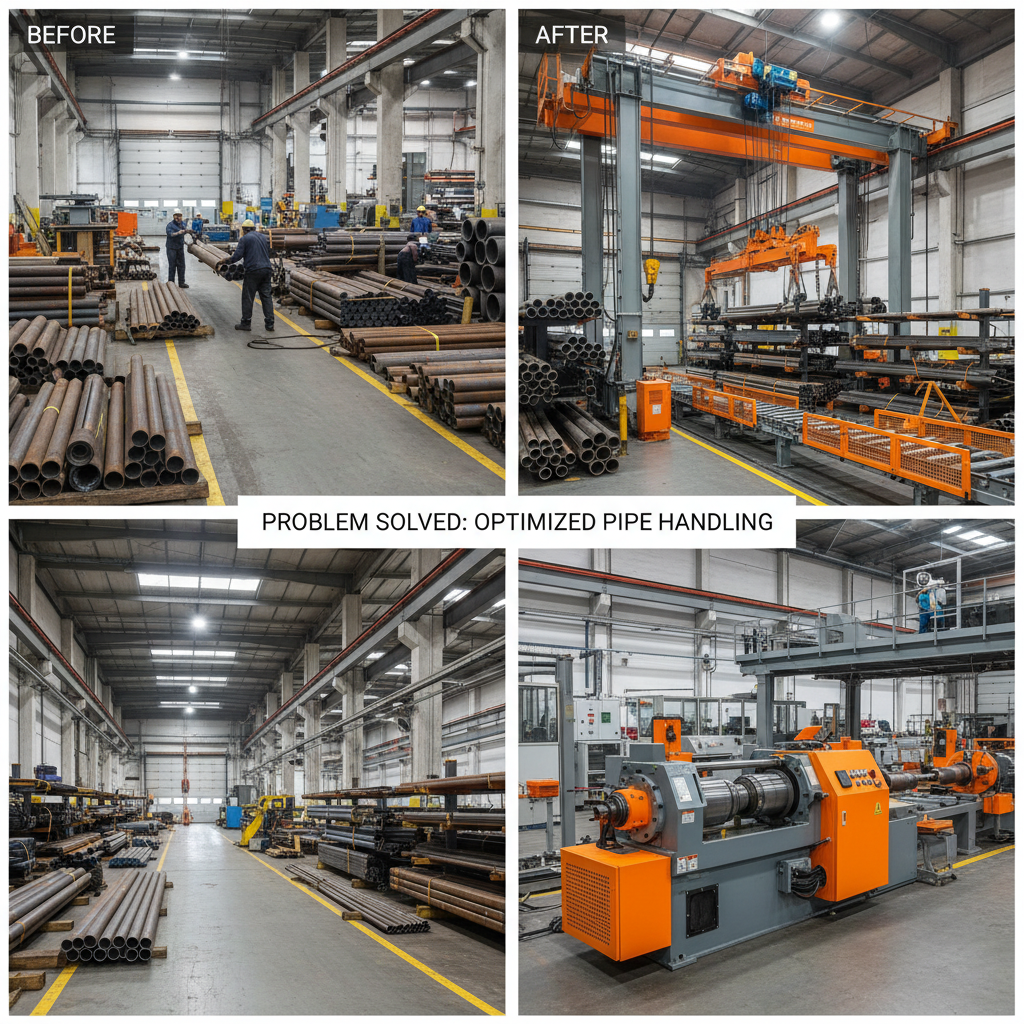
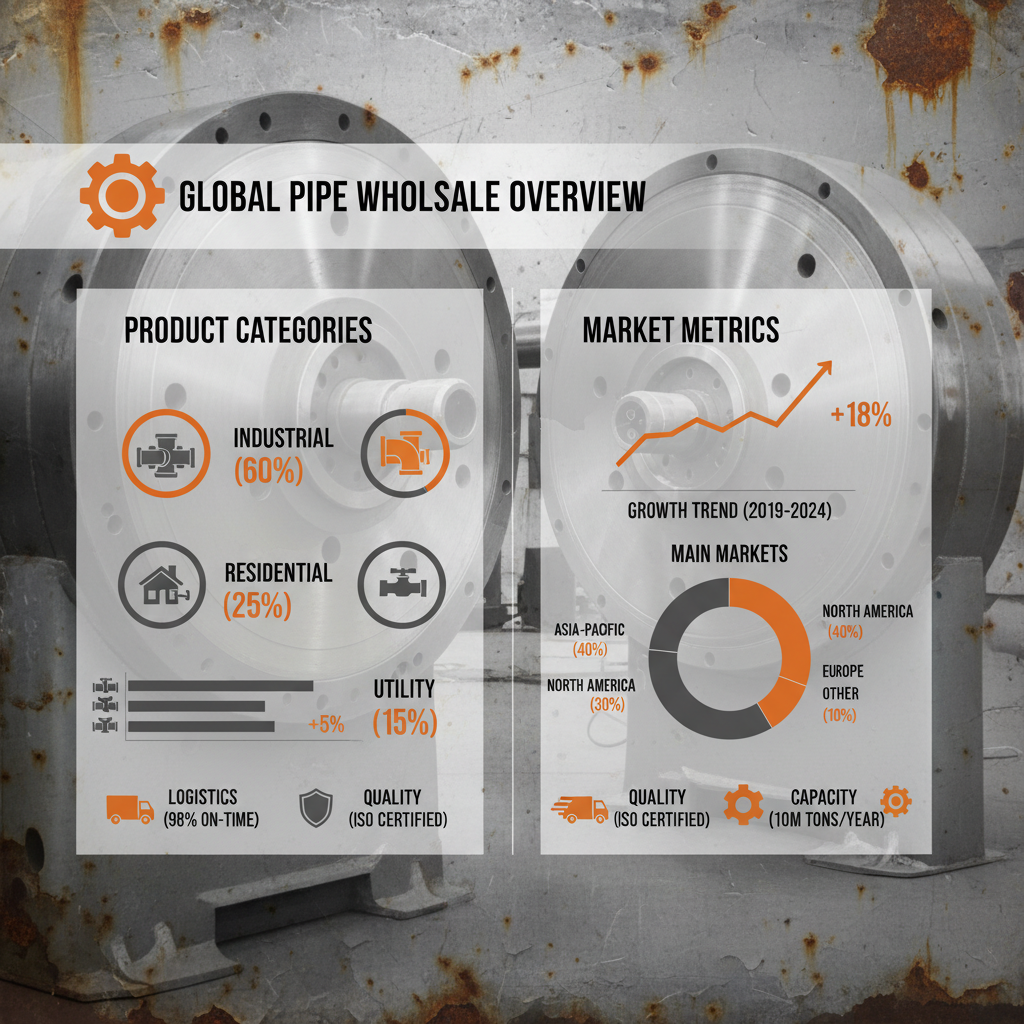
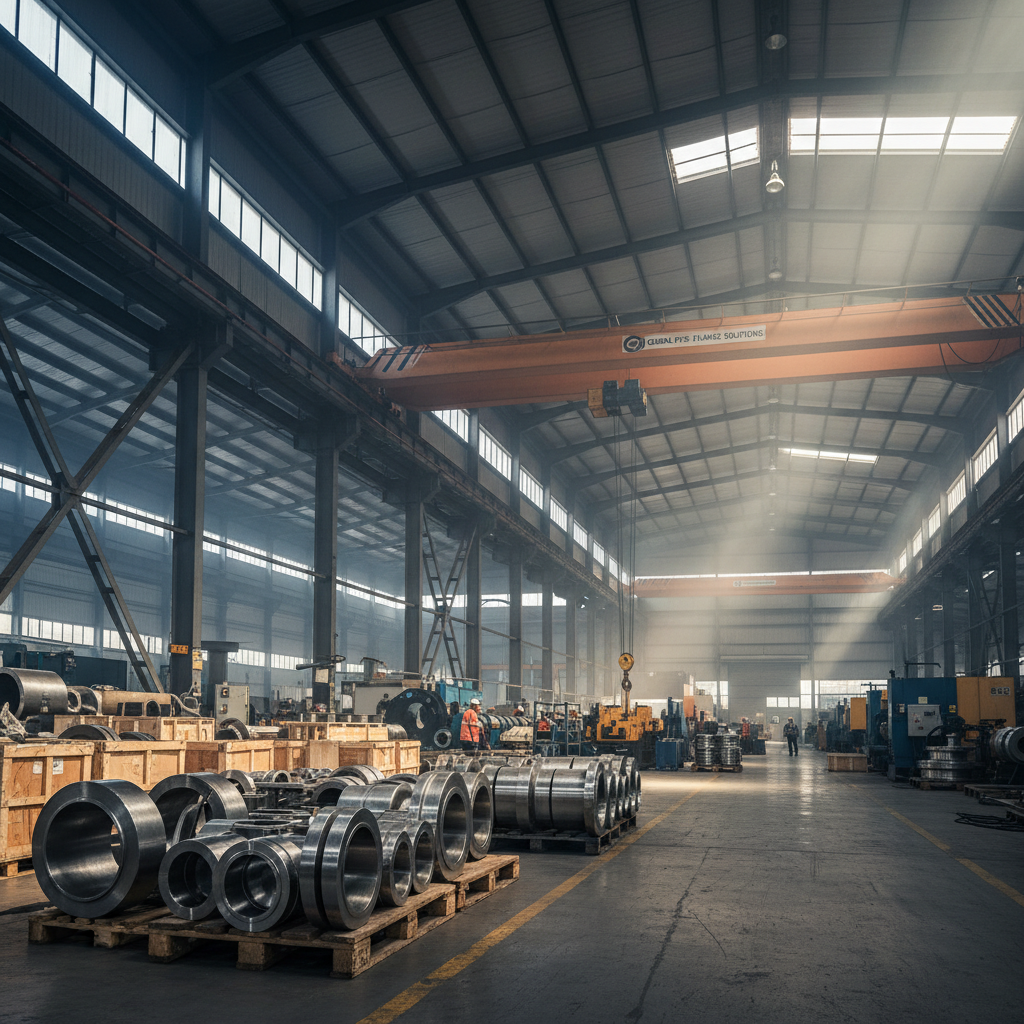
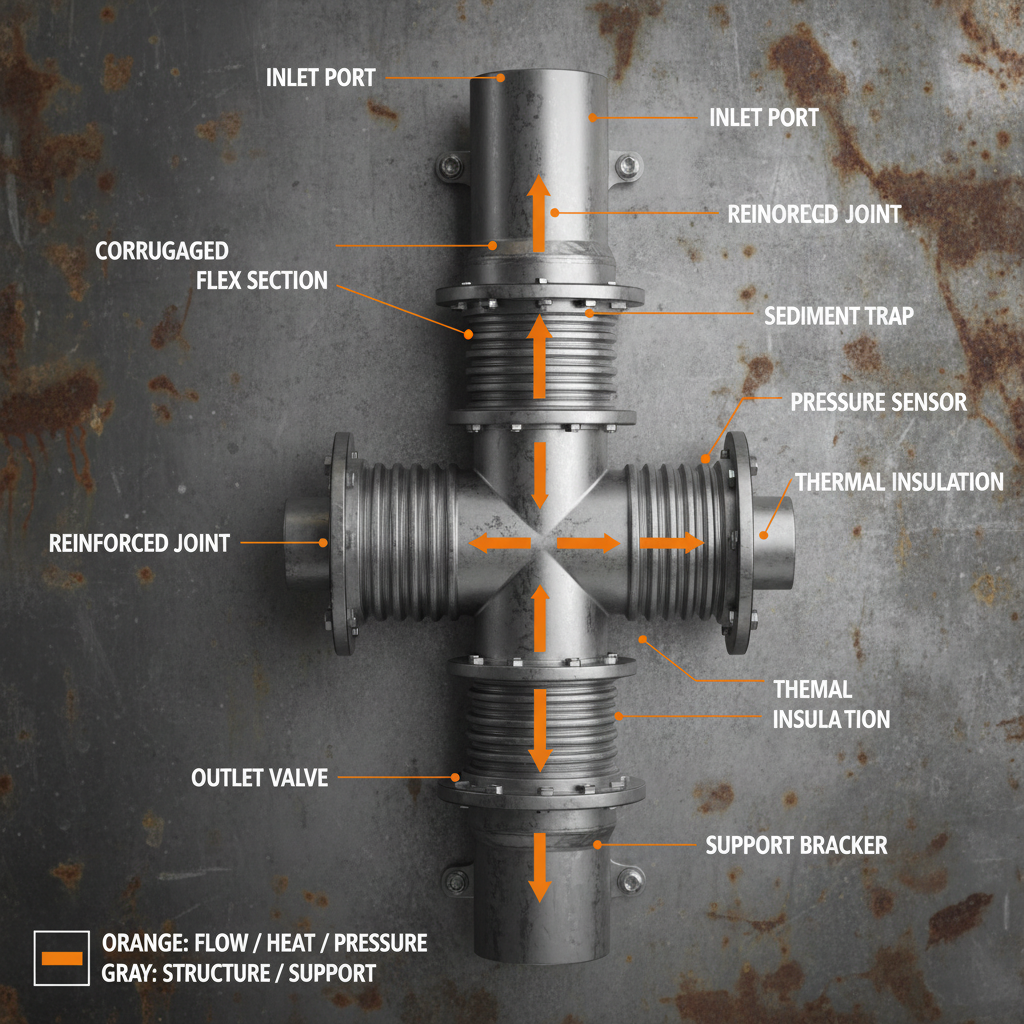
Pipe wholesale is the process of procuring pipes in bulk directly from manufacturers or distributors, typically for large-scale projects. This practice is globally significant as it underpins critical infrastructure development – from water supply networks and oil & gas pipelines to sanitation systems and construction projects. Understanding pipe wholesale is essential for project managers, procurement specialists, and government entities seeking to optimize costs and ensure timely material delivery.
The global pipe market is a multi-billion dollar industry, experiencing consistent growth driven by population expansion, urbanization, and increasing investments in infrastructure upgrades, especially in emerging economies. According to the World Steel Association, steel pipe production alone reaches hundreds of millions of tonnes annually. Efficient pipe wholesale strategies are thus vital for mitigating supply chain disruptions and maintaining project budgets.
Effective pipe wholesale directly addresses challenges like fluctuating material costs, lengthy lead times, and the need for consistent quality control. It enables economies of scale, lowers procurement expenses, and ultimately contributes to the successful completion of vital projects that impact communities worldwide. This is why a robust understanding of pipe wholesale is paramount in modern industrial operations.
The Significance of Pipe Wholesale
Pipe wholesale plays a crucial role in the modern economy, serving as the backbone for critical infrastructure projects across the globe. From providing clean water to facilitating energy transport, access to affordable and reliable pipes is paramount. A robust pipe wholesale network ensures that materials are readily available when and where they are needed, minimizing project delays and cost overruns.
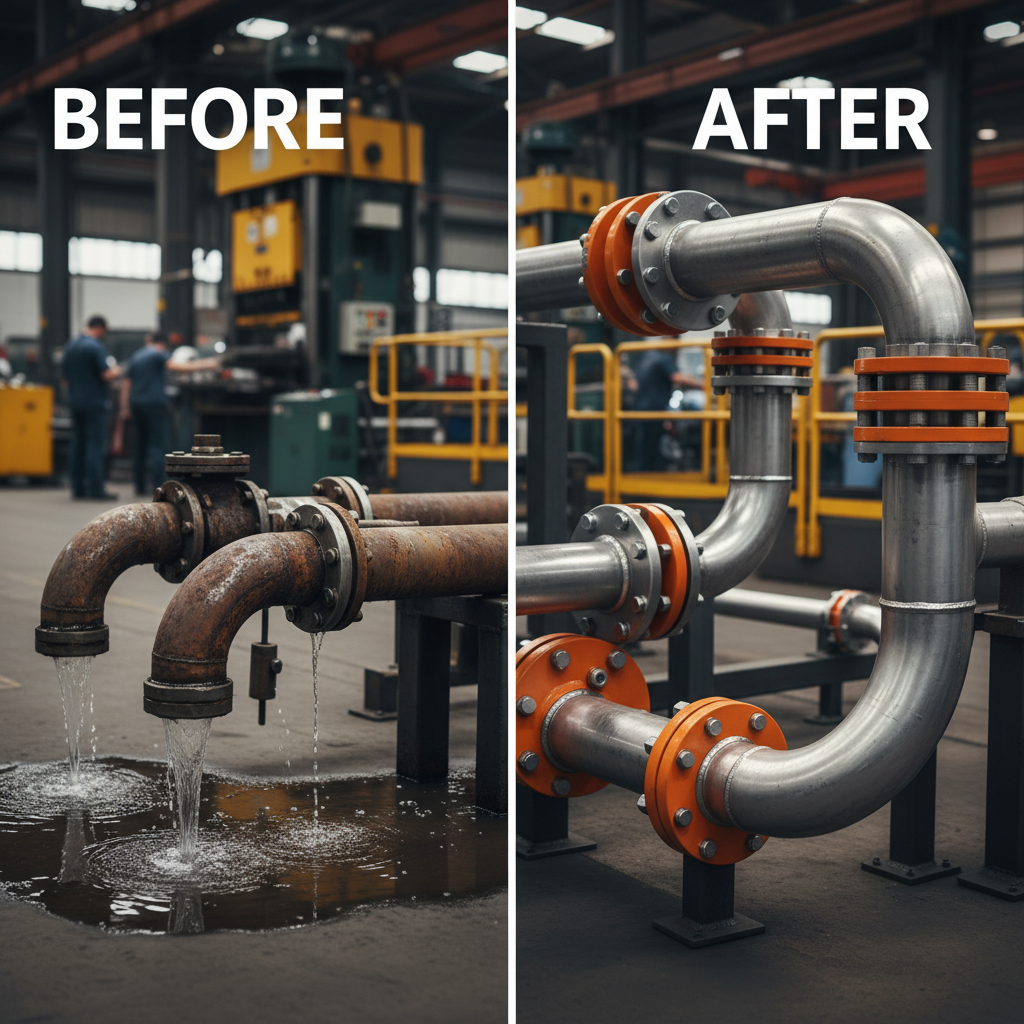
The impact of efficient pipe wholesale extends beyond mere cost savings. It contributes to increased project sustainability by enabling the use of high-quality, durable materials. These durable materials require less frequent replacement, reducing waste and lowering the overall environmental footprint of infrastructure projects. This impacts everything from pipe wholesale sourcing to final installation.
Defining Pipe Wholesale
At its core, pipe wholesale refers to the sale of pipes in large quantities, typically to businesses and organizations rather than individual consumers. This differs from retail sales which focus on smaller quantities for individual projects. Wholesale suppliers work directly with manufacturers or act as distributors, leveraging economies of scale to offer competitive pricing.
The practice of pipe wholesale is inextricably linked to modern industrial and humanitarian needs. Reliable access to piping materials is fundamental to constructing and maintaining vital infrastructure like water treatment plants, oil and gas pipelines, and sewage systems. In disaster relief efforts, wholesale suppliers are often instrumental in quickly providing the necessary piping for establishing temporary sanitation facilities and potable water networks.
The term encompasses various pipe materials – steel, PVC, copper, and more – each suited to specific applications. Pipe wholesale isn't simply about volume; it's about building long-term relationships with suppliers who can consistently deliver quality products that meet exacting industry standards and project specifications.
Core Components of Effective Pipe Wholesale
Effective pipe wholesale relies on several key components working in harmony. First and foremost is a strong supplier network, encompassing reputable manufacturers known for consistent quality and adherence to industry standards. This network must be geographically diverse to mitigate supply chain risks and ensure timely delivery.
Secondly, efficient logistics and warehousing are crucial. This includes strategically located distribution centers, optimized transportation routes, and robust inventory management systems to minimize storage costs and lead times. Thirdly, comprehensive quality control procedures are essential – encompassing material testing, inspection, and certification to guarantee that pipes meet specified requirements.
Finally, skilled procurement professionals capable of negotiating favorable pricing, managing contracts, and forecasting demand are vital for optimizing wholesale purchasing strategies. Understanding market trends, material specifications, and supplier capabilities is paramount to securing the best possible value.
Key Factors Influencing Pipe Wholesale Costs
Several factors contribute to the overall cost of pipe wholesale. Raw material prices, particularly steel and PVC, are major drivers, often fluctuating based on global market conditions and geopolitical events. Transportation costs, influenced by fuel prices and distance, also play a significant role.
Demand and supply dynamics heavily influence pricing. High demand coupled with limited supply can lead to price increases, while oversupply may result in discounts. Manufacturing processes and associated labor costs contribute to the final price. Additional costs include import duties, taxes, and certification fees.
Pipe Wholesale Cost Breakdown
Global Applications of Pipe Wholesale
Pipe wholesale is integral to a vast array of global applications. In the oil and gas industry, large-diameter steel pipes are essential for transporting crude oil and natural gas across continents. Water infrastructure projects, from municipal water supply systems to irrigation networks, rely heavily on wholesale pipe supplies to deliver clean water to communities.
The construction industry utilizes various pipe materials for plumbing, drainage, and structural applications. In remote industrial zones, such as mining operations and power plants, pipe wholesale ensures a consistent supply of specialized piping for process control and material handling. Moreover, in post-disaster relief operations, the rapid deployment of pipe systems is critical for providing sanitation and potable water to affected populations.
Advantages and Long-Term Value
The advantages of leveraging effective pipe wholesale are multifaceted. Cost savings are a primary benefit, achieved through bulk purchasing discounts and reduced procurement overhead. Increased reliability and consistent quality minimize the risk of project delays and costly repairs. Access to a diverse range of pipe materials and specifications ensures that projects can meet specific requirements.
From a long-term perspective, investing in durable, high-quality pipes translates to lower maintenance costs, extended asset lifespan, and reduced environmental impact. A reliable pipe supply chain builds trust with stakeholders and enhances a company's reputation for project delivery excellence. Sourcing through a reputable pipe wholesale vendor ensures long-term project success.
Future Trends in Pipe Wholesale
The future of pipe wholesale is being shaped by several emerging trends. The increasing adoption of digital platforms and e-commerce is streamlining the procurement process, enhancing transparency, and enabling real-time inventory management. Sustainable materials and manufacturing processes are gaining prominence, driven by growing environmental concerns.
Automation and robotics are being implemented in warehousing and logistics to improve efficiency and reduce labor costs. The growing demand for smart pipes – equipped with sensors for monitoring pressure, flow, and corrosion – is creating new opportunities for innovation. These smart pipes contribute to proactive maintenance and optimize the performance of critical infrastructure.
Challenges and Solutions
Despite its benefits, pipe wholesale faces certain challenges. Supply chain disruptions, driven by geopolitical instability or natural disasters, can impact material availability and pricing. Maintaining consistent quality control across diverse suppliers requires rigorous inspection and certification processes. Navigating complex import regulations and trade barriers can add to procurement costs and lead times.
Solutions include diversifying the supplier base to mitigate risk, investing in advanced inventory management systems, and leveraging digital platforms to improve supply chain visibility. Implementing robust quality assurance programs and collaborating with industry organizations to standardize specifications are also essential. Building strong relationships with local suppliers can reduce transportation costs and lead times.
Summary of Challenges and Corresponding Solutions in Pipe Wholesale
| Challenge |
Impact on Pipe Wholesale |
Proposed Solution |
Implementation Priority (1-5, 5 = Highest) |
| Supply Chain Disruptions |
Material Shortages, Price Volatility |
Diversify Supplier Base, Regional Sourcing |
5 |
| Quality Control Issues |
Increased Risk of Failures, Project Delays |
Rigorous Inspection, Certification Programs |
4 |
| Complex Import Regulations |
Increased Costs, Longer Lead Times |
Partner with Experienced Logistics Providers |
3 |
| Fluctuating Raw Material Prices |
Unpredictable Costs, Budget Overruns |
Long-Term Contracts, Hedging Strategies |
4 |
| Lack of Supply Chain Visibility |
Inability to Track Shipments, Reactive Problem Solving |
Implement Digital Supply Chain Platforms |
3 |
| Limited Sustainable Sourcing Options |
Environmental Concerns, Regulatory Pressures |
Prioritize Suppliers with Eco-Friendly Practices |
2 |
FAQS
The primary differences lie in quantity, pricing, and the intended customer. Wholesale is geared toward businesses needing large volumes of pipe, offering significantly lower per-unit costs. Retail caters to individual consumers or smaller projects with higher per-unit prices. Wholesale often requires a minimum order quantity and may involve contract negotiations, while retail is typically a straightforward transaction. Sourcing from a pipe wholesale supplier also often guarantees consistent quality and availability for ongoing projects.
Ensuring quality starts with selecting a reputable supplier known for adherence to industry standards. Request material certifications and conduct independent testing, if necessary. Verify that pipes meet relevant specifications (ASTM, API, etc.). Implement a robust inspection process upon delivery to identify any defects or discrepancies. A trusted wholesale supplier will readily provide documentation and support quality assurance efforts.
Common payment terms include Net 30 (payment due 30 days after invoice), letter of credit, or upfront payment. The specific terms often depend on the supplier’s policies, the buyer’s creditworthiness, and the order volume. Large contracts may involve milestone-based payments. It is important to carefully review and negotiate payment terms to ensure they align with your business needs.
Logistics is a crucial aspect of pipe wholesale. Consider transportation costs, delivery timelines, and storage requirements. Ensure the supplier can accommodate your desired delivery location and schedule. Large pipe shipments may require specialized transportation equipment and handling procedures. Proper warehousing and inventory management are essential to prevent damage and ensure timely access to materials.
Understanding import regulations and associated duties is vital. Work with a customs broker who can guide you through the import process and ensure compliance with all applicable laws. Determine the Harmonized System (HS) code for the specific pipe material you are importing to accurately calculate duties. Factor import costs into your overall budget.
Technology is increasingly transforming pipe wholesale. Digital platforms facilitate online ordering, inventory management, and real-time tracking of shipments. Data analytics provide insights into market trends and demand forecasting. E-commerce streamlines the procurement process, and automated logistics optimize efficiency. Utilizing these technologies can significantly enhance operational effectiveness.
Conclusion
In conclusion, pipe wholesale is a critical component of global infrastructure development and industrial operations. Understanding the nuances of supplier networks, quality control, logistical considerations, and emerging trends is paramount for organizations seeking to optimize costs, ensure reliability, and build long-term partnerships. A well-executed pipe wholesale strategy directly contributes to the successful completion of projects that underpin economic growth and societal well-being.
Looking ahead, embracing digital transformation, prioritizing sustainability, and proactively addressing supply chain challenges will be crucial for navigating the evolving landscape of pipe wholesale. By adopting innovative approaches and fostering collaborative relationships, businesses can unlock new opportunities and position themselves for continued success in this dynamic and essential industry. Visit our website: www.world-steelmaterial.com to learn more about our pipe wholesale solutions.