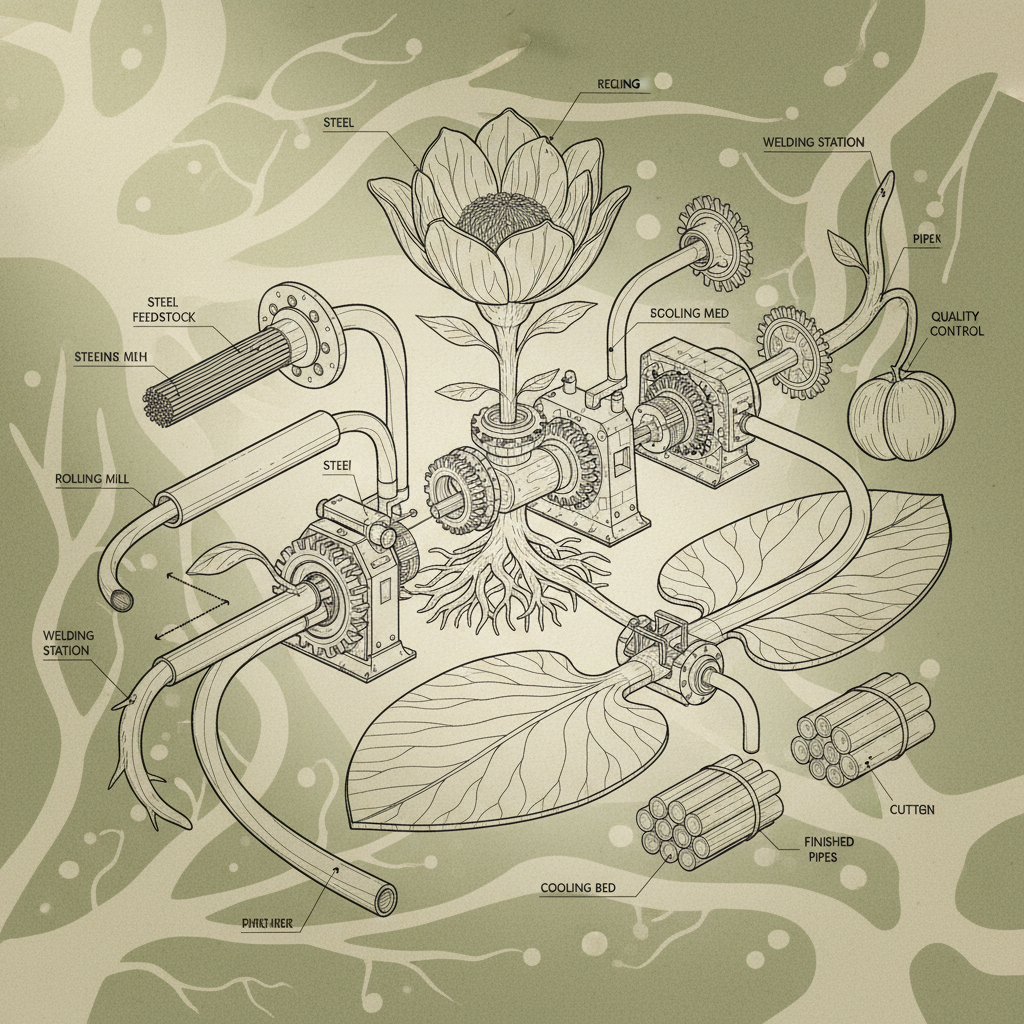
China fittings manufacturers play a pivotal role in the global industrial landscape, supplying essential components to diverse sectors ranging from construction and plumbing to automotive and aerospace. These manufacturers, primarily located within China, have become a dominant force due to their capacity for large-scale production, competitive pricing, and increasingly, their commitment to quality standards. Understanding the dynamics of china fittings manufacturers is crucial for businesses seeking cost-effective sourcing, reliable supply chains, and access to innovative product solutions.
The rise of china fittings manufacturers is intertwined with China’s economic growth and its position as the “world’s factory.” According to data from the United Nations Comtrade database, China accounts for a substantial percentage of global fittings exports, continually increasing its market share. This growth presents both opportunities and challenges for international buyers, necessitating a thorough understanding of manufacturing capabilities, quality control processes, and potential logistical complexities. Addressing these complexities is paramount for maintaining stable and efficient supply chains.
Furthermore, the evolving global trade landscape, coupled with advancements in manufacturing technologies, is constantly reshaping the industry. The demand for specialized and customized fittings is rising, driving innovation among china fittings manufacturers. This shift requires a proactive approach from both suppliers and buyers to navigate changing market demands and ensure long-term sustainability. The benefits of leveraging this manufacturing power are significant, but demand informed decision-making.
The Global Significance of china fittings manufacturers
The global relevance of china fittings manufacturers stems from their ability to provide a consistent and cost-effective supply of vital components. These fittings are integral to infrastructure projects worldwide, supporting everything from water distribution networks to large-scale building construction. The sheer volume of production from China significantly impacts global pricing and supply chain resilience.
With a complex network of manufacturers and suppliers, china fittings manufacturers cater to a broad spectrum of international demand. Their influence extends beyond simply supplying products; they are increasingly involved in collaborative design and manufacturing processes, offering customized solutions to meet specific client needs. This adaptability and responsiveness contribute significantly to their global presence.
Defining china fittings manufacturers
china fittings manufacturers encompass companies specializing in the production of pipes, valves, flanges, couplings, and other connecting components used in fluid handling systems. These manufacturers are primarily based in China but serve a global customer base, supplying fittings for various industries. The term encompasses a wide range of materials, including steel, stainless steel, brass, aluminum, and various plastics, catering to diverse application requirements.
The connection to modern industry is undeniable. Fittings are fundamental to the safe and efficient transport of liquids and gases in numerous sectors, including oil and gas, chemical processing, water treatment, and building services. Without reliable and high-quality fittings, these industries would face significant operational challenges and safety risks.
Furthermore, china fittings manufacturers are increasingly focusing on compliance with international standards (ISO, ASTM, DIN) and certifications, bolstering their credibility and expanding their reach into regulated markets. This commitment to quality and standardization is critical for ensuring the integrity and longevity of critical infrastructure projects.
Core Components and Quality Standards
The core of china fittings manufacturers lies in their robust production processes and adherence to stringent quality control measures. Key aspects include material selection, precision machining, surface treatment (corrosion resistance), and rigorous testing procedures. Factors like tensile strength, yield strength, and pressure ratings are meticulously monitored to ensure product integrity and reliability.
Quality standards are paramount. Reputable china fittings manufacturers actively pursue certifications like ISO 9001 (quality management systems), API 5L (line pipe specifications), and ASME B31.3 (process piping). These certifications demonstrate a commitment to consistent quality and adherence to industry best practices. Regular audits and inspections are crucial to maintain these standards and ensure continuous improvement.
Traceability is another critical element, enabling manufacturers to track materials and processes throughout the production cycle. This allows for quick identification and resolution of any quality issues and supports effective recall procedures if necessary. This focus on traceability builds trust and reinforces the reliability of china fittings manufacturers.
Key Factors Influencing Performance
Durability is a cornerstone of performance. China fittings manufacturers prioritize the use of high-quality materials and robust construction techniques to ensure their products withstand harsh operating conditions, including extreme temperatures, pressures, and corrosive environments.
Cost efficiency is another key advantage. The scale of production in China, coupled with streamlined manufacturing processes, allows manufacturers to offer competitive pricing without compromising quality. This affordability makes them an attractive option for projects with budget constraints.
Performance Metrics of china fittings manufacturers
Applications Across Industries
china fittings manufacturers serve a vast array of industries. In the oil and gas sector, their products are used in pipelines, refineries, and offshore platforms, demanding exceptional corrosion resistance and pressure-handling capabilities. Similarly, in the chemical industry, fittings must be compatible with a wide range of aggressive chemicals and operate reliably in challenging environments.
The water treatment industry relies heavily on china fittings manufacturers for efficient and leak-proof connections in water distribution systems. The construction sector utilizes fittings for plumbing, heating, ventilation, and air conditioning (HVAC) systems, contributing to the structural integrity and functionality of buildings.
Advantages and Long-Term Value Proposition
The most tangible benefit is cost savings. china fittings manufacturers consistently offer competitive pricing, allowing businesses to reduce procurement costs without sacrificing quality. Furthermore, the scalability of production ensures a consistent supply, mitigating the risk of project delays.
Beyond cost, there’s an increasing emphasis on sustainability. Many manufacturers are adopting eco-friendly production processes and utilizing recyclable materials. This aligns with global efforts to reduce environmental impact and promote responsible manufacturing. The long-term value lies in the reliability, durability, and increasingly, the sustainability of these components.
Investing in quality china fittings manufacturers builds trust and enhances project longevity. The avoidance of costly repairs and replacements, coupled with the assurance of safe and efficient operation, contributes to a positive return on investment and reinforces long-term partnerships.
Future Trends and Innovations in china fittings manufacturers
The future of china fittings manufacturers is being shaped by several key trends. The integration of digital technologies, such as IoT sensors and data analytics, is enabling predictive maintenance and optimized performance monitoring. This allows for proactive identification of potential issues, minimizing downtime and maximizing efficiency.
Automation is another significant driver of innovation. Automated manufacturing processes are increasing production speed, reducing errors, and improving overall quality control. Furthermore, research and development efforts are focused on developing new materials with enhanced properties, such as increased corrosion resistance and higher temperature tolerance.
Sustainability remains a core focus, with manufacturers exploring the use of bio-based plastics and developing closed-loop recycling systems. The drive towards green manufacturing practices is not only environmentally responsible but also aligns with the growing demand for sustainable products and solutions.
Overview of Quality Control Methods
| Quality Control Stage |
Inspection Method |
Acceptance Criteria |
Frequency |
| Raw Material Inspection |
Chemical Analysis & Mechanical Testing |
Compliance with Material Specifications |
100% for Key Materials |
| In-Process Inspection |
Dimensional Checks & Visual Inspection |
Tolerance Adherence & Defect-Free |
Every 2 Hours |
| Pressure Testing |
Hydrostatic Testing & Pneumatic Testing |
No Leakage & Withstand Specified Pressure |
10% of Batch |
| Non-Destructive Testing (NDT) |
Radiographic Testing (RT) & Ultrasonic Testing (UT) |
No Internal Defects |
Based on Criticality |
| Surface Treatment Inspection |
Coating Thickness & Adhesion Tests |
Compliance with Coating Standards |
100% Visual Check |
| Final Inspection |
Dimensional Verification & Documentation Review |
Full Compliance with Order Specifications |
100% Before Shipment |
FAQS
Lead times vary depending on the complexity of the order, the volume required, and current manufacturing capacity. Generally, standard fittings can be delivered within 4-6 weeks, while customized solutions may require 8-12 weeks. It's crucial to communicate specific requirements and deadlines upfront to ensure timely delivery. Factors like raw material availability and shipping routes also play a role in the overall lead time. Effective planning and communication with your supplier is essential.
Reputable china fittings manufacturers implement rigorous quality control procedures at every stage of production, from raw material inspection to final product testing. This includes chemical analysis, mechanical testing, dimensional checks, pressure testing, and non-destructive testing. Many manufacturers also hold certifications like ISO 9001, demonstrating their commitment to quality management systems. Traceability is another key aspect, allowing for quick identification and resolution of any quality issues.
A wide range of materials are utilized, depending on the application requirements. Common materials include carbon steel, stainless steel (304, 316), brass, aluminum, and various plastics (PVC, CPVC, PP). The choice of material is dictated by factors like corrosion resistance, temperature tolerance, pressure requirements, and cost considerations. Specialized alloys may also be used for demanding applications.
Key certifications to look for include ISO 9001 (quality management), API 5L (line pipe specifications), ASME B31.3 (process piping), and CE marking (European Conformity). These certifications demonstrate compliance with international standards and a commitment to quality and safety. Verify the validity of certifications and ensure they cover the specific products you are sourcing.
Common payment terms include a 30% deposit upon order confirmation, with the remaining 70% payable before shipment. Letter of credit (LC) is also frequently used, especially for larger orders. Negotiating payment terms is often possible, particularly with established suppliers. It’s crucial to have a clear payment agreement in place before commencing production to avoid misunderstandings.
Risks include quality issues, communication barriers, logistical challenges, and potential delays. Mitigation strategies include thorough supplier vetting, conducting factory audits, establishing clear quality control procedures, using reliable freight forwarders, and maintaining open communication. Building strong relationships with suppliers and diversifying your sourcing base can also minimize risks.
Conclusion
In conclusion, china fittings manufacturers represent a critical component of the global industrial supply chain. Their ability to deliver high-quality, cost-effective solutions has made them indispensable to a wide range of industries. Understanding the core components, quality standards, and future trends shaping this sector is essential for businesses seeking to optimize their procurement strategies and ensure long-term success.
Looking ahead, the continued innovation and adaptation of china fittings manufacturers will be vital in addressing emerging challenges, such as sustainability and digitalization. By embracing new technologies, prioritizing quality control, and fostering strong relationships with suppliers, businesses can leverage the full potential of this dynamic market and secure a competitive advantage. Visit our website at www.world-steelmaterial.com for more information on sourcing high-quality fittings.