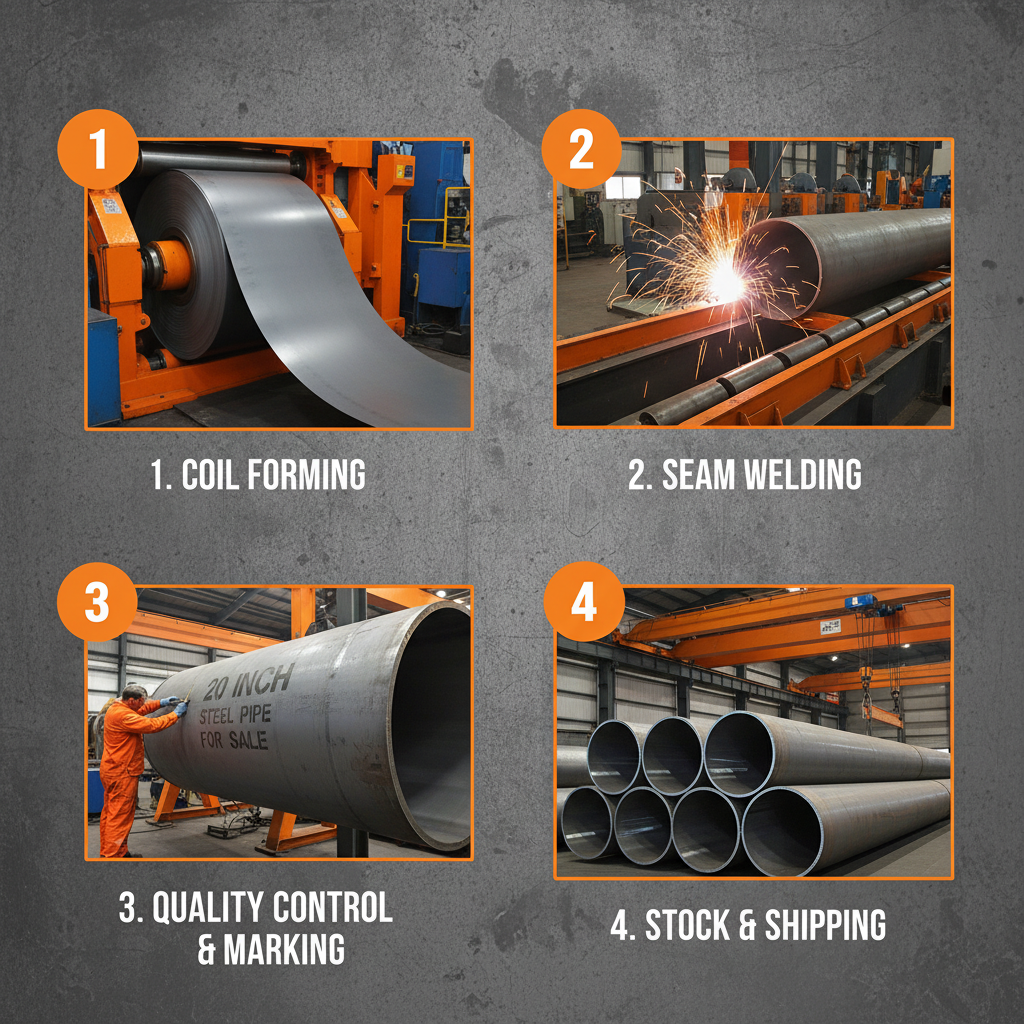
Pipe types are fundamental to modern infrastructure, serving as the arteries through which essential fluids and gases travel. From delivering clean water to transporting oil and gas, these conduits underpin numerous aspects of daily life and industrial processes. Understanding the diverse range of pipe types, their properties, and applications is crucial for engineers, policymakers, and anyone involved in the construction, maintenance, and operation of critical infrastructure. The global demand for efficient and reliable piping systems continues to grow, driven by population increases, urbanization, and expanding industrial activities.
The significance of pipe types extends beyond simple conveyance. Selecting the appropriate pipe material and configuration can dramatically impact project costs, lifespan, safety, and environmental sustainability. Improper material choices can lead to corrosion, leaks, and catastrophic failures, resulting in economic losses, environmental damage, and potential harm to human health. Innovations in materials science and manufacturing techniques are constantly introducing new pipe types with enhanced performance characteristics.
This exploration of pipe types aims to provide a comprehensive overview of this critical field, covering definitions, key considerations, global applications, advantages, future trends, and common challenges. The insights presented will be invaluable for professionals seeking to make informed decisions about piping systems and contribute to the development of more resilient and sustainable infrastructure worldwide.
Introduction to Pipe Types
The world relies on a vast network of pipes to deliver essential resources and remove waste. These pipes come in a remarkable array of materials and designs, each tailored to specific applications and environmental conditions. Understanding the nuances of different pipe types is critical for ensuring the safety, efficiency, and longevity of infrastructure projects globally.
From the simple steel pipes used in early plumbing systems to the advanced composite materials employed in offshore oil and gas pipelines, the evolution of pipe technology has been driven by the need for greater strength, corrosion resistance, and cost-effectiveness. The choices made regarding pipe types have far-reaching consequences, impacting not only the financial viability of projects but also their environmental footprint and overall sustainability.
Defining Pipe Types and Their Importance
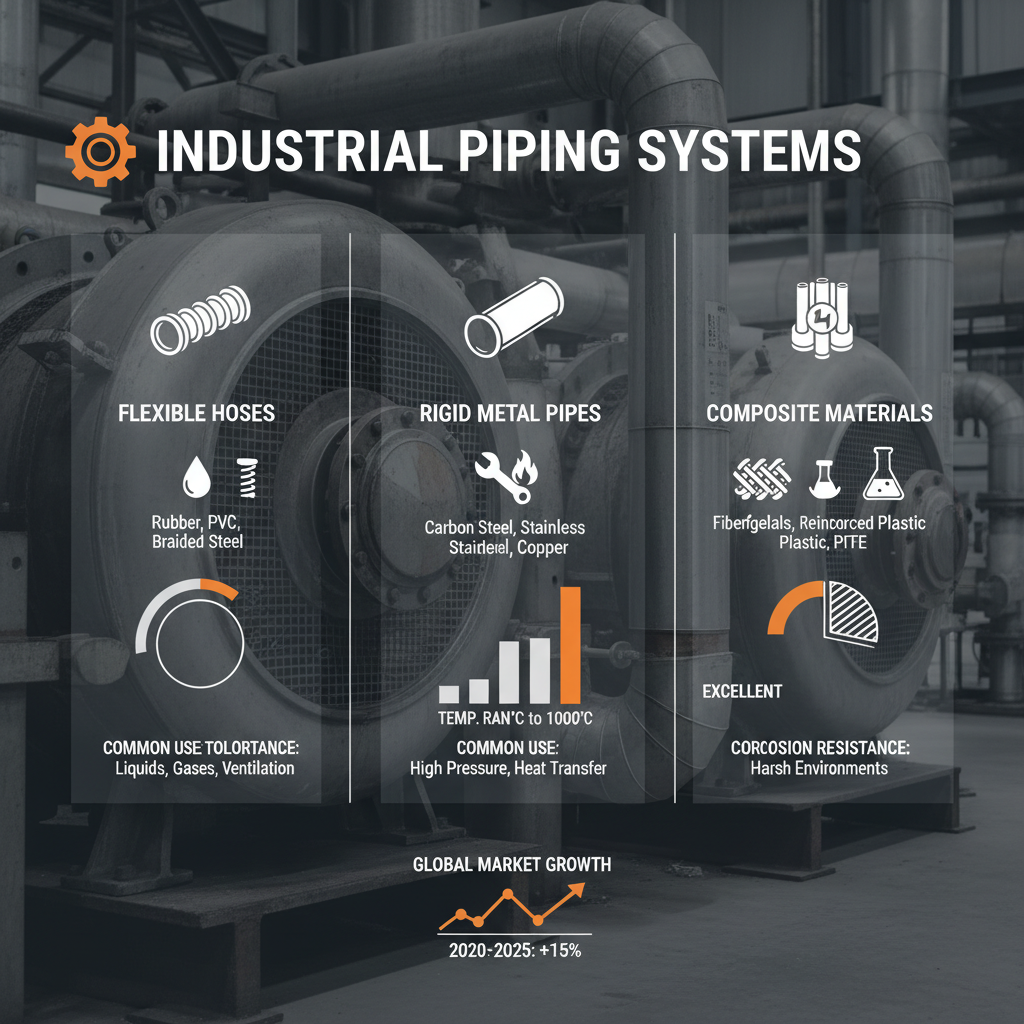
Pipe types are broadly categorized based on the material from which they are constructed. Common materials include steel (carbon steel, stainless steel), ductile iron, polyvinyl chloride (PVC), high-density polyethylene (HDPE), copper, and concrete. Each material possesses unique properties that make it suitable for specific applications. For example, steel pipes offer high strength and durability, while PVC pipes are lightweight and corrosion-resistant.
The importance of selecting the right pipe type cannot be overstated. Consider a high-pressure gas transmission line – using a PVC pipe in this scenario would be disastrous. Conversely, utilizing expensive stainless steel for a low-pressure irrigation system would be uneconomical. The connection to modern industry is profound; manufacturing, energy, water treatment, and even agriculture are directly dependent on appropriate pipe selections.
Furthermore, pipe types also differentiate based on construction methods - seamless, welded, extruded. This impacts structural integrity and resistance to pressure. The choice is a careful balance of cost, performance, and the specific demands of the application, directly impacting humanitarian needs like access to clean water and sanitation.
Key Factors in Selecting Pipe Types
Durability is a paramount consideration when choosing pipe types. The expected lifespan of the pipeline, the corrosivity of the transported fluid, and the external environmental conditions all influence the selection. Materials like stainless steel and HDPE excel in corrosive environments, offering extended service life and reduced maintenance costs.
Cost-efficiency is another critical factor. While high-performance materials may offer superior durability, their initial cost can be significantly higher. A thorough life-cycle cost analysis, considering installation, maintenance, and replacement costs, is essential for making informed decisions. Sometimes a slightly less durable, but cheaper, option proves more economical overall.
Scalability refers to the ability to adapt the piping system to future changes in demand or flow rates. The pipe diameter and material must be chosen to accommodate potential expansions or modifications without requiring complete system replacements. Flexibility in design, achievable through different pipe types, is a key advantage.
Global Applications and Use Cases of Pipe Types
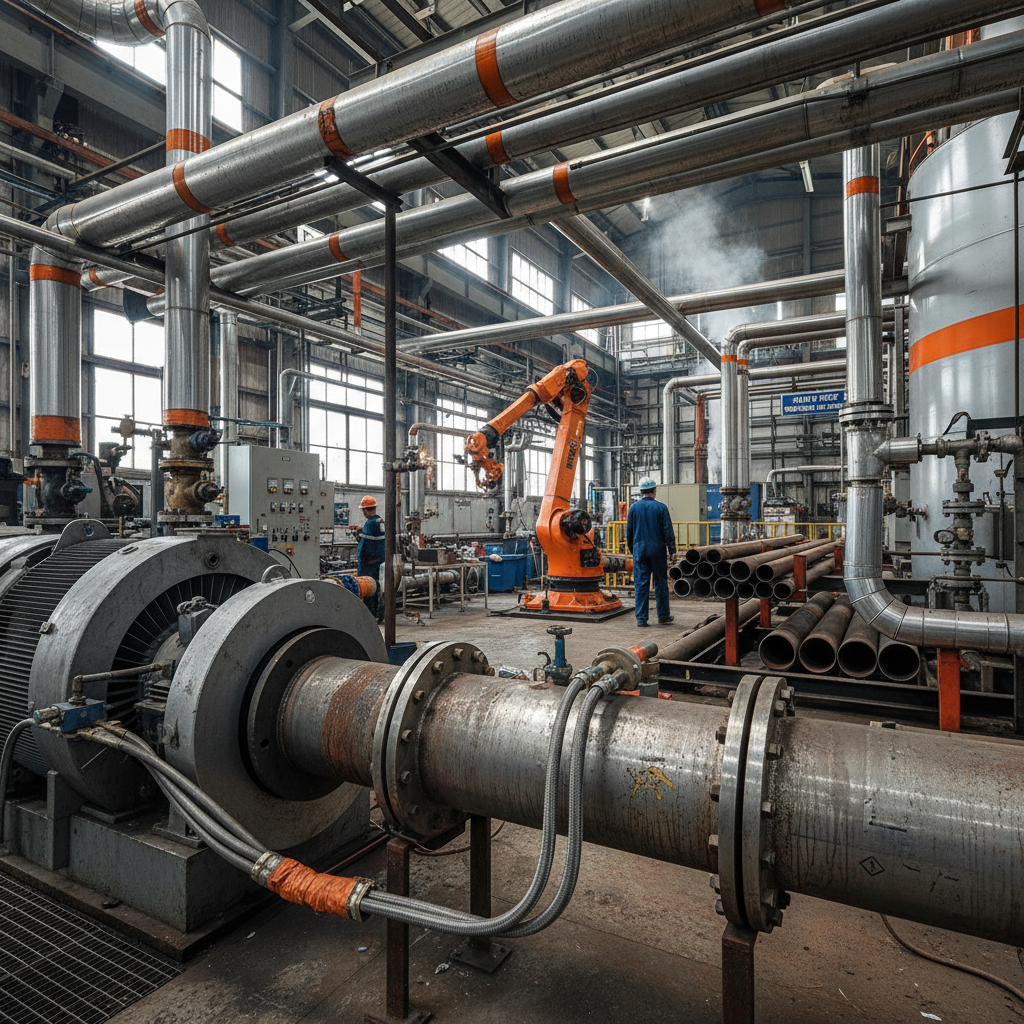
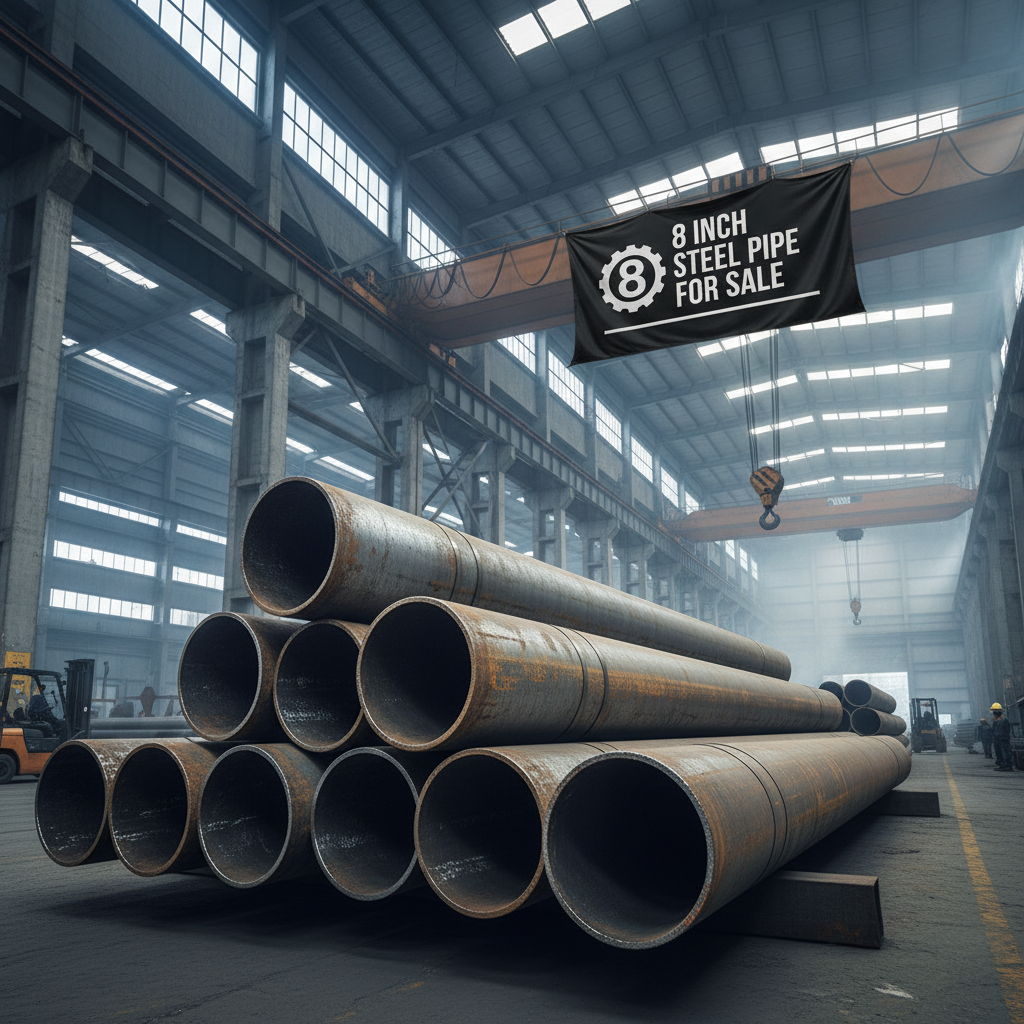
Pipe types are ubiquitous across a diverse range of industries. In the oil and gas sector, large-diameter steel pipelines transport crude oil and natural gas over vast distances, often traversing challenging terrains and harsh environments. In water treatment facilities, PVC and HDPE pipes are commonly used for distribution networks, delivering clean water to homes and businesses.
In post-disaster relief operations, lightweight and portable HDPE pipes are invaluable for establishing temporary water supply systems. They are quickly deployable and require minimal specialized equipment for installation. Similarly, in remote industrial zones, durable and corrosion-resistant stainless steel pipes ensure the reliable transport of process fluids.
The agricultural sector heavily relies on pipe types for irrigation systems, utilizing PVC and HDPE pipes to deliver water efficiently to crops. Furthermore, the pharmaceutical and food processing industries demand highly hygienic pipe types, typically constructed from stainless steel, to maintain product purity and prevent contamination.
Comparative Durability of Common Pipe Types
Advantages and Long-Term Value of Optimized Pipe Types
Choosing the optimal pipe type yields significant cost savings over the lifecycle of a project. Reduced maintenance, fewer repairs, and extended service life all contribute to lower overall expenses. Utilizing corrosion-resistant pipe types minimizes the risk of leaks and failures, preventing costly downtime and environmental remediation.
Beyond economic benefits, the selection of appropriate pipe types enhances sustainability. Durable pipes reduce the need for frequent replacements, conserving resources and minimizing waste. Employing environmentally friendly materials, such as recycled plastics, further lowers the environmental footprint. The safety and reliability afforded by quality pipe types are crucial for protecting public health and the environment.
Future Trends and Innovations in Pipe Types
The future of pipe types is marked by a strong emphasis on sustainability and technological advancements. Research and development efforts are focused on creating bio-based and biodegradable pipe materials, reducing reliance on fossil fuels and minimizing environmental impact. The use of smart sensors integrated into pipe networks is gaining traction, enabling real-time monitoring of pressure, flow, and potential leaks.
Digital twins – virtual replicas of physical piping systems – are emerging as powerful tools for optimizing performance, predicting failures, and improving maintenance schedules. Automation and robotics are streamlining the installation and repair of pipelines, reducing labor costs and enhancing safety. These innovations are all driving the evolution of pipe types towards greater efficiency, resilience, and sustainability.
Challenges and Solutions in Pipe Type Implementation
One major challenge is the increasing demand for pipes capable of withstanding extreme temperatures and pressures, particularly in the oil and gas industry. Addressing this requires developing new materials and manufacturing processes that can deliver enhanced performance under demanding conditions. Another hurdle is the aging infrastructure in many developed countries, necessitating comprehensive rehabilitation and replacement programs.
Solutions involve the implementation of advanced inspection techniques, such as non-destructive testing, to assess the condition of existing pipelines. Trenchless technologies, such as pipe bursting and slip lining, minimize disruption during repairs and replacements. Furthermore, collaborative efforts between industry, government, and research institutions are crucial for fostering innovation and developing standardized best practices for pipe type selection and installation.
Addressing corrosion remains a constant challenge, prompting research into more effective coating technologies and corrosion inhibitors. Combining materials with varying properties, like a steel core with a polymer lining, is also gaining prominence to create hybrid pipe types with superior performance characteristics.
Analysis of Key Pipe Type Characteristics
| Pipe Material |
Corrosion Resistance (1-10) |
Cost Index (1-10) |
Typical Application |
| Carbon Steel |
4 |
3 |
Water Transportation, General Purpose |
| Stainless Steel |
9 |
8 |
Chemical Processing, Food & Beverage |
| PVC |
7 |
2 |
Irrigation, Drainage |
| HDPE |
8 |
5 |
Gas Pipelines, Wastewater |
| Ductile Iron |
6 |
6 |
Potable Water, Sewage |
| Concrete |
5 |
4 |
Storm Drains, Large Diameter Sewers |
FAQS
PVC (Polyvinyl Chloride) is a rigid plastic, known for its low cost and ease of installation. HDPE (High-Density Polyethylene) is more flexible and exhibits superior impact resistance, particularly at lower temperatures. HDPE also offers better resistance to chemical degradation and is often preferred for applications requiring long-term durability and reliability, despite a higher initial cost. Both are frequently used in water and wastewater systems, but HDPE is favored for underground installations with potential ground movement.
Determining the right pipe diameter involves calculating the flow rate, fluid velocity, and pressure drop requirements of the system. Factors like pipe length, elevation changes, and the number of fittings also play a crucial role. Hydraulic calculations, often utilizing tools like the Darcy-Weisbach equation, are employed to optimize pipe size and minimize energy losses. Consulting with a qualified engineer is recommended for complex applications.
Stainless steel provides significantly superior corrosion resistance compared to carbon steel, making it ideal for applications involving corrosive fluids or harsh environments. While more expensive upfront, stainless steel's longevity and reduced maintenance costs often result in lower lifecycle expenses. It's also favored in industries with stringent hygiene standards, such as food and pharmaceutical processing.
Coatings act as a barrier between the pipe material and the corrosive environment, preventing electrochemical reactions that lead to corrosion. Common coatings include epoxy, polyurethane, and polyethylene. The selection of the appropriate coating depends on the specific corrosive agents present and the operating conditions. Regular inspection and maintenance of coatings are essential to ensure their continued effectiveness.
Trenchless technologies, such as pipe bursting, slip lining, and microtunneling, minimize excavation, reducing disruption to traffic, businesses, and the environment. These methods are particularly advantageous in urban areas and sensitive environments. They often allow for the replacement of aging pipe types with new, more durable materials without extensive digging and restoration.
Environmental considerations include the embodied energy of the material, its recyclability, and its potential for leaching harmful substances into the environment. Choosing materials with a lower carbon footprint, utilizing recycled content, and opting for non-toxic materials are all important steps towards sustainable pipe system design. Proper disposal of old pipes is also crucial to minimize environmental impact.
Conclusion
Understanding pipe types is paramount for building sustainable, efficient, and reliable infrastructure. From the fundamental principles of material selection to the cutting-edge innovations in coating technologies and installation methods, the field of piping systems is constantly evolving. A comprehensive understanding of these nuances allows for optimized performance, reduced costs, and enhanced safety across a wide range of industries.
Looking ahead, a continued focus on sustainability, coupled with the integration of smart technologies, will drive the next generation of pipe types. Prioritizing durable, corrosion-resistant materials, minimizing environmental impact, and embracing digital solutions will be crucial for meeting the challenges of a rapidly changing world. For further exploration and access to a wide range of piping solutions, visit our website: www.world-steelmaterial.com.