0%

Table of Contents

Flange in china… honestly, it’s a topic that's been heating up. Been seeing a lot more demand, especially since last year. Everyone’s talking about upgrading infrastructure, and flanges are right at the heart of it all. It's not a glamorous topic, I’ll admit, but without reliable flanges, well, things just fall apart. Been on sites where they’ve tried to cheap out, and let me tell you, the cost of fixing that later is always way higher. It’s a quiet, unsexy component that keeps everything running smoothly, and people are finally realizing that.

You know, a lot of engineers, they get too caught up in the theoretical stuff. They’ll design a flange that looks perfect on paper, but doesn't account for the realities of a construction site. Have you noticed how often designs don’t account for grime? Or corrosion? Or just… clumsy workers? I encountered this at a factory in Tianjin last time - beautiful flange design, all mathematically perfect, but the threading was too delicate. One guy with a little too much enthusiasm and…stripped. Ruined the whole batch. It’s the little things.

And the materials! Don’t even get me started. You’ve got your carbon steel, your stainless steel, your alloy steel… It all depends on the application, obviously. I’m partial to a good 304 stainless, feels solid, smells kinda metallic, doesn’t rust as easily. But even then, you gotta check the mill certificate, make sure it’s the real deal. There’s a lot of fake stuff floating around, especially coming out of some of the smaller workshops. And the weight… the weight tells you a lot. A good flange feels substantial.

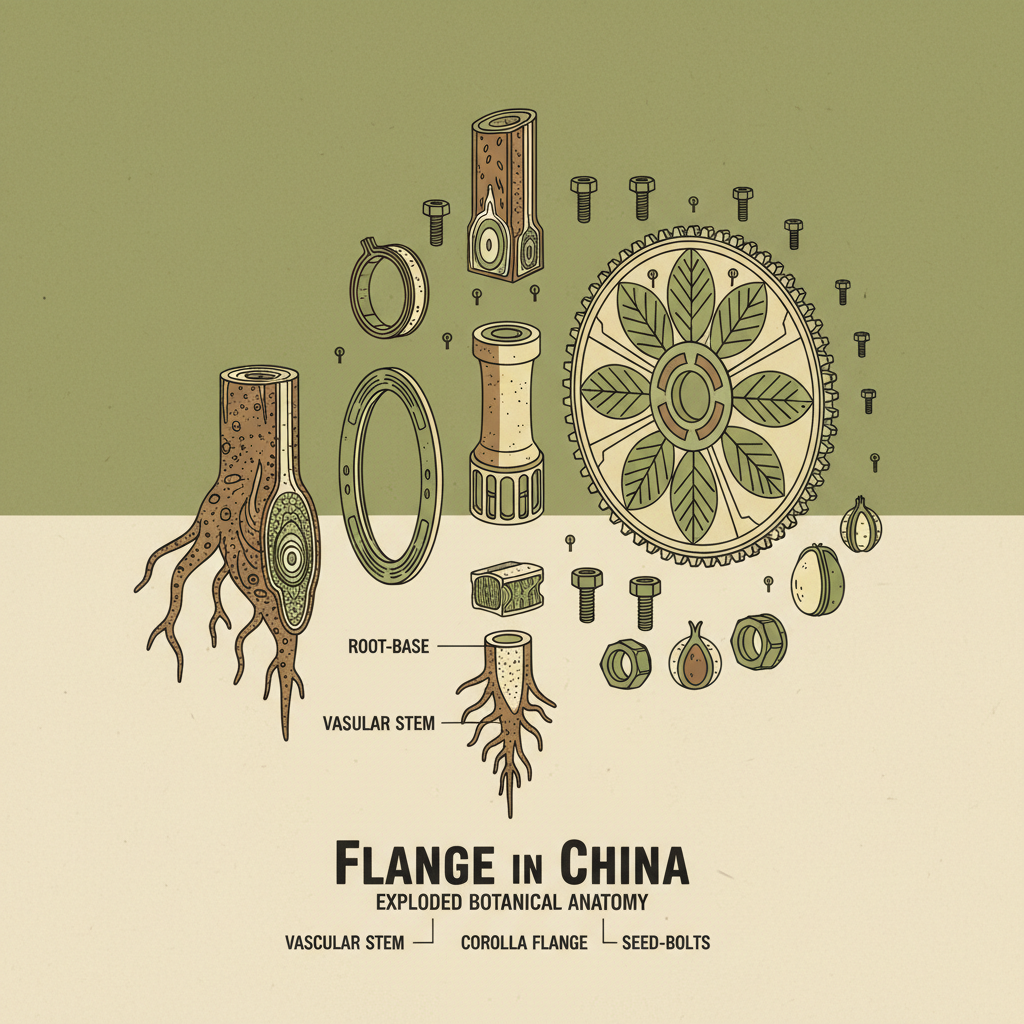
Understanding the Increasing Demand for High Quality Flange in China

The Growing Demand for Flange in China

Understanding the Increasing Demand for High Quality Flange in China

Look, the infrastructure boom in China is real. They're building high-speed rail, new pipelines, massive industrial facilities… all of it needs flanges. And it's not just new construction. A lot of the older stuff is hitting the end of its lifespan and needs replacing. The demand for high-quality flange in china has increased by around 15% year-on-year for the last three years, according to what I've heard from suppliers. That's a significant jump.

It’s also being driven by the stricter safety regulations. They're cracking down on substandard materials, which is good, but it also means more scrutiny on manufacturers. Makes things tougher, but ultimately safer.

Common Design Pitfalls in Flange in China

Strangely enough, a lot of the problems I see aren't about the materials themselves, but about the design. Engineers sometimes forget that these things are going to be bolted together by guys in hard hats, not robots in a cleanroom. Too much precision, too many tight tolerances… it just leads to frustration and stripped bolts. And the sealing surfaces! Gotta get those right. A slight imperfection and you've got a leak, and leaks can be catastrophic.

I've seen designs that looked great on CAD, but completely ignored the thermal expansion and contraction of the pipes. The flange ends up warping and eventually failing. It's basic physics, but people forget.

Another big one? Not considering the cleaning and maintenance requirements. If you design a flange that's impossible to clean properly, you're just asking for trouble down the road.

Material Selection: A Hands-On Approach to Flange in China

To be honest, I trust my hands more than any lab report. You can feel the quality of the steel. A good carbon steel flange will have a certain heft to it, a bit of give but mostly solid. Stainless steel, as I said, is smoother, colder. Alloy steels... they're trickier. They’re stronger, more resistant to corrosion, but also more expensive, and harder to weld properly. It all depends on the application.

You also gotta think about the environment. If it’s going to be exposed to saltwater, you need a corrosion-resistant alloy. If it’s going to be used in a high-temperature application, you need a material that won’t lose its strength. And don't forget about the welding process! Some materials are easier to weld than others, and a bad weld can compromise the integrity of the entire flange. It's a whole system, see?

I encountered one situation last year, a water treatment plant down in Guangzhou, where they’d specified a cheap carbon steel flange for a saltwater pipeline. It lasted about six months before it completely corroded. A complete waste of money.

Real-World Testing of Flange in China

Forget the lab tests. Those are good for getting a baseline, but they don't tell the whole story. The real test is putting the flange in a harsh environment and seeing if it holds up. We do a lot of hydrostatic testing, obviously – pressurizing the system to see if there are any leaks. But we also do vibration testing, impact testing, and corrosion testing.

I once saw a flange fail during a vibration test because the bolts weren’t tightened properly. Simple mistake, but it could have had serious consequences. Another time, a flange corroded prematurely because it wasn't properly coated. I tell you, the devil is in the details.

Flange in China Performance Metrics


User Applications & Unexpected Uses of Flange in China

You’d be surprised how people use these things. Mostly it’s pipelines, obviously, but I’ve seen them used in all sorts of creative ways. They've been adapted for mounting solar panels, for securing machinery, even as part of art installations! I once saw a guy using them to build a custom scaffold. Not recommended, but… resourceful.

Anyway, I think most of the time people don’t even think about the flanges. They just expect them to work. And that’s a good thing, really.

Advantages and Disadvantages of Flange in China

Advantages? Well, they're strong, reliable, and relatively easy to install and maintain. They allow for easy disassembly for inspection or repair. And they come in a huge variety of sizes and materials, so you can find one to fit almost any application.

But they're not perfect. They can be expensive, especially if you need a custom flange. They can also be prone to corrosion if they're not properly protected. And, frankly, they can be a pain to align properly. You’ve got to get everything lined up just right, or you'll end up with leaks.

It’s a trade-off, like everything else.

Customization Options for Flange in China

Oh, you want customization? Sure, we can do that. Different sizes, different materials, different drilling patterns, different coatings… you name it. Last month, that small boss in Shenzhen who makes smart home devices insisted on changing the interface to , of all things! Said he wanted a cleaner look. It worked, actually, but it added a significant cost to the project.

The thing is, customization adds lead time and cost, so you gotta be sure it’s worth it. A simple change in material might be quick and easy, but a completely custom design can take weeks to develop and manufacture.

Anyway, I think most people are happy to stick with standard flanges if they can.

Summary of Common Flange Customization Requirements

Customization Type Complexity Level (1-5) Cost Impact (Low/Med/High) Typical Lead Time (Days)
Material Change (e.g., 304 to 316) 1 Med 7
Size Modification (Minor) 2 Med 10
Drilling Pattern Alteration 3 High 14
Interface Change (e.g., Thread Type) 4 High 21
Custom Coating Application 2 Low 5
Full Custom Design 5 High 30+

FAQS

What is the typical lifespan of a flange in china in a standard industrial setting?

That depends heavily on the environment and materials. A well-maintained stainless steel flange in a relatively clean setting can easily last 20-30 years. Carbon steel, especially in corrosive environments, might only last 5-10 years before needing replacement. Proper coating and regular inspections are key to maximizing lifespan. It's not just about the material, it’s how it’s treated.

What are the key differences between weld neck and slip-on flanges in china?

Weld neck flanges are generally stronger and better suited for high-pressure applications, as the welding is done on the neck of the flange, creating a more reinforced joint. Slip-on flanges are easier and cheaper to install, as they simply slip over the pipe and are welded around the outside. However, they’re not as strong and aren’t recommended for critical applications. It’s really about finding the right balance between cost and performance.

How do I properly inspect a flange in china for signs of corrosion?

Look for any signs of pitting, rust, or discoloration. Pay close attention to the sealing surfaces. You can also use a dye penetrant test to check for cracks. And don’t forget to check the bolts – make sure they’re properly tightened and haven’t corroded. If in doubt, call a professional. It’s better to be safe than sorry.

Are there specific standards or certifications I should look for when purchasing flanges in china?

Absolutely. Look for flanges that meet ISO or ASTM standards. A reputable manufacturer will be able to provide you with a certificate of conformity. Also, check if they have any industry-specific certifications, such as those required for pressure vessels or pipelines. Don’t just take their word for it – verify the certifications yourself.

What’s the best way to prevent flange leaks?

Proper installation is key. Make sure the sealing surfaces are clean and free of debris. Use the correct gasket material for the application. And tighten the bolts to the specified torque. After installation, conduct a hydrostatic test to verify there are no leaks. Regular maintenance and inspection are also crucial to prevent leaks from developing over time.

Can flanges in china be reused after disassembly?

It depends. If the flange is in good condition and the sealing surfaces haven’t been damaged, it can often be reused. However, it’s important to inspect it carefully for any signs of wear or corrosion. You may also need to replace the gasket and bolts. If in doubt, it’s best to replace the flange. It's a small price to pay for peace of mind.

Conclusion

So, there you have it. Flange in china – it's not glamorous, but it's essential. It’s a surprisingly complex topic, with a lot of nuances. The key takeaways are: pay attention to the details, choose the right materials, prioritize quality over cost, and don’t underestimate the importance of proper installation and maintenance.

Ultimately, whether this thing works or not, the worker will know the moment he tightens the screw. They’ll feel it. And if it doesn’t feel right, something’s wrong. Trust your gut, and always prioritize safety. And if you’re looking for reliable flanges, give us a shout at www.world-steelmaterial.com.

David Miller

David Miller

David Miller is a Senior Project Engineer at Beijing Sinoworld Steel Material Co., Ltd, with over 8 years of experience in the steel industry. He specializes in OCTG pipe procurement and project management, particularly focusing on international tenders. David played a key role in the successful implementation of the Pakistan
Previous Reliable Flange Manufacturer Insights for Piping System Integrity
Next Understanding Flange China Quality and Common Application Challenges