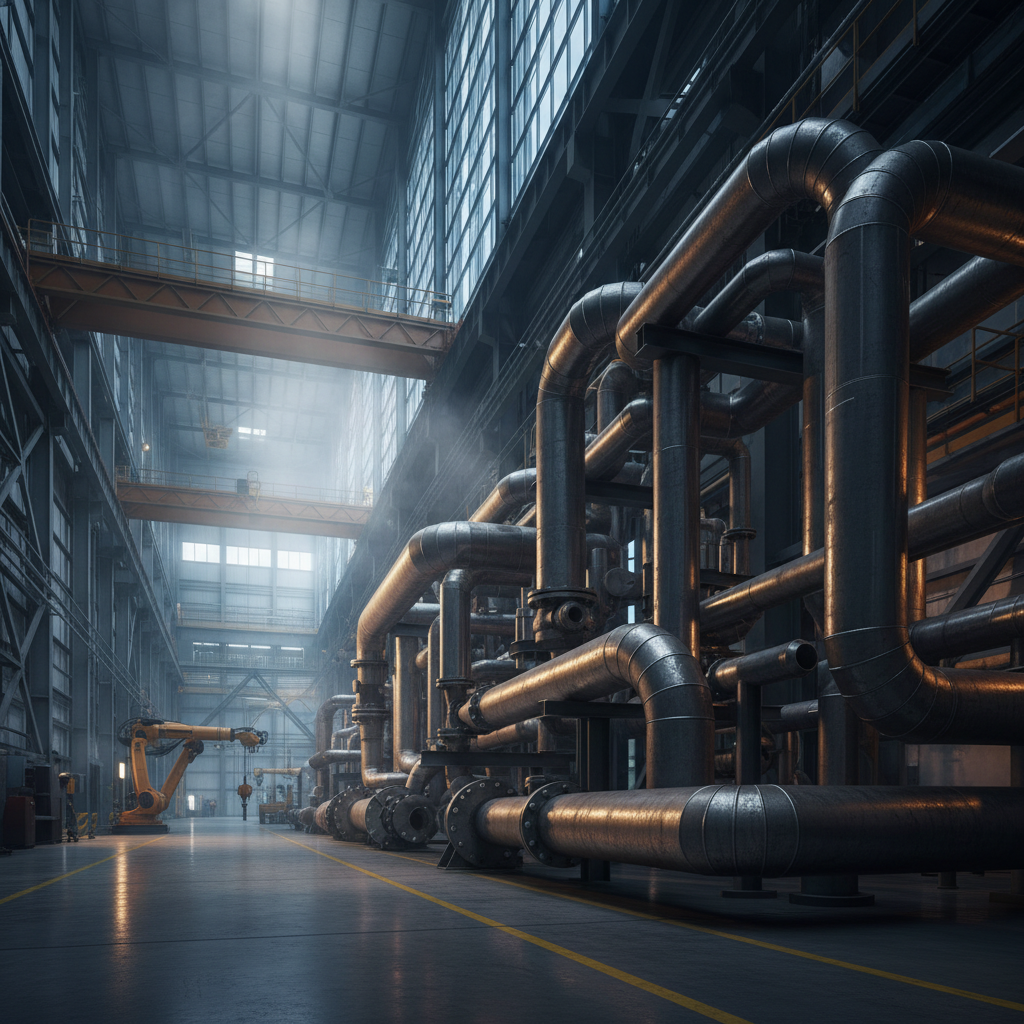
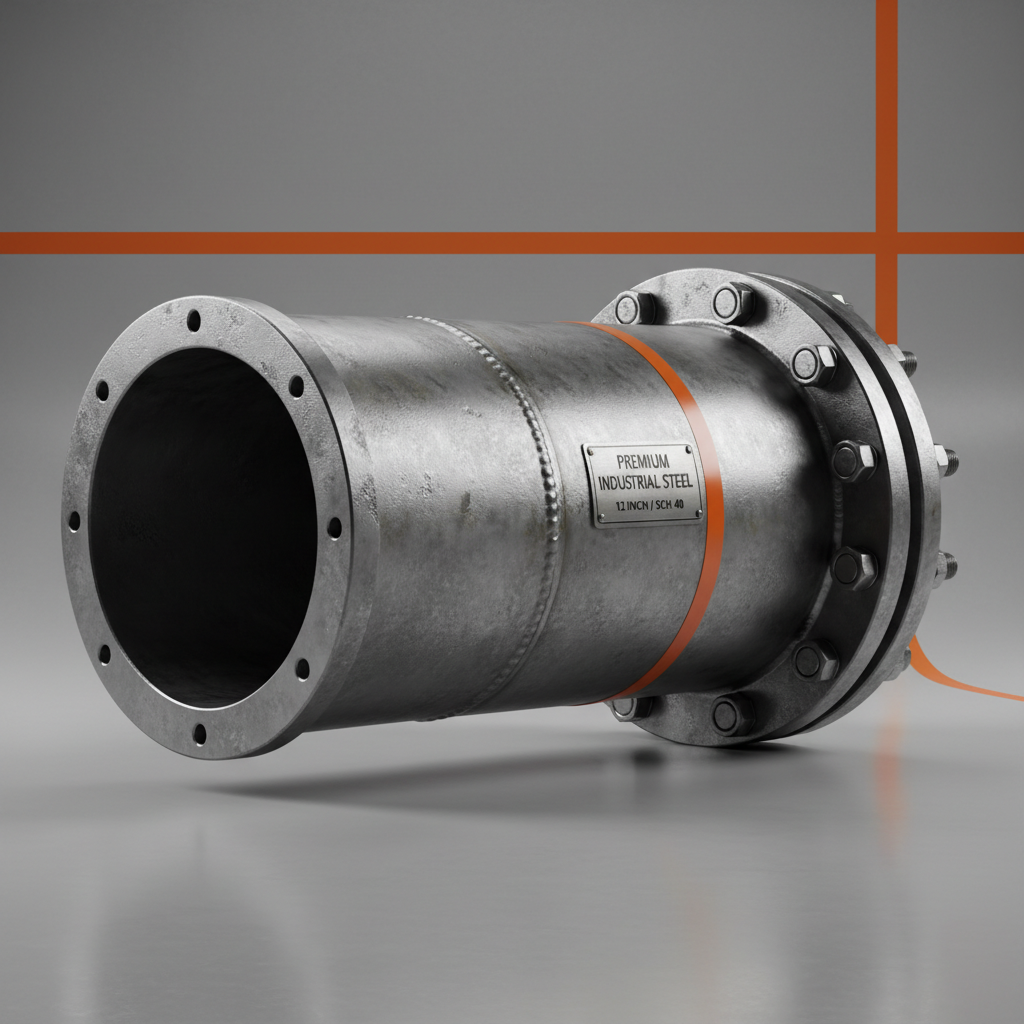
Metal pipe – it’s more than just tubes. After years on construction sites, dealing with everything from residential plumbing to massive industrial projects, you learn it's the backbone of modern infrastructure. It’s the stuff that quietly delivers our water, carries our energy, and forms the structural integrity of buildings we rely on every single day. Understanding metal pipe, its different types, applications, and future trends isn't just an academic exercise; it's crucial for anyone involved in building and maintaining the world around us. metal pipe truly is a foundational material.
The demand for efficient and reliable infrastructure is only growing globally, especially with rapid urbanization and a focus on sustainable development. According to the World Bank, investments in infrastructure need to reach $1 trillion annually to meet the needs of a growing population. Metal pipe plays a key role in that, but we're facing challenges – supply chain disruptions, fluctuating material costs, and a need for more sustainable production methods. These aren't just boardroom problems; they directly impact project timelines and budgets on the ground.
It boils down to this: get the pipe right, and you build something that lasts. Get it wrong, and you’re facing costly repairs, safety hazards, and a reputation you can’t easily rebuild. The right metal pipe selection, proper installation, and ongoing maintenance are critical for long-term success.
The Importance of Metal Pipe in Modern Infrastructure
From a practical standpoint, I’ve seen firsthand how the quality of metal pipe directly impacts project success. It’s not just about transporting fluids or gases; it’s about creating systems that are resilient and require minimal maintenance. Choosing the right alloy, ensuring proper welding techniques, and implementing corrosion protection strategies are all critical. We’ve had projects delayed, and budgets blown, because someone skimped on the pipe. metal pipe isn’t a place to cut corners.
Consider the scale of infrastructure projects around the world. From expanding water distribution networks in developing countries to replacing aging pipelines in established cities, the demand for reliable metal pipe is consistently high. And it's not just about new construction. A significant portion of our work involves repairing and upgrading existing systems, often requiring specialized pipe materials and installation techniques.
Defining Metal Pipe: More Than Just a Tube
Let’s get down to basics. Metal pipe, in its simplest form, is a hollow cylindrical section designed to convey fluids or gases. But that definition doesn't even scratch the surface. We’re talking about a wide range of materials – carbon steel, stainless steel, galvanized steel, copper, and various alloys – each with unique properties suited for different applications. The manufacturing process, from seamless extrusion to welding, also plays a huge role in the pipe’s strength and durability.
Think about a hospital. They need highly corrosion-resistant stainless steel pipes for medical gases and sterile water systems. Compare that to an oil refinery, where high-strength carbon steel pipes are essential for handling corrosive hydrocarbons at high temperatures and pressures. The connection to modern industry – and frankly, basic humanitarian needs like clean water – is undeniable.
From my experience, understanding the specific requirements of each application is paramount. Using the wrong type of metal pipe can lead to premature failure, costly repairs, and even safety hazards. It’s about matching the material properties to the intended environment and operating conditions. Don't just grab the cheapest option; think long-term.
Core Characteristics of Durable Metal Pipe
When I'm evaluating a metal pipe for a project, a few key characteristics always come to mind. First, durability. A pipe needs to withstand internal pressure, external loads, and environmental factors like corrosion and temperature fluctuations. Second, strength. It needs to be able to handle the stresses of installation, operation, and potential seismic activity. Third, corrosion resistance. This is a big one, especially in harsh environments. Without adequate corrosion protection, even the strongest pipe will eventually fail.
Another important factor is weldability. Most piping systems require connections, and the ability to create strong, reliable welds is critical. This depends on the pipe material and the welding process used. Finally, cost-effectiveness. While quality is paramount, budget constraints are always a reality. We need to find the optimal balance between performance and price.
These characteristics aren’t independent. A pipe with high strength but poor corrosion resistance isn't truly durable. It’s about finding the right combination of properties for the specific application. And remember, proper installation and maintenance are just as important as the pipe material itself. A premium pipe poorly installed is a waste of money.
Real-World Applications of Metal Pipe
I've seen metal pipe used in just about every industry imaginable. In the oil and gas sector, it's essential for transporting crude oil, natural gas, and refined products over long distances. In the water and wastewater treatment industry, it forms the backbone of distribution networks and treatment facilities. And in the construction industry, it's used for plumbing, heating, ventilation, and air conditioning (HVAC) systems.
Beyond these core industries, metal pipe finds applications in power generation, chemical processing, food and beverage production, and even pharmaceutical manufacturing. In post-disaster relief operations, portable metal pipe systems are crucial for providing clean water to affected communities. I’ve seen engineers quickly assemble temporary water lines using modular metal pipe sections, literally saving lives.
Metal Pipe Application Breakdown by Industry
The Long-Term Value Proposition of Metal Pipe
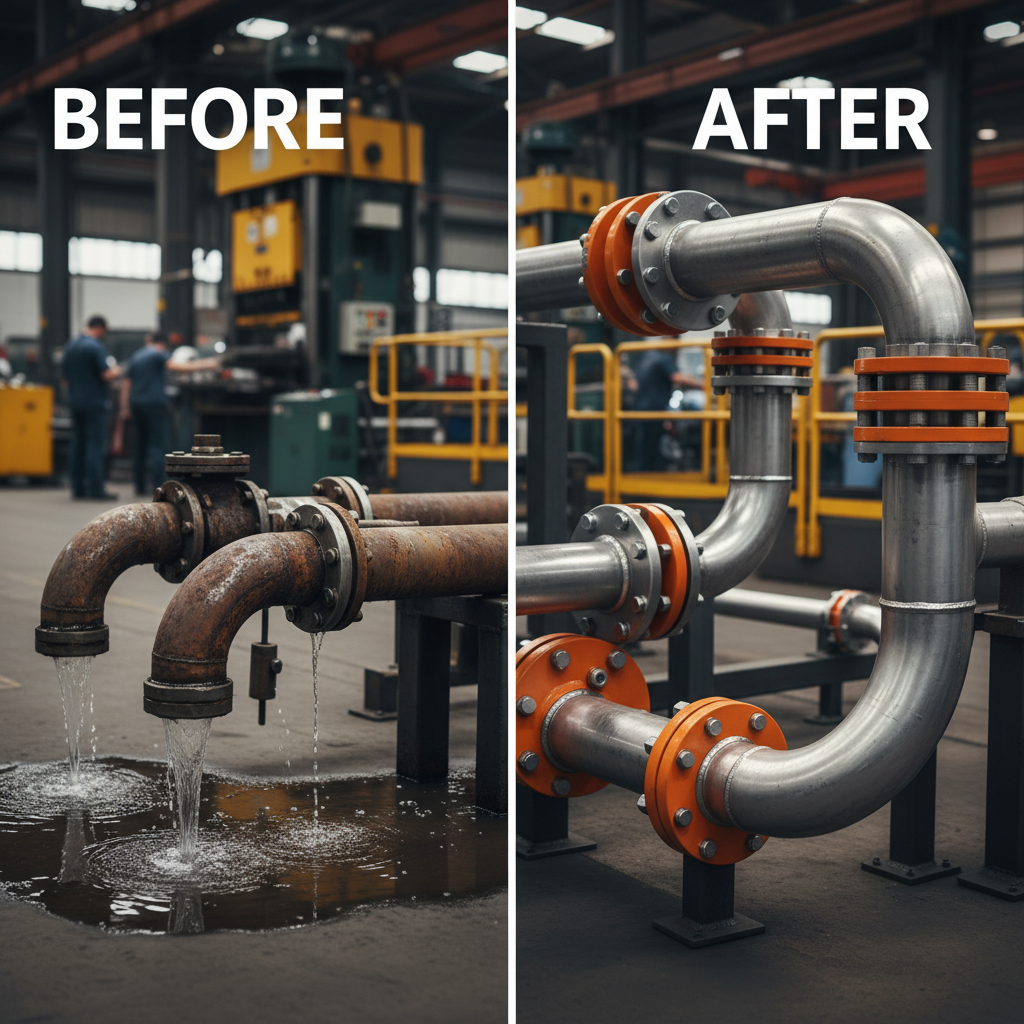
Look, at the end of the day, it’s about life-cycle cost. Cheap pipe upfront might save you money initially, but it’s often a false economy. Metal pipe, when properly selected and installed, offers exceptional longevity and minimal maintenance requirements, reducing long-term expenses. This is especially true with corrosion-resistant alloys.
Beyond cost savings, metal pipe contributes to sustainability. It’s a durable material that can be recycled at the end of its service life, reducing waste and conserving resources. The reliability of metal pipe systems also minimizes the risk of leaks and spills, protecting the environment and public health. That peace of mind is invaluable.
Innovations and Future Trends in Metal Pipe Technology
We’re seeing some exciting developments in metal pipe technology. High-strength, lightweight alloys are becoming more common, reducing material costs and installation challenges. Advanced coating systems are providing enhanced corrosion protection, extending the service life of pipelines. Digital technologies, like smart sensors and predictive maintenance tools, are helping us monitor pipe condition and prevent failures before they occur.
There’s also a growing focus on sustainable manufacturing practices. Producers are exploring ways to reduce their carbon footprint and minimize waste. And with the rise of green energy, we’re seeing increased demand for metal pipe designed to transport hydrogen and other renewable fuels. That’s a whole new ballgame in terms of material compatibility and safety standards.
Addressing Challenges and Ensuring Quality in Metal Pipe Implementation
Despite all the advancements, challenges remain. Supply chain disruptions, fluctuating material costs, and a shortage of skilled labor are all impacting the industry. Quality control is another critical concern. Counterfeit or substandard pipe can compromise the integrity of entire systems. It's crucial to work with reputable suppliers and verify material certifications.
Investing in training and education is also essential. We need to ensure that engineers, welders, and installers have the knowledge and skills to properly select, install, and maintain metal pipe systems. And we need to embrace new technologies, like non-destructive testing methods, to identify potential defects before they become major problems.
Ultimately, success depends on a collaborative approach. Engineers, manufacturers, contractors, and regulators all need to work together to ensure the safe and reliable performance of metal pipe infrastructure. It’s a shared responsibility, and one that impacts us all.
Summary of Common Metal Pipe Issues and Mitigation Strategies
| Issue |
Severity (1-10) |
Mitigation Strategy |
Cost of Implementation (Low/Medium/High) |
| Corrosion |
8 |
Apply protective coatings, use corrosion-resistant alloys. |
Medium |
| Welding Defects |
9 |
Implement rigorous quality control procedures, train certified welders. |
Medium |
| Material Defects |
7 |
Verify material certifications, perform non-destructive testing. |
Low |
| Improper Installation |
6 |
Follow manufacturer's instructions, provide adequate supervision. |
Low |
| External Damage |
5 |
Implement protective measures, such as concrete encasement or shielding. |
High |
| Supply Chain Disruptions |
7 |
Diversify suppliers, maintain adequate inventory levels. |
Medium |
FAQS
Based on my experience, corrosion is the biggest culprit, especially in soils with high acidity or salinity. External loads from traffic or excavation can also cause stress and cracking. Finally, age and material degradation inevitably contribute to failures over time. Proper cathodic protection and regular inspections can significantly mitigate these risks.
Material selection is critical. Stainless steel offers superior corrosion resistance, leading to longer lifespans, but it's more expensive. Carbon steel is more affordable but requires protective coatings. Galvanized steel provides a decent balance, but the zinc coating will eventually wear off. The environment and the transported fluid are key factors in determining the best material.
Each metal requires specific welding techniques and filler metals. Carbon steel is relatively easy to weld, but stainless steel requires more skill and precision. You need to consider the alloy composition, the welding position, and the potential for corrosion. Proper pre- and post-weld heat treatment are often necessary to ensure a strong, reliable joint.
NDT allows us to detect flaws and defects without damaging the pipe. Methods like ultrasonic testing, radiographic testing, and visual inspection can identify cracks, corrosion, and other issues that could lead to failure. It’s a proactive approach to maintenance that can prevent costly repairs and downtime.
Always buy from reputable suppliers and verify material certifications. Look for pipes that meet relevant standards like ASTM, API, or ISO. Request documentation proving that the pipe has been tested and inspected for quality. Don’t hesitate to ask questions and get everything in writing.
We’re seeing a lot of innovation in epoxy coatings, polyurethane coatings, and even hybrid systems that combine multiple layers for enhanced protection. There's also research into self-healing coatings that can repair minor damage automatically. The goal is to extend the lifespan of pipelines and reduce the need for costly replacements.
Conclusion
Metal pipe remains a foundational element of modern infrastructure, and understanding its properties, applications, and challenges is crucial for professionals across numerous industries. From ensuring safe drinking water to transporting vital energy resources, the reliable performance of metal pipe systems directly impacts our quality of life. Choosing the right materials, prioritizing quality control, and embracing innovative technologies are all essential for maximizing the long-term value of these critical assets.
Looking ahead, continued investment in research and development, coupled with a commitment to sustainable practices, will be key to addressing the evolving demands of the infrastructure landscape. metal pipe isn't just about building today; it's about building for the future. Visit our website to learn more about our comprehensive range of metal pipe solutions and how we can help you tackle your toughest infrastructure challenges.