Metal drain pipe. It’s not glamorous, but it’s fundamental. I’ve spent fifteen years walking construction sites, and you quickly learn which components you can’t skimp on. Forget the fancy finishes for a minute – if your drainage fails, everything fails. We're talking about protecting structures, preventing costly damage, and ensuring public health. Proper drainage isn’t just about getting water away; it’s about long-term stability, preventing erosion, and creating systems that simply work, year after year. A reliable metal drain pipe system is an often-overlooked cornerstone of any successful project.
I've seen too many projects cut corners on drainage materials, opting for cheaper plastics that crack, collapse, or become breeding grounds for root intrusion. That ‘savings’ evaporates quickly when you’re facing foundation issues or public health concerns. The initial cost of a quality metal drain pipe system—galvanized steel, stainless steel, aluminum—is an investment, not an expense. It's about future-proofing a build. You need something that's going to withstand the pressures of backfill, resist corrosion, and deliver consistent performance.
And it's not just about buildings. I’ve been involved in projects ranging from highway underpasses to agricultural land reclamation, and the need for robust, long-lasting drainage solutions is constant. It impacts everything from infrastructure resilience to crop yields. A well-designed and installed metal drain pipe system is a silent protector, preventing widespread problems that most people never even think about until they’re facing a crisis.
The Importance of Metal Drain Pipe in Infrastructure
Look, I’ve seen drainage systems fail, and it’s rarely pretty. We're talking about structural damage, compromised foundations, and potential environmental hazards. Metal drain pipe, specifically corrugated metal pipe (CMP) and other engineered metal solutions, are fundamentally important for managing stormwater runoff, subsurface drainage, and preventing erosion. It’s a critical component of any modern infrastructure project, and its durability is key.
Think about the sheer volume of water we're dealing with, especially with increasingly erratic weather patterns. Plastic pipes simply don't offer the same level of structural integrity to handle the load and pressure over decades. Metal drain pipe is engineered to withstand those forces, ensuring long-term reliability and minimizing the risk of catastrophic failure.
Defining Metal Drain Pipe: Types and Standards
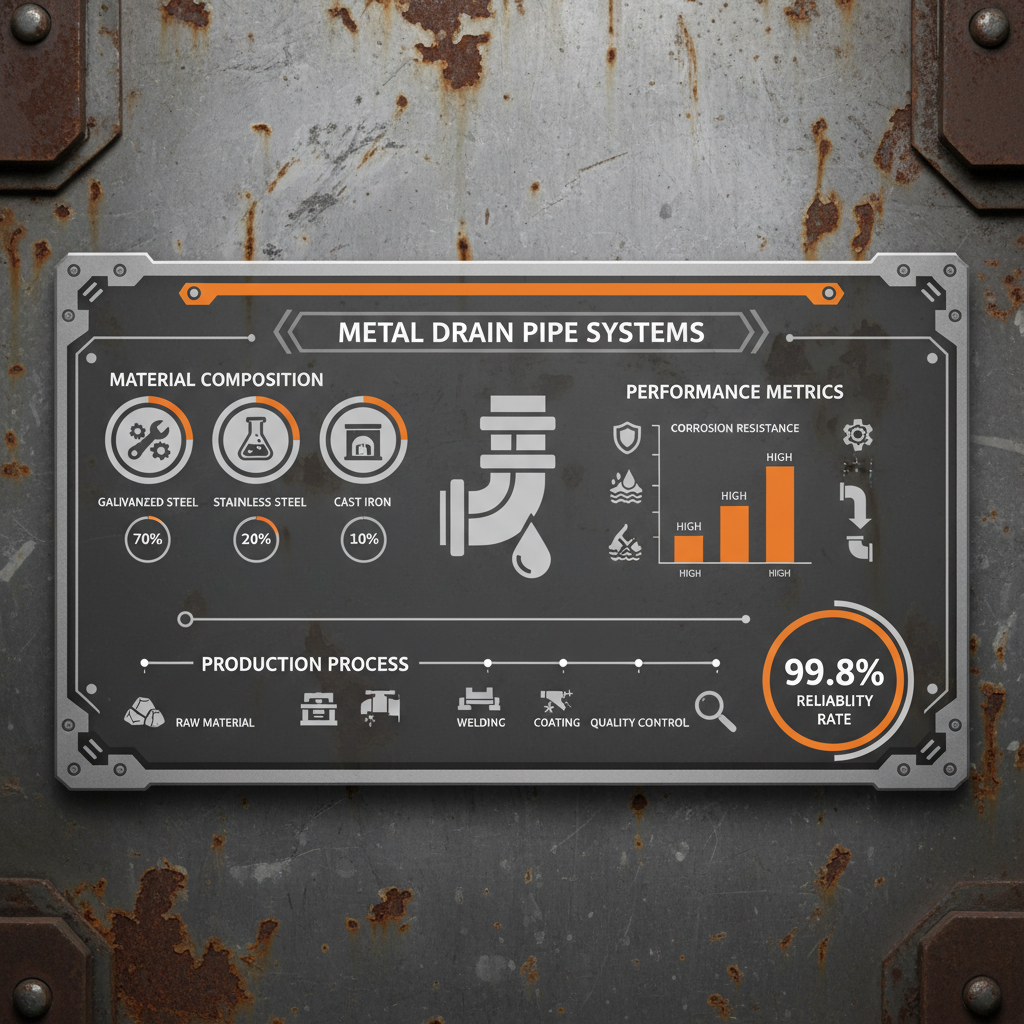
When we talk about metal drain pipe, we're not talking about one-size-fits-all. There’s galvanized steel, offering good corrosion resistance at a reasonable cost. Stainless steel, which is fantastic for highly corrosive environments but more expensive. Aluminum provides a lightweight option, often used in agricultural drainage. Then you've got corrugated metal pipe (CMP), which is a very common and versatile choice. Each type has specific applications and performance characteristics.
It’s crucial to adhere to industry standards – ASTM specifications, for example – to ensure the material meets the required strength, durability, and corrosion resistance. Knowing your soil conditions, water table levels, and anticipated loads is paramount when selecting the right metal drain pipe for the job. You can’t just grab the cheapest option and hope for the best; it needs to be a calculated decision.
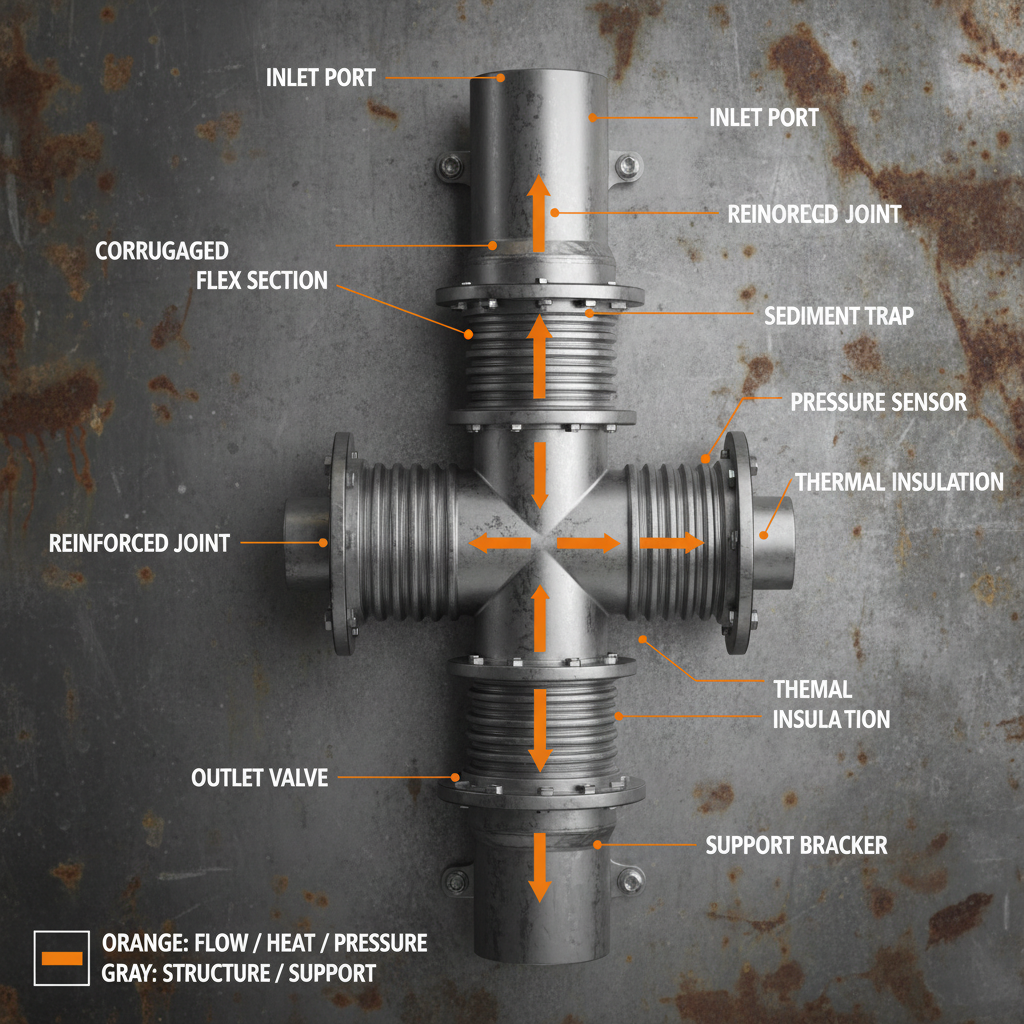
Beyond the pipe itself, you’ve got fittings, couplings, and often, a geotextile filter fabric to prevent soil infiltration. A well-specified system considers all these components, working together to provide a cohesive and effective drainage solution. metal drain pipe selection is crucial.
Key Characteristics of High-Performance Metal Drain Pipe
Durability is the big one. Metal drain pipe, particularly when properly coated or galvanized, resists crushing, impacts, and corrosion far better than most plastic alternatives. It's built to last, often exceeding 75-100 years of service life. That’s a significant long-term cost saving.
Another key factor is structural integrity. Metal pipes can handle significant soil loads and traffic, making them ideal for applications where they’re buried under roadways, parking lots, or building foundations. They don't deform or collapse under pressure like some lighter-weight materials.
Permeability is also important, especially for subsurface drainage. Some metal pipe designs incorporate perforations or allow for backflow to manage groundwater levels effectively. And finally, adaptability – metal drain pipe can be customized to fit a wide range of site conditions and drainage requirements.
Global Applications and Real-World Use Cases
I've used metal drain pipe on projects all over – from large-scale highway construction in the US to agricultural drainage systems in Europe and irrigation projects in the Middle East. It's a globally recognized and trusted solution. Post-disaster relief operations frequently rely on CMP for quick and effective drainage solutions, stabilizing slopes and preventing further erosion.
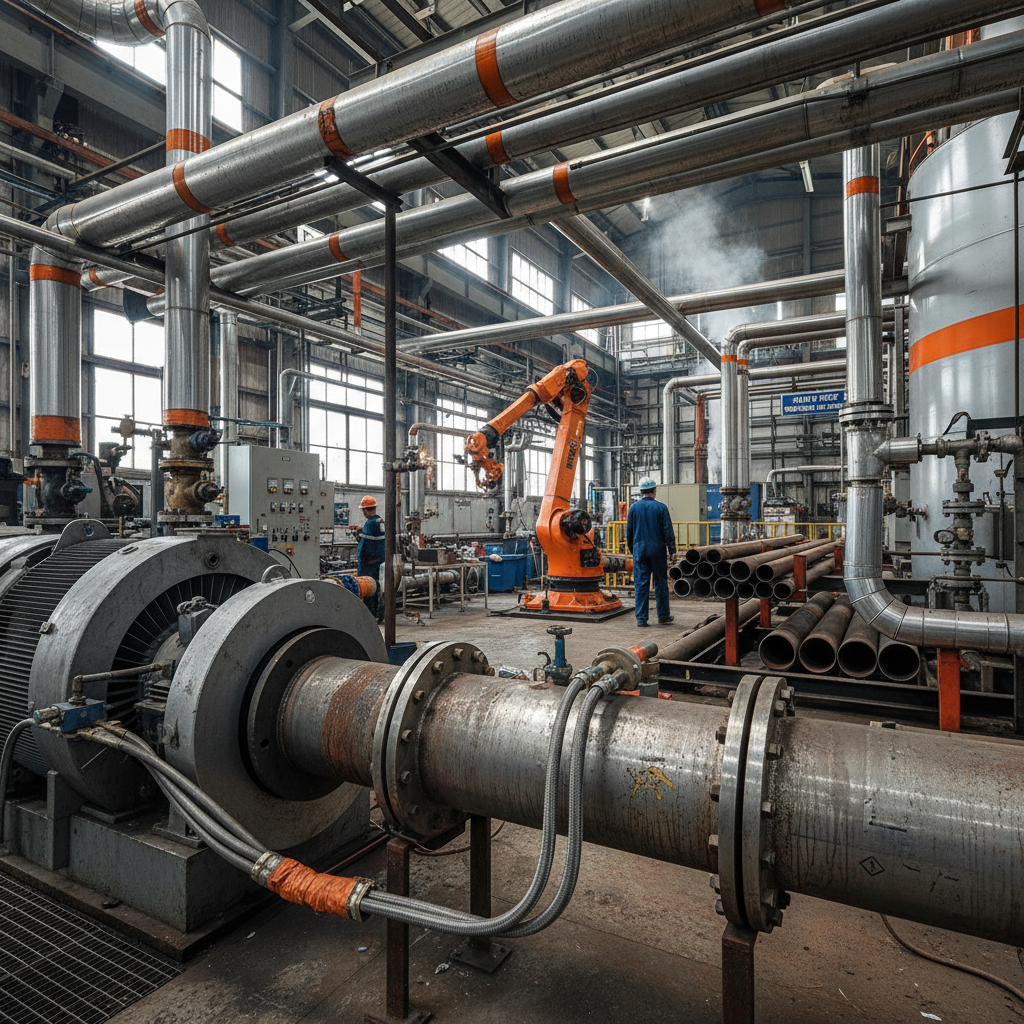
In remote industrial zones, where access is limited and reliability is paramount, metal drain pipe provides a robust and long-lasting solution. We used it extensively on a mine site in Chile to manage stormwater runoff and prevent contamination of local waterways. And think about airport runways – the ability to handle heavy loads and provide consistent drainage is absolutely critical.
Even in residential developments, high-quality metal drain pipe is often the best choice for foundation drainage and managing stormwater runoff from large roof areas. It might be a bit more upfront, but it prevents a whole host of problems down the road.
Comparative Performance of Metal Drain Pipe Methods
Advantages and Long-Term Value Proposition
Let’s talk about cost. While the initial outlay for metal drain pipe might be higher than some alternatives, the long-term savings are substantial. Reduced maintenance, fewer repairs, and a significantly longer lifespan translate into a lower total cost of ownership. That’s a conversation I have with clients constantly.
From a sustainability standpoint, metal is a highly recyclable material. Choosing metal drain pipe contributes to a circular economy, reducing waste and minimizing environmental impact. And from a public safety perspective, a reliable drainage system protects communities from flooding and water damage. That peace of mind is invaluable.
Future Trends and Innovations in Metal Drainage
We're seeing a lot of innovation in coatings and corrosion protection technologies for metal drain pipe. New polymers and surface treatments are extending the lifespan of these systems even further. Smart drainage systems, incorporating sensors and data analytics, are also on the horizon.
These systems can monitor flow rates, detect blockages, and even predict potential failures, allowing for proactive maintenance and preventing costly disruptions. And with the increasing focus on green infrastructure, we're seeing more integration of metal drain pipe with permeable pavements and bioswales to manage stormwater runoff more effectively.
Challenges and Solutions in Metal Drain Pipe Implementation
Installation can be a challenge. Metal drain pipe is heavier than plastic, requiring specialized equipment and experienced crews. Proper bedding and backfill compaction are crucial to ensure long-term performance. And corrosion, even with galvanized or coated pipes, remains a potential concern in certain environments.
The solution is proper planning, meticulous installation, and ongoing maintenance. Regular inspections, cleaning, and timely repairs can significantly extend the lifespan of a metal drain pipe system. And choosing the right material for the specific site conditions is absolutely critical.
We’re also seeing more prefabricated drainage solutions that simplify installation and reduce on-site labor. These pre-assembled systems can significantly speed up the construction process and ensure consistent quality. metal drain pipe is an essential component.
Summary of Key Considerations for Metal Drain Pipe Selection
| Material Type |
Soil Conditions |
Load Requirements |
Corrosion Potential |
| Galvanized Steel |
Loamy Sand |
Light Traffic (Pedestrian) |
Low |
| Stainless Steel |
Clay |
Heavy Traffic (Vehicular) |
High |
| Aluminum |
Sandy Loam |
Light Traffic (Agricultural) |
Moderate |
| CMP (Corrugated Metal Pipe) |
Variable |
Moderate to Heavy |
Moderate (with coating) |
| Poly-Coated Steel |
Rocky |
Heavy Traffic (Highway) |
Low (with coating) |
| Galvanized Steel with Polymer Coating |
Silty Clay |
Light to Moderate |
Very Low |
FAQS
A well-maintained metal drain pipe system, particularly those utilizing corrosion-resistant materials like stainless steel or adequately coated galvanized steel, can easily last 75-100 years, even longer in favorable conditions. Proper installation, including appropriate bedding and backfill compaction, is critical to maximizing lifespan. Regular inspections and timely repairs can extend the system’s functionality indefinitely.
Metal drain pipe generally has a lower environmental impact than plastic alternatives due to its high recyclability. Steel and aluminum are readily recycled materials, reducing landfill waste and conserving resources. While plastic production relies on fossil fuels, metal production often utilizes recycled content. Furthermore, the longer lifespan of metal pipes reduces the frequency of replacements, minimizing overall environmental burden.
Common failure points include corrosion, particularly in areas with aggressive soil conditions or exposure to saltwater. Improper installation, such as inadequate bedding or compaction, can lead to structural failure. Also, physical damage from heavy loads or excavation activities can compromise the pipe’s integrity. Root intrusion is another frequent issue, especially if the pipe isn't adequately protected with geotextile fabric.
Soil pH, chloride content, and sulfate levels are crucial factors. Highly acidic or saline soils accelerate corrosion. Stainless steel is the best choice for aggressive environments, but it's also the most expensive. Galvanized steel with a protective coating can be suitable for moderately corrosive soils. Aluminum is a good option for neutral to slightly acidic soils. Always consult with a geotechnical engineer to assess the specific soil conditions and recommend the appropriate metal.
Absolutely. Proper bedding and backfill compaction are essential to provide uniform support and prevent stress on the pipe. Use a granular bedding material that conforms to the pipe’s shape. Avoid sharp rocks or debris that could puncture the pipe. Ensure adequate drainage around the pipe to prevent water buildup. And always follow the manufacturer's installation guidelines meticulously.
Visual inspection is a good starting point – look for signs of corrosion, deformation, or damage. Consider a CCTV inspection to assess the interior condition of the pipe. Soil testing can reveal the presence of corrosive elements. Load testing can evaluate the structural integrity of the pipe. If you suspect a problem, it’s best to consult with a qualified drainage engineer for a thorough assessment.
Conclusion
Metal drain pipe isn’t just a product; it's a fundamental component of resilient infrastructure. Its durability, structural integrity, and long-term value proposition far outweigh the initial cost when compared to less robust alternatives. From protecting buildings and roadways to managing agricultural runoff and preventing environmental damage, metal drain pipe plays a vital, yet often unseen, role in our daily lives.
Looking ahead, continued innovation in materials, coatings, and smart drainage technologies will further enhance the performance and sustainability of these systems. Investing in quality metal drain pipe, coupled with proper installation and maintenance, is an investment in a more secure and sustainable future. If you’re planning a project requiring reliable drainage, don't hesitate to reach out – let’s discuss how we can help you build it right.