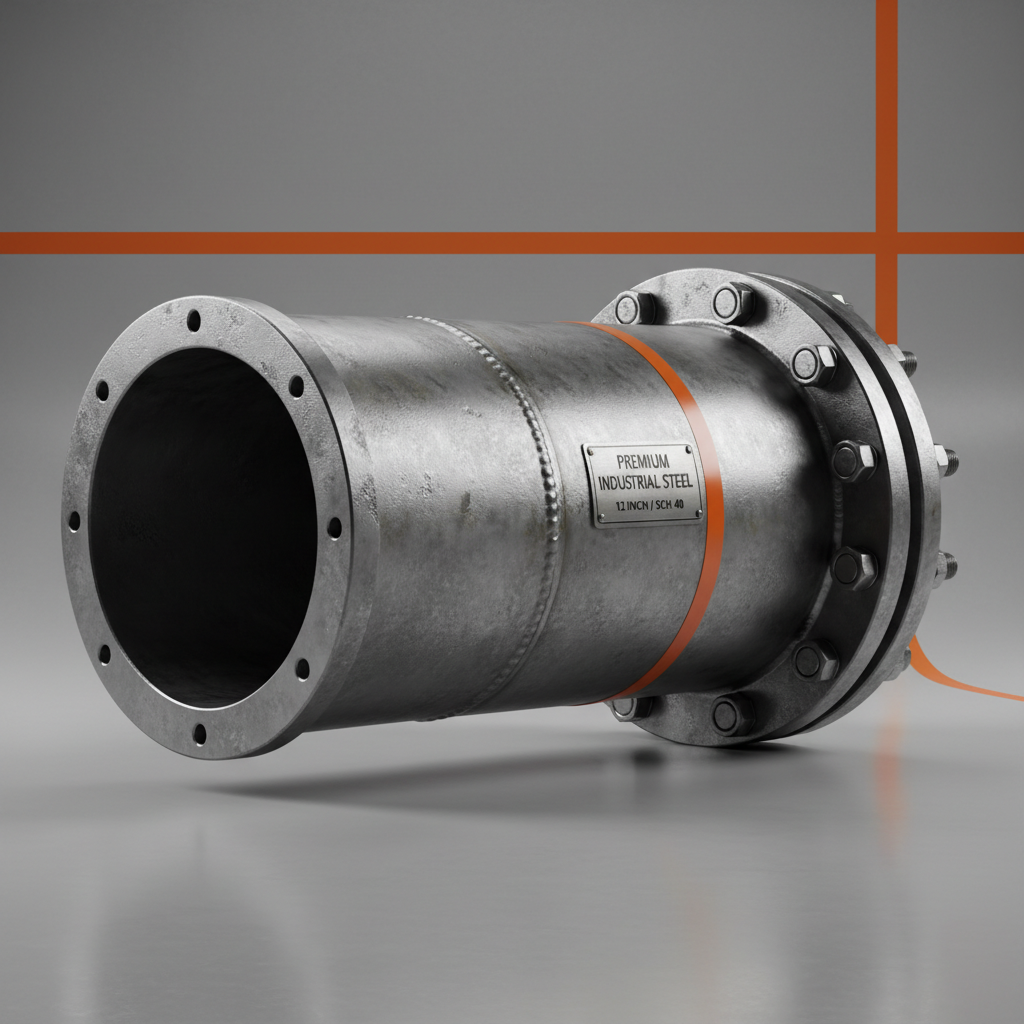
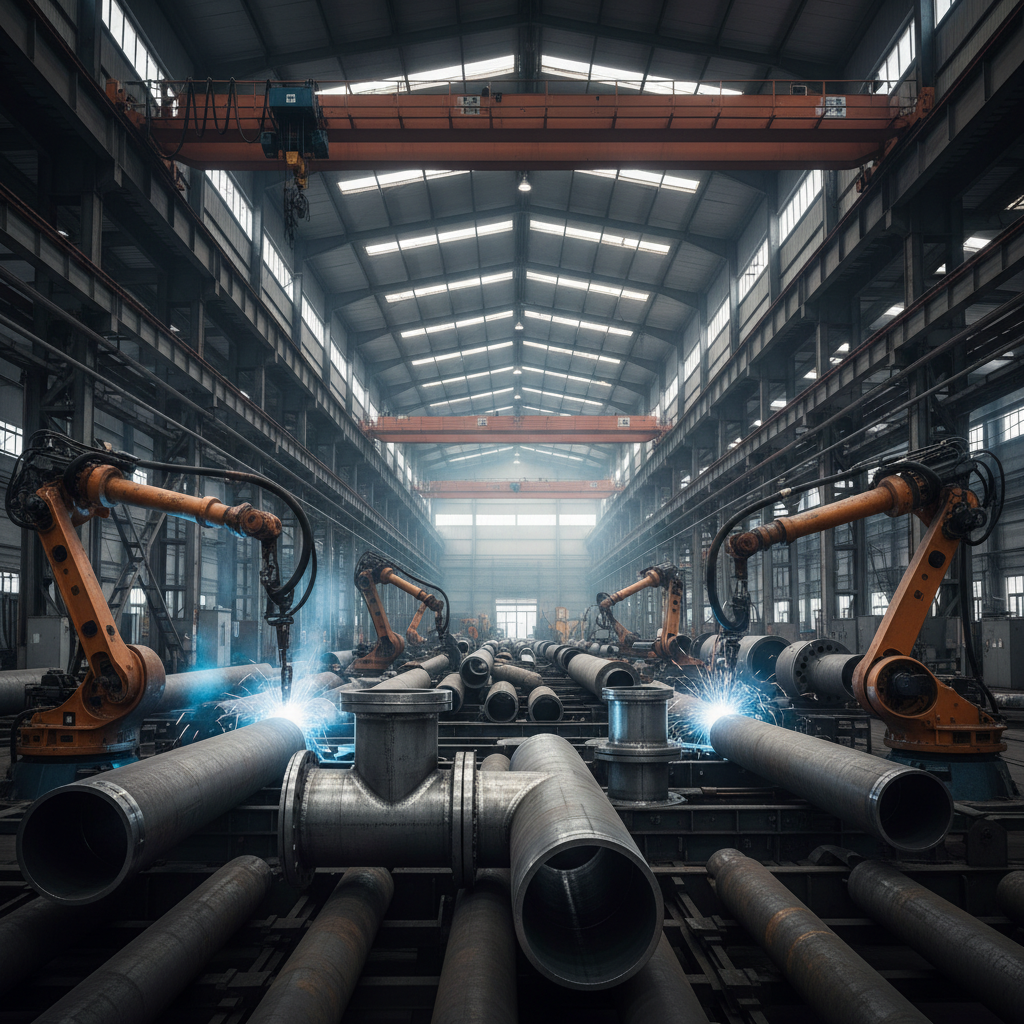
Metal ducting pipe plays a critical role in numerous industrial applications, offering a robust and reliable solution for the safe and efficient conveyance of air, gases, and particulate materials. Its importance extends across diverse sectors, from HVAC systems in commercial buildings to critical ventilation in manufacturing facilities and industrial processes. Understanding the intricacies of metal ducting pipe – its materials, fabrication, installation, and maintenance – is paramount for engineers, contractors, and facility managers seeking optimal performance and longevity in their systems.
Globally, the demand for high-quality metal ducting pipe is steadily increasing, driven by factors such as urbanization, infrastructure development, and stricter regulations concerning indoor air quality and industrial emissions. According to recent industry reports, the global metal duct market is projected to reach significant growth in the coming years, particularly in developing economies. This growth highlights the crucial need for informed decision-making when selecting and implementing metal ducting solutions.
Effective and safe operation of complex systems relies heavily on the dependable performance of metal ducting pipe. From maintaining comfortable indoor environments to ensuring safe and efficient industrial processes, this fundamental component underpins a vast range of applications, requiring meticulous attention to detail and adherence to industry standards.
The Fundamental Role of Metal Ducting Pipe
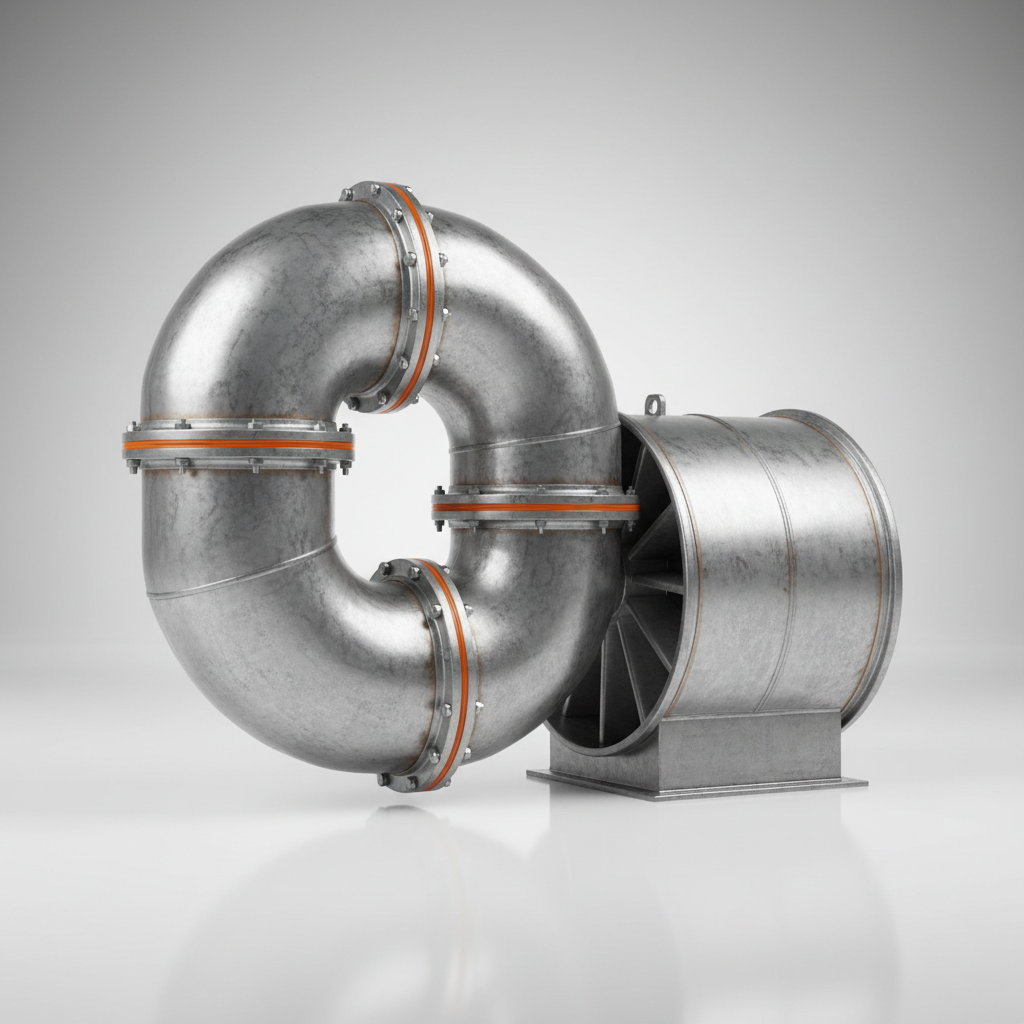
Metal ducting pipe serves as the backbone of countless ventilation, heating, and industrial systems. It is designed to transport air, fumes, dust, and other materials safely and efficiently. The selection of appropriate metal ducting pipe is critical to maintaining system integrity and operational performance.
The robust nature of metal allows it to withstand high temperatures, pressures, and corrosive environments, making it a preferred choice over other materials like plastic or fiberglass in many applications. Properly designed and installed metal ducting contributes significantly to air quality, process efficiency, and overall safety.
Global Relevance and Industry Context
The demand for metal ducting pipe is intrinsically linked to global industrialization and urbanization. As cities expand and manufacturing processes become more complex, the need for efficient and reliable ventilation and material handling systems grows exponentially. This demand is particularly pronounced in rapidly developing economies in Asia, South America, and Africa.
The United Nations Environment Programme (UNEP) and the World Health Organization (WHO) highlight the importance of indoor air quality, driving demand for advanced ventilation systems relying on robust metal ducting. Furthermore, International Organization for Standardization (ISO) standards dictate stringent requirements for material performance and system design, ensuring safety and longevity.
A significant challenge lies in balancing the growing demand with sustainable manufacturing practices. The environmental impact of metal production and transportation is a key concern, prompting research into more eco-friendly materials and production methods related to metal ducting pipe.
Defining Metal Ducting Pipe: Function and Purpose
Metal ducting pipe is fundamentally a conduit designed to convey air, gases, or particulate matter from one location to another. It’s a crucial component in systems like HVAC (Heating, Ventilation, and Air Conditioning), industrial exhaust systems, and dust collection systems. The pipe itself is typically manufactured from various metals, including galvanized steel, stainless steel, aluminum, and sometimes specialized alloys.
Its connection to modern industry is undeniable. Consider the complex ventilation systems in semiconductor fabrication plants, the efficient dust removal in coal-fired power plants, or the precise air control in pharmaceutical manufacturing facilities – all rely on accurately engineered and expertly installed metal ducting. These systems are essential for ensuring product quality, worker safety, and environmental compliance.
Beyond industrial applications, metal ducting pipe plays a vital role in maintaining comfortable and healthy indoor environments in commercial buildings, hospitals, and even residential structures. Its durability and ability to resist corrosion make it a long-lasting and reliable solution for these critical infrastructure components.
Key Characteristics of Effective Metal Ducting Pipe
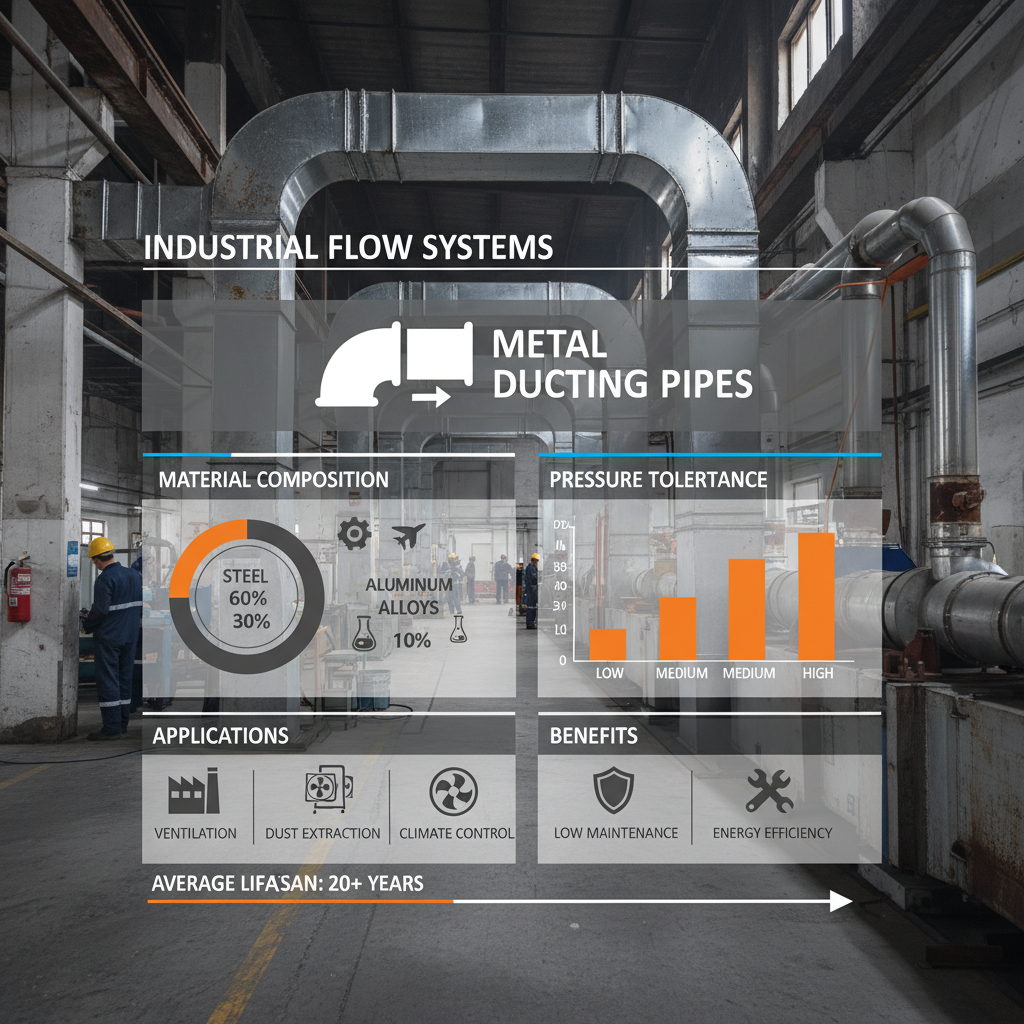
Effective metal ducting pipe possesses several key characteristics that contribute to its overall performance and longevity. These include durability, corrosion resistance, airtightness, thermal stability, and ease of fabrication and installation. Each characteristic plays a specific role in ensuring the system operates safely and efficiently.
Durability: Metal, particularly steel, offers exceptional strength and resistance to physical damage, essential for withstanding the rigors of industrial environments and maintaining system integrity over time.
Metal Ducting Pipe Performance Characteristics
Diverse Applications Across Industries
The versatility of metal ducting pipe makes it indispensable across a wide spectrum of industries. In the HVAC sector, it forms the network that delivers conditioned air to buildings, ensuring thermal comfort and indoor air quality. Industrial manufacturing plants utilize metal ducting pipe for exhaust systems, removing hazardous fumes and dust particles.
In the power generation industry, ducting facilitates the transport of combustion gases and the removal of pollutants. Food and beverage processing plants employ stainless steel ducting to maintain hygienic conditions and prevent contamination. Even in specialized applications like pharmaceutical manufacturing and semiconductor fabrication, where stringent cleanliness standards prevail, metal ducting provides a reliable and controlled environment.
Advantages and Long-Term Value Proposition
Investing in high-quality metal ducting pipe offers a multitude of long-term advantages. These include reduced energy consumption due to airtight systems, minimized maintenance costs owing to durability and corrosion resistance, and improved safety through the secure containment of hazardous materials.
From a sustainability standpoint, metal is a recyclable material, contributing to a circular economy and reducing environmental impact. Furthermore, the long lifespan of metal ducting systems minimizes the need for frequent replacements, resulting in cost savings and reduced waste. The peace of mind that comes with a reliable and long-lasting system adds significant value.
Future Trends and Innovative Advancements
The future of metal ducting pipe is shaped by several emerging trends and innovative advancements. These include the development of lightweight, high-strength alloys, the integration of smart sensors for real-time monitoring of system performance, and the implementation of advanced coating technologies to enhance corrosion resistance.
The growing emphasis on sustainable building practices is driving demand for eco-friendly manufacturing processes and the use of recycled materials. Digitalization and automation are also transforming the industry, enabling more precise fabrication, efficient installation, and predictive maintenance of metal ducting pipe systems.
FAQS
Galvanized steel is generally considered the most cost-effective option for metal ducting pipe, offering a good balance between price, durability, and corrosion resistance. However, the ideal material depends on the specific application and environmental conditions. Factors like humidity, temperature, and the presence of corrosive substances should be considered when making a selection.
Metal ducting pipe should be inspected for corrosion at least annually, and more frequently in harsh environments. Look for signs of rust, pitting, or weakening of the metal. Regular inspections can help identify and address potential problems before they escalate, extending the lifespan of the system and preventing costly repairs.
Proper installation is crucial for the performance and longevity of metal ducting pipe. Key considerations include ensuring airtight seals at all joints, providing adequate support to prevent sagging or vibration, and following manufacturer's recommendations for installation procedures. Employing qualified and experienced installers is essential.
Duct sealant is critical for ensuring airtightness in metal ducting systems. It prevents air leakage, which can reduce system efficiency and increase energy costs. High-quality duct sealant should be applied to all seams, joints, and connections to create a sealed and efficient air distribution system.
The gauge of metal ducting pipe (its thickness) directly affects its strength, rigidity, and ability to withstand pressure. Heavier gauge pipe is generally more durable and suitable for demanding applications, while lighter gauge pipe may be sufficient for less critical systems. Selecting the appropriate gauge is essential for ensuring structural integrity.
Yes, metal ducting pipe is well-suited for both heating and cooling applications. Its ability to withstand a wide range of temperatures and its inherent thermal stability make it an ideal choice for delivering both warm and cool air throughout a building. Proper insulation may be required to minimize heat loss or gain, depending on the climate and application.
Conclusion
In conclusion, metal ducting pipe remains a cornerstone of modern infrastructure, providing a durable, reliable, and versatile solution for a vast array of applications. From maintaining air quality and thermal comfort to ensuring safe and efficient industrial processes, its importance cannot be overstated. The continued evolution of materials, manufacturing techniques, and smart technologies promises to further enhance its performance and sustainability.
Looking ahead, prioritizing responsible sourcing, investing in innovative coating technologies, and embracing digitalization will be critical for maximizing the long-term value of metal ducting systems. By understanding the fundamental principles of design, installation, and maintenance, stakeholders can ensure optimal performance, minimize environmental impact, and create a safer and more sustainable future. To explore tailored solutions and expertise, visit our website at www.world-steelmaterial.com.