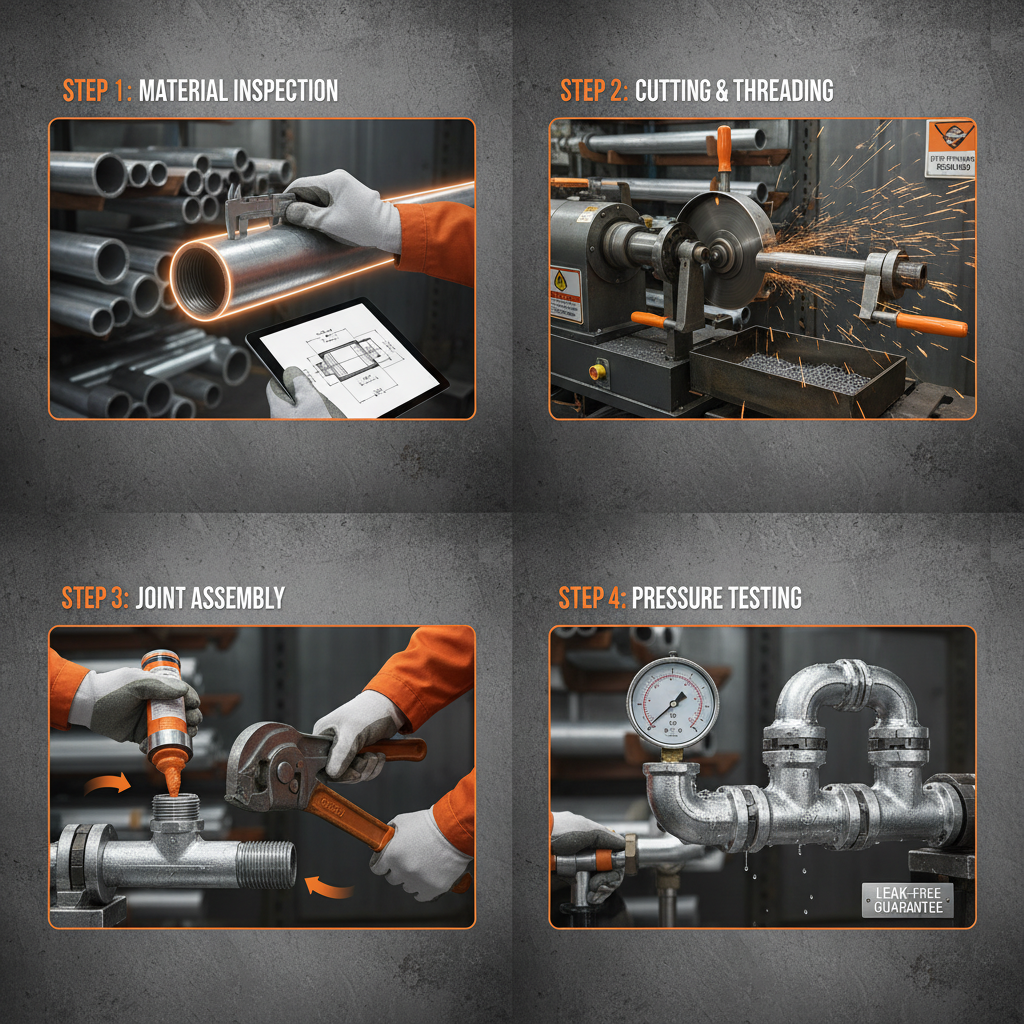
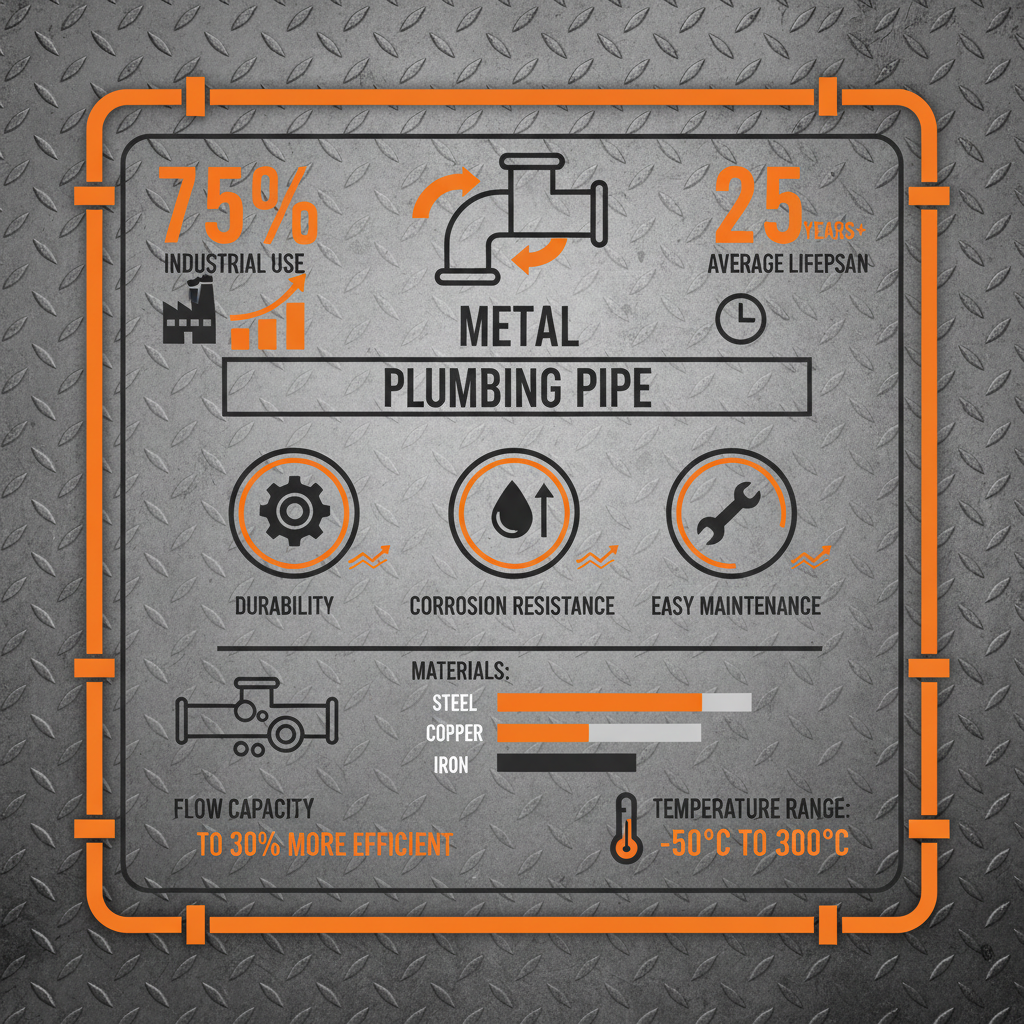
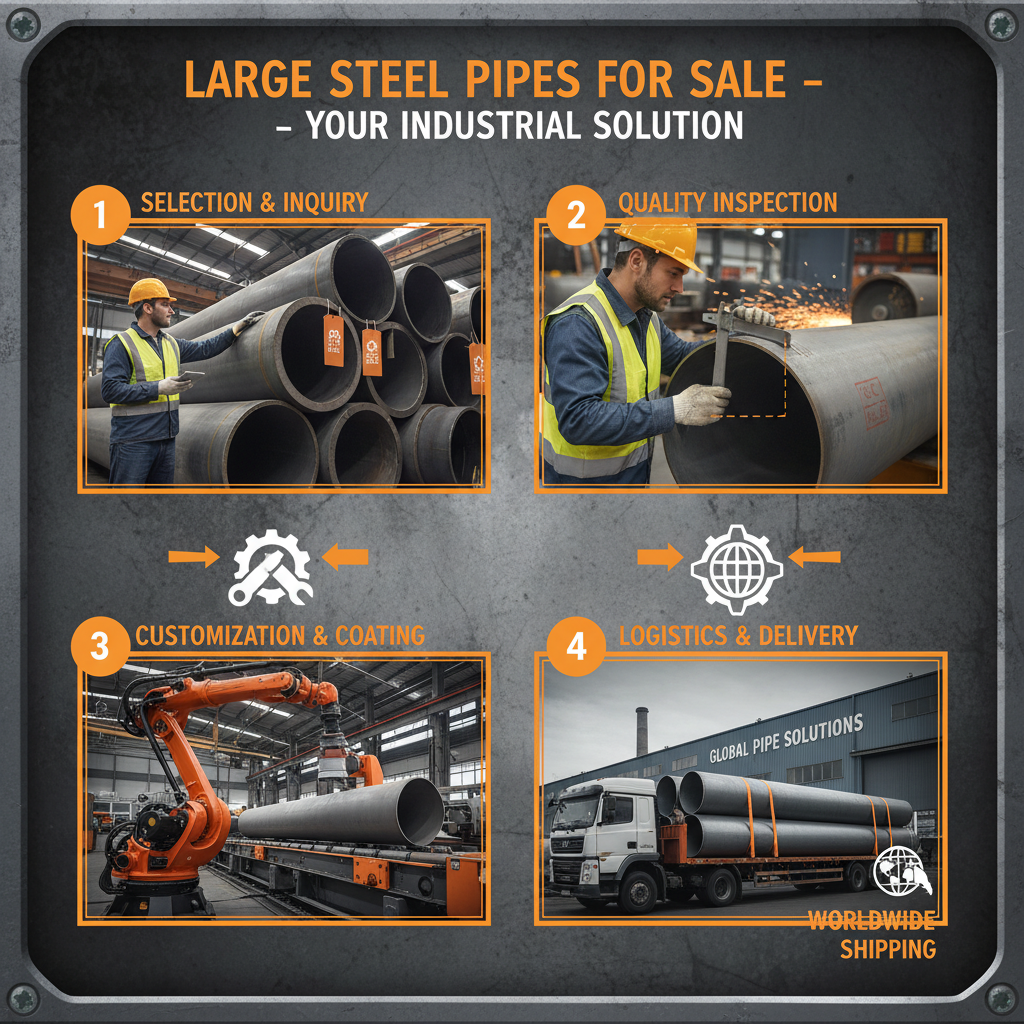
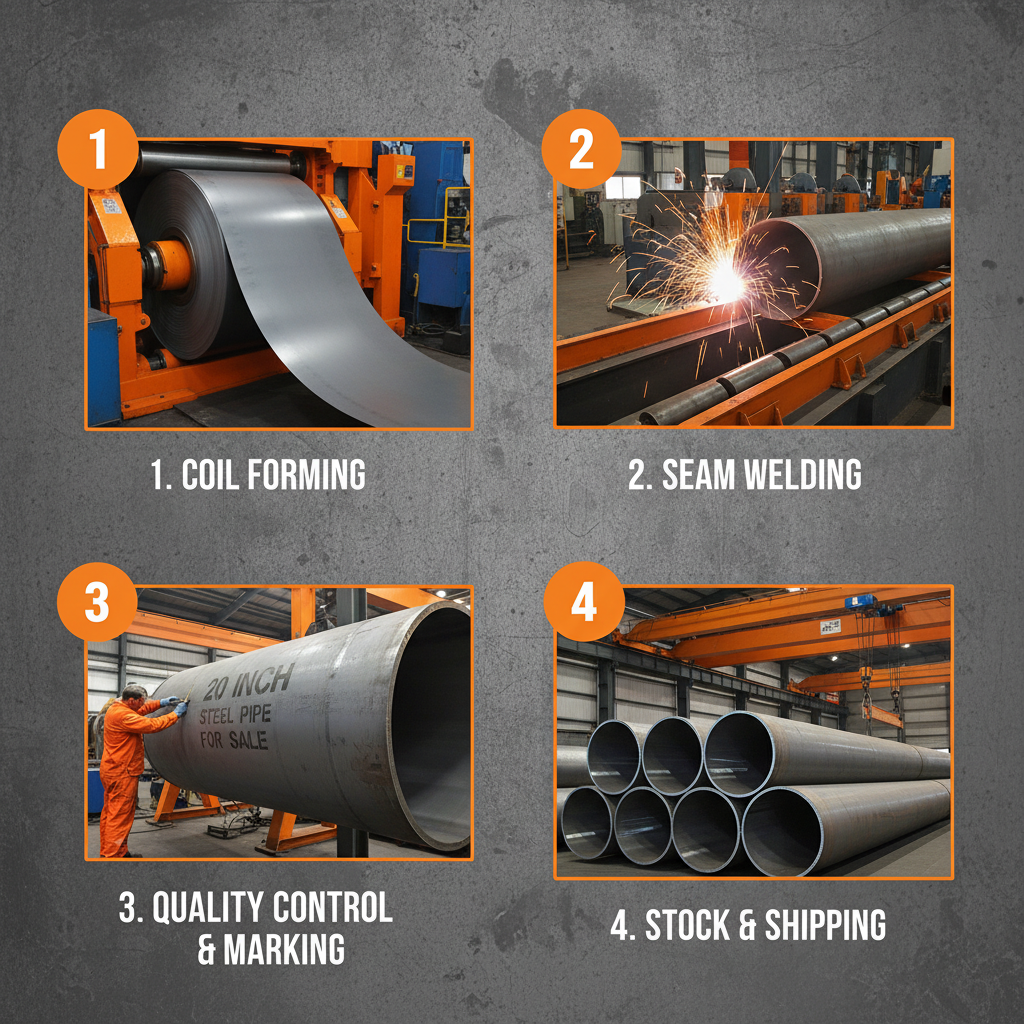
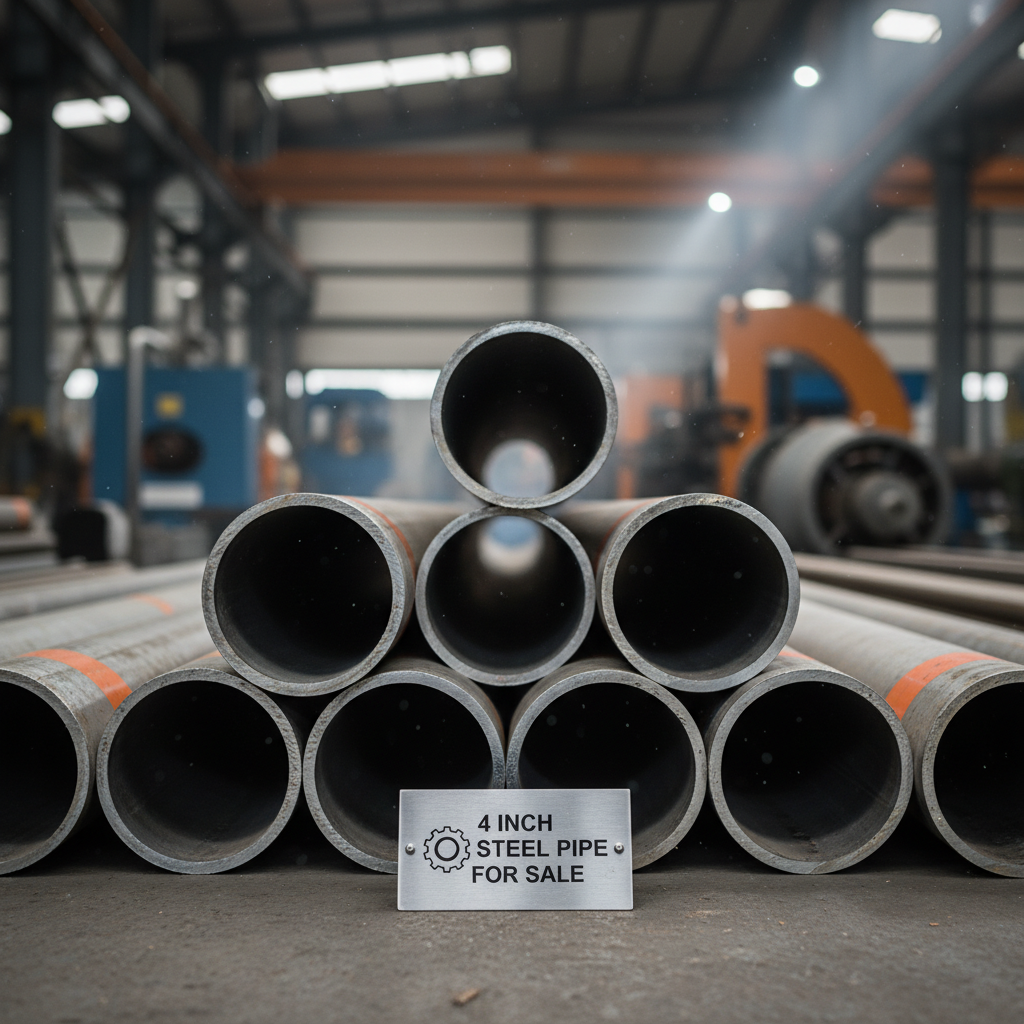
Metal plumbing pipe forms the essential circulatory system of modern infrastructure, delivering potable water and safely removing waste across residential, commercial, and industrial landscapes. Its significance extends beyond simple conveyance; reliable metal plumbing pipe is fundamental to public health, sanitation, and the efficient operation of countless processes. Understanding its properties, applications, and future trends is crucial for engineers, builders, municipalities, and anyone involved in designing, maintaining, or regulating water systems.
Globally, the demand for robust and durable plumbing solutions is continuously rising, driven by population growth, urbanization, and increasing awareness of water conservation. The steel pipe market, a key component of metal plumbing pipe, is projected to reach substantial growth in the coming years. Challenges such as corrosion, material costs, and evolving regulatory standards demand continuous innovation in manufacturing and material science to ensure the longevity and sustainability of these critical systems.
From large-scale municipal water distribution networks to the intricate plumbing within homes and factories, metal plumbing pipe provides a reliable and long-lasting solution. Investing in high-quality metal plumbing pipe translates directly into reduced maintenance, minimized water loss, and enhanced public safety – benefits that resonate across communities worldwide.
The Importance of Metal Plumbing Pipe
Metal plumbing pipe forms the backbone of water infrastructure worldwide, connecting communities and industries to vital resources. Its durability and resistance to high pressures make it an indispensable component in both potable water distribution and wastewater management systems. The consistent performance of metal plumbing pipe contributes significantly to public health and economic stability.
Selecting the right type of metal plumbing pipe is a critical decision. Factors such as corrosion resistance, material strength, and cost-effectiveness must be carefully considered to ensure long-term reliability and minimize environmental impact. Innovations in materials science are continually expanding the possibilities for optimized performance and sustainable solutions in this sector.
Defining Metal Plumbing Pipe
Metal plumbing pipe refers to tubular structures constructed from various metallic alloys – including steel, stainless steel, copper, and ductile iron – designed to convey fluids, gases, or slurries. These pipes are engineered to withstand internal pressure, external loads, and corrosive environments while maintaining the integrity of the transported substances.
Unlike plastic alternatives, metal plumbing pipe typically boasts a longer service life and greater resilience to temperature fluctuations and physical damage. It’s a key component in infrastructure projects demanding lasting performance, from municipal water supplies to industrial processing plants. metal plumbing pipe solutions are often chosen for applications where safety and reliability are paramount.
The specific metal alloy selected for a plumbing application depends on the nature of the fluid being transported, the operating temperature and pressure, and the environmental conditions. For example, stainless steel offers exceptional corrosion resistance, making it ideal for handling corrosive chemicals, while carbon steel provides high strength at a lower cost.
Core Characteristics of Metal Plumbing Pipe
Durability is perhaps the most defining characteristic of metal plumbing pipe. Constructed from robust materials, these pipes are engineered to resist cracking, deformation, and rupture under demanding conditions. This longevity translates into lower lifecycle costs, reducing the need for frequent replacements and minimizing disruptions to service. metal plumbing pipe is designed to withstand the test of time.
Corrosion resistance is another crucial factor, particularly when transporting potable water or handling corrosive fluids. Different metal alloys offer varying levels of protection against corrosion. Galvanized steel, stainless steel, and certain copper alloys are specifically formulated to resist rust and degradation, ensuring the purity of the transported substance and maintaining the structural integrity of the pipe.
High strength allows metal plumbing pipe to withstand significant internal and external pressures, making it suitable for demanding applications such as high-rise buildings, industrial processing, and underground pipelines. This strength is critical for ensuring the safe and reliable transportation of fluids and preventing catastrophic failures.
Global Applications of Metal Plumbing Pipe
Metal plumbing pipe finds widespread application in municipal water distribution networks, providing clean and safe drinking water to communities worldwide. Its robustness and longevity make it a preferred choice for underground infrastructure, where access for repairs can be challenging.
Industries heavily rely on metal plumbing pipe for transporting a diverse range of fluids, including chemicals, oil, gas, and steam. In chemical processing plants, its corrosion resistance is essential for handling aggressive substances. In the oil and gas sector, it's used for pipelines spanning vast distances, often operating under extreme pressure.
From residential plumbing systems to large-scale commercial buildings, metal plumbing pipe ensures reliable water supply and waste removal. In fire protection systems, its ability to withstand high temperatures and pressures is vital for safeguarding lives and property. In post-disaster relief operations, durable metal plumbing pipe can provide a rapid and reliable water source.
Comparison of Metal Plumbing Pipe Methods
Advantages and Long-Term Value
The durability of metal plumbing pipe directly translates into significant cost savings over its lifespan. Reduced maintenance needs, fewer replacements, and minimized downtime contribute to a lower total cost of ownership compared to alternative materials.
From an environmental perspective, the longevity of metal plumbing pipe minimizes waste generation and conserves resources. The recyclability of many metal alloys further enhances its sustainability profile.
Future Trends in Metal Plumbing Pipe Technology
Research and development efforts are focused on creating advanced metal alloys with enhanced corrosion resistance and improved mechanical properties. These innovations will extend the service life of metal plumbing pipe and reduce maintenance requirements.
Smart plumbing systems, incorporating sensors and data analytics, are emerging as a trend. These systems monitor pipe condition, detect leaks, and optimize water usage, enhancing efficiency and reducing waste.
The increasing adoption of sustainable construction practices is driving demand for eco-friendly plumbing solutions. Recycled metal alloys and innovative coating technologies are gaining traction as manufacturers strive to minimize their environmental footprint.
Challenges and Sustainable Solutions
Corrosion remains a persistent challenge, particularly in aggressive environments. Implementing protective coatings, utilizing corrosion-resistant alloys, and employing cathodic protection techniques can mitigate this issue.
Material costs can fluctuate, impacting project budgets. Exploring alternative alloys, optimizing pipe designs, and leveraging economies of scale can help manage expenses.
The environmental impact of metal production is a growing concern. Investing in sustainable manufacturing processes, utilizing recycled materials, and promoting responsible sourcing are crucial steps towards reducing the carbon footprint of metal plumbing pipe.
Summary of Challenges and Solutions for Metal Plumbing Pipe
| Challenge |
Impact on Metal Plumbing Pipe |
Potential Solutions |
Long-Term Benefits |
| Corrosion |
Reduced pipe lifespan, water contamination |
Protective coatings, corrosion-resistant alloys |
Increased durability, improved water quality |
| High Material Costs |
Increased project expenses |
Alternative alloys, design optimization |
Reduced project costs, improved affordability |
| Leakage |
Water loss, potential damage |
Advanced jointing techniques, leak detection systems |
Water conservation, reduced maintenance |
| Installation Challenges |
Time delays, increased labor costs |
Pre-fabricated modules, skilled workforce |
Faster installation, reduced costs |
| Environmental Impact |
Carbon emissions, resource depletion |
Recycled materials, sustainable manufacturing |
Reduced carbon footprint, resource conservation |
| Regulatory Compliance |
Strict standards for water quality |
Certified materials, regular inspections |
Ensured water safety, legal compliance |
FAQS
Steel plumbing pipe typically offers higher strength and lower cost, making it suitable for large-diameter applications and underground installations. Copper pipe, while more expensive, is known for its excellent corrosion resistance and ease of installation in smaller diameter systems. The best choice depends on the specific application requirements and budget considerations. Both materials are reliable solutions when properly installed and maintained.
Preventing corrosion requires a multi-faceted approach. Utilizing corrosion-resistant alloys like stainless steel is a primary defense. Applying protective coatings, such as galvanization or epoxy, creates a barrier between the metal and corrosive elements. Cathodic protection, a more advanced technique, uses an electrical current to inhibit corrosion. Regular inspections and maintenance are also crucial for identifying and addressing corrosion issues promptly.
The lifespan of a metal plumbing pipe installation varies significantly depending on the material, environmental conditions, and maintenance practices. With proper installation and regular maintenance, steel pipe can last for 50-100 years, while copper pipe can potentially last even longer. Stainless steel offers exceptional longevity, often exceeding 75 years. However, harsh conditions and neglect can significantly reduce these lifespans.
While metal plumbing pipe remains a dominant force, innovative materials like cross-linked polyethylene (PEX) and chlorinated polyvinyl chloride (CPVC) are gaining popularity in residential applications. These materials offer advantages such as flexibility, ease of installation, and resistance to freezing. However, they generally lack the longevity and durability of metal plumbing pipe, particularly in demanding industrial settings.
Environmental considerations include the energy consumption during production, the potential for corrosion releasing harmful substances into the water supply, and the recyclability of the material. Choosing recycled metal alloys and opting for sustainable manufacturing processes can minimize the environmental impact. Proper disposal and recycling of old pipes are also crucial for responsible waste management.
Building codes and regulations vary depending on location and application but generally dictate the acceptable materials, installation techniques, and pressure testing requirements for plumbing systems. These codes are designed to ensure the safety, reliability, and public health. Compliance with relevant codes is essential for obtaining permits and ensuring the long-term functionality of the plumbing system.
Conclusion
Metal plumbing pipe remains a critical component of modern infrastructure, delivering reliable and durable solutions for water conveyance and waste management. Its inherent strength, longevity, and resistance to extreme conditions make it an indispensable material in a wide range of applications, from municipal water systems to industrial processing plants. Understanding the various types of metal plumbing pipe, their advantages, and emerging trends is crucial for informed decision-making.
Looking ahead, innovation in materials science, coupled with the integration of smart technologies, will further enhance the performance and sustainability of metal plumbing pipe systems. By embracing responsible sourcing, prioritizing corrosion prevention, and adhering to rigorous quality standards, we can ensure the continued reliability and longevity of these vital infrastructure components. Visit our website at www.world-steelmaterial.com to learn more about our metal plumbing pipe solutions.