In the modern construction and interior design landscape, the selection of plumbing components often determines the long-term viability of a project. A high-quality metal sink drain pipe serves as more than just a conduit for waste; it is a critical barrier against leaks, corrosion, and structural water damage. By prioritizing metallic compositions over plastic alternatives, facility managers and homeowners ensure a standard of hygiene and durability that meets rigorous industrial specifications.
Across the globe, the shift toward sustainable and long-lasting infrastructure has renewed interest in precision-engineered steel and alloy piping. The integration of a metal sink drain pipe into commercial kitchens, laboratories, and residential bathrooms addresses the common failure points of traditional plumbing. From preventing chemical erosion to resisting high-temperature discharge, the right metal selection is paramount for maintaining operational efficiency.
Understanding the nuances of metallurgy, wall thickness, and joint sealing is essential for anyone involved in pipeline installation or procurement. This guide delves into the technical superiority, application diversity, and future innovations of the metal sink drain pipe, providing a comprehensive resource for achieving leak-proof, lifelong plumbing solutions in any environment.
Global Industry Relevance of Metal Sink Drain Pipe
The global demand for high-grade plumbing infrastructure has surged as urbanization increases and ISO standards for building safety become more stringent. The metal sink drain pipe is at the center of this evolution, particularly in regions where water quality varies and corrosive agents are common. Statistics from global construction indices suggest that metallic piping reduces long-term maintenance costs by up to 40% compared to low-grade polymers.
In industrial hubs across Asia and Europe, the challenge of "silent leaks"—micro-fractures in plastic piping—has led to a resurgence in the adoption of stainless steel and chrome-plated brass. By implementing a robust metal sink drain pipe system, enterprises can mitigate the risk of catastrophic water damage, ensuring that hygiene standards in food processing and medical facilities remain uncompromised.
Defining the Technical Specifications of Metal Drain Systems
At its most basic level, a metal sink drain pipe is a precision-engineered tubular component designed to transport wastewater from a basin to the primary sewage line. Unlike simple plastic tubes, these components are manufactured using advanced drawing and welding techniques to ensure a seamless interior wall, which minimizes the accumulation of debris and biofilm.
From a technical perspective, these pipes are typically categorized by their material composition—ranging from 304 and 316 stainless steel to galvanized iron. The choice of material is driven by the specific environmental needs: stainless steel for maximum corrosion resistance in chemical environments, or brass for aesthetic luxury and strength in residential settings. This versatility makes them indispensable in modern humanitarian and industrial projects.
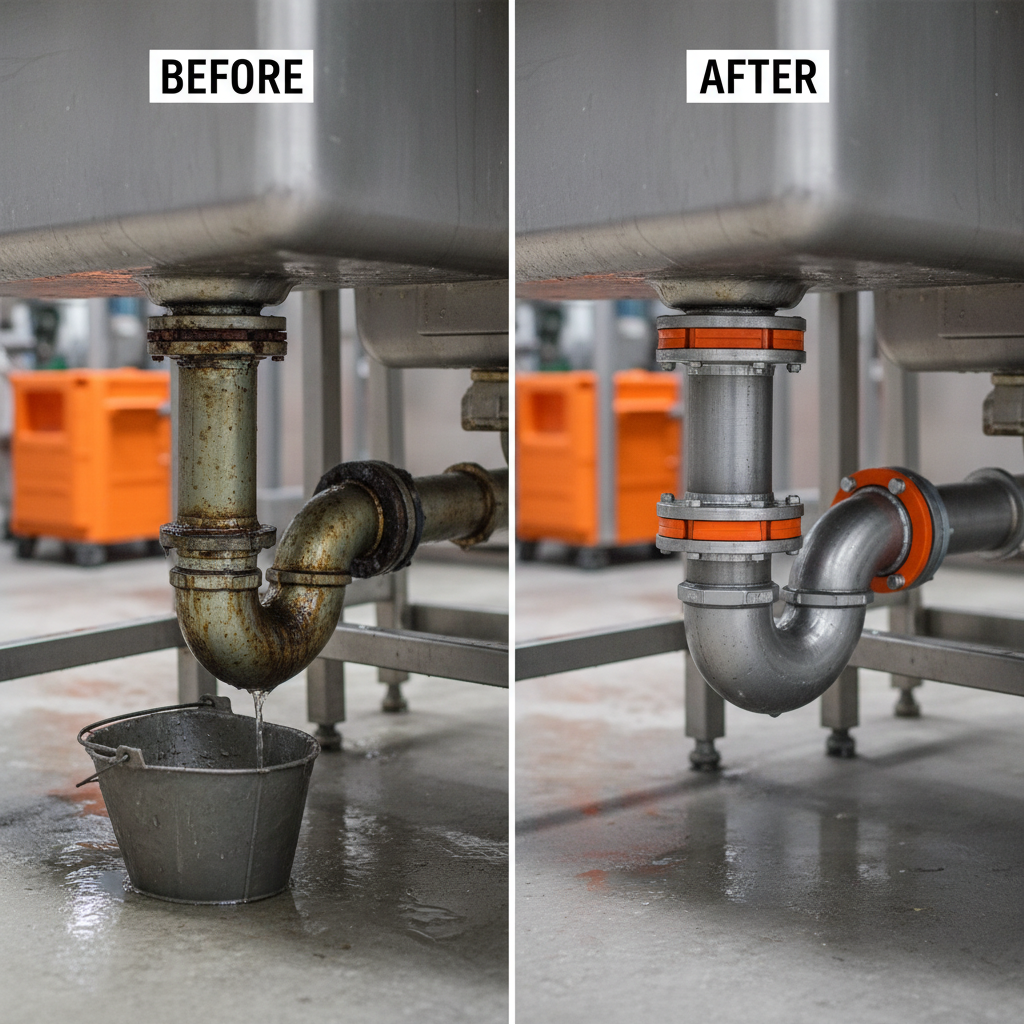
Furthermore, the "meaning" of a professional-grade metal sink drain pipe extends to its ability to withstand extreme thermal expansion and contraction. In commercial settings where boiling water is frequently discharged, the structural integrity of the metal prevents the warping and sagging that typically plague PVC systems, thereby maintaining the necessary slope for gravity-based drainage.
Core Components Ensuring Pipe Durability
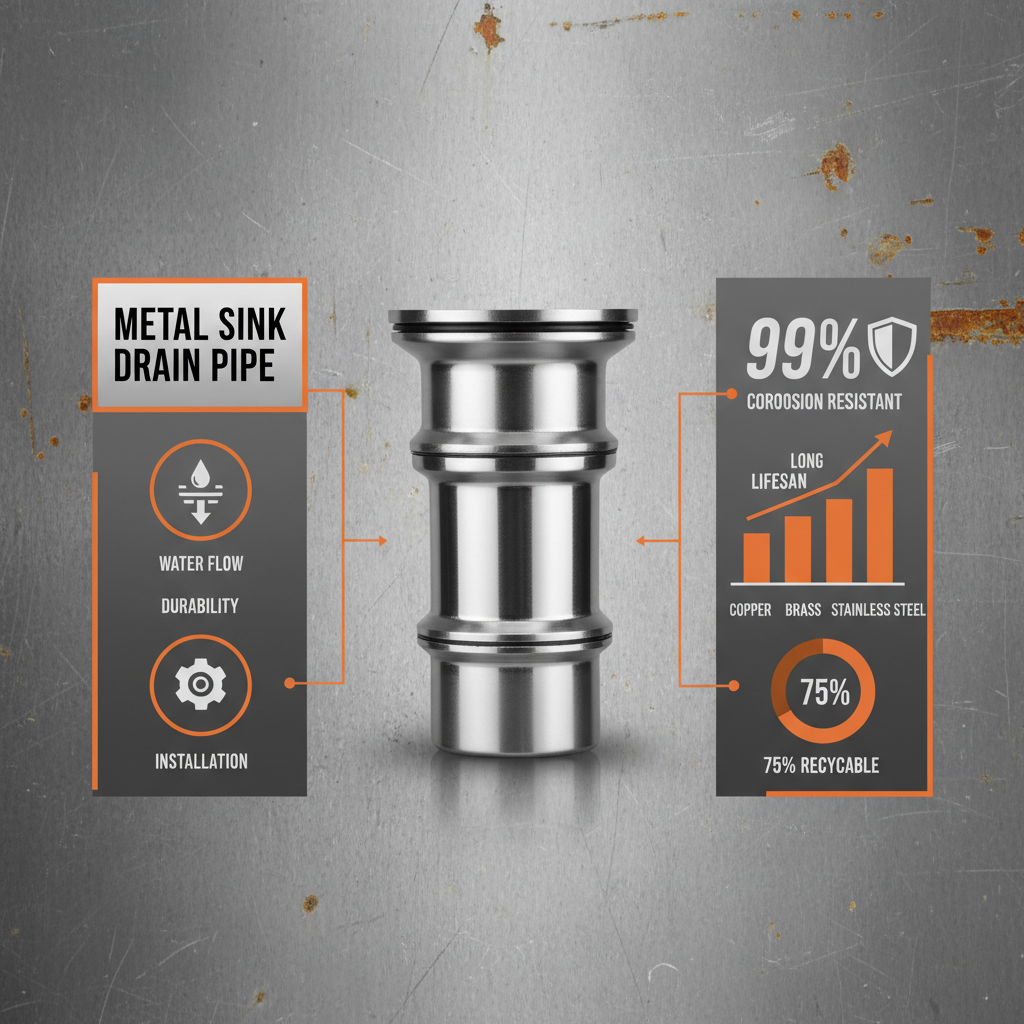
The longevity of a metal sink drain pipe depends heavily on its corrosion resistance. By utilizing chromium-nickel alloys, manufacturers create a passive layer of oxide on the surface that prevents oxygen and moisture from penetrating the base metal. This chemical barrier is what allows these pipes to function for decades without thinning.
Structural scalability is another key factor. A high-performance metal sink drain pipe is designed to integrate seamlessly with various pipe fittings and flanges. This modularity allows for easy expansion of plumbing networks in industrial zones without requiring the complete replacement of the existing drain line.
Finally, cost efficiency is realized through the lens of the total lifecycle cost. While the initial investment in a metal sink drain pipe may be higher than plastic, the elimination of frequent replacements and the prevention of water-damage insurance claims result in a significantly lower cost of ownership over a 20-year period.
Performance Metrics and Efficiency Comparison
Evaluating the efficiency of a metal sink drain pipe requires a look at flow dynamics and pressure tolerance. Metallic surfaces generally offer a lower coefficient of friction compared to aged plastic, which means fewer clogs and a more consistent flow rate. When compared to traditional materials, the structural rigidity of metal ensures that the pipe maintains its precise diameter under external pressure.
To provide a clearer picture of how different metallic configurations perform, we have analyzed five common implementation methods. From high-grade stainless steel to coated alloys, each method offers varying levels of durability, heat resistance, and installation ease, allowing engineers to choose the optimal solution for their specific project needs.
Comparative Performance of Metal Sink Drain Pipe Material Types
Global Applications and Industrial Use Cases
The versatility of the metal sink drain pipe makes it a staple in diverse environments. In high-traffic commercial kitchens in New York or London, stainless steel drainage is mandated by health codes because it can be sterilized with harsh chemicals without degrading. Similarly, in remote industrial mining zones, these pipes are used for their ability to resist heavy impact and extreme temperature fluctuations.
Beyond industrial use, the humanitarian sector utilizes reinforced metal sink drain pipe systems in post-disaster relief operations. In temporary medical clinics or rapid-deployment housing, the ease of connecting standardized metal pipes ensures that sanitation is established quickly and remains secure against the rigors of temporary installation, providing dignity and health to displaced populations.
Long-Term Value and Sustainability Benefits
Investing in a metal sink drain pipe is a commitment to sustainability. Unlike plastic pipes that end up in landfills after a few years of degradation, metallic pipes are 100% recyclable. This creates a circular economy where old drainage systems are melted down and reforged into new components, drastically reducing the carbon footprint of the plumbing industry.
From an emotional and psychological perspective, the use of metal provides a sense of trust and safety. The "solid" feel of a metal installation eliminates the anxiety associated with the fragility of plastic, particularly in luxury residential builds where the cost of a single leak can be astronomical. This reliability fosters a deeper trust between the contractor and the client.
Furthermore, the long-term reliability of the metal sink drain pipe ensures that building infrastructure remains intact for generations. By reducing the need for invasive renovations to fix leaking pipes, property owners preserve the original architectural integrity of their buildings while enhancing the overall property value.
Future Innovations in Metallic Drainage Technology
The future of the metal sink drain pipe lies in the intersection of materials science and digital monitoring. We are seeing the emergence of "smart pipes" embedded with nano-sensors that can detect microscopic leaks or blockages in real-time, alerting maintenance crews before a failure occurs. This integration of IoT technology transforms a passive pipe into an active asset.
Additionally, the development of antimicrobial coatings is revolutionizing hygiene. New metal sink drain pipe variants are being infused with silver ions or copper-based alloys that naturally inhibit the growth of bacteria and mold within the pipe walls. This is a game-changer for hospitals and laboratories where sterile drainage is a critical safety requirement.
As automation increases in manufacturing, 3D printing of complex metallic pipe junctions is becoming a reality. This allows for the creation of custom metal sink drain pipe configurations that optimize flow and reduce turbulence, further increasing the efficiency of wastewater management in complex urban skyscrapers.
Analysis of Metal Sink Drain Pipe Material Evolution and Application
|
Material Grade
|
Corrosion Resistance
|
Typical Lifecycle
|
Primary Use Case
|
|
Stainless Steel 316
|
Ultra-High
|
50+ Years
|
Marine & Chemical Labs
|
|
Stainless Steel 304
|
High
|
30-50 Years
|
Commercial Kitchens
|
|
Chrome-Plated Brass
|
Medium-High
|
20-30 Years
|
High-End Residential
|
|
Galvanized Steel
|
Medium
|
15-25 Years
|
Industrial Warehouses
|
|
Copper Alloy
|
High
|
40-60 Years
|
Historic Renovations
|
|
Coated Aluminum
|
Medium-High
|
20-30 Years
|
Lightweight Prefabs
|
FAQS
Metal options, particularly stainless steel, offer significantly higher heat resistance, durability, and structural strength. While PVC can warp under boiling water or crack due to age and chemical exposure, a metal sink drain pipe maintains its integrity and is far more resistant to punctures and leaks, making it the preferred choice for commercial and high-end residential projects.
Preventing corrosion involves choosing the right material grade—such as using 316 stainless steel for saltwater or chemical environments. Additionally, ensuring proper joint sealing with high-quality gaskets and avoiding the mixing of dissimilar metals (to prevent galvanic corrosion) will keep your metal sink drain pipe in peak condition for decades.
The initial material cost is typically higher than plastic. However, when you factor in the professional installation and the drastically reduced need for future repairs or replacements, the total cost of ownership is lower. Many contractors prefer them because they provide a more secure, leak-proof fit that reduces the risk of costly callbacks.
Yes, this is possible through the use of specialized transition couplings and adapters. These components allow a secure, watertight seal between the metallic section and the polymer section. It is common to use metal for the visible, high-stress areas near the sink and PVC for the long-run drainage lines underground.
Depending on the grade (304 vs 316) and the environment, a high-quality stainless steel metal sink drain pipe can last between 30 to 50 years, and in some cases, even longer. Its resistance to oxidation and mechanical wear makes it one of the most permanent plumbing solutions available today.
Absolutely. Metal pipes are infinitely recyclable, unlike most plastics which can only be downcycled a few times before becoming waste. By choosing a metal sink drain pipe, you are reducing the volume of non-biodegradable waste entering landfills and supporting a more sustainable construction lifecycle.
Conclusion
In summary, the adoption of a high-quality metal sink drain pipe is a strategic decision that balances immediate performance with long-term sustainability. By integrating superior materials like stainless steel and brass, building owners can ensure unmatched durability, resistance to extreme temperatures, and a significant reduction in maintenance overhead. From the rigorous demands of commercial kitchens to the delicate needs of luxury homes, the technical advantages of metallic drainage systems are undeniable.
Looking forward, as we embrace "smart" infrastructure and antimicrobial technologies, the role of the metal sink drain pipe will only become more pivotal in creating healthier, safer, and more efficient living spaces. We recommend that developers and engineers prioritize metallic solutions to future-proof their projects against the failures of traditional piping. To explore our full range of professional piping and fitting solutions, visit our website: www.world-steelmaterial.com.