The global infrastructure landscape relies heavily on the integrity and versatility of the industrial metal pipe, a fundamental component that enables the transport of essential fluids, gases, and energy across continents. From the sprawling networks of oil and gas refineries to the intricate cooling systems of nuclear power plants, these conduits are the silent arteries of modern civilization, ensuring that resources reach their destination safely and efficiently. Understanding the nuances of material selection and engineering standards is not merely a technical requirement but a critical safety imperative for global industry.
As urban centers expand and industrial demands intensify, the pressure on piping systems to withstand extreme temperatures, corrosive environments, and immense pressure has never been higher. The shift toward sustainable energy and advanced manufacturing has pushed the boundaries of metallurgy, leading to the development of high-performance alloys that extend the lifecycle of an industrial metal pipe. This evolution is driven by a global necessity to reduce leakage, prevent environmental catastrophes, and optimize operational uptime in high-stakes environments.
Ultimately, the strategic integration of quality pipe fittings, flanges, and precise tubing allows industries to scale their operations while maintaining rigorous safety standards. By balancing cost-efficiency with structural durability, companies can build resilient systems that support economic growth and technological innovation. Exploring the complexities of industrial piping reveals a sophisticated intersection of chemistry, physics, and mechanical engineering that keeps the world moving.
Global Relevance of Industrial Metal Pipe
The global demand for industrial metal pipe is intrinsically linked to the growth of GDP in emerging economies. According to industrial reports aligned with ISO standards, the precision of piping systems directly correlates with a reduction in operational waste and an increase in energy efficiency. As nations strive to meet the Sustainable Development Goals (SDGs) set by the UN, the focus has shifted toward piping materials that minimize carbon footprints during production and maximize lifespan in the field.
However, the industry faces a persistent challenge: the battle against corrosion and mechanical fatigue. In harsh environments—such as deep-sea oil extraction or chemical processing plants—the failure of a single segment of pipe can lead to catastrophic environmental leaks and massive financial losses. This reality underscores the necessity for rigorous quality control and the adoption of advanced metallurgy to ensure that these systems can withstand the tests of time and nature.
Defining Industrial Metal Pipe and Modern Utility
At its most fundamental level, an industrial metal pipe is a hollow cylinder fabricated from steel, stainless steel, alloy, or other metallic compositions, designed to transport fluids or gases under specific pressure and temperature conditions. Unlike residential plumbing, industrial piping is engineered to handle aggressive chemicals, cryogenic liquids, or superheated steam, requiring precise wall thickness calculations and specialized welding techniques to maintain structural integrity.
Beyond its physical form, these pipes serve as the essential connective tissue for modern industrialization. They are the primary vehicles for the "flow" of commerce—whether it is the transport of crude oil from a refinery to a port or the delivery of high-purity water in a semiconductor fabrication plant. The utility of these systems extends to humanitarian needs as well, such as the rapid deployment of water pipelines in disaster-stricken regions to prevent the spread of waterborne diseases.
The synergy between the pipe itself and its accompanying components—such as flanges, pipe fittings, and valves—creates a comprehensive system. This systemic approach allows engineers to redirect flows, isolate sections for maintenance, and manage pressure surges, turning a simple metal tube into a sophisticated tool for industrial control and safety management.
Core Components of Piping Durability
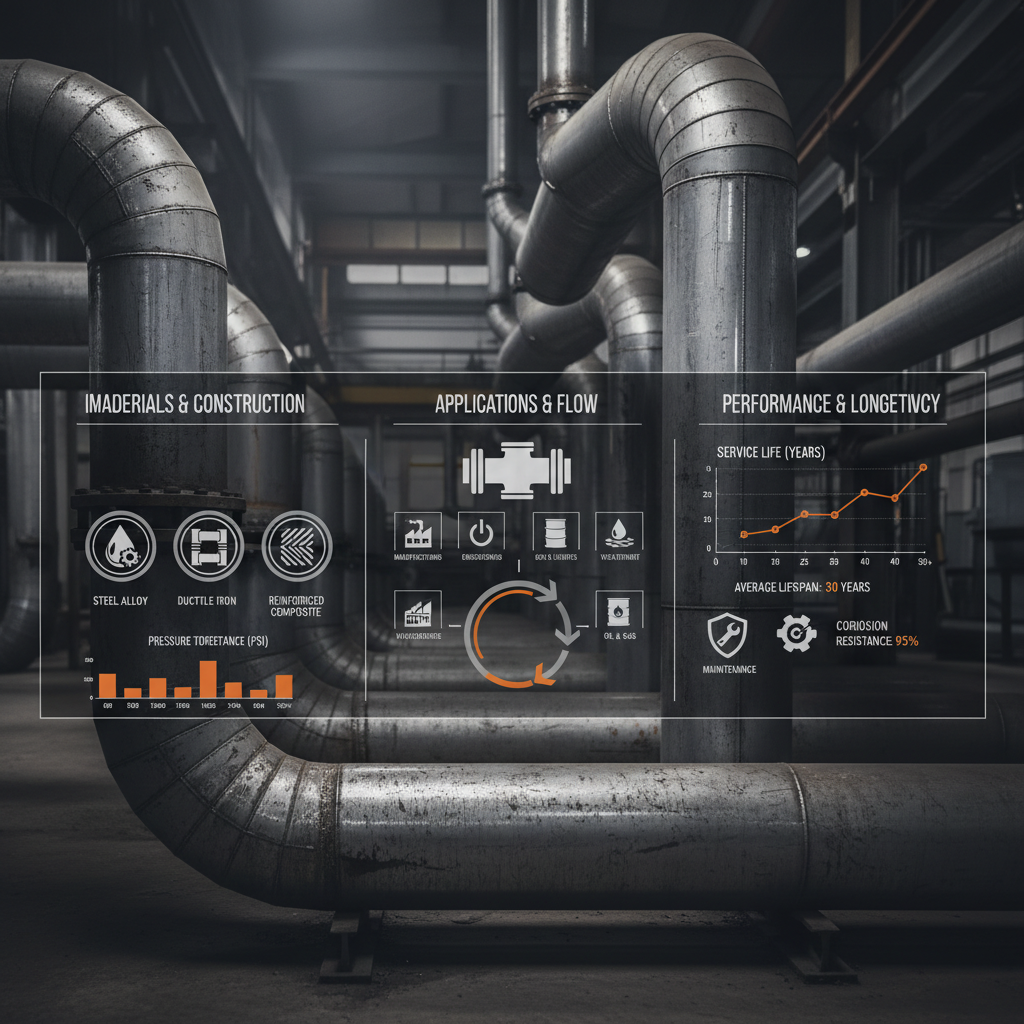
The longevity of an industrial metal pipe begins with material selection. Carbon steel offers unmatched strength and cost-effectiveness for general structural use, while stainless steel provides the essential chromium oxide layer required to resist oxidation in moist or acidic environments. The choice of alloy dictates how the system will react to thermal expansion and contraction.
Wall thickness and scheduling (the "Schedule" or SCH) are the primary determinants of pressure ratings. An industrial metal pipe with a higher schedule number possesses a thicker wall, allowing it to handle significantly higher internal pressures without risking a burst. This is critical in high-pressure steam applications where a failure could be lethal.
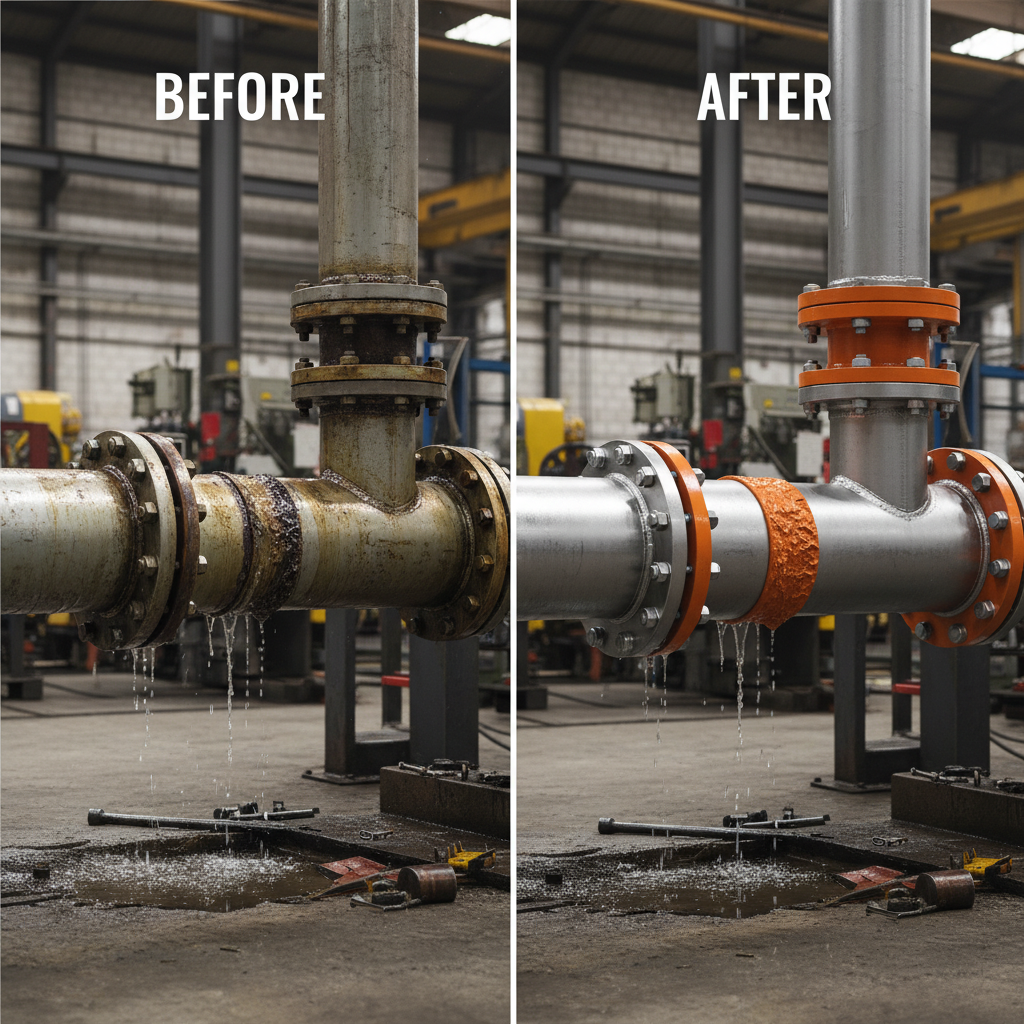
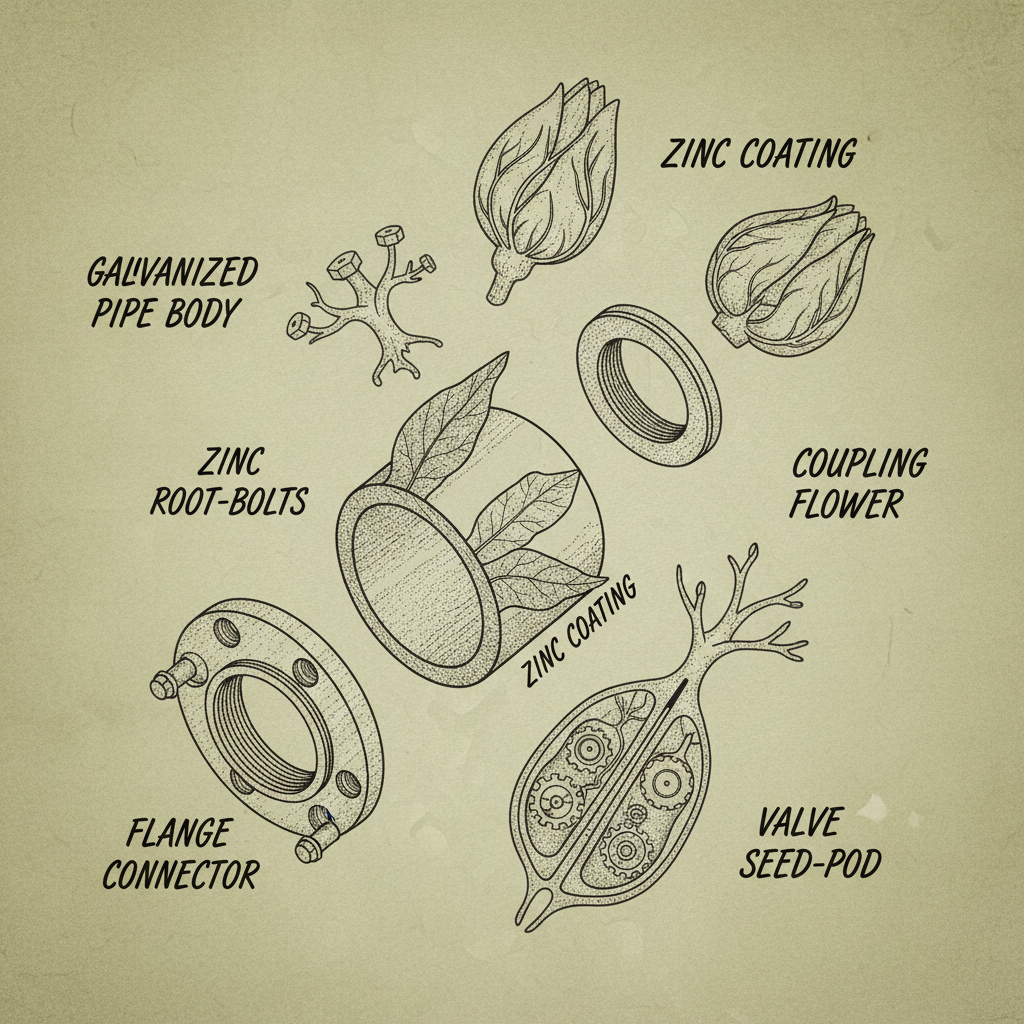
Surface treatment and coating represent the final line of defense. Whether it is galvanization, epoxy coating, or internal lining, these processes prevent the metal from interacting with corrosive external soil or internal chemical agents. Without these protective layers, even the highest grade of metal would eventually succumb to pitting and stress-corrosion cracking.
Strategic Performance Factors in Piping
When evaluating the performance of an industrial metal pipe, engineers look beyond simple strength. They analyze the "ductility-to-strength" ratio, which determines how the pipe behaves during seismic events or ground shifts. A pipe that is too brittle will crack under stress, while one with appropriate ductility will deform slightly, providing a critical warning window before a total breach occurs.
Furthermore, the scalability of the piping network depends on the precision of the fittings and flanges used. Standardized dimensions ensure that systems can be expanded or modified without requiring a complete overhaul of the existing infrastructure, thereby reducing long-term capital expenditure and operational downtime.
Performance Metrics of Industrial Metal Pipe Varieties
Global Applications and Industry Use Cases
The application of industrial metal pipe spans virtually every heavy industry. In the petrochemical sector, these pipes are used to transport volatile hydrocarbons under extreme heat, necessitating alloys that resist hydrogen embrittlement. In the pharmaceutical industry, high-grade stainless steel tubing is mandated to ensure that no metallic contaminants leach into the medicine, maintaining a sterile environment through "electro-polishing" of the internal surfaces.
Beyond traditional factories, we see these solutions in remote industrial zones and post-disaster relief. For instance, during the rapid reconstruction of water networks in earthquake-affected areas, modular metal piping systems allow for fast deployment and high reliability, providing clean water to thousands of displaced people when traditional concrete infrastructure has failed.
Long-Term Value and Reliability Benefits
Investing in a high-quality industrial metal pipe is a decision that balances immediate cost against long-term operational risk. While lower-grade materials may offer a cheaper initial price point, the total cost of ownership (TCO) is often significantly higher due to frequent replacements, corrosion-related leaks, and the potential for unplanned shutdowns that can cost companies millions of dollars per hour.
Reliability translates directly into safety and trust. In high-pressure environments, the psychological peace of mind provided by certified, traceable materials (such as those meeting ASTM or ASME standards) is invaluable. When an operator knows that their piping system is rated for 1.5x the maximum operating pressure, they can focus on production optimization rather than disaster mitigation.
Furthermore, metal pipes offer a sustainable end-of-life advantage. Unlike plastic piping, which often ends up in landfills, steel and alloy pipes are 100% recyclable. This creates a circular economy where old industrial infrastructure is melted down and reforged into new components, reducing the need for virgin ore mining and lowering the overall carbon footprint of the manufacturing sector.
Future Trends in Industrial Piping Technology
The future of the industrial metal pipe is being reshaped by the "Industrial Internet of Things" (IIoT). Smart piping is becoming a reality, with sensors embedded into the pipe walls or integrated into flanges to monitor flow rates, pressure drops, and corrosion levels in real-time. This shift from reactive to predictive maintenance allows companies to fix a weak point before it becomes a leak.
Material science is also evolving with the introduction of nano-coatings. These advanced layers can make the interior of a metal pipe virtually frictionless or completely impervious to the most aggressive acids, further extending the lifespan of the infrastructure. Additionally, the rise of green hydrogen as an energy source is driving the demand for pipes that can handle hydrogen's unique tendency to leak through the crystalline structure of standard steel.
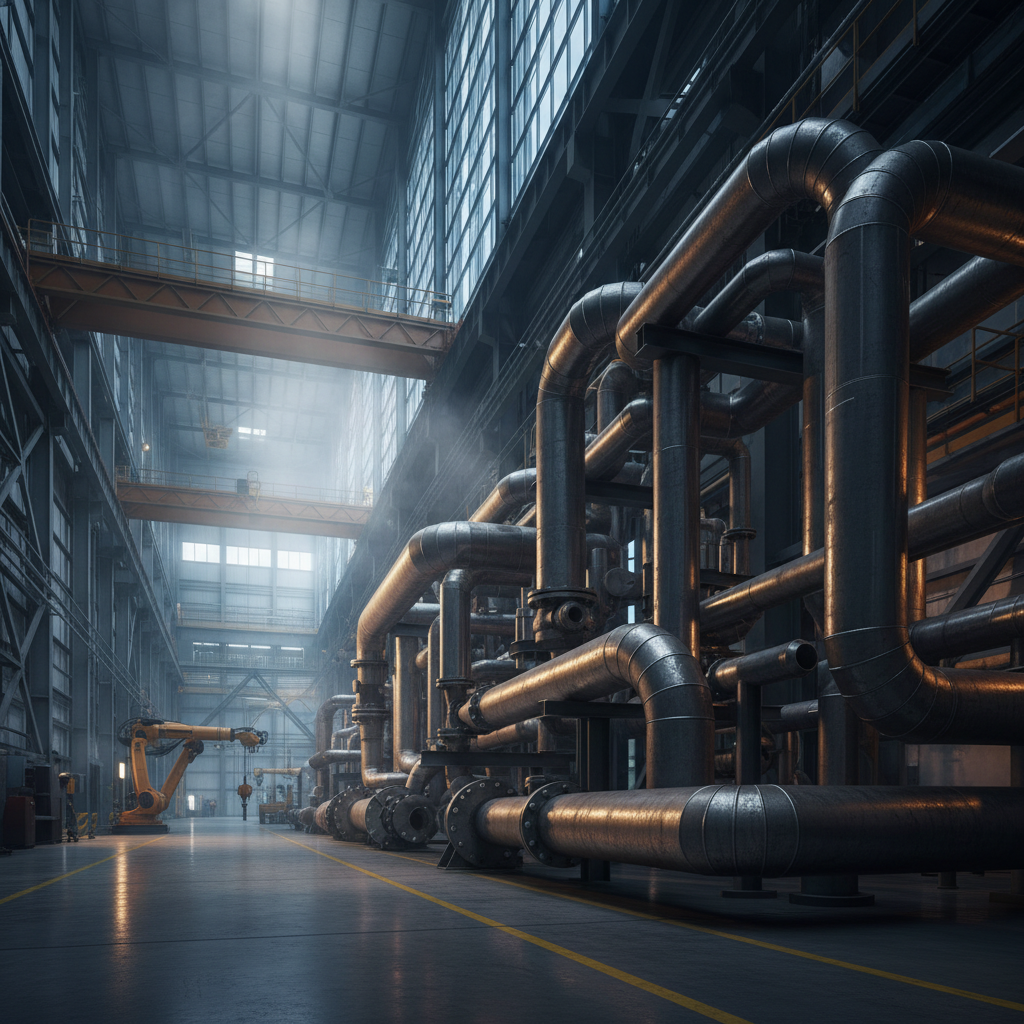
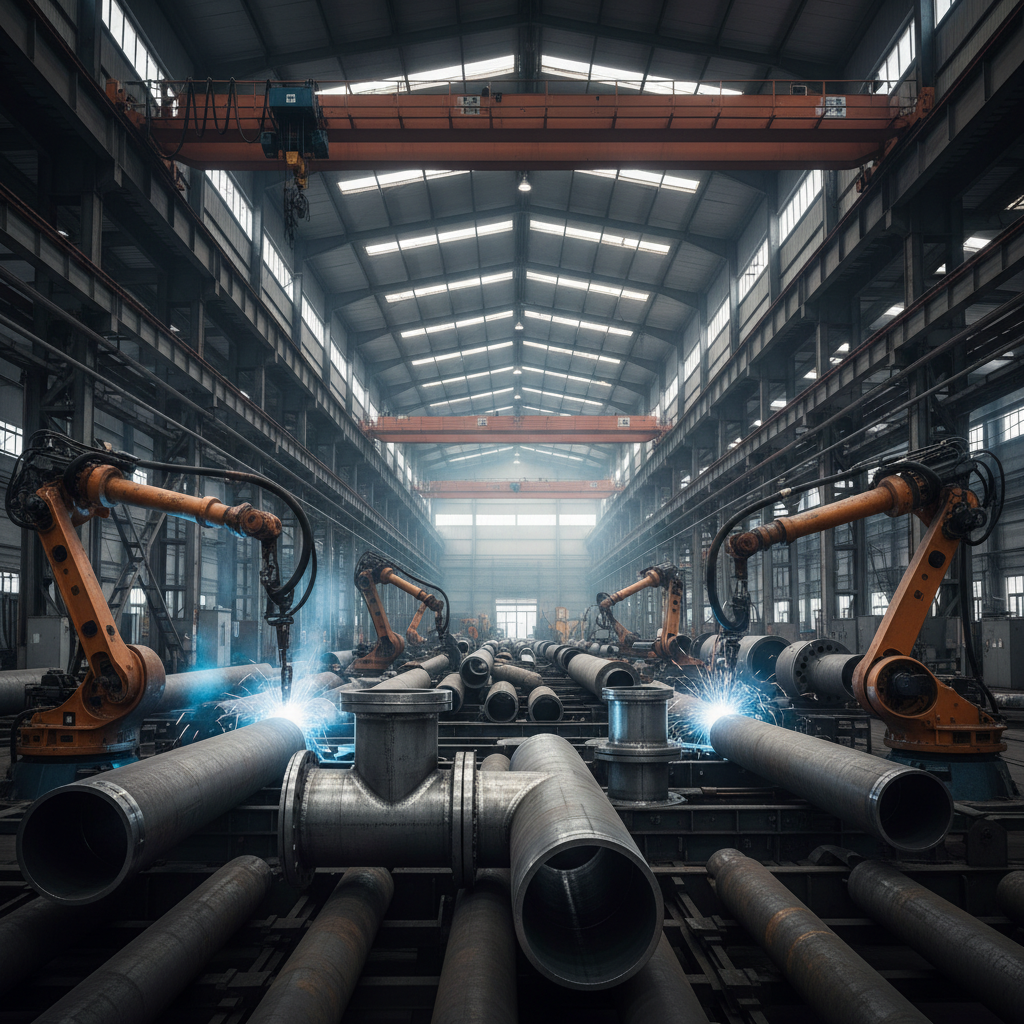
Automation in manufacturing, such as robotic laser welding and 3D metal printing for complex pipe fittings, is reducing human error and increasing the precision of joins. This ensures that every connection in a pipeline is as strong as the pipe itself, eliminating the "weakest link" problem that has plagued industrial piping for decades.
Comparative Analysis of Industrial Piping Materials and Trends
| Material Type |
Corrosion Resistance |
Pressure Capacity |
Eco-Sustainability |
| Carbon Steel |
Moderate (with coating) |
High |
Fully Recyclable |
| Stainless Steel 316 |
Very High |
Moderate to High |
High Value Scrap |
| Alloy Steel |
High (Temperature based) |
Very High |
Recyclable |
| Galvanized Steel |
High (External) |
Moderate |
Recyclable |
| Duplex Steel |
Extreme |
Very High |
Sustainable Long-term |
| Nickel Alloys |
Maximum |
High |
Rare Metal Recovery |
FAQS
The "schedule" refers to the wall thickness of the pipe. To choose correctly, you must calculate the maximum internal pressure your system will encounter, the temperature of the fluid, and the material's allowable stress. A higher schedule (e.g., SCH 80 vs SCH 40) provides a thicker wall, which increases the pressure rating and offers more "corrosion allowance," extending the time before the wall becomes dangerously thin.
Not necessarily. While stainless steel offers superior corrosion resistance, carbon steel is significantly more cost-effective and often stronger for high-pressure structural applications where corrosion can be managed with coatings or cathodic protection. The choice depends on the chemical composition of the transported medium and the environmental exposure of the piping.
Lifespans vary wildly based on maintenance and environment. A well-maintained carbon steel system in a controlled environment can last 20-30 years. High-grade stainless steel or alloy systems in corrosive environments may last 50 years or more if proper cathodic protection and periodic inspections (such as ultrasonic testing) are performed.
Prevention involves a three-pronged approach: choosing the correct metallurgy (e.g., using 316 stainless for marine environments), applying protective coatings (like fusion-bonded epoxy), and implementing cathodic protection. Cathodic protection uses a sacrificial anode or an impressed current to ensure the pipe remains the cathode in the electrochemical cell, preventing the metal from oxidizing.
Hydrogen is a very small molecule that can permeate the crystalline structure of standard carbon steel, leading to "hydrogen embrittlement" and cracking. For hydrogen transport, specialized alloy steels or pipes with internal polymer liners are required to maintain safety and prevent leakages.
Always look for certifications from recognized bodies such as ASTM (American Society for Testing and Materials) and ASME (American Society of Mechanical Engineers). These ensure the material meets specific chemical and mechanical properties. Additionally, MTRs (Material Test Reports) should be provided for every batch to ensure traceability and quality assurance.
Conclusion
The industrial metal pipe remains the indispensable foundation of global industrial infrastructure, bridging the gap between raw resource extraction and refined product delivery. By integrating high-performance metallurgy, precise fitting standards, and a forward-thinking approach to sustainability, industries can ensure their operations are not only efficient but safe and environmentally responsible. The journey from simple carbon steel to "smart" piping systems illustrates a relentless pursuit of reliability in an increasingly complex world.
Looking forward, the integration of IIoT and advanced nano-materials will likely eliminate the traditional risks associated with piping failure, transforming these systems into active data sources for plant management. For companies seeking to future-proof their operations, investing in certified, high-durability piping solutions is the most effective strategy for long-term stability. We invite you to explore our comprehensive range of piping solutions to secure your industrial future. Visit our website: www.world-steelmaterial.com