You know, things are moving fast these days. Everyone's talking about prefabrication, modular designs… honestly, it’s all about speed to market now. Clients want everything yesterday. But I've been on enough sites to tell you, speed doesn’t equal quality. It’s a balancing act, and a tricky one at that. And the whole "smart factory" push? It’s good in theory, but sometimes the guys on the ground need a little more flexibility than a fully automated line can give them.
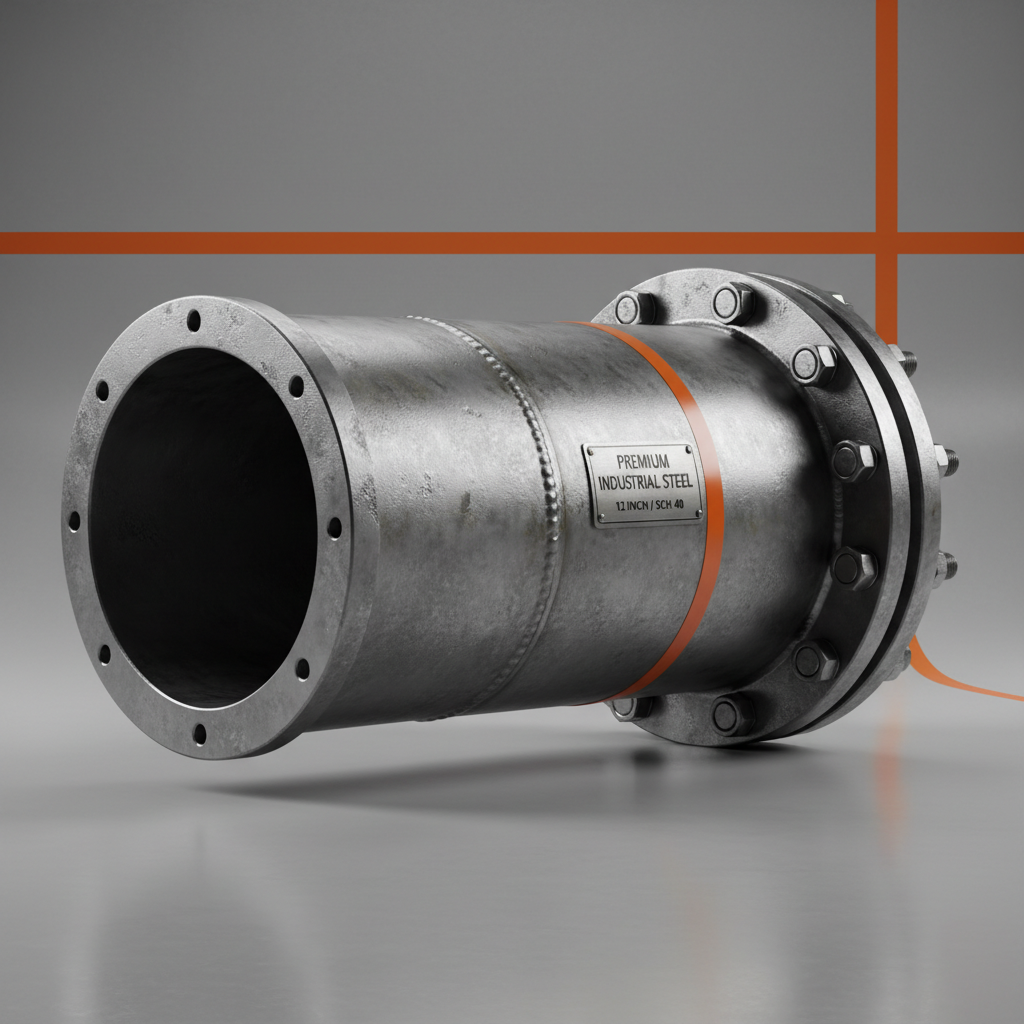
I swear, I see the same mistakes crop up again and again. People over-engineer things, try to be too clever with the design. Take flanges, for example. So many designs look great on paper, but then you try to actually bolt them together in the field with a wrench… and it’s a nightmare. Too much interference, awkward angles. Keep it simple, that’s what I always say.
We mostly work with carbon steel, obviously, but there's been a push for more stainless lately, especially for the food processing plants. That 304, it smells... clean, if that makes any sense. Not like the oily tang of the carbon steel. And the weight difference is noticeable. Carbon steel, you feel it in your hands, it's got heft. Stainless feels almost… flimsy until you get used to it. But the cost, oh man, the cost. It adds up quick.
Industry Trends and Common Pitfalls
To be honest, the biggest trend I’m seeing is everyone wanting to cut corners. It’s not about building something to last anymore, it’s about hitting a price point. And that leads to… well, let’s just say I spend a lot of time fixing things that shouldn’t be broken after six months. Have you noticed how much thinner the wall thickness is getting on some of these pipes? It’s scary.
The biggest design trap? Overcomplicating things. Engineers love to add features, and I get it, I do. But sometimes, the simplest solution is the best. And honestly, I’ve seen too many designs that look amazing on CAD but are a total pain to assemble in the real world. They forget that someone has to actually build this stuff.
Material Selection: A Hands-On Perspective
We stick with Schedule 40 carbon steel for most of our general purpose piping. It's reliable, readily available, and the welders know how to work with it. The smell… well, it's the smell of a job site, right? A bit oily, a bit metallic. You get used to it. For corrosive environments, like chemical processing, we go with stainless, usually 316. It’s a pain to weld, requires more skill, but it holds up. I encountered a situation at a fertilizer factory last time where they'd tried to cheap out and use a lower grade stainless... it corroded through in under a year. A costly mistake.
Then there's HDPE. Plastic pipe. I'm still not entirely sold on it, to be honest. It feels... wrong. Too light, too flexible. I always worry about long-term creep under pressure. But it’s gotten better. The newer formulations are stronger, and it’s great for underground applications where corrosion is a major concern. But try getting a seasoned pipefitter to trust it. That's the challenge.
And don’t even get me started on copper. It's beautiful, sure, but the price is insane. And theft is a real problem. It vanishes from job sites faster than you can blink.
Real-World Testing and Quality Control
Lab tests are fine, but they don't tell the whole story. I'm talking hydrostatic testing, pressure cycling, fatigue testing, all that good stuff. But the real test is seeing how it holds up on site. We do a lot of visual inspections, of course. Look for weld defects, corrosion, any signs of damage during shipping or installation. Strangely, the packaging is often the first thing to fail.
We’ll take random samples and do some field welding. Let the welders have at it, see if they can get a good, solid weld. If they struggle, that's a red flag. We also do non-destructive testing – dye penetrant inspection, ultrasonic testing – to check for subsurface flaws. It adds time and cost, but it’s worth it to avoid a major failure down the line.
I once saw a batch of pipes that passed all the lab tests, but when we started installing them, they were slightly out of round. Nothing major, but enough to make it a pain to fit everything together. It turned out the manufacturing process wasn't consistent enough. Little things like that can cause a huge headache.
User Application: The Field Reality
You wouldn’t believe how people misuse this stuff. I saw a guy using a pipe wrench as a hammer last week. A hammer! And then he complained when the fitting got damaged. Anyway, I think a lot of engineers underestimate how rough things get on a construction site. Things get dropped, run over, banged into. It’s not a sterile environment.
They also don’t always follow the instructions. They’ll overtighten fittings, use the wrong type of sealant, or try to force things that don’t fit. That’s why training is so important. And why I always carry a spare set of wrenches and a roll of Teflon tape.
Pipe Factory Performance Metrics
Advantages, Disadvantages, and Customization
The biggest advantage of a well-designed pipe system? Reliability. If it’s done right, you don’t even notice it. It just… works. And that’s the goal. But the disadvantages are always there – cost, weight, potential for corrosion. It's always a trade-off.
Customization? We do a lot of it. Flange sizes, pipe lengths, material specifications… Last month, a small boss in Shenzhen who makes smart home devices insisted on changing the interface to , even though it was completely unnecessary for the application. The result? Delays, extra cost, and a lot of wasted time. He wanted it to look modern, that was all.
A Customer Story: The Debacle
That Shenzhen guy, I told you about him? Yeah, he was convinced was the future of everything, even plumbing. He wanted all the connections to be , even for the drain lines! I tried to explain it wouldn’t work, that it wasn’t suitable for the application. He wouldn’t listen.
He insisted on it, added two weeks to the schedule, and cost him a small fortune in custom tooling. In the end, he realized his mistake, but by then, the damage was done. It was a classic case of form over function. Later… forget it, I won’t mention it. The point is, some clients just need to be managed.
It's a reminder that sometimes the best thing you can do is say “no.” Or at least, “that’s probably not a good idea.”
Core Performance Parameters
We track a few key things: corrosion resistance, pressure rating, tensile strength, and ease of installation. Those are the big ones. And of course, cost. It all comes down to cost, doesn't it?
There are so many variables, it’s hard to give a definitive answer. It depends on the application, the environment, the materials used…
Ultimately, whether this thing works or not, the worker will know the moment he tightens the screw.
Summary of Key Performance Indicators for Pipe Factory Systems
| Parameter |
Testing Method |
Acceptable Range |
Impact on Overall System |
| Corrosion Resistance |
Salt Spray Test, Immersion Test |
> 1000 hours, Minimal pitting |
Long-term system reliability |
| Pressure Rating |
Hydrostatic Test |
1.5x Operating Pressure |
System safety and operational limits |
| Tensile Strength |
ASTM E8 |
> 50 ksi |
Structural integrity and load bearing |
| Weld Quality |
Visual Inspection, Radiographic Testing |
No cracks, porosity, or inclusions |
Joint strength and leak prevention |
| Installation Time |
Time Study |
Target:
|
Project schedule and cost control |
| Material Compliance |
Mill Test Reports, Chemical Analysis |
Meets specified ASTM standards |
Regulatory compliance and product traceability |
FAQS
Lead times vary quite a bit depending on the complexity of the order and our current workload. Generally, for standard materials and sizes, we're looking at around 2-3 weeks. But for something truly custom, with specialized materials or intricate designs, it can easily be 6-8 weeks or even longer. It really depends. The biggest bottleneck is usually getting the raw materials, especially stainless.
We primarily rely on certified welders and rigorous inspection procedures. We require all our welders to be up-to-date with their certifications and follow strict welding procedures. During installation, we perform visual inspections, and often conduct non-destructive testing, like dye penetrant inspection, to verify the weld integrity. We also work closely with the site supervisor to ensure proper fit-up and alignment before welding even begins.
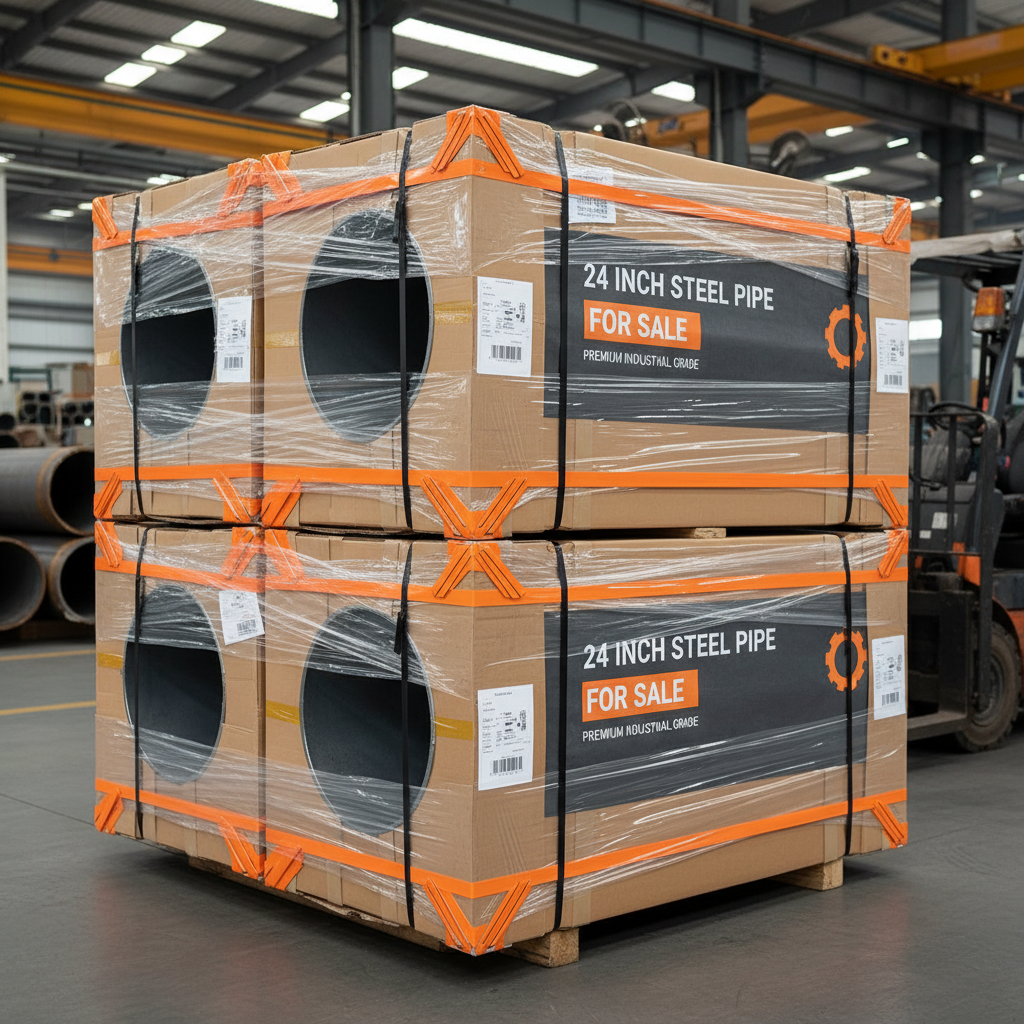
Proper packaging is crucial. We generally use end caps to prevent damage to the pipe ends, and we wrap the entire bundle in protective plastic. For long-distance shipping, we recommend crating the pipes to provide extra protection against impact and corrosion. During storage, it's important to keep the pipes dry and covered, preferably on a raised platform to prevent direct contact with the ground. And avoid stacking them too high!
Yes, we can. We have experience fabricating with a wide range of exotic materials, including Inconel, Hastelloy, and various other nickel alloys. However, working with these materials requires specialized equipment, skilled welders, and strict quality control procedures. It’s significantly more expensive than working with carbon steel or stainless, and the lead times are generally longer. We need to be upfront about those costs.
We stand behind the quality of our products. If you receive defective materials, or if there's a manufacturing defect, we'll gladly replace them at no cost to you. However, we require you to notify us within 7 days of receiving the shipment and provide clear documentation of the defect, like photos or videos. Damage caused by improper installation or handling is not covered.
We do, but it depends on the location and the scope of the work. We can mobilize a team of skilled welders and fabricators to your site for complex projects that require on-site modifications or repairs. However, on-site fabrication is generally more expensive than shop fabrication, due to the added logistics and labor costs. We'll assess the project requirements and provide a detailed quote before proceeding.
Conclusion
So, that's the world of pipe fabrication in a nutshell. It’s a messy business, full of compromises and unexpected challenges. But at the end of the day, it's about providing reliable, durable systems that keep things flowing. It's about understanding the materials, the processes, and the needs of the people who actually have to work with them.
I think the future lies in better communication between engineers, fabricators, and the field crews. We need to work together to design systems that are not only efficient and cost-effective, but also practical and easy to install. Ultimately, whether this thing works or not, the worker will know the moment he tightens the screw. Visit our website at world-steelmaterial.com to learn more about our services and how we can help you with your next project.