

ASTM Stainless Steel Tube: A Comprehensive Guide
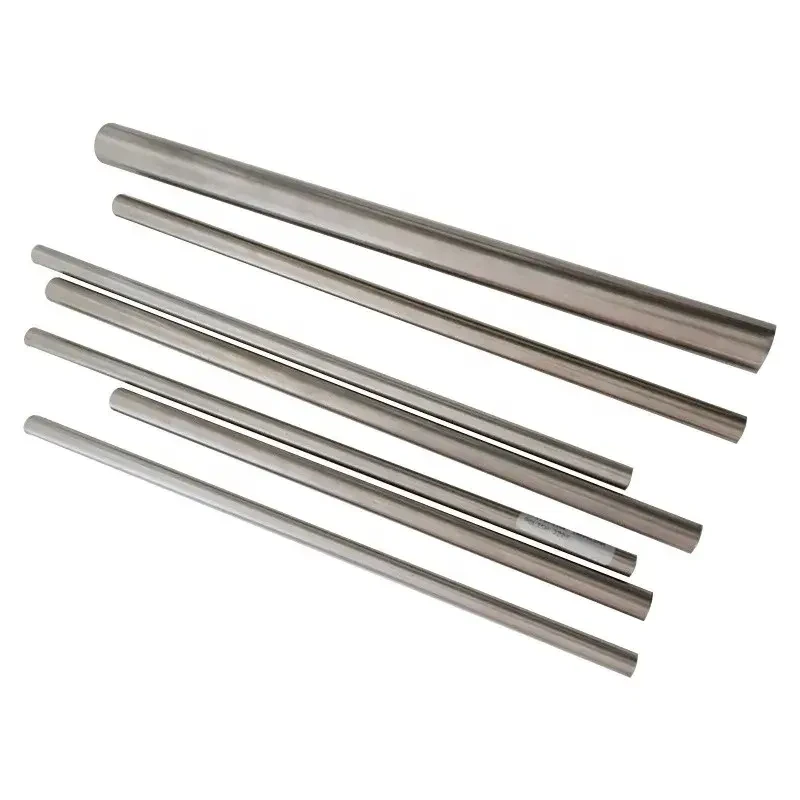
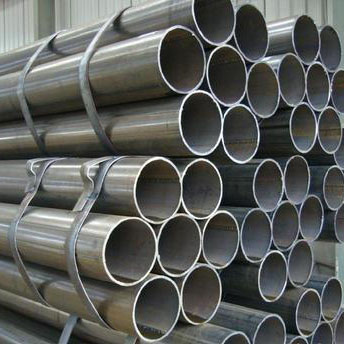
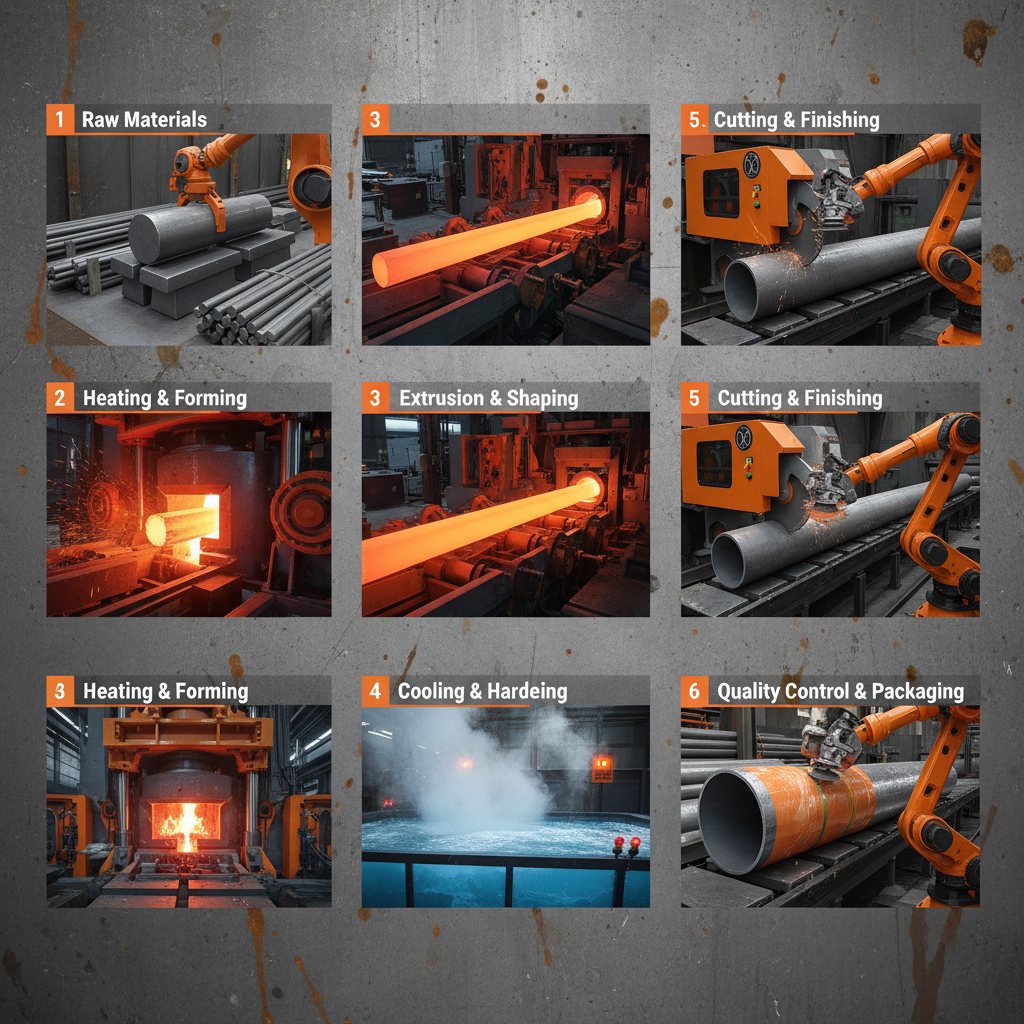
Stainless steel tubing, particularly those manufactured to ASTM standards, plays a crucial role in numerous industries, from construction and automotive to food processing and medical applications. This article will delve into the world of ASTM stainless steel tubes, exploring their properties, grades, applications, and the importance of choosing the right tube for your specific needs. Understanding these factors is paramount for ensuring optimal performance, longevity, and safety in your projects. We’ll also highlight where to source high-quality stainless steel tubes.

Understanding ASTM Standards for Stainless Steel Tubes
ASTM International develops and publishes technical standards for a wide range of materials, including stainless steel. These standards ensure quality, consistency, and reliability. Several ASTM standards apply to stainless steel tubes, each defining specific requirements for chemical composition, mechanical properties, dimensions, and testing procedures. Common standards include ASTM A312 (seamless and welded austenitic stainless steel pipes), ASTM A554 (welded stainless steel pipes), and ASTM A778 (ferritic and austenitic stainless steel seamless and welded tubes). Adhering to these standards ensures that the tubes meet the necessary specifications for their intended applications. World-SteelMaterial.com provides tubes that are fully compliant with relevant ASTM standards.
Key Takeaway: ASTM standards guarantee that stainless steel tubes possess the required properties for safe and effective use in diverse applications.
Common Grades of ASTM Stainless Steel Tube
Stainless steel comes in various grades, each offering a unique combination of properties. The most common grades used for tubing include 304/304L, 316/316L, and 410. 304/304L is a versatile, corrosion-resistant grade widely used in food processing, chemical industries, and general fabrication. 316/316L offers superior corrosion resistance, particularly in chloride environments, making it suitable for marine applications and pharmaceutical processing. 410 is a martensitic grade known for its strength and hardness, often used in applications requiring wear resistance. Selecting the appropriate grade depends on the specific environment and performance requirements of the application.
Stainless Steel Grade Comparison:
• 304/304L: Excellent corrosion resistance, versatile, cost-effective.
• 316/316L: Superior corrosion resistance, especially in chlorides.
• 410: High strength and hardness, wear resistant.
ASTM 304 vs. 316 Stainless Steel Tube: A Detailed Comparison
Choosing between ASTM 304 and 316 stainless steel tube often depends on the corrosiveness of the operating environment. 316 stainless steel contains molybdenum, which significantly enhances its resistance to chloride corrosion—a critical factor in marine, chemical processing, and pharmaceutical applications. While 304 is excellent in many environments, 316 provides a greater safety margin in harsh conditions. The price difference between the two grades should also be considered, but prioritizing long-term reliability and performance is often the most cost-effective approach.
Applications of ASTM Stainless Steel Tubing
The applications of ASTM stainless steel tubing are incredibly diverse. In the construction industry, it’s used for railings, handrails, and structural supports. The automotive industry utilizes it for exhaust systems and fluid transfer lines. Food and beverage processing relies on its hygienic properties for piping and conveying systems. Medical applications benefit from its biocompatibility and sterilization capabilities. Furthermore, it finds use in aerospace, oil and gas, and many other specialized industries. World-SteelMaterial.com caters to a broad spectrum of these industries with its comprehensive inventory.
Selecting the Right Supplier: World-SteelMaterial.com
Choosing a reputable supplier is crucial for ensuring you receive high-quality ASTM stainless steel tubing. World-SteelMaterial.com is a trusted provider, offering a wide range of sizes, grades, and finishes, all compliant with relevant ASTM standards. We prioritize quality control, competitive pricing, and excellent customer service. We are committed to delivering the materials you need, when you need them, to keep your projects on track.
Conclusion: Ensuring Quality and Reliability with ASTM Stainless Steel Tubes
Investing in ASTM-compliant stainless steel tubing from a reliable supplier like World-SteelMaterial.com is a cornerstone of successful projects. By understanding the various grades, standards, and applications, you can make informed decisions that prioritize performance, durability, and safety. Don't compromise on quality—choose the right tube for your needs.
Frequently Asked Questions (FAQs)
What is the difference between seamless and welded stainless steel tubing?
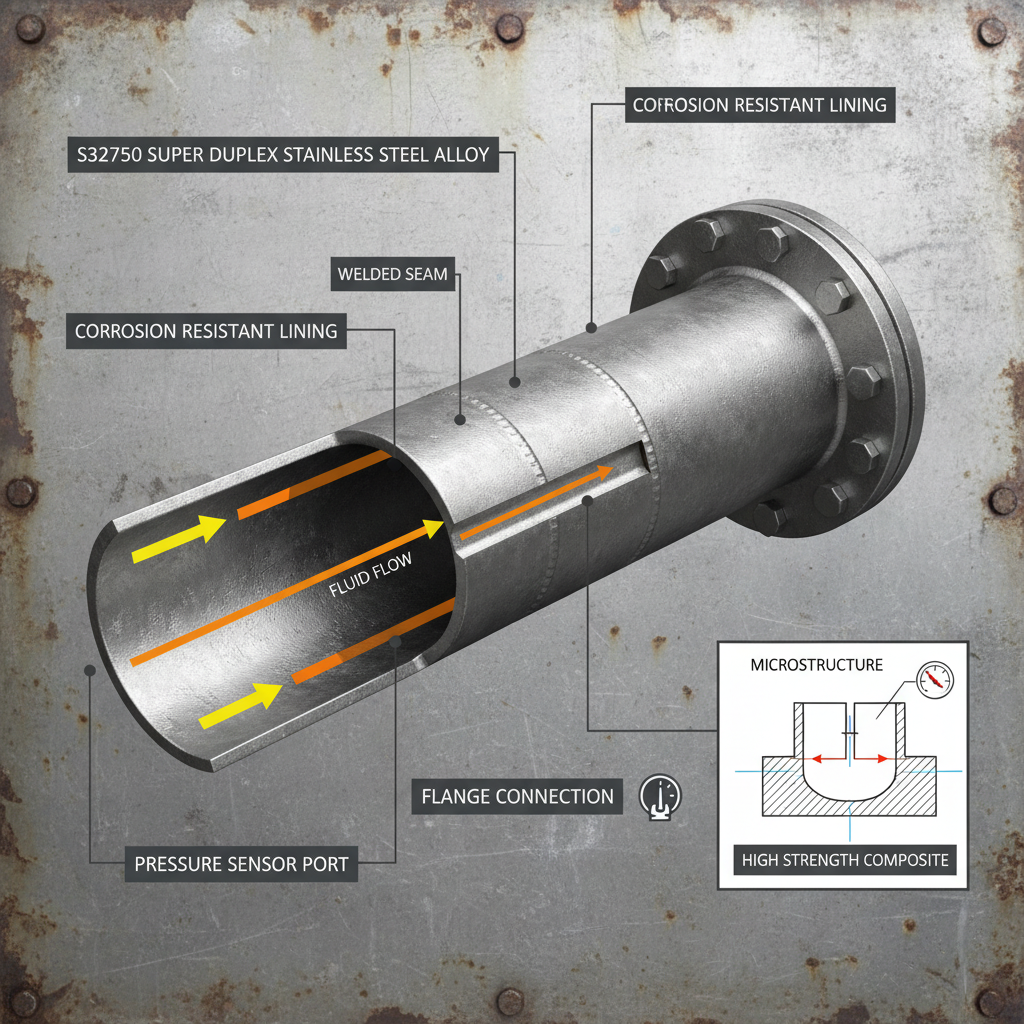
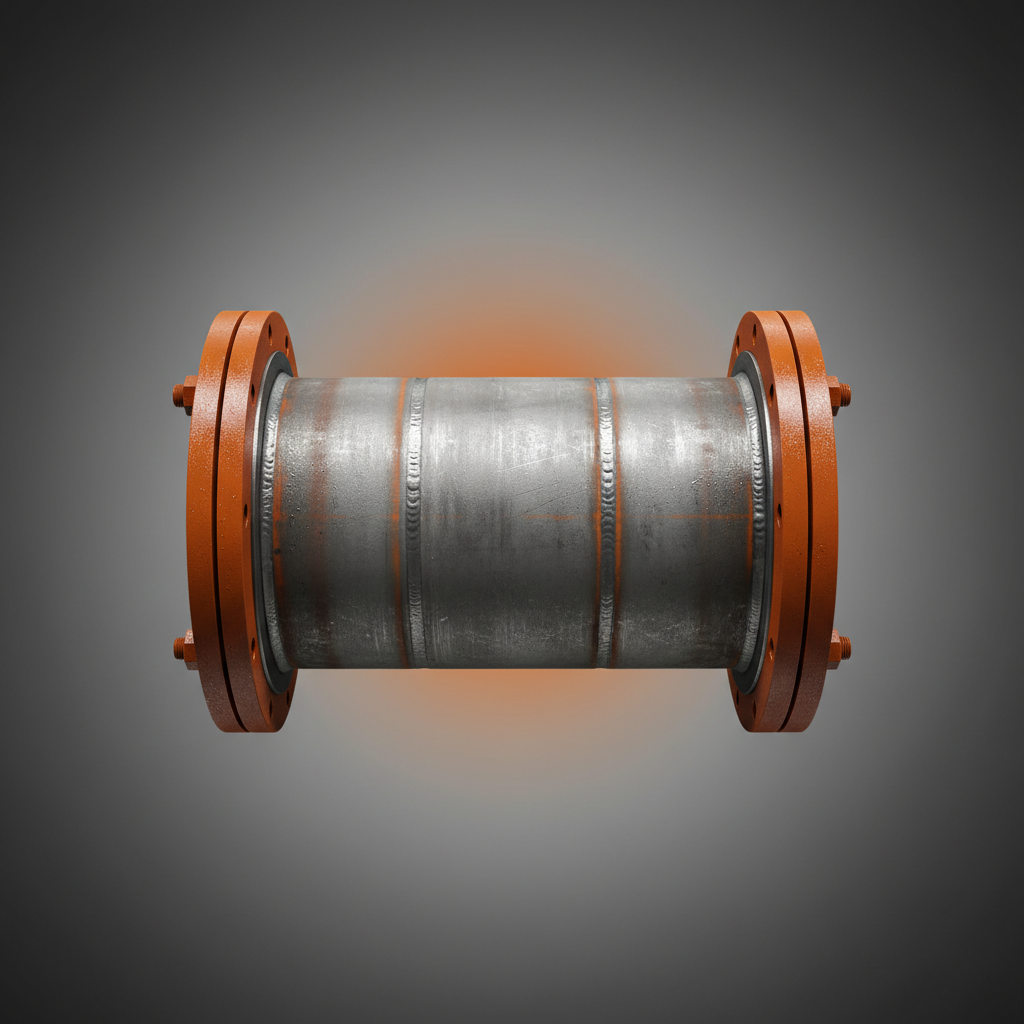
Seamless tubing is manufactured without a welded seam, offering superior strength and resistance to pressure. Welded tubing is made by forming a sheet of stainless steel and welding the seam. While generally less expensive, welded tubing may have slightly lower strength and corrosion resistance in the weld area. The choice depends on the application’s pressure and corrosion requirements. For critical applications, seamless tubing is often preferred.
What are the benefits of using stainless steel over other metals for tubing?
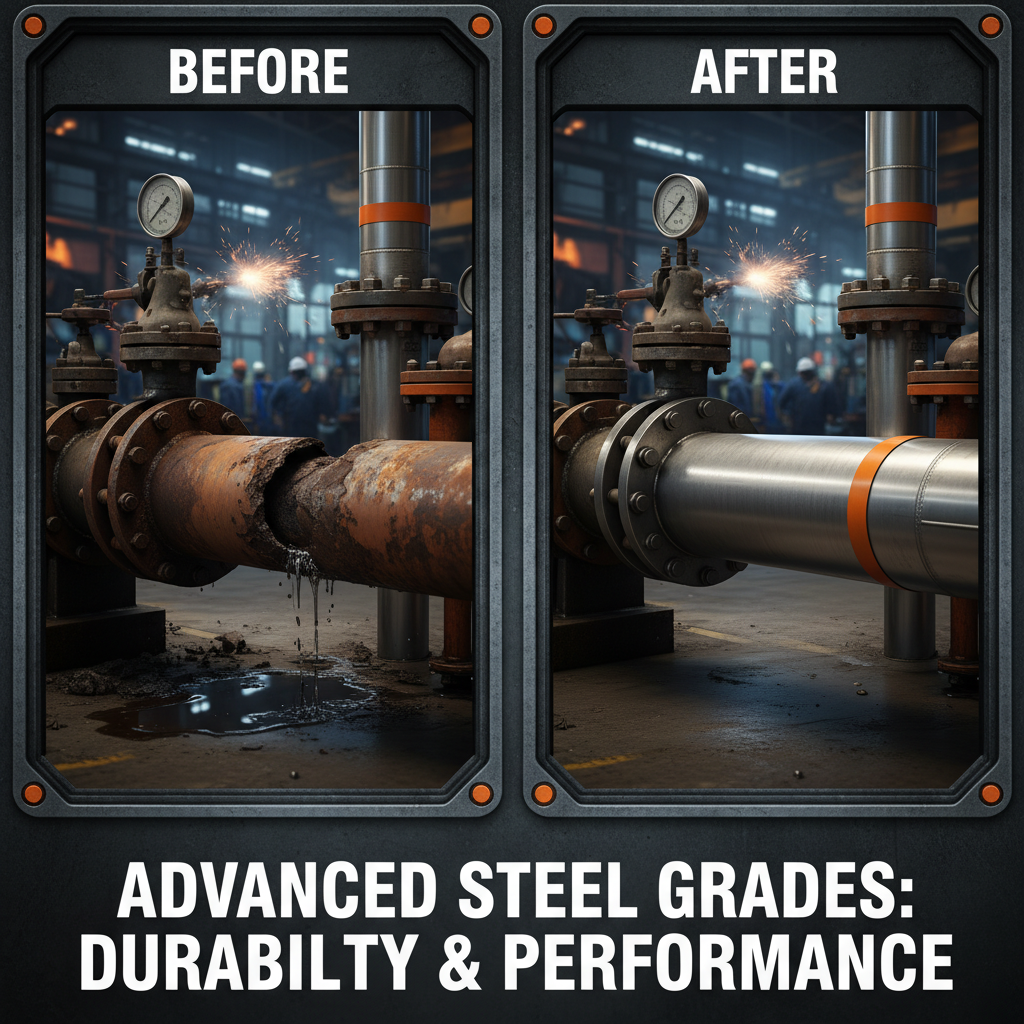
Stainless steel offers exceptional corrosion resistance, high strength-to-weight ratio, and hygienic properties. Unlike carbon steel, it doesn't rust easily, reducing maintenance costs and extending its lifespan. Its versatility allows it to be used in a wide range of applications, and it’s also recyclable. The initial cost may be higher than other metals, but the long-term benefits often outweigh the investment.
How do I determine the correct wall thickness for my application?
Determining the correct wall thickness requires considering the operating pressure, temperature, and the corrosive nature of the fluid or environment. Higher pressures and temperatures necessitate thicker walls. Consulting with a qualified engineer or a stainless steel tubing supplier like World-SteelMaterial.com is highly recommended to ensure you select the appropriate wall thickness for optimal safety and performance.
What finishes are available for stainless steel tubing?
Stainless steel tubing is available in a variety of finishes, including mill finish, polished, brushed, and electropolished. Mill finish is the standard as-produced surface. Polished finishes offer a smooth, reflective surface. Brushed finishes provide a directional grain. Electropolished finishes offer superior corrosion resistance and a bright, clean surface. The choice of finish depends on the aesthetic requirements and the application’s functional needs.
Post time: Jan . 30, 2026 14:55

 English
  Arabic
  Bengali
  China
China  French
  German
  Hausa
Hausa  Indonesian
  Italian
  Japanese
  Javanese
  Malay
Malay  Persian
  Portuguese
  Punjabi
  Russian
  Spanish
  Swahili
  Telugu
  Vietnamese