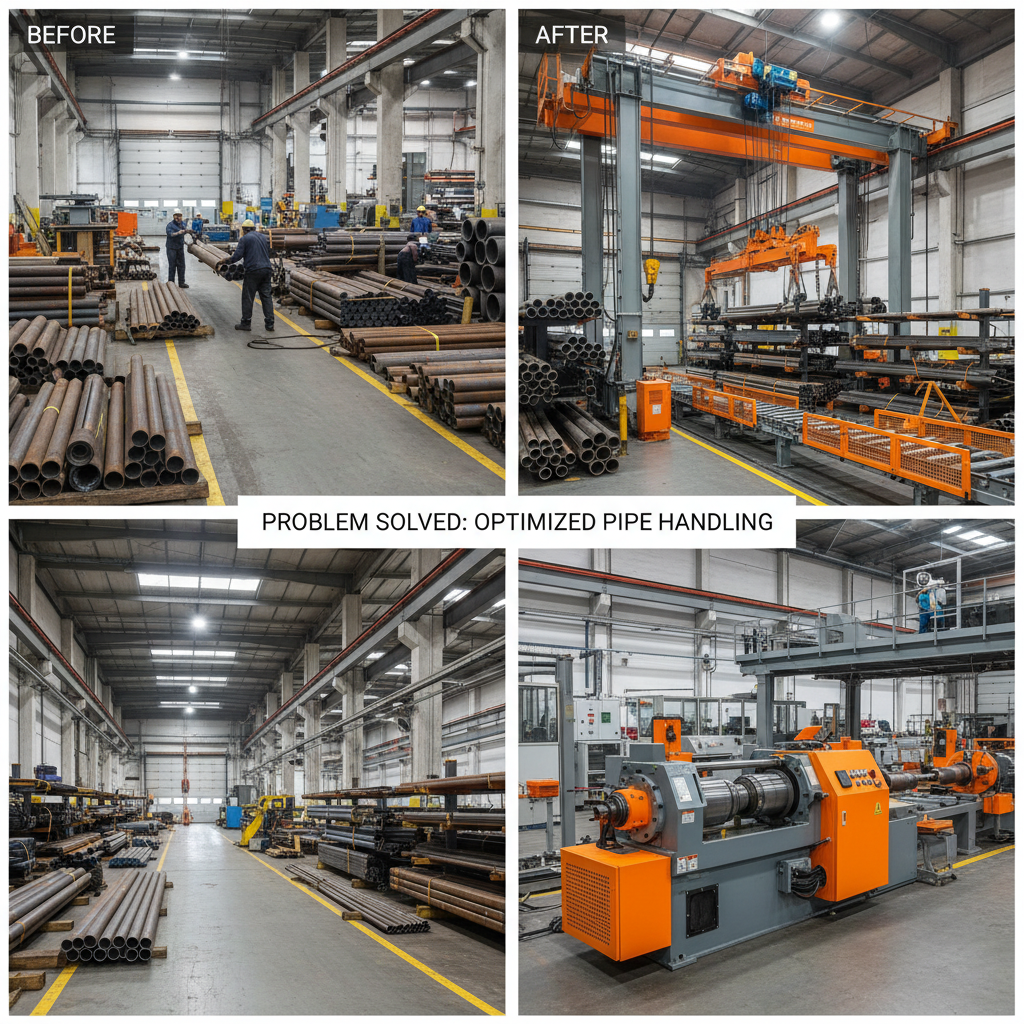
In the realm of modern industrial infrastructure, the deployment of a large metal pipe system is more than just a logistical choice; it is the backbone of global resource distribution. From transporting desalinated water to remote arid regions to moving crude oil across continents, these massive conduits ensure that essential materials reach their destination with minimal loss and maximum efficiency.
Understanding the engineering nuances of a large metal pipe is critical for project managers and engineers who must balance structural integrity with cost-effectiveness. As urban centers expand and industrial demands grow, the shift toward high-grade alloys and precision-engineered steel has allowed for larger diameters and higher pressure tolerances, reducing the number of pumping stations required over long distances.
Ultimately, the strategic selection of materials for a large metal pipe impacts not only the immediate capital expenditure but also the long-term environmental footprint and operational safety of a project. By integrating advanced coating technologies and rigorous testing standards, the industry is moving toward a future of sustainable, leak-proof infrastructure that can withstand the harshest geological conditions.
Global Industry Context of Large Metal Pipe
The global demand for large metal pipe systems has surged in tandem with the expansion of international energy grids and water management projects. According to industry standards aligned with ISO and World Steel Association data, the transition toward larger diameter piping is essential for reducing friction loss and increasing the volumetric flow rate, which directly lowers the energy consumption of massive pumping installations.
However, this growth comes with significant challenges, particularly regarding the logistics of transporting oversized components and the prevention of corrosion in saline or acidic environments. The industry is currently grappling with the need for higher strength-to-weight ratios to ensure that these pipes can be installed in deep-sea or mountainous terrains without compromising the structural integrity of the entire pipeline network.
Defining the Technical Scope of Large Metal Pipe
In professional engineering terms, a large metal pipe is generally defined as a cylindrical conduit with a diameter exceeding 24 inches, typically manufactured from carbon steel, stainless steel, or specialized alloys. Unlike smaller tubing, these structures must account for significant hoop stress and external pressure, necessitating precise wall thickness calculations and advanced welding techniques to ensure seamless continuity.
Beyond the physical dimensions, these pipes serve as the primary arteries for modern civilization. Whether they are utilized in municipal sewage systems, industrial cooling loops, or high-pressure gas transmission, they provide the necessary stability to handle massive surges in fluid dynamics while remaining impervious to environmental degradation.
The intersection of material science and mechanical engineering is where the true value of a large metal pipe is realized. By utilizing longitudinal or spiral welding processes, manufacturers can create customized lengths and diameters that meet the specific geological and hydraulic requirements of a project, bridging the gap between theoretical design and field execution.
Core Components for Maximum Durability
Achieving longevity in a large metal pipe system begins with the selection of the base metallurgy. High-carbon steels offer the necessary rigidity for high-pressure environments, while stainless steel variants are indispensable for chemical processing plants where corrosion resistance is the primary concern.
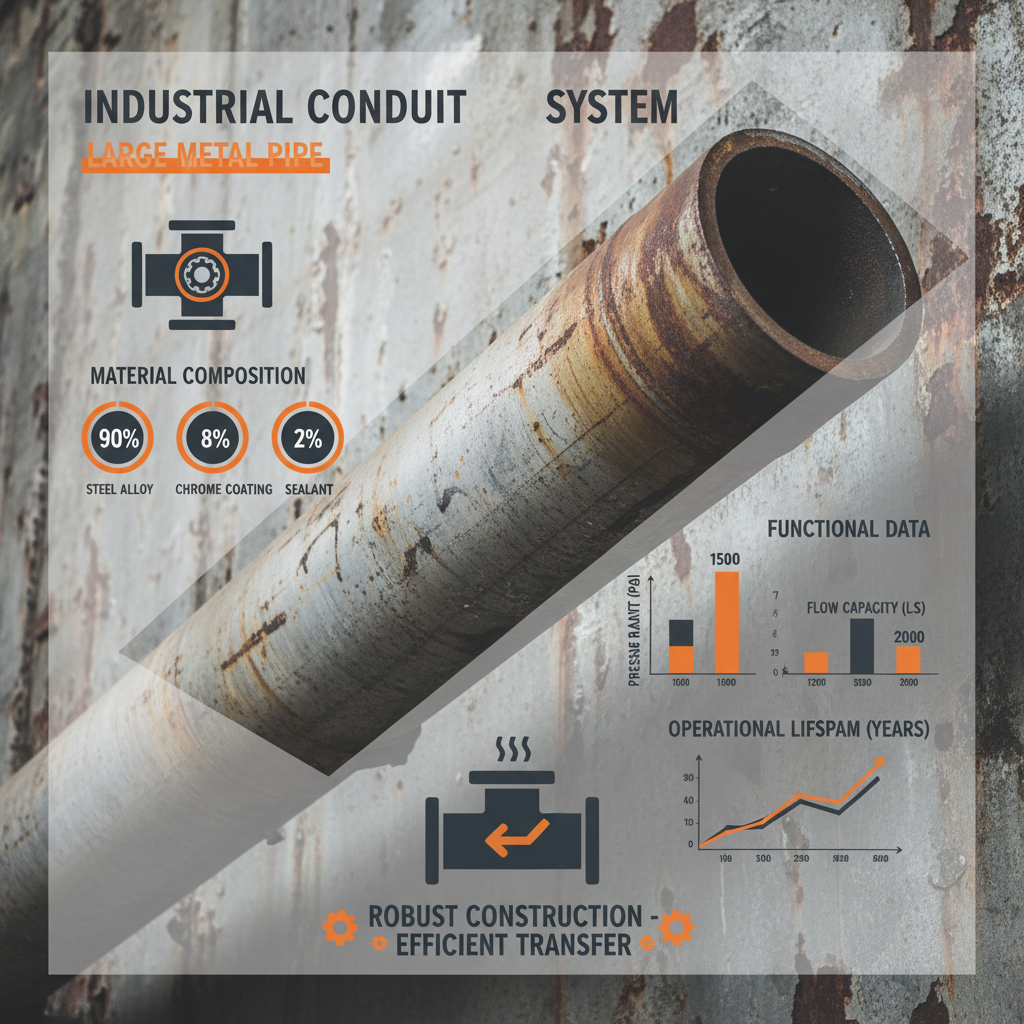
Internal and external coatings act as the first line of defense for a large metal pipe. Fusion-bonded epoxy (FBE) and three-layer polyethylene (3LPE) are commonly employed to prevent oxidation and galvanic corrosion, ensuring the pipe remains operational for 50 years or more without requiring invasive repairs.
Furthermore, the integration of precision-engineered flanges and fittings ensures that the transitions between pipe segments are leak-proof. These components must be rated for the same pressure class as the pipe itself to avoid creating weak points in the system that could lead to catastrophic failures under stress.
Performance Metrics and Efficiency Factors
Evaluating the efficiency of a large metal pipe involves analyzing the trade-off between wall thickness and flow capacity. A thinner wall reduces material cost and weight but increases the risk of buckling, whereas an overly thick wall can restrict flow and increase the total project budget.
To optimize this, engineers utilize hydraulic modeling to determine the "sweet spot" where the pipe's internal surface roughness is minimized, reducing the energy required to push fluids through the system over hundreds of kilometers.
Large Metal Pipe Material Performance Comparison
Global Applications and Strategic Use Cases
In the energy sector, the large metal pipe is the primary medium for transporting natural gas and oil from extraction sites to refineries. In regions like the Middle East and North America, these pipelines are engineered to withstand extreme temperature fluctuations, utilizing specialized thermal expansion joints to prevent rupture.
Beyond energy, large-scale water diversion projects in Asia and Africa rely on these pipes to combat drought and support agricultural growth. By implementing high-diameter metal conduits, governments can transport millions of gallons of water daily across arid landscapes, providing a lifeline to millions of people and ensuring food security.
Long-Term Value and Sustainability Benefits
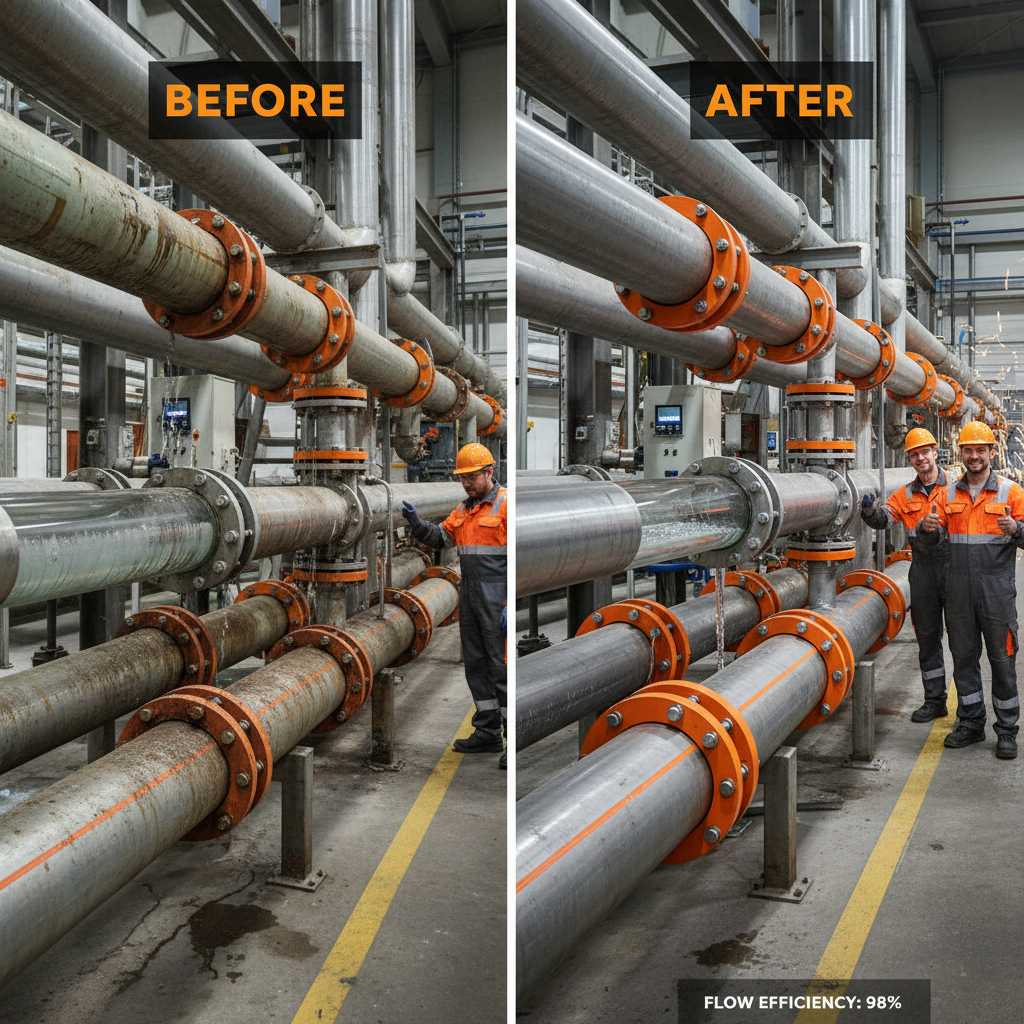
Investing in a high-quality large metal pipe provides significant long-term economic value by minimizing maintenance cycles. While the initial cost of premium alloys is higher, the reduction in leak-related losses and the avoidance of emergency shutdowns result in a lower Total Cost of Ownership (TCO) over the life of the asset.
From a sustainability perspective, steel is one of the most recycled materials on earth. When a pipeline reaches the end of its operational life, the large metal pipes can be decommissioned and melted down to create new infrastructure, contributing to a circular economy and reducing the need for virgin ore mining.
Furthermore, the reliability of these systems enhances social stability. By ensuring a consistent supply of water and energy, large metal pipe networks support the growth of industrial hubs and improve the quality of life in remote areas, fostering economic dignity and regional innovation.
Future Trends in Pipe Manufacturing Technology
The future of the large metal pipe industry is being shaped by the integration of "smart piping" technologies. The embedding of IoT sensors within the pipe walls allows operators to monitor pressure drops and detect microscopic leaks in real-time, moving from reactive maintenance to predictive analytics.
Additionally, the rise of hydrogen energy is driving the development of new alloy compositions. Because hydrogen atoms are smaller than methane, they can permeate through standard steel, leading to embrittlement; thus, new "hydrogen-ready" large metal pipes are being engineered with specialized internal linings to facilitate the global transition to green energy.
Automation in welding, specifically the use of robotic orbital welding, is also increasing the precision of joints. This reduces the human error factor and ensures that every weld in a large metal pipe system meets the strictest safety certifications, drastically reducing the risk of failure in high-pressure environments.
Comparative Analysis of Large Metal Pipe Manufacturing Standards
| Manufacturing Method |
Pressure Tolerance |
Corrosion Resistance |
Installation Speed |
| Seamless Steel |
Very High |
Moderate |
Slow |
| ERW Welded |
Moderate |
Low |
Fast |
| Spiral Welded |
High |
Moderate |
Very Fast |
| Stainless Steel |
High |
Excellent |
Moderate |
| Galvanized Steel |
Low |
High |
Fast |
| Composite Lined |
Very High |
Superior |
Slow |
FAQS
Depending on the material and coating, a high-quality large metal pipe system can last between 30 to 70 years. Carbon steel pipes with advanced FBE coatings generally fall in the 40-50 year range, while stainless steel or specialized alloy pipes in non-corrosive environments can exceed 70 years with minimal maintenance.
Corrosion is typically managed through a combination of external coatings (like 3LPE), internal linings, and cathodic protection. Cathodic protection uses sacrificial anodes or impressed current to ensure that the metal pipe does not oxidize when in contact with moist soil or saltwater.
Yes, but it requires specific materials. Standard carbon steel can suffer from hydrogen embrittlement. For hydrogen transport, the industry uses high-grade alloys or adds an internal polymer liner to the large metal pipe to prevent the gas from reacting with the steel wall.
Spiral welded pipes are significantly more cost-effective for very large diameters and can be produced in much longer lengths, reducing the number of field welds. While seamless pipes are stronger for extremely high pressures, spiral welds are more than sufficient for most water and gas transmission needs.
Quality is verified using Non-Destructive Testing (NDT) methods. The most common are Ultrasonic Testing (UT) and Radiographic Testing (RT/X-ray), which allow engineers to see inside the weld to ensure there are no voids, cracks, or inclusions that could cause a leak.
Yes, although it requires specialized logistics. Large metal pipes are often shipped via breakbulk vessels or specialized heavy-lift carriers. Many projects opt for local fabrication using imported steel coils to reduce shipping costs and logistical complexity.
Conclusion
The implementation of a robust large metal pipe network is a cornerstone of industrial progress, bridging the gap between resource availability and urban demand. By combining high-grade metallurgy, advanced anti-corrosive coatings, and precision welding, these systems provide the safety and reliability required for the world's most critical infrastructure projects.
Looking forward, the integration of smart monitoring and the transition to hydrogen-ready materials will ensure that these conduits remain relevant in a green-energy economy. We recommend that engineers prioritize Total Cost of Ownership over initial capital expenditure to ensure a sustainable and leak-free future. Visit our website for more professional solutions: www.world-steelmaterial.com