

Understanding Pipe Steel Grades: A Comprehensive Guide
Selecting the appropriate pipe steel grades is crucial for ensuring the longevity, safety, and efficiency of pipeline systems across various industries. From oil and gas transmission to water distribution, the choice of steel directly impacts a project's success. This article will delve into the different grades of pipe steel, their properties, applications, and key considerations for choosing the right material. We'll explore how factors like pressure, temperature, and corrosion resistance influence material selection, providing a practical guide for engineers, procurement professionals, and anyone involved in pipeline projects.
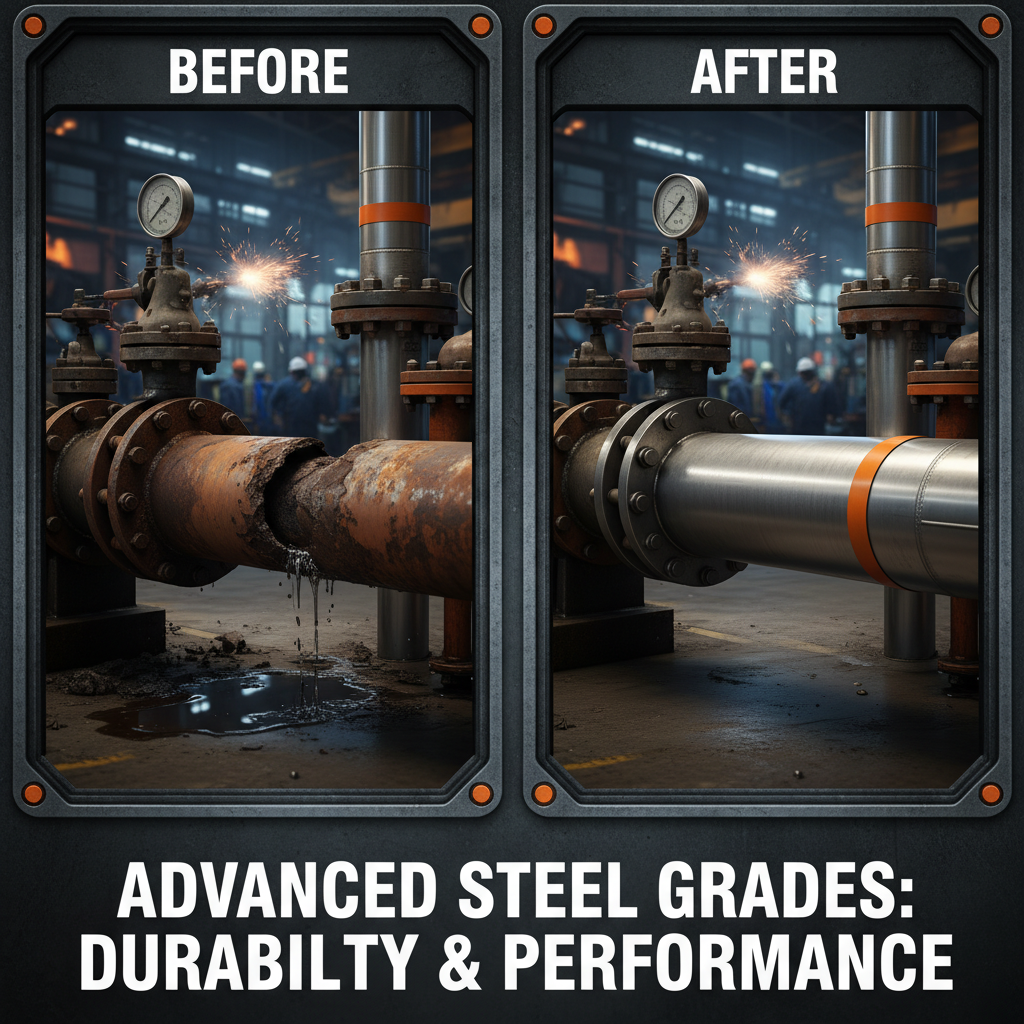
Common Pipe Steel Grades and Their Properties
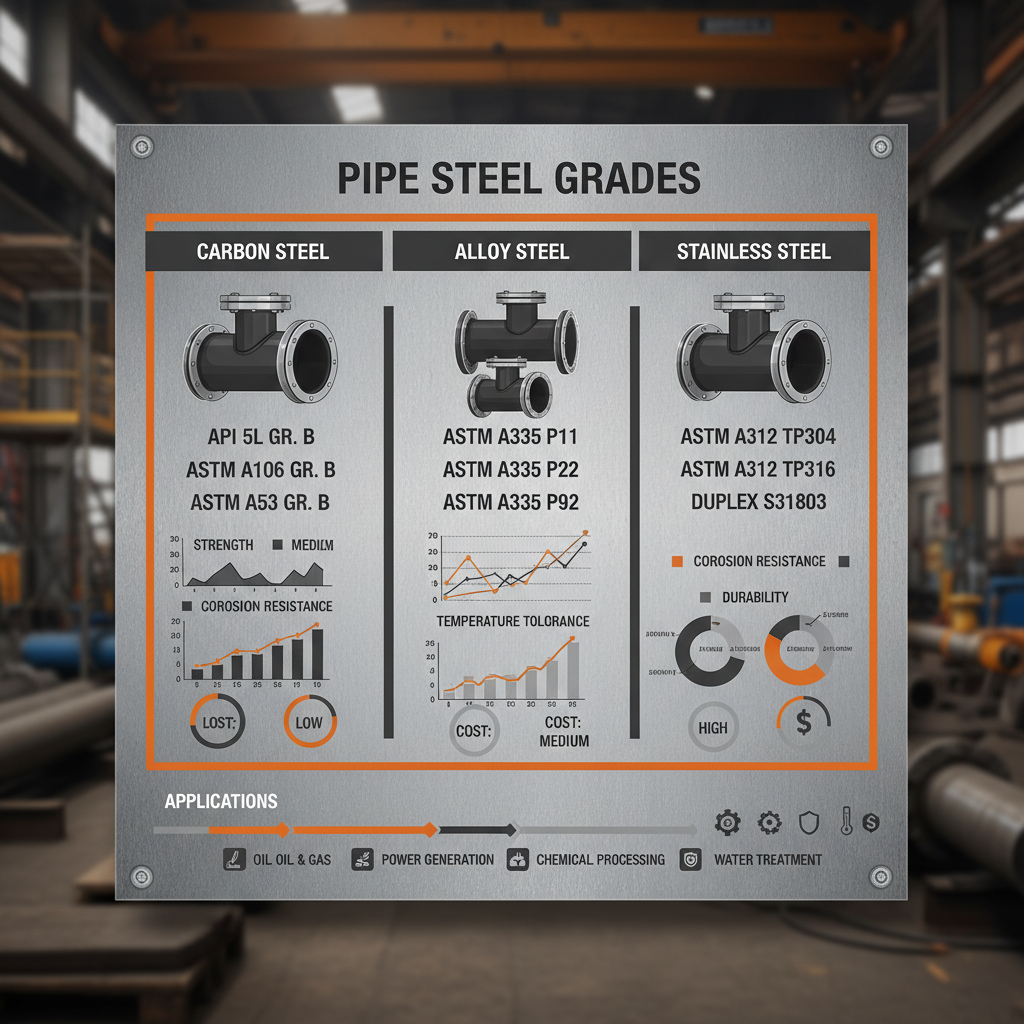
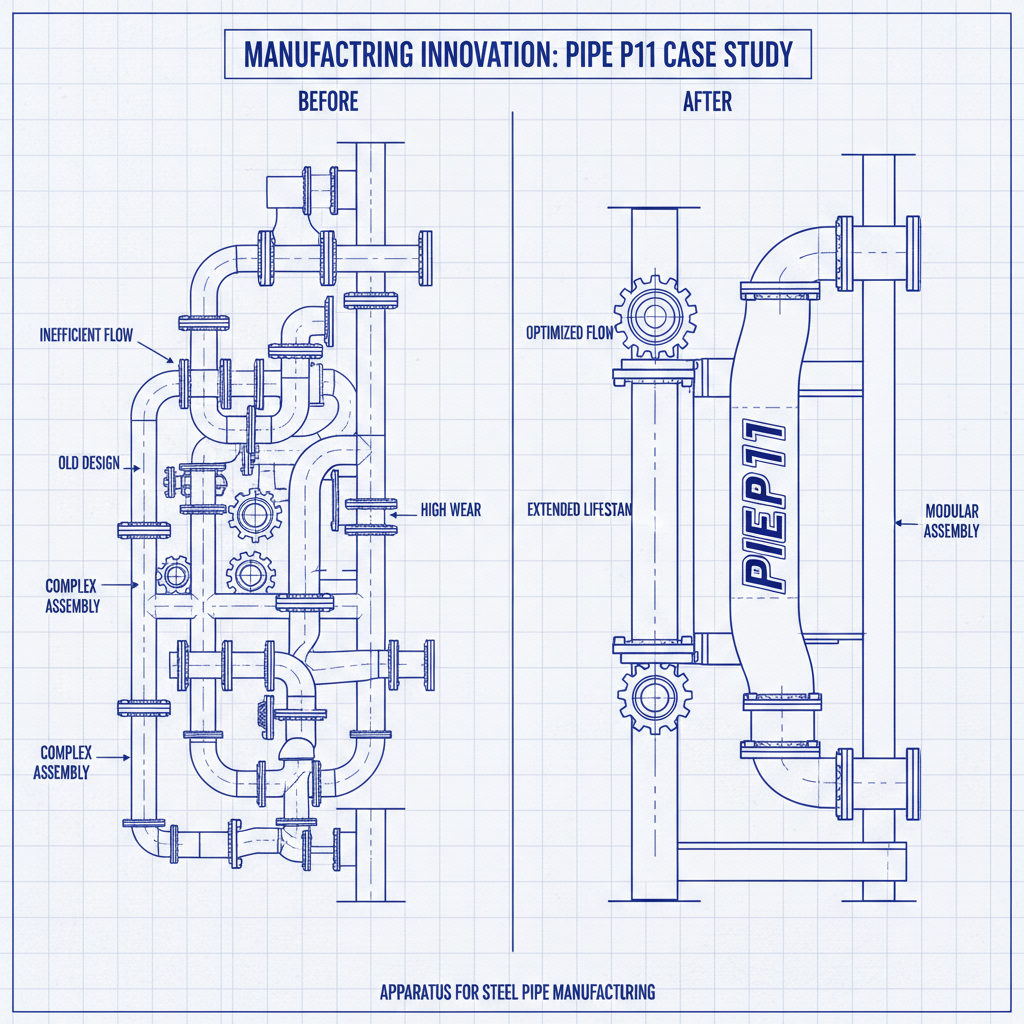
Several standard steel grades are commonly used in pipeline construction. These include carbon steel, alloy steel, and stainless steel, each possessing unique characteristics. Carbon steel, like A53 Grade B, is cost-effective and suitable for low-pressure applications. Alloy steels, such as A335 P11, offer improved strength and resistance to high temperatures. Stainless steel, including 304/304L and 316/316L, provides exceptional corrosion resistance, making it ideal for harsh environments. Understanding these differences is key to making an informed decision. Different grades offer different levels of yield strength, tensile strength, and ductility. Selecting the right grade is critical for ensuring the pipeline's structural integrity.
Key Takeaway: The choice of pipe steel grade hinges on a careful evaluation of the application's requirements, prioritizing factors like pressure, temperature, and the corrosive nature of the conveyed fluid.
API 5L Pipe Steel Grades: A Detailed Look
The American Petroleum Institute (API) 5L specification defines the requirements for line pipe steel used in the oil and gas industry. API 5L grades are categorized based on their minimum yield strength (MYS). Common grades include L210, L245, L360, L415, L450, L485, L555, and L625. Higher numbers indicate greater strength. The 'L' designates line pipe. These grades offer varying levels of formability, weldability, and toughness. Choosing the appropriate API 5L grade is vital for ensuring pipeline safety and reliability under demanding operating conditions. Consider factors such as hydrostatic test pressure and the potential for sour service (hydrogen sulfide exposure) when selecting a grade.
Corrosion Resistance and Pipe Steel Selection
Corrosion is a significant threat to pipeline integrity. The choice of steel grade must consider the potential for internal and external corrosion. For pipelines transporting corrosive fluids, stainless steel grades (304/304L, 316/316L) are often preferred due to their excellent resistance to chloride-induced pitting and crevice corrosion. Carbon steel pipelines can be protected with internal coatings (e.g., epoxy) and cathodic protection to mitigate corrosion. External corrosion can be addressed with protective coatings and regular inspections. The environment in which the pipeline is installed plays a major role in corrosion rates. Explore our range of corrosion-resistant steel pipes to learn more.
Factors Influencing Pipe Steel Grade Selection
Several factors need careful consideration during the steel grade selection process. These include operating pressure, temperature, fluid composition, external environment, applicable codes and standards (like API 5L, ASTM), and cost. A thorough risk assessment should be conducted to identify potential failure modes and determine the appropriate safety factors. The long-term cost of ownership, including maintenance and potential repair costs, should also be factored into the decision. Consulting with a qualified materials engineer is highly recommended to ensure optimal steel grade selection.
Impact of Temperature on Pipe Steel Performance
Temperature significantly affects the mechanical properties of pipe steel. High temperatures can reduce yield strength and increase creep susceptibility. Low temperatures can lead to brittle fracture. Alloy steels, such as those containing chromium and molybdenum, are often used in high-temperature applications to maintain their strength and creep resistance. For cryogenic applications (very low temperatures), special low-temperature steels with enhanced toughness are required. Understanding the operating temperature range and its impact on the steel's properties is crucial for ensuring pipeline integrity.
Conclusion: Making the Right Choice for Your Pipeline
Selecting the correct pipe steel grades is a complex process that demands a thorough understanding of material properties, operating conditions, and industry standards. By carefully evaluating these factors and consulting with experts, you can ensure the safe, reliable, and cost-effective operation of your pipeline system. Don't compromise on quality - choose the right steel for the job.
Frequently Asked Questions (FAQs)
What is the difference between A53 Grade B and A106 Grade B pipe steel?
Both A53 Grade B and A106 Grade B are carbon steel pipes commonly used in pipelines, but they differ in their intended applications and chemical composition. A53 Grade B is generally used for low-pressure, non-critical applications like water lines and irrigation systems. It's more susceptible to impact cracking at low temperatures. A106 Grade B, on the other hand, is designed for high-temperature, high-pressure applications, such as oil and gas pipelines and refineries. It has a higher carbon content, providing better strength and toughness at elevated temperatures. The A106 standard also has stricter requirements for chemical composition and mechanical properties.
What does 'sour service' mean in relation to pipe steel?
'Sour service' refers to environments containing hydrogen sulfide (H2S), a highly corrosive gas. Pipelines transporting crude oil or natural gas often encounter sour service conditions. H2S can cause sulfide stress cracking (SSC), a type of brittle failure in steel. For sour service applications, specialized steel grades meeting NACE MR0175/ISO 15156 standards are required. These steels have controlled chemical compositions and undergo specific heat treatment processes to resist SSC. Selecting the wrong steel grade for sour service can lead to catastrophic pipeline failures.
How important is weldability when choosing pipe steel?
Weldability is extremely important. Most pipelines are constructed by welding sections of pipe together. The steel grade must be readily weldable without requiring extensive pre- or post-weld heat treatment. Poor weldability can lead to cracking, porosity, and other defects that compromise the pipeline's integrity. Lower carbon equivalent (CE) values generally indicate better weldability. A qualified welding procedure specification (WPS) must be followed to ensure sound welds.
Where can I find more information on pipe steel specifications?
Reliable sources of information on pipe steel specifications include the American Petroleum Institute (API), the American Society for Testing and Materials (ASTM), and the National Association of Corrosion Engineers (NACE). These organizations publish standards and guidelines that govern the manufacturing, testing, and application of pipe steel. You can also find valuable information on reputable steel suppliers’ websites, like World Steel Material, which provides detailed product specifications and technical support.
Post time: Apr . 07, 2026 02:25
 English
  Arabic
  Bengali
  China
China  French
  German
  Hausa
Hausa  Indonesian
  Italian
  Japanese
  Javanese
  Malay
Malay  Persian
  Portuguese
  Punjabi
  Russian
  Spanish
  Swahili
  Telugu
  Vietnamese