

Understanding ASTM A53B: A Steel Standard That Shapes Industries Worldwide
Whether you're diving into steel sourcing or just curious about construction materials, ASTM A53B is a buzzword you might have heard around the block. But what exactly is ASTMA53B, and why should it matter to you or any global industry? Well, in a nutshell, it’s a standardized specification covering carbon steel pipe, widely used in structural and mechanical applications worldwide. Grasping its essence helps industries save costs, ensures safety, and breeds innovation — all while maintaining a consistent quality worldwide. It’s kind of like having a universal language for steel pipes.
Global Context: Why ASTM A53B Matters Across the World
To get a feel for how important ASTM A53B is, consider that the steel pipe market size was valued at over USD 150 billion globally as of recent years, with a steady growth trajectory projected by the International Organization for Standardization (ISO). ASTM A53B serves as one of the backbone standards in countries ranging from the U.S. to emerging industrial hubs in Asia and the Middle East.
Many industries, from oil & gas to construction and infrastructure, rely heavily on this steel standard. But there’s a bigger story: In developing regions, ASTM A53B pipes help build water supply systems, enhancing public health. Yet challenges like inconsistent material quality or cost pressures often threaten projects — and that’s where ASTM standardization brings the much-needed assurance.
“A common global standard drives both safety and economic efficiency — aspects hard to tie down otherwise.”
What Is ASTM A53B?
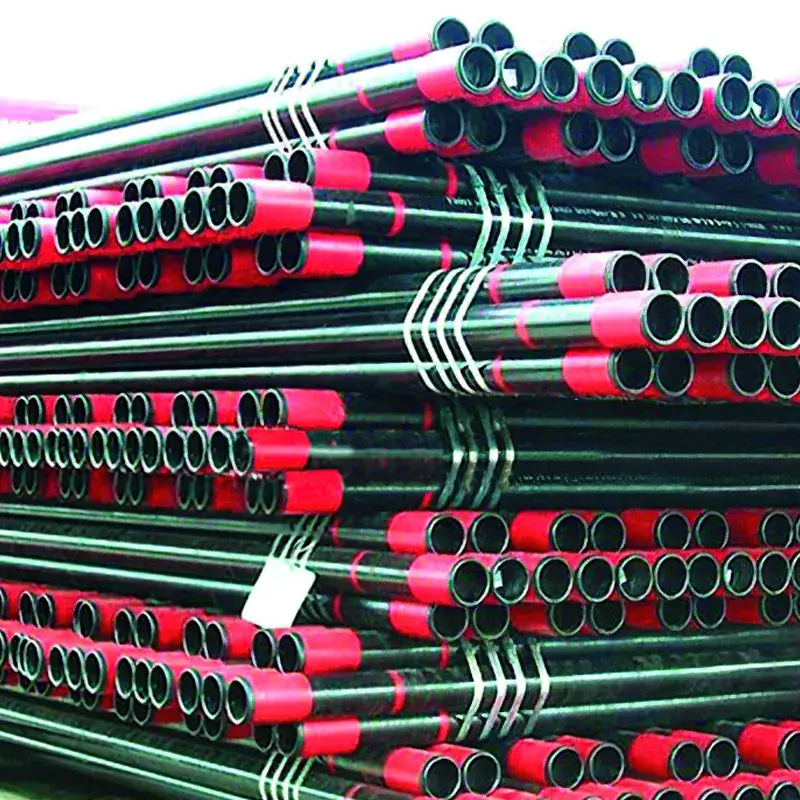
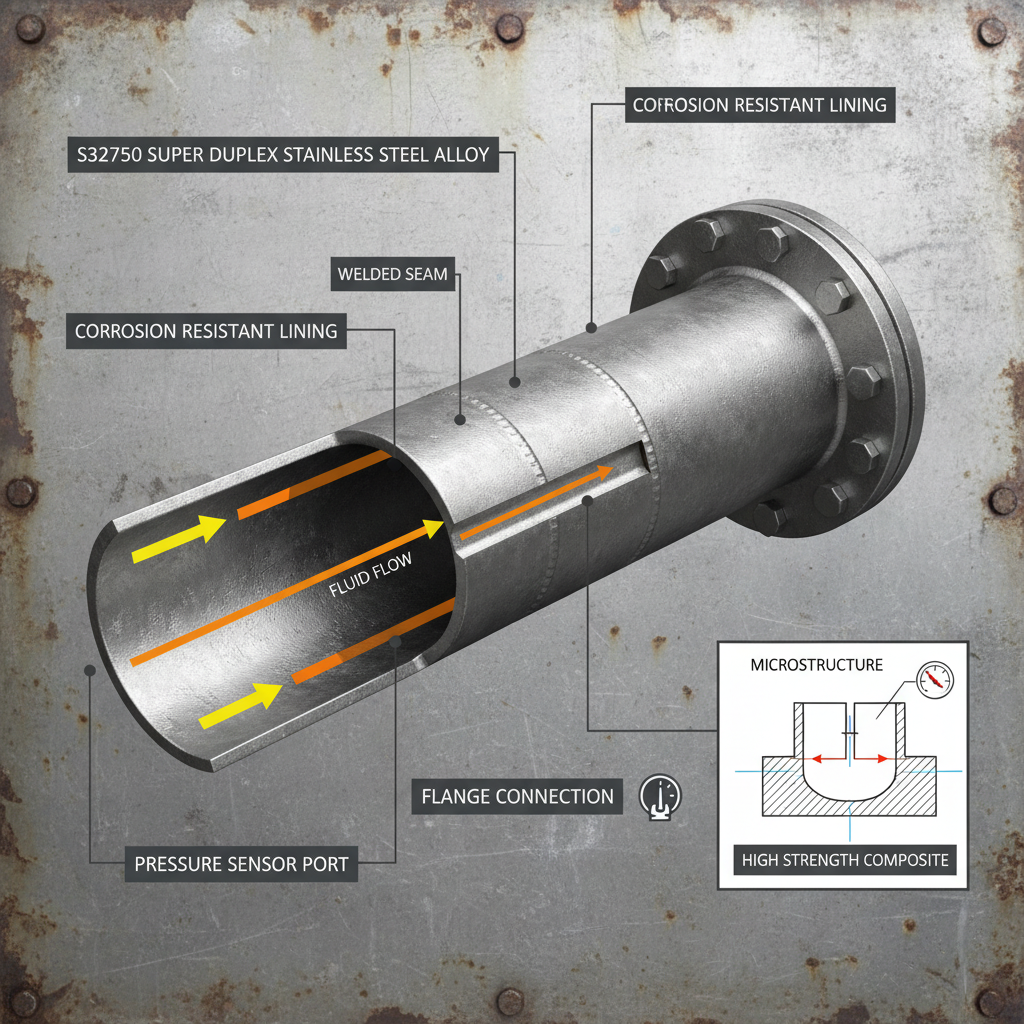
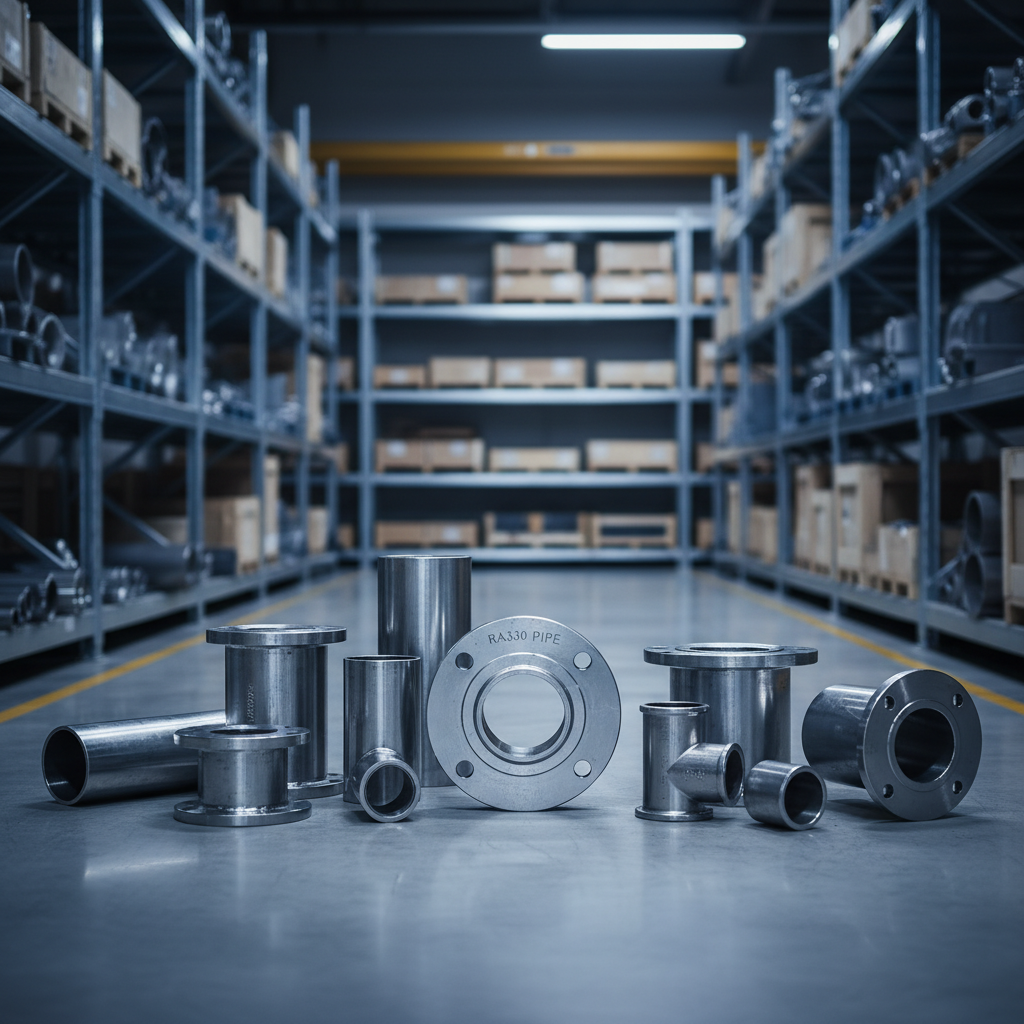
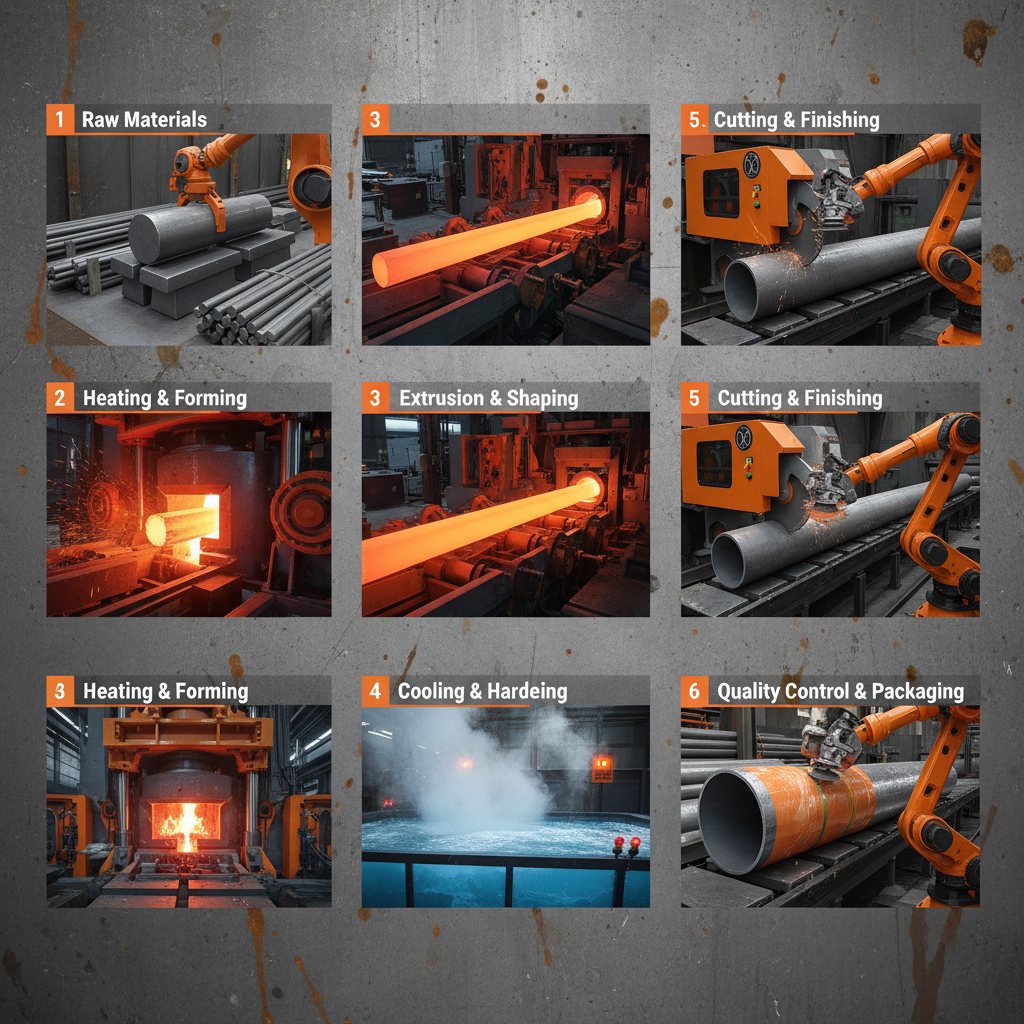
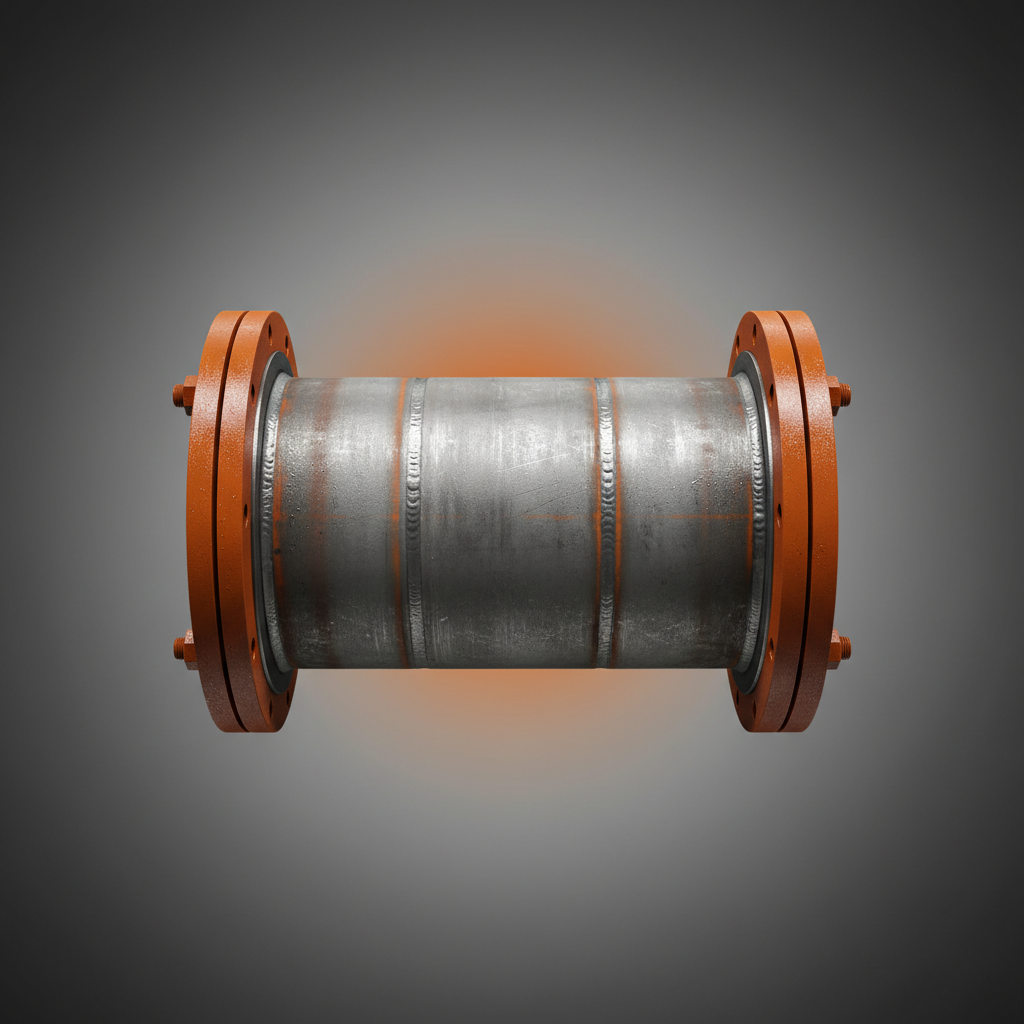
Simply put, ASTM A53B refers to a grade of carbon steel pipe that fits technical specifications for general purposes. It covers seamless and welded black and galvanized steel pipes suitable for mechanical and pressure applications as well as for ordinary structural purposes.
The “B” classification in ASTM A53 identifies the particular grade within the specification, indicating a certain tensile strength and chemical makeup that makes it stronger than Grade A. Think of it like two siblings: Grade B is the muscled, more resilient one.
This steel pipe is crucial in industries where strength, durability, and cost-effectiveness are key—whether it’s building pipelines, scaffolding, or shipping containers.
Key Factors Behind ASTM A53B Steel Pipes
1. Durability
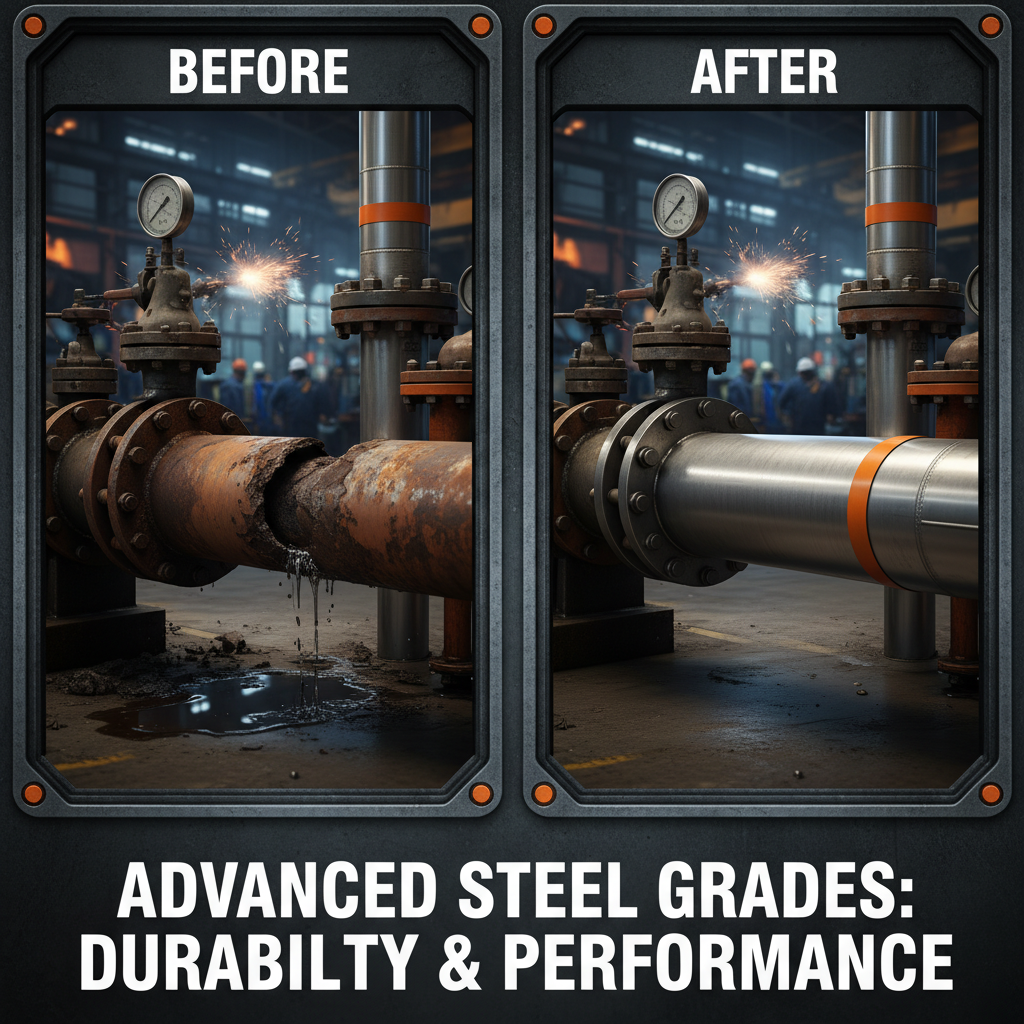
ASTM A53B pipes are manufactured to resist corrosion (when galvanized) and pressure, ensuring longevity even under tough conditions. It’s no surprise that environments like oil rigs or industrial plants favor this toughness.
2. Cost Efficiency
Compared to other high-alloy steels, ASTM A53B provides a great balance between price and performance. This affordability opens doors for large infrastructure projects without compromising safety standards.
3. Versatility
From water distribution to steam conveyance and structural frameworks, its multi-functionality is a huge plus. Many engineers rely on it precisely because it suits diverse needs.
4. Standardized Quality
The ASTM certification guarantees that manufacturers meet the exact chemical, mechanical, and manufacturing standards, reducing risks associated with variable quality.
5. Ease of Installation
Welded or seamless, the pipes offer flexibility in fabrication, which saves precious time on construction sites.
Product Specifications of ASTM A53B Steel Pipe
| Specification | Values / Details |
|---|---|
| Material Type | Carbon Steel |
| Grade | Grade B |
| Pipe Type | Seamless or Welded |
| Standard Dimensions | NPS 1/8" to NPS 26" |
| Tensile Strength | Minimum 60,000 psi |
| Applications | Pressure, structural, mechanical |
| Surface Finish | Black or Galvanized |
Global Applications & Real-World Use Cases
It’s fascinating how ASTM A53B steel pipes slip into a variety of scenarios. For example:
- Construction: Used widely for scaffolding and load-bearing frameworks across North America and Europe.
- Oil & Gas Industry: In the Middle East and Russia, the durable pipes move natural gas safely under high pressure.
- Water Supply Systems: Many developing countries use galvanized ASTM A53B pipes to distribute potable water, improving public health globally.
- Infrastructure Projects: Urban railways and pipeline networks utilize these pipes extensively for their trustworthiness and standardization.
Oddly enough, in disaster relief initiatives, modular water-supply systems rely on implicitly standardized pipes like ASTM A53B to restore essentials swiftly.
Vendor Comparison: Top ASTM A53B Steel Pipe Suppliers
| Vendor | Product Range | Quality Certifications | Pricing | Lead Time |
|---|---|---|---|---|
| SteelPro Inc. | Seamless & Welded Pipes | ASTM, ISO 9001 | Competitive | 2-3 Weeks |
| Global Steel Co. | Galvanized Pipes | ASTM, API | Mid-range | 3-4 Weeks |
| Asia Steel Imports | Affordable Welded Pipes | ASTM (Local labs) | Budget-friendly | 4-5 Weeks |
Advantages & Long-Term Value of ASTM A53B Pipes
Quite frankly, the biggest win with ASTM A53B is how it blends cost, reliability, and accessibility. That combo means better budgets for engineers, greater safety margins for users, and easier sourcing for global projects. It also contributes to sustainability — sturdy pipes mean fewer replacements.
On a personal note, I’ve seen projects where the consistent quality avoided costly delays and helped teams sleep soundly at night knowing their infrastructure wouldn’t be a weak link.
What’s Next? Future Trends Around ASTM A53B Pipes
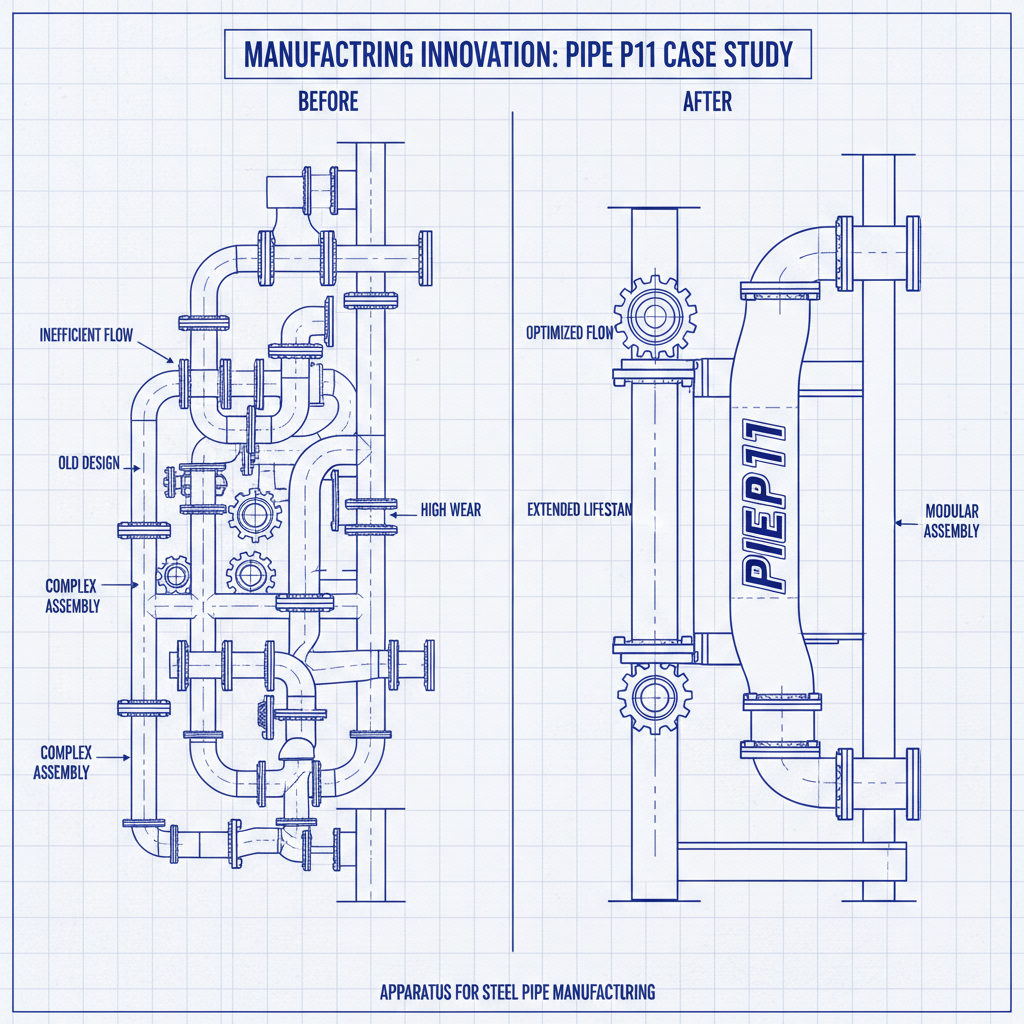
Looking ahead, digital transformation is sneaking into steel manufacturing — automated inspections, IoT-enabled quality control, and greener production methods. The industry’s also aiming for enhanced corrosion resistance coatings to boost pipeline longevity in harsh environments.
Renewable energy sectors, for instance, are asking for pipes that withstand extreme conditions while keeping sustainability front and center. ASTM standards evolve accordingly, reflecting these cutting-edge needs.
Challenges & Smart Solutions with ASTM A53B
No standard is perfect, and ASTM A53B faces its share of challenges: variability in supplier quality, lead times during crises, and sometimes confusion between similar grades. But with increased automated QC, smart supply chain planning, and better training on standards, these hurdles are steadily lowering.
FAQ: Frequently Asked Questions About ASTM A53B
- What distinguishes ASTM A53B from other steel pipe grades?
- ASTM A53B specifically refers to a Grade B carbon steel pipe with higher tensile strength compared to Grade A. It’s particularly suited for mechanical and pressure applications offering better durability and structural integrity.
- Can ASTM A53B pipes be used for transporting drinking water?
- Yes, especially when galvanized to prevent rusting. These pipes are commonly used in potable water systems but always check local regulations for suitability and required coatings.
- How does ASTM A53B compare to ASTM A106 pipes?
- ASTM A106 pipes are designed for high-temperature service, whereas ASTM A53B targets general-purpose use, including both mechanical and structural applications. The choice depends on specific project needs.
- Is ASTM A53B suitable for outdoor construction scaffolding?
- Absolutely. The strength, coupled with potential galvanization, makes it an ideal candidate for scaffolding that requires strength and corrosion resistance.
- How can I ensure the ASTM A53B pipes I purchase meet quality standards?
- Always source from certified vendors with documented ASTM and ISO certifications. Request mill test reports and, if possible, conduct independent third-party verification for critical projects.
Conclusion
ASTM A53B is more than just a technical standard; it’s a global pillar that supports countless industries and infrastructures, quietly ensuring strength, safety, and sustainability. Whether you’re laying down pipelines, erecting buildings, or supplying potable water, understanding this specification isn’t just smart—it’s necessary.
Ready to source reliable steel pipes crafted to ASTM A53B standards? Visit our website: https://www.world-steelmaterial.com and explore how quality matters.
Mini takeaway: ASTM A53B pipes marry durability and affordability, making them a trusted choice worldwide — don’t overlook their role in everyday infrastructure!
References:
Post time: Dec . 02, 2025 02:30
 English
  Arabic
  Bengali
  China
China  French
  German
  Hausa
Hausa  Indonesian
  Italian
  Japanese
  Javanese
  Malay
Malay  Persian
  Portuguese
  Punjabi
  Russian
  Spanish
  Swahili
  Telugu
  Vietnamese