

a106 b pipe: What It Is and Why It Matters Globally
If you’ve ever worked or read up on industrial piping materials, especially in oil, gas, or construction, you’ve likely come across the a106 b pipe. Frankly, it’s one of those quietly essential products that keeps so many industries moving—and not just in one region, but across the globe. The mastery of understanding these pipes means optimized infrastructure, safer operations, and often substantial savings when building or maintaining critical systems.
But why does this pipe hold such significance? To start, global industries depend heavily on reliable piping to transport fluids and gases in challenging environments. With the world growing more interconnected and infrastructure requirements soaring, the demand for high-quality carbon steel pipes like the a106 b variety holds steady—and frankly, it’s only getting more complex.
Mini takeaway: The a106 b pipe is a cornerstone material in global industrial infrastructure, impacting sectors highly sensitive to quality and safety standards.
Introduction: Global Context of a106 b Pipe
The International Organization for Standardization (ISO) and other respected bodies have set tight guidelines that make products like the a106 b pipe essential internationally. For example, the World Bank reports that developing countries are accelerating their energy and infrastructure projects faster than ever. These pipes, made from specific carbon steel grades, address problems such as corrosion resistance and temperature tolerance in natural gas transmission and power generation.
One challenge that surfaces globally is the need for pipes that can withstand both high pressure and temperature. Clearly, without dependable materials, entire projects risk failure, delays, or worse, safety hazards. The a106 b pipe has been extensively tested and proven to meet many of these challenges head-on.
Definition & Meaning of a106 b Pipe
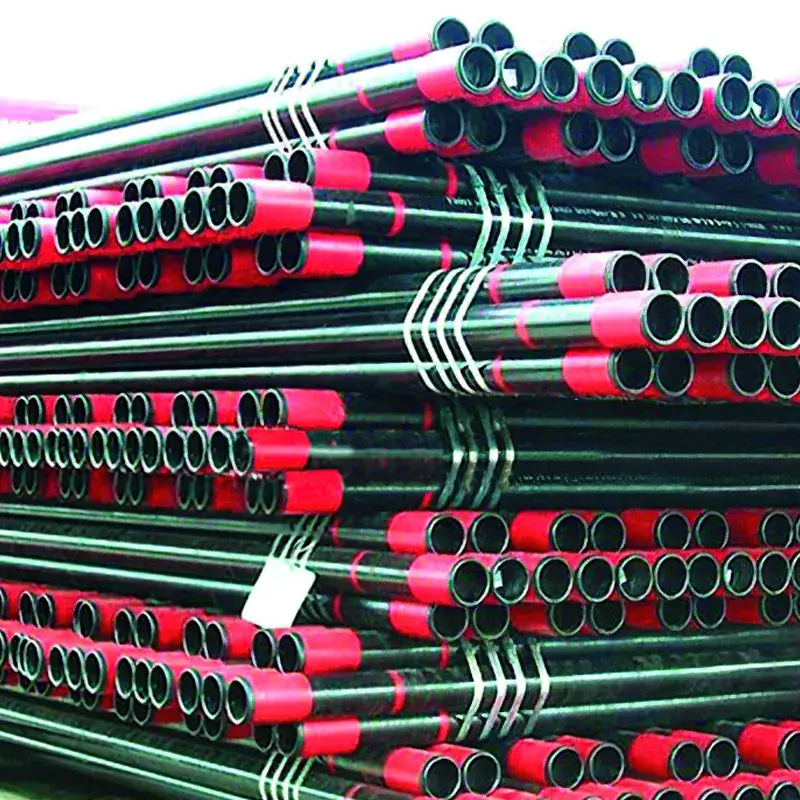
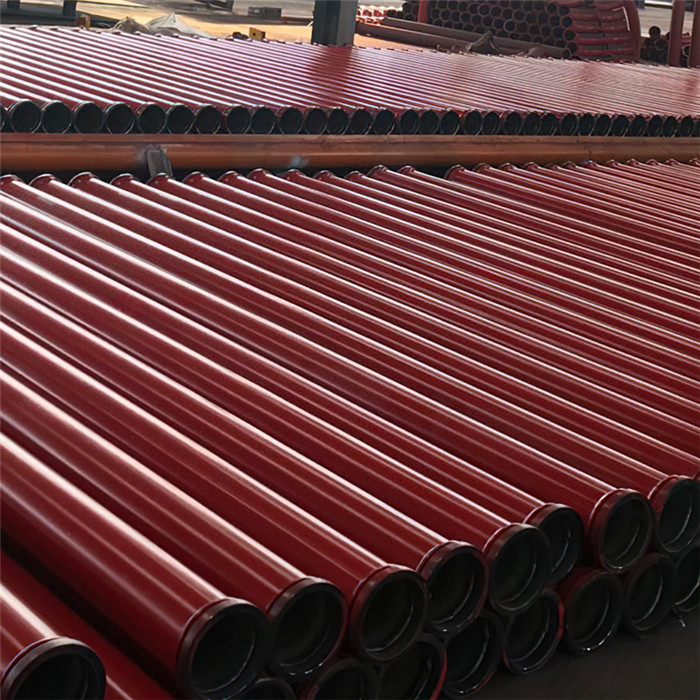
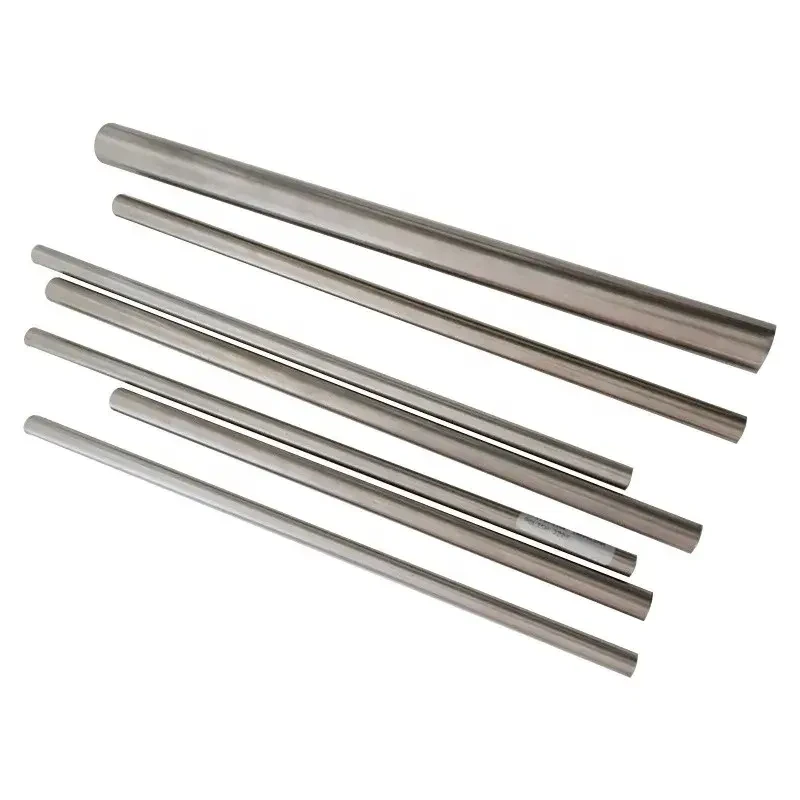
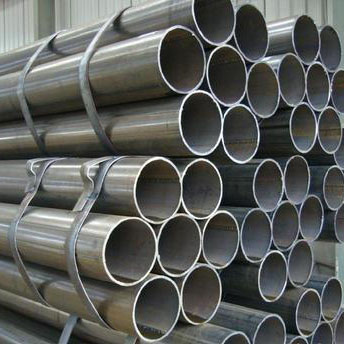
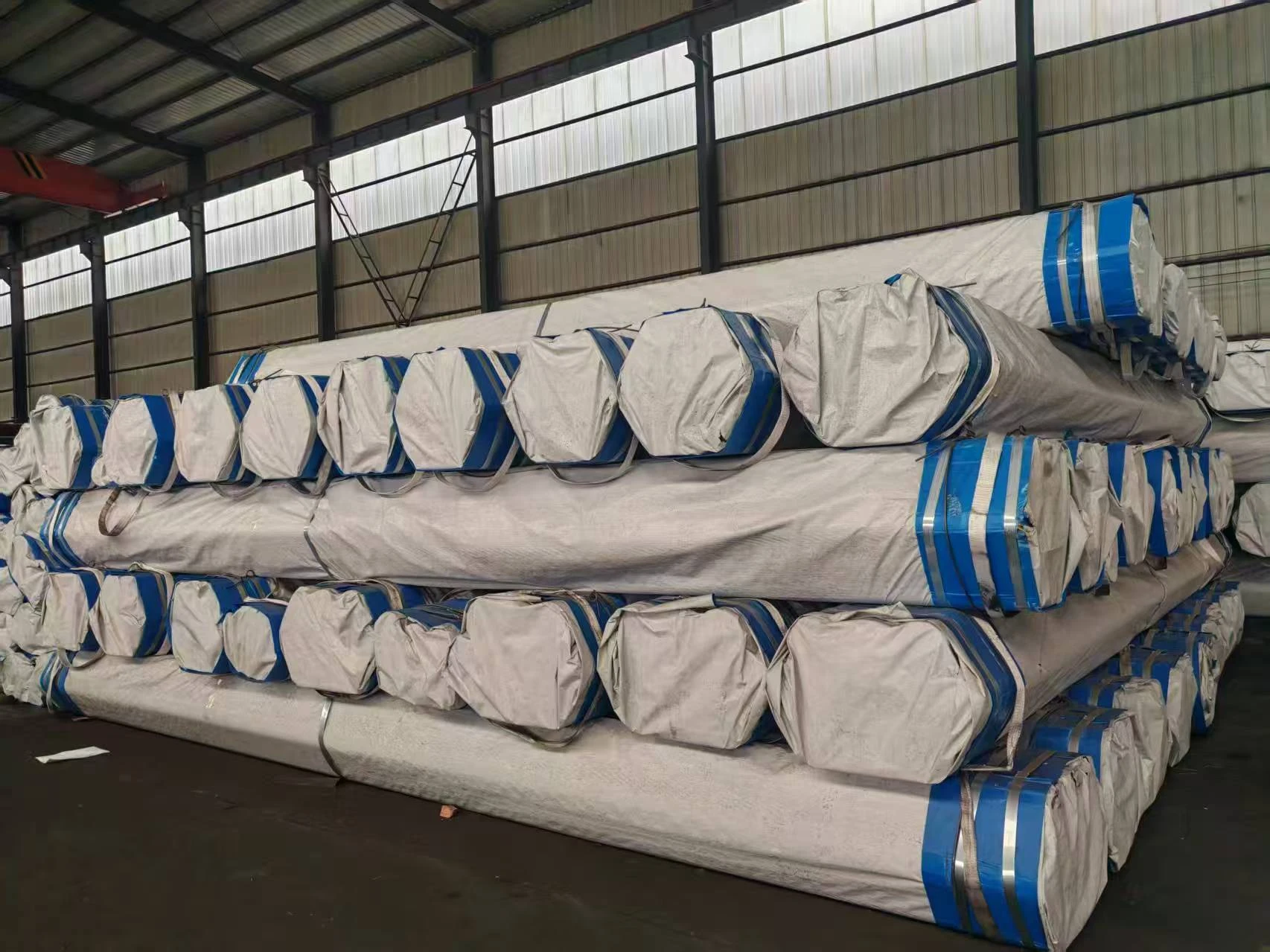
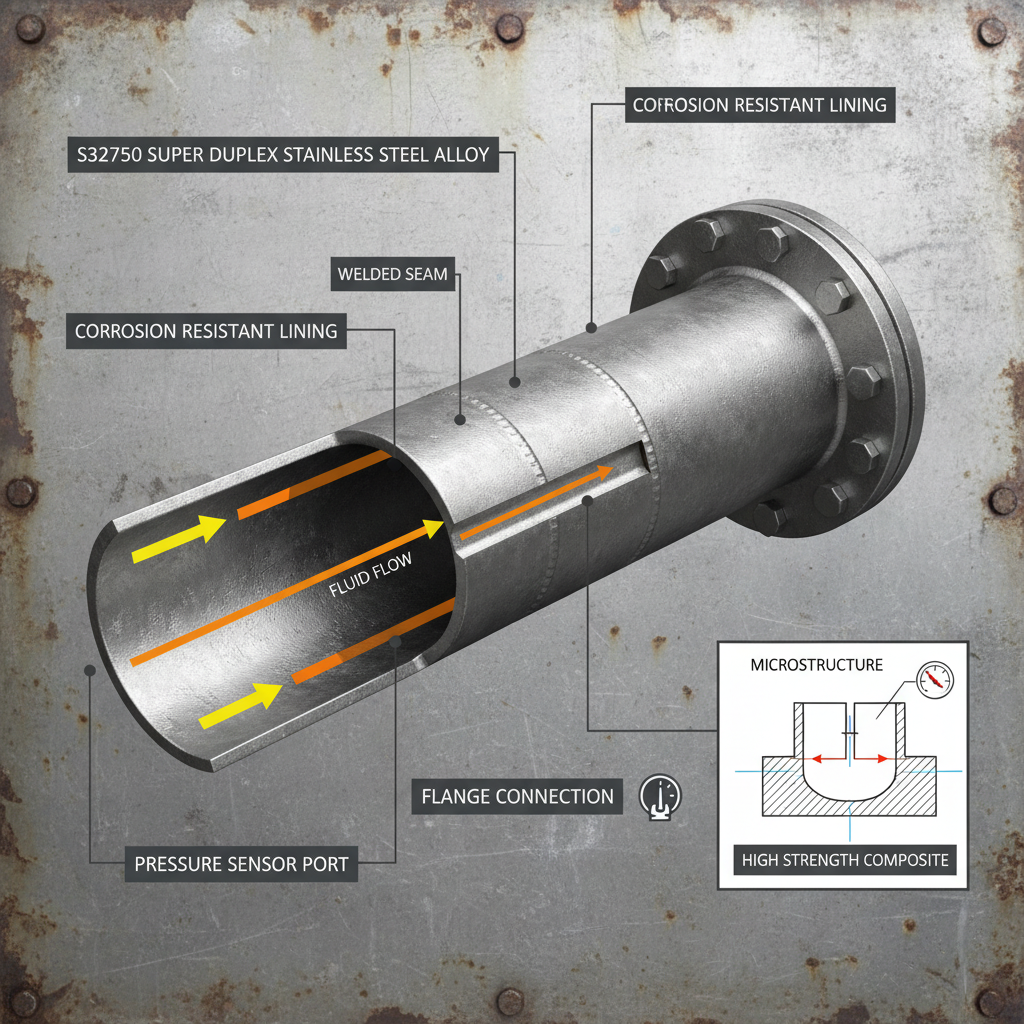
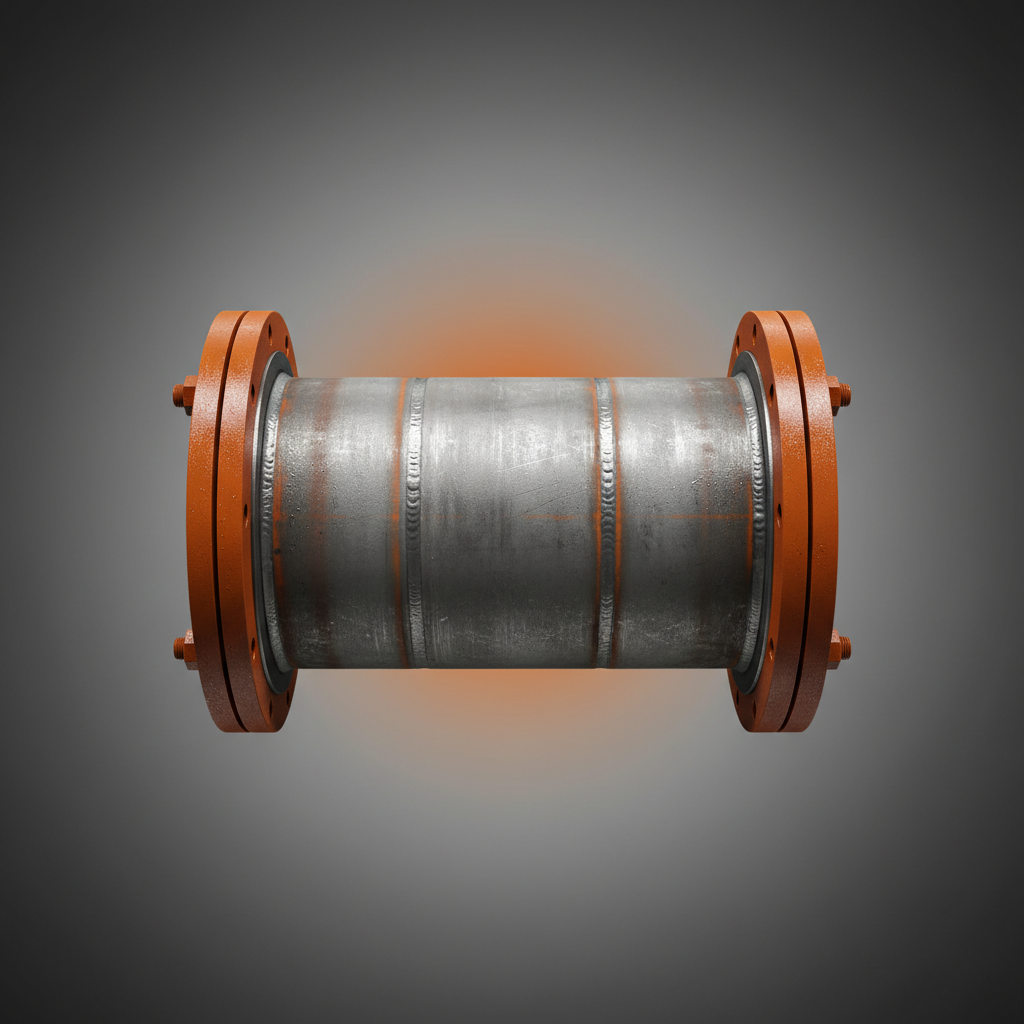
In the simplest terms, an a106 b pipe is a seamless carbon steel pipe designed primarily for high-temperature service. It's specified under ASTM A106, a standard set by the American Society for Testing and Materials (ASTM) that outlines the chemical composition, tensile strength, and other critical attributes. The “B” grade makes it particularly suitable for moderate to high-temperature applications.
This pipe plays a vital role connecting industries to daily life—think about how natural gas, oil, and steam travel efficiently through pipelines using such materials. The humanitarian side, oddly enough, is also evident: from energy access projects in remote areas to rapid rebuilding efforts after disasters, durable pipes are quietly powering progress and dignity.
Mini takeaway: The a106 b pipe is a seamless carbon steel pipe designed to sustain high temperatures; a true workhorse in modern industry and infrastructure.
Key Factors or Core Components of a106 b Pipe
Durability
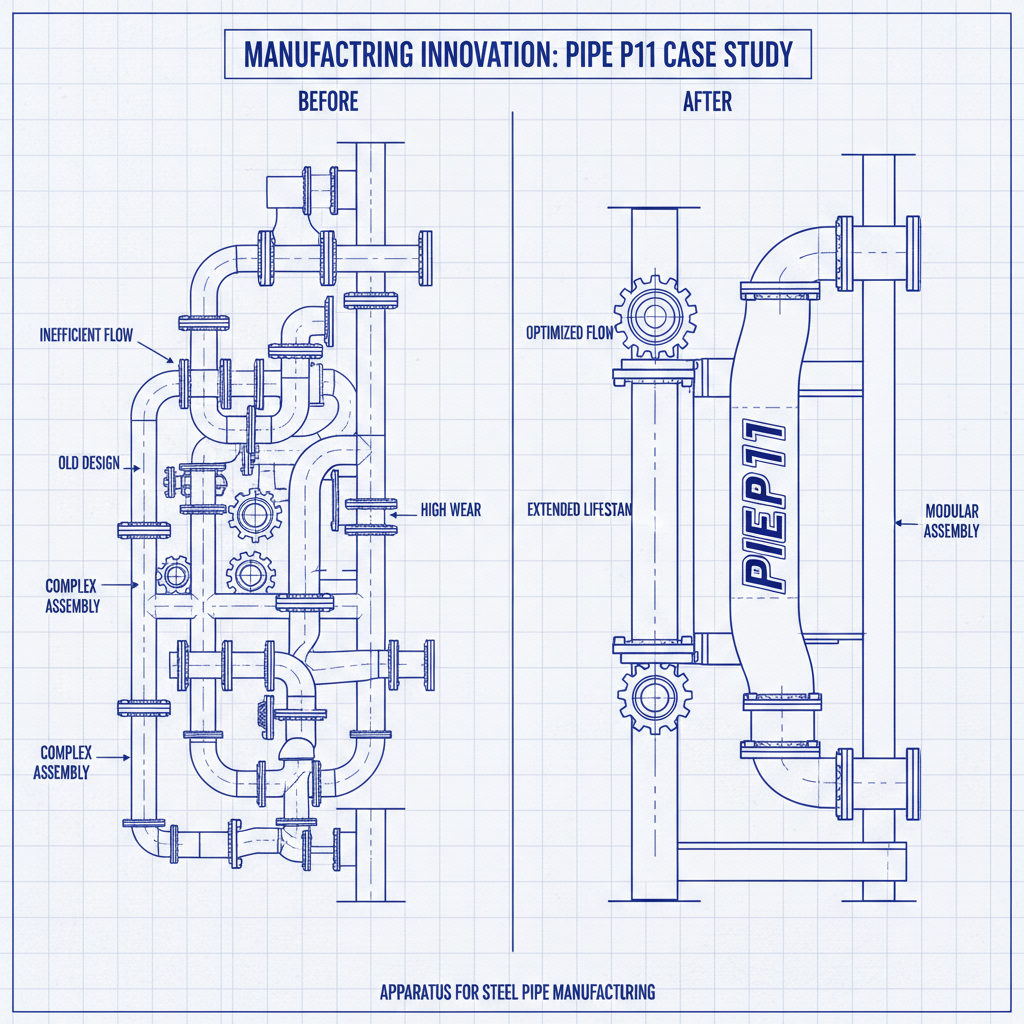
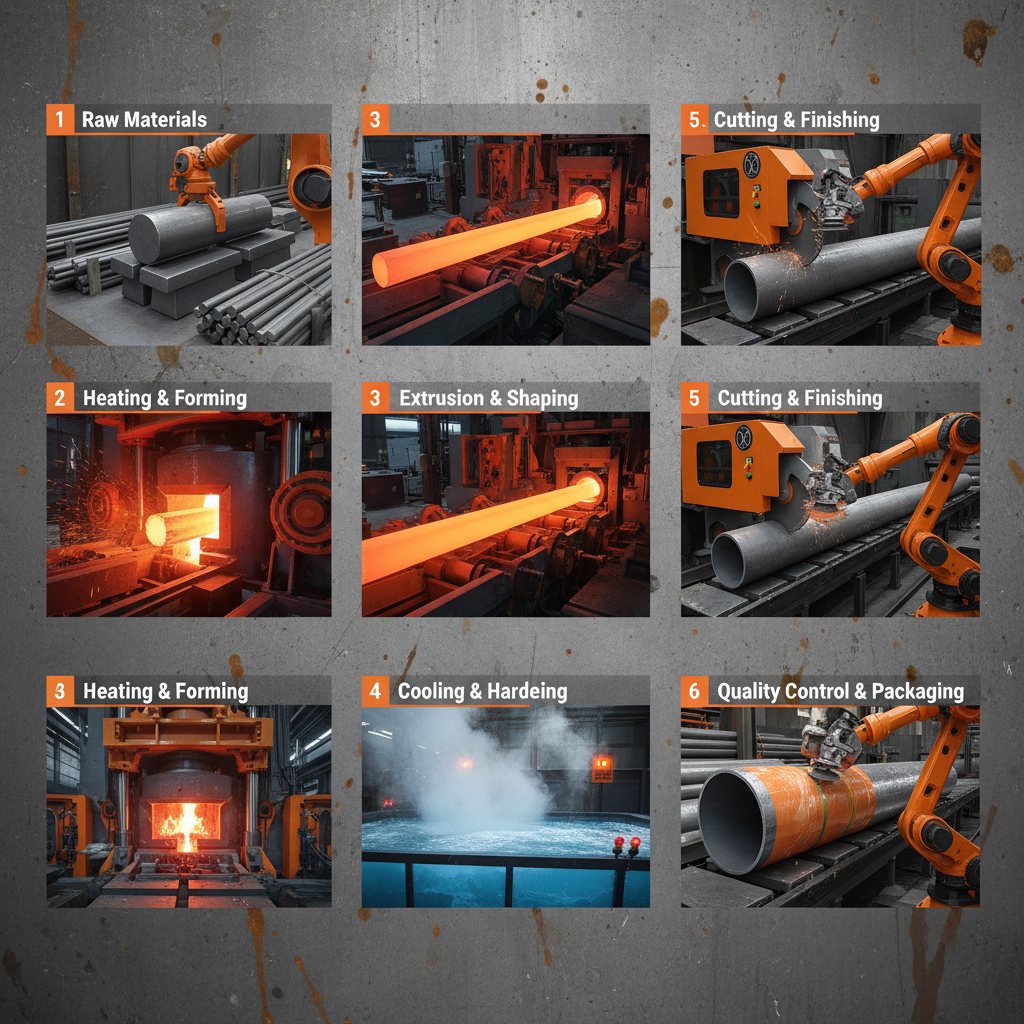
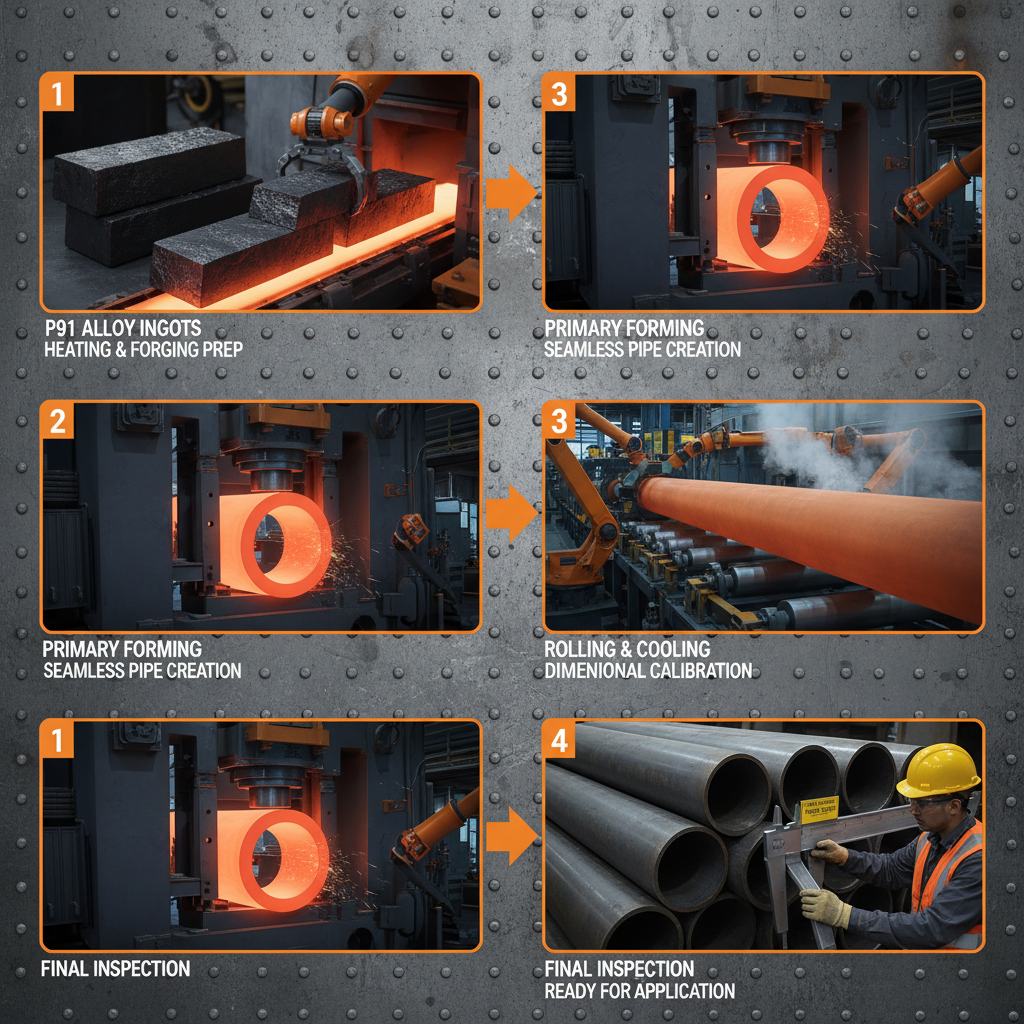
The manufacturing process ensures superior strength and durability. The seamless nature means fewer weak points, offering a long lifespan even when subjected to stress or corrosion.
Temperature Resistance
Rated to handle high-temperature environments, which makes it a go-to choice for thermal power plants and oil refineries.
Cost Efficiency
Compared to other alloys or composite pipes, a106 b pipes provide an impressive balance between cost and longevity — making them popular worldwide.
Scalability & Accessibility
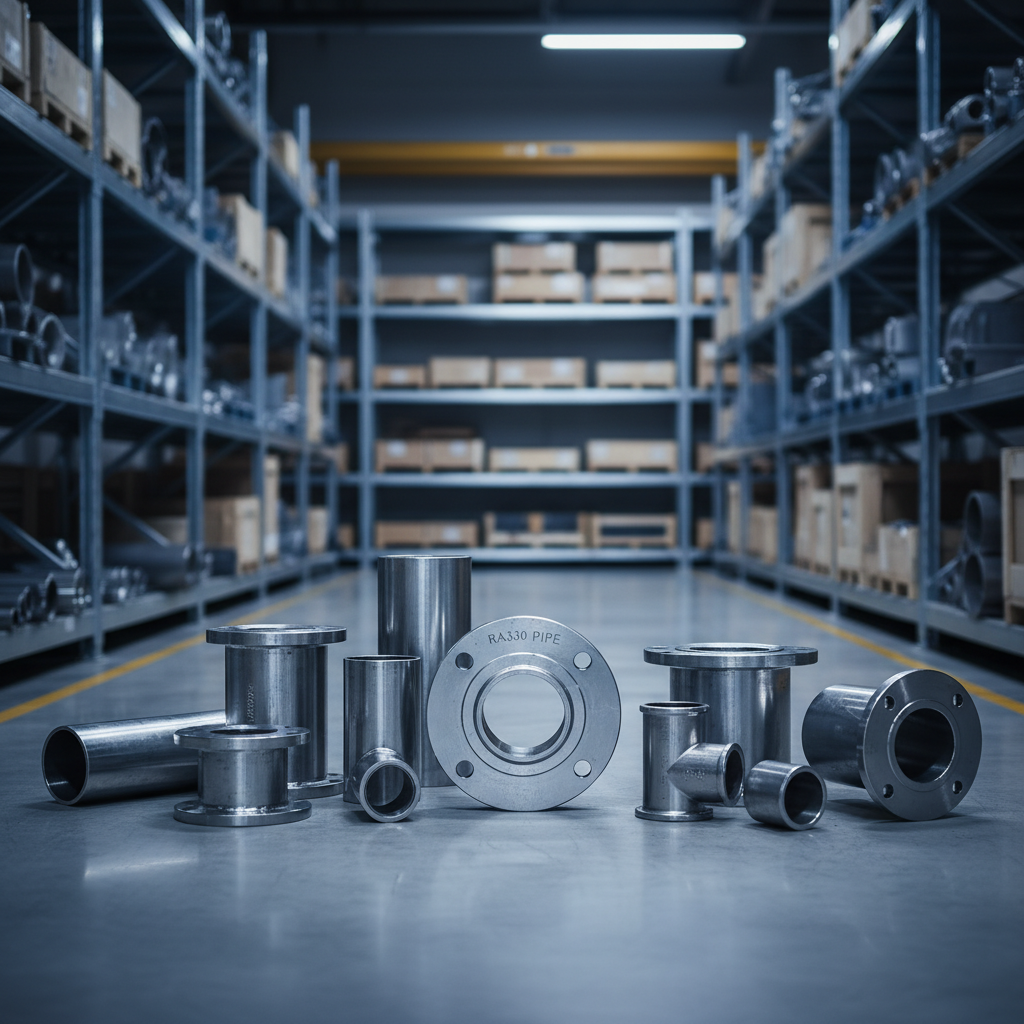
Mass-produced following global specs, you’ll find these pipes available from many vendors, enabling quick procurement and standardization in large projects.
Corrosion Resistance
While these pipes do benefit from coatings or treatments, the inherent properties allow reasonable resistance to degradation in many common industrial climates.
Compliance & Standards
ASTM A106 B certification ensures quality assurance, helping engineers meet local government regulations and international safety codes.
Mini takeaway: The a106 b pipe combines durability, cost efficiency, and compliance, making it a reliable choice across industrial sectors.
Global Applications & Use Cases
These pipes are everywhere—in oil refineries, petrochemical industries, power plants, and even urban water and gas pipelines. Regions from the Middle East’s vast oil fields to North America’s power grids rely on a106 b pipes for steady, secure transport of materials.
- Post-disaster rebuilding: Emergency utility restoration teams often depend on quick supply of seamless carbon steel pipes to restore gas or steam lines efficiently.
- Remote industrial zones: In harsh climates like Siberia or Northern Canada, a106 b pipes withstand cold and pressure effectively.
- Manufacturing: Steel plants themselves use these pipes in their high-temperature process lines.
Product Specifications of a106 b Pipe
| Specification | Details |
|---|---|
| Material Type | Carbon Steel (Seamless) |
| Applicable Standard | ASTM A106 Grade B |
| Temperature Range | Up to 750°F (399°C) |
| Pressure Rating | Varies by thickness, typically Class 150 to 2500 |
| Available Sizes | 1/8" to 48" nominal diameter |
Vendor Comparison for a106 b Pipe Suppliers
| Vendor | Geographic Reach | Quality Certification | Lead Time | Pricing |
|---|---|---|---|---|
| SteelGlobal Inc. | North America, Asia | ISO 9001, ASTM certified | 2-3 weeks | Mid-range |
| PipeMasters Ltd. | Europe, Middle East | ASTM A106 B, EN ISO 3183 | 3-4 weeks | Premium |
| GlobalSteel Supply | Worldwide | ASTM A106 B, API 5L | 1-2 weeks (stock items) | Competitive |
Advantages & Long-Term Value
Looking past the specs, there’s a lot to like about a106 b pipes from a practical standpoint. Cost-wise, they strike a sweet spot between durability and budget—a lot of engineers I've spoken with say it's rare to find something that performs as well at that price point. Also, their predictable lifespan and resilience translate into reduced downtime and maintenance costs. And, not to be overlooked, they contribute positively to safety when installed properly, which—frankly—is priceless.
There’s also a sustainability angle. While steel production itself isn’t carbon-neutral, these pipes often last for decades, lowering the frequency of replacements and associated environmental costs. It’s a kind of indirect sustainability, one driven by reliability and lifecycle thinking.
Mini takeaway: The a106 b pipe offers an excellent long-term trade-off between cost, reliability, safety, and sustainability.
Future Trends & Innovations
Thinking ahead, the industry is embracing smarter manufacturing processes and coatings for a106 b pipes that help resist corrosion even better. With the rise of green energy projects—think hydrogen pipelines or carbon capture initiatives—there’s growing interest in modifying these pipes for new chemical resistances or integrating sensors to enable digital monitoring, known as “smart pipe” technology.
Automation in pipe production also means more consistent quality and shorter lead times. It’s a fascinating evolution to watch, especially as regulations for environmental standards tighten worldwide.
Challenges & Solutions
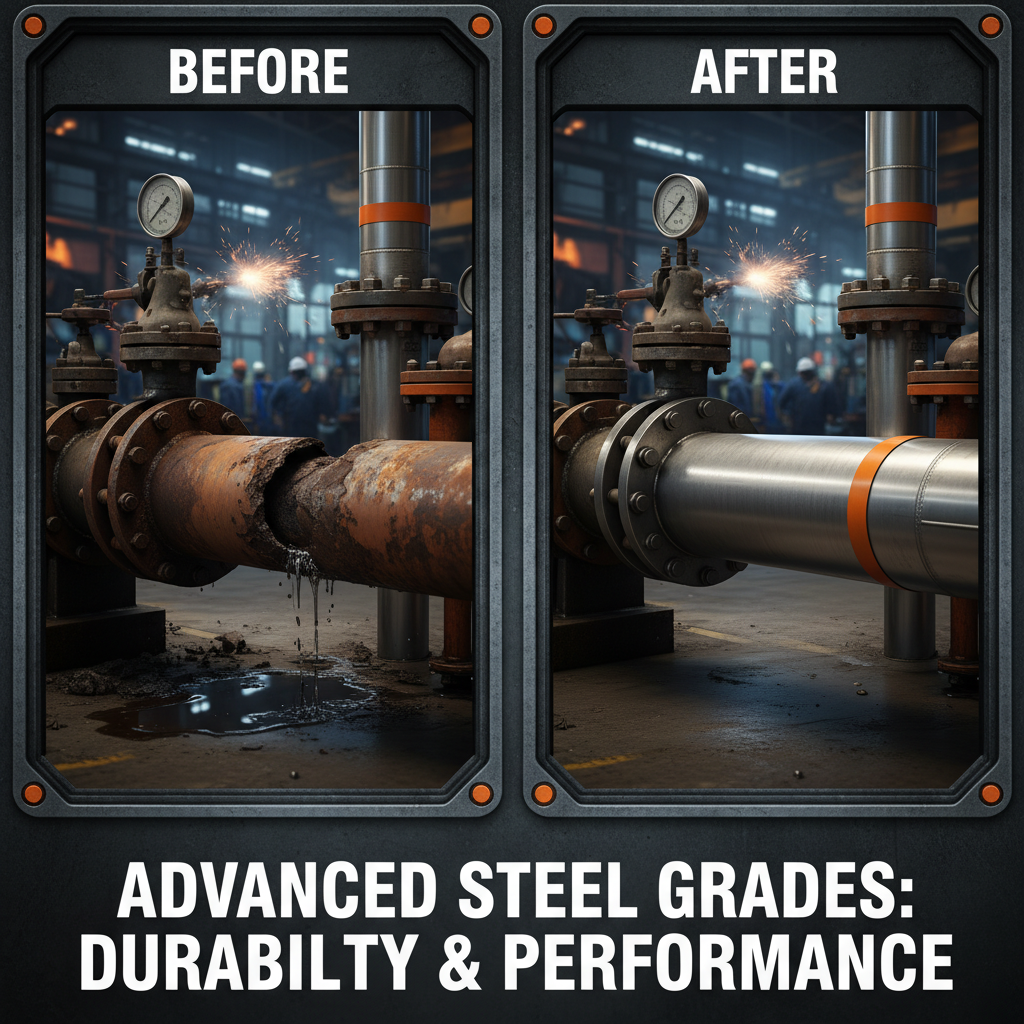
Of course, no product is perfect. a106 b pipes can sometimes face issues with scaling inside pipelines, especially when fluids carry impurities. Corrosion despite coatings is also a concern in particularly aggressive environments. Experts recommend routine inspections and applying advanced coatings or cathodic protections where necessary.
Another challenge lies in procurement consistency—differences in vendor quality and certification confusion can trip up projects. The takeaway? Always insist on proper certification and traceability when selecting a supplier.
FAQ: Frequently Asked Questions About a106 b Pipe
- Q: What differentiates the a106 b pipe from other steel pipes?
A: The a106 b pipe is seamless and designed specifically for high temperature and pressure applications, complying with ASTM A106 standards. This makes it more reliable than welded pipes in extreme conditions. - Q: How long can an a106 b pipe last in industrial use?
A: With proper maintenance and installation, these pipes can last 20-30 years or more, depending on the environment and operating conditions. - Q: Is it easy to source a106 b pipes internationally?
A: Yes, due to standardized specs and global vendors, it’s usually straightforward to import these pipes. Always verify certifications and lead times. - Q: Can a106 b pipes be used in cold climates?
A: While they are rated mainly for high temperatures, a106 b pipes can be treated or selected with appropriate grades for cold climates, but consultation with an engineer is recommended.
Conclusion + Call to Action
The a106 b pipe is undeniably a cornerstone of modern industrial infrastructure. Its balance of durability, cost efficiency, and standardized quality certifications means it will likely remain a preferred choice for decades. Whether building a new pipeline, replacing old infrastructure, or innovating in energy transmission, understanding and sourcing the right pipes is key.
If you want to explore more about reliable steel piping solutions and how to source the best a106 b pipe, I encourage you to visit https://www.world-steelmaterial.com. They offer detailed product lines matched to global standards and an expert team ready to help.
Oddly enough, the story of such a 'simple' pipe connects back to massive global projects and human progress—it definitely feels worth a closer look.
References:
Post time: Dec . 02, 2025 03:10
 English
  Arabic
  Bengali
  China
China  French
  German
  Hausa
Hausa  Indonesian
  Italian
  Japanese
  Javanese
  Malay
Malay  Persian
  Portuguese
  Punjabi
  Russian
  Spanish
  Swahili
  Telugu
  Vietnamese