

Understanding A106B Material: A Backbone of Modern Industry
When we talk about critical materials that keep industries running smoothly worldwide, a106b material pops up more often than you might expect. This steel grade might sound a bit technical or obscure at first, but it’s actually the kind of foundation that supports everything from oil pipelines to structural frameworks, playing a vital role in global infrastructure. Understanding a106b material isn’t just a matter for engineers—it’s a key piece of the puzzle in sectors touching millions of lives. Its resilience, cost efficiency, and versatility make it a favorite in fields ranging from energy to construction. And frankly, in a world grappling with climate change and resource challenges, knowing about dependable, durable materials like this can’t be overstated.
Global Context: Why A106B Matters Today
The steel industry is a massive part of the global economy, contributing close to 2% of the world’s CO2 emissions but also driving essential infrastructure development. According to The World Steel Association, global steel production surpassed 1.8 billion tonnes recently, with pipe-grade materials like a106b holding a significant share in industrial applications — especially in oil and gas transportation worldwide. The challenges? Ironically, as demands skyrocket due to population growth and industrialization, supply chain disruptions and environmental regulations push manufacturers to optimize materials that can deliver reliability without astronomical costs. Enter a106b material, known for its balance of strength, weldability, and affordability.
Mini takeaway: Understanding a106b material gives insight into balancing industrial growth with sustainability and cost-effectiveness.
What Exactly is A106B Material?
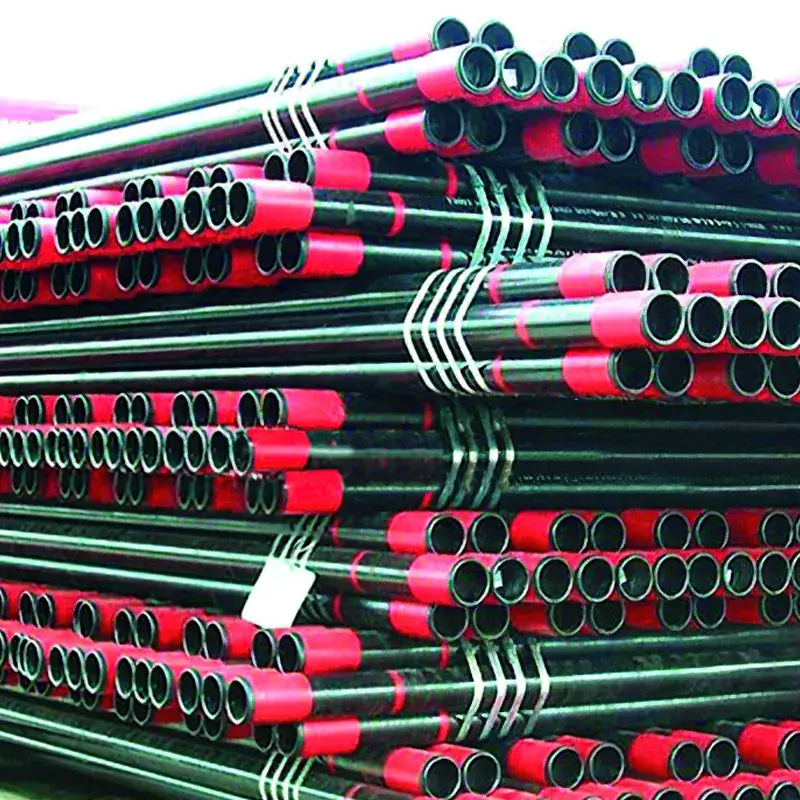
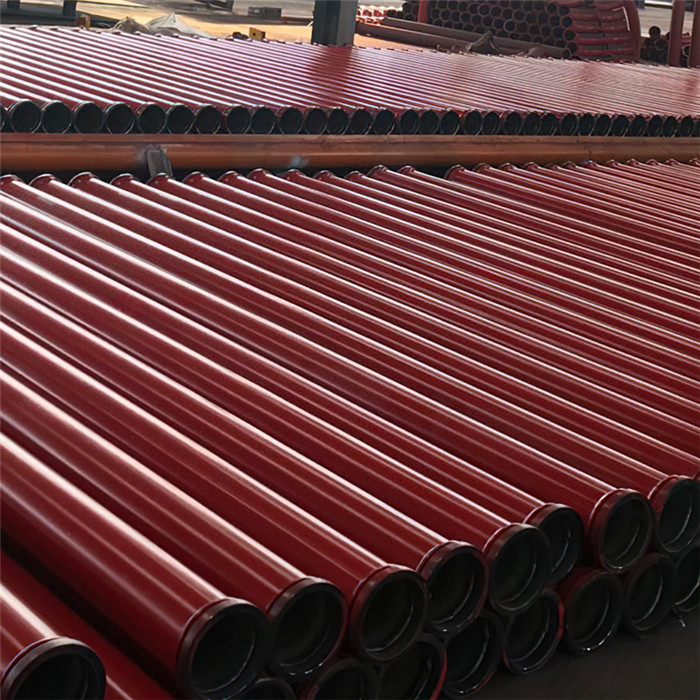
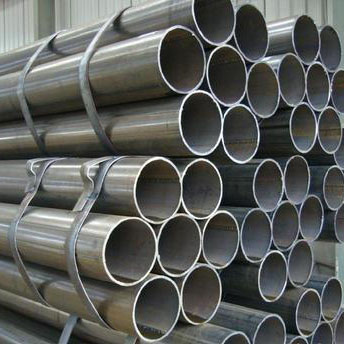
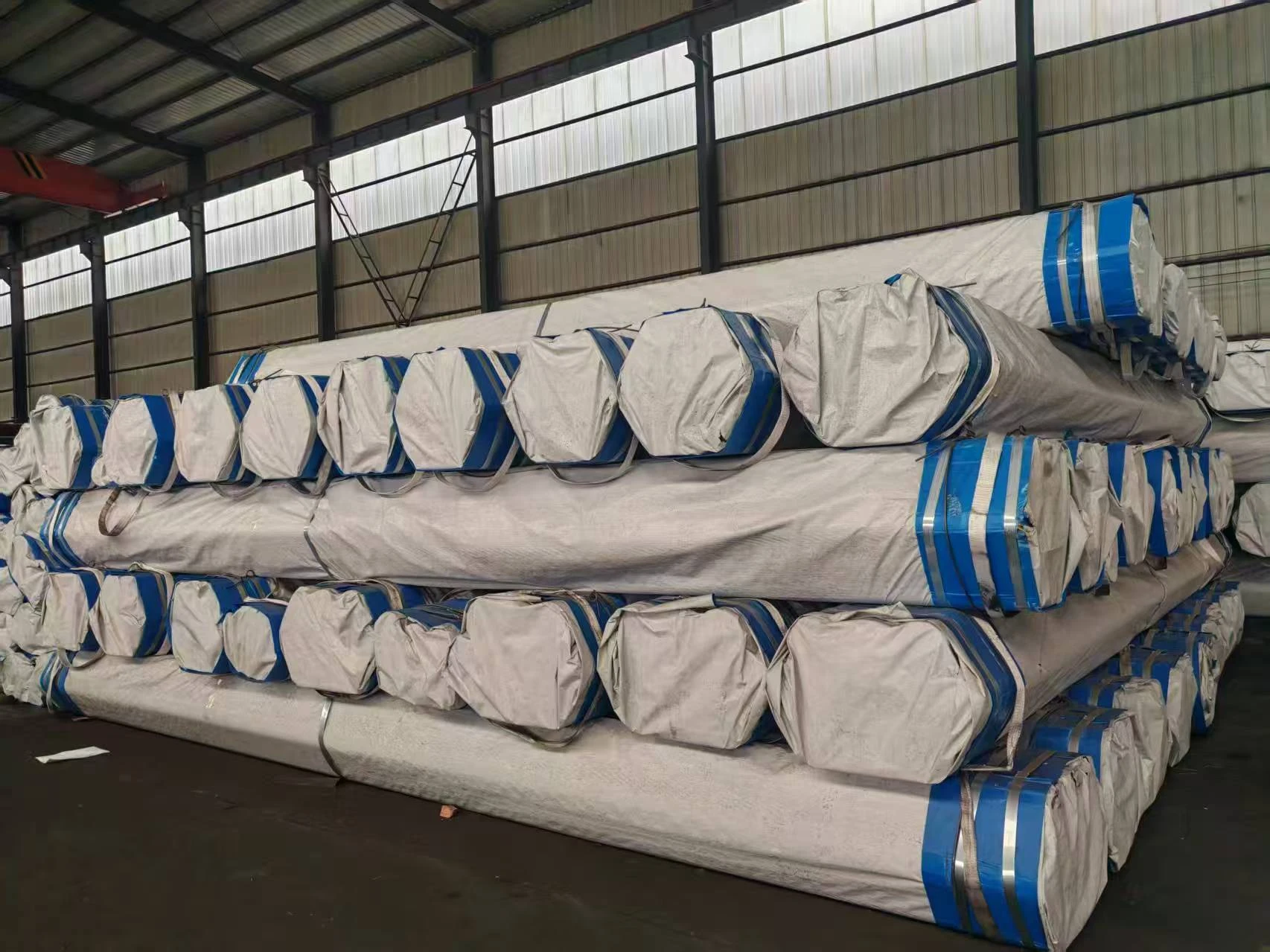
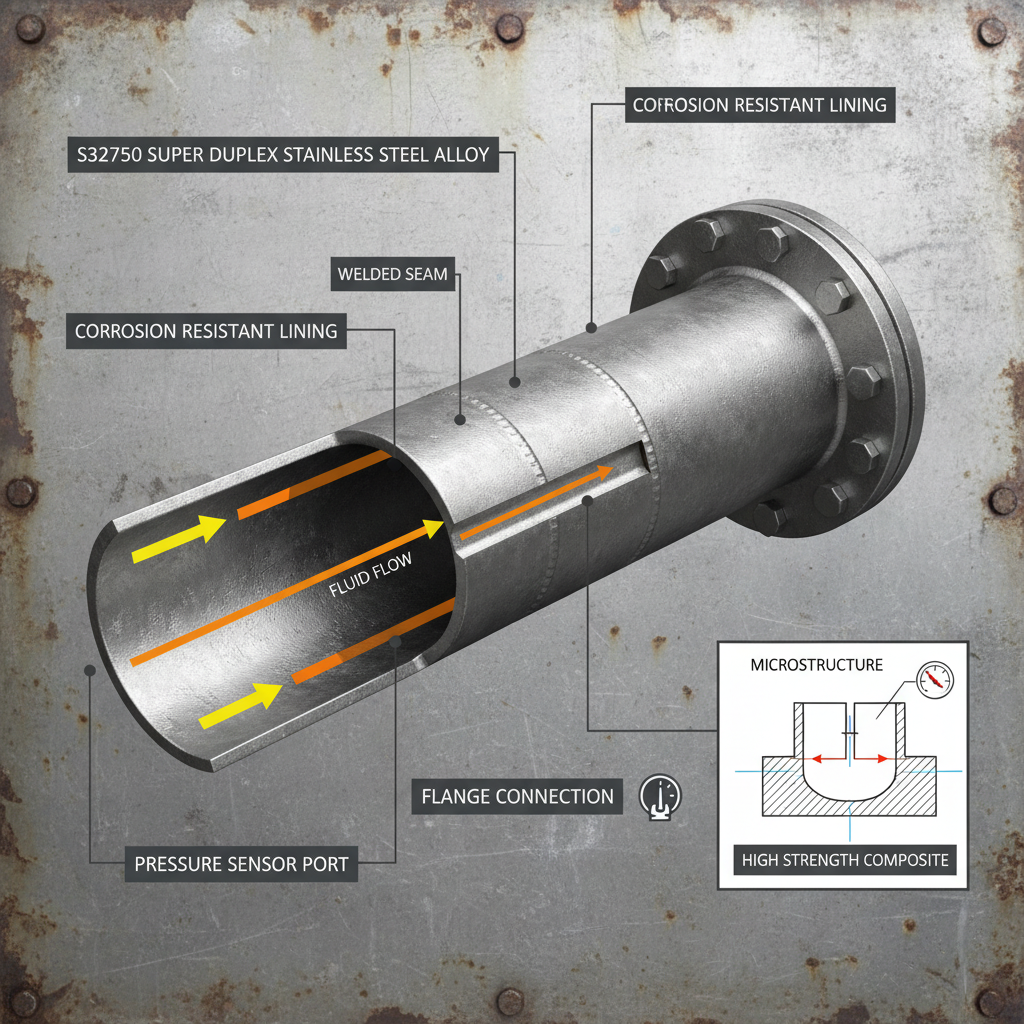
In simple terms, a106b material refers to a grade of carbon steel pipe standardized by ASTM A106 specification. It’s specifically designed for high-temperature service, which means it can endure elevated temperatures without compromising structural integrity. Within the A106 family, grade B stands out as the most commonly used because of its good tensile strength and ductility. These pipes are seamless, reducing failure risks, and form the backbone for transferring fluids and gases in industries such as oil, natural gas, and power generation.
Its importance also extends into humanitarian needs—for instance, during disaster relief operations where reliable piping infrastructure is crucial for water transportation or emergency fuel delivery. So, it’s not just about industry profits; it directly ties to safety and community resilience.
Core Features of A106B Material
Durability and Temperature Resistance
A106B pipes withstand high-temperature environments—typically up to 450°C (about 840°F)—without warping or losing strength. This makes them ideal for power plants and refineries where heat is intense and continuous.
Weldability and Fabrication Ease
The chemical composition of a106b steel ensures it can be welded easily, with minimal risk of cracking. For fabrication teams on-site, this speeds up construction considerably and lowers labor costs.
Corrosion Resistance
Though not stainless steel, a106b material’s carbon content and protective coatings provide decent resistance against environmental corrosion, especially when combined with proper maintenance.
Cost Efficiency
Compared to higher alloys or exotic metals, a106b offers a very reasonable price point without sacrificing essential properties—making it the go-to choice in budget-conscious projects.
Availability and Standardization
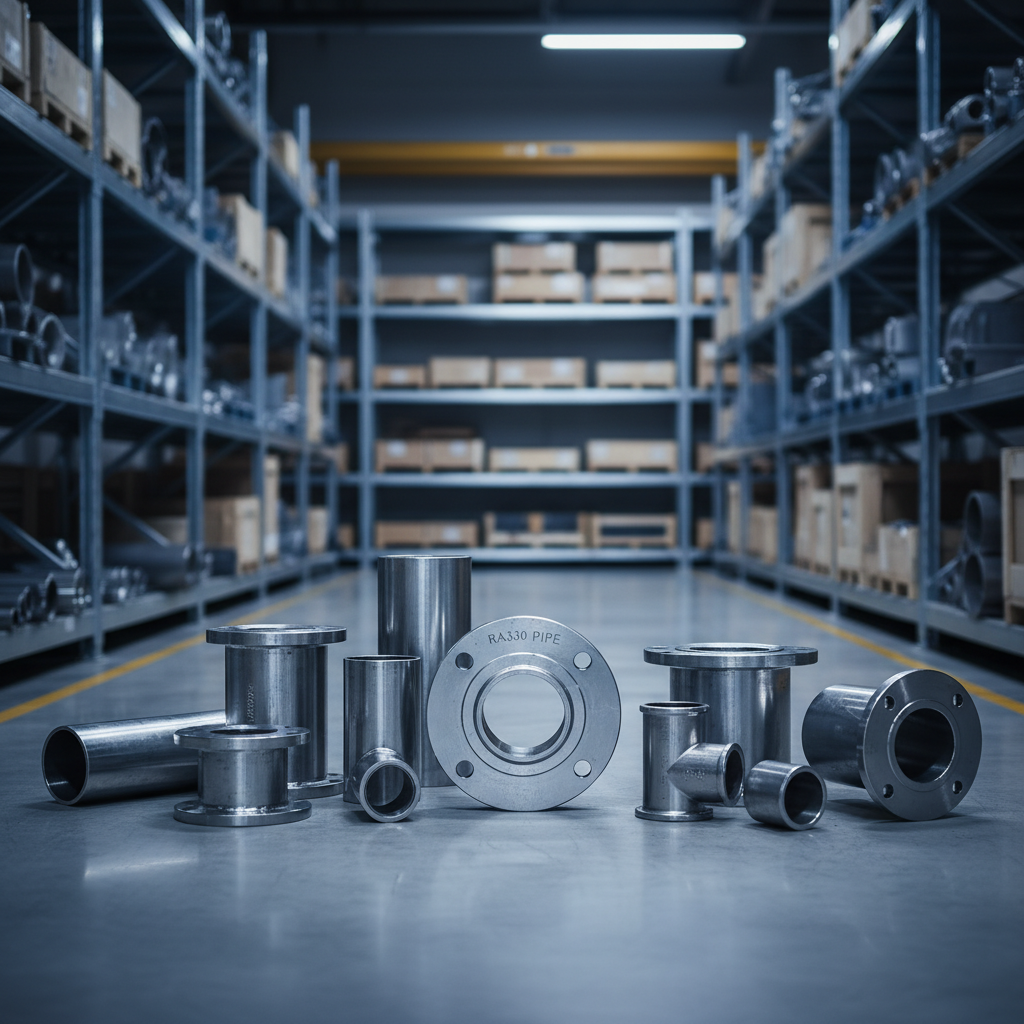
Because it’s a standard specified by ASTM, a106b steel is manufactured worldwide under controlled specifications, ensuring uniform quality and compatibility.
| Property | Typical Value |
|---|---|
| Carbon Content | 0.30% Max |
| Tensile Strength | 415 – 550 MPa |
| Yield Strength | 240 MPa Min |
| Maximum Service Temperature | 450°C |
| Pipe Type | Seamless |
Global Applications & Use Cases for A106B Material
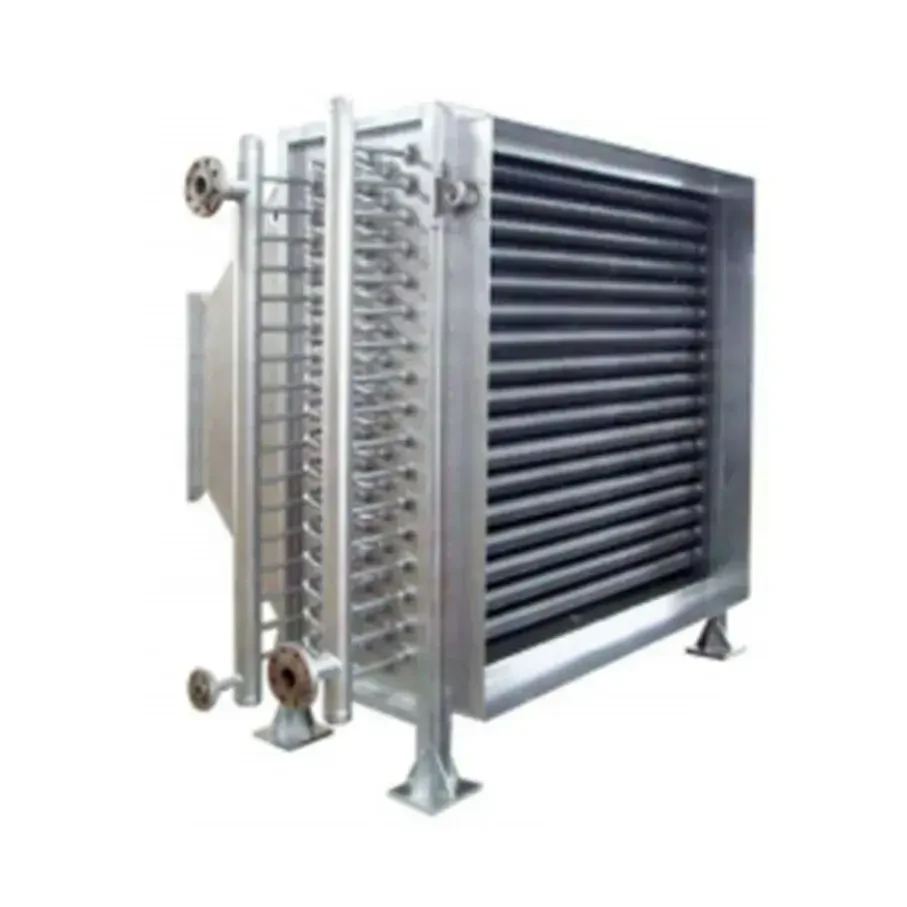
You’ll find a106b pipes everywhere high-temperature, high-pressure flow is necessary. For instance, in the Middle East’s oilfields, these pipes carry crude oil across long distances, sustaining production efficiency. In North America and Europe, power plants rely on them for steam lines and heat exchangers. Overseas, development projects in Southeast Asia use a106b steel to build reliable water and fuel pipeline infrastructure.
Oddly enough, humanitarian agencies sometimes use this material in emergency water delivery pipelines after floods or earthquakes when durability and quick deployment matter most. This steel's global footprint is expansive, cutting across heavy infrastructure and emergency solutions alike.
Vendor Comparison: Popular Suppliers of A106B Material
| Vendor | Location | Compliance | Lead Time | Typical Price Range (USD/ton) |
|---|---|---|---|---|
| Global Steel Co. | USA | ASTM A106, ISO 9001 | 4-6 weeks | 850 - 950 |
| Eastern Metals Ltd. | China | ASTM, ISO 14001 | 3-5 weeks | 780 - 880 |
| EuroPipe Supplies | Germany | ASTM, PED | 5-7 weeks | 900 - 1000 |
Advantages and Long-Term Value
It’s not just technical specs—there’s an emotional side too. Safety, for example, is paramount. When families rely on energy, water, or fuel transported through a106b pipes, they trust the material won’t fail under pressure or heat. In economic terms, the cost savings from reduced maintenance and longer service life add up substantially. Environmentally, well-made steel pipes can be recycled at end-of-life, lowering the environmental footprint.
Many engineers highlight this grade’s versatility—the fact that it balances robustness with affordability means more projects become viable, especially in emerging markets. In essence, a106b material helps build not just structures but trust.
Future Trends & Innovations
Looking ahead, the steel industry is embracing digital transformation—think AI-enabled monitoring of pipeline integrity, and automated welding. Meanwhile, there’s a push towards greener steel production methods to reduce carbon emissions associated with traditional blast furnaces.
Innovations like hydrogen-ready piping materials and new coatings aimed to further improve corrosion resistance are starting to emerge. A106b material itself might get tweaks adapting alloying elements to boost sustainability criteria without losing performance.
Challenges and Solutions
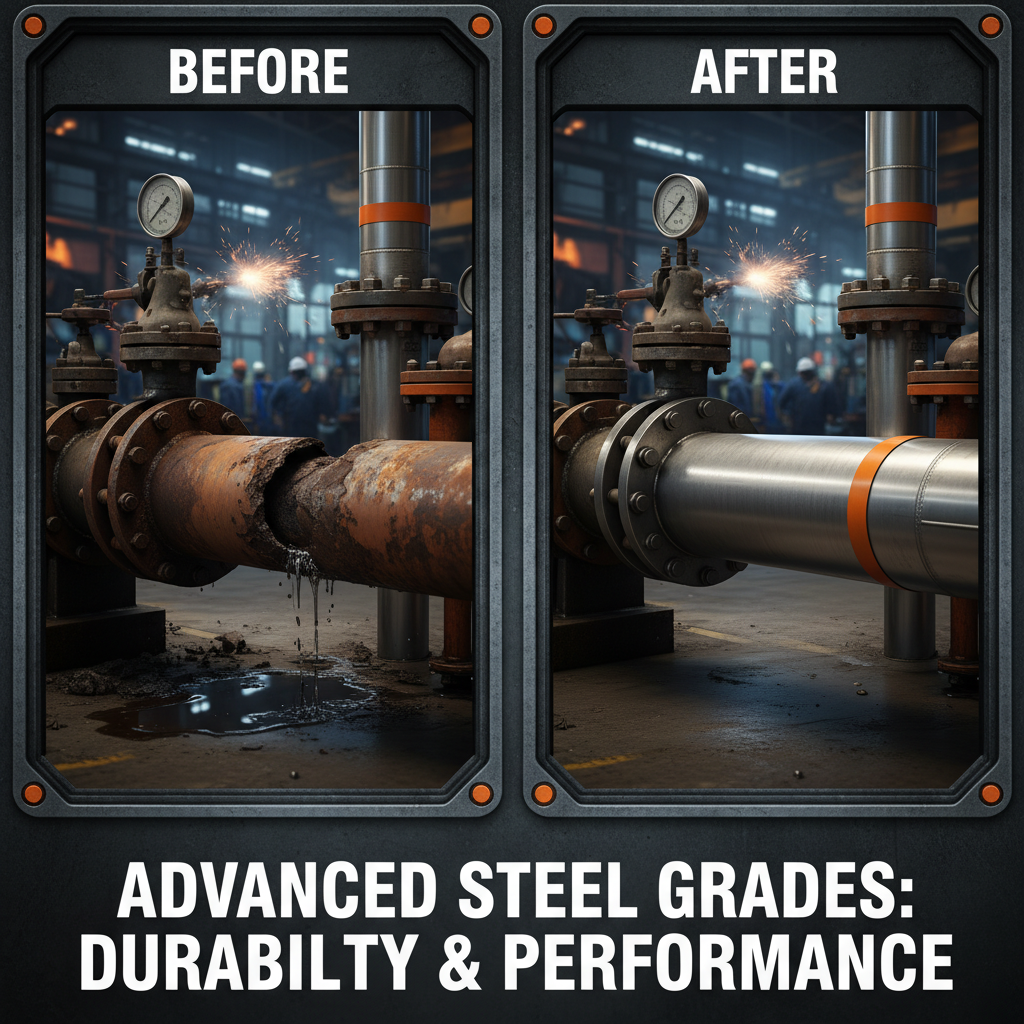
No material is perfect, right? A106b steel can face issues like susceptibility to sudden brittle fracture in very cold environments or corrosion if coatings fail. The solution? Ongoing research into advanced coatings, better inspection technology, and environmental adaptations by project engineers.
For instance, companies integrate ultrasonic testing and real-time sensors embedded within pipelines to detect early failures, allowing preventive maintenance. These smart approaches are essentially raising steel’s bar.
FAQ: Common Questions About A106B Material
-
Q: What makes A106B steel suitable for high-temperature applications?
A: Its chemical composition allows it to retain strength and resist deformation at elevated temperatures up to 450°C, making it reliable for steam and oil transport in industrial settings. -
Q: Can A106B pipes be welded onsite safely?
A: Yes, a106b material has good weldability with proper procedures, reducing installation time and costs while maintaining structural integrity. -
Q: How does a106b compare with other ASTM steel grades?
A: Compared to grades A and C, grade B offers a balanced strength vs. ductility ratio, which is why it’s the most widely used for high-temp piping. -
Q: Are A106B pipes suitable for outdoor corrosive environments?
A: While not stainless, protective coatings and regular maintenance help prevent corrosion. For highly aggressive environments, other materials might be recommended. -
Q: How can international buyers ensure authenticity when importing A106B pipes?
A: Confirm vendor certifications like ASTM and ISO compliance, request material test reports, and possibly third-party testing to ensure quality standards are met.
Conclusion: Why A106B Material Still Matters
In real terms, A106B material represents a sweet spot in the steel world—affordable, dependable, and broadly applicable. For infrastructure resilience, economic growth, and safer industrial processes, it’s a quiet workhorse. So whether you’re in construction, energy, or emergency relief, a deeper appreciation of this steel grade opens doors to smarter sourcing and better project outcomes.
If you want to explore more about this essential material, check out a106b material and related high-grade steel products to suit your project needs.
In essence: A106B material is the quiet steel hero delivering strength under pressure — literally and figuratively.
References:
1. ASTM International, Specification A106/A106M - Standard Specification for Seamless Carbon Steel Pipe for High-Temperature Service
2. World Steel Association
3. ISO 9001 Quality Management & ISO 14001 Environmental Management Standards
Post time: Dec . 02, 2025 03:45
 English
  Arabic
  Bengali
  China
China  French
  German
  Hausa
Hausa  Indonesian
  Italian
  Japanese
  Javanese
  Malay
Malay  Persian
  Portuguese
  Punjabi
  Russian
  Spanish
  Swahili
  Telugu
  Vietnamese