

a106 Steel: An Industrial Backbone for Modern Infrastructure
When you hear “a106 steel,” it might not immediately ring a bell unless you work in construction, manufacturing, or oil and gas. But this specific steel grade quietly fuels countless pipelines, power plants, and heavy machinery worldwide. Understanding a106 steel is more than just a technical exercise — it’s a glimpse into the durable materials behind global infrastructure stability.
Why a106 steel Matters Globally
From energy distribution in remote areas to large manufacturing hubs, a106 steel plays a pivotal role. According to the International Organization for Standardization (ISO), standards like those governing a106 steel ensure safety and reliability in high-pressure environments, which is critical for both human safety and economic vitality. Oddly enough, it’s the kind of material you notice most when it fails — so investing in quality a106 steel reduces costly downtime and environmental hazards.
Definition & Meaning: What Exactly Is a106 Steel?
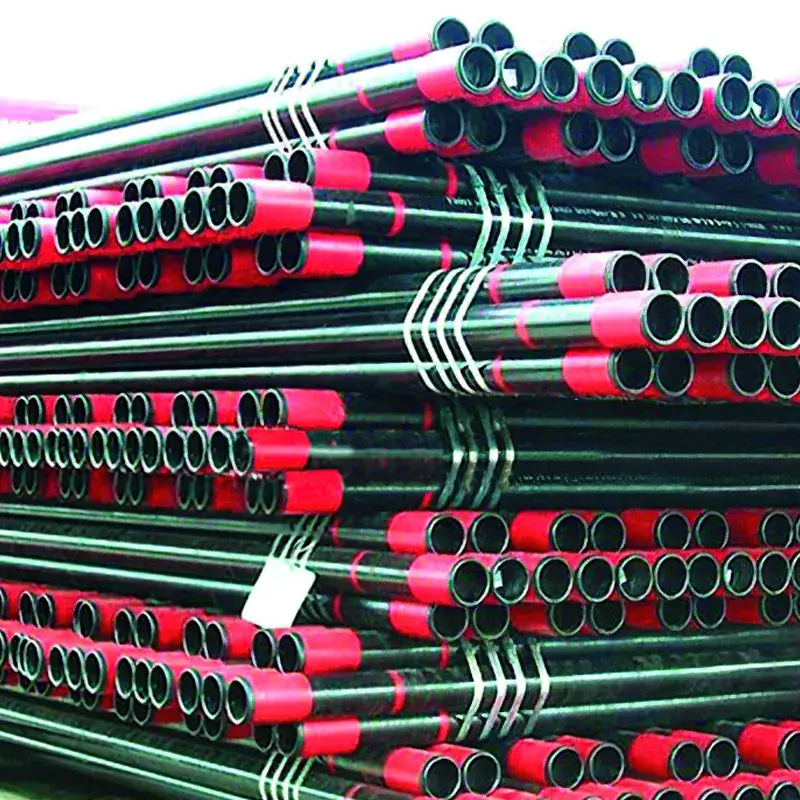
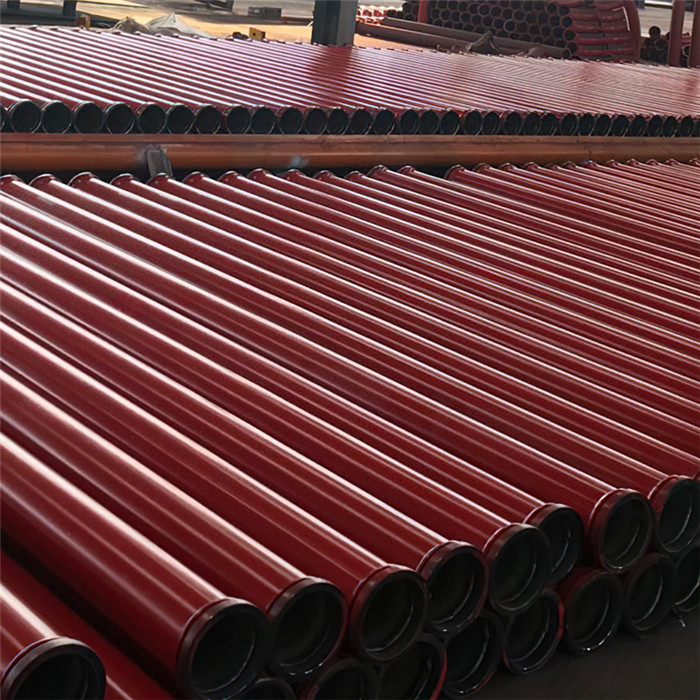
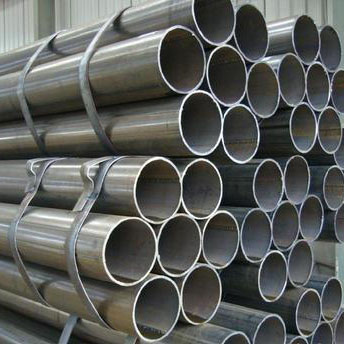
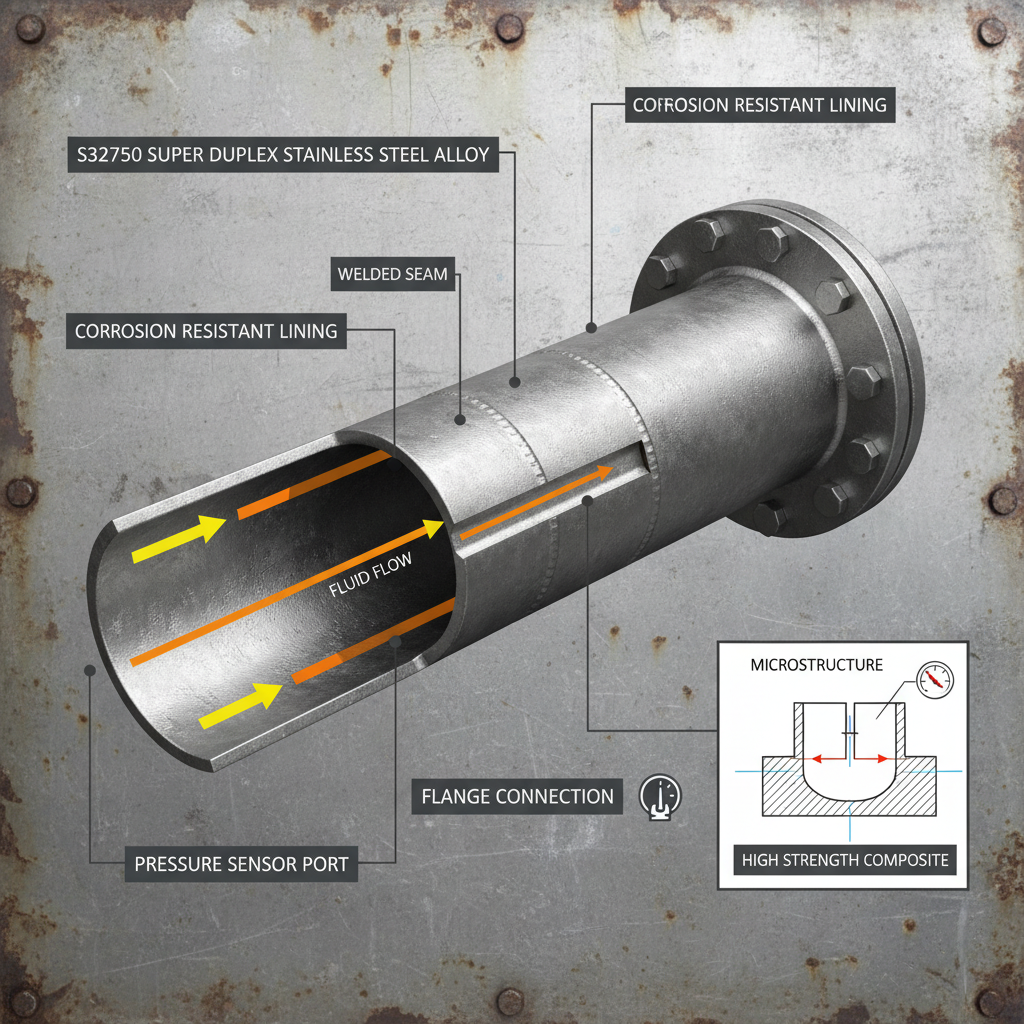
Simply put, a106 steel is a carbon steel pipe grade specification designed for high-temperature service in the transport of fluids and gases. It’s standardized under ASTM A106, and typically used in the oil and gas industry for pipelines, power plants, and refineries. Its ability to withstand intense pressures and elevated temperatures links it directly to both modern industry’s demands and critical humanitarian infrastructure such as emergency fuel lines or water pipelines in disaster-prone areas.
Key Factors Behind a106 Steel’s Utility
Durability
The most praised aspect of a106 steel is its durability—engineered to resist cracking and deformation even under severe thermal stress. This strength is essential where failure could mean environmental catastrophe or human injury.
Temperature Resistance
Designed to handle temperatures up to 750°F (400°C), a106 steel fits industrial processes involving steam, heat transfer, and petrochemical transport. This reliability under heat helps industries meet operational safety standards.
Cost Efficiency
Compared to exotic alloys, a106 steel strikes a balance between performance and cost. Its carbon steel composition is cheaper than stainless steel but still offers superior strength, saving budget without sacrificing safety.
Scalability
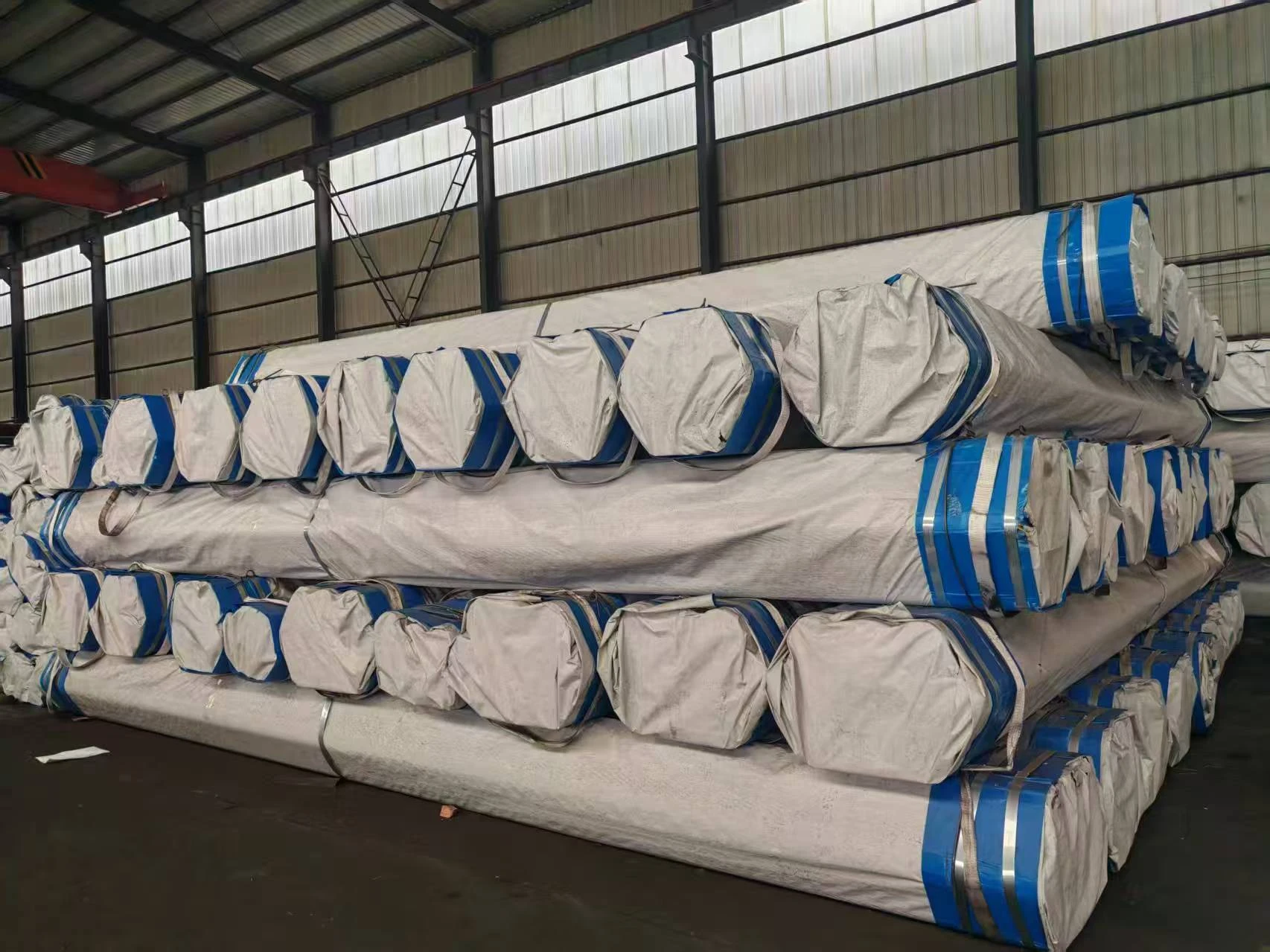
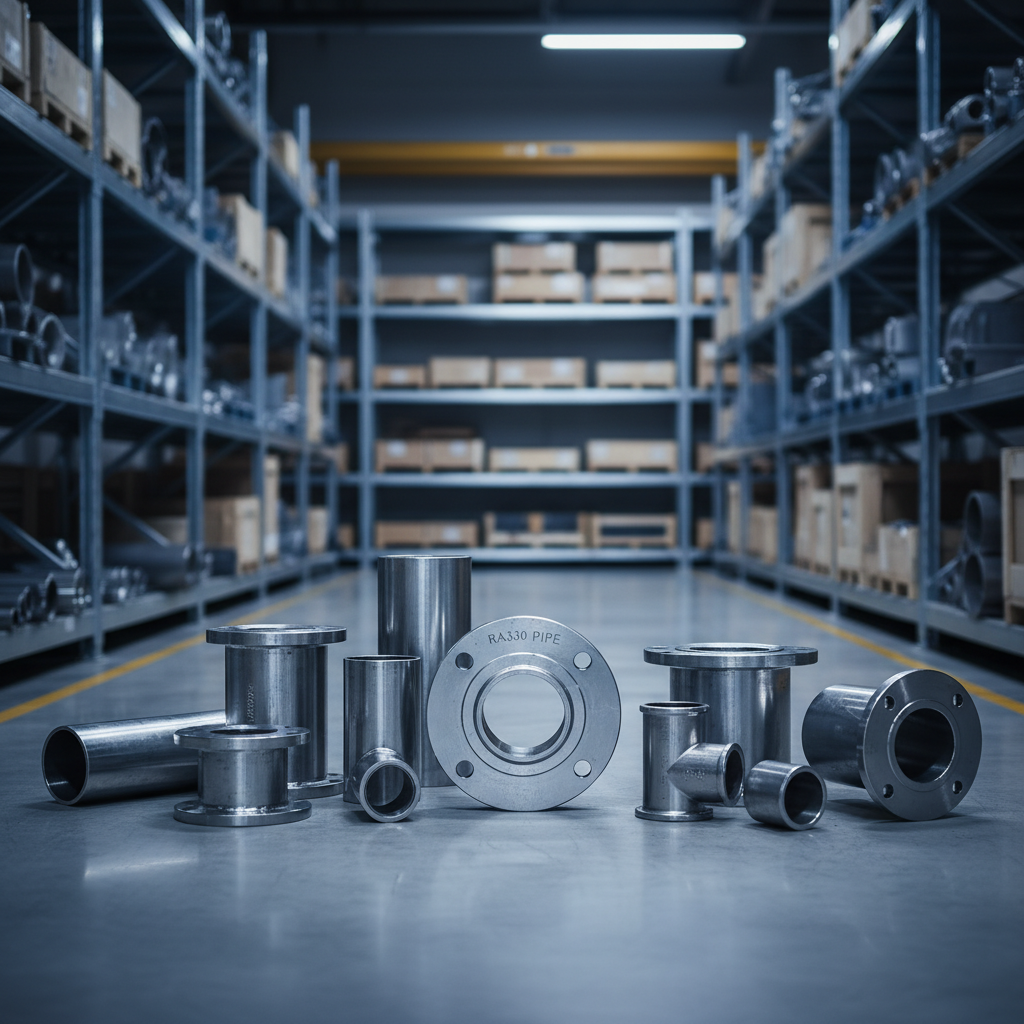
Available in a range of diameters and thicknesses, a106 steel pipes can be customized for small refineries or large pipeline grids. This scalability makes it adaptable globally, meeting diverse industrial scales.
Weldability
Many engineers appreciate its weldability — important when constructing or repairing pipelines efficiently in remote regions, where prefabricated options might be limited.
Product Specification Snapshot
| Specification | Details |
|---|---|
| Grade | ASTM A106 Grade B (commonly) |
| Material | Carbon Steel |
| Temperature Range | -50°C to 400°C (up to 750°F) |
| Sizes | NPS 1/8 to 48 inches (diameter) |
| Applications | Petrochemical, Power Generation, Oil & Gas Pipelines |
| Standards | ASTM, ASME |
Mini takeaway: a106 steel combines strength, heat resistance, and reasonable cost, making it essential in harsh industrial environments.
Global Applications & Use Cases for a106 Steel
It’s not just about pipes, really. a106 steel underpins vital infrastructure in regions where robustness and safety are non-negotiable. In the Middle East, where oil pipelines span deserts, a106 steel supports high-temperature and high-pressure lines, ensuring continuous fuel flow. In North America, refineries rely on a106 steel piping to endure fluctuating temperatures. Meanwhile, in parts of Asia, power plants use it extensively for steam and water transportation.
In disaster relief scenarios, such as post-flood infrastructure repairs, a106 steel pipes enable quick and durable restoration of water supply and fuel lines, highlighting its humanitarian significance too.
Vendor Comparison: Which Supplier Fits Your Needs?
| Vendor A | Vendor B | Vendor C | |
|---|---|---|---|
| Certification | ASTM, ISO 9001 | ASTM, API 5L | ASTM, ASME |
| Price Range | $$$ | $$ | $$$ |
| Delivery Time | 2-4 weeks | 1-3 weeks | 3-5 weeks |
| Customization Options | Yes | Limited | Yes |
| Global Shipping | Yes | Yes | No |
Mini takeaway: Choose vendors based on certification relevance and your timeline—delivery times can impact installation projects drastically.
Advantages & Long-Term Value of a106 Steel
- Reliability: Its predictable behavior under thermal and mechanical stress supports safety and trust.
- Cost Savings: Durable materials mean fewer repairs and lower lifecycle costs.
- Sustainability: Steel’s recyclability aligns with industry moves toward circular economies.
- Emotional Confidence: Engineers often stress the "peace of mind" from using well-tested materials like a106 steel.
Emerging Trends & Innovations
Looking ahead, a106 steel is not immune to innovation. The push for greener energy plants means materials must adapt to cleaner fossil fuel burning and carbon capture technologies. Manufacturers experiment with coatings and heat treatments to extend lifespan and resistance against corrosion without heavy environmental footprints.
Automation in pipeline welding and monitoring also means a106 steel’s quality control is becoming tighter and smarter, reducing human error and increasing safety.
Challenges & Solutions in Using a106 Steel
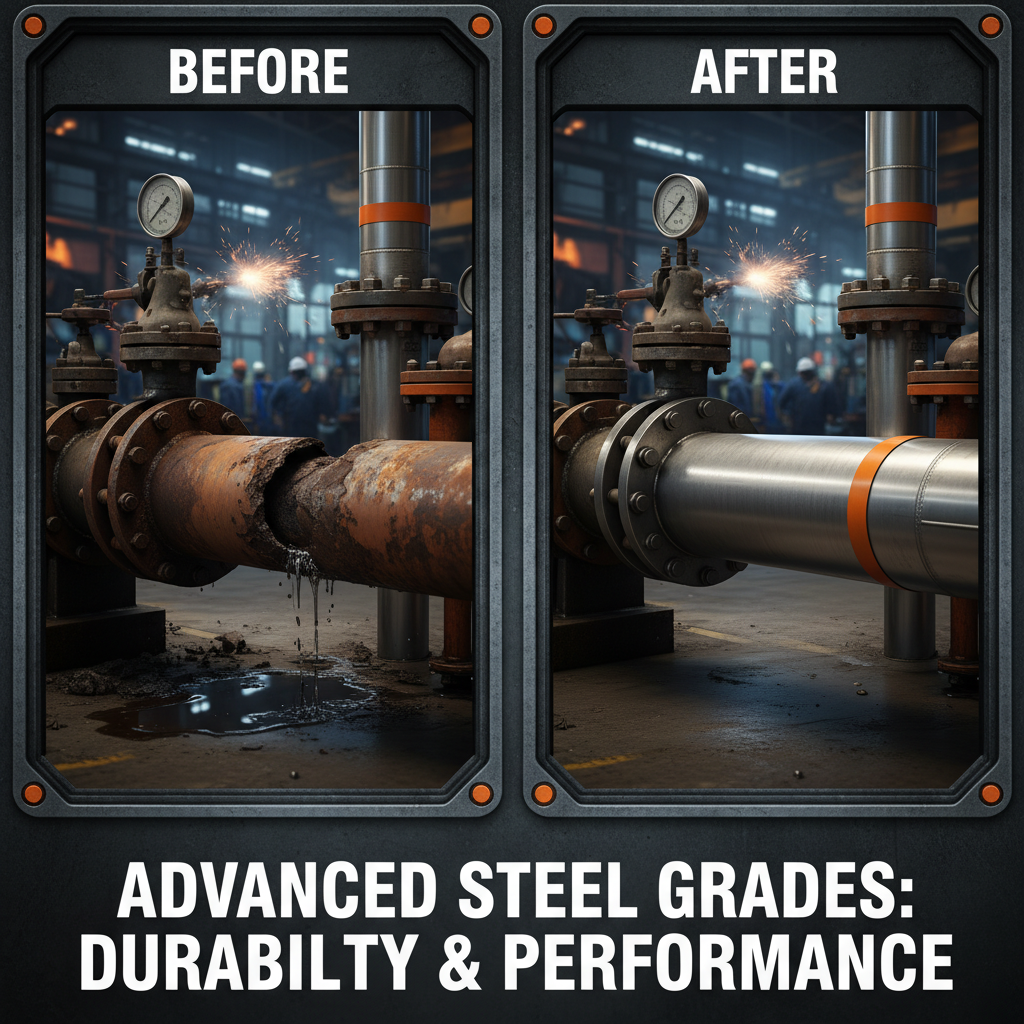
No material is perfect. a106 steel can be vulnerable to oxidation and stress corrosion cracking in specific environments. Fortunately, advances in protective coatings and predictive maintenance practices are minimizing these risks. Industry experts recommend regular ultrasonic testing and corrosion inhibitors to extend service life.
FAQ: Frequently Asked Questions About a106 Steel
- What industries rely most on a106 steel?
- Primarily petrochemicals, oil & gas pipelines, power generation, and chemical processing sectors. These industries demand materials that tolerate high temperatures and pressures.
- Can a106 steel be used for both above-ground and underground pipelines?
- Yes, it’s versatile enough for both, but underground installations often require additional corrosion protection like coatings and cathodic protection.
- How does a106 steel compare to stainless steel in cost and durability?
- While a106 steel is more affordable and strong in high-temperature settings, stainless steel offers better corrosion resistance but at a higher price tag.
- Is welding a106 steel difficult in remote areas?
- Thanks to its good weldability, onsite welding in remote, industrial, or emergency repair scenarios is generally straightforward — provided proper techniques and inspections are followed.
- Where can I buy certified a106 steel pipes online?
- You can find reputable suppliers, including via a106 steel vendors online offering certifications and customization options.
Conclusion & Call to Action
In real terms, a106 steel is more than just pipe metal—it’s the backbone of countless vital systems ensuring safe energy and resource transport worldwide. Its blend of durability, cost-effectiveness, and adaptability secures its place in current and future infrastructure projects. If you’re involved in pipeline construction, industrial manufacturing, or power generation, understanding and utilizing certified a106 steel can make a lasting difference.
For more detailed specs, vendor options, and expert advice, visit us at https://www.world-steelmaterial.com. Dive into material insights that matter.
Oddly enough, sometimes the strongest things are the ones you see least—but you certainly feel the impact when they’re not up to the task.
References:1. Wikipedia: ASTM A106
2. ISO Steel Standards
3. ASME Codes and Standards
Post time: Dec . 02, 2025 01:55
 English
  Arabic
  Bengali
  China
China  French
  German
  Hausa
Hausa  Indonesian
  Italian
  Japanese
  Javanese
  Malay
Malay  Persian
  Portuguese
  Punjabi
  Russian
  Spanish
  Swahili
  Telugu
  Vietnamese