

Understanding ASTM A53 B: The Backbone of Steel Piping Worldwide
If you’ve ever wondered what makes many industrial pipes the sturdy, reliable spines of modern infrastructure, chances are astm a53 b pipes are part of the answer. ASTM A53 B isn’t just an obscure steel code; it’s a global staple in steel pipe specification that quietly powers everything from oil pipelines to building scaffolding. Why does that matter? Because these pipes meet universal standards ensuring safety, durability, and efficiency — critical for many industries and civil projects worldwide.
Global Context: Why ASTM A53 B Matters in Industry and Infrastructure
Steel pipe standards like ASTM A53 B reflect a huge effort at harmonizing quality in manufacturing globally. According to the International Organization for Standardization (ISO) and corroborated by reports from the World Steel Association, pipe and tube manufacturing accounts for billions of dollars in annual production, with ASTM A53 B-grade steel pipe standing out as a "workhorse" material.
In real terms, these pipes help solve a constant challenge: how to safely transport gases and liquids over long distances under pressure while keeping costs manageable and maintenance low. For industries from energy to agriculture, having dependable pipe specs is crucial. Oddly enough, despite all the tech innovation, these reliable pipes haven’t gone out of style — rather, they’ve become even more essential in a fast-growing industrial world.
What Exactly Is ASTM A53 B?
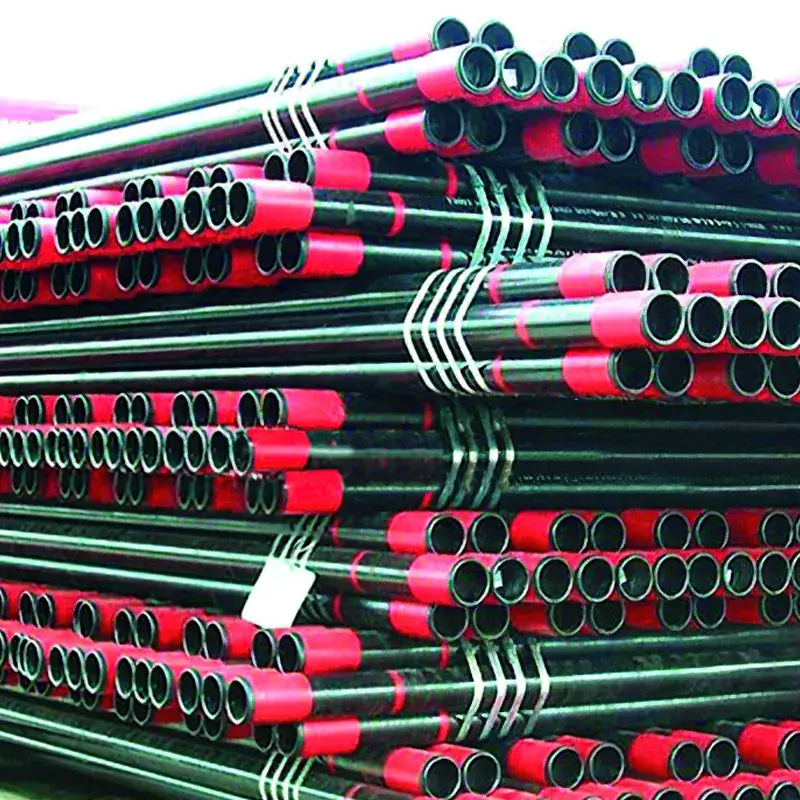
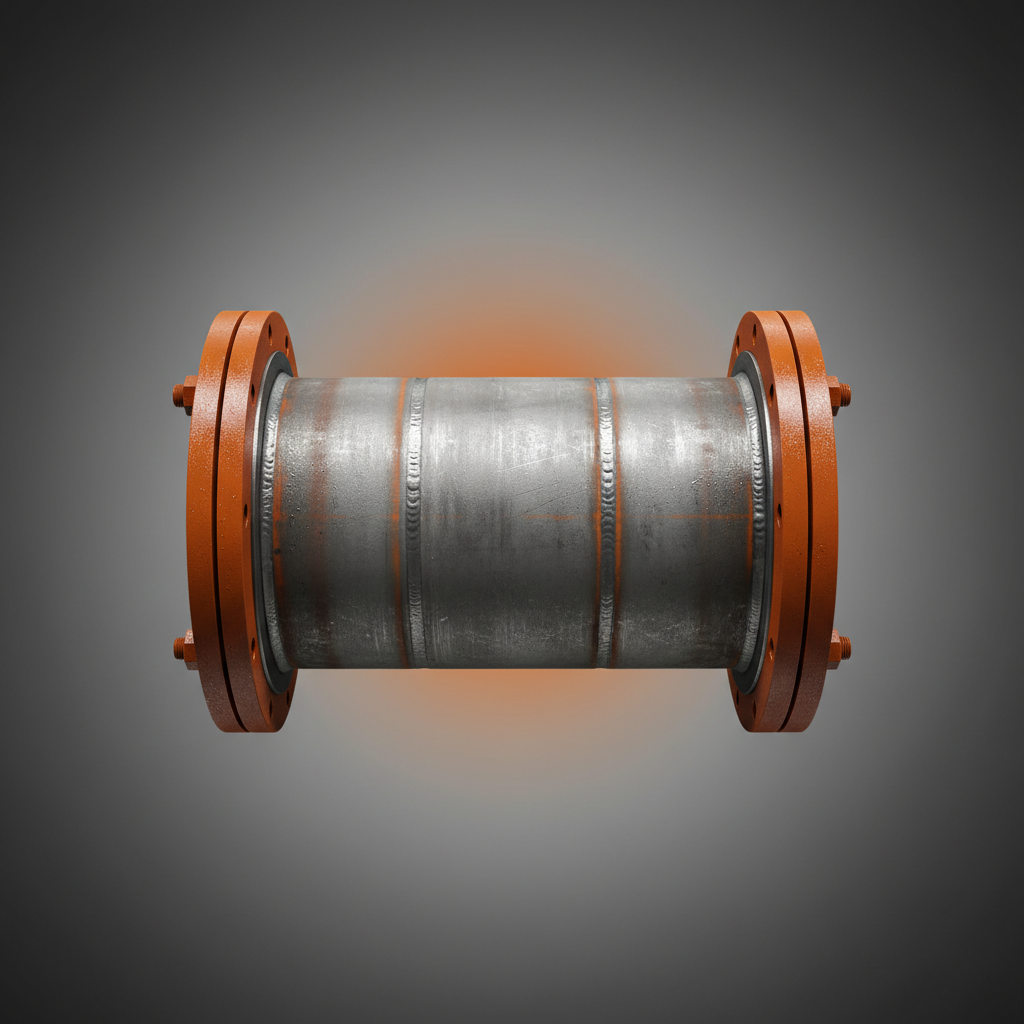
ASTM A53 B is part of the ASTM A53 specification, developed by ASTM International. It defines the requirements for seamless and welded black and hot-dipped galvanized steel pipe. The “B” grade specifically pertains to pipes meeting certain chemical composition and mechanical property criteria. These pipes are commonly used in structural applications and for conveying fluids. Think of them as the rugged, versatile pipes fit for a wide range of uses — from construction scaffolding to steam lines.
Given modern global infrastructure demands, astm a53 b delivers a balance between strength, cost, and workability — a trifecta that keeps it relevant in both commercial and humanitarian projects.
Mini Takeaway:
Simply put, ASTM A53 B represents a set of carefully engineered steel pipes designed to meet numerous industrial needs, built around universal standards that assure quality everywhere.
Core Components and Key Factors of ASTM A53 B Pipes
Durability and Strength
Many engineers say ASTM A53 B pipes offer an excellent strength-to-weight ratio, lending long-lasting durability even under tough conditions like high pressure or outdoor exposure. Thanks to chemical composition controls (low carbon, manganese), these pipes resist deformation without becoming brittle.
Scalability and Versatility
Whether you need pipes in small diameters for local plumbing or massive tubes for industrial applications, ASTM A53 B pipes come in various sizes and wall thicknesses. This scalability means they fit large projects as handily as smaller ones.
Corrosion Resistance
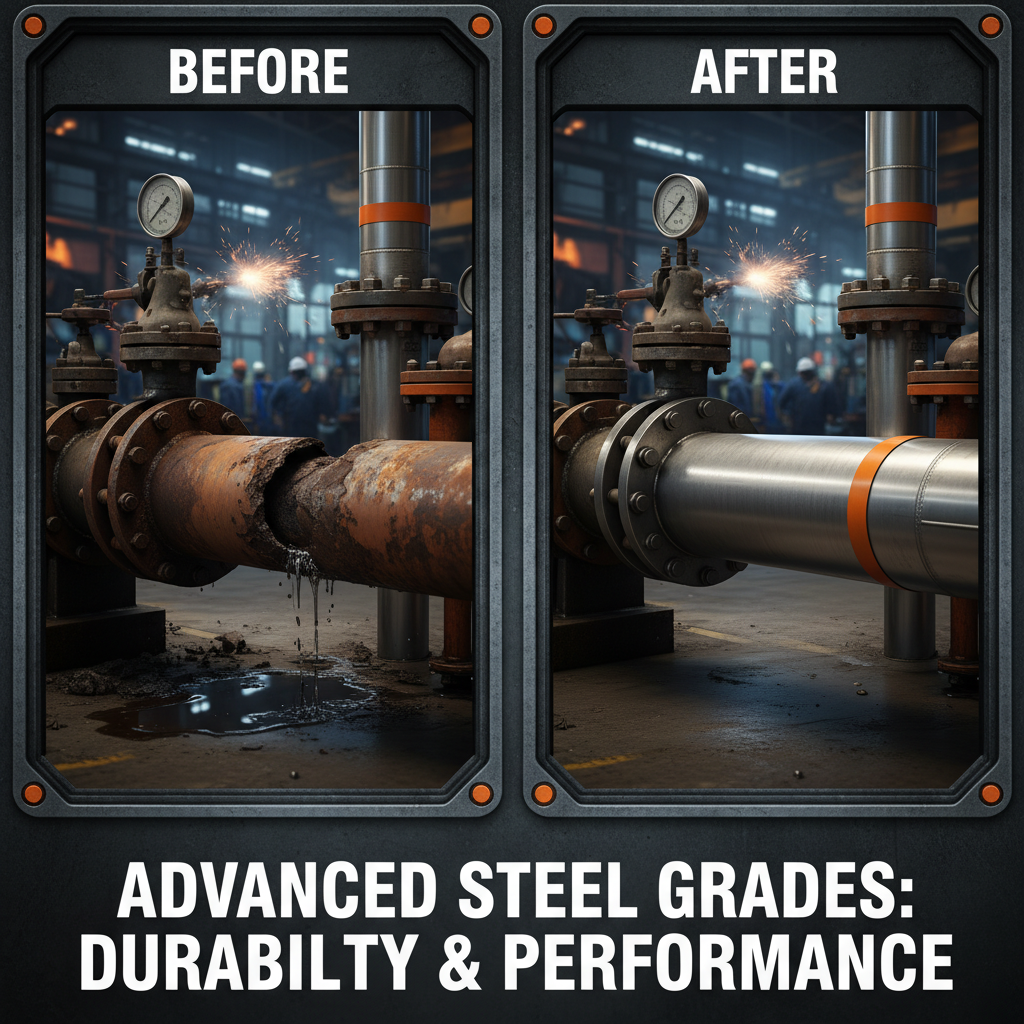
While the base metal is prone to rust, options for hot-dipped galvanized (coated) versions protect the pipes against corrosion, which extends service life, especially outdoors or in moist environments.
Cost Efficiency
Perhaps unsurprisingly, these pipes offer a cost-effective solution — their widespread adoption means more manufacturers produce them competitively. This also makes them easier to source globally.
Standardized Testing and Certification
ASTM requires thorough mechanical and chemical testing before piping carries the A53 B label — tensile strength, yield strength, and more — ensuring reliability.
Mini Takeaway:
- Strength and durability keep operations safe and maintenance low.
- Size and coating options provide versatility for many fields.
- Standardized, tested quality fosters trust across industries.
Real-World Applications: Where and How ASTM A53 B Pipes Shine
From urban skyscrapers to oil rigs in the Persian Gulf, the presence of ASTM A53 B is global and diverse. In the Middle East and Africa — regions experiencing vast industrial expansion — these pipes help deliver water, oil, and natural gas efficiently and safely.
In post-disaster relief operations (think earthquake-prone zones in Southeast Asia), rapid deployment of structural piping adhering to international standards like ASTM A53 B enables teams to rebuild emergency shelters and infrastructure quickly, without second-guessing material quality.
Similarly, in remote industrial zones such as Canadian oil fields or Australian mines, durability and corrosion resistance become non-negotiable, making these pipes a favorite. For millions of miles of pipeline networks, the pipes’ scalability and reliability keep the engines of modern society running behind the scenes.
Product Specification Table (ASTM A53 B Pipes)
| Specification | ASTM A53 B | Notes |
|---|---|---|
| Material | Carbon Steel (Seamless/Welded) | Meets chemical composition requirements |
| Size Range | 1/8" to 26" diameter | Various wall thickness options |
| Tensile Strength | Minimum 48,000 psi | Varies by size and grade |
| Yield Strength | Minimum 30,000 psi | Measured in tensile testing |
| Finish | Black, Galvanized, or Plain | Depends on application |
Comparing Top ASTM A53 B Pipe Vendors
| Vendor | Material Quality | Pricing | Delivery Speed | Global Reach |
|---|---|---|---|---|
| SteelCo International | Premium Grade | Midrange | 2-4 Weeks | North America, Asia, Europe |
| Global Pipe Supply | Standard Grade | Budget-Friendly | 1-3 Weeks | Worldwide |
| MetroSteel Pipes | Certified Grade B | Higher-end | 3-5 Weeks | US & Europe |
The Advantages and Long-Term Value of ASTM A53 B Pipes
One of the often-underestimated aspects of ASTM A53 B pipes is how deeply they align with financial logic and safety priorities. Initial cost savings are compelling, but the reduced maintenance needs and reliability over years make them a clear winner.
On the emotional side, there’s a kind of intangible trust these pipes evoke in engineers and project managers — a confidence that, in risky environments, materials won’t fail spectacularly. This sense of safety preserves human lives and investments alike.
Plus, with options for eco-friendlier coatings and longer life cycles, these pipes contribute to sustainability goals, which increasingly factor in industrial purchasing decisions.
Future Trends: Innovations Impacting ASTM A53 B Pipes
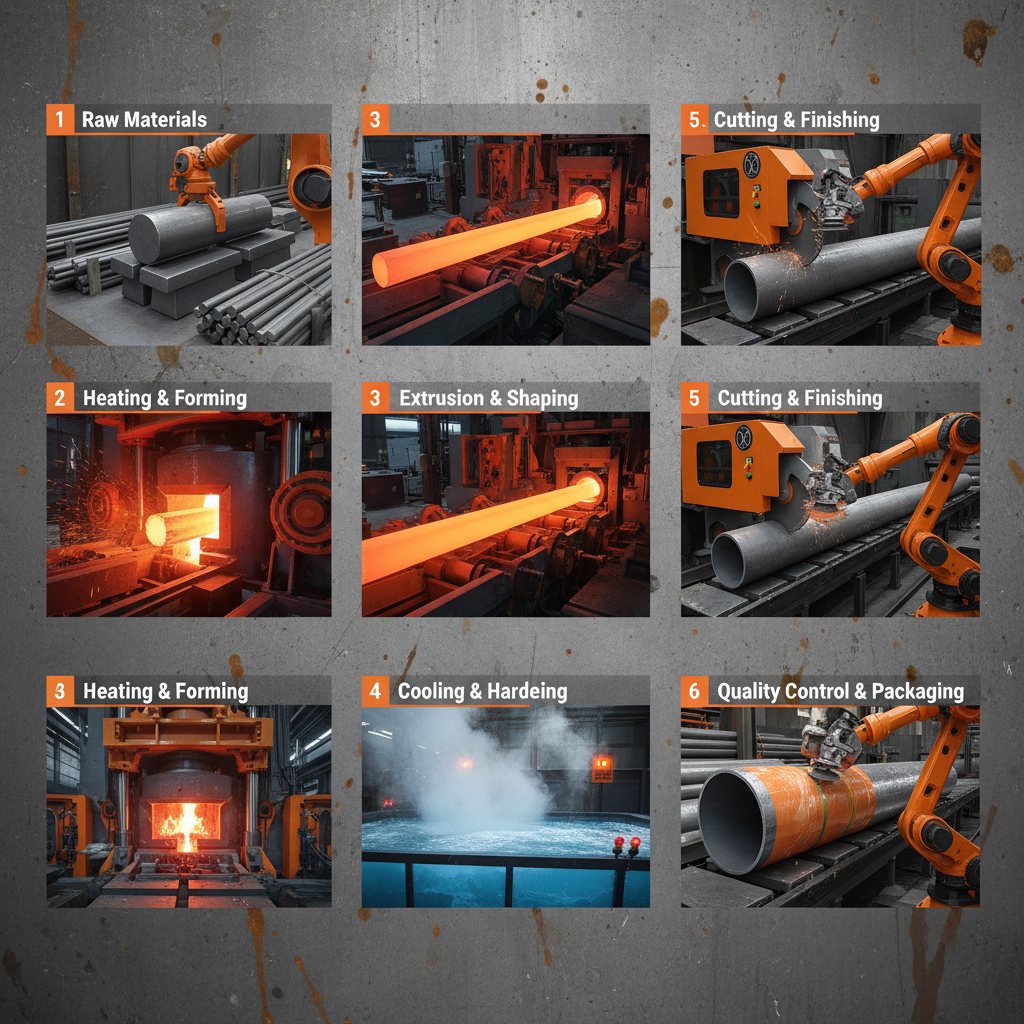
- Digital Manufacturing: Automation in steel pipe production now allows greater consistency and traceability of each pipe.
- Eco-Coatings: New galvanizing methods reduce environmental impact while enhancing anti-corrosion properties.
- Material Blends: Research into micro-alloying improves toughness without hiking costs.
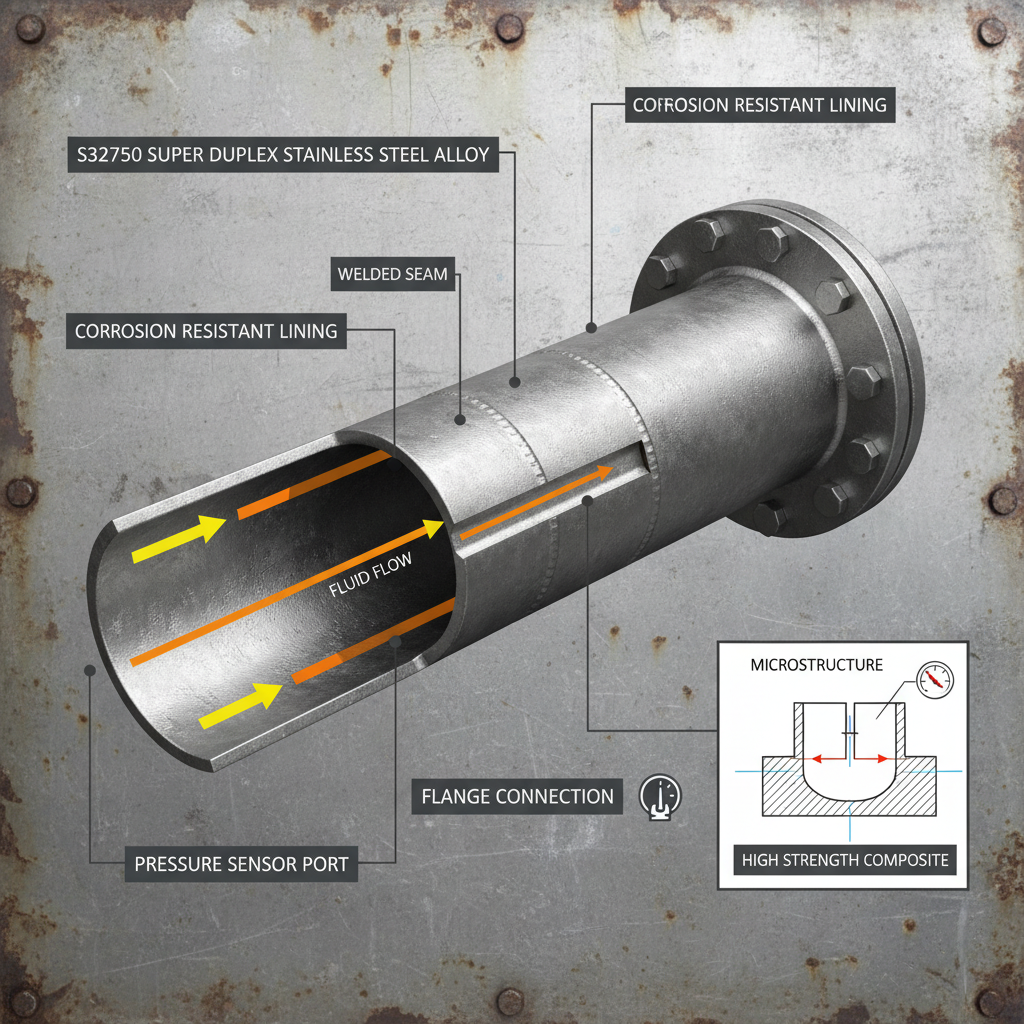
- Smart Pipe Integration: Embedded sensors for pressure and temperature monitoring are on the horizon, potentially revolutionizing pipeline management.
Challenges and How Experts Are Tackling Them
Despite its strengths, ASTM A53 B pipes aren’t perfect. Corrosion still poses problems in some environments, and improper welding or installation can cause failures. Yet innovation keeps pace: better coatings, stricter testing, and adherence to international quality protocols help mitigate risks.
Also, supplier transparency is improving, allowing buyers to verify pipe provenance and certification digitally. It’s a big step forward from a decade ago when traceability was often a headache.
Frequently Asked Questions About ASTM A53 B
- What applications are best suited for ASTM A53 B pipes?
- ASTM A53 B pipes are ideal for mechanical conveyance of fluids and structural uses. They’re commonly used in oil and gas pipelines, water supply, and gas lines. Their durability and compliance with standards make them a go-to for both industrial and structural projects.
- How long do ASTM A53 B pipes typically last in outdoor conditions?
- With proper protective coatings like galvanization, ASTM A53 B pipes can last 20 years or more outdoors. Without protection, rust and corrosion reduce life span significantly, so surface treatment is crucial for longevity.
- Are ASTM A53 B pipes eco-friendly?
- The pipes themselves are made of carbon steel, which is recyclable. Advances in coating technologies and steel production are improving environmental footprints. Choosing galvanized options can extend life and reduce waste, making them reasonably eco-friendly in industrial terms.
- Can ASTM A53 B pipes be exported internationally without issues?
- Yes, because ASTM standards are globally recognized, these pipes generally clear customs easily. However, it’s important to ensure full documentation and certifications are included with shipments to comply with importing country regulations.
Wrapping It Up: Why ASTM A53 B Remains a Smart Choice
In the ever-evolving world of infrastructure and heavy industry, having a trusted standard like ASTM A53 B is invaluable. Its blend of strength, reliability, and cost-effectiveness means it keeps projects running smoothly — often without anyone thinking about what’s inside the walls or underground.
If you’re looking for certified pipes that meet global quality standards and practical needs, ASTM A53 B pipelines remain a sound choice. Curious to explore options or place your order? Feel free to visit our website at https://www.world-steelmaterial.com for more detailed specs and vendor info.
Final Mini Takeaway:
ASTM A53 B isn’t just a specification; it’s a global trust pact wrapped in steel — and that’s exactly what keeps industries moving, day in, day out.
References
Post time: Dec . 01, 2025 18:15
 English
  Arabic
  Bengali
  China
China  French
  German
  Hausa
Hausa  Indonesian
  Italian
  Japanese
  Javanese
  Malay
Malay  Persian
  Portuguese
  Punjabi
  Russian
  Spanish
  Swahili
  Telugu
  Vietnamese