

Understanding A106 B: Backbone of Industrial Piping Systems Worldwide
Ever wondered what keeps oil refineries, power plants, and chemical factories running smoothly at high temperatures and pressures? The answer often points to a little powerhouse known simply as a106 b steel pipe. While it might sound like a dry technical term, understanding a106 b is crucial—whether you’re in construction, oil and gas, or even disaster response. Globally, it plays a starring role in infrastructure, ensuring pipelines aren’t just durable but also safe and cost-effective. Let’s dive deeper and see why this specification matters so much—beyond the letters and numbers.
Introduction: The Global Relevance of a106 b Steel Pipes
In an increasingly industrialized world, infrastructure projects constantly demand materials that stand the test of time and harsh environments. According to the International Organization for Standardization (ISO), carbon steel pipes like a106 b are standardized worldwide for their mechanical properties and chemical makeup.[1]
To put it in perspective, the global demand for seamless carbon steel pipes is expected to exceed 20 million tons by 2025, driven by sectors like oil and gas exploration, power generation, and chemical manufacturing.[2] Yet, challenges like corrosion, thermal stress, and variable environmental conditions often threaten plant safety and operational efficiency. This is precisely where a106 b, with its tried-and-tested composition and properties, offers a solution.
What Is A106 B? Defining the Specification
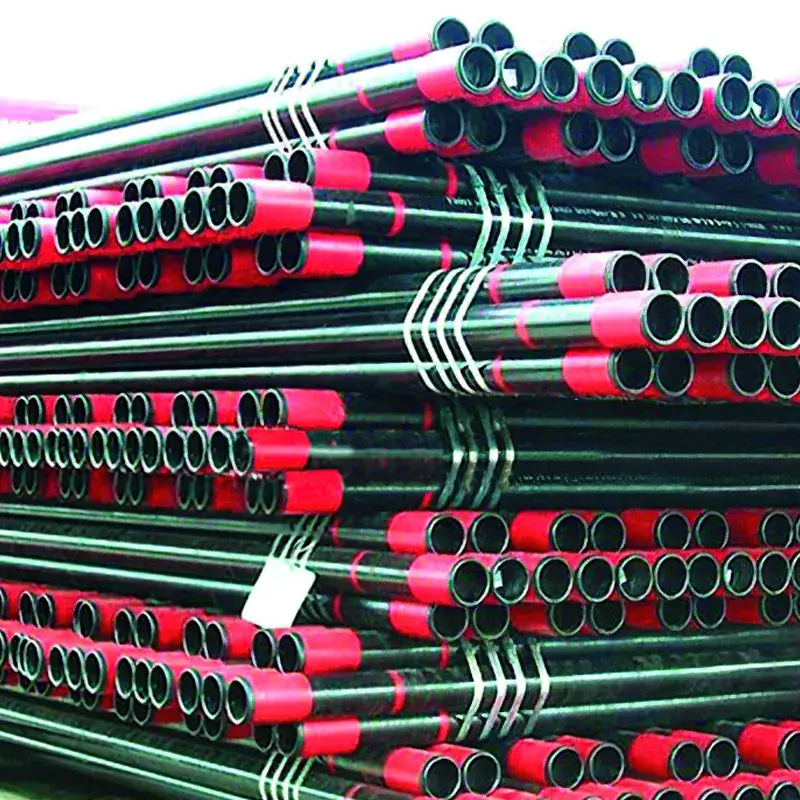
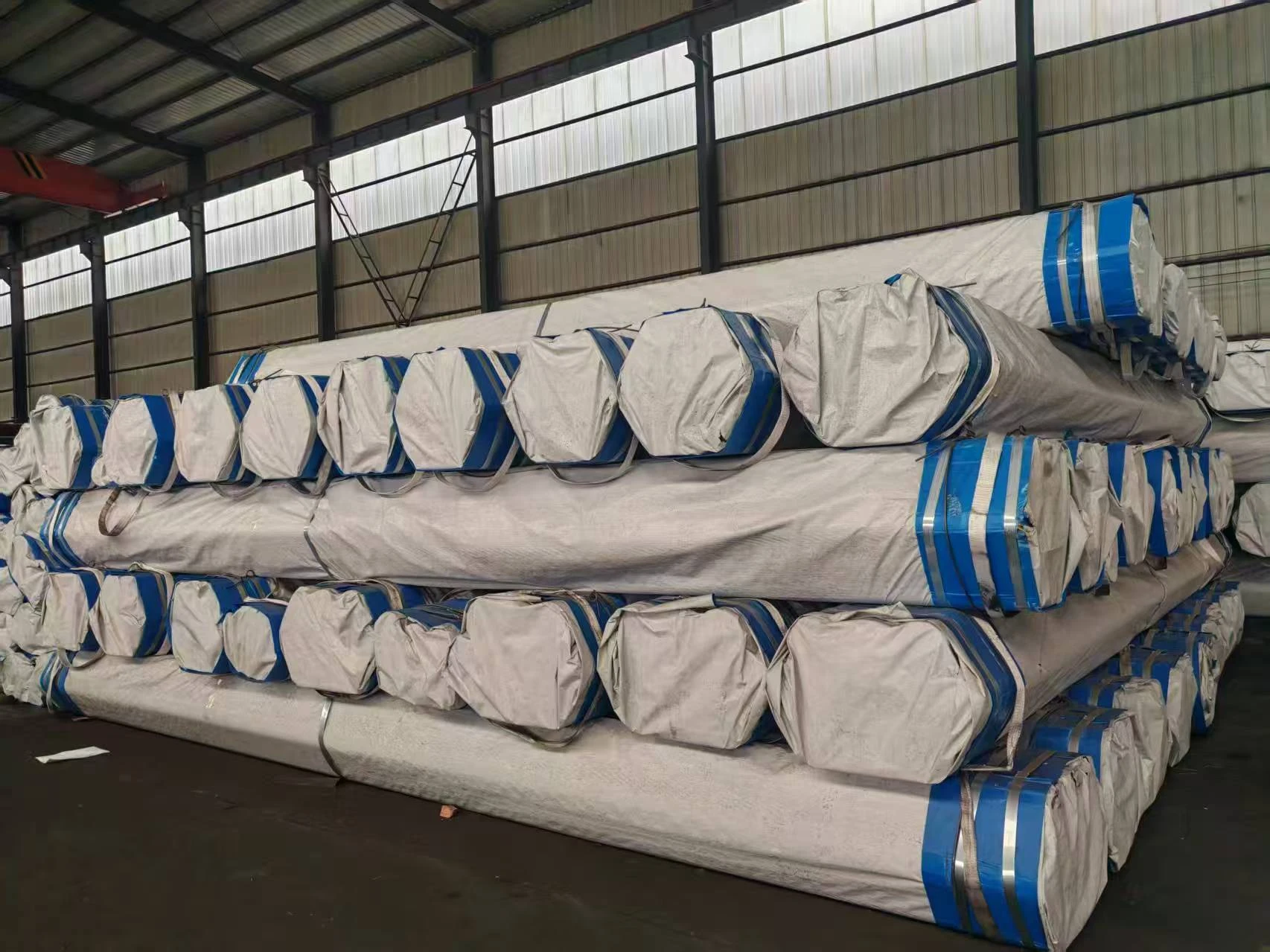
Simply put, a106 b is a grade of seamless carbon steel pipe as specified under ASTM A106, specifically the "Grade B" variant. It’s mainly used for high-temperature service, where strength and durability count. Think of it as the “go-to” pipe for transporting fluids and gases at elevated pressures and temperatures.
It’s not just industry jargon; this specification guarantees that each pipe meets strict requirements for chemical composition—like controlled carbon and manganese levels—and mechanical properties such as tensile strength. In real-world terms, a106 b pipes help keep pipelines intact during extreme heat and stress, making them indispensable for industries that power modern life—and sometimes, life itself.
Key Attributes That Make a106 b Stand Out
1. Durability Under Heat
The hallmark of a106 b pipes is their excellent performance at elevated temperatures, typically up to 750°F (400°C). This makes them ideal for steam lines and high-pressure transport where thermal expansion and fatigue would otherwise cause cheaper pipes to fail.
2. Seamless Construction
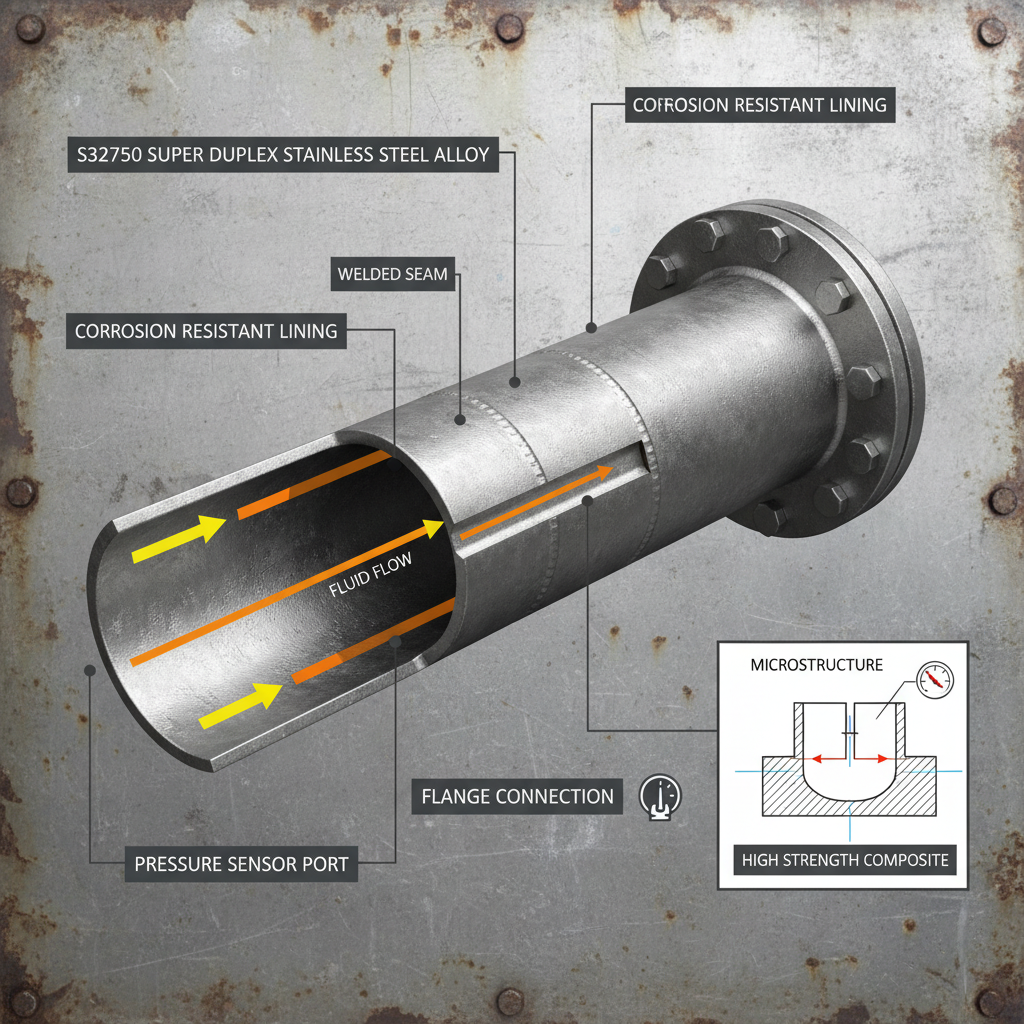
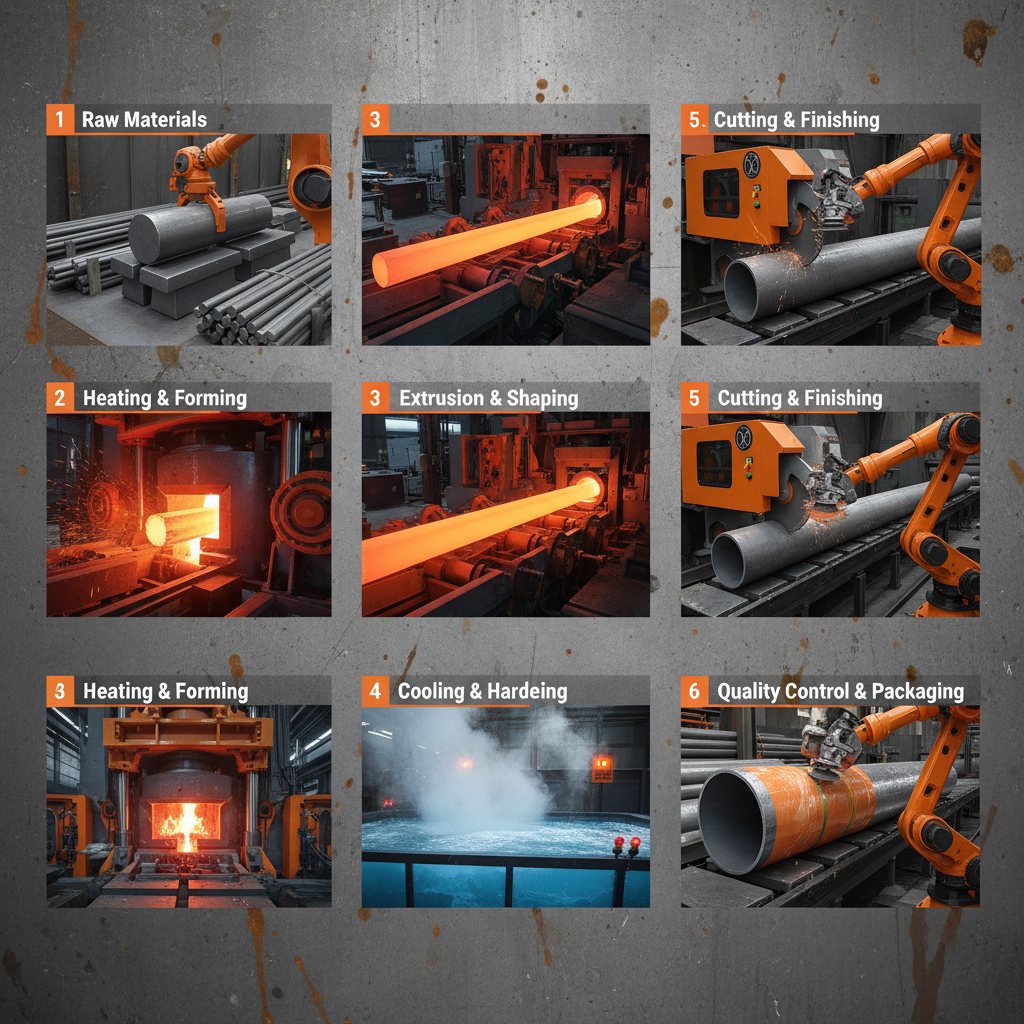
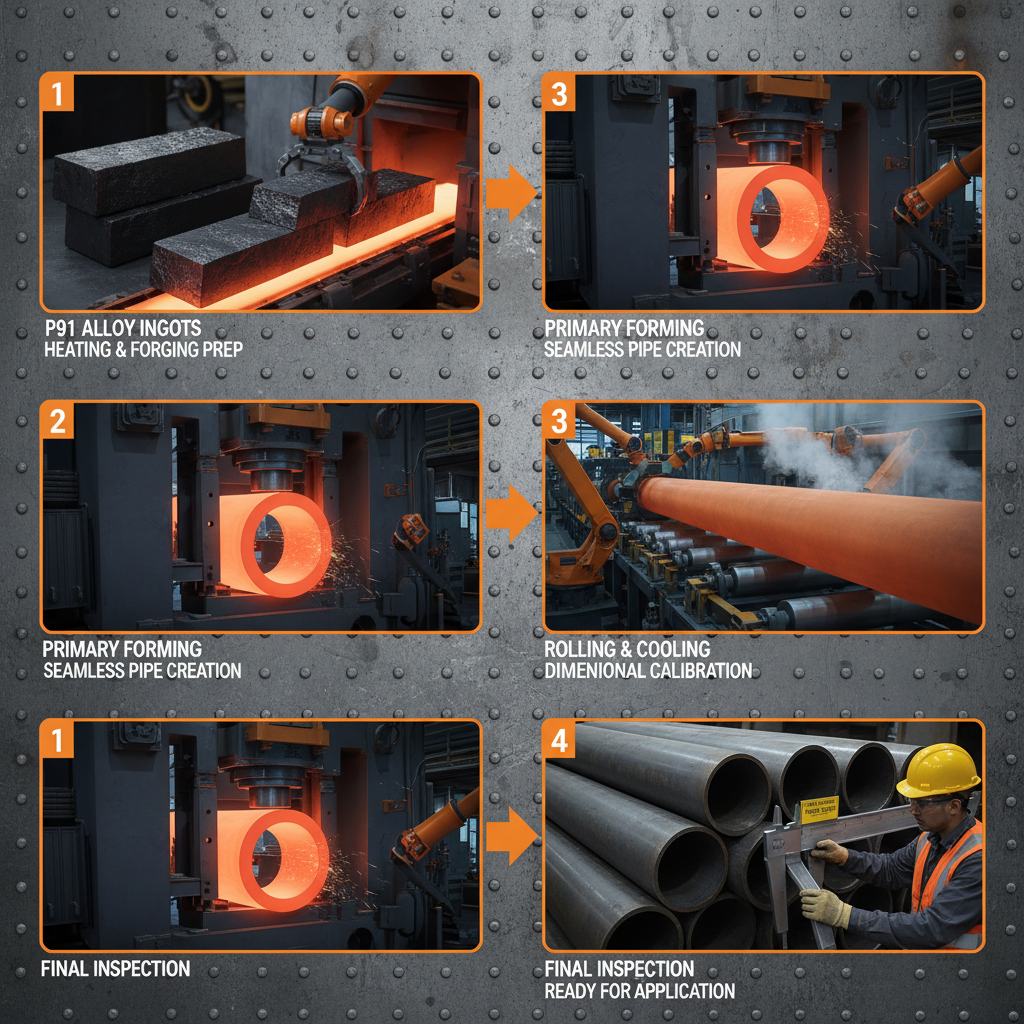
Unlike welded pipes that can have weak spots, a106 b pipes are manufactured without seams, reducing leak risks and increasing reliability over long distances.
3. Cost-Efficiency
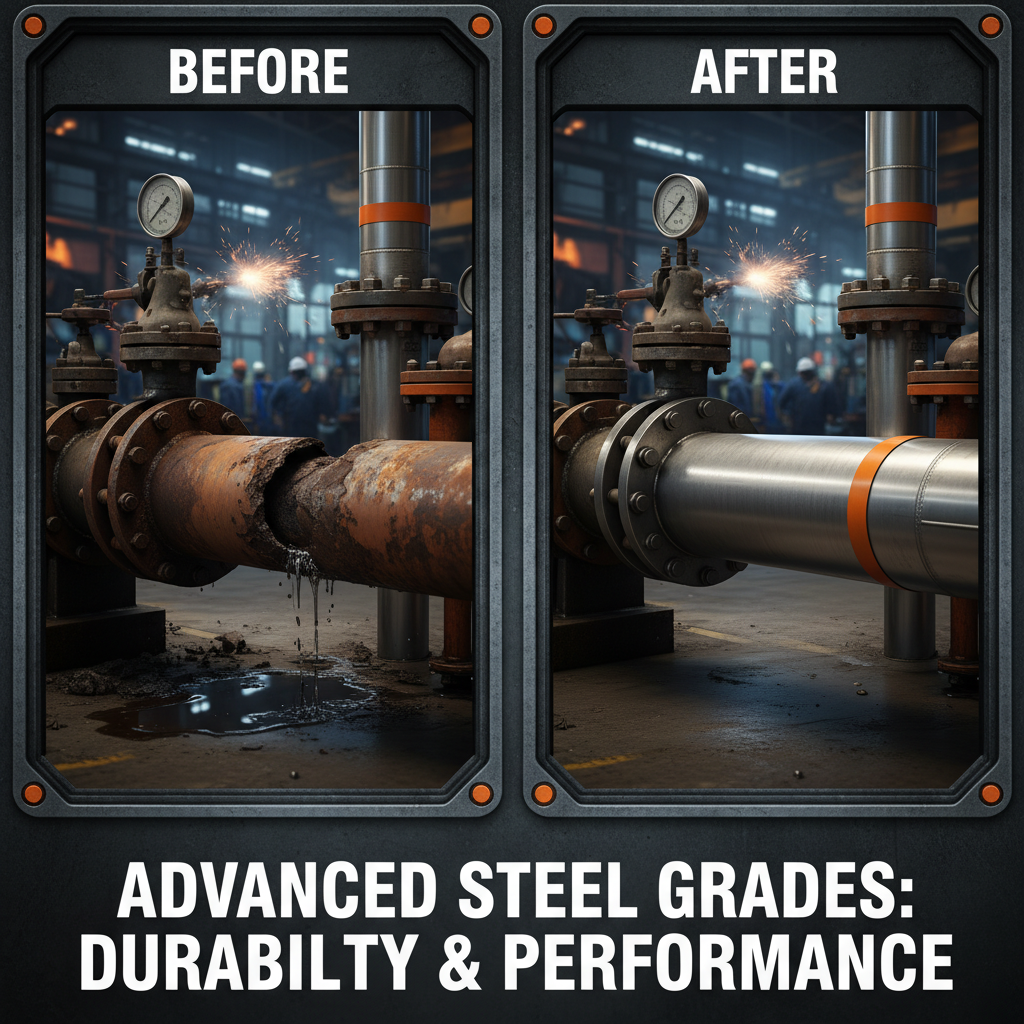
When you weigh initial cost versus lifecycle, a106 b pipes often come out ahead, thanks to lower maintenance and fewer replacements. It’s an investment that pays off with continuous uptime.
4. Wide Availability and Standardization
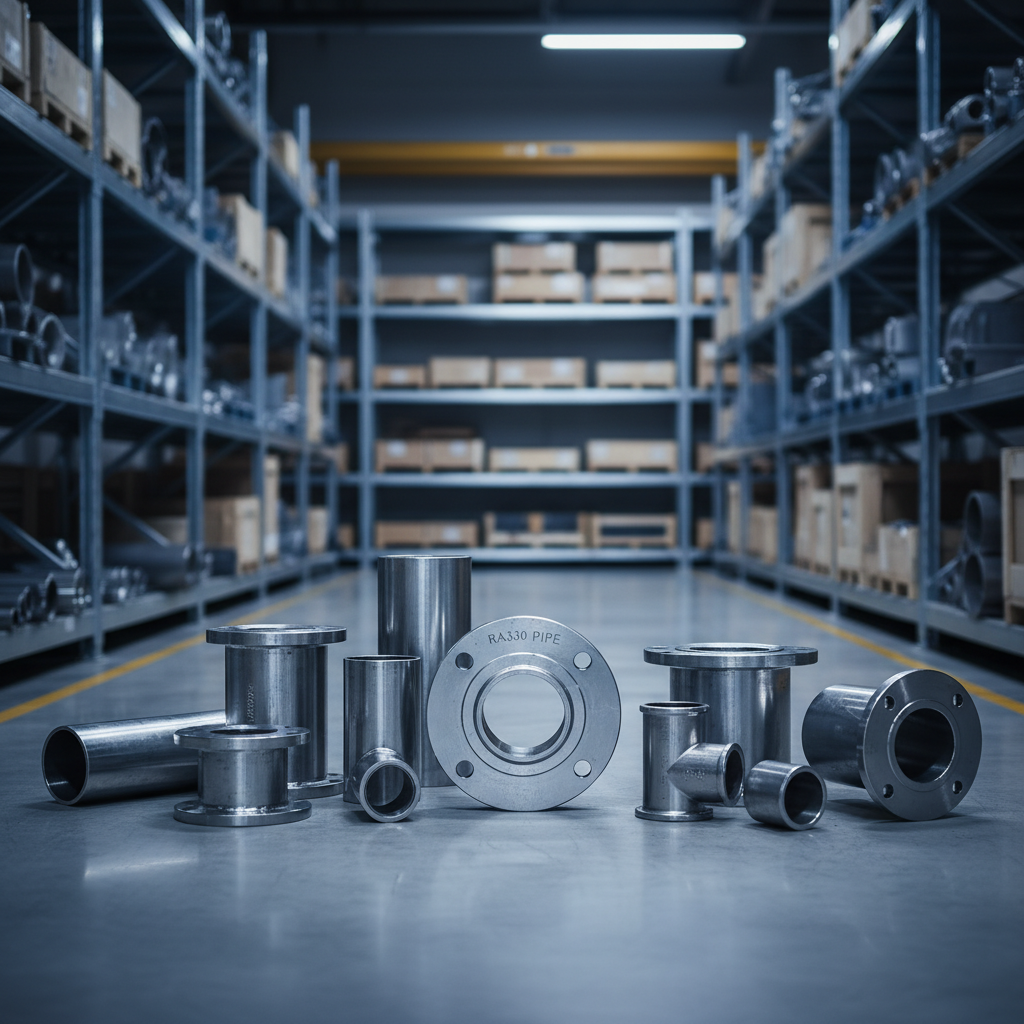
Thanks to ASTM’s wide acceptance and consistent quality control, these pipes are easy to source internationally and compatible with global projects.
5. Corrosion Resistance (Moderate)
While not stainless, the chemical composition of a106 b includes small quantities of elements like manganese and phosphorus to slow degradation. Though, it’s often paired with coatings or cathodic protection in harsh environments.
Typical a106 b Pipe Specification Table
| Specification | Typical Value/Range |
|---|---|
| Pipe Type | Seamless carbon steel |
| Grade | ASTM A106 Grade B |
| Chemical Composition (Carbon) | 0.30% max |
| Tensile Strength | 60,000 – 80,000 psi |
| Max Service Temperature | 750°F (400°C) |
| Wall Thickness Range | Schedule 40 up to Schedule XXS |
Global Applications & Real-World Use Cases
Industries across continents rely on a106 b. In the Middle East’s desert oilfields, these pipes endure scorching heat and occasionally corrosive fluids, maintaining integrity across sprawling pipeline networks. In Europe, power plants use them for steam and water lines where uptime is non-negotiable.
Oddly enough, they also pop up in humanitarian contexts—NGOs working in disaster-prone regions sometimes use a106 b piping to quickly restore water and fuel supplies, capitalizing on their toughness and availability. Remote mining operations in South America depend on these pipes to transport slurry and other harsh fluids efficiently.
Mini takeaway: Whether desert heat or tropical storms, a106 b pipes quietly ensure essential fluids keep flowing.
Advantages & Long-Term Value
So why is a106 b such a favorite? Beyond its mechanical properties, suppliers and engineers emphasize:
- Safety: Seamless construction means fewer leaks and failures, reducing hazardous incidents.
- Longevity: A carefully engineered chemical profile means these pipes last decades—even when things get rough.
- Economics: Lower repair needs and maintenance translate directly into cost savings and less downtime.
- Trust: The ASTM standard is internationally recognized, building confidence across borders.
In essence, a106 b delivers a mix of peace of mind—and money well spent—that’s tough to beat.
Future Trends & Innovations in a106 b Steel Pipe Usage
Looking ahead, the push for greener, smarter infrastructure means a106 b pipes are evolving. Some manufacturers experiment with heat-resistant coatings and enhanced corrosion inhibitors to improve lifespan. Others integrate advanced non-destructive testing and digital monitoring during production to guarantee quality in “smart factories.”
Meanwhile, policy shifts toward sustainability are encouraging recycling of carbon steel materials and better lifecycle assessment. It won’t be long before “eco-certified” a106 b pipes become standard in major projects.
Challenges & How Industry Experts Tackle Them
Of course, no material is perfect. A106 b pipes do have vulnerabilities: they can corrode in harsh chemical environments and require protective coatings or cathodic systems. Supply chain disruptions and variable quality from different vendors also pose obstacles.
Fortunately, ongoing innovations in metallurgy and supply chain digitization help. Industry insiders often recommend rigorous supplier vetting and real-time quality control measures to keep standards high. I’ve noticed many plants incorporate predictive maintenance tools to catch issues before they become failures—sort of a modern “pipe whisperer” approach.
Vendor Comparison: Leading Suppliers of a106 b Pipes
| Vendor | Quality Control | Price Range | Delivery Speed | Global Reach |
|---|---|---|---|---|
| SteelPrime Co. | Strict ASTM-certified testing | $$$ (Premium) | 2-3 weeks | Global, strong in MENA region |
| Global Pipeworks Ltd. | ISO 9001 certified, routine audits | $$ (Mid-range) | 1-2 weeks | Europe, Asia, Americas |
| Eastern Pipe Systems | Basic testing, competitive pricing | $ (Budget) | 3-4 weeks | Local/regional mainly |
Frequently Asked Questions About a106 b
- What makes a106 b pipes suitable for high-temperature applications?
- A106 b pipes have a specific chemical composition and seamless structure designed to withstand exposure to elevated temperatures—up to 750°F (400°C)—without losing strength or integrity, making them ideal for steam and hot fluid transport.
- How long can a106 b pipes typically last in industrial environments?
- With proper maintenance and protective coatings, a106 b pipes can last anywhere from 20 to 40 years, depending on operating conditions and exposure to corrosive environments.
- Are a106 b pipes compatible with modern green energy projects?
- Yes, due to their durability and heat resistance, a106 b pipes are increasingly used in solar thermal plants and geothermal projects, especially when paired with coatings to resist corrosion.
- Can NGOs purchase a106 b pipes for emergency infrastructure projects?
- Absolutely. Many NGOs source a106 b pipes for quickly rebuilding critical services in disaster zones due to their availability, strength, and ease of installation under tough conditions.
Wrapping It Up: Why a106 b Remains a Top Choice
To me, a106 b steel pipe really feels like an unsung hero in the heavy-industry world—a blend of ingenuity, tradition, and practicality. Its seamless design, thermal resistance, and global standardization make it a safer bet for projects demanding reliability amid complex challenges. I suppose that’s why so many sectors, from Middle Eastern oilfields to remote emergency sites, lean on it.
Thinking about sourcing or specifying a106 b? Visit us at https://www.world-steelmaterial.com to explore detailed products, certifications, and expert support tailored to your needs.
References
- ISO - Seamless steel pipes and tubes standards: https://www.iso.org/standard/61169.html
- Global Market Insights on Carbon Steel Pipes: gminsights.com
- ASTM International – A106 Specification: astm.org
Post time: Dec . 01, 2025 18:50
 English
  Arabic
  Bengali
  China
China  French
  German
  Hausa
Hausa  Indonesian
  Italian
  Japanese
  Javanese
  Malay
Malay  Persian
  Portuguese
  Punjabi
  Russian
  Spanish
  Swahili
  Telugu
  Vietnamese