

The Essential Guide to A106 Material: What It Is and Why It Matters Globally
At first glance, a106 material might seem just another technical term tossed around in engineering circles. But once you dig a little deeper, it becomes clear this particular grade of seamless carbon steel pipe has quietly revolutionized multiple industries worldwide, from oil and gas to infrastructure. Why care? Because understanding a106 material unlocks the potential for safer, more efficient, and cost-effective projects that literally keep society’s backbone — energy and water — flowing smoothly. Frankly, it’s not just about pipes; it’s about the lifelines of modern civilization.
Global Relevance: Why A106 Material Holds Industry Attention
The world’s reliance on a106 steel pipes runs deep. According to the International Energy Agency, global oil pipelines alone stretch over 2.8 million kilometers, and a significant chunk of that infrastructure leans on carbon steel grades like a106. With escalating energy demands and infrastructure development in emerging economies, materials that promise durability under high pressure and temperature are indispensable. Oddly enough, despite the rise of alternative composites, a106 steel’s proven track record still makes it the frontline choice, especially in harsh environments — think arctic pipelines or desert refineries.
However, these environments pose challenges: corrosion, pressure variations, and thermal cycles can degrade materials prematurely. That’s precisely where a106 material steps in, offering solutions and posing questions about lifespan and sustainability.
Mini takeaway:
- A106 material undergirds crucial pipeline infrastructure globally.
- It helps address industrial challenges in extreme environments.
What Exactly Is A106 Material?
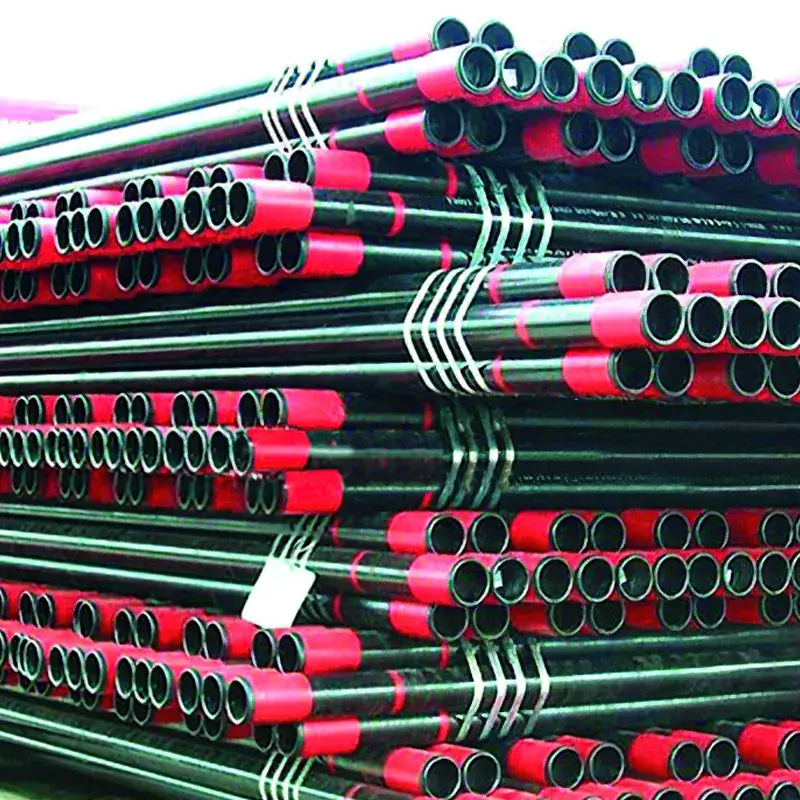
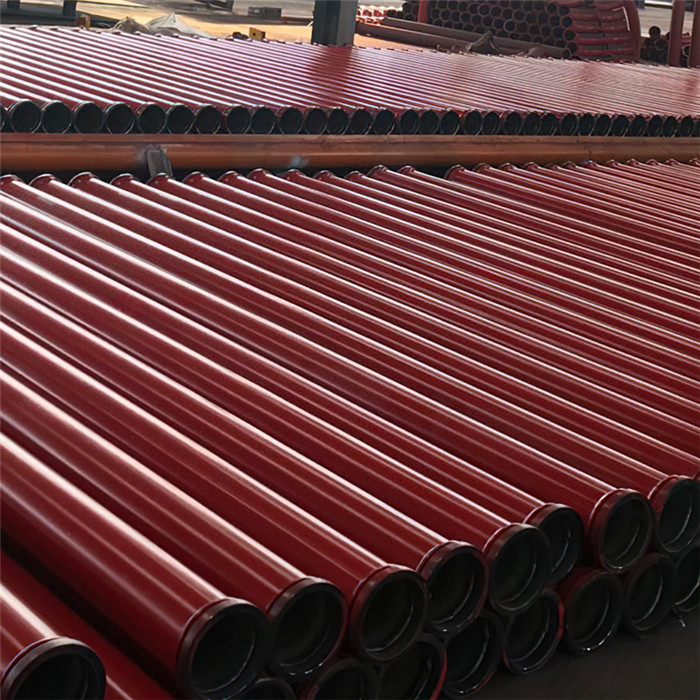
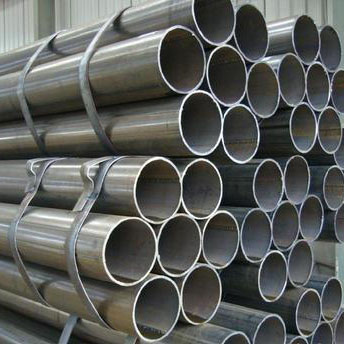
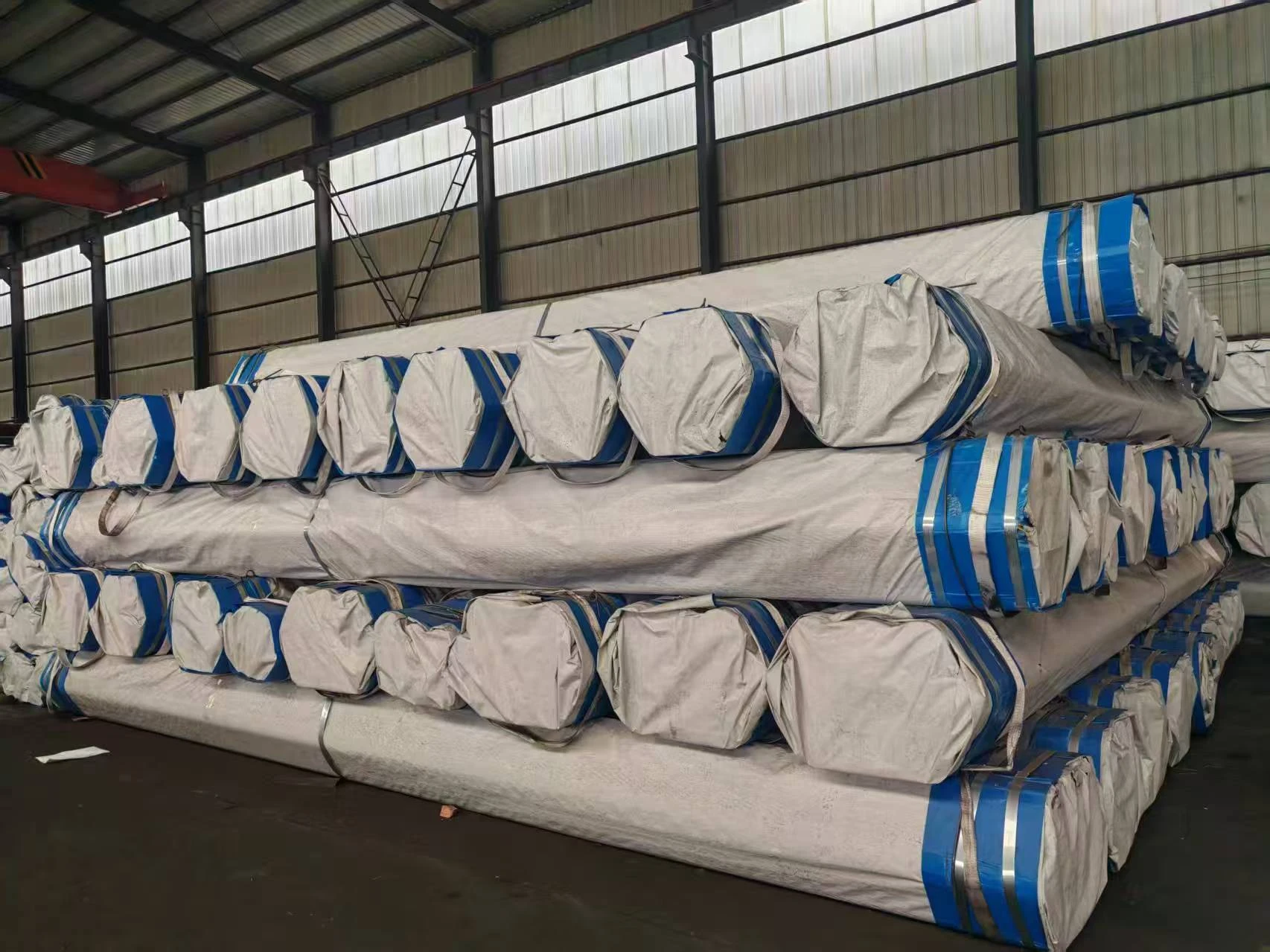
In simple terms, a106 material refers to a specification developed by the American Society for Testing and Materials (ASTM) for seamless carbon steel pipes intended for high-temperature service. The designation “A106” by ASTM denotes not a brand but a standard that sets the chemical, mechanical, and manufacturing properties these pipes must meet.
Most importantly, these pipes are designed to handle elevated pressure and temperature conditions, which makes them fundamental in transporting fluids like natural gas, oil, and even steam. From a humanitarian perspective, reliable piping materials like a106 help ensure uninterrupted access to resources during emergency relief operations and strengthen resiliency in critical infrastructure.
Mini takeaway:
- A106 material is an ASTM standard for seamless carbon steel pipes.
- It’s essential for high-temp and high-pressure fluid transport.
Key Attributes That Make A106 Material Stand Out
Durability and Strength
The carbon steel composition of a106 pipes gives them impressive tensile strength and resistance to pressure. Many engineers report that these pipes can handle up to 7200 psi in certain grades — a number that simply speaks volumes when dealing with demanding industrial applications.
Temperature Resistance
Unlike some alloys that weaken under heat, a106 pipes maintain integrity even at temperatures exceeding 750°F (400°C). This makes them especially valuable in thermal plants and refineries.
Corrosion Resistance
While carbon steel isn’t stainless, the specific chemical properties in a106 material ensure fair resistance to scaling and oxidation when combined with proper coatings or treatments.
Cost Efficiency
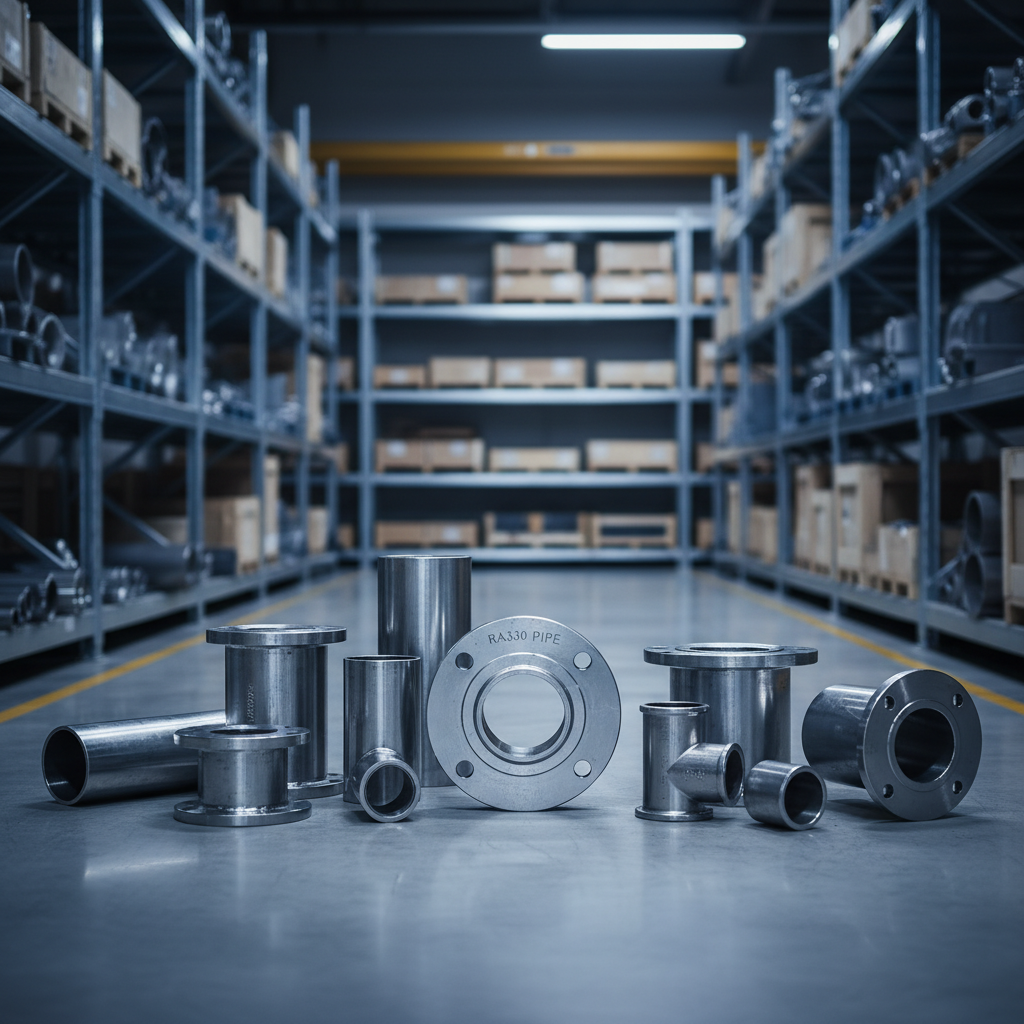
Compared to exotic alloys or composites, a106 pipes offer a balanced cost-performance ratio. They’re readily available, easy to fabricate, and simple to weld — factors which slash project timelines and budgets.
Compliance & Certification
Meeting ASTM A106 standards means compliance with strict quality requirements, helping firms pass inspections and meet international construction codes — something big companies and state projects can't ignore.
Mini takeaway:
- A106’s strength, temperature endurance, and certification make it a go-to.
- It balances cost with performance, ideal for large-scale projects.
Global Use Cases: Where A106 Material Really Shines
In the Middle East, extensive oil pipelines spanning deserts rely heavily on a106 seamless steel pipes to guarantee operation under extreme heat and sand abrasion. Over in North America, natural gas distribution networks routinely deploy a106 material for mainline pipelines.
Oddly enough, humanitarian projects have started to tap into its reliability. For example, in post-disaster flood scenarios in Southeast Asia, temporary water transport systems fabricated with a106 pipes have helped maintain clean water supply when plastic pipes failed.
Mini takeaway:
- A106 pipes are crucial in oil, gas, and emergency water supply systems worldwide.
- Its track record spans challenging climates and rapid deployment needs.
Product Specification Table for ASTM A106 Material Pipes
| Specification | Grade A | Grade B | Grade C |
|---|---|---|---|
| Carbon Content (%) | 0.25 max | 0.30 max | 0.35 max |
| Tensile Strength (MPa) | 415 min | 415 min | 415 min |
| Yield Strength (MPa) | 205 min | 245 min | 275 min |
| Test Temperature (°C) | 399 max | 399 max | 399 max |
| Application | High-temperature service in petroleum and natural gas industries | ||
Comparing Vendors: Choosing the Right Source for A106 Material Pipes
Not all suppliers are created equal. While a106 material is a standard, differences in mill precision, certification integrity, and logistical support can make a huge difference in project outcomes.
| Vendor | Certification | Lead Time | Pricing Tier | Global Reach |
|---|---|---|---|---|
| SteelMasters Inc. | ISO 9001, API 5L | 2-3 weeks | Mid-High | Worldwide |
| GlobalPipe Ltd. | API 5CT, ASTM | 3-4 weeks | Mid | Asia, Europe, US |
| PipeWorks Co. | ISO 9001, API 5L | 1-2 weeks | High | North America |
Advantages & Long-Term Value of A106 Material
Beyond specs, the real charm of a106 material lies in its reliability over decades. It supports infrastructure that powers cities and industries, often unseen but absolutely essential.
- Economic benefits: Lower maintenance costs due to durability mean fewer disruptions.
- Environmental impact: Longer lifespan means less frequent replacement, saving resources.
- Safety and trust: When pipelines fail, the consequences can be catastrophic — a106’s proven consistency builds confidence.
- Social influence: Reliable pipelines help provide energy security, improving living standards globally.
Future Trends in A106 Material Use
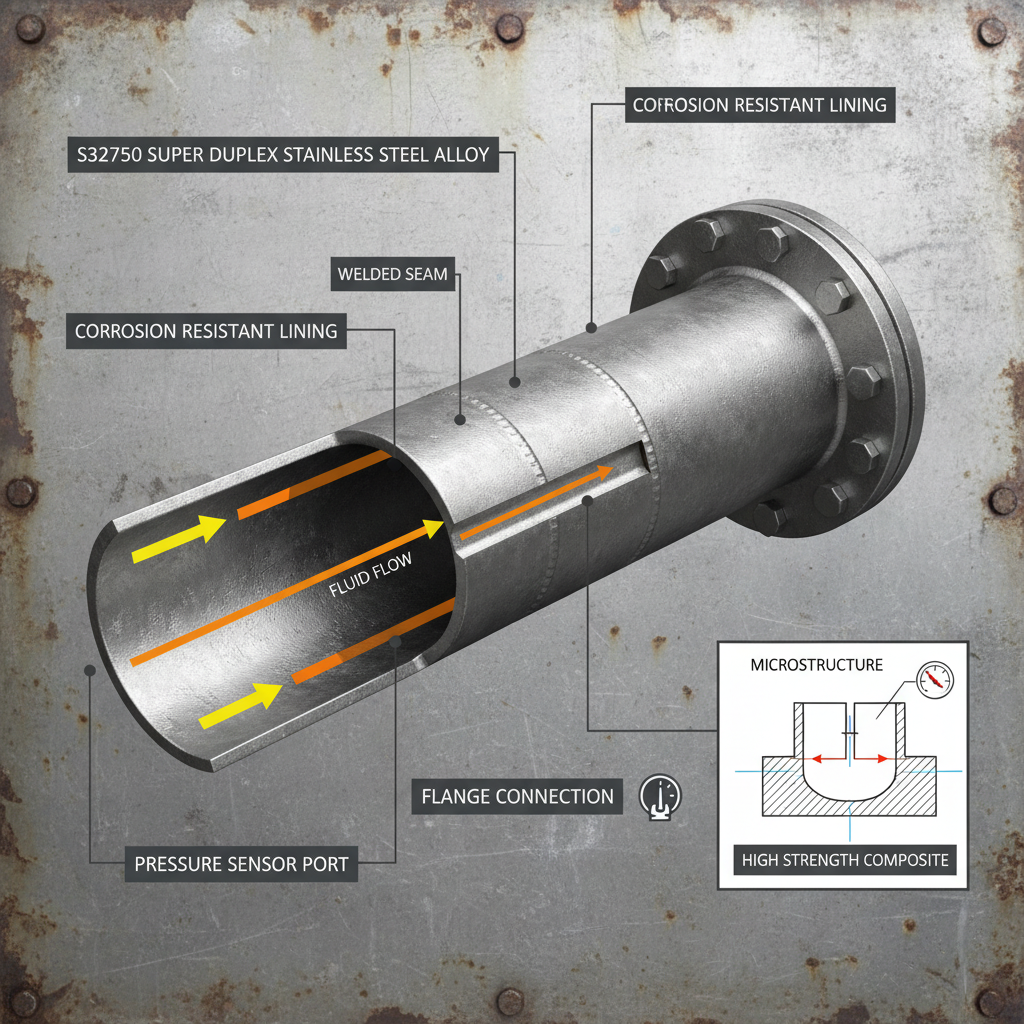
It’s fascinating how traditional materials like a106 steel pipes are adapting to the 21st century. Industry voices hint at coatings with nanotechnology to improve corrosion resistance and smart sensors welded into pipes for real-time monitoring.
Moreover, as digitization sweeps the energy sector, integrating a106 material with IoT-enabled inspection devices will become a norm rather than an exception. Sustainability policies will push manufacturers to lower the carbon footprint of steel production, indirectly affecting how a106 grades evolve.
Challenges & How to Overcome Them
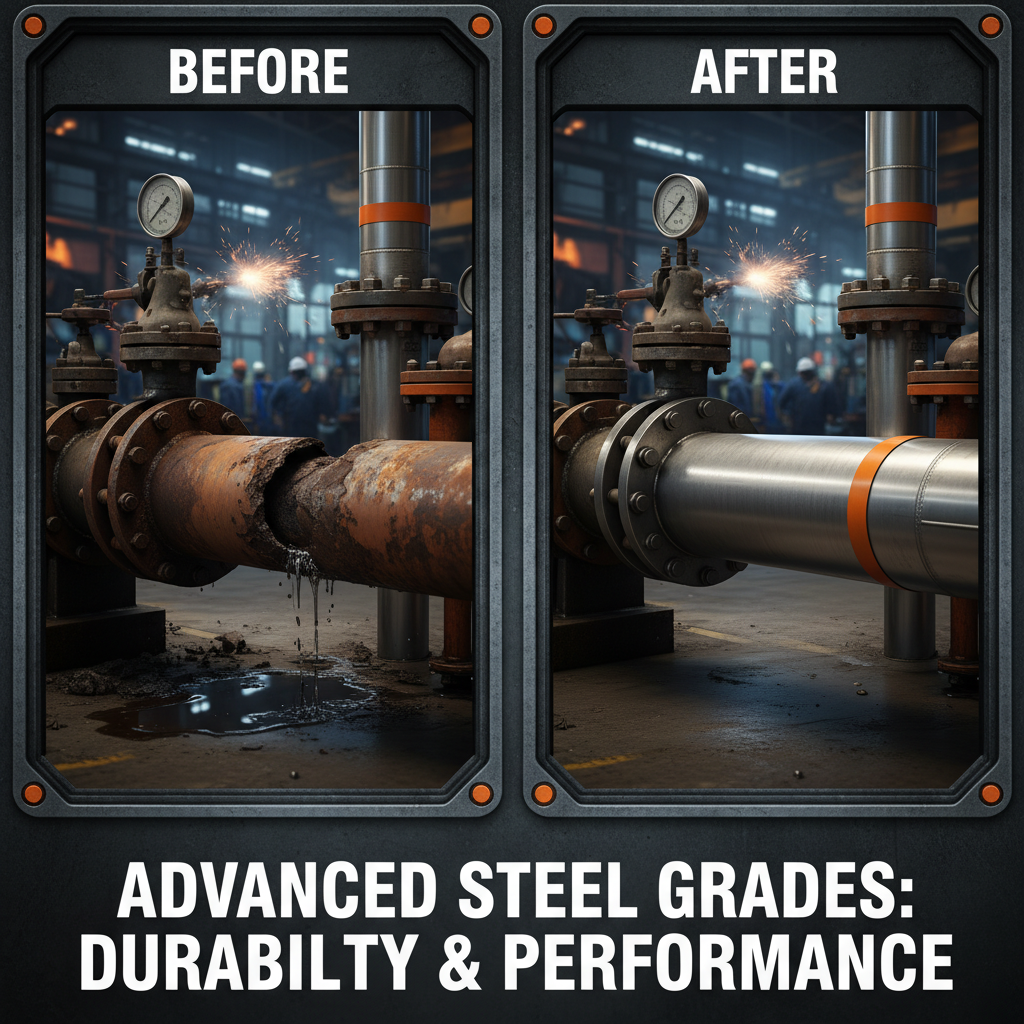
It wouldn’t be realistic to say a106 pipes are without flaws. Their susceptibility to certain corrosive agents means project engineers must consider protective coatings or cathodic protection carefully. Additionally, welding a106 pipes requires stringent quality control — bad welds can negate the material’s integrity.
Fortunately, recent advances in manufacturing and enhanced NDT (non-destructive testing) methods improve detection of flaws early in the process, enhancing overall durability. Also, sourcing from trusted vendors who maintain certification and batch testing helps mitigate common problems.
FAQ: Common Questions About A106 Material
- What is the difference between A106 Grade A, B, and C?
- Grades mainly differ in chemical composition and mechanical properties. Grade B is the most commonly used due to its balance of strength and ductility, while Grade C offers higher carbon content for tougher requirements. Grade A is generally for less demanding applications.
- Can A106 material pipes be used for cold water transport?
- While they can be used, a106 pipes are primarily designed for high-temperature and pressure, so other materials like PVC or polyethylene pipes may be more cost-effective for cold water systems.
- How long can pipelines made with a106 pipes last?
- With proper maintenance and protective coatings, pipelines can last upwards of 30-50 years. Factors like environmental exposure and mechanical stress influence actual lifespan.
- Is a106 material suitable for offshore pipelines?
- Yes, a106 pipes are used offshore but require special anti-corrosion treatments and quality welding to meet marine regulations and harsh saltwater exposure.
Conclusion: The Lasting Importance of A106 Material
In a world racing toward new technologies and greener alternatives, a106 material remains a steadfast choice for essential piping infrastructure. Its blend of strength, reliability, and economical value ensures it will be vital for years to come. Whether you're an engineer tackling a refinery project, or a procurement officer sourcing durable pipes, knowing the ins and outs of a106 material keeps you one step ahead.
If you want to explore more about a106 material specifications, suppliers, or technical support, visit our website and connect with experts ready to assist your next project.
Quick Reflection:
The journey of a106 material pipes feels like a story of quiet resilience — the kind of unsung hero material that just works, keeps working, and only demands attention when truly needed. It’s both science and subtle craft, a kind of steel poetry.
References
- Wikipedia: ASTM A106 Standard
- International Energy Agency – Global Pipeline Data
- International Organization for Standardization (ISO)
Post time: Dec . 01, 2025 15:40
 English
  Arabic
  Bengali
  China
China  French
  German
  Hausa
Hausa  Indonesian
  Italian
  Japanese
  Javanese
  Malay
Malay  Persian
  Portuguese
  Punjabi
  Russian
  Spanish
  Swahili
  Telugu
  Vietnamese