

Understanding ASTM A106B: Why It Matters in Today’s Industrial World
If you’ve ever wondered what holds up the pipelines carrying water, oil, and gas across continents, there’s a good chance astm a106b steel is involved. ASTM A106B is a specific grade of carbon steel pipe widely used in industries like oil & gas, power plants, and infrastructure. It’s often the unsung hero sitting in the background, quietly keeping essential services flowing.
Globally, infrastructure development depends heavily on reliable materials like ASTM A106B pipes. From a humanitarian angle, sturdy and standardized pipes can help deliver clean water, especially in developing regions or areas recovering from disaster. That’s why understanding this specification is more than just a technical detail—it’s a key part of building safe, sustainable systems that support modern life.
The Global Context: Why ASTM A106B is Everywhere
According to the World Steel Association, over 1.8 billion tons of steel were produced worldwide in 2023 alone, with a significant fraction destined for pipe manufacturing. ASTM A106B pipes form a substantial chunk of that market. They’re essential for thermal power plants, petrochemical factories, and gas transmission pipelines across Asia, Europe, and North America.
But here’s the kicker: many industries face a shared challenge—how to balance cost, durability, and safety under increasingly strict environmental regulations. ASTM A106B provides an answer, offering a good mix of affordability and performance. It meets standards set by ISO and ASTM International, helping engineers innovate while ensuring reliability.
What Exactly Is ASTM A106B?
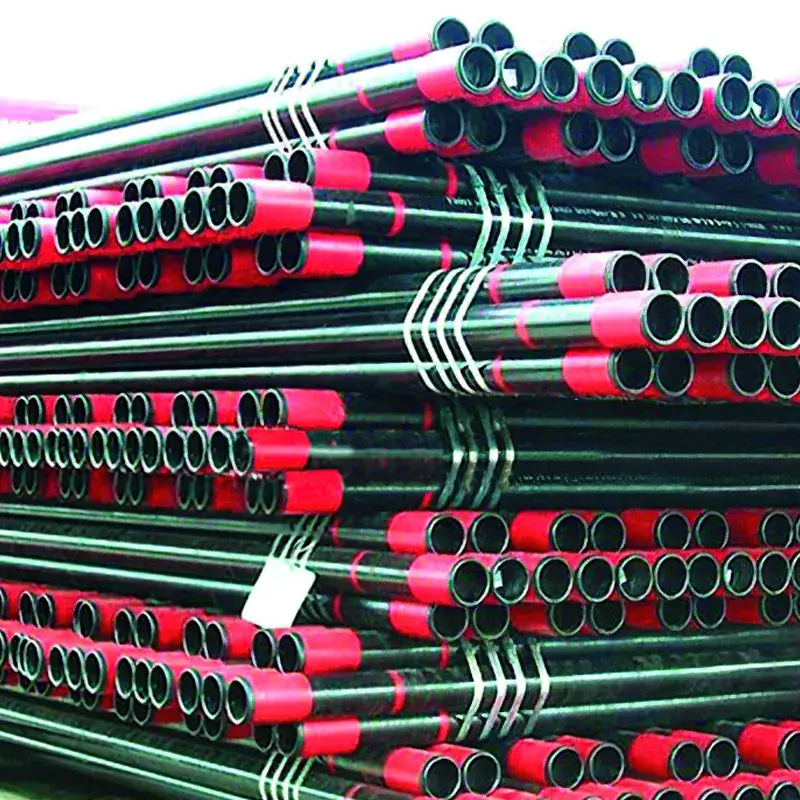
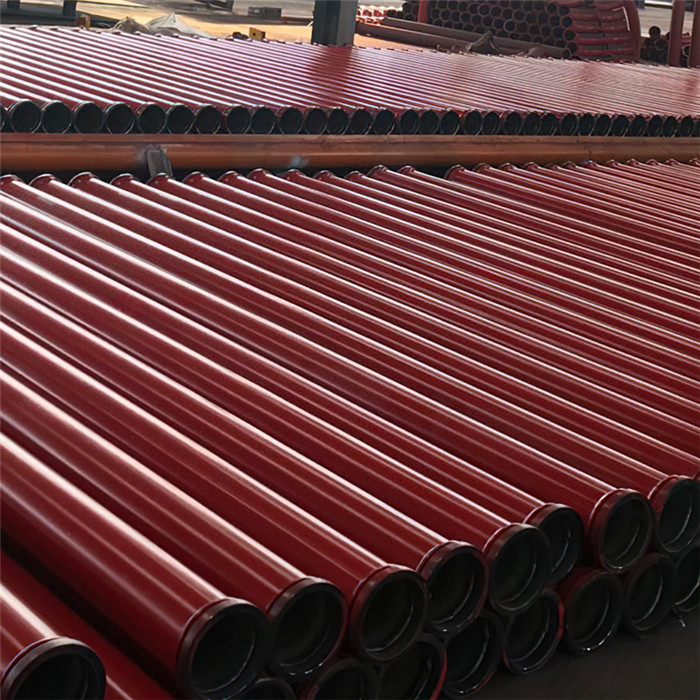
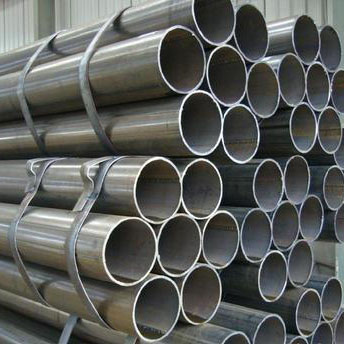
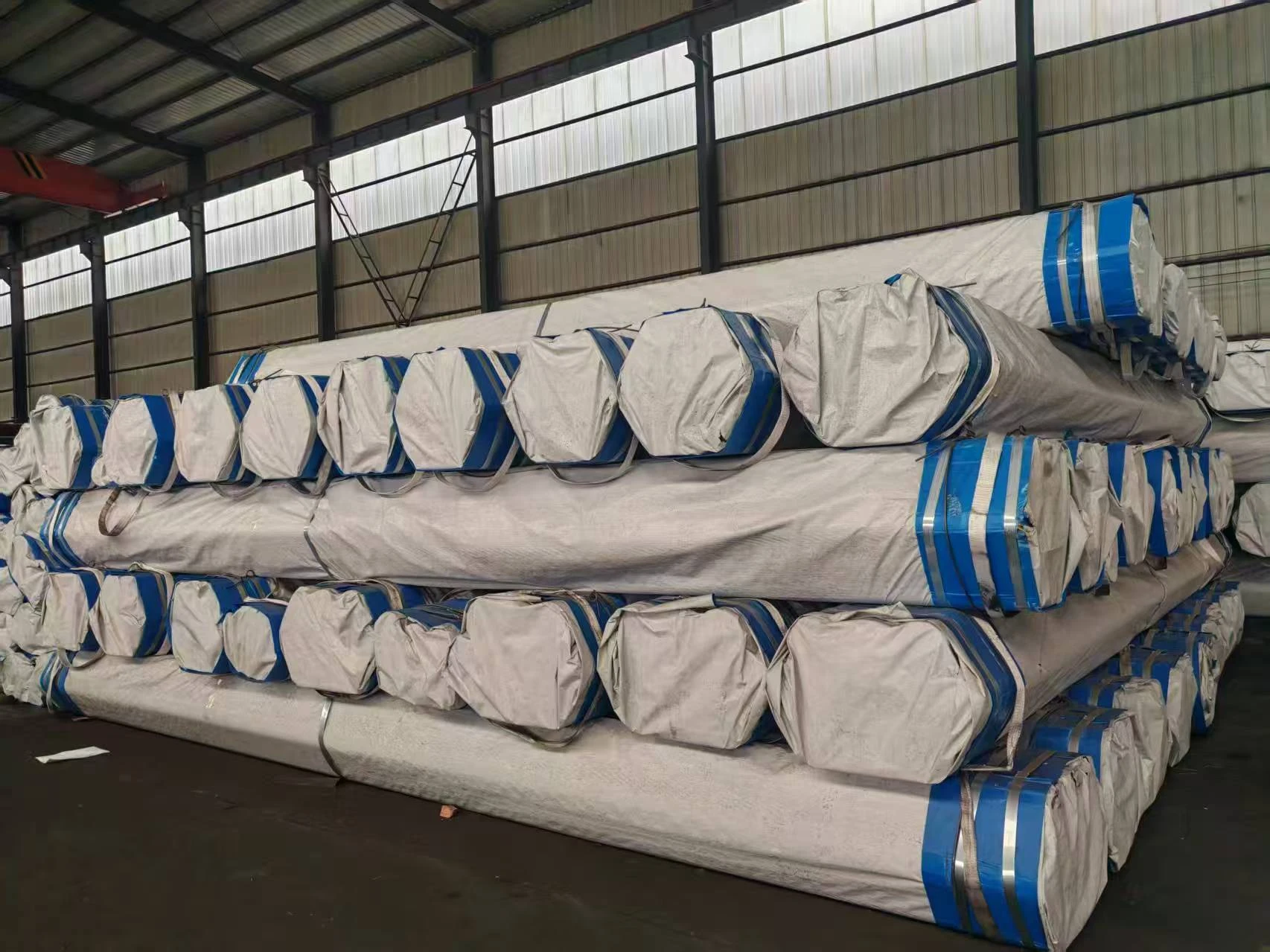
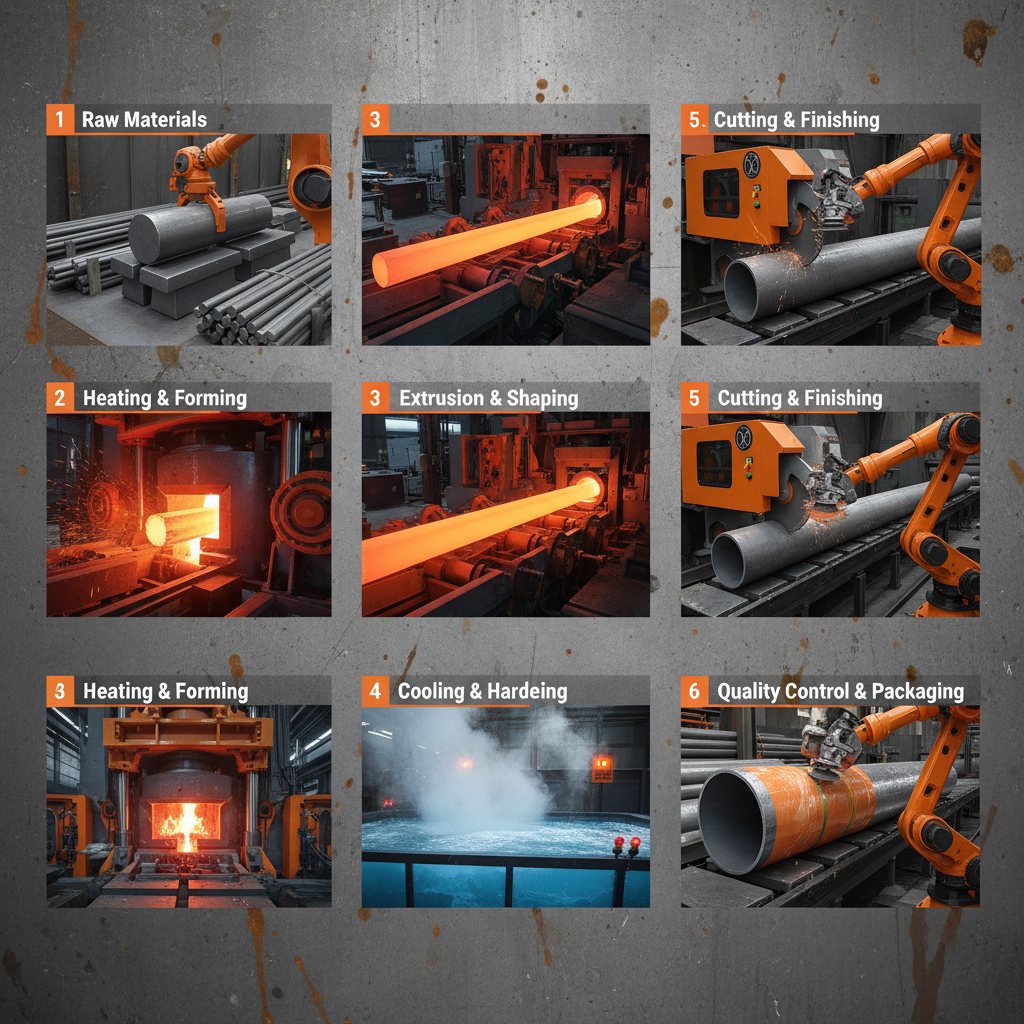
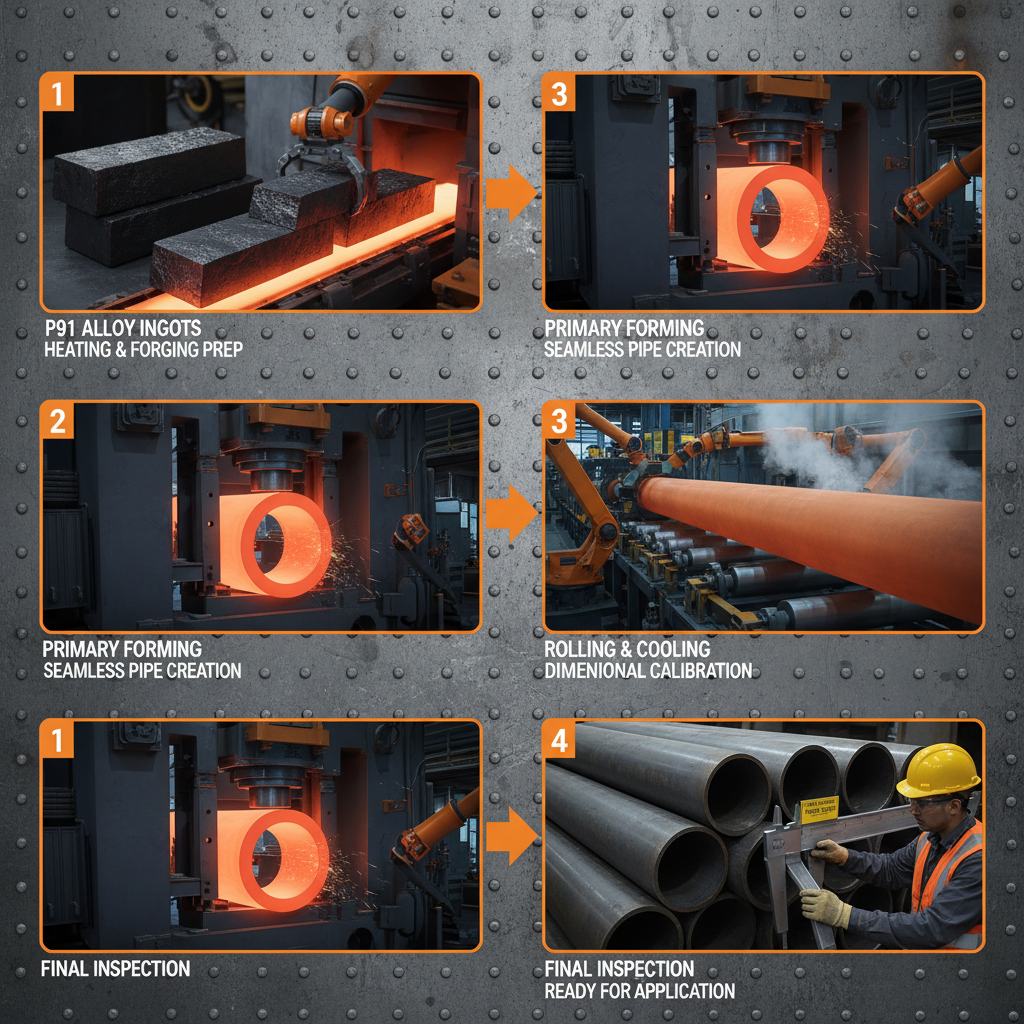
Put simply, ASTM A106B is a grade of seamless carbon steel pipe designed for high-temperature service. “Seamless” means it’s forged from a solid billet—not welded—giving it a uniform structure that withstands pressure and heat better than many alternatives. That makes it ideal for steam lines, boilers, and heating systems.
Its chemical composition is tightly controlled to include carbon, manganese, phosphorus, sulfur, and other elements, which influence strength and weldability. It’s categorized under ASTM A106, a specification that covers grades A, B, and C—B being the mid-range option balancing strength and ductility.
In a wider perspective, ASTM A106B supports critical infrastructure. Think of refineries processing fuel or water plants purifying drinking water—without dependable pipes, these systems would be fragile at best.
Mini Takeaway:
- ASTM A106B is a reliable, seamless carbon steel pipe grade suitable for high-temperature or pressure environments.
- It’s widely adopted globally in various industrial sectors.
- Understanding its properties helps ensure safer, more efficient infrastructure projects.
Key Factors That Make ASTM A106B Stand Out
1. Durability Under Stress
One major reason engineers love ASTM A106B is its ability to withstand high pressures and temperatures—roughly up to 450°C (840°F). That means it won’t fail easily when the going gets tough, which is crucial for steam pipelines or high-pressure gas systems.
2. Corrosion Resistance
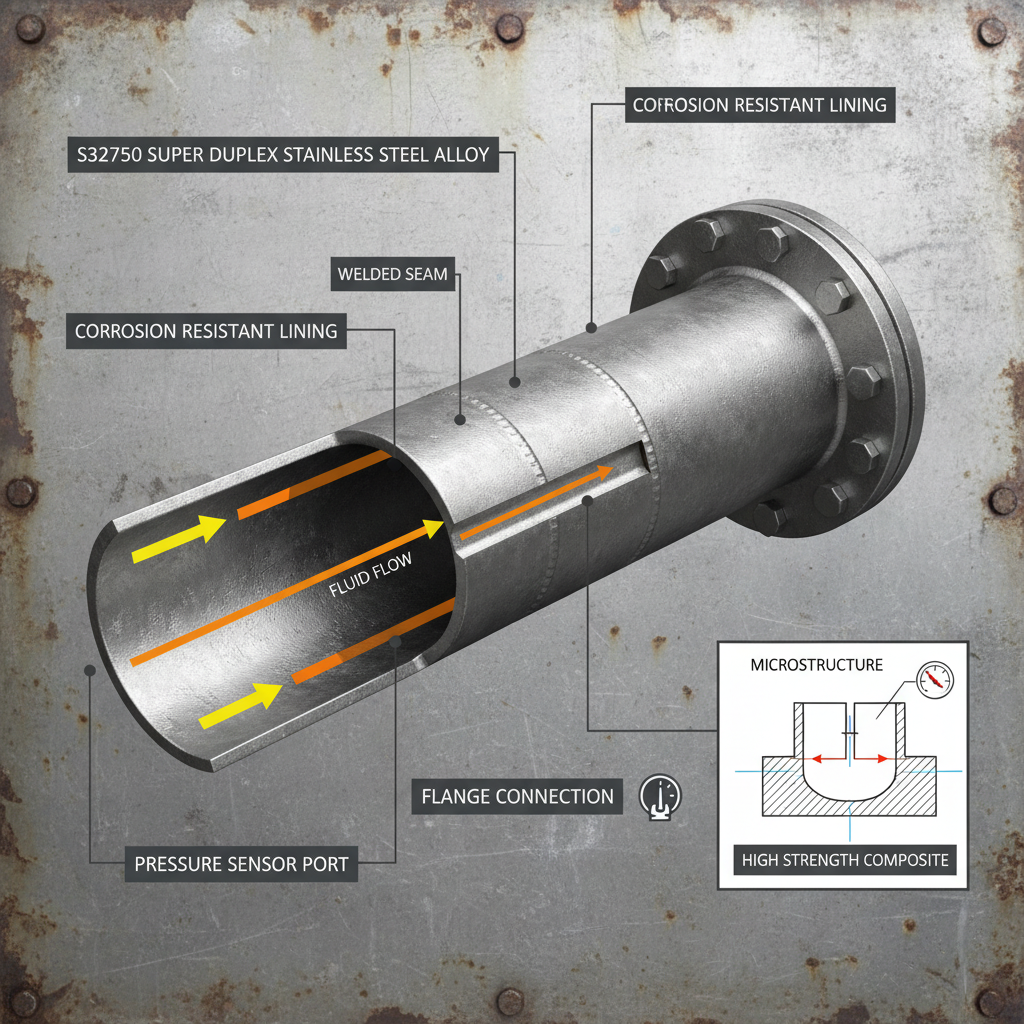
Although not stainless steel, ASTM A106B pipes resist many forms of corrosion, mostly thanks to silicon and manganese content, and can be further treated with coatings or linings. This durability saves money on replacements and reduces system downtime.
3. Fabrication Flexibility
These pipes can be bent, formed, and welded, which means they adapt well to custom industrial layouts. Many fabricators prefer ASTM A106B precisely because it balances ease of handling with mechanical robustness.
4. Cost Efficiency
Compared to more exotic alloys or specialty metals, ASTM A106B pipes provide an excellent cost-to-benefit ratio. For large infrastructure runs, savings add up without compromising safety.
5. Standardization and Availability
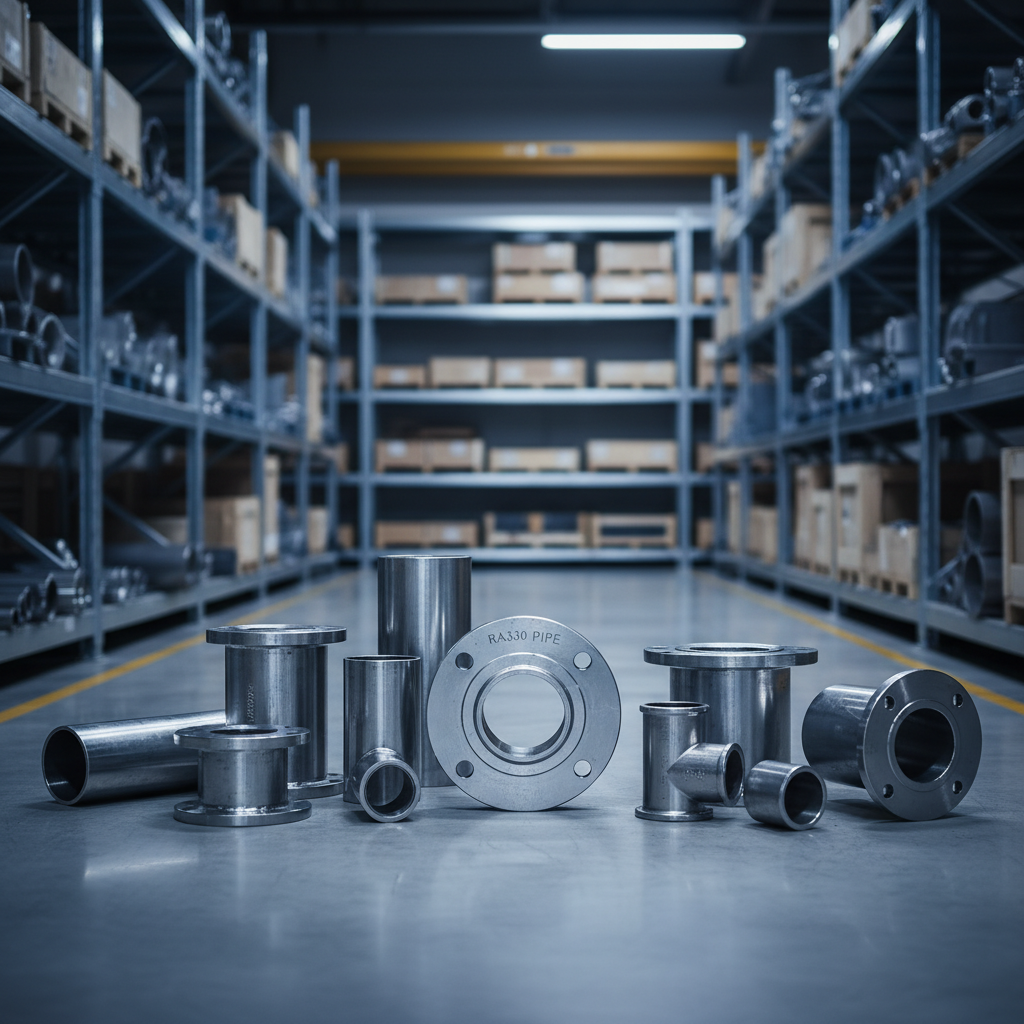
Because ASTM A106B conforms to widely recognized standards, raw materials and finished products are broadly available worldwide. That’s a big plus when sourcing components internationally or working on cross-border projects.
Mini Takeaway:
- Durability, corrosion resistance, and fabrication flexibility make ASTM A106B versatile.
- It offers excellent value for money in large-scale industrial applications.
- Standardization leads to reliable sourcing and easier compliance.
ASTM A106B in Action: Real-World Applications
Where exactly do these pipes shine in practice? Here are a few notable examples:
- Power Generation: Thermal power plants use ASTM A106B pipes for steam headers, superheater tubes, and boiler tubing, thanks to their heat tolerance.
- Oil & Gas Industry: Pipelines transporting crude oil and natural gas often use A106B due to its strength under pressure and ease of welding on-site.
- Chemical Processing Plants: Some chemicals require transport through robust piping; ASTM A106B fits since it can handle corrosive environments with proper linings.
- Infrastructure Projects: Water supply, HVAC systems, and fire protection lines frequently adopt this pipe grade, primarily in developing countries where cost matters.
For instance, in a recent post-disaster reconstruction project in Southeast Asia, emergency teams relied on ASTM A106B pipes to quickly replace damaged steam lines in a power plant, restoring electricity for thousands.
Product Specifications of ASTM A106B Pipes
| Specification | Details |
|---|---|
| Material Type | Carbon Steel (Seamless) |
| Grades | A, B, C (B is common) |
| Temperature Range | Up to 450°C (840°F) |
| Standard Specification | ASTM A106 |
| Wall Thickness Range | Schedule 10 to Schedule 160 |
| Application | High-temp service, steam, gas lines, boilers |
Comparing ASTM A106B Vendors – What to Watch For
Choosing a vendor isn’t always just about price. Quality, certifications, and delivery time play big roles when working with specialized materials like ASTM A106B steel.
| Vendor | Certification | Lead Time | Pricing | Remarks |
|---|---|---|---|---|
| SteelPipe Global | ISO 9001, ASTM | 4 weeks | $$$ | Reliable quality, good customer service |
| MetersCo Pipes | ASTM Certified | 2–3 weeks | $$ | Competitive price, medium lead time |
| Global SteelWorks | ISO 14001, ASTM | 6 weeks | $$$$ | Premium vendor, focus on sustainability |
Why Choose ASTM A106B? Advantages & Long-Term Value
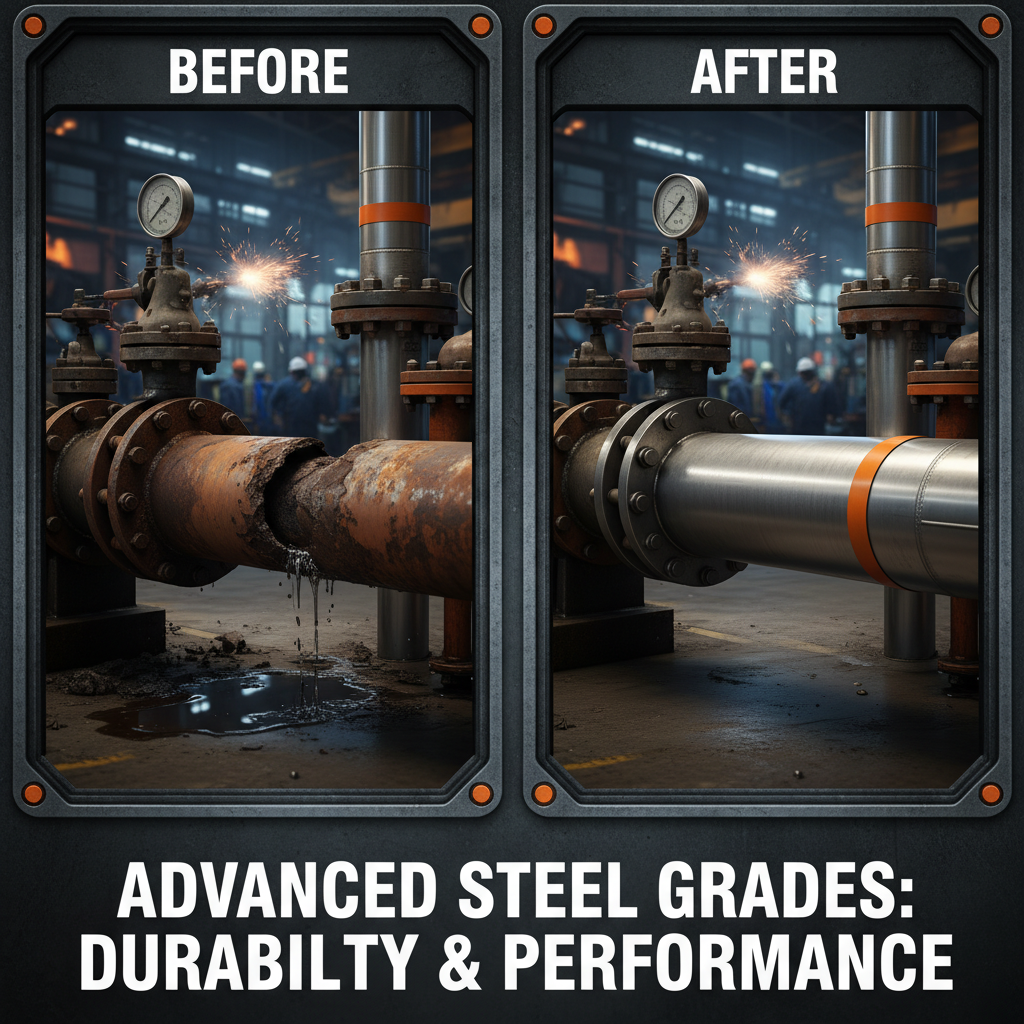
At the heart of ASTM A106B’s popularity is its reliability. It’s not just about toughness, but also trust. Low failure rates, excellent resistance to high heat, and consistent performance all translate into fewer shutdowns and safer working environments.
From a cost perspective, its balance between durability and affordability means projects stay on budget without skimping on safety margins. Emotionally, these pipes enable engineers, project managers, and communities to feel confident in infrastructure that supports daily life—whether that’s heating a hospital or delivering fuel.
By choosing ASTM A106B, companies also align with global standards, helping meet ISO environmental and safety policies. This reduces long-term liability, supports sustainability goals, and, frankly, makes future upgrades easier.
Looking Ahead: Future Trends for ASTM A106B Industry
The steel industry is undergoing massive transformation. Increasingly, the focus is on sustainability and digitalization. ASTM A106B pipes are expected to benefit from:
- Green Steel Production: Using hydrogen or electric arc furnaces to reduce carbon emissions in steel making.
- Advanced Coatings: Nanotech coatings to extend pipe lifespan and improve corrosion resistance without heavy metal use.
- Smart Monitoring: Embedding sensors for real-time data on pipe integrity and stress, crucial for preventive maintenance.
- Automation in Fabrication: Robotics and AI improving weld quality and reducing errors during pipe manufacturing.
All these innovations ensure ASTM A106B pipes won’t just be stuck in the past but remain relevant in a cleaner, smarter future.
Facing the Challenges: What Could Go Wrong?
ASTM A106B is versatile, but not invincible. Challenges include:
- Corrosion in Extreme Environments: In highly acidic or marine settings, extra protection is essential.
- Inspection Complexity: Seamless doesn’t mean immune; cracks or flaws can develop—and detecting them requires skilled NDT (nondestructive testing).
- Supply Chain Disruptions: Global steel prices and logistics can cause delays.
Experts recommend thorough testing, protective coatings tailored to the application, and engaging multiple vendors to minimize risk.
FAQ: Quick Answers on ASTM A106B
- What industries commonly use ASTM A106B pipes?
- Primarily oil & gas, power generation, chemical processing, and water supply sectors rely on ASTM A106B for their ability to handle high pressure and temperature.
- How does ASTM A106B compare to ASTM A53?
- ASTM A106B is designed for high-temperature services and seamless construction, whereas ASTM A53 covers both seamless and welded pipes mainly for lower temperature use.
- Can ASTM A106B pipes be welded?
- Yes, they are designed for welding, making them adaptable on-site for custom installations and repairs.
- How long do ASTM A106B pipes typically last?
- With proper maintenance and environmental controls, they can last several decades—sometimes 20–30 years or more.
- Are ASTM A106B pipes recyclable?
- Absolutely. Like most steel products, ASTM A106B pipes can be recycled, supporting circular economy goals.
Final Thoughts on ASTM A106B
In the grand scheme, it’s easy to overlook something as ‘mundane’ as a pipe. But ASTM A106B pipes quietly support economic growth, peace of mind, and technological progress worldwide. They’re the backbone behind everything from your neighborhood heating system to large-scale energy networks.
For engineers, project managers, or procurement specialists, understanding ASTM A106B’s properties and market nuances can mean the difference between a reliable project and costly failures.
Curious to explore more? Visit our website: https://www.world-steelmaterial.com for detailed specs, vendor options, and expert guidance.
References
Post time: Dec . 01, 2025 14:05
 English
  Arabic
  Bengali
  China
China  French
  German
  Hausa
Hausa  Indonesian
  Italian
  Japanese
  Javanese
  Malay
Malay  Persian
  Portuguese
  Punjabi
  Russian
  Spanish
  Swahili
  Telugu
  Vietnamese