

Understanding ASTM A106 Pipe: A Backbone of Global Infrastructure
If you’ve ever wondered what keeps pipelines sturdy when transporting oil, gas, or steam across countries, astm a106 pipe might just be your unsung hero. From the deepest industrial zones to construction sites dotting bustling cities, these pipes form the arterial network fueling modern civilizations. Why does it matter globally? Because flawless transportation of fluids and gases depends on materials that can handle pressure, temperature swings, and corrosive environments — all while staying cost-effective. Getting familiar with ASTM A106 pipes means understanding a key component that affects energy, industrial safety, and economic stability worldwide.
Mini takeaway: Knowing ASTM A106 pipes helps decode a complex web of industries relying on durable, high-quality carbon steel piping.
Global Industry Context: Why ASTM A106 Pipes Are Indispensable
According to the International Organization for Standardization (ISO) and the United Nations, infrastructure projects and energy supply chains have grown by roughly 40% globally over the past decade. These projects require piping that can deal with diverse climates, from the frigid Arctic pipelines to scorching desert refineries. ASTM A106 pipes have become a globally trusted standard for their consistent quality and strength. However, the challenge remains to balance performance with sustainability and cost-efficiency — a gap ASTM A106 products often help bridge.
Mini takeaway: ASTM A106 pipes underpin global infrastructure, where reliability meets evolving demands in energy and environmental safety.
What Is ASTM A106 Pipe?
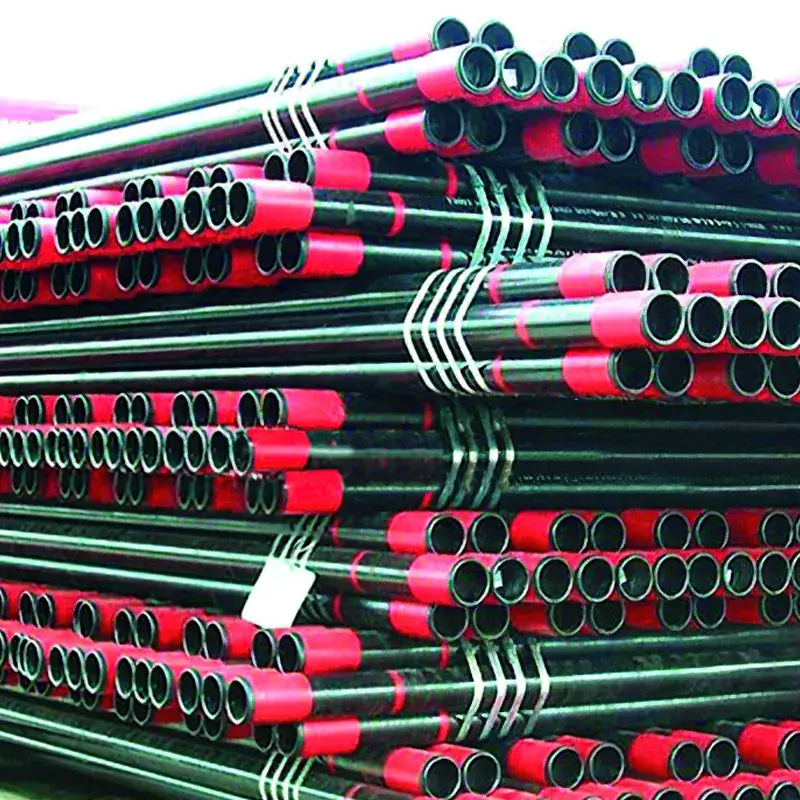
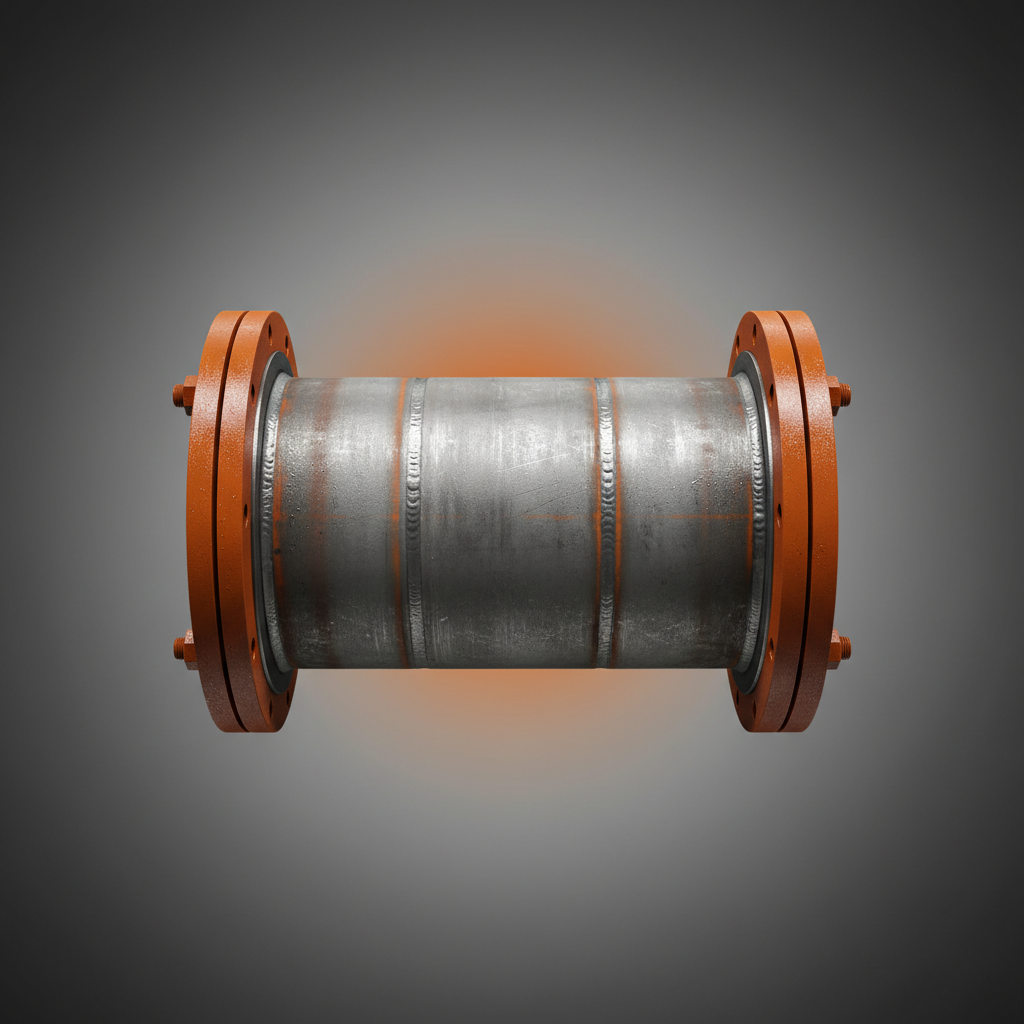
ASTM A106 pipes, simply put, are seamless carbon steel pipes manufactured according to the ASTM International standard A106. These pipes are designed specifically for high-temperature service and pressure applications. Unlike welded pipes that might contain seams vulnerable under stress, seamless ASTM A106 pipes resist corrosion and stress better, making them ideal for transporting hot liquids or gases safely. Their material composition and manufacturing standards make them profoundly important not only in heavy industries but also in humanitarian relief efforts where durable piping is essential for water and fuel supply.
Mini takeaway: ASTM A106 pipes are high-grade, seamless carbon steel pipes made for tough temperature and pressure conditions, essential across numerous sectors.
Core Components of ASTM A106 Pipes
1. Material Composition
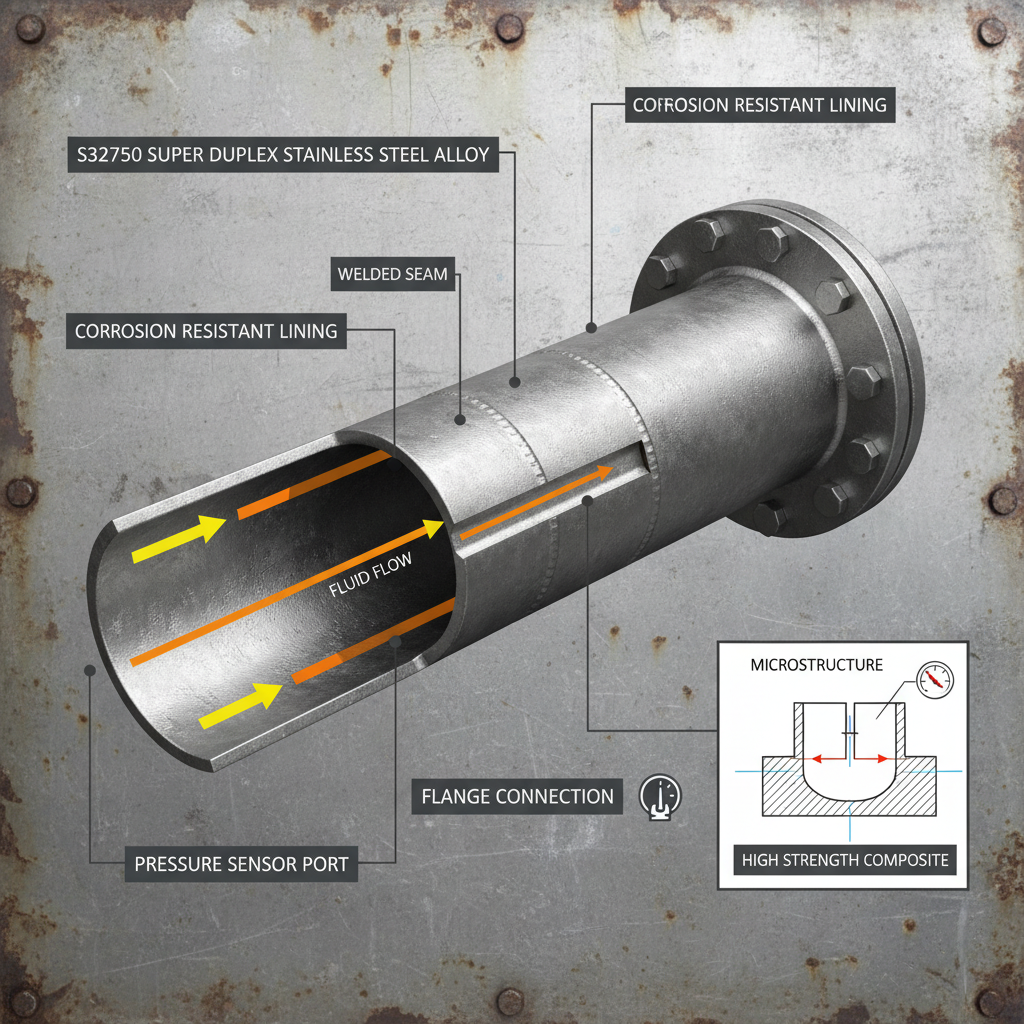
The base is carbon steel, enhanced with controlled amounts of manganese and trace elements. This blend promises excellent mechanical properties, allowing the pipe to withstand extreme conditions.
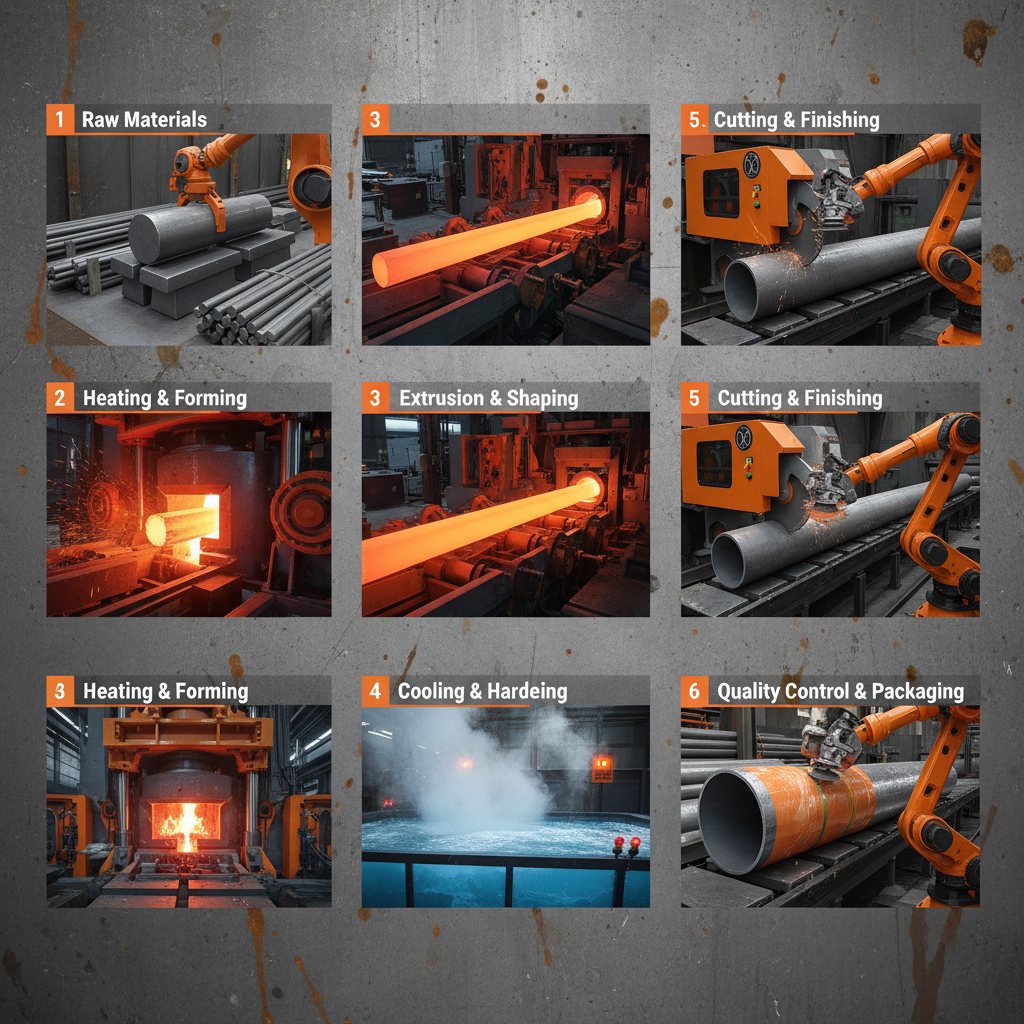
2. Heat Treatment and Manufacturing Process
These pipes are typically heat-treated, easing internal stresses and enhancing toughness and ductility — crucial when operating under fluctuating thermal loads.
3. Durability and Corrosion Resistance
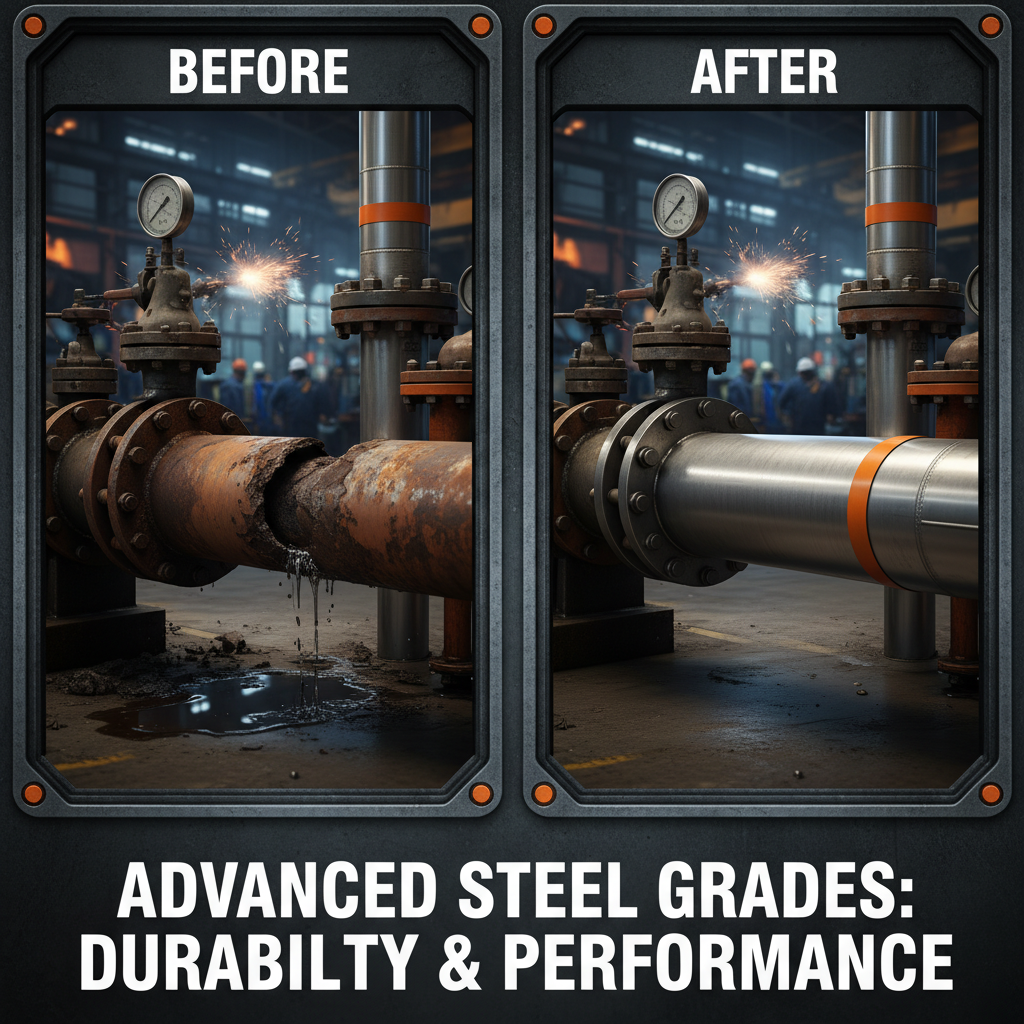
While not stainless, ASTM A106 pipes resist scaling at high temperatures, making them preferable for steam lines and oil refineries. Protective coatings or insulation often accompany installation to boost longevity.
4. Size and Thickness Variability
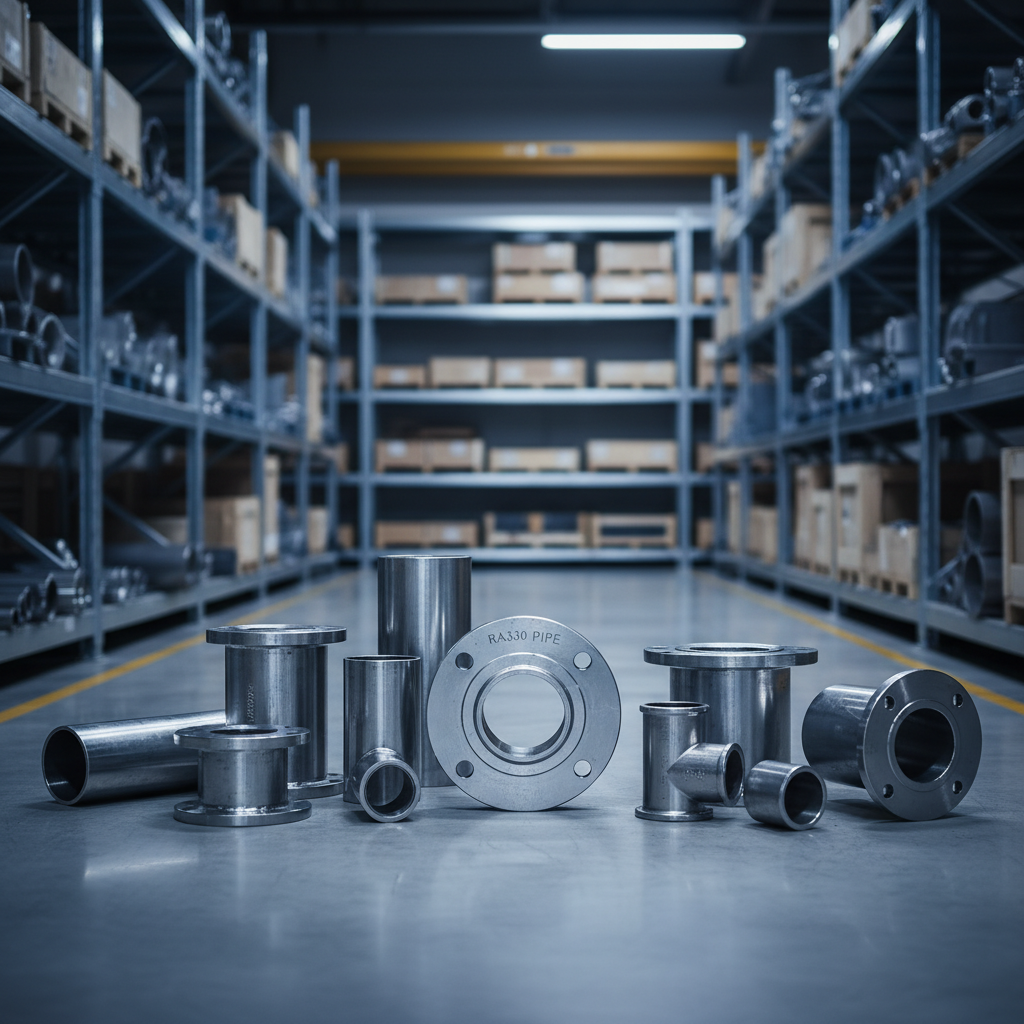
They come in varying diameters and schedule ratings (wall thickness), accommodating different flow rates and pressure requirements. This scalability enables precise engineering fit-for-purpose.
5. Compliance Standards
Meeting ASTM A106 certification ensures pipes meet rigorous quality controls on mechanical strength, chemical composition, and dimensional accuracy.
Mini takeaway: ASTM A106 pipes combine refined material science with precise manufacturing standards for robustness and reliability.
Applications Around the World
From offshore oil rigs to urban heating networks, ASTM A106 pipes are everywhere. In North America, they largely fuel petrochemical and natural gas transmission. In Asia and the Middle East, their high-temperature resilience suits power plants and refineries, especially those dealing with extreme heat.
For instance, in post-disaster relief operations like those after earthquakes or typhoons, quick restoration of water and fuel supply lines depends on durable piping — ASTM A106 pipes often answer that call. In colder regions, their heat-conducting ability reduces the risk of freezing, keeping energy flow steady. Even in industrial zones within developing countries, where replacement parts are hard to come by, the reliability of ASTM A106 pipes reduces downtime and enhances worker safety.
Mini takeaway: Thanks to their versatility, ASTM A106 pipes play critical roles in diverse climates and crucial sectors worldwide.
Advantages and Long-Term Value
- Cost-effectiveness: Durable and requiring minimal maintenance, ASTM A106 pipes offer long service life, reducing replacement costs.
- Safety: Resistant to pressure-induced ruptures, they safeguard industrial workers and nearby communities.
- Sustainability: Their long life cycle decreases waste and supports responsible resource management.
- Innovation-friendly: Compatible with advances in welding and coating technologies for enhanced performance.
- Social Impact: Their reliability contributes to stable energy and water supply, boosting the quality of life.
Mini takeaway: ASTM A106 pipes are a solid investment—not just economically but socially and environmentally.
Future Trends and Innovations
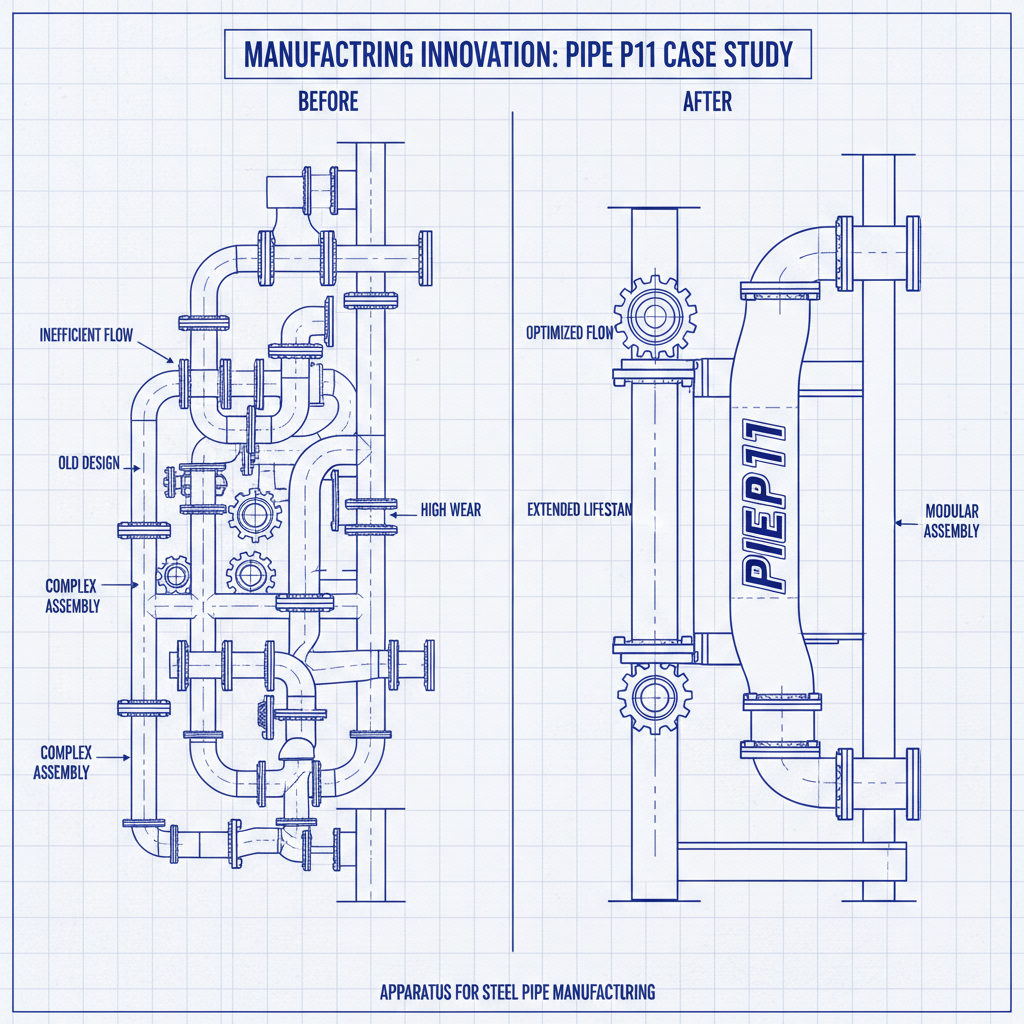
Oddly enough, despite their traditional image, ASTM A106 pipes are evolving. New steel alloys and nano-coatings are being developed to improve corrosion resistance without sacrificing cost advantages. Digital sensors embedded during manufacturing are becoming commonplace, alerting engineers to stresses or potential failures before they happen. In the context of green energy, these pipes are being adapted to carry hydrogen fuel — a tricky substance due to embrittlement concerns. Automation in quality checks during production is further raising standards and speeding delivery times.
Mini takeaway: The ASTM A106 pipe is not just holding steady; it is innovating to meet 21st-century demands in energy and sustainability.
Common Challenges and How Industry Addresses Them
Of course, no product is without flaws. ASTM A106 pipes suffer from susceptibility to corrosion if left unprotected, and their carbon steel core limits use in highly acidic environments. Another challenge is the high cost and energy consumption in manufacturing seamless pipes compared to welded ones.
Industry experts recommend routine inspections, advanced protective coatings, and strategic selection of pipe grades tailored to specific chemical or thermal environments. Investments in recycling scrap steel and improving heat-treatment processes reduce environmental impacts. Continuous training for installers ensures proper handling, reducing faults in the field.
Mini takeaway: Awareness and proactive management of ASTM A106 pipe challenges enable safer, longer-lasting infrastructure.
FAQ: Practical Questions About ASTM A106 Pipe
- What distinguishes ASTM A106 pipe from other pipes?
- ASTM A106 pipes are seamless carbon steel pipes specifically designed for high-temperature and high-pressure service, unlike welded or stainless steel pipes which serve different environments.
- Can ASTM A106 pipes be used for water supply systems?
- While primarily intended for steam and oil applications, ASTM A106 pipes can be used for water systems if coated properly to prevent corrosion.
- How long does an ASTM A106 pipe typically last in harsh industrial conditions?
- With ideal maintenance and protection, these pipes can last 20-30 years or more, depending on environmental exposure and operational stress.
- Are ASTM A106 pipes customizable in size?
- Yes! They are available in many diameter and thickness ranges (schedule ratings), allowing flexibility for different flow rates and pressure needs.
- How do I ensure my supplier provides genuine ASTM A106 certified pipes?
- Request certificates of compliance, check the manufacturer’s reputation, and consult industry databases to verify authenticity before purchasing.
Product Specification Table
| Specification | Details |
|---|---|
| Material | Carbon Steel (Grade B) |
| Standard | ASTM A106 / ASME SA106 |
| Pipe Type | Seamless |
| Diameter Range | NPS 1/8" to 48" |
| Wall Thickness (Schedule) | 10, 40, 80, 120, XXH |
| Operating Temp. Range | -20°C to +570°C (-4°F to +1058°F) |
| Applications | Transport of steam, oil, gas, and high-pressure liquids |
Vendor Comparison Table
| Vendor | Product Range | Certifications | Lead Time | Price Range |
|---|---|---|---|---|
| SteelWorks Inc. | NPS 1/2" – 36" | ASTM A106, ISO 9001 | 4-6 weeks | $$$ |
| Global Steel Tubes | NPS 1/8" – 48" | ASTM A106, API 5L | 3-5 weeks | $$ |
| PipeMasters Ltd. | NPS 1" – 24" | ASTM A106, PED | 2-4 weeks | $$$ |
Final Thoughts
When it comes down to pressing needs—be it energy distribution, petrochemical plants, or emergency water supply—ASTM A106 pipes generally hold the trust of engineers and planners for good reason. They strike a balance of strength, flexibility, and cost that’s not easy to beat. Plus, with ongoing innovation, these pipes will likely carry us well into the future of sustainable infrastructure. If you’re in the market or just curious about pipeline materials, getting to know ASTM A106 pipes feels like a worthy investment in understanding the veins that keep industries alive.
Ready to explore quality pipes that meet your project needs? Visit our website at https://www.world-steelmaterial.com for detailed specs and trusted sourcing options.
References:
Post time: Dec . 01, 2025 12:25
 English
  Arabic
  Bengali
  China
China  French
  German
  Hausa
Hausa  Indonesian
  Italian
  Japanese
  Javanese
  Malay
Malay  Persian
  Portuguese
  Punjabi
  Russian
  Spanish
  Swahili
  Telugu
  Vietnamese