

Understanding ASTM A53 A53M: Why It Matters in Today’s Steel Industry
If you’ve ever worked with steel pipes, or even glanced at industrial piping specs, chances are you’ve bumped into something called ASTM A53 A53M. This specification isn’t just some arbitrary jargon – it actually plays a huge role in how steel pipes are manufactured, tested, and deployed worldwide. In short, it sets the standards that keep materials consistent, safe, and fit for purpose.
Globally, steel pipes compliant with ASTM A53 A53M are everywhere – from oil refineries and water pipelines to construction frameworks and infrastructure projects that shape entire cities. Frankly, understanding this spec means not only selecting the right products but ensuring long-term reliability, cost-efficiency, and regulatory compliance. That’s why industries spanning energy to construction place huge focus here.
The Global Relevance of ASTM A53 A53M: More Than Just Industry Lingo
Steel remains the backbone of industrialization. According to the World Steel Association, roughly 1.9 billion tons of crude steel were produced in recent years, with a sizeable chunk of that going into pipe manufacturing. Worldwide demand is fuelled by rapid urbanization, infrastructure renewal, and expanding energy sectors — all domains where ASTM standards act as the foundation stone for safety and quality.
However, a global challenge remains: With steel sourced from myriad suppliers, quality inconsistencies can cause failures with costly or even dangerous outcomes. ASTM A53 A53M mitigates such risks by providing a unified yardstick for carbon steel pipes used for high-pressure and mechanical applications. This “global language” helps reduce technical conflicts across continents, making international trade and construction smoother.
Mini takeaway:
- Steel pipes per ASTM A53 A53M help unify quality metrics worldwide.
- They support global infrastructure growth by ensuring consistency and safety.
What Exactly Is ASTM A53 A53M?
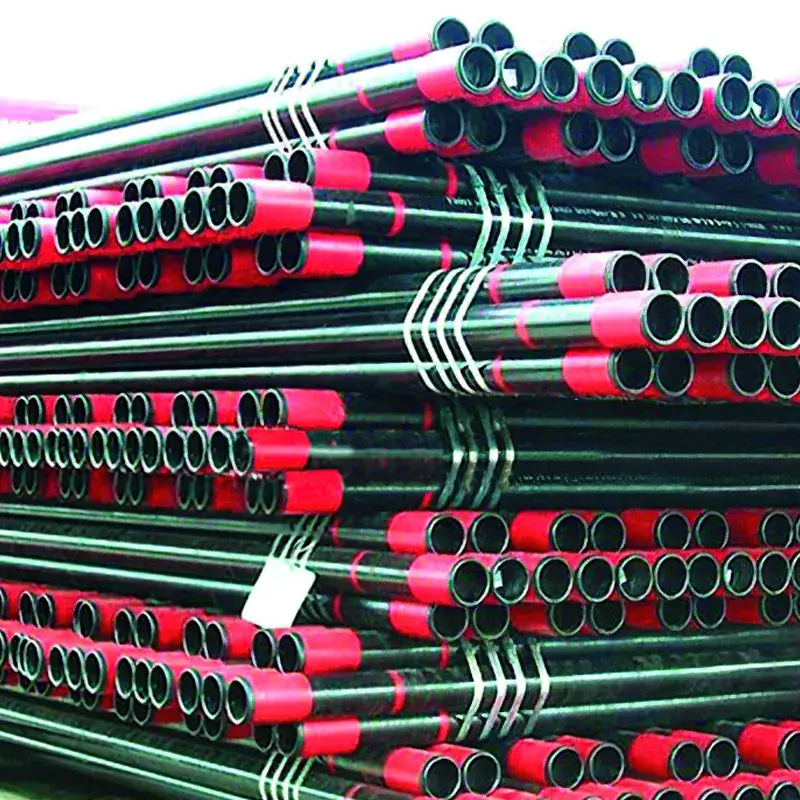
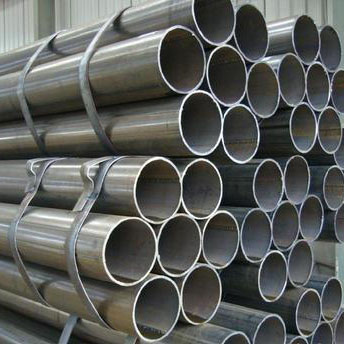
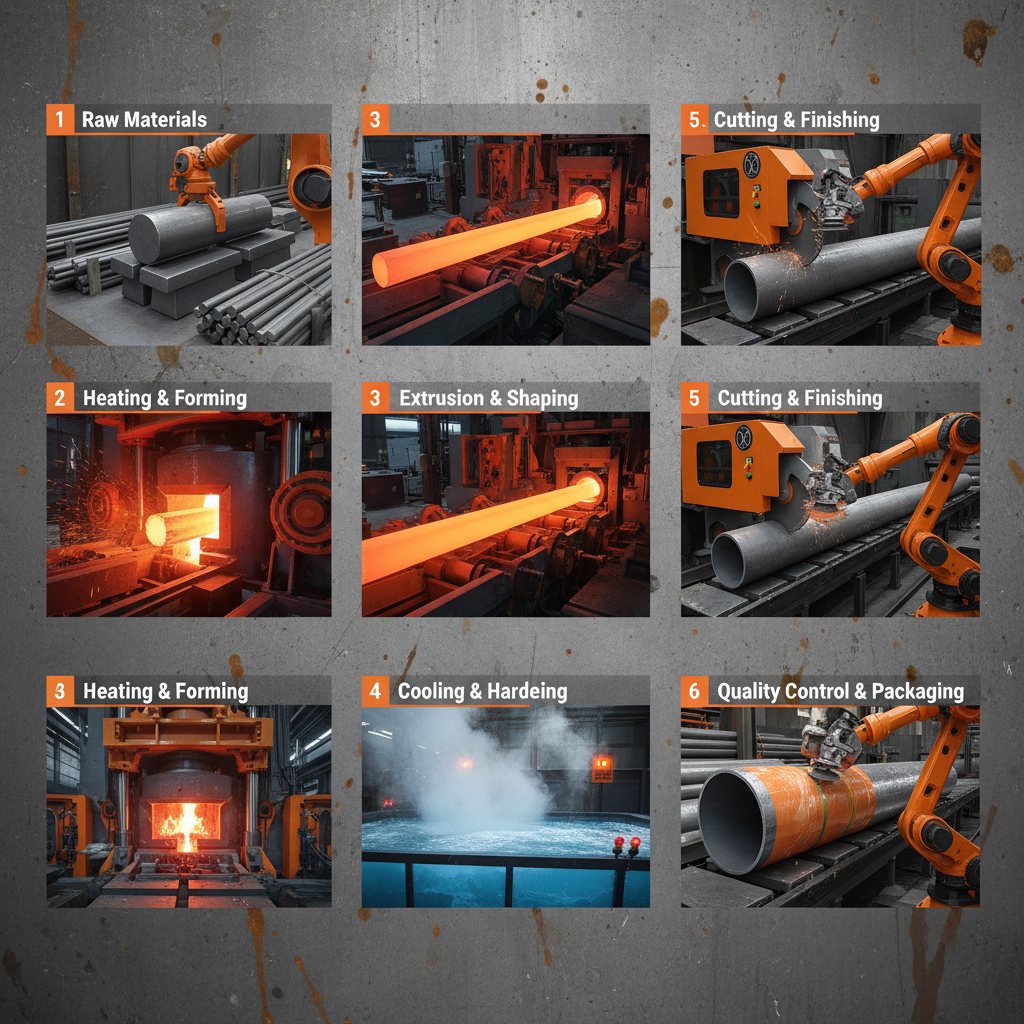
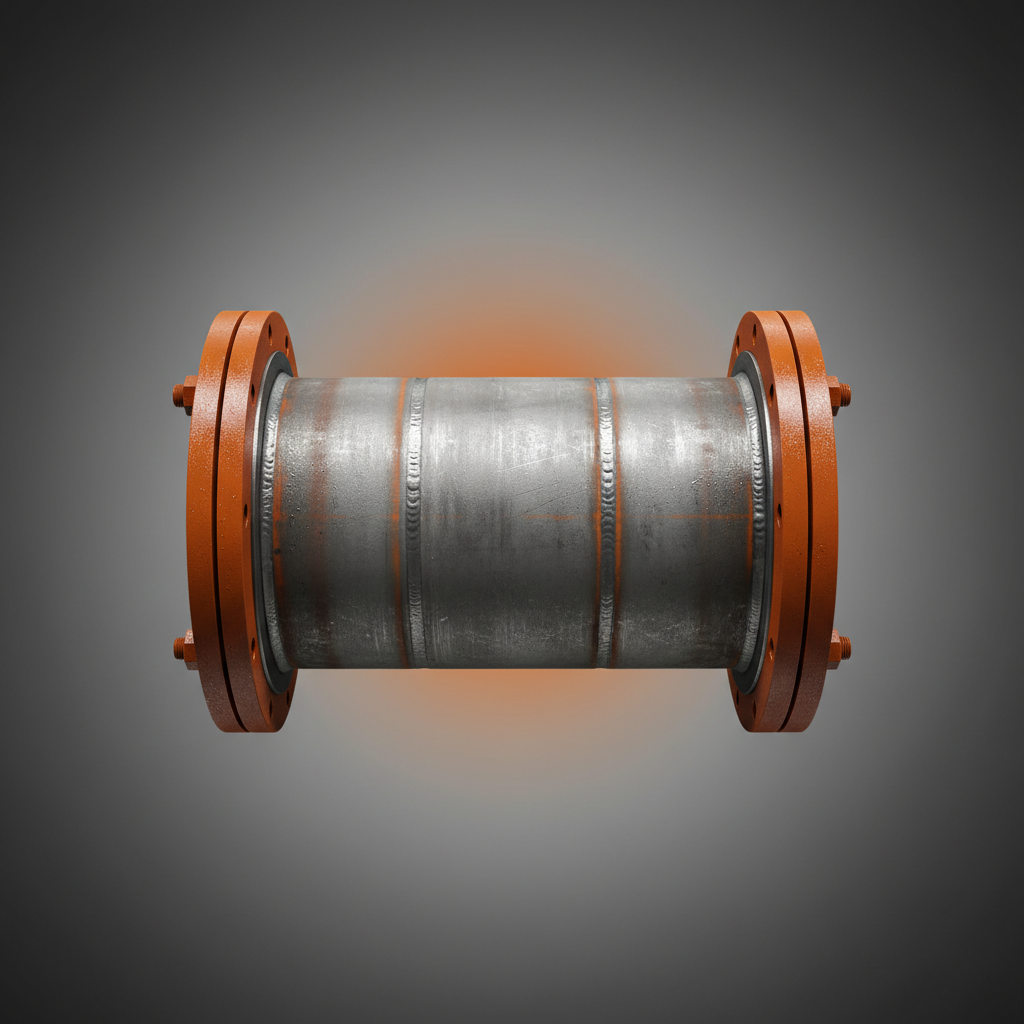
Simply put, ASTM A53 and its metric variant ASTM A53M are specifications developed by ASTM International that cover carbon steel pipes used in structural and mechanical applications. Think of it as a recipe book for producing pipes that meet predetermined standards of dimensions, chemical composition, mechanical properties, and manufacturing methods.
Broadly, the specification splits pipes into Types F, E, and S — representing different manufacturing methods: furnace-butt welded, electric-resistance welded, and seamless pipes, respectively. What’s neat is that ASTM A53 A53M applies to pipes suitable for conveying fluids, structural purposes, and even steam transport — making it versatile across industries.
Oddly enough, while the standard is technical, its impact touches humanitarian needs like water supply systems in developing regions or safe transportation of fuels — helping raise living standards and economic activity globally.
Mini takeaway:
- ASTM A53 A53M defines how carbon steel pipes are made and tested to assure quality.
- It covers various manufacturing types suitable for fluid transport and structural uses.
Core Components of ASTM A53 A53M Pipes
1. Chemical Composition
At the heart of ASTM A53 A53M is specific chemical makeup. Elements such as carbon, manganese, phosphorus, and sulfur are tightly controlled to deliver strength and weldability. Too much carbon? Pipes get brittle. Too little? Strength suffers. The balance matters.
2. Manufacturing Process Types
The spec categorizes pipes into types based on how they're made — seamless (S), furnace butt welded (F), and electric-resistance welded (E). Each method influences durability and applications. Seamless pipes, for example, are preferred in high-pressure environments because they lack welded seams which can be weak points.
3. Mechanical Properties
ASTM A53 A53M mandates minimum tensile strength and yield strength values depending on pipe grade (A or B). This guarantees pipes don’t just look good on paper but perform under stress — vital for safety.
4. Dimensional Tolerances
Uniformity in dimensions such as outside diameter, wall thickness, and length ensures compatibility with fittings and overall system integrity. These are precisely outlined so fabricators can rely on repeatable specs.
5. Testing Requirements
Non-destructive and destructive testing protocols like hydrostatic tests, flattening, and flaring are included to verify pipe integrity before shipping. It’s a quality control checklist that saves headaches down the line.
| Specification Aspect | Description | Format/Value |
|---|---|---|
| Material | Carbon steel pipe | Grades A & B |
| Manufacturing Types | Seamless, furnace butt welded, ERW | Types S, F, E |
| Tensile Strength | Minimum specified based on grade | 46,000 to 60,000 psi |
| Dimensions | Outside diameter, thickness, length | Standardized based on schedule |
| Testing | Hydrostatic, flattening, hardness tests | Mandatory |
Mini takeaway:
- ASTM A53 A53M covers chemistry, process, and testing to assure pipe quality.
- Understanding these components helps pick the right pipe for specific tasks.
Where Does ASTM A53 A53M Come Into Play Globally?
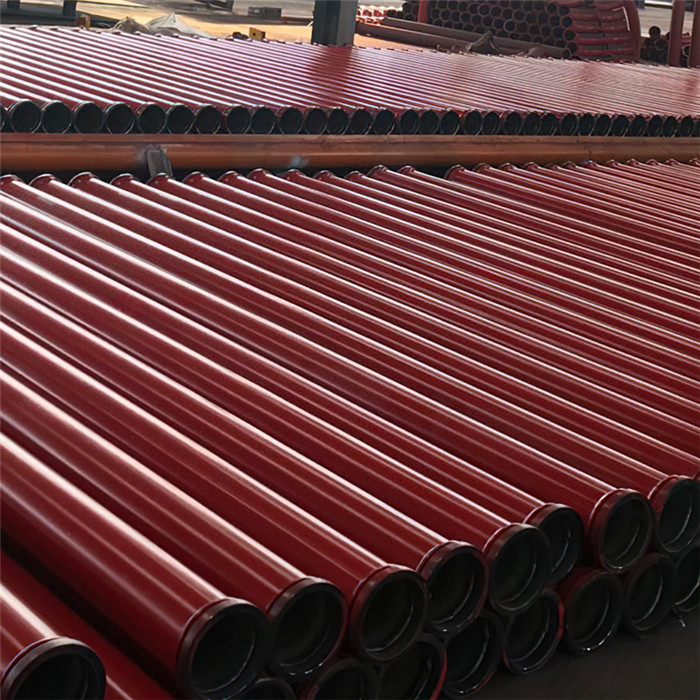
These pipes are a staple in various sectors worldwide. In the energy industry, for example, ASTM A53 A53M pipes often form the backbone of oil and gas transmission systems, especially at moderate pressures and temperatures. The water treatment and distribution industries rely heavily on them for conveying potable water and irrigation.
Regionally, fast-developing countries in Asia and Africa utilize ASTM-compliant steel pipes in large infrastructure projects funded by international organizations. Even in post-disaster relief, rugged yet cost-effective piping is necessary for temporary water networks.
Take the Middle East’s pipeline expansions—ASTM A53 A53M pipes are widely used due to their balance of durability and cost-efficiency. In more temperate zones like Europe and North America, you’ll find these pipes in structural frameworks such as scaffolding and fencing, not just fluid transport.
Mini takeaway:
- Globally, ASTM A53 A53M pipes support energy, water, and construction sectors.
- Their versatility makes them valuable from disaster zones to major industrial hubs.
Advantages of ASTM A53 A53M Pipes: Why Engineers Favor Them
- Cost Efficiency: Their manufacturing processes and material specs keep costs competitive without compromising quality.
- Reliability: Standardized testing ensures pipes won’t unexpectedly fail under pressure.
- Sustainability: Carbon steel is highly recyclable, and the spec encourages durable pipes that last decades, reducing waste.
- Safety: Compliance assures users of tested mechanical strength — essential in critical infrastructure.
- Flexibility: Multiple manufacturing types and sizes mean you can find a pipe for almost any application.
Many engineers I spoke to emphasize how ASTM A53 A53M is almost a “go-to” baseline specification. When you need a balance of all-round performance — and you do — this standard delivers.
Future Trends: What’s Next for ASTM A53 A53M Pipes?
With growing emphasis on green energy and sustainability, there’s ongoing research into adapting ASTM-compliant pipes for hydrogen transport and carbon capture projects. Digital transformation is also entering the picture: automated inspection and smart tagging help trace pipe origin and quality digitally, reducing on-site uncertainty.
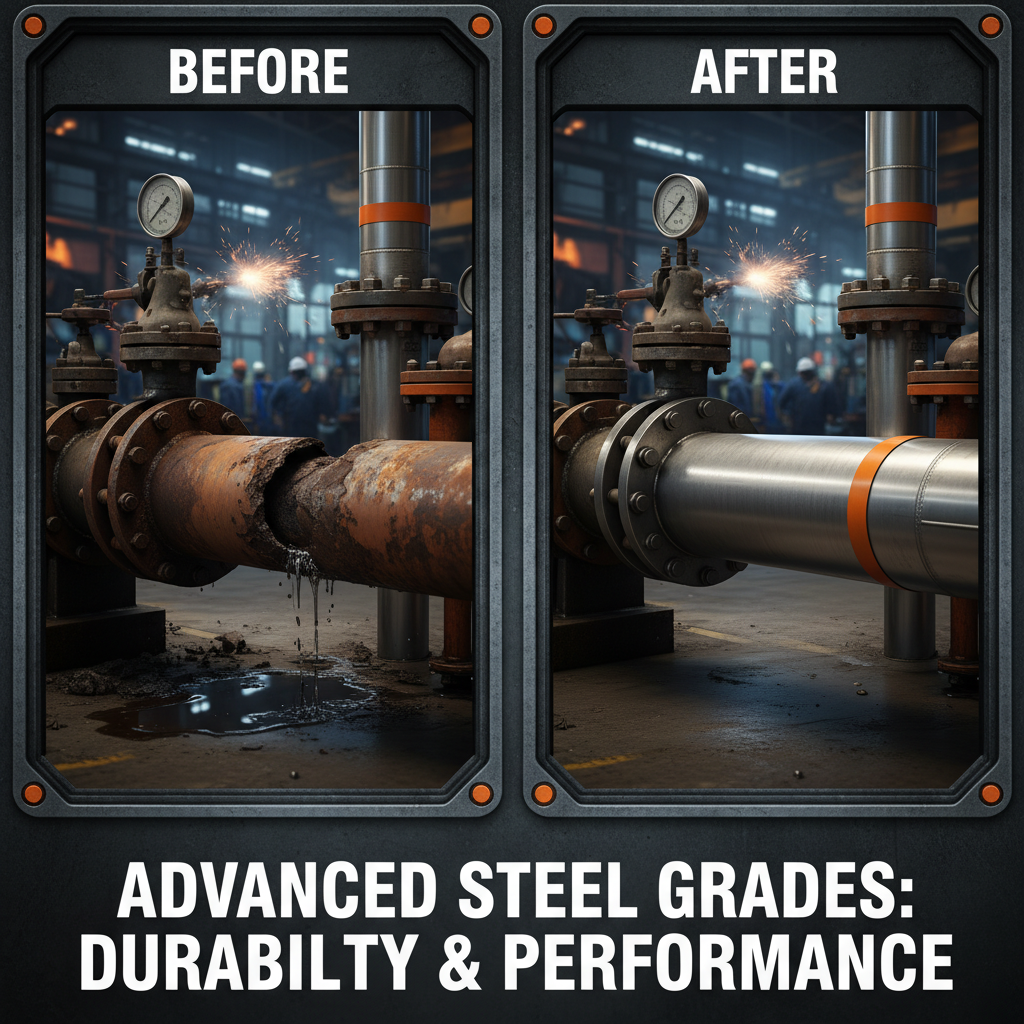
Materials science is pushing boundaries too, looking at coatings and treatments that extend lifespan against corrosion — potentially redefining future ASTM standards or additions. As regulations tighten globally, ASTM A53 A53M pipes may also evolve to embrace lower-carbon manufacturing methods.
Common Challenges and Practical Solutions
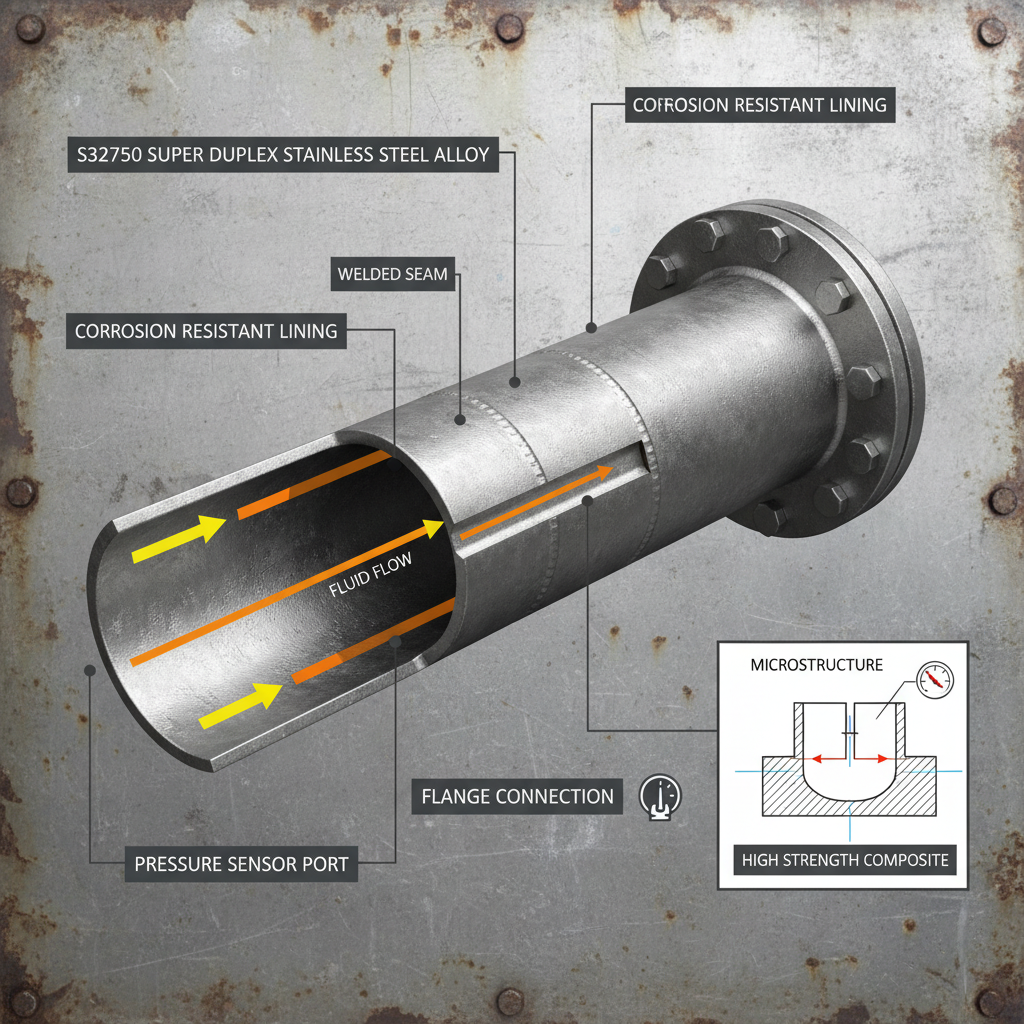
Despite their strengths, ASTM A53 A53M pipes have limits. Welded seams can still pose vulnerability in high-pressure or corrosive environments if not properly treated. Sourcing quality-certified pipes from unverified suppliers remains a risk. To counter these, many industries combine ASTM standards with supplementary coatings, third-party testing, and certifications.
Plus, with the rise of modular and prefabricated construction, adapting pipes for specific design needs requires custom engineering that some vendors now specialize in. The key is working with trustworthy suppliers who understand not just ASTM A53 A53M in theory but real-world applications.
| Vendor | ASTM Certification | Product Range | Customization Options | Global Presence |
|---|---|---|---|---|
| SteelWorks Inc. | Full ASTM A53 A53M Certified | Seamless, ERW, F-B Welded Pipes | Diameter, Wall Thickness Custom Orders | North America, Asia, Middle East |
| Global Pipe Solutions | ASTM A53 A53M & Other Standards | Primarily Electric-Resistance Welded | Pre-coated and Pre-cut Pipes | Europe, Africa, Asia |
| RapidSteel Corp. | ASTM A53 A53M Licensed | Focus on High-Grade Seamless | Special Alloys and Heat Treatments | Global |
FAQ: Your Top Questions About ASTM A53 A53M
- Q: How do ASTM A53 A53M pipes differ from other steel pipe standards?
- A: ASTM A53 A53M specifically focuses on carbon steel pipes with distinct manufacturing and testing criteria, making it suitable for moderate pressure fluid transport and structural uses. Other standards like API or ASTM A106 might cover different grades, temperatures, or specialized uses.
- Q: Can ASTM A53 pipes be used in gas distribution systems?
- A: Yes, especially Types E and S pipe grades are commonly used for natural gas and propane distribution in non-critical pressure environments, provided they meet local code requirements.
- Q: What is the typical lifespan of an ASTM A53 A53M pipe installed underground?
- A: With proper coating and cathodic protection, such pipes can last 30-50 years underground. Environmental conditions heavily influence lifespan, so maintenance and inspections are essential.
- Q: Are ASTM A53 A53M pipes recyclable?
- A: Absolutely. Carbon steel pipes specified under ASTM A53 A53M are 100% recyclable, making them environmentally friendly when replaced or scrapped.
- Q: How can international buyers ensure authenticity of ASTM A53 pipes?
- A: Purchase from certified vendors with traceable mill test reports and preferably suppliers with global ASTM accreditation. Third-party inspections and product certifications add extra assurance.
Wrapping Up: Why ASTM A53 A53M Still Holds Strong
In essence, ASTM A53 A53M remains a cornerstone in carbon steel piping standards for good reasons: reliability, versatility, and a clear framework that has stood the test of industrial evolution. For anyone looking to invest in steel pipes—whether structural, mechanical, or fluid conveying—sticking close to these established specs is usually the smartest bet. If you’re hunting for quality materials that have global acceptance and solid industry backing, astm a53 a53m pipes should definitely be on your radar.
Interested in sourcing ASTM A53 A53M pipes or learning more? Visit us at https://www.world-steelmaterial.com — where we bring you vetted products engineered to meet the highest standards.
A quick reflection:
This specification might sound like dry code—sure. But it’s one of those quiet enablers behind booming cities, reliable energy flow, and safe water delivery across all corners of the globe. That’s a legacy worth knowing.
References
Post time: Dec . 01, 2025 10:50
 English
  Arabic
  Bengali
  China
China  French
  German
  Hausa
Hausa  Indonesian
  Italian
  Japanese
  Javanese
  Malay
Malay  Persian
  Portuguese
  Punjabi
  Russian
  Spanish
  Swahili
  Telugu
  Vietnamese