

Understanding the Role of a106b Pipe in Modern Industry
When you start diving into the world of industrial piping, you quickly come across the term a106b pipe. These pipes aren’t just metal tubes; they’re a backbone of critical infrastructure that supports everything from energy transmission to water distribution worldwide. Why does it matter? Because on a global scale, having reliable, standardized piping materials like the a106b pipe ensures safety and efficiency in operations as diverse as oil refineries, power plants, and municipal utilities.
Frankly, understanding a106b pipe is key for engineers, planners, and even policymakers aiming to future-proof infrastructure. These pipes promise durability and performance in demanding environments, which, let’s be honest, is no small feat in today’s fast-paced industrial landscape.
Global Importance of A106b Pipe: The Big Picture
Globally, the demand for quality carbon steel pipes continues to rise at about 5% annually, driven by expanding energy sectors and increasing urbanization [1]. According to the International Organisation for Standardisation (ISO), pipes like a106b are widely specified in systems requiring high pressure and temperature resistance.
What’s particularly interesting is how a106b pipes solve challenges related to infrastructure ageing and system reliability. For instance, in regions coping with extreme climates or seismic activity, robust materials reduce safety hazards and maintenance costs. Without such standardised pipes, you could imagine how fragile supply chains could become — and that’s a risk no country wants to take.
What Exactly Is an a106b Pipe?
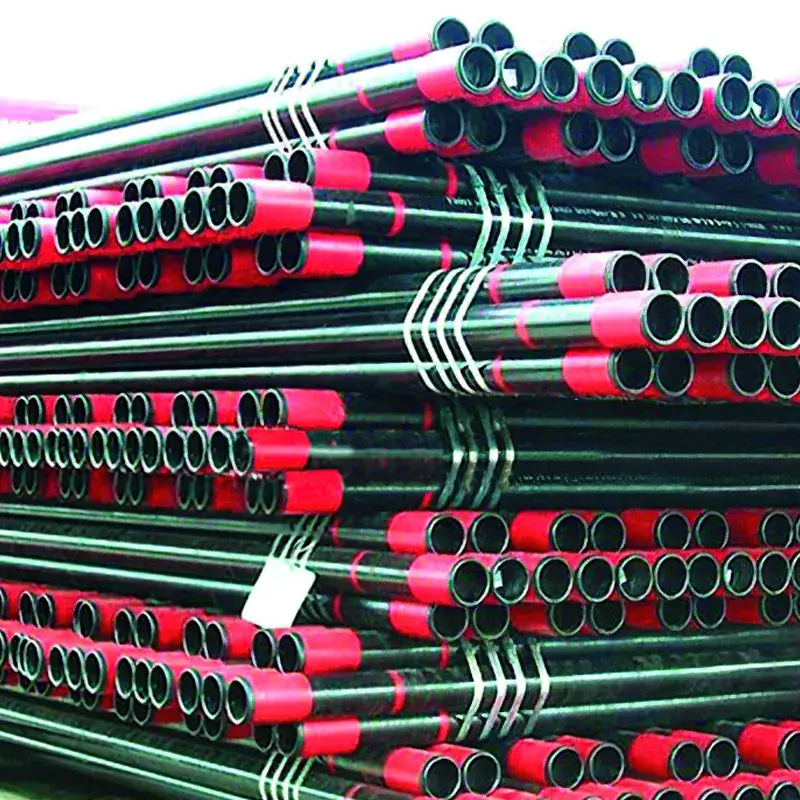
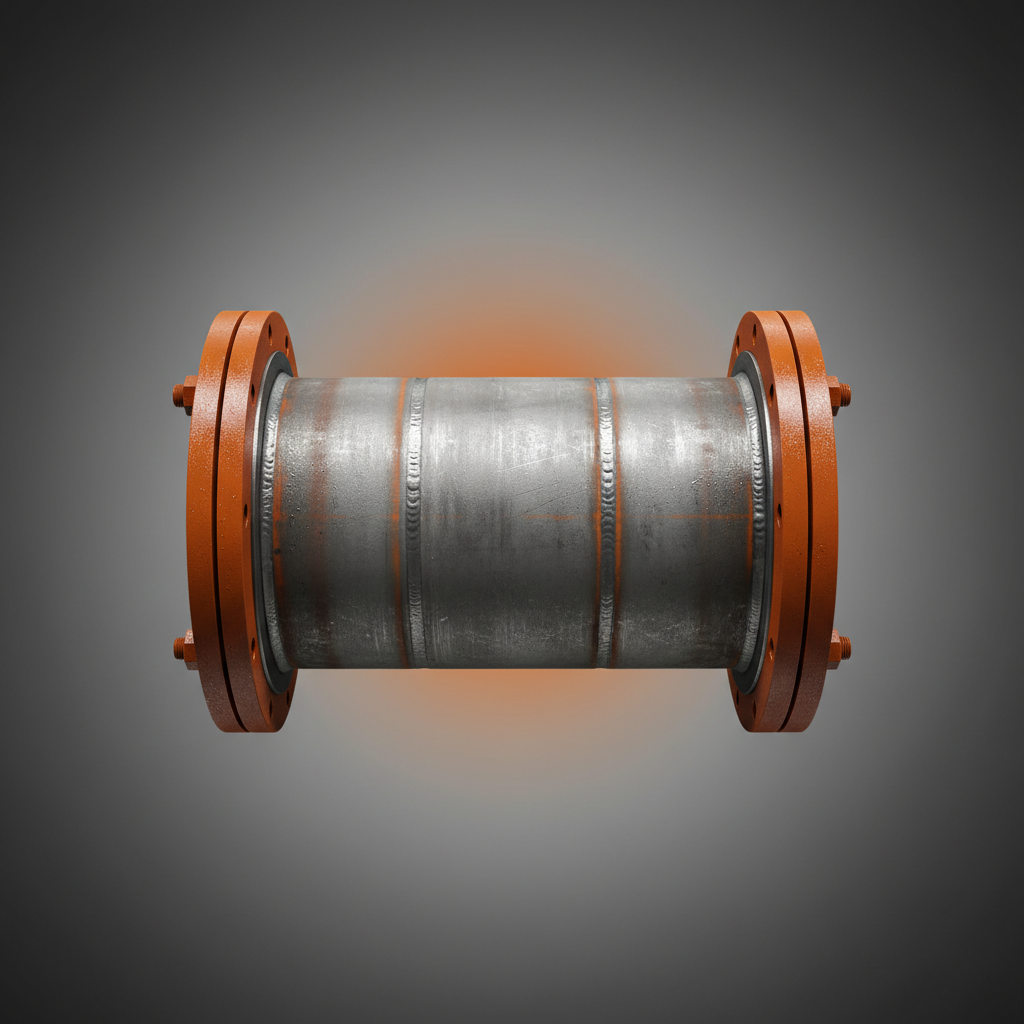
So, what does the a106b pipe actually mean? At its core, it is a specification for seamless carbon steel pipes designed primarily for high-temperature service. "A106" is the ASTM (American Society for Testing and Materials) standard number, and "Grade B" refers to the particular grade within that standard, indicating its mechanical properties and chemical composition.
They are manufactured to withstand the rigors of high-pressure environments, typically found in oil and gas pipelines, refinery installations, and power generation plants. They also find utility in humanitarian sectors, like providing water infrastructure in developing regions — where durability and resilience against corrosion can mean the difference between reliable service or frequent outages.
Mini takeaway:
- a106b pipe is a seamless carbon steel pipe favored for high-temp, high-pressure systems worldwide.
- Its standardized specs ensure performance consistency, critical for global industries and infrastructure.
Core Characteristics of a106b Pipe That Matter Most
1. Durability and Strength
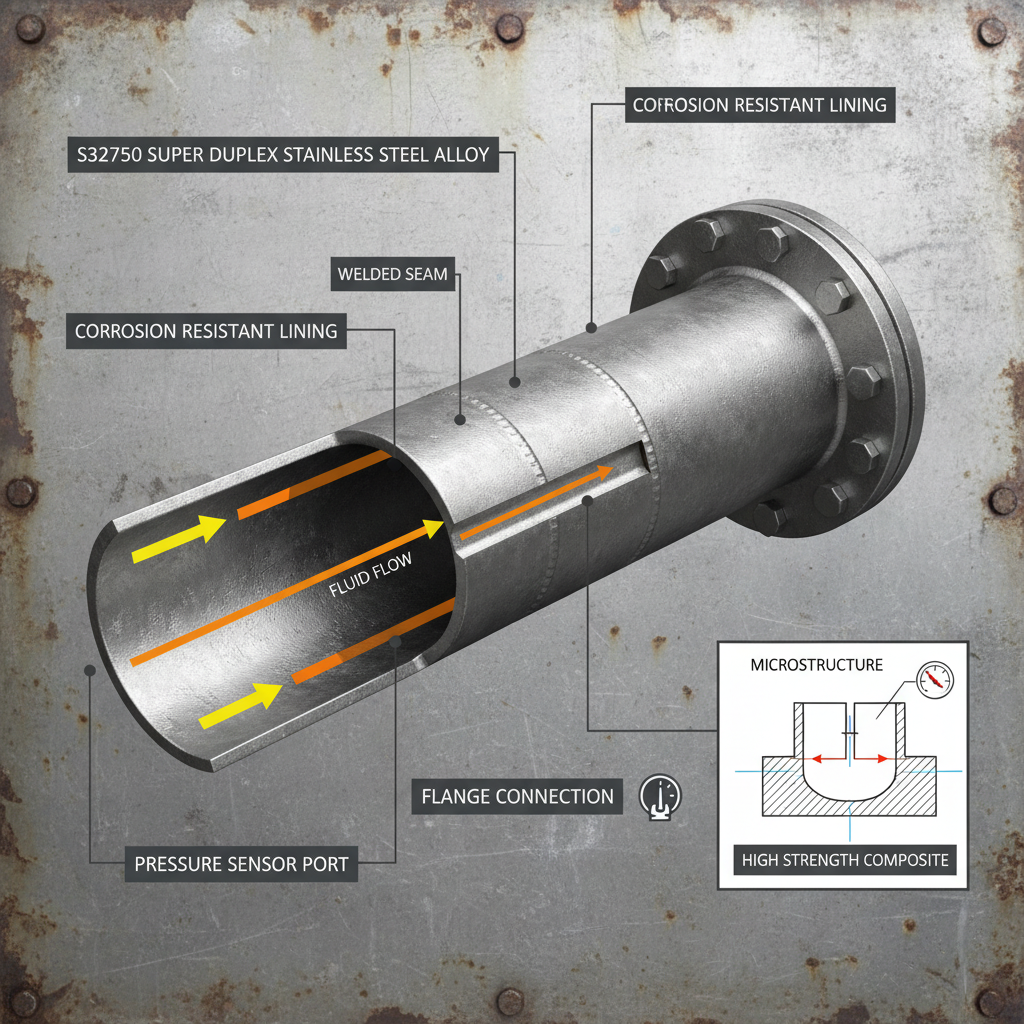
The a106b pipe’s chemical makeup supports tensile strength up to approximately 60,000 psi, with excellent resistance to oxidation at elevated temperatures. This translates to pipes that don’t just last but continue performing reliably in industrial settings lasting decades.
2. Scalability and Versatility
These pipes are available in a wide range of diameters from ½ inch up to 48 inches, and wall thicknesses vary as well, making them adaptable for everything from small-scale installations to massive pipeline projects stretching hundreds of miles.
3. Cost Efficiency
Compared to alloy steels, the carbon steel a106b pipe presents a balance of affordable upfront costs and long-term reliability. Many engineers argue you pay less for the material but get equivalent—or even better—service life in appropriate applications.
4. Weldability and Fabrication
The grade B variant exhibits excellent weldability, allowing for site fabrication and modifications without compromising strength. This flexibility is a practical advantage during complex installations or emergency repairs.
5. Compliance with Industry Standards
Adherence to ASTM A106 specification assures buyers of uniform mechanical and chemical properties. For industries that require certifications and traceability, this is indispensable.
Mini takeaway:
- The a106b pipe perfectly balances strength, flexibility, and cost for demanding projects.
- Its wide scalability and standard compliance make it an industrial favorite.
How a106b Pipe Is Used Around the World
In the Middle East, the relentless expansion of oil and gas infrastructure heavily leans on a106b pipes because of their heat and pressure endurance. In North America and Europe, power plants and chemical processing plants frequently incorporate these pipes for steam and water transport.
Oddly enough, humanitarian agencies also rely on variants of these pipes when setting up temporary but reliable water distribution systems in disaster relief zones—think earthquake aftermath or flood-stricken regions where proper materials save time and lives.
Notably, large mining operations in Australia depend on these pipes to carry slurry and process water across vast distances, sometimes in corrosive environments. The ability for a106b pipes to maintain integrity there is crucial for operational continuity and ecological safety.
Mini takeaway:
- a106b pipes are truly global, supporting industries from oil and gas, energy, to humanitarian and environmental applications.
- Their reliability in harsh environments makes them a go-to choice in critical infrastructure.
Key Specification Table: Typical a106b Pipe Properties
| Property | Typical Value | Unit |
|---|---|---|
| Tensile Strength (min) | 48,000 - 60,000 | psi |
| Yield Strength (min) | 35,000 | psi |
| Maximum Service Temp | 450 | °C |
| Carbon Content (max) | 0.30% | % |
| Typical Diameter Range | 0.5 – 48 | inch |
Comparing Top Vendors of a106b Pipe
| Vendor | Certifications | Pricing (USD/ton) | Global Distribution | Lead Time |
|---|---|---|---|---|
| SteelPro International | ISO 9001, API 5L | $850 | Asia, Europe, Americas | 2-4 weeks |
| Global Pipeworks | ISO 45001, API 5CT | $910 | Europe, North America | 3-6 weeks |
| Eastern Steel Group | ASME, API 5L | $830 | Asia, Middle East | 1-3 weeks |
Why a106b Pipes Offer Real Long-Term Value
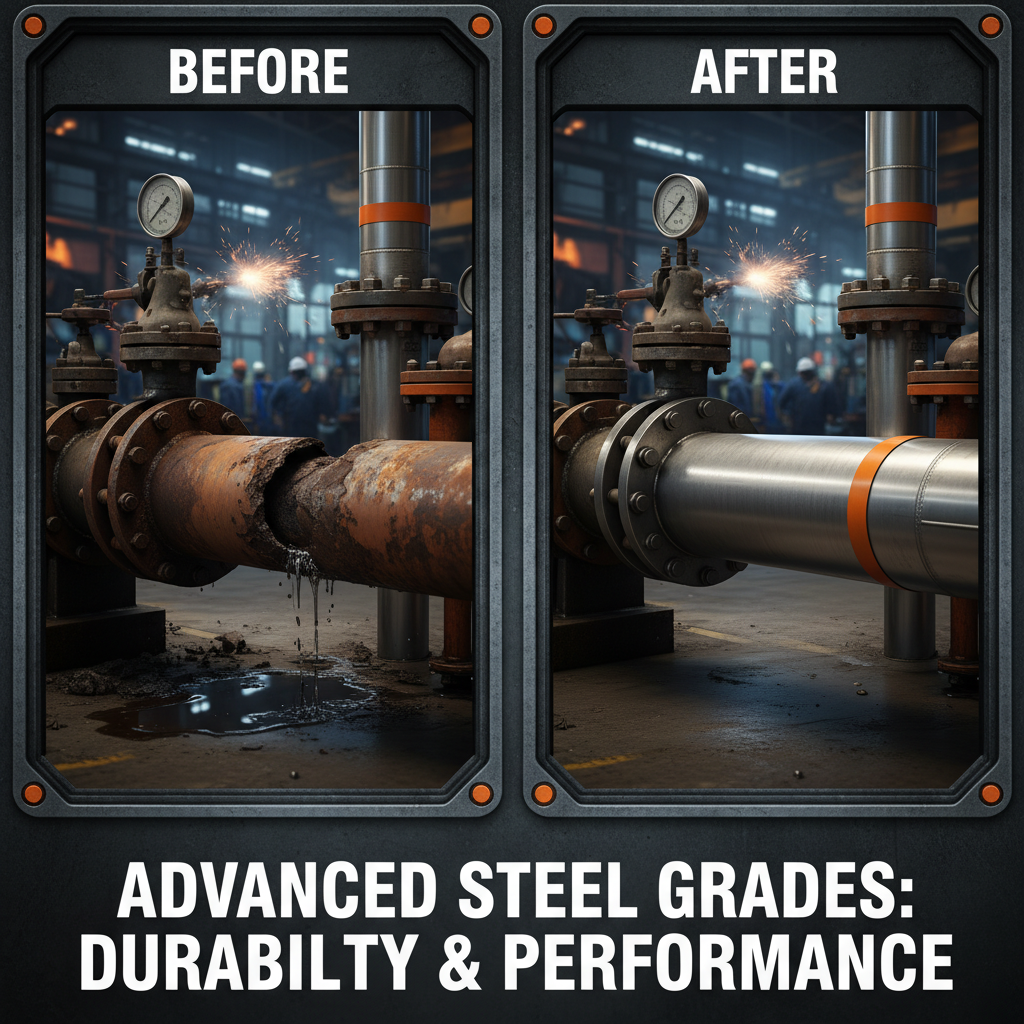
Honestly, if cost alone were the deciding factor, many cheaper options exist—but they rarely match the longevity and safety margins of a106b pipes. Their ability to maintain structural integrity under fluctuating temperatures and pressures reduces unexpected downtime, repair expenses, and environmental risk. For companies investing in projects that span decades, these savings matter a lot.
On the social side, reliable infrastructure signals trust—be it with local communities or regulatory agencies. It helps prevent accidents related to pipe failure, thus indirectly supporting workers’ safety and families’ peace of mind. In a way, these pipes quietly uphold dignity by enabling stable services—something we often overlook when focusing solely on price.
Looking Ahead: Innovations and Trends in a106b Pipes
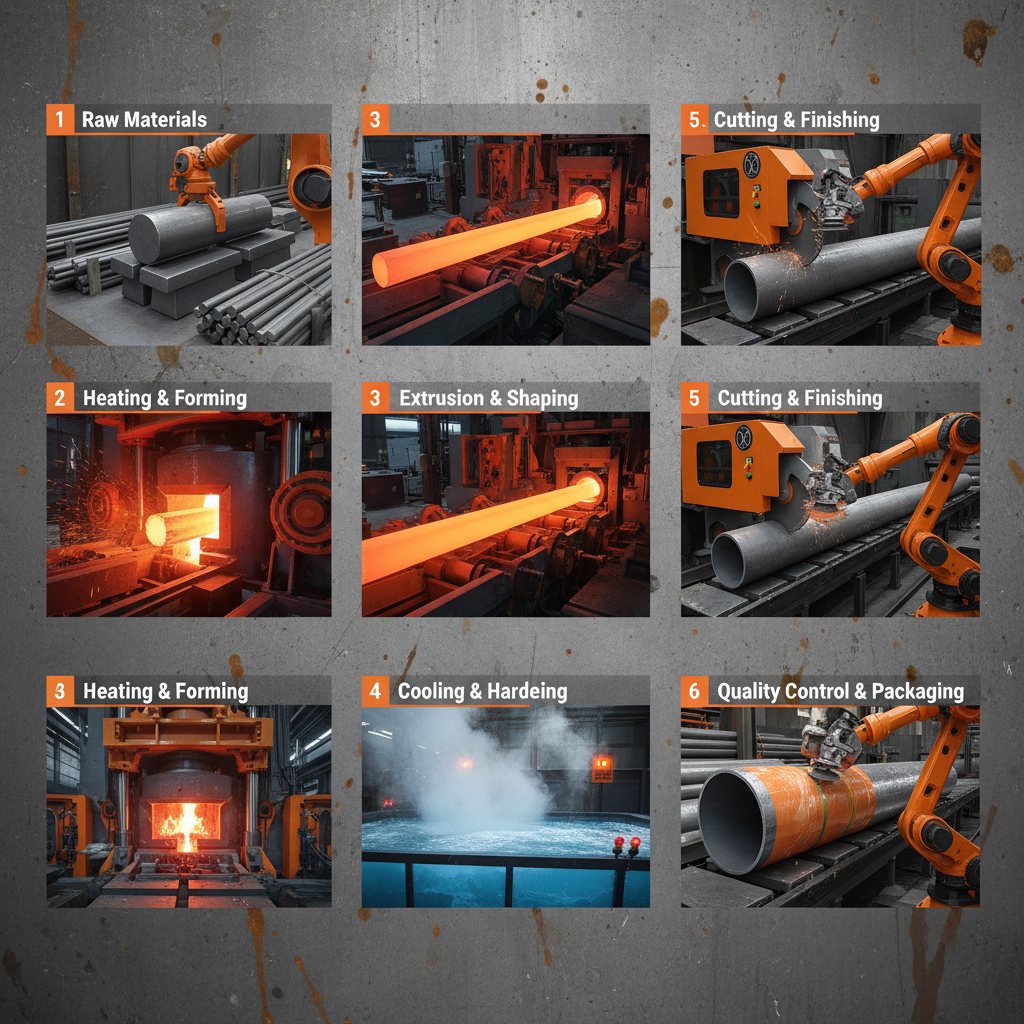
Steel pipe technology isn't frozen in time. Increasingly, manufacturers are incorporating advanced metallurgy techniques to reduce carbon footprint without sacrificing strength. Heat treatment methods have also improved to refine microstructures, enhancing toughness and weldability.
Digital transformation plays a role too. Some vendors now employ smart sensors embedded in pipes to monitor performance in real time, predicting maintenance needs before failure. Frankly, it’s turning what was a static component into part of a dynamic, predictive infrastructure system.
From a policy perspective, sustainability regulations—especially in Europe and North America—push manufacturers toward greener production methods and recyclable materials, a trend sure to affect future generations of a106b pipes.
Challenges and Practical Solutions
Like any technology, a106b pipes aren’t without disadvantages. Their susceptibility to corrosion in certain chemical environments requires additional protective coatings or cathodic protection, adding complexity and cost.
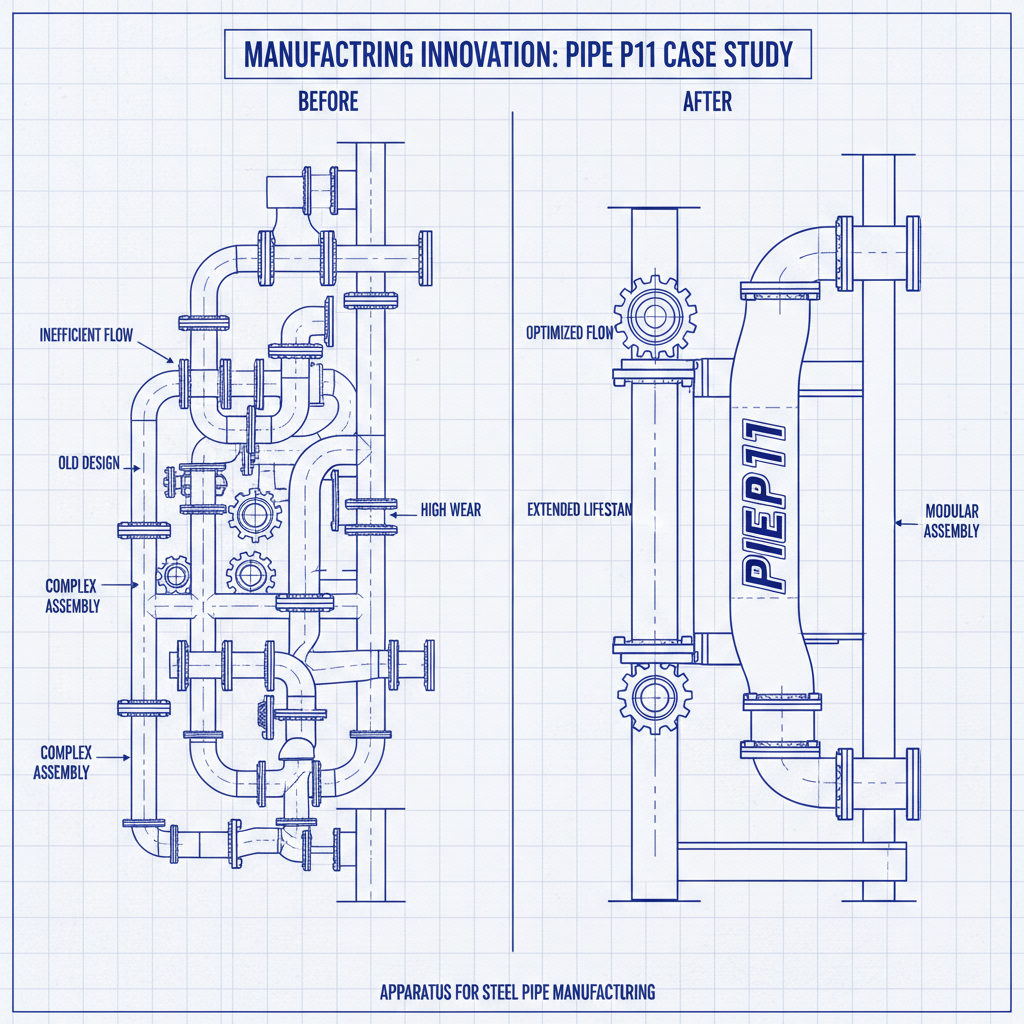
Transportation logistics can also be tricky for oversized pipes, especially in remote or politically sensitive areas. Some companies now pre-fabricate pipe sections to reduce on-site welding, streamlining installation schedules and improving safety.
Innovative solutions such as corrosion inhibitors, modular pipe designs, and advanced coatings are steadily addressing these issues. Of course, proper maintenance and installation practices remain the most reliable "fix."
FAQ: Quick Answers About a106b Pipe
- What makes a106b pipe suitable for high-temperature applications?
- The chemical composition and heat treatment of a106b pipes provide excellent tensile strength and oxidation resistance, enabling them to perform reliably at elevated temperatures up to roughly 450°C.
- Can a106b pipes be welded on-site without losing strength?
- Yes, Grade B pipes in the A106 specification have good weldability. When proper welding procedures are followed, strength and integrity are maintained.
- Are a106b pipes suitable for potable water systems?
- Generally, carbon steel pipes like a106b are not preferred for potable water due to potential corrosion and taste issues; other materials like stainless steel or PVC are recommended for drinking water.
- How to ensure quality when importing a106b pipes internationally?
- Verify certificates such as ISO 9001, ASTM compliance, and request mill test reports. Partnering with reputable vendors reduces risks.
- What factors influence the cost of a106b pipes?
- Material grade, diameter, wall thickness, quantity, certifications, and logistics heavily impact pricing.
Final Thoughts
In real terms, the a106b pipe quietly supports some of the world's most critical industries and humanitarian efforts with dependable, cost-effective solutions that stand the test of time. Its blend of strength, versatility, and adherence to rigorous standards make it a default choice for anyone who can’t afford to compromise on safety or performance.
If you’re looking to source high-quality carbon steel piping, I’d recommend checking out suppliers on a106b pipe. It's a great place to start your research and find trusted vendors with robust global networks.
After all, when the pipe fails, the ripple effects can be huge—which makes getting it right from the start all the more critical.
References:
Post time: Dec . 01, 2025 09:15
 English
  Arabic
  Bengali
  China
China  French
  German
  Hausa
Hausa  Indonesian
  Italian
  Japanese
  Javanese
  Malay
Malay  Persian
  Portuguese
  Punjabi
  Russian
  Spanish
  Swahili
  Telugu
  Vietnamese