

Understanding ASTM A106 B: Why It Matters on a Global Scale
ASTM A106 B, a specification for seamless carbon steel pipe often used in high-temperature service, might sound like an obscure code to many. But its global importance is hard to exaggerate. Whether you're involved in energy, infrastructure, or heavy industry, understanding ASTM A106 B matters — because it supports safety, reliability, and sustainability worldwide.
In simple terms, ASTM A106 B relates to steel pipes that transport liquids and gases at high temperatures and pressures. Imagine pipelines carrying natural gas across continents or steam pipes in power plants operating 24/7. If these pipes fail, the consequences can be dire, not only economically but also environmentally and in terms of human safety.
Given global industrial growth—in 2023 alone, the World Bank reported a 3.1% increase in steel consumption—and rising demands for energy transport, materials like ASTM A106 B steel pipes are more critical than ever. Their quality and standards underpin large-scale projects, helping industries meet challenges like climate goals while delivering dependable infrastructure.
What Exactly is ASTM A106 B?
Let’s break it down: ASTM A106 is a standard developed by ASTM International, one of the leading global standards organizations. The “B” in ASTM A106 B refers to a specific grade within this standard, characterized primarily by its chemical composition and mechanical properties suitable for elevated temperatures.
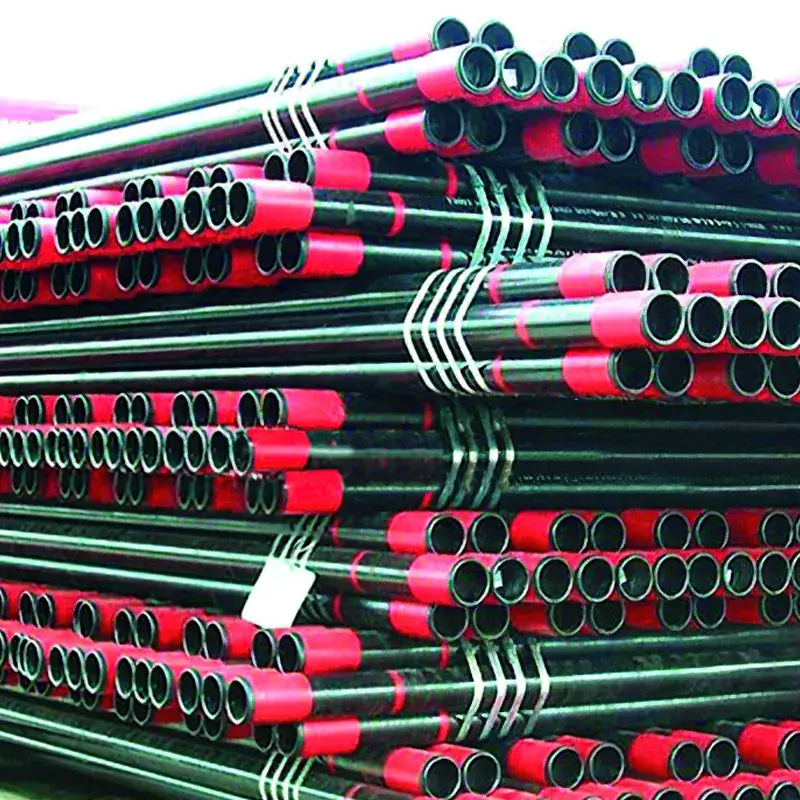
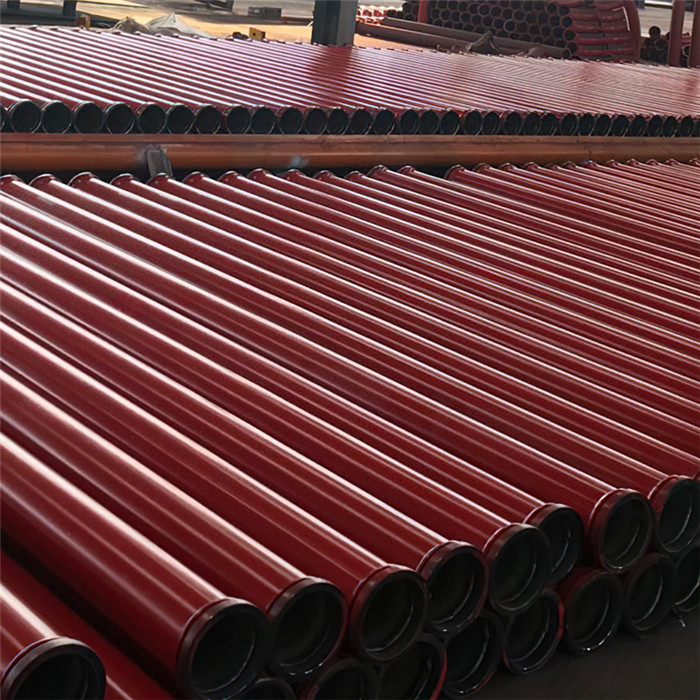
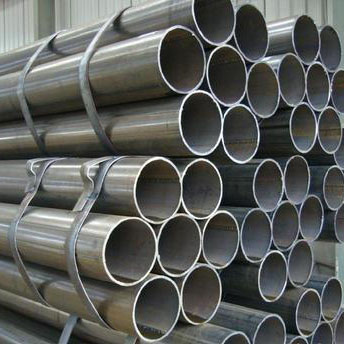
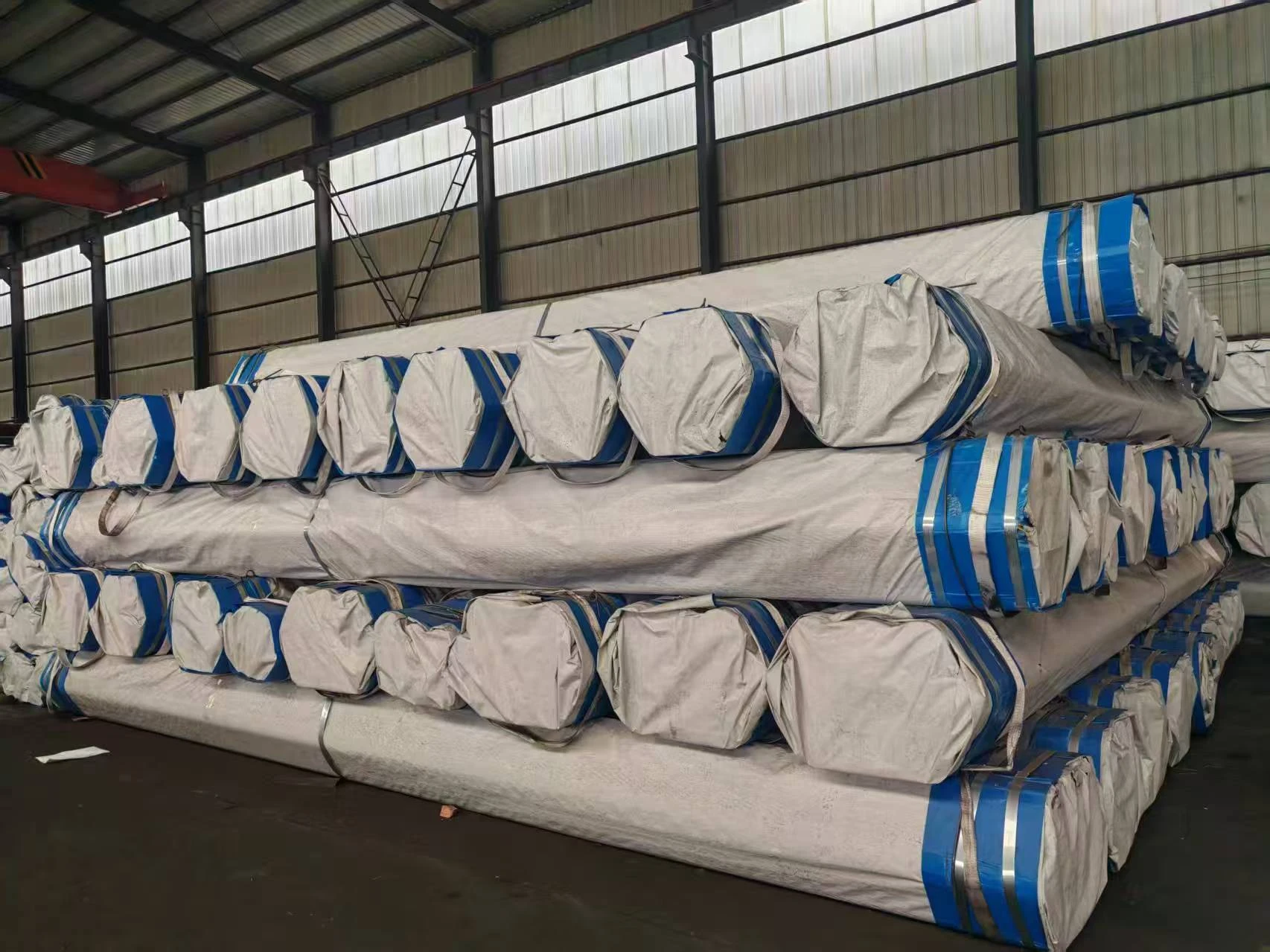
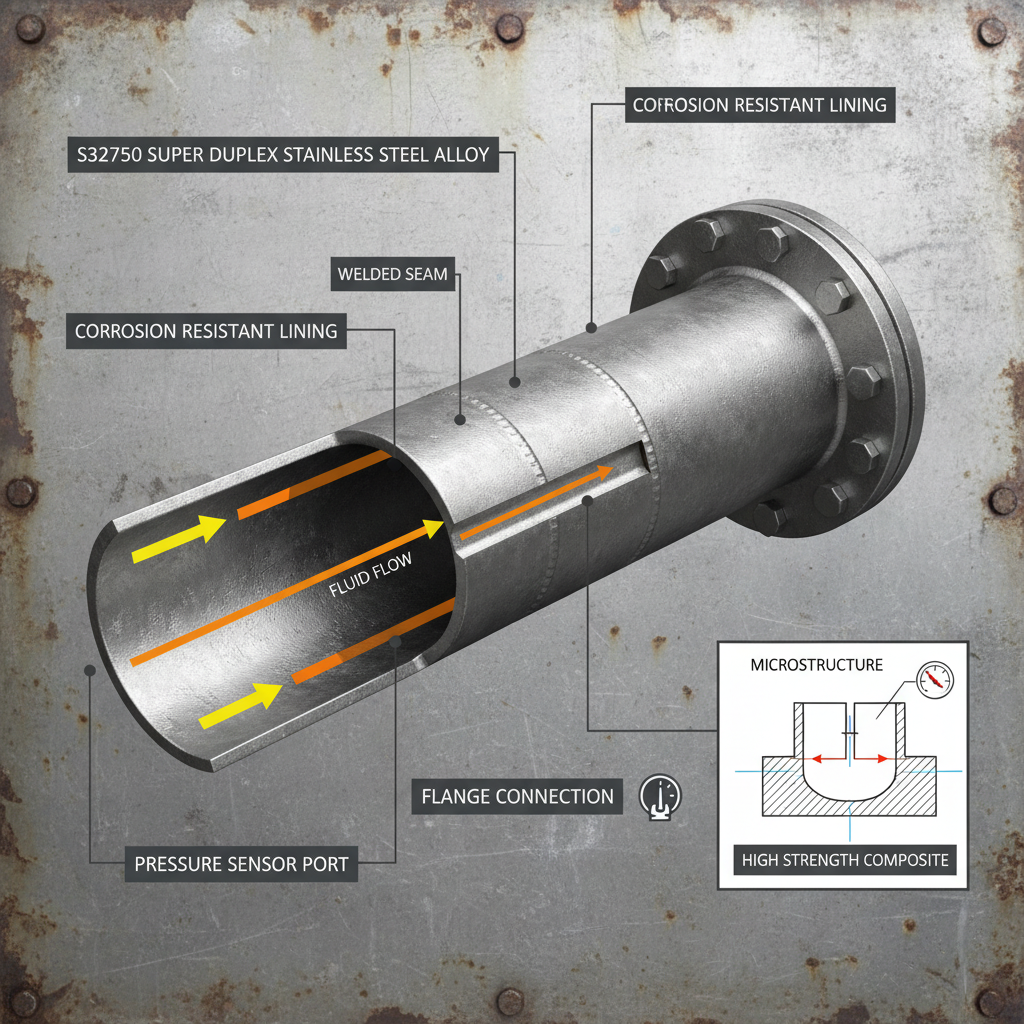
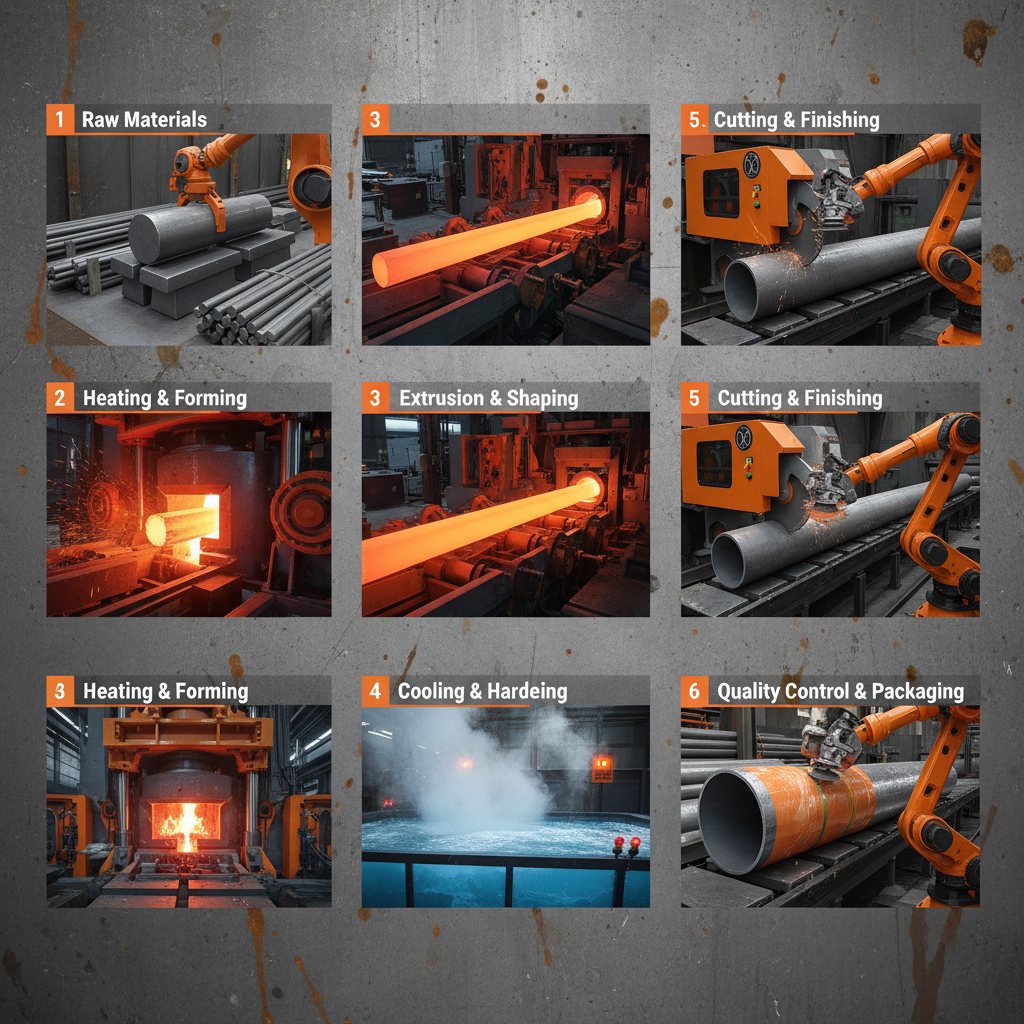
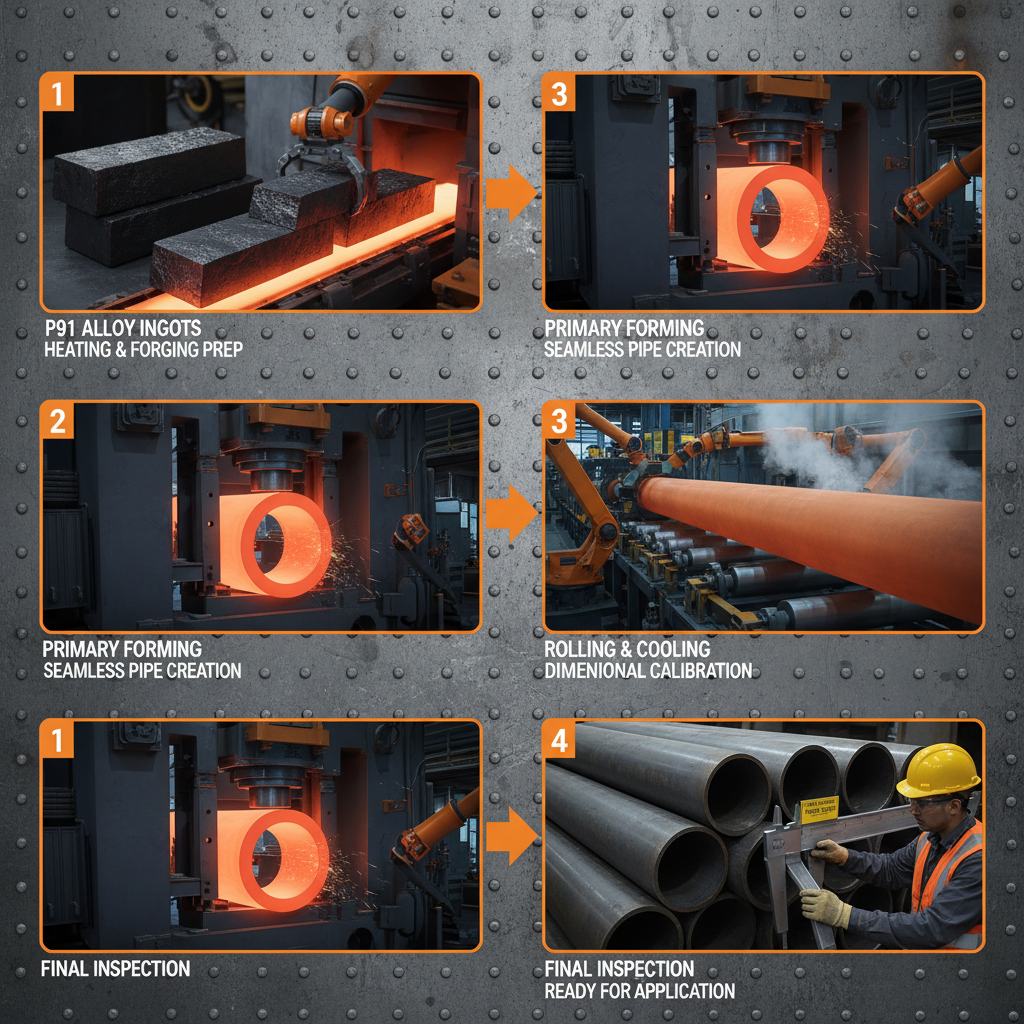
These pipes are seamless — meaning they have no welded seams — produced to withstand heat and pressure. This makes them invaluable in sectors like oil and gas, power generation, and chemical industries where pipe integrity under tough conditions is non-negotiable.
Interestingly, while “A106 B” is a term familiar to engineers and procurement specialists, it also indirectly supports global humanitarian needs. Think about post-disaster reconstruction, where energy and water utilities must be restored quickly and reliably. Pipes made to ASTM A106 B standards help rebuild infrastructure that millions may rely on.
Key components of ASTM A106 B
- Chemical Composition: Balanced carbon, manganese, and minimal impurities for strength and durability.
- Tensile Strength & Yield: Designed to stand up to stress and prevent failures.
- Seamless Manufacture: Reduces weak points and prolongs service life.
- High-temperature performance: Suitable for applications exceeding 400°C (752°F).
Why Key Properties Matter: From Durability to Cost Efficiency
Durability
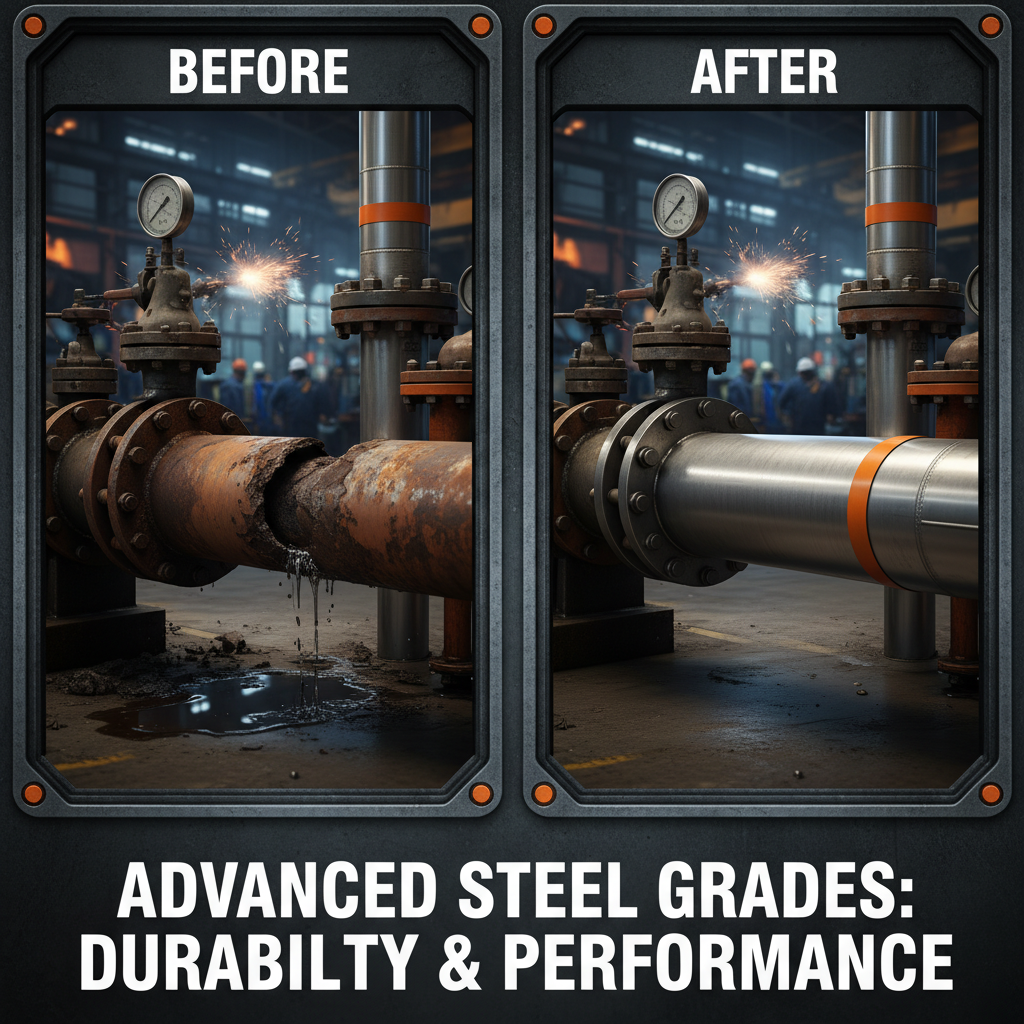
Durability is the headline feature. It's no surprise that industries pick ASTM A106 B pipes when long life and minimal maintenance are expected. Many pipelines operate for decades; replacing a failing pipe can be catastrophic in cost and downtime.
Heat Resistance and Pressure Tolerance
Pipes often run at high temperatures and pressures, especially in steam systems or oil refineries. ASTM A106 B tolerates these conditions without deforming or cracking, which means safety risks are lowered and project specs met with confidence.
Cost Efficiency
While high-grade steel looks expensive upfront, the lifecycle cost tells a different story. The resistance to corrosion and failure reduces maintenance and replacement costs. Plus, seamless pipes like ASTM A106 B avoid costly weld failures.
Scalability & Availability
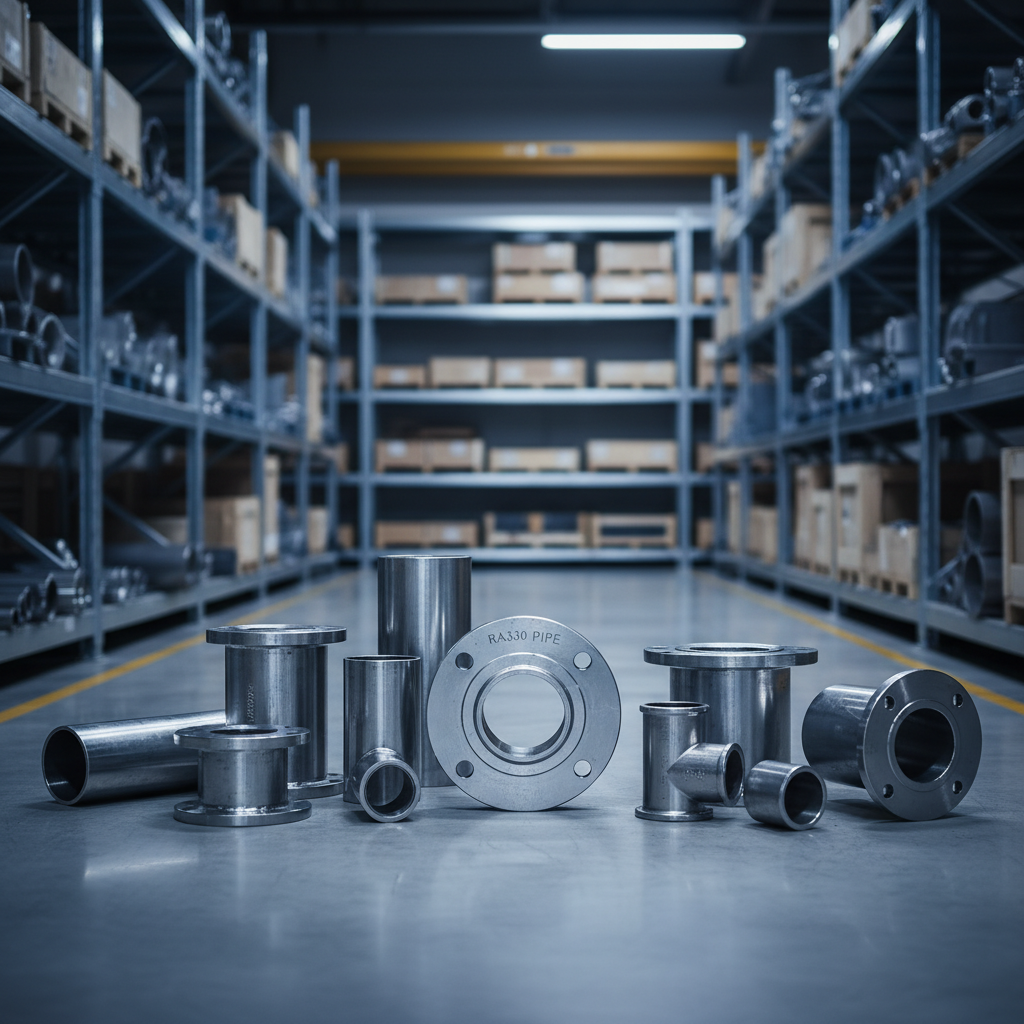
This steel standard enjoys broad availability globally. Companies can source ASTM A106 B pipes smoothly for projects large and small, making it scalable — whether for a city’s power grid or a remote drilling rig.
Product Specification Table: ASTM A106 B Pipe
| Specification | Detail |
|---|---|
| Material Type | Seamless Carbon Steel |
| Grade | ASTM A106 Grade B |
| Maximum Operating Temperature | 400°C (752°F) |
| Yield Strength | 240 MPa (Minimum) |
| Tensile Strength | 415-550 MPa |
| Pipe Sizes | NPS 1/8" to 48" |
| Typical Applications | Oil & Gas, Power Plants, Chemical Industries |
Global Applications & Industry Use Cases
ASTM A106 B pipes are literally everywhere—from the towering oil refineries of the Middle East to the rural power plants of Eastern Europe. In the U.S., steam pipelines in power plants routinely conform to this standard, ensuring reliable electricity supply to millions.
One notable example: post-hurricane reconstruction efforts in the Gulf Coast often utilize ASTM A106 B pipes for their reliability and heat endurance. Similarly, remote industrial zones in Asia, where local infrastructure lags, rely on seamless carbon steel pipes to bridge development gaps efficiently.
Even within petrochemical plants, where chemical exposure is intense, these pipes perform with admirable toughness, supporting both commercial and environmental safety goals.
Vendor Comparison Table: Popular ASTM A106 B Pipe Suppliers
| Vendor | Product Range | Lead Time | Certification | Price Range |
|---|---|---|---|---|
| SteelPro Inc. | NPS 1/4" to 36" | 4 weeks | ASTM Certified | $$$ |
| Global Pipes Ltd. | NPS 1/8" to 48" | 6 weeks | ISO 9001 & ASTM | $$$$ |
| MetroSteel Corp. | NPS 1" to 24" | 3 weeks | ASTM and API | $$ |
Advantages & Long-Term Value Of ASTM A106 B Pipes
When you invest in ASTM A106 B pipes, you’re betting on safety and durability—but there’s more. Reduced maintenance means fewer human interventions in hazardous environments, contributing to worker safety and operational uptime.
Emotional peace of mind goes hand in hand with the logical benefits. Trusting your pipelines won’t fail — especially in industries dealing with volatile or toxic substances — protects not just infrastructure, but lives and communities.
And sustainability is another dimension here: longer-lasting pipes mean less frequent replacement and lower raw material usage over time, aligning with global efforts to reduce industrial waste and carbon footprints.
Looking Forward: Trends & Innovations Shaping ASTM A106 B Use
The future of ASTM A106 B steel pipes is shaped by both materials innovation and digital tech. Advanced metallurgy is improving steel strength, making pipes lighter but tougher.
Automation and robotics are also changing how pipes are inspected and maintained—non-destructive testing methods catch micro-cracks early, preventing failures.
Green energy shifts demand more from pipes, like corrosion resistance in hydrogen transport or geothermal projects. ASTM A106 B pipes are evolving, sometimes supplemented with special coatings or polymer linings to meet these advanced use cases.
Challenges & Expert Solutions
Despite its strengths, ASTM A106 B has challenges. For example, exposure to corrosive substances over long periods can degrade pipe integrity if improperly maintained.
To combat that, many operators use protective coatings, cathodic protection, or switch to alloyed versions when appropriate.
Supply chain delays remain a practical hurdle; however, strategic stockpiling and diversified sourcing help mitigate risks — as anyone in procurement will tell you.
FAQ: Common Questions About ASTM A106 B Pipes
- What are the typical industries using ASTM A106 B pipes?
Most commonly oil and gas, power generation, chemical processing, and steam systems. - How does ASTM A106 B differ from other pipe standards?
ASTM A106 B is seamless and designed for high-temperature service; other standards might cover welded pipes or different chemical compositions. - Can ASTM A106 B pipes handle corrosive environments?
They handle many environments but may require coatings or protective layers in highly corrosive settings. - Are these pipes easy to source internationally?
Yes, ASTM standards are widely recognized, helping cross-border trade and procurement easier. astm a106 b suppliers often have global distribution. - How can I ensure the pipes meet quality requirements?
Request certification documents (mill test reports), third-party inspection, and ensure suppliers comply with ASTM and ISO standards.
Wrapping It Up
ASTM A106 B pipes represent a fascinating blend of science, global commerce, and infrastructure safety. They underpin countless systems we depend on daily, from gas pipelines to steam lines. Understanding these pipes means appreciating how materials govern big industries and, by extension, everyday life.
Curious to see how ASTM A106 B can support your projects? Visit our website for specifications, sourcing details, and expert guidance.
1. ASTM International - ASTM A106 Standard
2. Wikipedia - Carbon Steel
3. World Bank Steel Consumption Reports, 2023
Post time: Dec . 01, 2025 07:35
 English
  Arabic
  Bengali
  China
China  French
  German
  Hausa
Hausa  Indonesian
  Italian
  Japanese
  Javanese
  Malay
Malay  Persian
  Portuguese
  Punjabi
  Russian
  Spanish
  Swahili
  Telugu
  Vietnamese