

Understanding ASTM A53 PDF: Why It Matters in Steel Pipe Standards
If you’ve ever dealt with steel pipes — whether for construction, infrastructure, or manufacturing — chances are good you’ve bumped into ASTM A53. And if you’re looking for a straightforward reference, the astm a53 pdf is the go-to document. But why does it matter on a global scale? Is it just some dry technical booklet gathering digital dust? Honestly, it’s much more pivotal than most folks realize. ASTM A53 standardizes the manufacturing, testing, and quality of steel pipes used worldwide — pipes that go into everything from power plants to water supply systems in developing countries. By understanding that PDF inside out, engineers and buyers ensure safety, durability, and cost-efficiency that translates into robust infrastructure and smoother projects globally.
In a world pushing ever-harder for sustainability and resilience, well-defined standards—like ASTM A53—aren’t just bureaucratic nuisances. They’re the backbone that holds global supply chains, industrial development, and even humanitarian efforts together.
Setting the Stage: ASTM A53 in Global Industry Context
Take a quick glance at the global construction market: it’s projected to grow beyond $15 trillion by 2030 (source: UN Environment Programme), a chunk of which depends heavily on high-quality steel pipes. These pipes don’t just ‘connect water to faucets’; they’re critical for energy, transport, and agriculture infrastructure, especially in regions rebuilding from natural disasters or developing their resources. ASTM A53 pipes, as defined in the astm a53 pdf, provide a common language and quality guarantee across continents.
But here’s the catch — without a unified standard, suppliers and consumers risk mismatched expectations: pipes that corrode too soon, weld poorly, or don’t fit the machinery specifications. This can stall projects, balloon budgets, and in worst cases cause safety hazards. So ASTM A53, and the handy PDF outlining it, fills a critical gap, especially as industry ecosystems become increasingly global and complex.
Mini Takeaway:
- ASTM A53 standard ensures compatibility and quality globally.
- It tackles challenges in safety, durability, and cross-border procurement.
- The astm a53 pdf serves as a primary reference for engineers and purchasing managers.
What Exactly Is ASTM A53 PDF?
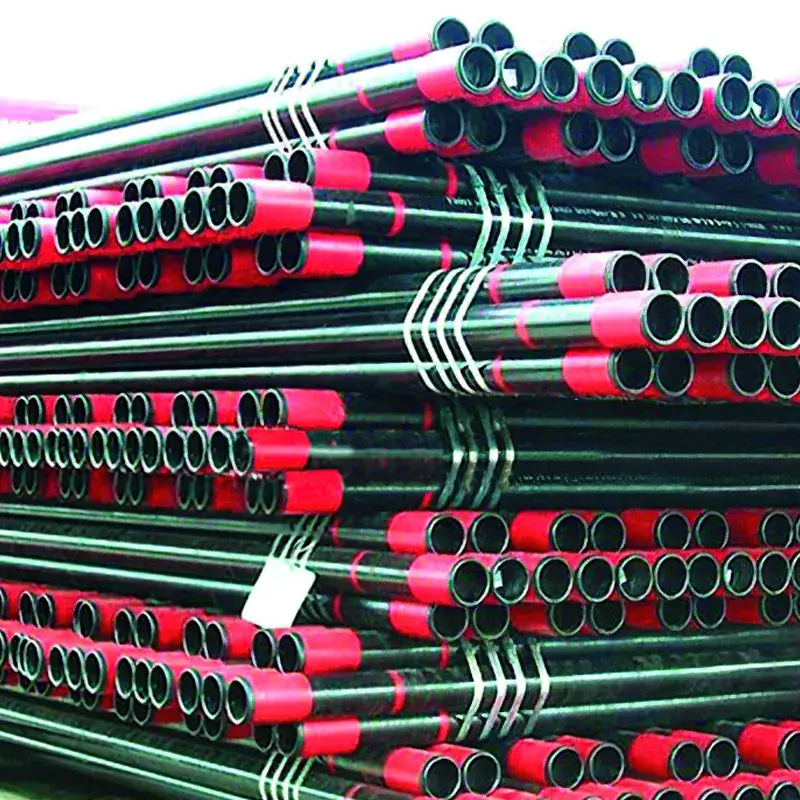
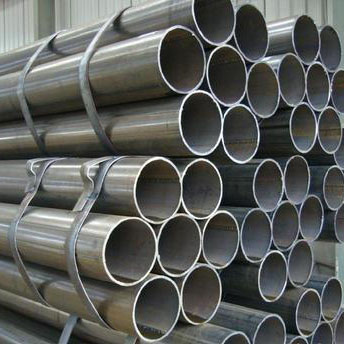
Put simply, the ASTM A53 PDF is the digital document that details ASTM A53, a specification standard for carbon steel pipes. Published by ASTM International—one of the world’s leading standards organizations—this specification covers pipes intended for mechanical and pressure applications, as well as general structural use.
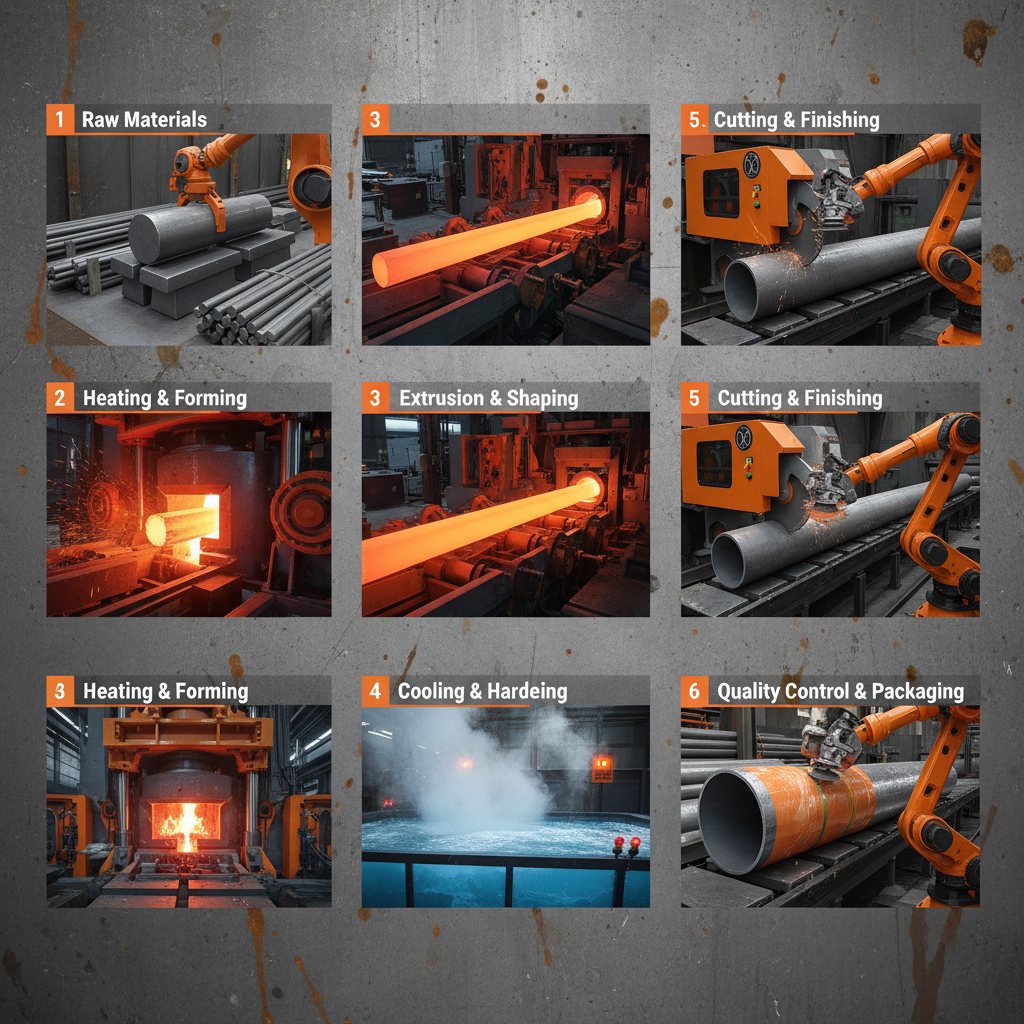
Inside the PDF, you’ll find classifications that describe pipe types (Type F, E, and S), grades (A or B), manufacturing processes (welded or seamless), and the requirements for dimensions, chemical composition, and testing methods. So it’s not some vague guideline—it’s a very specific playbook to ensure uniformity and reliability.
This matters because steel pipes are often the arteries of vital systems, meaning their failure isn’t just inconvenient, it can be disastrous. By having a single, globally recognized document—the astm a53 pdf—stakeholders know exactly what to expect, whether they build bridges in Germany or pipelines in Kazakhstan.
Mini Takeaway:
- ASTM A53 defines carbon steel pipes for mechanical, pressure, and structural use.
- The PDF provides exact technical requirements for production and testing.
- It ensures international standardization and clarity.
Key Features of ASTM A53 Pipes
1. Durability and Strength
The ASTM A53 standard ensures pipes meet certain tensile strength and yield benchmarks. This durability translates to long service lives — pipes won’t crack or deform under normal pressures, which is a must for safety-critical uses.
2. Manufacturing Flexibility
Pipes can be seamless or welded under the ASTM A53 specification. This offered choice allows manufacturers to optimize costs and properties depending on the application, whether it’s hydraulic lines or heavy structural framing.
3. Versatile Applications
Because the specification includes both structural and pressure classes, these pipes find use in diverse industries, from oil and gas to construction and water treatment.
4. Corrosion Resistance (When Coated)
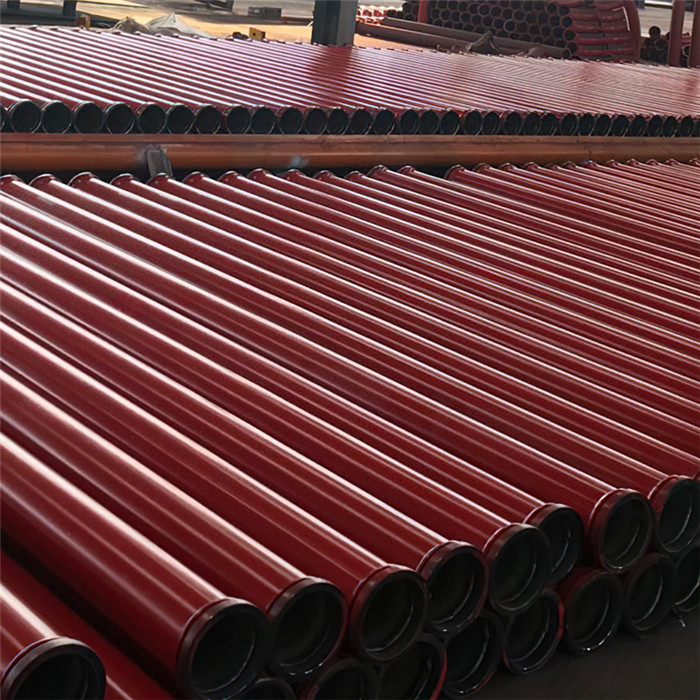
Though ASTM A53 steel pipes are carbon steel by base, many are coated or galvanized to resist corrosion, making them suitable for outdoor and marine environments.
5. Consistent Quality Control
Testing procedures detailed within the PDF—such as hydrostatic tests and chemical analyses—ensure every batch meets the specified criteria, avoiding disappointments on site.
| Parameter | Typical Value | Notes |
|---|---|---|
| Outer Diameter | 0.5" to 26" (nominal) | Varies by schedule |
| Wall Thickness | Schedule 10 - 40 | Range for different pressures |
| Tensile Strength | Minimum 48,000 psi | Grade B |
| Yield Strength | Minimum 35,000 psi | Grade B |
| Material Type | Carbon Steel | Grade A or B |
Mini Takeaway:
- ASTM A53 pipes boast strength, flexibility in manufacturing, and broad application.
- Specifications cover durability, dimensions, and quality tests for reliability.
- The astm a53 pdf breaks down these details for straightforward use.
Global Applications and Success Stories
In real terms, where do ASTM A53 pipes show up? The answer is: everywhere.
- Infrastructure: Used in building water and gas pipelines in Europe and Asia, these pipes ensure essential utilities get delivered reliably.
- Energy sector: Oil and gas industries in the Middle East and North America rely on ASTM A53 pipes for transporting hydrocarbons—often in tough environments.
- Post-disaster rebuilding: After hurricanes or earthquakes, rapid deployment of stable structural elements is critical. Many NGOs and construction firms specify ASTM A53 pipes based on the astm a53 pdf to meet urgent needs.
- Industrial manufacturing: Steel pipeframes, conveyor supports, and more all use these pipes worldwide.
For instance, in a recent project in Southeast Asia, engineers chose ASTM A53 Grade B seamless pipes for a flood-control initiative because of their expected performance and the trusted, consistent guidelines in the official PDF documentation.
Mini Takeaway:
- ASTM A53 pipes serve vital roles worldwide in energy, water, construction, and disaster response.
- The standard enables fast, confident procurement and application across diverse environments.
- Real projects—from pipelines to structural frameworks—prove their enduring value.
Advantages and Long-Term Value of ASTM A53 Pipes
Choosing ASTM A53 pipes isn’t just technical jargon—it brings clear practical benefits:
- Cost Efficiency: The wide availability and standardized specs reduce procurement headaches and costs.
- Reliability & Safety: Tested to strict parameters, these pipes lower risk for operators and end-users.
- Environmental Sustainability: Using standardized products improves waste reduction; many manufacturers employ recycled steel while meeting ASTM requirements.
- Social Impact: When infrastructure works smoothly, communities thrive, and disasters have less devastating effects.
Honestly, you do feel reassured knowing there’s a centuries-old tradition of testing and verification baked into every pipe. It’s trust built in steel.
Looking Ahead: Future of ASTM A53 and Steel Pipe Standards
Despite its century-plus lineage, ASTM A53 is evolving. Trending now are:
- Green Manufacturing: Greater focus on carbon footprint and energy-efficient steel production.
- Digital Integration: Digital twins and IoT sensors embedded in pipe infrastructure — a concept slowly merging with standards.
- Enhanced Coatings: New anti-corrosion and anti-bacterial coatings are being developed to extend life spans drastically.
- Regulatory Alignment: Harmonizing ASTM A53 with global standards (like ISO 3183) for easier international trade.
All told, it’s not “set it and forget it.” The astm a53 pdf will keep adapting, reflecting technological and environmental priorities.
Challenges and Their Solutions
Of course, no standard is perfect. Some current challenges include:
- Corrosion Concerns: Carbon steel is prone to rust without proper treatment.
- Quality Variability: Suppliers not following ASTM rigor can flood the market with subpar pipes.
- Logistics and Traceability: In complex supply chains, tracking the origin and compliance can be tough.
Solutions? Many companies now combine rigorous third-party testing, traceable digital markings, and innovative coatings to counter these limits. Plus, growing awareness means buyers are better educated and more demanding — which pressures the entire supply chain upward.
FAQ: Common Questions About ASTM A53 PDF
- Q: What makes ASTM A53 pipes different from other steel pipes?
- A: ASTM A53 pipes must meet specific chemical, mechanical, and physical standards outlined in the official PDF, ensuring consistent quality and performance for both structural and pressure applications.
- Q: Can ASTM A53 pipes be used in high-pressure systems?
- A: Yes, particularly the Grade B seamless pipes are designed for pressure systems, but suitability depends on exact pressure ratings and environment. Always consult the astm a53 pdf details and project specs.
- Q: How long is the typical lifespan of ASTM A53 pipes?
- A: Lifespan varies with usage and environment, but with proper installation and maintenance, they can last decades, especially when galvanized or coated to prevent rust.
- Q: Are ASTM A53 pipes expensive compared to alternatives?
- A: Generally, they offer good value due to widespread production and standardization, often being more cost-effective than custom or exotic pipe types.
- Q: Where can I access the official ASTM A53 PDF?
- A: Authorized copies are available through ASTM International or trusted distributors; some overview versions or specific data sheets can be found online at sites like world-steelmaterial.com.
Comparing ASTM A53 Vendors: What to Consider
| Vendor | Certification | Price Range (USD/ton) | Lead Time | Geographical Reach |
|---|---|---|---|---|
| SteelWorld Corp | ASTM, ISO 9001 | $700 - $900 | 2-4 weeks | Global |
| MetroPipes Ltd | ASTM Certified | $650 - $850 | 3-5 weeks | North America, Europe |
| Ironclad Pipes | ASTM, API | $730 - $920 | 1-3 weeks | Asia, Africa |
In Conclusion: Why Getting to Know ASTM A53 PDF Pays Off
There’s something reassuring about standards like ASTM A53. When you know the specs, the testing, the nuances in grades and types, you’re not just buying steel pipe—you’re buying peace of mind, efficiency, and a degree of global trust. The astm a53 pdf might look like a dry technical file at first glance, but it’s really an enabler of progress, safety, and innovation behind the scenes.
Whether you’re specifying pipes for a mega-infrastructure project or managing procurement for a local plant, making ASTM A53 your baseline means you’re talking about pipes that have proven their worth worldwide. For anyone in construction, manufacturing, or industrial supply chains, familiarizing with that PDF is... well, kind of a no-brainer.
Ready to dive deeper or source quality ASTM A53 pipes? Visit our website: https://www.world-steelmaterial.com
References
Post time: Dec . 01, 2025 06:00
 English
  Arabic
  Bengali
  China
China  French
  German
  Hausa
Hausa  Indonesian
  Italian
  Japanese
  Javanese
  Malay
Malay  Persian
  Portuguese
  Punjabi
  Russian
  Spanish
  Swahili
  Telugu
  Vietnamese