

Understanding Pipe Alloy: Properties, Applications, and Sourcing
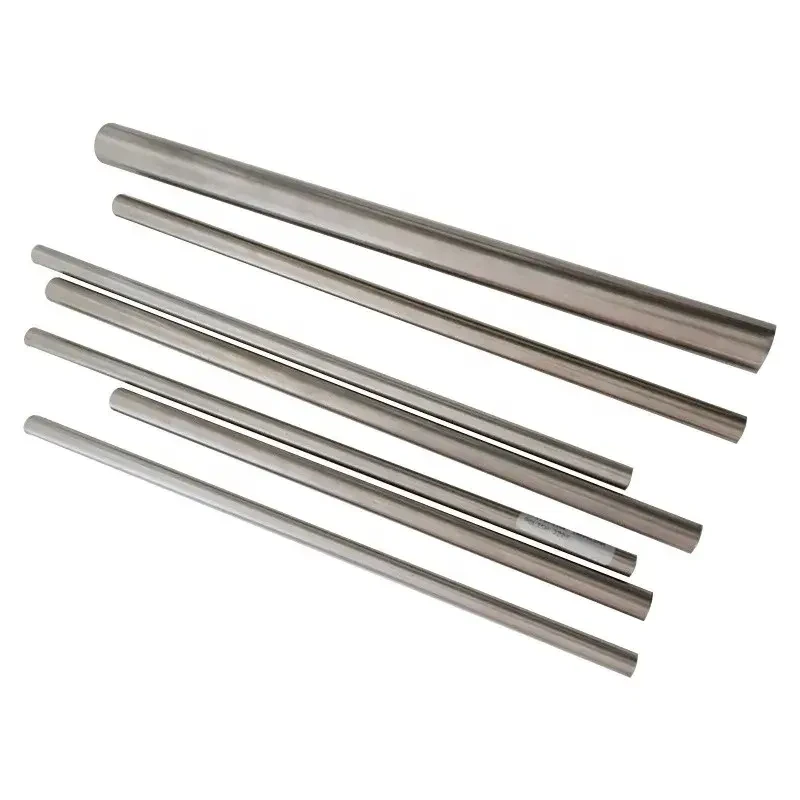
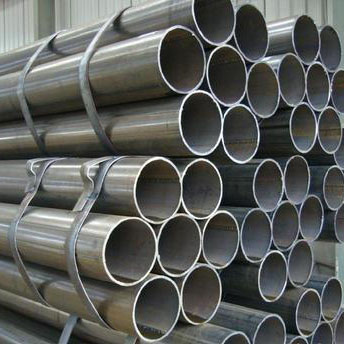
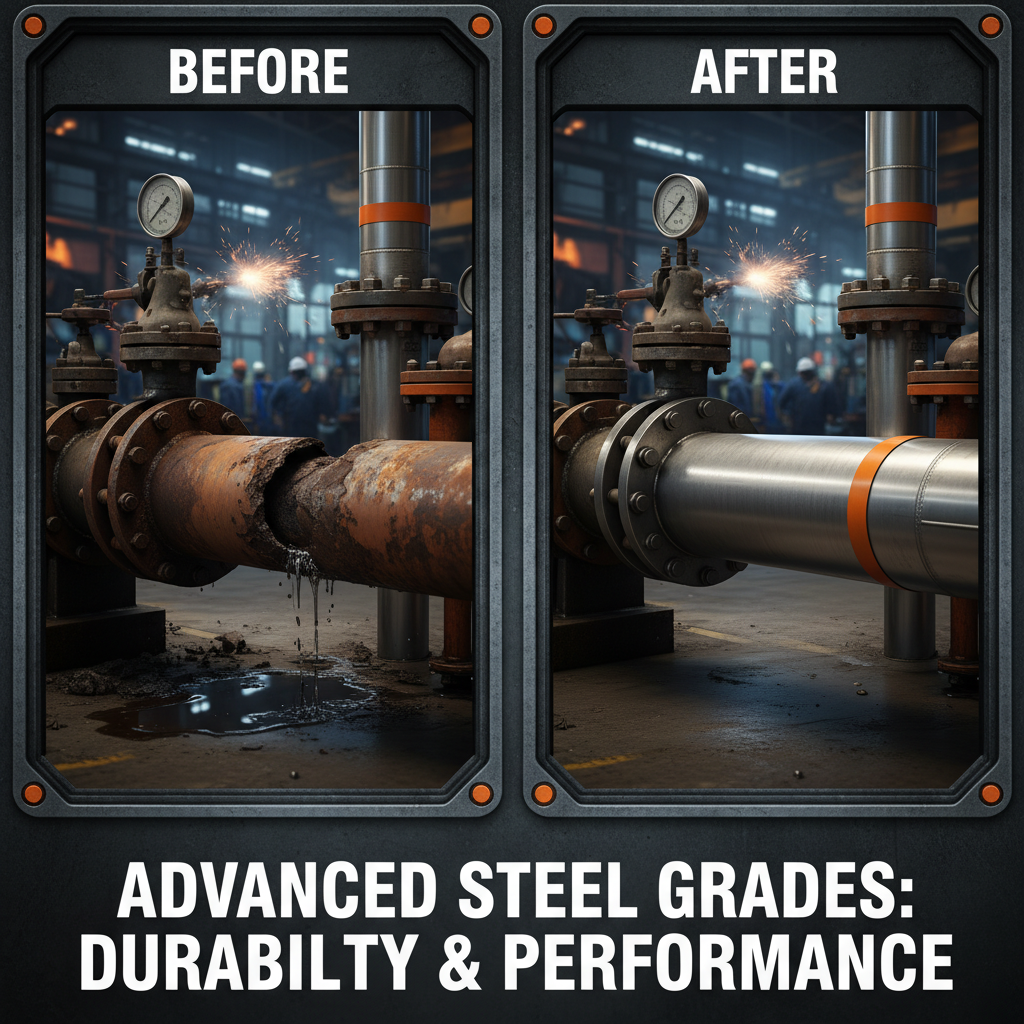
Pipe alloy refers to a diverse group of metallic materials engineered for use in pipelines, exhibiting superior performance compared to standard carbon steel. These alloys are selected for their resistance to corrosion, high temperatures, and pressure, vital in industries like oil and gas, chemical processing, and water transportation. Choosing the right pipe alloy is crucial for ensuring pipeline integrity, safety, and longevity. This article explores the different types of pipe alloys, their key properties, common applications, and considerations for sourcing high-quality materials.
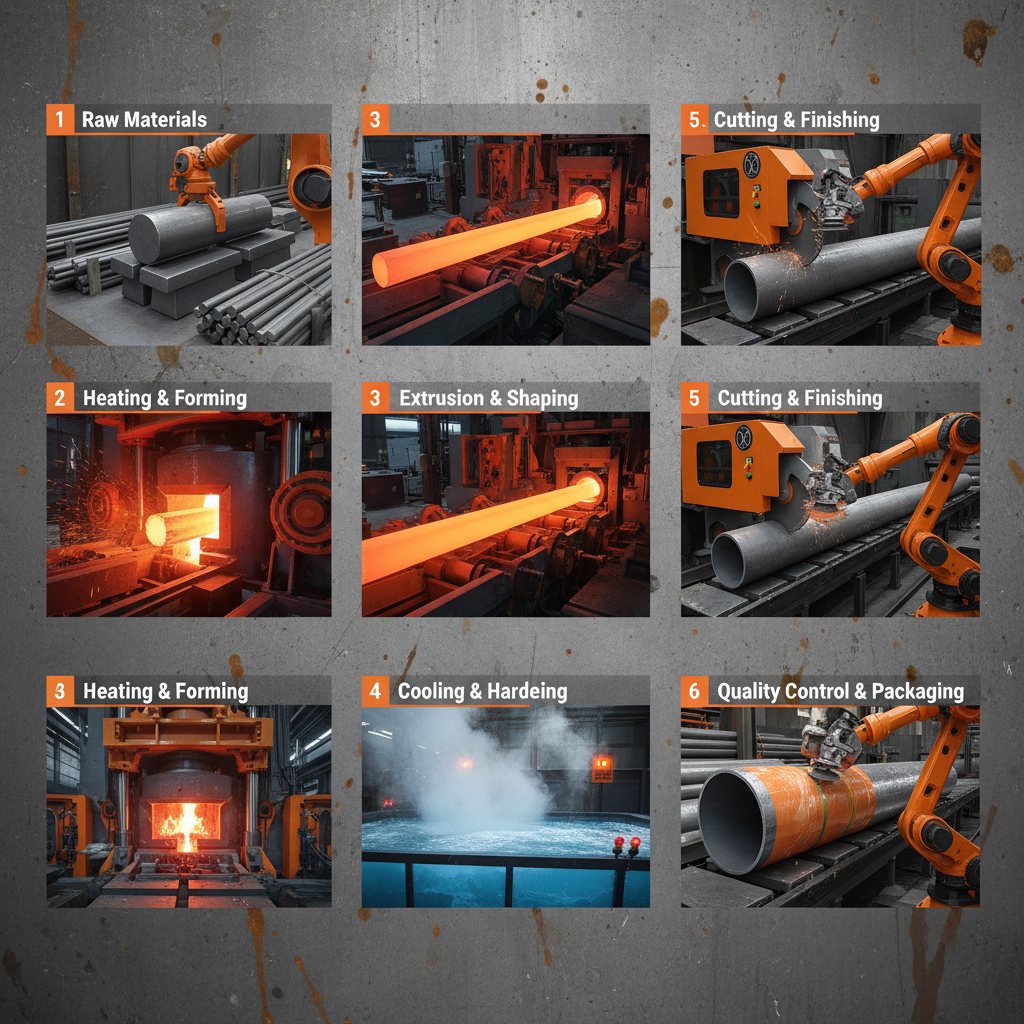
Types of Pipe Alloys
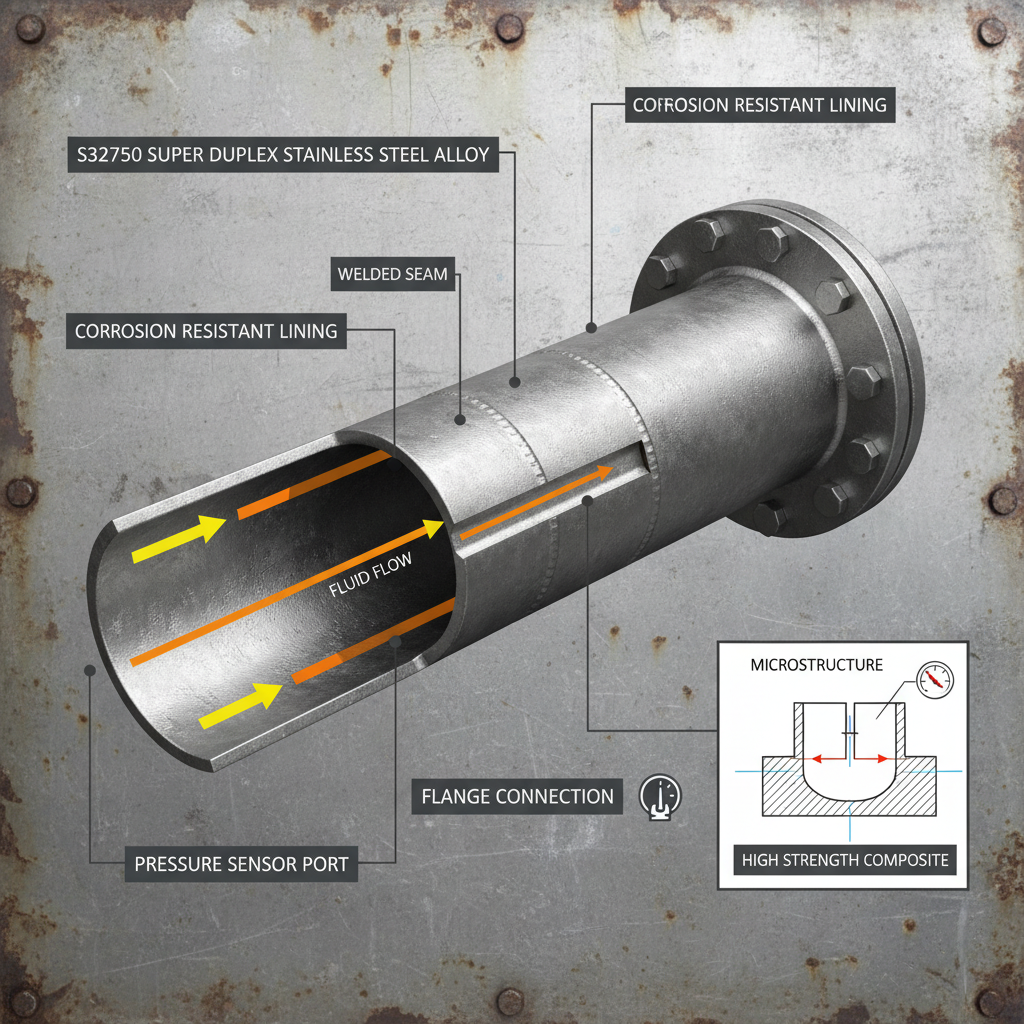
Several alloy families are commonly used for pipelines, each offering a unique combination of properties. Stainless steels, particularly austenitic grades like 304/304L and 316/316L, provide excellent corrosion resistance. Duplex stainless steels combine high strength with corrosion resistance, making them suitable for harsher environments. Nickel alloys, such as Inconel and Hastelloy, offer exceptional resistance to extreme temperatures and highly corrosive media. Finally, carbon steel alloys with additions of chromium and molybdenum enhance strength and toughness, providing a cost-effective solution for less demanding applications.
Key Alloy Families: Stainless Steels, Duplex Stainless Steels, Nickel Alloys, Carbon Steel Alloys.
Key Properties of Pipe Alloys
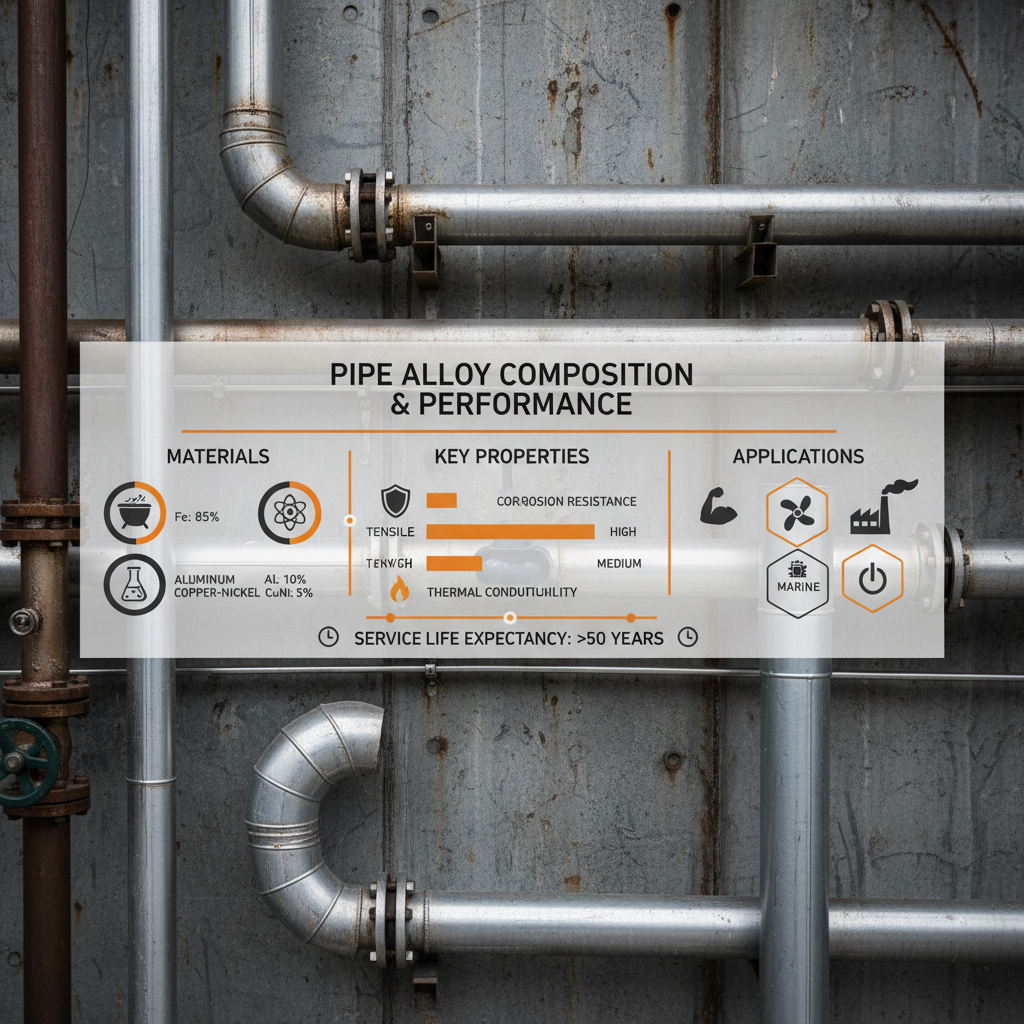
The performance of a pipe alloy hinges on its core properties. Corrosion resistance, specifically to the fluids being transported, is paramount. Tensile strength and yield strength determine the pipeline's ability to withstand pressure. Ductility allows the material to deform under stress without fracturing. Creep resistance is critical for high-temperature applications, preventing deformation over time. Finally, weldability is essential for fabrication and installation. These properties are carefully balanced based on the specific demands of the pipeline system.
Important Properties:
• Corrosion Resistance
• Tensile & Yield Strength
• Ductility
• Creep Resistance
• Weldability
Pipe Alloy Comparison: Stainless Steel vs. Nickel Alloy
While both stainless steel and nickel alloys offer excellent corrosion resistance, they differ in their specific strengths and applications. Nickel alloys generally provide superior resistance to highly corrosive environments, particularly those containing acids or chlorides, and maintain their properties at elevated temperatures. Stainless steels are more cost-effective and suitable for a wider range of less aggressive applications. The selection depends on the specific chemical composition of the transported fluids and operating conditions.
Applications of Pipe Alloys
Pipe alloys find critical applications across numerous industries. In the oil and gas sector, they resist corrosion from sour gas and seawater. Chemical processing plants utilize them to handle aggressive acids and solvents. Water treatment facilities rely on their resistance to chlorine and other disinfectants. Power generation utilizes high-temperature alloys for steam pipelines. Proper material selection is paramount to ensure long-term reliability and prevent catastrophic failures.
Sourcing High-Quality Pipe Alloy
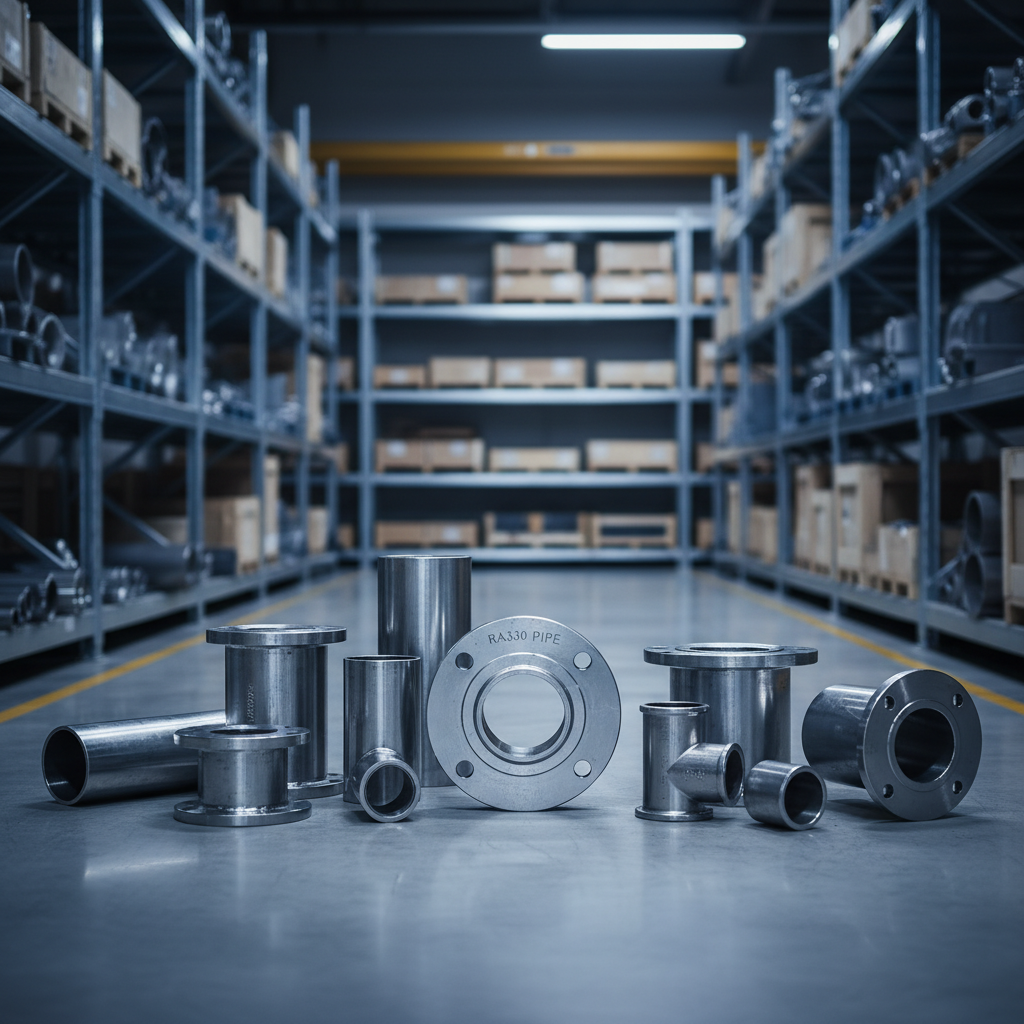
Sourcing pipe alloy from a reputable supplier is crucial. Look for suppliers with robust quality control processes, certifications (e.g., ISO 9001), and traceability documentation. Verify that the material meets relevant industry standards (e.g., ASTM, ASME). Consider the supplier’s experience, technical expertise, and ability to provide customized solutions. Working with a trusted partner ensures you receive reliable materials that meet your specific project requirements.
Conclusion: Selecting the Right Pipe Alloy for Your Needs
Choosing the appropriate pipe alloy is a critical engineering decision with long-term implications for pipeline performance, safety, and cost. By carefully considering the application requirements, understanding the properties of different alloys, and sourcing from a reputable supplier like World Steel Material, you can ensure the integrity and longevity of your pipeline system.
Frequently Asked Questions (FAQs)
What is the role of molybdenum in pipe alloys?
Molybdenum is a key alloying element added to steel to enhance its strength, toughness, and corrosion resistance, particularly against chloride-induced stress corrosion cracking. It improves the alloy's ability to resist pitting and crevice corrosion, making it essential for applications in harsh environments like seawater and chemical processing plants. Increasing molybdenum content generally leads to improved corrosion resistance but also increases the material cost.
What are the benefits of using duplex stainless steel in pipelines?
Duplex stainless steels offer a unique combination of high strength and excellent corrosion resistance. They are significantly stronger than austenitic stainless steels, allowing for thinner pipe walls and reduced weight. Their resistance to stress corrosion cracking is also superior, making them ideal for applications involving chlorides. However, duplex stainless steels can be more challenging to weld compared to austenitic grades, requiring specialized procedures and skilled welders.
How important is traceability in pipe alloy sourcing?
Traceability is extremely important in pipe alloy sourcing. It allows you to verify the origin and manufacturing history of the material, ensuring it meets the required specifications and quality standards. Traceability documentation should include material certificates, test reports, and information about the manufacturing process. This is crucial for maintaining the integrity of the pipeline and complying with safety regulations.
What factors should be considered when selecting a pipe alloy for high-temperature applications?
When selecting a pipe alloy for high-temperature applications, creep resistance, oxidation resistance, and high-temperature strength are paramount. Nickel alloys like Inconel are often preferred due to their exceptional performance at elevated temperatures. Consider the operating temperature, pressure, and the corrosive environment to determine the most suitable alloy. Proper material selection is vital to prevent creep deformation and ensure the long-term integrity of the pipeline.
Post time: Mar . 31, 2026 02:30
 English
  Arabic
  Bengali
  China
China  French
  German
  Hausa
Hausa  Indonesian
  Italian
  Japanese
  Javanese
  Malay
Malay  Persian
  Portuguese
  Punjabi
  Russian
  Spanish
  Swahili
  Telugu
  Vietnamese