

Understanding API 5L PSL2 Specification: What It Means for Global Industries
When you hear the term API 5L PSL2 specification, it might sound like industry jargon to most. But in truth, it’s a cornerstone for ensuring that pipelines used in oil, gas, and other sectors are built to a standard that’s safe, reliable, and suitable for tough environments worldwide. This specification sets the bar for pipe quality and strength, making it a critical piece in everything from energy infrastructure in North America to infrastructure rebuilding projects in Asia and Africa. Knowing what API 5L PSL2 entails opens doors to better design, procurement, and operational efficiencies while keeping safety paramount — and frankly, in today’s increasingly regulated and sustainability-conscious industries, that kind of assurance isn’t just nice to have; it’s essential.
Why API 5L PSL2 Specification Matters Globally
Globally, pipelines transport nearly 70% of the world's crude oil, natural gas, and refined products. According to the International Energy Agency, over 2 million kilometers of pipeline are in service worldwide, and maintaining their quality and integrity is non-negotiable. The API 5L PSL2 specification addresses this need by defining rigorous standards for pipe manufacturing and testing. With the rise in demand for clean energy and safe fuel transport, the specification has become a keystone in achieving operational safety and efficiency — especially as pipelines venture into more challenging terrains and climates.
However, a key challenge the specification tackles is the increasing technical demands required for pipeline materials in corrosive or high-pressure environments — places where a small material failure could cause massive economic and environmental damage.
Defining API 5L PSL2 Specification: A Primer
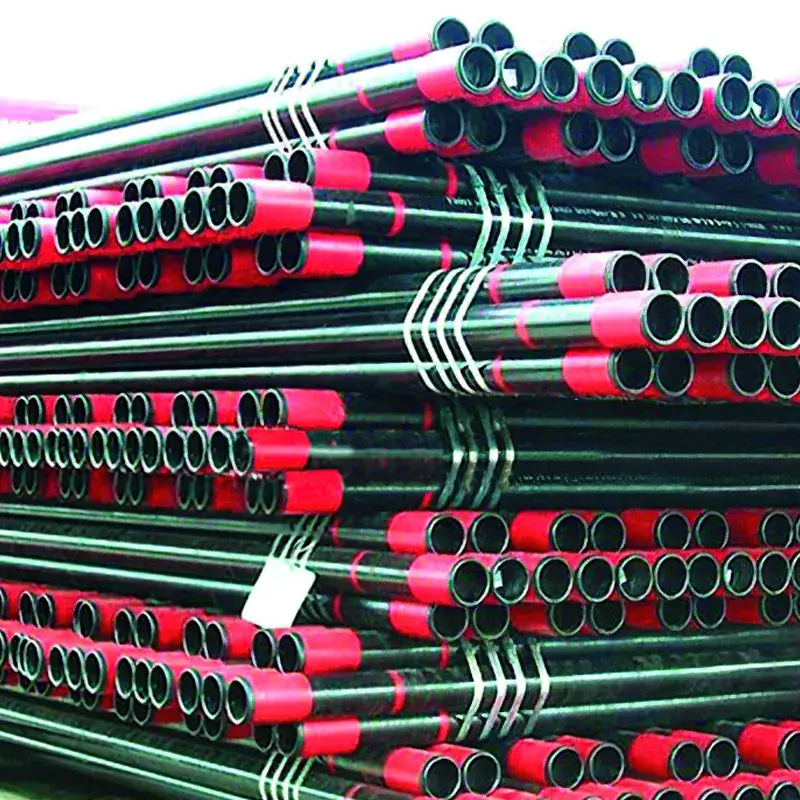
Simply put, API 5L is the American Petroleum Institute’s standard for line pipe used in the transportation of gas, water, and oil. It comes in two product specification levels — PSL1 and PSL2. The PSL2 level is more stringent and demands tighter chemical and mechanical property controls, as well as additional testing like Charpy impact tests and more robust welding requirements.
In real terms, the API 5L PSL2 specification defines not just the strength and durability of pipes, but also their reliability in extreme operating conditions — think Arctic cold or desert heat, high pressures, and corrosive soils. This connects directly to humanitarian and industrial needs, where pipelines deliver essential resources safely to communities and factories alike.
Core Components of API 5L PSL2 Specification
1. Mechanical Properties
The specification demands high tensile and yield strength, ensuring pipes withstand pressure and mechanical stresses without deformation or failure. It's roughly a 10-20% stricter control compared to basic PSL1 pipes.
2. Chemical Composition
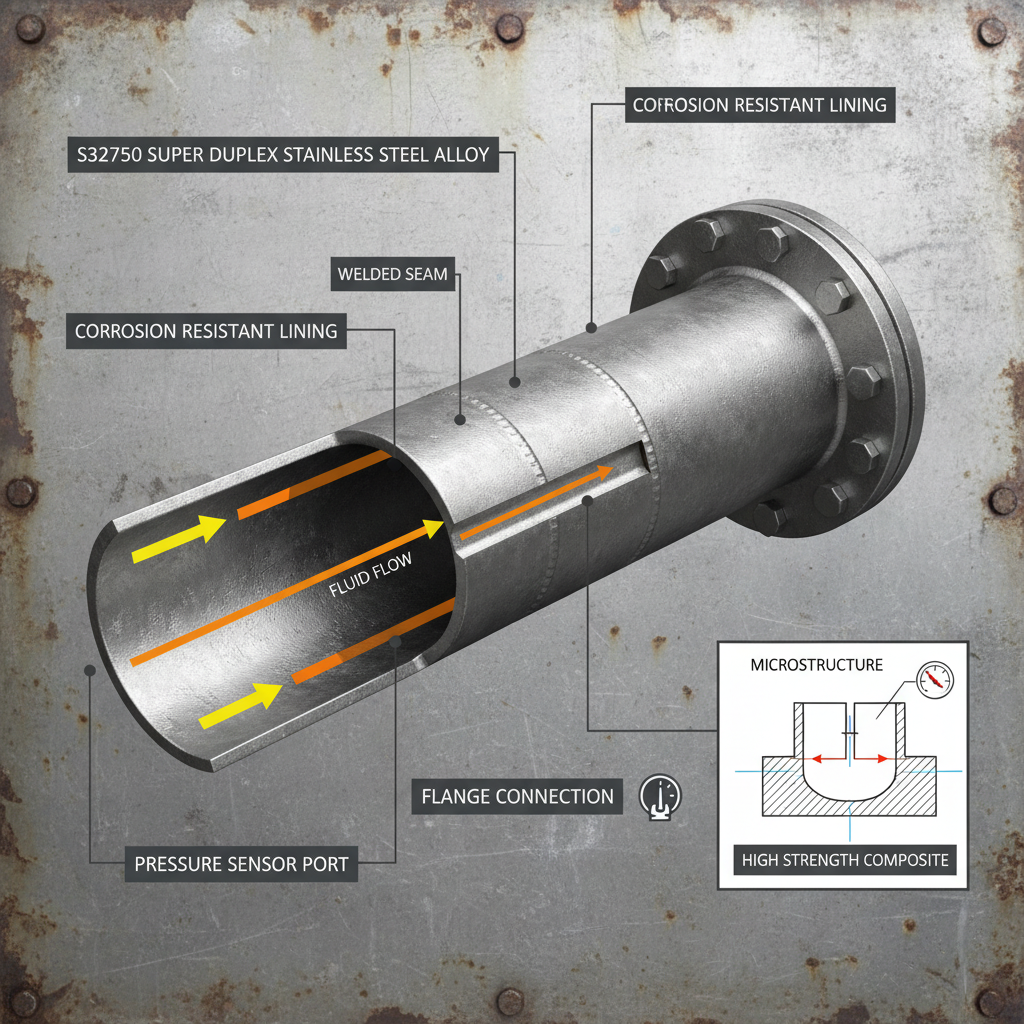
Tighter limits on alloying elements such as carbon, manganese, and sulfur control weldability and corrosion resistance. You don’t want surprises down the line — material impurities can cause leaks or ruptures.
3. Impact Testing
The Charpy V-notch impact tests included in PSL2 measure toughness at low temperatures — vital in cold regions like Siberia or Canada where brittle fractures are a real risk.
4. Nondestructive Testing (NDT)
The specification requires radiographic or ultrasonic testing to detect internal flaws before the pipe even leaves the mill. It’s a kind of “trust but verify” that ensures no microscopic cracks will cause trouble later.
5. Manufacturing Process Controls
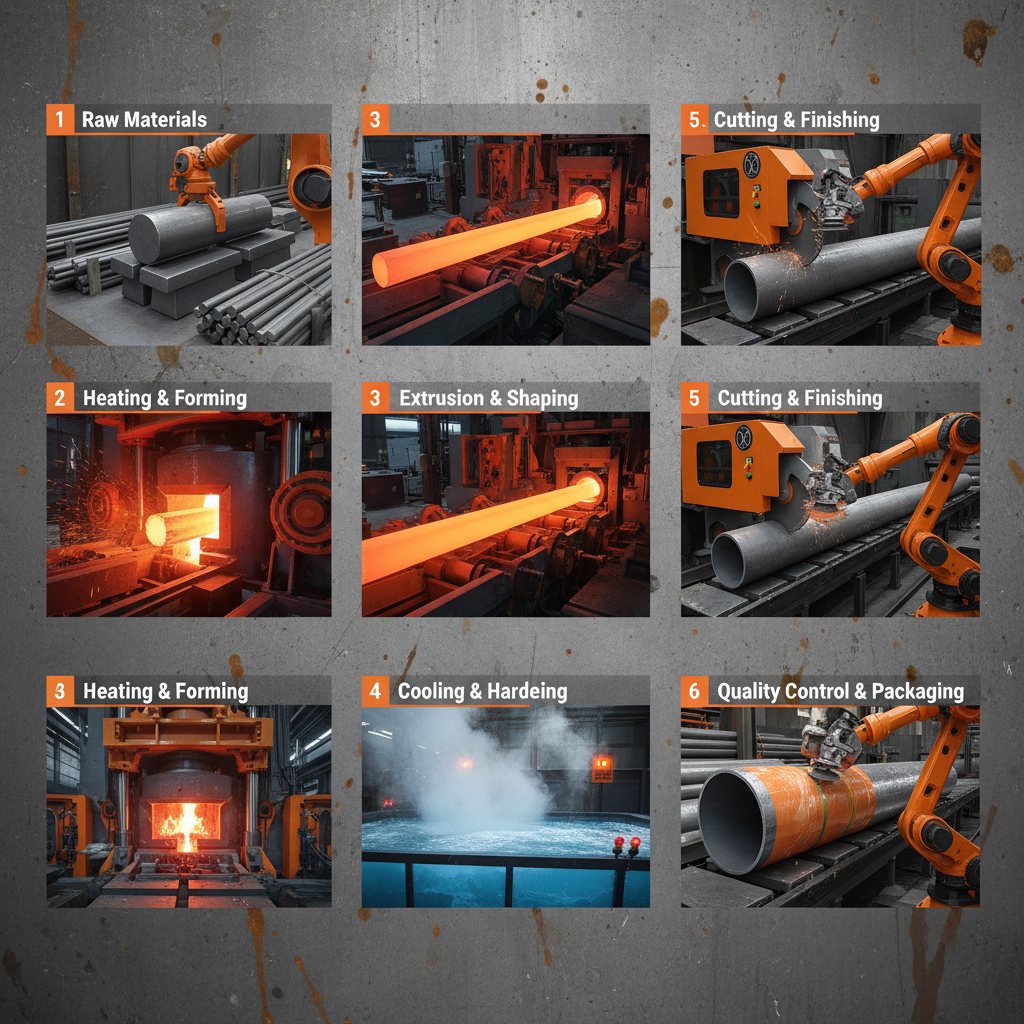
Production is closely monitored, with requirements on heat treatment and wall thickness tolerance. This guarantees uniformity and reliable performance in field conditions.
Mini Takeaway:
API 5L PSL2 isn’t just a checklist. It’s a multi-layered quality assurance process designed to minimize risk and maximize pipeline lifespan, especially in hard-to-predict or harsh environments.
Global Applications & Real-World Use Cases
This specification is indispensable across continents and industries:
- Energy sector: Major natural gas pipelines in Europe and North America rely on PSL2 pipes to deliver fuel safely across thousands of kilometers.
- Water transport: Cities in arid regions of Australia and the Middle East depend on durable piping designed per this standard to maintain uninterrupted water supply.
- Post-disaster recovery: After major earthquakes or floods, pipelines built with PSL2 pipes enable rapid restoration of critical infrastructure in places like Japan or California.
- Remote industrial zones: Mining operations in the Canadian North use PSL2 pipes for their resilience in extreme cold and chemically aggressive soils.
It’s odd but reassuring — wherever you find life-sustaining liquids being moved under pressure, the API 5L PSL2 specification likely has a role.
Specification Highlights: Typical API 5L PSL2 Pipe
| Property | Typical Value | Remarks |
|---|---|---|
| Yield Strength | 415 MPa (Min) | Ensures resistance under stress |
| Tensile Strength | 525 MPa (Min) | Measures ultimate strength |
| Impact Energy (Charpy) | 27 Joules at -20°C | Toughness in cold environments |
| Wall Thickness Tolerance | ± 12.5% / -0% | Maintains consistent strength |
Comparing Global Vendors of API 5L PSL2 Pipes
| Vendor | Production Capacity (MT/yr) | Certifications | Lead Time | Key Markets Served |
|---|---|---|---|---|
| Global Steel Pipes Co. | 150,000 MT | API, ISO 9001, NACE | 8 weeks | North America, Europe |
| Asia Pipe Manufacturing Ltd. | 200,000 MT | API, ISO 14001 | 6 weeks | Asia-Pacific, Middle East |
| Euroline Pipes GmbH | 120,000 MT | API, PED | 9 weeks | Europe, Africa |
Advantages & Long-Term Value of Using API 5L PSL2 Pipes
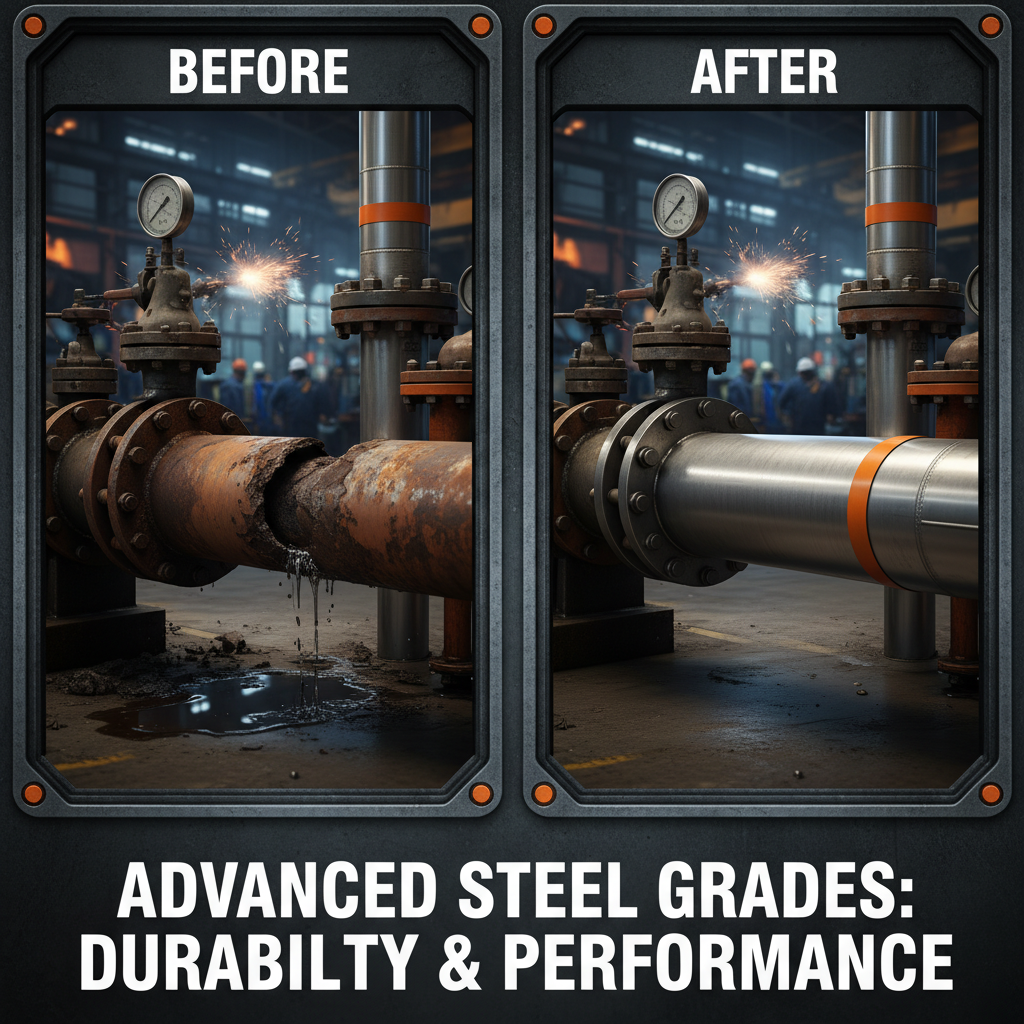
The tangible benefits are manifold: durability reduces costly shutdowns; enhanced toughness means safer operations; manufacturing traceability improves compliance and accountability; and the pipes’ resistance to corrosion extends their lifecycle far beyond cheaper alternatives.
But beyond numbers, there’s a bigger story here. These pipes carry the lifeblood of societies — fuel, water, or natural gas — under extreme conditions. Knowing that your infrastructure won’t fail creates trust among operators, governments, and communities. It’s the kind of engineering that respects human dignity by safeguarding lives and livelihoods. Frankly, skipping on certified quality here is a gamble no responsible company or nation wants to take.
Emerging Trends & Innovations Around API 5L PSL2 Specification
The pipeline industry isn’t static, no matter what some might think. Innovations include:
- Green Coatings & Materials: Advances aiming to lower environmental impact and resist aggressive chemicals better.
- Digital Tracking & Smart Pipes: Embedding sensors for real-time monitoring of pressure, corrosion, and flow anomalies.
- Automation in Welding: Robotics ensure consistent quality meeting PSL2’s tough standards.
- Policy Evolution: International standards increasingly harmonize to ease cross-border pipeline projects.
In a way, the specification evolves not just by adding new rules, but by integrating technology and sustainability concerns to future-proof infrastructure.
Challenges & Solutions in Implementing API 5L PSL2 Specifications
One common bottleneck is balancing cost and quality. PSL2 pipes cost more upfront and require stricter QA, yet many operators hesitate — a short-term saving potentially risking long-term loss.
Also, sourcing certified PSL2 pipes in some emerging markets can be patchy. Global supply chain disruptions have complicated timely procurement.
Expert advice to solve these issues? Plan long-term procurement, vet suppliers thoroughly, and incorporate lifecycle costing models — so that the “price” reflects real value, not just sticker shock.
FAQ: Frequently Asked Questions About API 5L PSL2 Specification
1. What is the main difference between API 5L PSL1 and PSL2 pipes?
PSL2 pipes demand more stringent material chemistry, mechanical properties, and additional testing—such as impact testing and nondestructive examination—to ensure superior toughness and reliability. PSL1 is typically sufficient for less demanding applications, but PSL2 is preferred for critical pipelines in harsh environments.
2. How long can API 5L PSL2 pipes last in high-corrosion environments?
With proper installation and maintenance, these pipes can last 30 years or more. PSL2's enhanced chemical and mechanical specs help resist corrosion and cracking, especially when combined with protective coatings and cathodic protection systems.
3. Are PSL2 pipes suitable for offshore pipeline projects?
Absolutely. PSL2 pipes are often specified for offshore use because they meet harsh environment requirements, including tensile strength, toughness, and weldability. However, offshore designs usually incorporate additional considerations beyond the API 5L standard.
4. Can companies outside the US easily source API 5L PSL2 pipes?
Yes. Many certified manufacturers operate globally, including in Asia and Europe. Nevertheless, verifying the authenticity of certification and quality through audits or trusted vendors is crucial to avoid counterfeit or substandard products.
5. How does the API 5L PSL2 specification support sustainability goals?
By ensuring pipelines operate safely and last longer, PSL2 pipes reduce the environmental impact of leaks and failures. Additionally, advances in manufacturing with this spec include low-emission processes and recyclable materials that align with green energy goals.
Final Thoughts: Why API 5L PSL2 Specification Still Calls the Shots
So, to wrap it up, the API 5L PSL2 specification remains the gold standard for pipeline integrity worldwide. It reflects a careful balance of rigorous testing, durable materials, and thoughtful production controls — all designed to meet the unpredictable demands of our modern world. Whether supplying ever-growing megacities or powering remote industrial hubs, PSL2 pipes deliver reliable performance and peace of mind. If you’re in the market for pipeline materials, diving into the specification and choosing trusted vendors isn’t just good practice — it’s the backbone of success and safety.
Interested in knowing more or sourcing certified pipes? Visit our website: https://www.world-steelmaterial.com
References:
Post time: Nov . 28, 2025 15:10
 English
  Arabic
  Bengali
  China
China  French
  German
  Hausa
Hausa  Indonesian
  Italian
  Japanese
  Javanese
  Malay
Malay  Persian
  Portuguese
  Punjabi
  Russian
  Spanish
  Swahili
  Telugu
  Vietnamese