

Understanding Pipe Use: Why It Matters in Today’s Connected World
When we talk about pipe use, it might sound mundane—just tubes carrying fluids from A to B, right? But in reality, pipe use forms the backbone of modern infrastructure, industry, and even humanitarian efforts worldwide. From delivering clean water to powering factories, pipes are everywhere, quietly ensuring the fluids, gases, and materials critical for life and business flow smoothly.
Globally, an estimated tens of millions of kilometers of pipes operate underground, underwater, and over land — a feat that enables urbanization, industrial development, and emergency relief. Getting a solid grasp on pipe use can unlock value in cost savings, safety improvements, environmental protection, and even social dignity. After all, when pipes fail, communities suffer. So understanding their importance isn’t just about hardware, but a piece of a complex global puzzle.
Global Relevance of Pipe Use: The Invisible Lifelines
Pipe use is incredibly global in reach. According to the United Nations and World Bank reports, over 70% of the global population gains access to potable water and sanitation via extensive piping systems. The International Organization for Standardization (ISO) continues to set pipe manufacturing and testing norms to secure these vital networks. Pipe use is deeply entwined with sustainable development goals (SDGs) related to clean water, industry innovation, and resilient infrastructure.
One challenge that stands out is the aging infrastructure in many developed nations. Old pipes corrode, leak, and sometimes contaminate water, causing billions in damages and health risks annually. Developing nations often struggle with the sheer scale of building enough piping networks to keep pace with urban migration. So, the focus isn’t just on the pipes themselves, but on managing and evolving their use effectively.
Mini Takeaway:
- Pipe use is essential for water, gas, and industrial transport worldwide.
- Aging infrastructure and rapid urbanization pose challenges to effective pipe use.
- Global standards like those by ISO help ensure pipe reliability and safety.
What Exactly Is Pipe Use?
At its core, pipe use refers to the application of pipes to transport liquids, gases, or sometimes even solids (think slurry pipelines). This ranges from household water supply and sewage systems to complex petrochemical plants and oil pipelines spanning continents. Modern industry relies on pipe use to move vast quantities of fluids in safe, controlled ways, which in turn supports everything from agriculture irrigation to fire suppression.
It’s also worth noting the humanitarian angle: in disaster zones, quick-deploy pipe systems can restore water and sanitation in days rather than months, drastically improving health outcomes. Pipe use thus extends beyond tech into social impact — ensuring dignity and well-being where it’s most critical.
Mini Takeaway:
- Pipe use involves transporting fluids and gases safely and efficiently.
- It supports industrial growth and critical public services.
- Rapid pipe deployment plays a vital role in emergency humanitarian relief.
Core Components of Effective Pipe Use
Durability and Material Selection
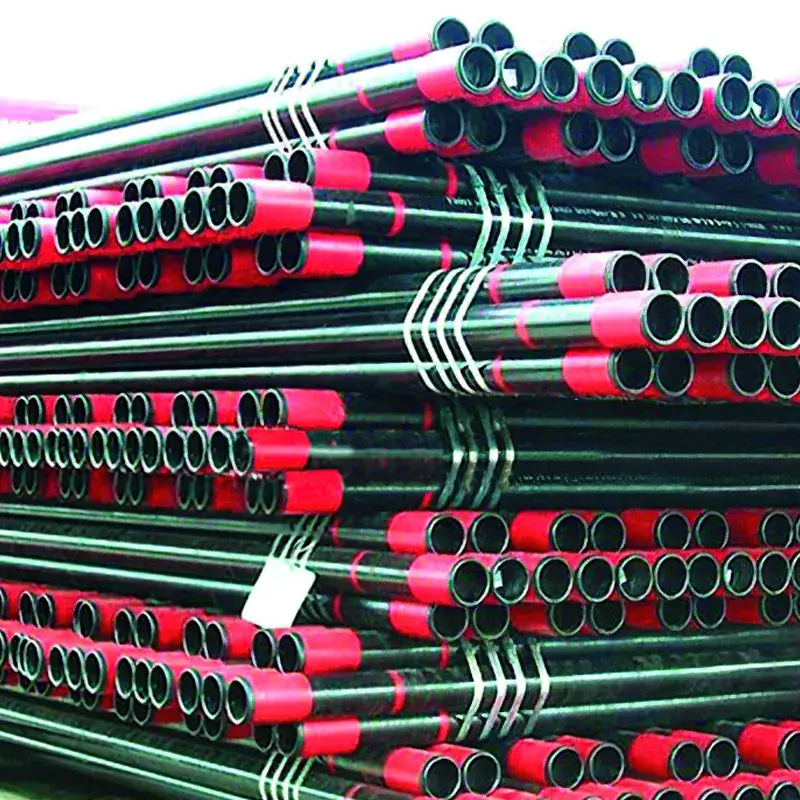
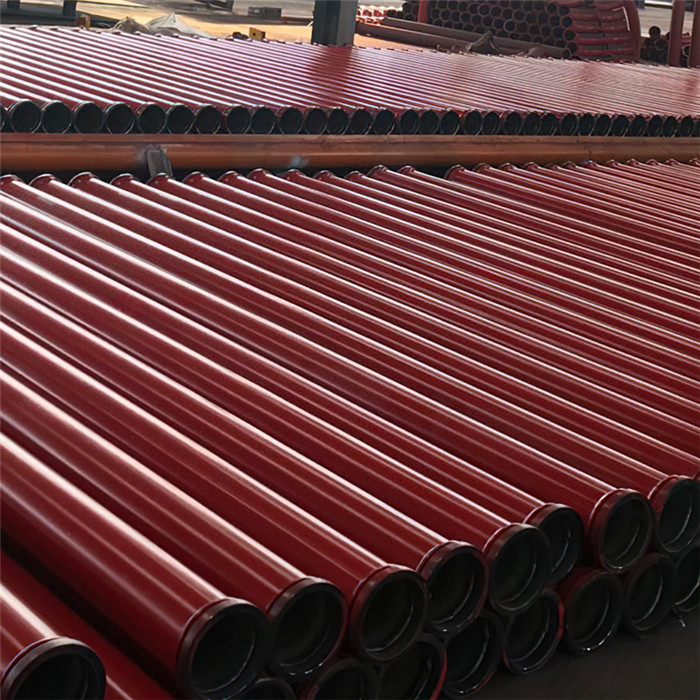
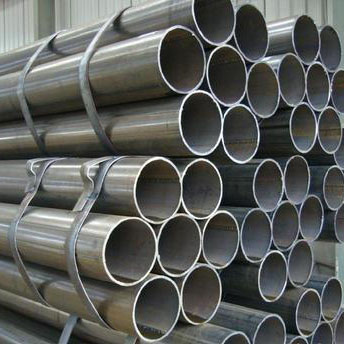
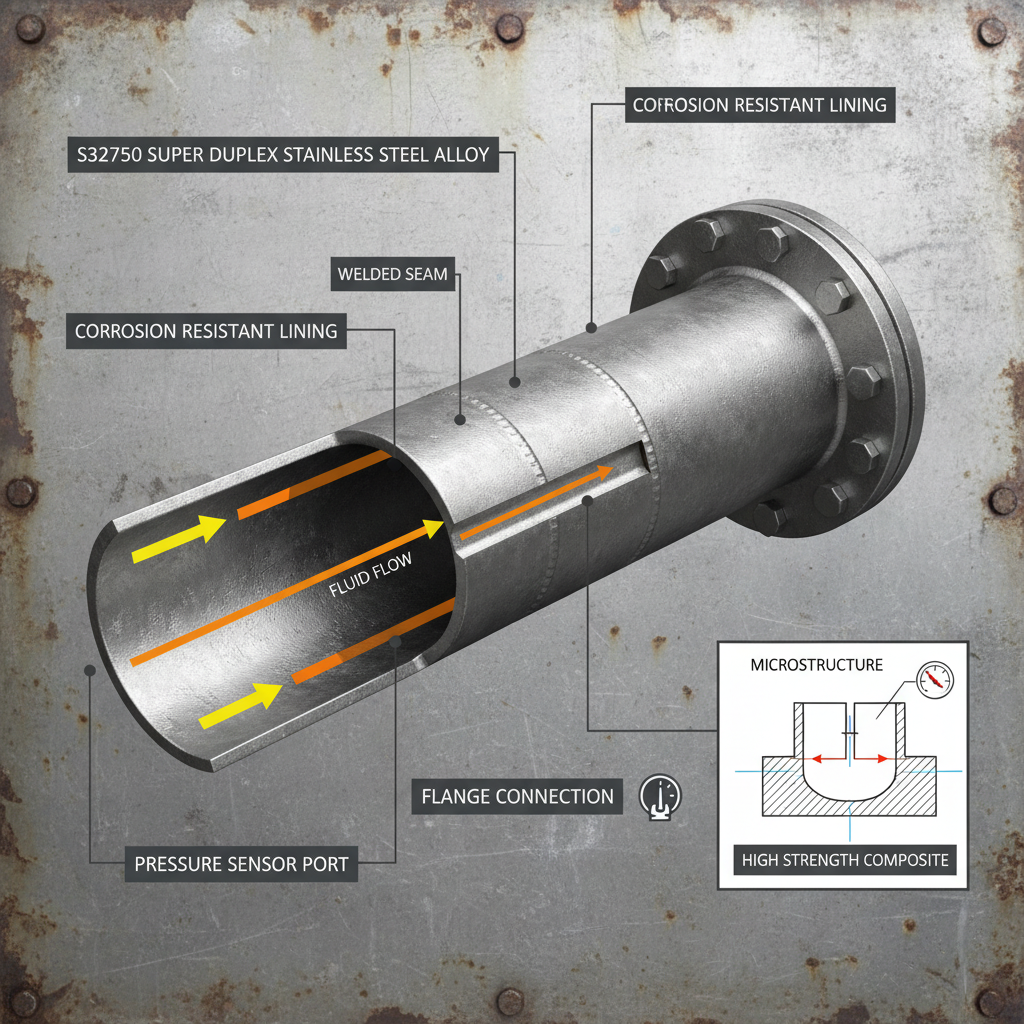
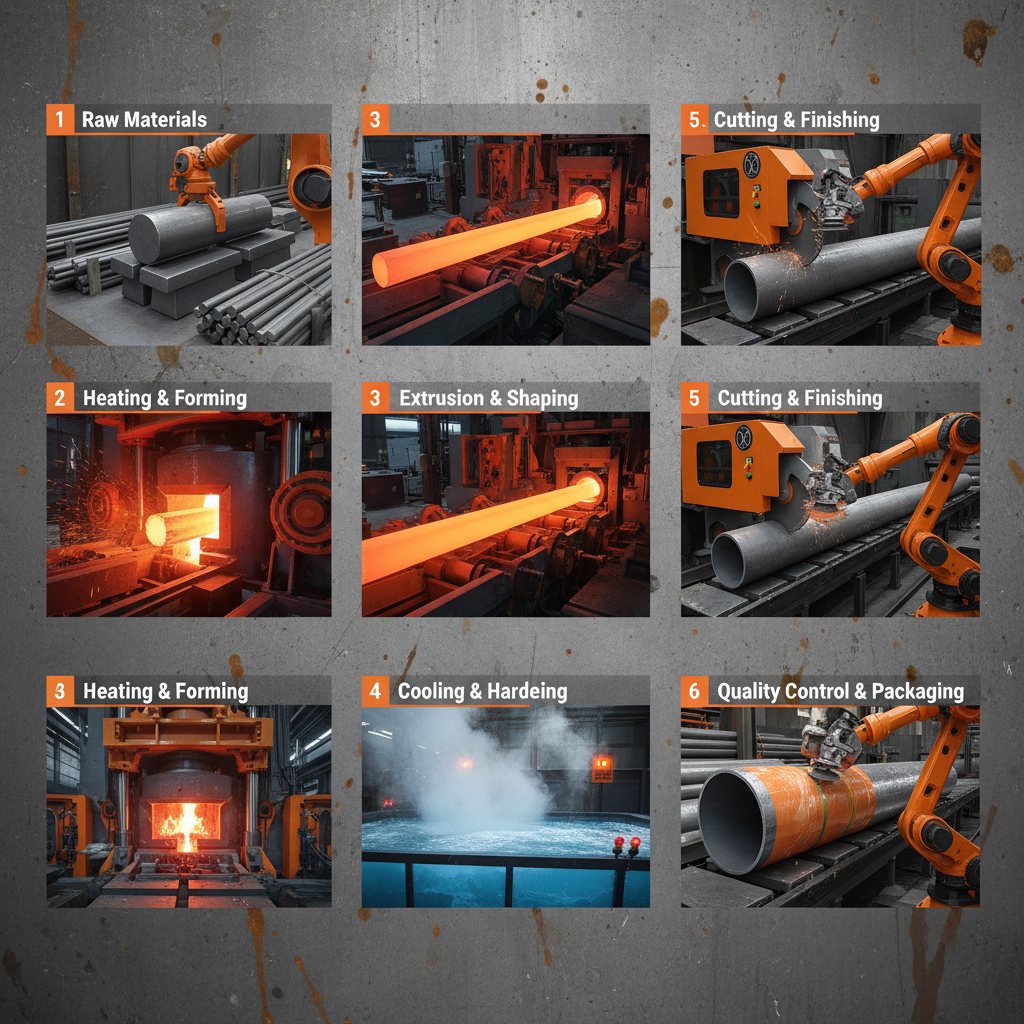
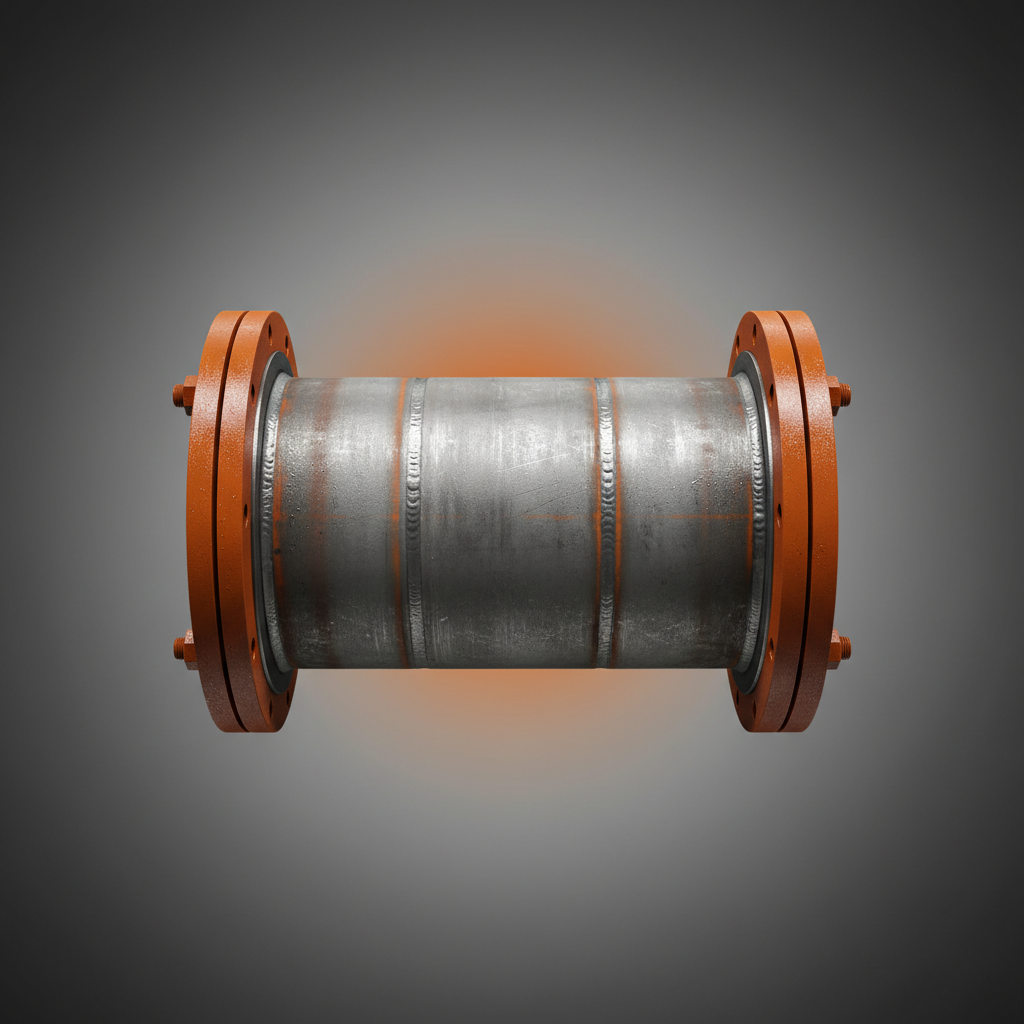
The choice of pipe material—from steel and ductile iron to PVC or HDPE—depends heavily on the application environment. Factors like corrosion resistance, temperature tolerance, and chemical compatibility determine longevity. For example, steel pipes excel under high pressure but need anti-corrosive coatings; meanwhile, HDPE offers flexibility and corrosion-resistance for underground water mains.
Installation and Scalability
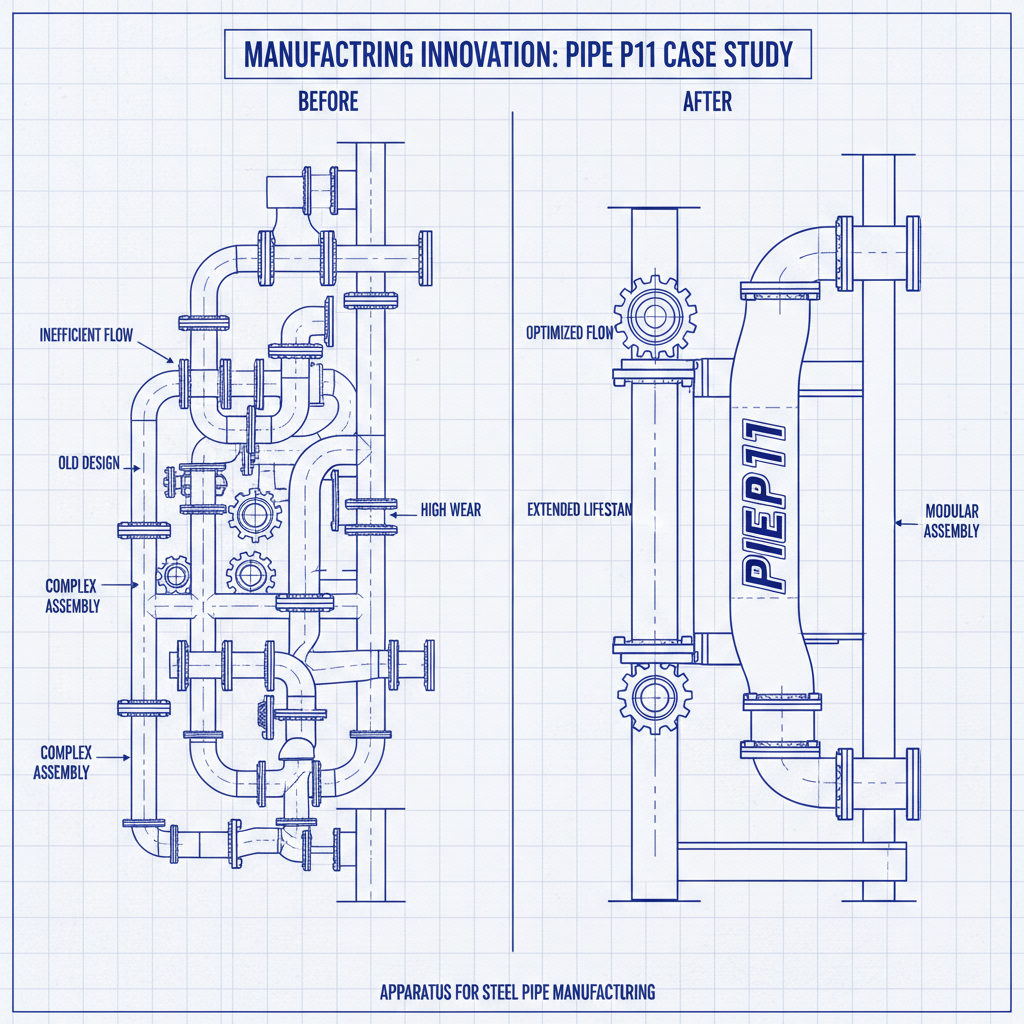
Good pipe use demands installation methods that align with site conditions. Rapid trenchless technologies like horizontal directional drilling reduce disruption, while modular pipe segments enable scalability—useful when systems need upgrading or expanding.
Cost Efficiency
Beyond initial price tags, operators consider lifecycle costs—maintenance, leak repairs, and replacements—in planning pipe use. Materials with longer lifespans may carry higher upfront expenses but yield savings over time.
Safety and Compliance
Strict adherence to international and local regulations ensures pipe systems are safe for people and the environment. This encompasses pressure testing, leak detection, and quality certifications, vital especially in transporting hazardous substances like natural gas.
Environmental Impact
Modern pipe use increasingly factors in sustainability. Choosing recyclable materials, minimizing installation footprints, and preventing leaks that can damage ecosystems all fall under this umbrella.
Mini Takeaway:
- Material choice drives pipe performance and lifespan.
- Innovative installation techniques enhance scalability with less disruption.
- Cost and safety are continually balanced for optimal pipe use.
Where and How Pipes Are Used Globally
Pipe use spans every continent and most industries. Here are a few standout applications:
- Urban Water Systems: Cities rely on miles of piping for drinking water, wastewater, and storm drainage.
- Oil and Gas Transmission: Pipelines crisscross continents, some stretching thousands of kilometers, transporting crude, natural gas, and refined products.
- Agriculture Irrigation: Pipes deliver vital water supplies to farms often far from natural sources, especially in arid zones.
- Industrial Facilities: Factories use complex pipe networks for steam, chemicals, and cooling water.
- Disaster Relief: Mobile pipe kits help rebuild essential services post-hurricanes or earthquakes — as seen in Southeast Asia floods.
Regions like the Middle East and parts of North America invest heavily in high-pressure steel pipelines, while Scandinavia favors eco-friendly HDPE for municipal use. Oddly enough, some of the oldest functional pipelines are still operating in Europe, testament to sound pipe use principles over centuries.
Mini Takeaway:
- Pipe use is essential across sectors from urban infrastructure to agriculture.
- Climate and local conditions shape material and design choices globally.
- Post-disaster zones highlight pipe use’s role in quick recovery and health.
Product Specifications at a Glance
| Specification | Steel Pipes | HDPE Pipes | PVC Pipes |
|---|---|---|---|
| Typical Diameter Range | 15mm - 3000mm | 20mm - 1200mm | 10mm - 800mm |
| Operating Pressure | Up to 100 bar | Up to 16 bar | Up to 10 bar |
| Typical Lifespan | 50-70 years | 40-60 years | 25-40 years |
| Corrosion Resistance | Moderate (needs coatings) | High | High |
| Price Range (USD/m) | $15 - $120 | $10 - $50 | $5 - $30 |
Comparing Top Pipe Vendors in 2024
| Vendor | Specialty | Geographic Reach | Average Lead Time | Sustainability Initiatives |
|---|---|---|---|---|
| SteelMaster Pipes | High-pressure Steel Pipes | North America, Europe | 6-8 weeks | Recycling program, low-carbon steel grades |
| GreenFlow Poly | HDPE Municipal & Agri Pipes | Global | 4-6 weeks | 100% recyclable materials, solar-powered plants |
| Duraplast PVC | PVC Pipes for Building and Drainage | Asia, Africa | 3-5 weeks | Eco additives, waste reduction programs |
Advantages and Long-Term Value of Smart Pipe Use
Getting pipe use right offers solid payoffs across industries, communities, and ecosystems:
- Cost Savings: Reliable pipes reduce leaks and maintenance, cutting operational expenses.
- Sustainability: Longer-lasting materials and greener production mean less waste and pollution.
- Social Impact: Safe water and energy access foster public health and economic growth.
- Reliability: Proper use means fewer failures, which means fewer emergencies and disruptions.
On a human level, there’s something really comforting about knowing a clean, steady flow is there when you turn the tap or flip a valve. It’s innovation and trust, quietly rolled into the pipes you don’t notice—until they don’t work.
Looking Ahead: Future Trends in Pipe Use
The next decade promises some exciting innovations shaping pipe use:
- Smart Pipes: Embedded sensors and IoT technologies for real-time leak detection and flow monitoring.
- Eco-Friendly Materials: Biodegradable composites and advanced polymers reducing environmental footprints.
- Automation and Robotics: Drones and robots inspecting and repairing pipes in hard-to-reach areas.
- Policy Pushes: Governments incentivizing green pipe manufacturing and infrastructure upgrades.
These advancements will not only boost efficiency but also align pipe use with growing demands for sustainability and resilience.
Common Challenges and How Experts Are Tackling Them
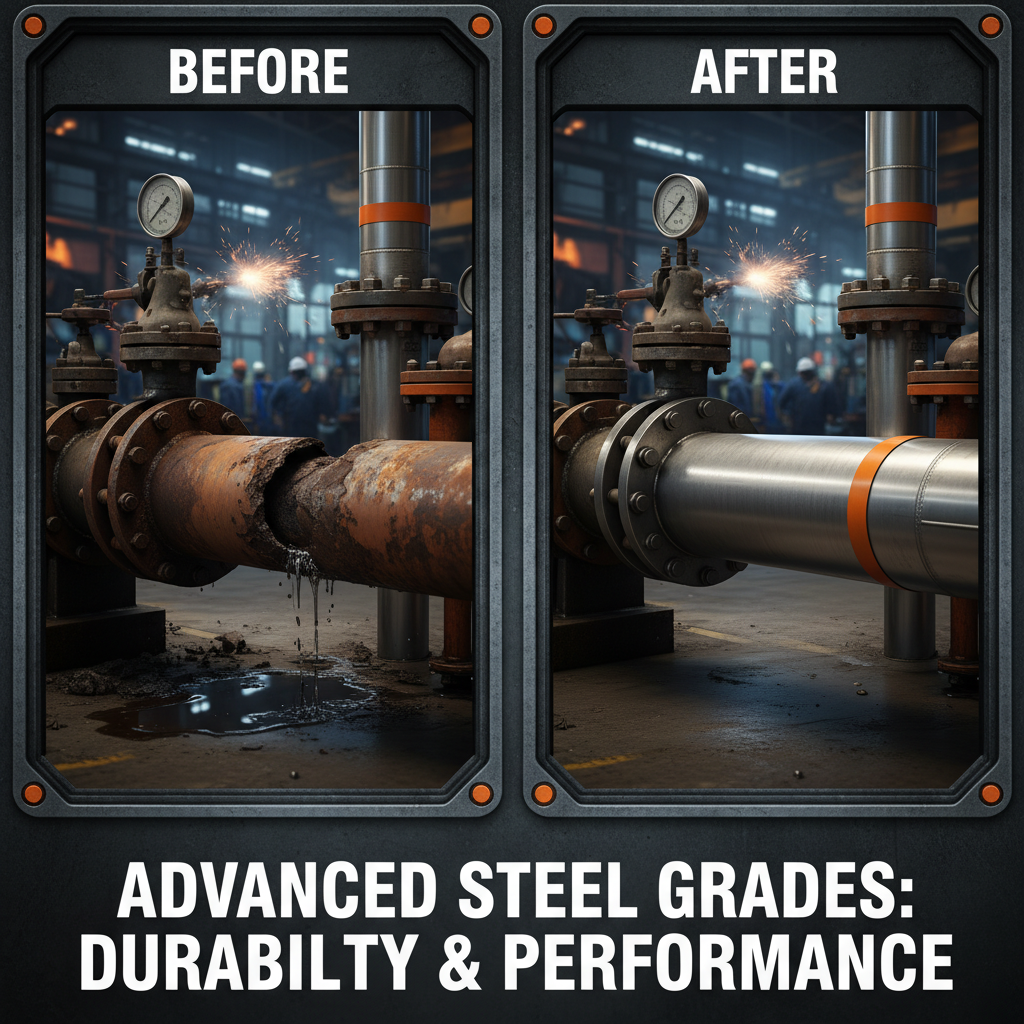
Pipes face common issues like corrosion, mechanical damage, blockages, and aging. These are pesky since operations often happen underground or underwater, out of easy reach. But innovations in coatings, better materials, drone inspections, and machine learning to predict failures are stepping in to fix these problems.
Another challenge is cost barriers for developing regions. To counter that, modular and prefabricated pipe solutions, alongside microfinancing options, are making pipe infrastructure more accessible.
FAQ: Frequently Asked Questions About Pipe Use
- What types of pipes are best for drinking water supply?
- Materials like HDPE and PVC are commonly used due to their corrosion resistance and safety for potable water. Steel pipes can also work but often need coatings to prevent contamination.
- How long do industrial steel pipes typically last?
- With proper maintenance and anti-corrosion treatments, industrial steel pipes can last between 50 and 70 years, although this varies based on environmental conditions.
- Can pipes be quickly installed in disaster-hit areas?
- Yes, mobile modular pipe kits and flexible plastic pipes enable fast deployment, often restoring water and sanitation services within days.
- Are plastic pipes environmentally friendly?
- Plastic pipes like HDPE are recyclable and have good longevity, reducing waste compared to frequently replaced materials, but end-of-life recycling infrastructure is important.
- How can businesses ensure compliance with pipe use standards internationally?
- Working with certified vendors who follow ISO and local codes, along with using third-party quality inspections, helps ensure compliance across borders.
Wrapping It Up: Pipe Use’s Quiet but Critical Role
So, after all this talk of diameters, materials, and global pipelines, what’s the key takeaway? Pipe use isn’t just about tubes; it’s the trusted network silently binding economies, ecosystems, and communities together. Investing thoughtfully in pipe systems means safer water, more reliable industry, and greener futures. And frankly, that’s something to appreciate every time you turn on a tap or pass a factory.
Curious to explore more on pipe use and related solutions? Visit our website for insights, products, and expert advice tailored to your needs.
References
Post time: Nov . 28, 2025 13:40
 English
  Arabic
  Bengali
  China
China  French
  German
  Hausa
Hausa  Indonesian
  Italian
  Japanese
  Javanese
  Malay
Malay  Persian
  Portuguese
  Punjabi
  Russian
  Spanish
  Swahili
  Telugu
  Vietnamese