Why a Pipe Expander Matters More Than You Think
It might sound niche — a pipe expander — but this humble tool quietly powers a surprising amount of global infrastructure. At its core, a pipe expander is about improving pipe connections without the usual fuss of welding or replacing. And that’s huge, especially in times when infrastructure is aging, or rapid deployment is essential (think disaster zones or fast-growing cities). Understanding how pipe expanders operate, and more importantly, why they’re indispensable, offers an edge to engineers, builders, and decision-makers everywhere.
Just to throw a few numbers out: The UN estimates that over 2 billion people globally lack adequate water and sanitation infrastructure. Enter pipe expanders, enabling maintenance, repair, and upgrade of critical pipelines with less downtime and lower costs. It’s tools like this that let communities keep running when things get complicated.
Setting the Stage: The Pipe Expander's Global Role Today
Walk through any industrial zone, remote oil field, or urban waterworks system, and you’ll be in the presence of pipes needing reliable, flexible solutions to join and maintain them. Globally, the demand for pipelines is surging—despite progress in alternate tech—because transporting fluids efficiently remains fundamental.
According to the International Organization for Standardization (ISO), maintaining pipeline integrity saves billions annually via avoided leaks and disruptions. Yet, traditional repair methods like cutting and welding often prove time-consuming, require skilled labor, and involve safety risks.
This is where pipe expanders step in. The tool addresses the challenge of quickly enlarging pipe ends to fit snugly with other components, or to repair damaged sections without full replacements. It’s a classic engineering fix in a fast-paced world, balancing simplicity with technical savvy.
What Exactly is a Pipe Expander?
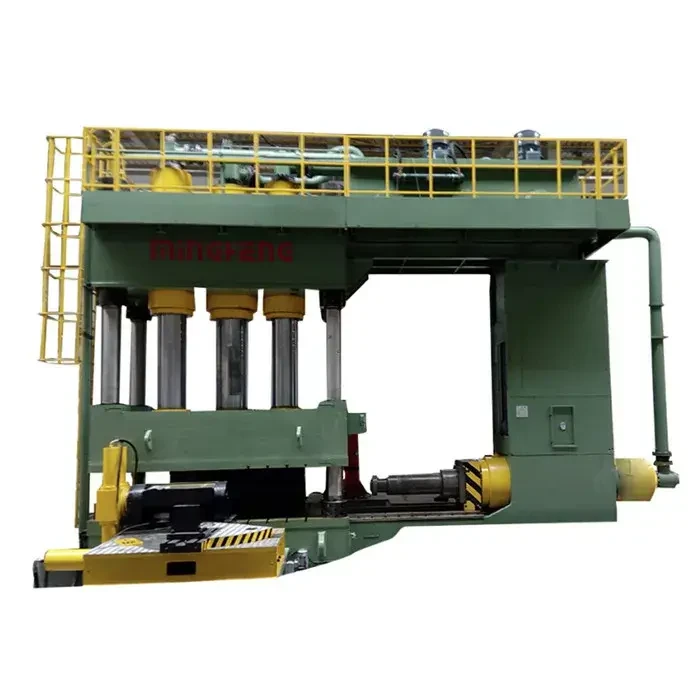
Quite simply, a pipe expander is a mechanical tool designed to enlarge the internal diameter of pipes. By applying controlled expansion force, it reshapes pipe ends or sections — allowing seamless connections, or fitting in new pieces smoothly.
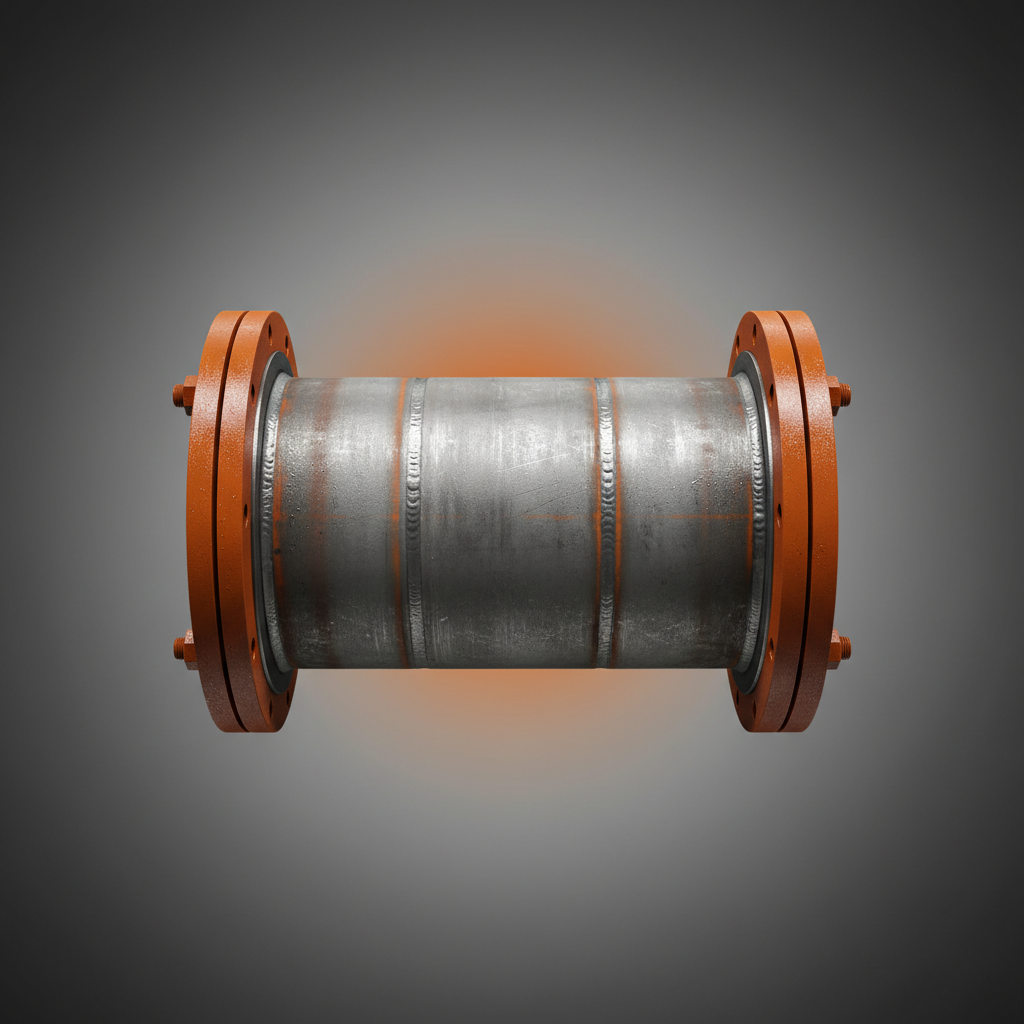
Imagine needing to join two pipe sections of slightly differing diameters without welding or new fittings. A pipe expander does just that, expanding one end to accept the other, sometimes paired with clamps or sealing materials. In industrial scenarios, this means less downtime, fewer leaks, and often a more durable fix.
Oddly enough, the humble pipe expander touches sectors from oil and gas to water supply to construction — and even emergency relief efforts, where speed and adaptability are everything.
Core Components and Key Factors of Pipe Expanders
Durability: Built to Last in Tough Spots
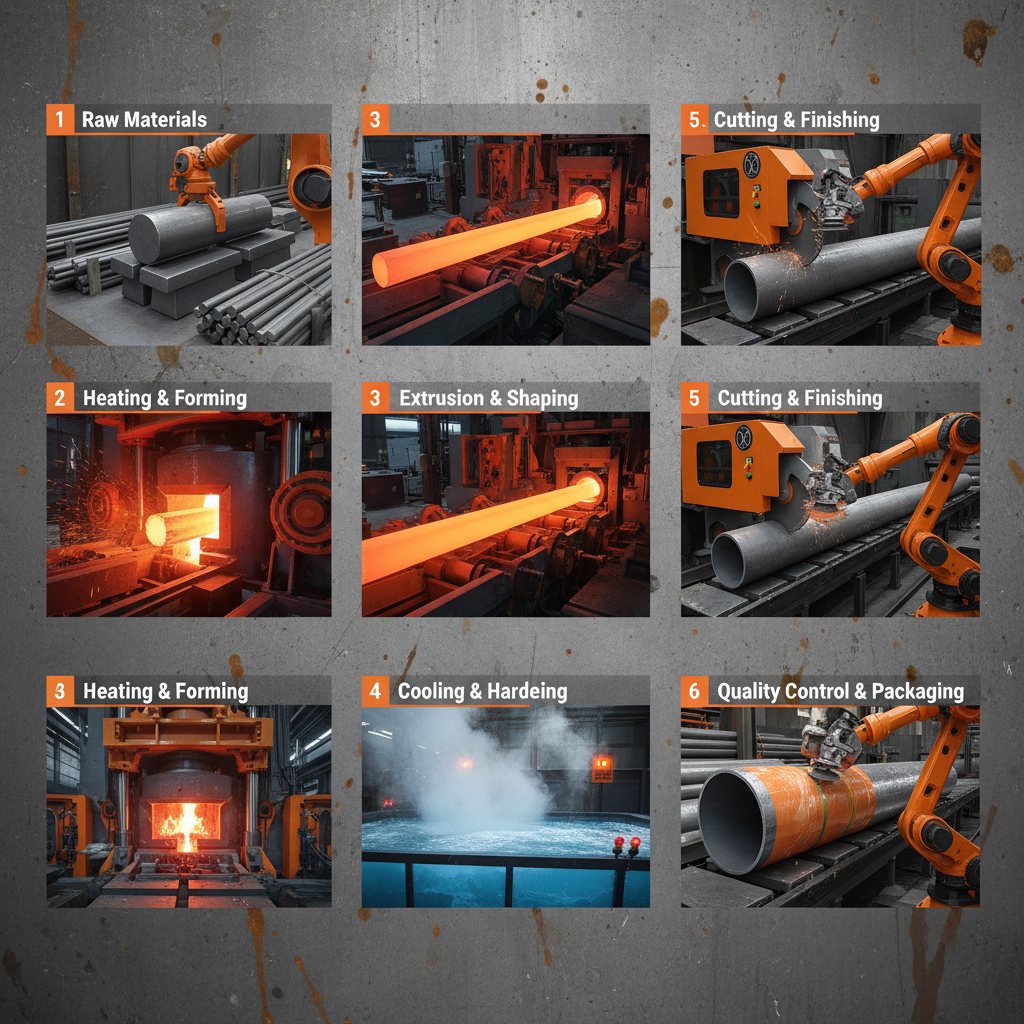
A pipe expander generally undergoes rigorous material testing—think hardened steel discs or hydraulic rams designed to withstand extreme pressure. The last thing anyone wants is a tool failure mid-task. Manufacturers prioritize high-grade alloys to ensure longevity and reliability in harsh conditions.
Scalability: From Tiny Tubes to Massive Pipelines
Pipe expanders come in a variety of sizes, from a few centimeters to over a meter in diameter. This scalability means the tool can be adapted for residential plumbing fixes or sprawling industrial pipeline systems. In practice, a modular design lets crews swap out expansion heads quickly to suit the job.
Cost Efficiency: Save Time, Save Money
Replacing pipelines outright costs considerably more than targeted expansion repairs. Plus, the downtime avoided by using a pipe expander often translates directly into saved revenue. I’ve heard technicians joke that the tool pays for itself by avoiding just one major pipeline outage.
Precision Control: Expanding Without Overstretching
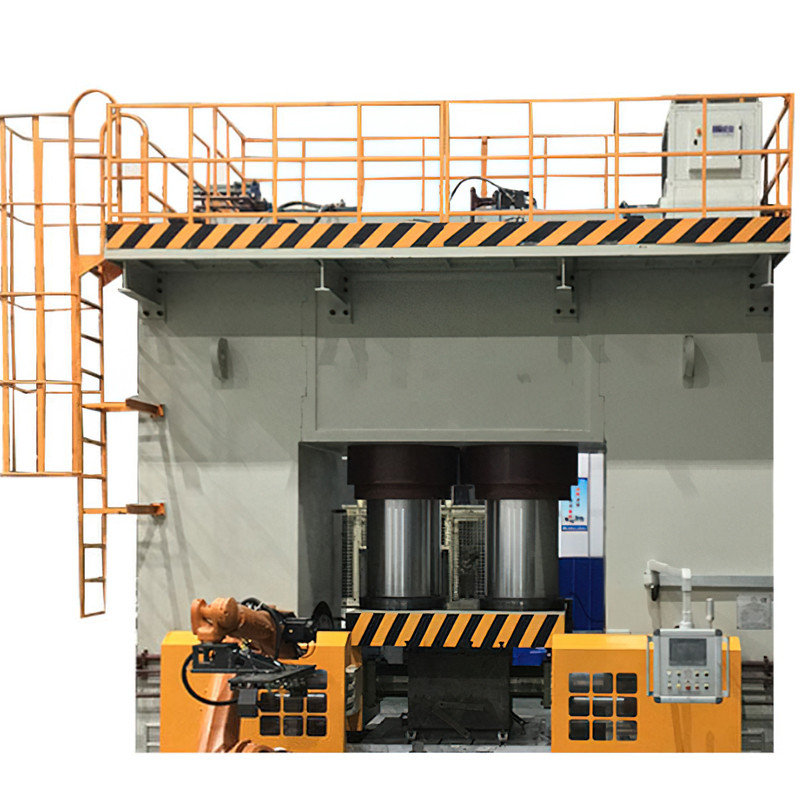
Modern pipe expanders utilize hydraulic or mechanical force with precise gauges so the expansion doesn’t compromise pipe integrity. Too much force or uneven spreading can cause fractures — a nightmare scenario. Good tools balance brute strength with finesse.
Portability: Tools That Travel Well
Especially for fieldwork in remote or disaster-rich environments, a compact and lightweight design speeds deployment. Handheld or trailer-mounted pipe expanders come with quick setup features, letting crews work through tough terrain or tight spaces.
How Pipe Expanders Shape Real-World Projects
Take post-disaster relief operations in cyclone-hit regions like Bangladesh. Emergency teams often find damaged water pipe networks that need fast, reliable repair. Using pipe expanders, these organizations join fractured pipe ends on the spot — restoring water flow in hours, not weeks.
On a much larger scale, oil and gas companies in the Middle East and Russia depend on pipe expanders to maintain kilometers of pipeline transporting crude oil and natural gas. The tool’s ability to adapt on-site without extensive welding crews cuts downtime and safety risks.
Similarly, urban developers in Europe install district heating systems with complex pipe networks — where pipe expanders ensure tight joints that won’t leak heat or water, boosting system efficiency.
Mini takeaway: Pipe expanders aren’t just tools; they are the unsung heroes in sectors from humanitarian aid to heavy industry, enabling faster, safer, and smarter pipeline operations.
The Tangible Benefits of Using Pipe Expanders
Pipe expanders offer an appealing mix of logical benefits and emotional trust—do you want a tool that’s both rugged and precise? Here’s what they bring to the table:
- Cost savings: Lower installation and repair costs versus total pipe replacements.
- Sustainability: By extending pipe lifecycles, less waste enters landfills or waterways.
- Reliability: Reduced risk of leaks and failures.
- Safety: Fewer hot works (like welding) reduce on-site accident risks.
- Dignity and Innovation: For communities, fast water or energy restoration means daily life can continue with less stress and disruption.
It’s worth noting that engineers often highlight how the efficiency gains from pipe expanders allow for quicker turnaround times — often critical when schedules are tight. There’s a subtle but important peace of mind here, knowing a trusted tool is in hand.
Looking Ahead: The Future of Pipe Expander Technology
With rising focus on green energy and digitalization, pipe expanders are evolving too:
- Smart expanders: Sensors that track expansion pressure and pipe deformation, transmitting real-time data to operators.
- Eco-friendly materials: Carbon fiber composites are under development to reduce tool weight without sacrificing strength.
- Automation: Robotic arms integrated with expanders can work in hazardous or confined spaces with minimal human intervention.
- Modular designs tailored for hybrid materials like plastic-metal composite pipes used in sustainable infrastructure projects.
And since pipelines increasingly cross sensitive environments, the push for zero-leak technology means pipe expander tools will need even tighter quality control and monitoring.
Confronting the Challenges—And How to Beat Them
Of course, not everything is smooth sailing. Common challenges include:
- Material limits: Expanding certain brittle or composite pipes requires specialized heads or slower techniques.
- Training needs: Operators must understand expansion limits; overexpansion can cause costly damage.
- Tool availability: Remote areas might struggle to source the right expander size or model quickly.
Many companies combat these by offering modular kits, remote training platforms, and quick-shipping logistics. Engineers often recommend practicing on samples before real deployments—makes sense when a tiny mistake can cost a fortune.
---
Pipe Expander Product Specifications
| Model |
Diameter Range |
Force Type |
Weight (kg) |
Material |
Portability |
| PEX-500 |
25 - 150 mm |
Hydraulic |
12 |
Alloy Steel |
Handheld |
| PEX-1200 |
100 - 400 mm |
Mechanical |
38 |
Carbon Steel |
Portable Case |
| PEX-2500 |
300 - 900 mm |
Hydraulic |
75 |
Hardened Alloy |
Trailer Mounted |
Vendor Comparison: Choosing Your Pipe Expander Provider
| Vendor |
Product Range |
Customization |
Global Shipping |
After-Sales Support |
Training Programs |
| SteelWorks Solutions |
Wide (25–900mm) |
Full customization |
Yes (FedEx, DHL) |
24/7 Tech Support |
Online + On-site |
| PipeTech Global |
Moderate (50–600mm) |
Some customization |
Selective countries |
Business hours only |
Online tutorials only |
| ExpandPro Ltd. |
Niche (100–400mm) |
Limited |
Yes (Air Freight) |
Limited |
None |
FAQs: Your Pipe Expander Questions Answered
- Q: Can a pipe expander be used on plastic pipes?
A: Generally, pipe expanders are designed for metal pipes—steel, aluminum, alloys. Plastic materials have different elasticity and may not withstand expansion forces well without damage. However, some specialized expanders are in development for certain composite pipes.
- Q: How long does a typical expansion repair take?
A: Depending on pipe size and site conditions, expansion can be completed in minutes to a few hours, far faster than welding or full pipe replacement which may stretch days or weeks. This speed reduces operational downtime significantly.
- Q: Are pipe expanders safe to use in hazardous environments?
A: Yes, especially hydraulic or battery-operated models designed with safety features. Using expanders reduces hot works (welding) which lower risks of sparks or explosions in volatile areas. Proper trained operators must always adhere to safety protocols.
- Q: How to pick the right size pipe expander?
A: Measure your pipe diameter accurately and choose a pipe expander model rated for that range. Many vendors provide adjustable heads or modular components to cover variations. Always consult technical datasheets.
Wrapping Up: The Case for Pipe Expanders
Pipe expanders might sound like a small player in the vast world of industrial tools, but they’re pivotal in keeping pipelines strong, adaptable, and cost-effective. Their clever design—combining precision and power—makes them perfect for everything from quick disaster recovery to massive industrial projects. As industries evolve, embracing smart tech and sustainability, pipe expanders will continue being reliable allies.
If you’re involved in project planning, infrastructure upkeep, or emergency relief, it’s worth diving deeper. See more about how pipe expanders could make your next project smoother at
pipe expander.
---
References
- UN Water: Water Facts
- ISO standards on pipeline integrity
- Wikipedia: Pipeline transport


 English
  Arabic
  Bengali
  China
China  French
  German
  Hausa
Hausa  Indonesian
  Italian
  Japanese
  Javanese
  Malay
Malay  Persian
  Portuguese
  Punjabi
  Russian
  Spanish
  Swahili
  Telugu
  Vietnamese