

Unlocking the World of API 5L Specification: Why It Matters Today
If you’ve ever paused and tried to imagine how oil and gas pipelines withstand tremendous pressure, harsh climates, and years of service without catastrophic failure, then you’ve already brushed up against the API 5L specification. In a nutshell, it’s an essential set of standards that governs the manufacturing and testing of steel line pipes that carry everything from crude oil to natural gas halfway across continents.
Why does this matter? Because pipelines are the arteries of modern civilization’s energy supply. Without reliable pipe manufacturing standards, risks of leaks, blowouts, or costly shutdowns rise sharply — leading to environmental disasters, economic setbacks, or human safety hazards. That’s why understanding the API 5L specs becomes crucial for engineers, project planners, and policy makers worldwide who grapple with infrastructure durability and sustainability.
Global Relevance: The Backbone of Energy Distribution Networks
Let’s put it in a global context. According to the International Energy Agency (IEA), global gas demand is expected to rise by roughly 1.5% annually through 2030. Pipelines are the safest and most cost-efficient way to transport this booming energy demand. But with 80% of oil and gas pipelines made to API 5L standards worldwide, it’s clear this specification is not just a technical detail — it’s a linchpin for global energy security.
From the arid deserts of the Middle East to the icy estuaries of Canada, pipelines conforming to API 5L specs must perform flawlessly. Yet challenges remain, like corrosion in unforgiving environments and regulatory pressures on sustainability. The specification addresses these by setting strict criteria that manufacturers must meet, helping avoid these pitfalls before they happen.
What is the API 5L Specification? Let’s Break It Down
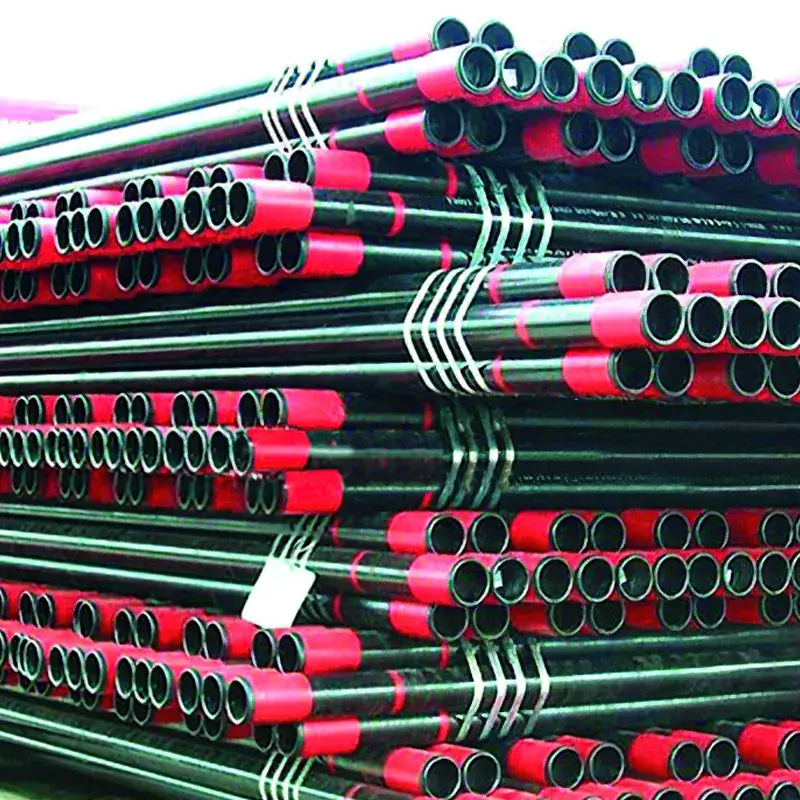
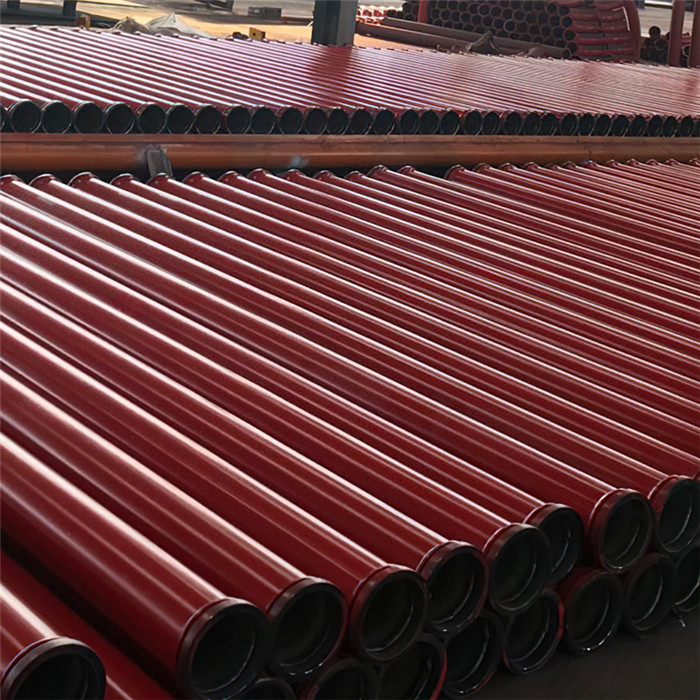
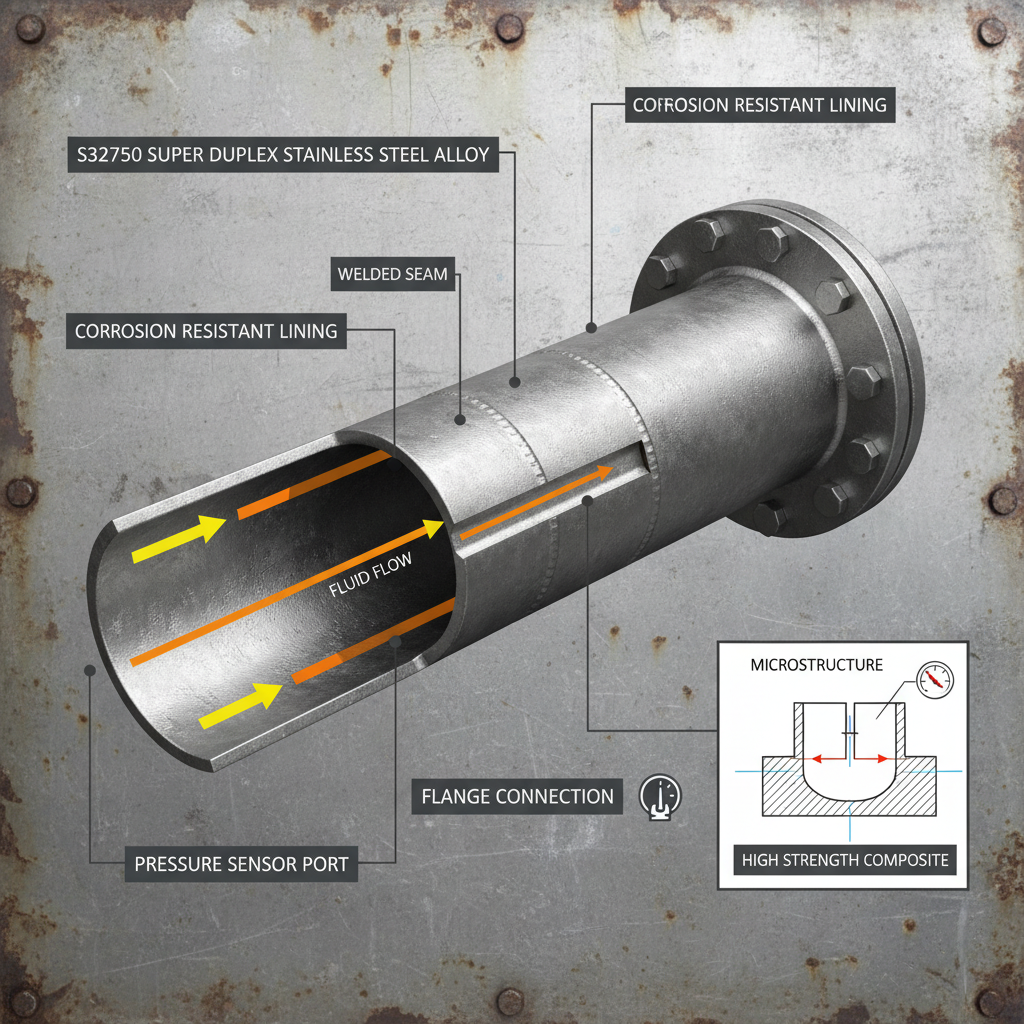
Simply put, the API 5L specification is a set of requirements developed by the American Petroleum Institute that defines chemical composition, mechanical properties, manufacturing processes, and testing procedures for steel pipes used to transport oil, gas, and water. Think of it as the blueprint for producing pipes tough enough to last decades underground or under the sea.
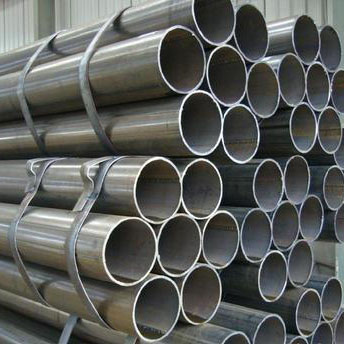
It covers both seamless and welded steel line pipes. The spec ensures pipes meet minimum strength criteria and resistance to corrosion, as well as dimensional accuracy and weld integrity. In a global economy where supply chains mingle steel from multiple origins, having a common specification like API 5L prevents guesswork and assures compatibility.
Connection to Industry and Society
Beyond industrial jargon, this means safer energy transport for millions, fewer spills, and lower maintenance costs. It’s a quiet hero behind humanitarian and economic stability — pipelines following this standard ensure that heating, industrial power, and even remote water services remain reliable.
Core Components of API 5L Specification You Should Know
1. Mechanical Properties
API 5L classifies steels with designations like Grade B, X42, X60, X80, and X100, each indicating minimum yield strength and tensile strength. Higher grades mean stronger pipes suitable for high-pressure applications. Choosing the right grade affects project safety and cost efficiency.
2. Chemical Composition
Strict limits on elements like carbon, manganese, phosphorus, and sulfur influence weldability and toughness. These chemical standards ensure pipes resist corrosion and fractures, which is especially important when transporting sour gas or corrosive fluids.
3. Manufacturing Processes
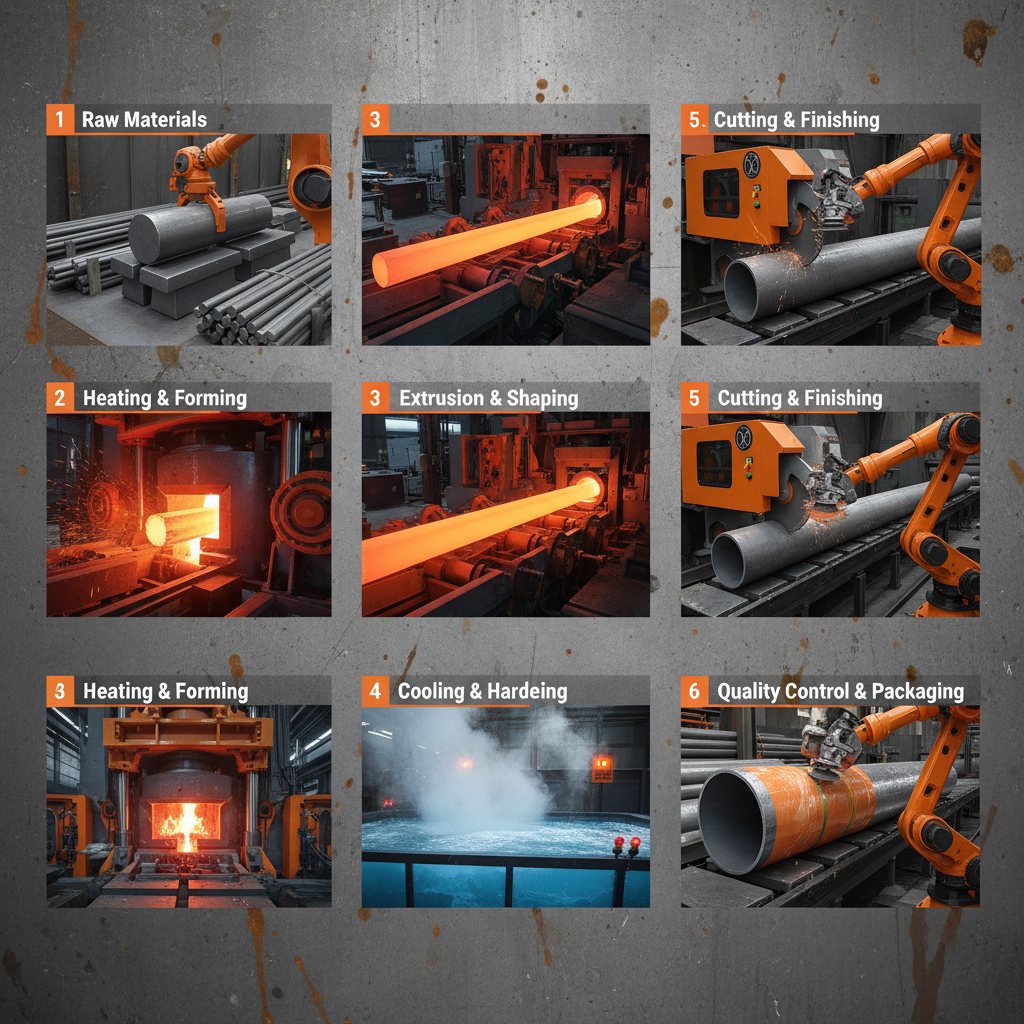
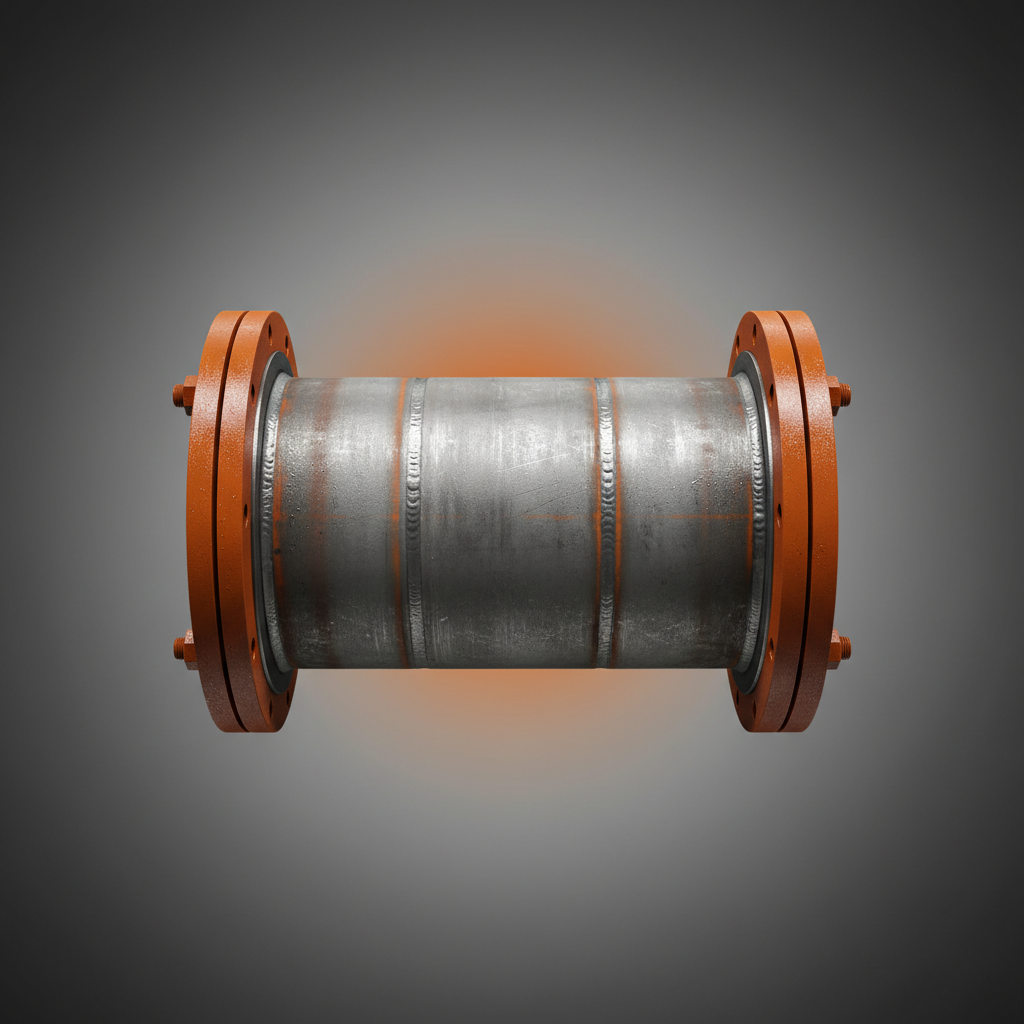
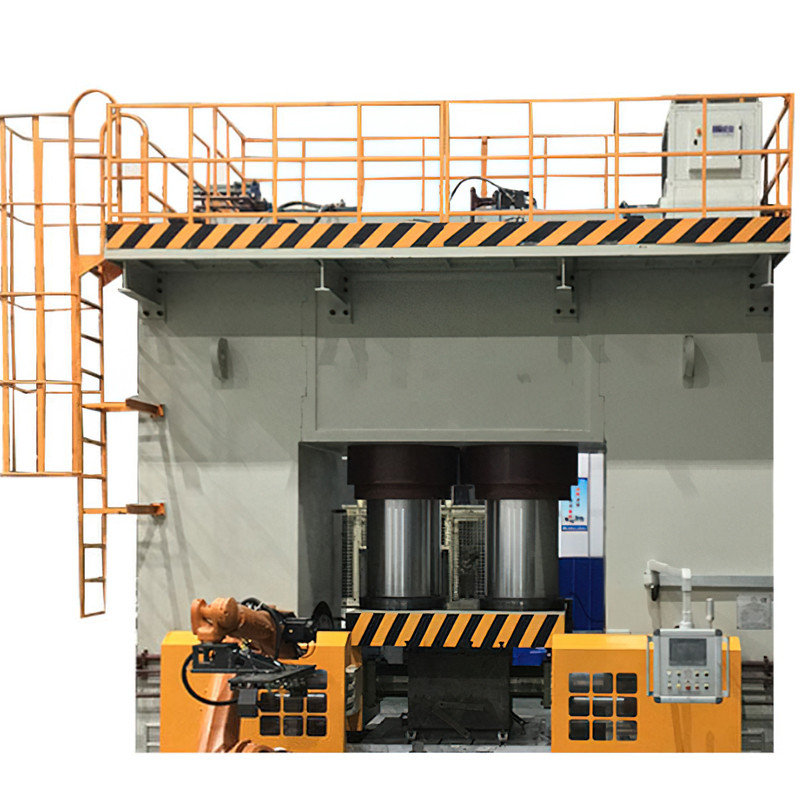
API 5L covers both seamless and welded pipes, including electric welded (ERW) and submerged arc welded (SAW) pipes. Each process has implications on pipe characteristics and cost. Like, seamless pipes are often preferred where extreme strength and resistance to pressure are critical.
4. Testing Requirements
Non-destructive testing, including hydrostatic tests, ultrasonic inspections, and impact tests, verify pipe integrity before delivery. These checks are not mere red tape; they catch potential flaws that could later cause leaks or ruptures.
5. Dimensions and Tolerances
From wall thickness to pipe diameter, the spec mandates tight tolerances to guarantee pipes fit perfectly in welded networks, preventing weak spots and costly reworks.
6. Marking and Documentation
Every pipe must be traceable to its batch, grade, producer, and test results. This traceability is key for quality control over the pipe’s lifecycle. In case of failure, accurate records help pinpoint root causes and responsibility.
API 5L Specification: Technical Product Parameters At a Glance
| Specification Parameter | Typical Values / Standards | Notes |
|---|---|---|
| Grades | A, B, X42, X52, X60, X70, X80, X100 | Stronger grades used for high-pressure pipelines |
| Yield Strength | Minimum 35,000 psi (Grade B) to 100,000 psi (X100) | Key to pressure resistance |
| Chemical Composition | Max phosphorus 0.025%; sulfur 0.025% | Limits impurities affecting toughness |
| Pipe Diameter Range | 2 inches to 48 inches | Standard sizes for oil/gas pipelines |
| Wall Thickness | 0.188 inches to 1.50 inches | Varies by pressure and installation |
| Testing | Hydrostatic, Ultrasonic, X-ray | Ensures structural integrity |
Where and How is API 5L Specification Applied Worldwide?
API 5L isn’t just some rule in a dusty book — it’s implemented everywhere pipelines matter:
- Middle East: Nations like Saudi Arabia heavily depend on API 5L-grade pipes for their giant oil export networks.
- North America: Pipelines spreading from Texas to Canada frequently use API 5L standards, balancing high-grade steel with cost efficiencies.
- Russia and Central Asia: Challenging cold climates demand high toughness grades, all covered under API 5L.
- South America: Emerging infrastructure projects to boost energy access depend on durable steel pipes built to these specifications.
For instance, during hurricane recovery in the Gulf Coast, repair crews use approved API 5L pipes to rapidly replace damaged lines. In remote Arctic installations, these specs ensure pipes remain safe despite freezing temperatures.
Advantages and Long-Term Value of Adhering to API 5L Specification
Why do so many companies commit to API 5L? Well, the benefits are solid — pun intended.
- Cost Efficiency: Using standardized steel pipes lowers procurement costs and simplifies maintenance routines.
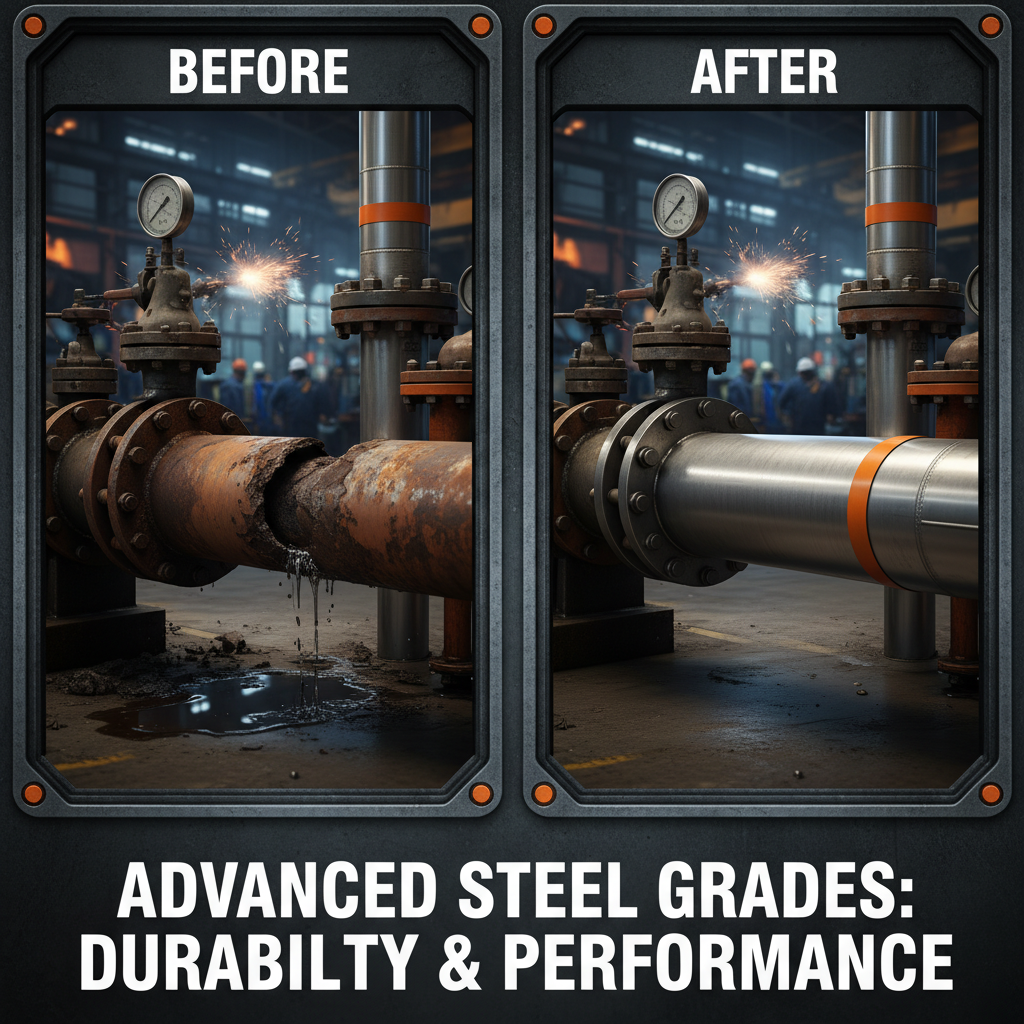
- Sustainability: High-grade pipes last longer, reducing waste and frequency of replacements.
- Safety: Minimizing leakage risk protects workers, communities, and ecosystems.
- Innovation: Many API 5L-certified pipes incorporate coatings or alloy enhancements boosting durability.
- Trust: Buyers, regulators, and insurers generally favor products conforming to recognized specs.
Oddly enough, investing upfront in quality pipe materials according to API 5L ends up saving money and lives down the line — a perfect example of "prevention is better than cure."
Future Trends: What’s Next for API 5L and Steel Pipeline Standards?
While API 5L has evolved for decades, the future points to greener, smarter pipelines. “Smart coatings” that monitor corrosion are making headway, alongside lightweight alloys that decrease transportation and installation footprints.
Also, digital transformation in pipeline monitoring combined with AI analytics means pipes built under the API 5L standard might soon be paired with sensor arrays that give real-time feedback. Environmental regulations are pushing steel producers toward lower-carbon manufacturing methods, meaning future API 5L pipes should have an enhanced sustainability profile.
So I suppose there’s a paradox here: a tech-old-school industry embracing new materials and smart tech — all while holding to the trusted API 5L norms.
Challenges in Implementation and How Experts Address Them
Not everything is smooth sailing. Some common challenges include:
- Corrosion in aggressive environments: Operators have introduced advanced coatings and cathodic protection to extend pipe life.
- Supply chain delays: Customizing pipes to non-standard specs slows delivery. Vendors increasingly offer modular options to speed projects.
- Compliance complexity: International projects must juggle API specs alongside ISO or local standards, demanding meticulous documentation.
Engineering teams tackle these issues with robust testing, digital traceability tools, and partnerships with certified manufacturers.
API 5L Specification: Vendor Comparison
| Vendor | API 5L Grades Offered | Global Reach | Special Features | Typical Lead Time |
|---|---|---|---|---|
| BluePipe Steel Co. | A, B, X42, X60, X80 | North America, Middle East | Advanced corrosion-resistant coatings | 6-8 weeks |
| GlobalPipe Industries | All standard grades incl. X100 | Worldwide | Smart pipe integration ready | 8-10 weeks |
| SteelLine Supplies | B, X52, X70 | Asia, Europe | Custom length & thickness | 4-6 weeks |
FAQ: Practical Questions About API 5L Specification
Q1: What is the difference between Grades B and X80 in API 5L pipes?
A: Grade B is a lower-strength steel used for general-purpose pipelines, offering a minimum yield strength of 35,000 psi. Meanwhile, X80 is a high-strength grade with a minimum of 80,000 psi, suitable for high-pressure or challenging conditions. Choosing depends on your application’s pressure requirements and cost considerations.
Q2: Can API 5L pipes be used in offshore applications?
A: Absolutely. API 5L specifications cover pipes suitable for offshore use, especially higher grades like X70 or X80, which provide extra strength and corrosion resistance. However, offshore projects also typically require special coatings and cathodic protections beyond just the pipe materials.
Q3: How does API 5L help prevent pipeline failures?
A: By setting minimum standards for chemical makeup, mechanical strength, and rigorous testing, API 5L ensures pipes are tough, weldable, and resistant to environmental damage, drastically reducing failure probabilities.
Q4: Are API 5L pipes internationally recognized?
A: Yes. While originally an American standard, API 5L is widely adopted worldwide and often harmonized with ISO standards like ISO 3183, facilitating international projects and trade.
Q5: What role does testing play in API 5L compliance?
A: Testing — including hydrostatic pressure tests and non-destructive examinations (NDE) — are mandatory to identify defects prior to installation, ensuring safety and quality.
Conclusion: Durable Pipelines Start with API 5L Specification
API 5L may sound like a dry technical code, but it’s really the backbone of safe, reliable energy transportation worldwide. From harsh Arctic pipelines to sprawling desert networks, these specs assure engineers and end-users that steel pipes will perform under pressure (literally).
The long-term value is clear: fewer failures, lower costs, better sustainability, and a safer planet. If you’re investing in pipeline infrastructure, embracing the API 5L specification isn’t just smart — it’s essential.
For more detailed guidelines and expert sourcing, don’t hesitate to visit our website at https://www.world-steelmaterial.com.
Post time: Nov . 28, 2025 16:45
 English
  Arabic
  Bengali
  China
China  French
  German
  Hausa
Hausa  Indonesian
  Italian
  Japanese
  Javanese
  Malay
Malay  Persian
  Portuguese
  Punjabi
  Russian
  Spanish
  Swahili
  Telugu
  Vietnamese