

Understanding the API 5L Specification for Line Pipe: Why It Matters Worldwide
If you’ve ever wondered what keeps billions of barrels of oil and cubic feet of natural gas flowing safely around the world, the answer often boils down to a seemingly unassuming but absolutely critical factor: the metal pipe itself. The API 5L specification for line pipe sets the global standard that ensures these pipes can withstand long-term pressure, harsh environments, and the demand for reliability. Understanding this specification isn’t just an exercise in industry jargon; it directly ties into energy security, environmental safety, and global infrastructure resilience.
From the deserts of the Middle East to the icy tundras in Siberia, pipelines built to API 5L standards carry the lifeblood of modern economies. Getting familiar with this spec equips engineers, procurement officers, and industry professionals with the knowledge to choose materials that minimize risk and maximize lifespan — a win-win globally.
Why the API 5L Specification for Line Pipe Is Crucial in a Global Context
The oil and gas pipeline industry accounts for tens of thousands of miles of metal piping globally — according to ISO, pipeline transportation is responsible for over 70% of crude oil and natural gas movement worldwide.
Consider this: The United Nations estimates that energy demand will rise by nearly 30% between 2020 and 2040. Much of that extra volume rides through pipelines built under standards like API 5L to keep leaks, ruptures, and failures to an absolute minimum. These pipelines operate in complex environments — underwater, underground, and often crossing challenging terrain.
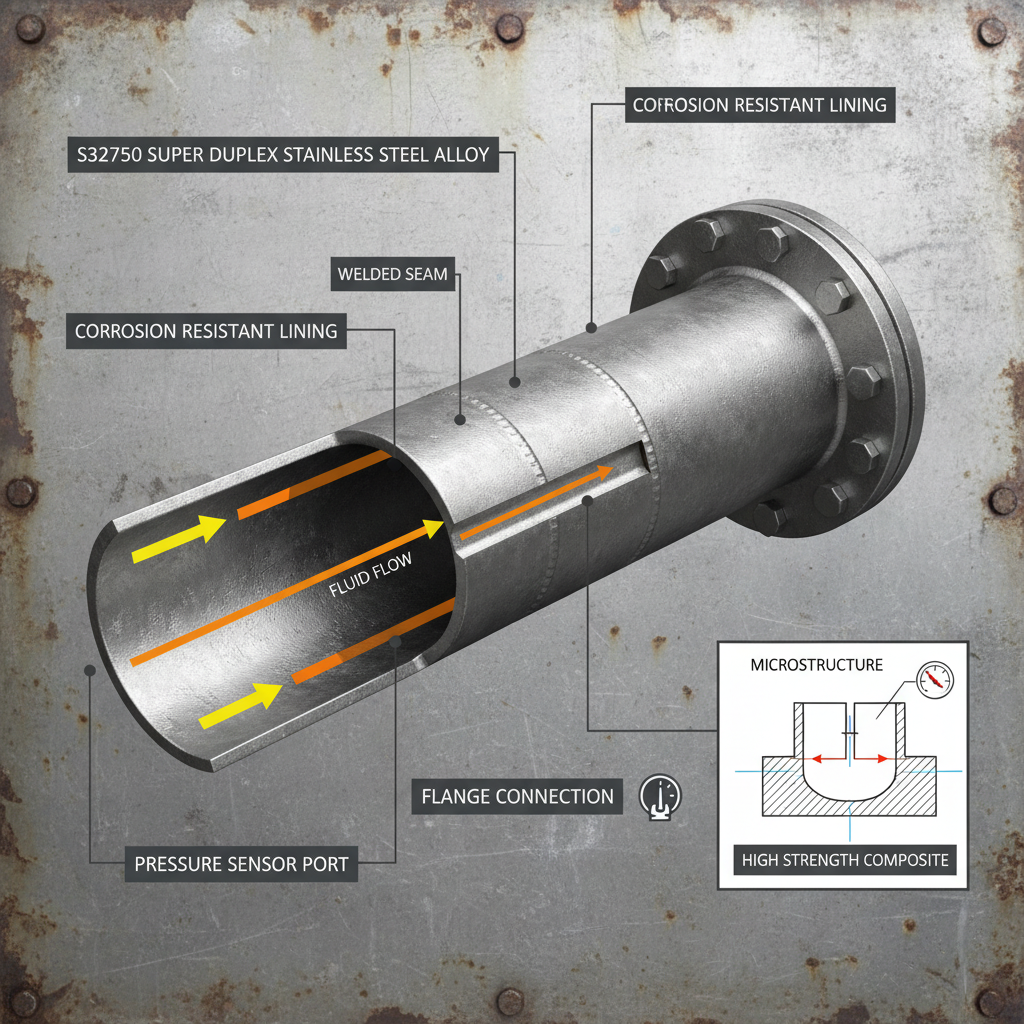
Yet challenges remain. Corrosion, temperature swings, fatigue, and mechanical stress constantly threaten pipelines. The API 5L specification directly addresses these by defining material properties, manufacture methods, and testing protocols to ensure pipes hold up under pressure.
What Exactly Is the API 5L Specification for Line Pipe?
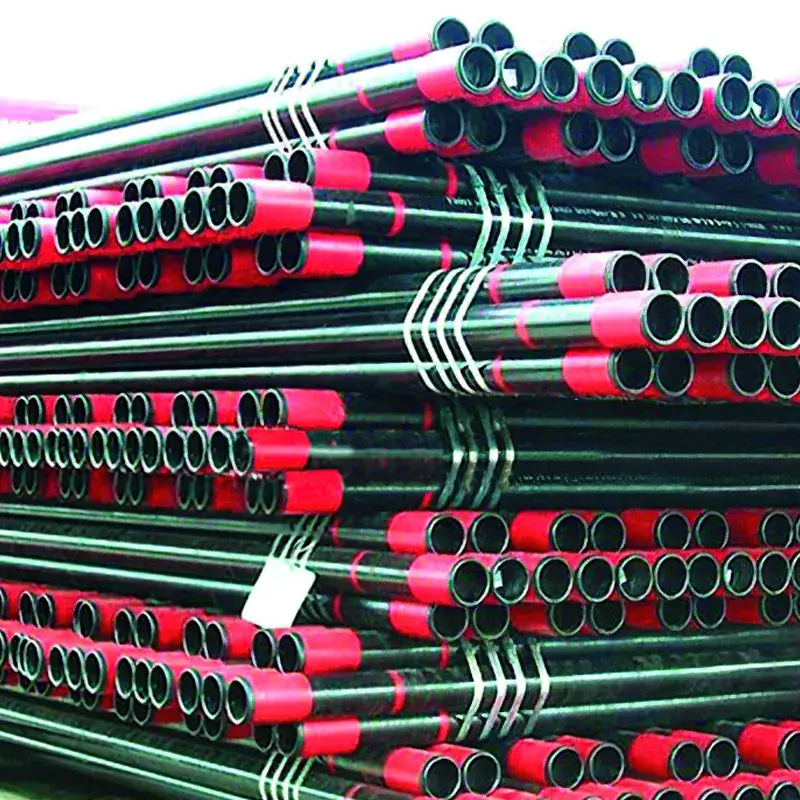
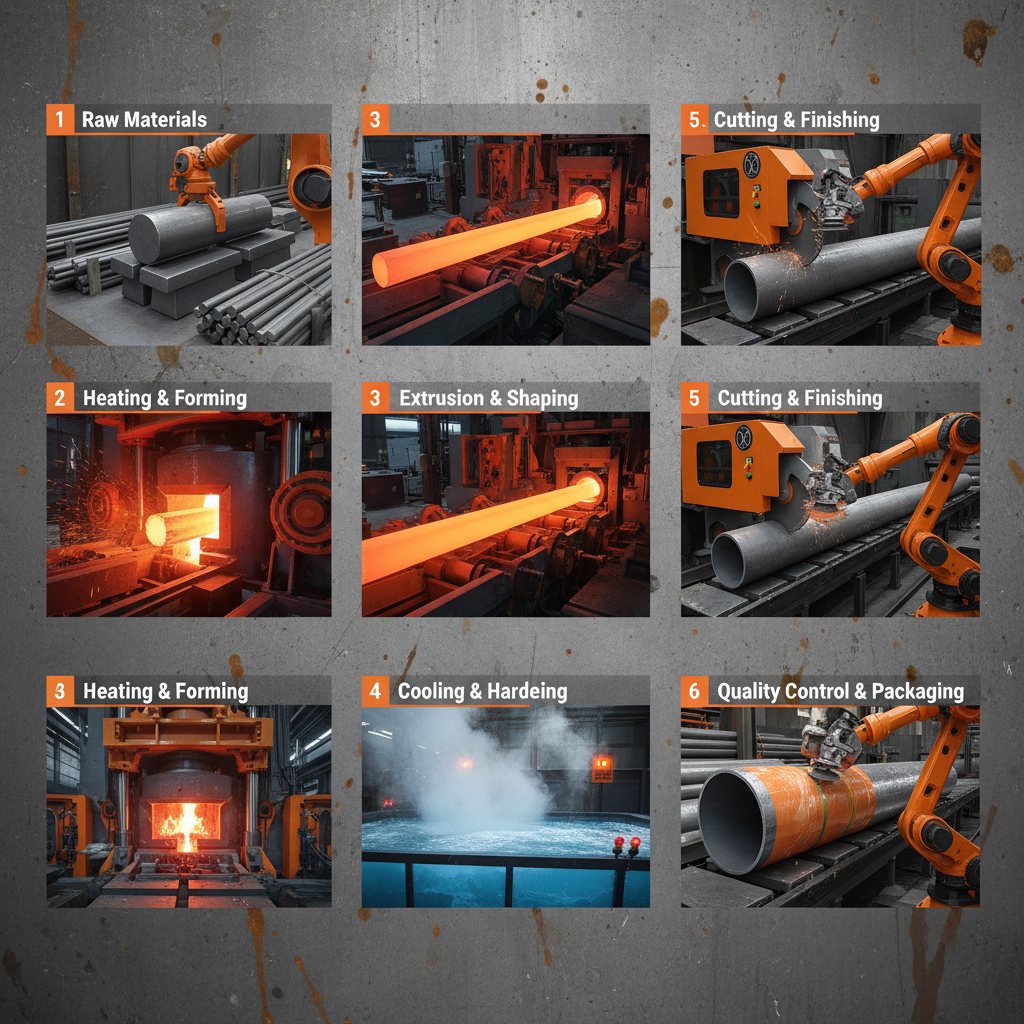
In plain terms, the API 5L specification for line pipe is a set of standards developed by the American Petroleum Institute (API) for manufacturing seamless and welded steel pipes used in pipeline transport systems. It describes everything from the chemical composition and mechanical properties of the steel, to testing requirements, dimensions, and even marking protocols.
These pipes are fundamental to transporting oil, natural gas, and even water across huge distances. The standard ensures pipes are strong enough not to fail under high pressure or corrosive environments, yet flexible enough to adapt to terrain shifts or temperature changes.
Perhaps less appreciated is that the API 5L line pipe specification supports many humanitarian infrastructure projects — from clean water pipelines in developing regions to emergency fuel lines after natural disasters.
Core Components of the API 5L Specification You Should Know
1. Material Grades and Chemical Composition
API 5L pipes come in various grades, broadly defined as “X” grades (e.g., X42, X52, X65), which correspond to specified minimum yield strengths. The choice depends on the application’s stress and environmental conditions. Chemical elements like carbon, manganese, and phosphorus must adhere to set limits to ensure weldability and strength.
2. Dimensional and Manufacturing Standards
The pipes can be seamless or welded but must meet precise dimensional tolerances — outside diameter, wall thickness, and length. This consistency promotes easy joining, reduces leak risks, and speeds up deployment.
3. Mechanical Properties and Testing
Tensile strength, toughness, elongation, and impact resistance are rigorously tested according to API guidelines. This is crucial for pipelines in cold climates or high-pressure applications where brittle failure risks increase.
4. Corrosion Resistance and Longevity
While API 5L itself doesn’t mandate coatings, it acknowledges corrosion as a major pipeline killer — necessitating compatible protective coatings and cathodic protection measures that must be factored in design.
Product Specification Table: Typical API 5L Line Pipe Grades and Dimensions
| Grade | Min. Yield Strength (psi) | Tensile Strength (psi) | Typical Outside Diameter (inches) | Wall Thickness Range (inches) |
|---|---|---|---|---|
| X42 | 42,000 | 60,000 - 75,000 | 4.5 – 48 | 0.188 – 1.0+ |
| X52 | 52,000 | 65,000 - 80,000 | 4.5 – 54 | 0.25 – 1.25 |
| X65 | 65,000 | 75,000 - 95,000 | 4.5 – 56 | 0.28 – 1.5 |
Where is API 5L Line Pipe Actually Used? A World Tour of Applications
Though it might seem obvious, pipelines built to the API 5L specification pop up in more places than just oil fields. In North America and the Middle East, it’s the industry norm for transporting crude and refined products. Russia and parts of Europe use these pipes extensively for gas networks. Oddly enough, humanitarian organizations leverage API 5L-grade pipes for reliable water mains in remote communities in Africa and Asia — partly because durability is crucial when routine maintenance is tough.
Case in point: After the 2010 Haiti earthquake, relief agencies helped install fuel lines made from API 5L pipe grades to supply generators and aid distribution points quickly. In Canada’s frigid oil sands, X65-grade pipes facilitate long-distance oil transport through frozen, shifting ground.
What Advantages Does API 5L Line Pipe Bring in the Long Run?
- Cost Efficiency: Using a globally recognized specification lowers procurement risks and dovetails with existing welding and coating tech.
- Safety: The strict testing reduces pipeline failures, which could otherwise cause environmental disasters or worse.
- Sustainability: Longer-lasting pipes mean fewer replacements, less waste, and lower carbon footprint across pipeline lifecycles.
- Innovation-friendly: Since it’s a well-established spec, manufacturers can innovate on top of a trusted base — say, ultra-high strength grades or enhanced coatings.
Even on an emotional level, engineers and communities alike grow a certain peace of mind knowing these pipes have been put through the wringer and come out strong. It's trust built into the steel.
Vendor Comparison: Popular API 5L Line Pipe Suppliers
| Vendor | Grades Available | Manufacturing Types | Global Reach | Value-Add Services |
|---|---|---|---|---|
| WorldSteel Materials | X42, X52, X65, X70 | Seamless & ERW Welded | North America, Middle East, Asia | Custom coating, testing, logistics |
| GlobalPipe Inc. | X42, X52 | ERW Welded | Europe, Africa | Precision length cutting, rapid delivery |
| SteelWorks Ltd. | X65, X70 | Seamless | Asia, Australia | Advanced NDT testing, heat treatment |
Looking Ahead: Future Trends with API 5L Line Pipe
The pipeline world isn’t standing still. In recent years, the emphasis on sustainability has sparked innovation in both materials and manufacturing. High-strength, low-alloy pipes are being designed to carry higher pressures with less steel, which means lower emissions in production and transport.
Digital twins and IoT sensors integrated with pipelines provide real-time health monitoring, enabling preemptive maintenance. Automation and robotics help weld and inspect with greater precision, reducing human error. Plus, with the rise of hydrogen as a clean fuel, there’s ongoing research about how API 5L pipes may adapt or what new standards might emerge.
Common Challenges and How Experts Say We Can Overcome Them
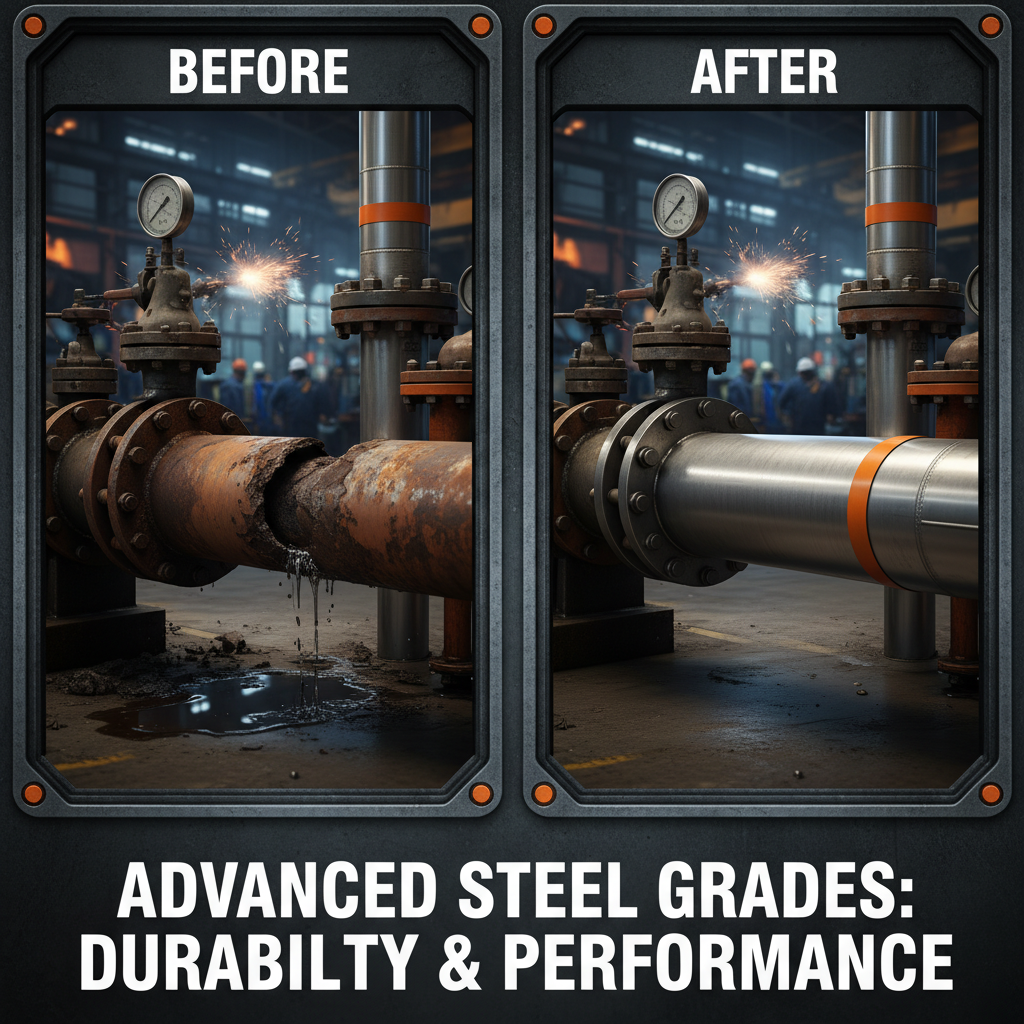
Despite the robustness of API 5L specs, no system is perfect. Corrosion remains a silent enemy, especially in salty marine environments or corrosive soil. Cost pressures sometimes lead to shortcuts or use of subpar coatings. And with aging infrastructure, pipeline failures still happen — though increasingly rarely.
Experts recommend adopting a holistic approach: combining compliant API 5L pipes with advanced protective coatings, cathodic protection, and ongoing inspection technologies. Training teams on weld best practices and proper handling in the field also makes a huge difference.
FAQ: Frequently Asked Questions About API 5L Specification for Line Pipe
- Q: What differentiates API 5L line pipe from other steel pipes?
- A: API 5L line pipes are specifically designed and tested for transporting oil, gas, and water under high pressure and harsh environments. They meet strict tensile strength, dimensional, and quality control standards not required in general-purpose steel pipes.
- Q: Can API 5L pipes be used for hydrogen pipelines?
- A: While API 5L pipes provide excellent strength and toughness, hydrogen embrittlement is a concern. Newer standards and modified alloys are under study to safely transport hydrogen, but many operators currently use API 5L pipes with special coatings and testing.
- Q: How do I verify that a pipe meets API 5L specifications?
- A: Pipes certified under API 5L come with mill test reports confirming chemical and mechanical test results. Also, checking for API 5L marking and certificate documentation from the manufacturer ensures compliance.
- Q: What are the main differences between seamless and welded API 5L pipes?
- A: Seamless pipes have no weld seam and are typically stronger for high-pressure applications, while welded pipes (Electric Resistance Welded - ERW or Longitudinal Submerged Arc Welded - LSAW) are often more cost-effective and available in larger diameters.
- Q: How does the API 5L standard support pipeline sustainability?
- A: By ensuring pipes are durable, corrosion-resistant, and designed for longevity, API 5L reduces the frequency of replacements and spills — ultimately lowering environmental impact over the pipeline's lifespan.
Wrapping It Up: The Last Word on API 5L Specification for Line Pipe
In the end, the API 5L specification for line pipe is more than just a blueprint for steel pipes — it’s a cornerstone of global energy infrastructure that balances strength, reliability, and safety with environmental awareness. Its relevance extends beyond oil and gas, playing a surprising role in water infrastructure and humanitarian projects.
Interested in sourcing or learning more about high-quality API 5L pipes? Visit our website at https://www.world-steelmaterial.com for detailed specs, vendor info, and industry insights.
Post time: Nov . 28, 2025 18:15
 English
  Arabic
  Bengali
  China
China  French
  German
  Hausa
Hausa  Indonesian
  Italian
  Japanese
  Javanese
  Malay
Malay  Persian
  Portuguese
  Punjabi
  Russian
  Spanish
  Swahili
  Telugu
  Vietnamese