

Understanding the API 5L Standard: Why It Matters Globally
In the ever-evolving world of pipelines and steel manufacturing, one term keeps popping up — API 5L standard. But what exactly is it, and why should anyone outside of engineering circles care? Well, this international specification plays a pivotal role in ensuring the pipeline materials we rely on for transporting oil, gas, and water are strong, reliable, and safe — literally, a backbone in global infrastructure.
Considering that the global pipeline infrastructure stretches over millions of kilometers and transports trillions of cubic feet of gas and barrels of oil yearly (International Energy Agency data, 2022), ensuring the quality and durability of those pipelines isn’t trivial. Failure isn’t just costly; it can lead to environmental disasters and jeopardize lives. The API 5L standard addresses those concerns head-on by setting consistent, rigorous requirements for steel pipe materials used in pipelines worldwide.
Mini takeaway: Knowing the API 5L standard isn’t just technical jargon — it’s a gateway to understanding how safe, efficient, and sustainable pipeline systems operate globally.
The Global Significance of API 5L Standard
Pipeline transportation accounts for roughly 70% of global oil and natural gas supply chains (UN Energy Statistics, 2023). As industries grow and energy demands surge, pipelines must withstand higher pressures, extreme temperatures, and various corrosive environments. Without a strict technical framework, quality would vary wildly, increasing the risk of leaks and failures.
It’s no surprise then that the API 5L standard, maintained by the American Petroleum Institute but adopted worldwide, fills this critical void. It’s become a cornerstone for countries, energy companies, and even humanitarian projects involving infrastructure rebuilding after disasters.
However, challenges remain: How do manufacturers ensure steel pipes meet the latest toughness and corrosion resistance criteria? How do regulators balance cost and safety? And how will innovations in green energy and automation shape the future of pipeline materials? The API 5L standard is at the heart of these questions.
What Does API 5L Standard Actually Mean?
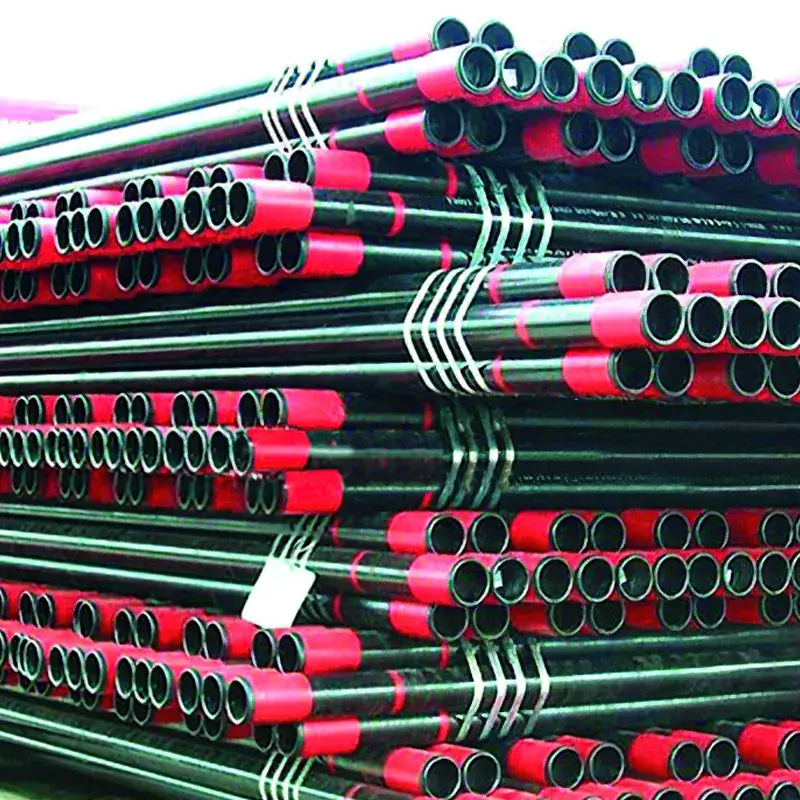
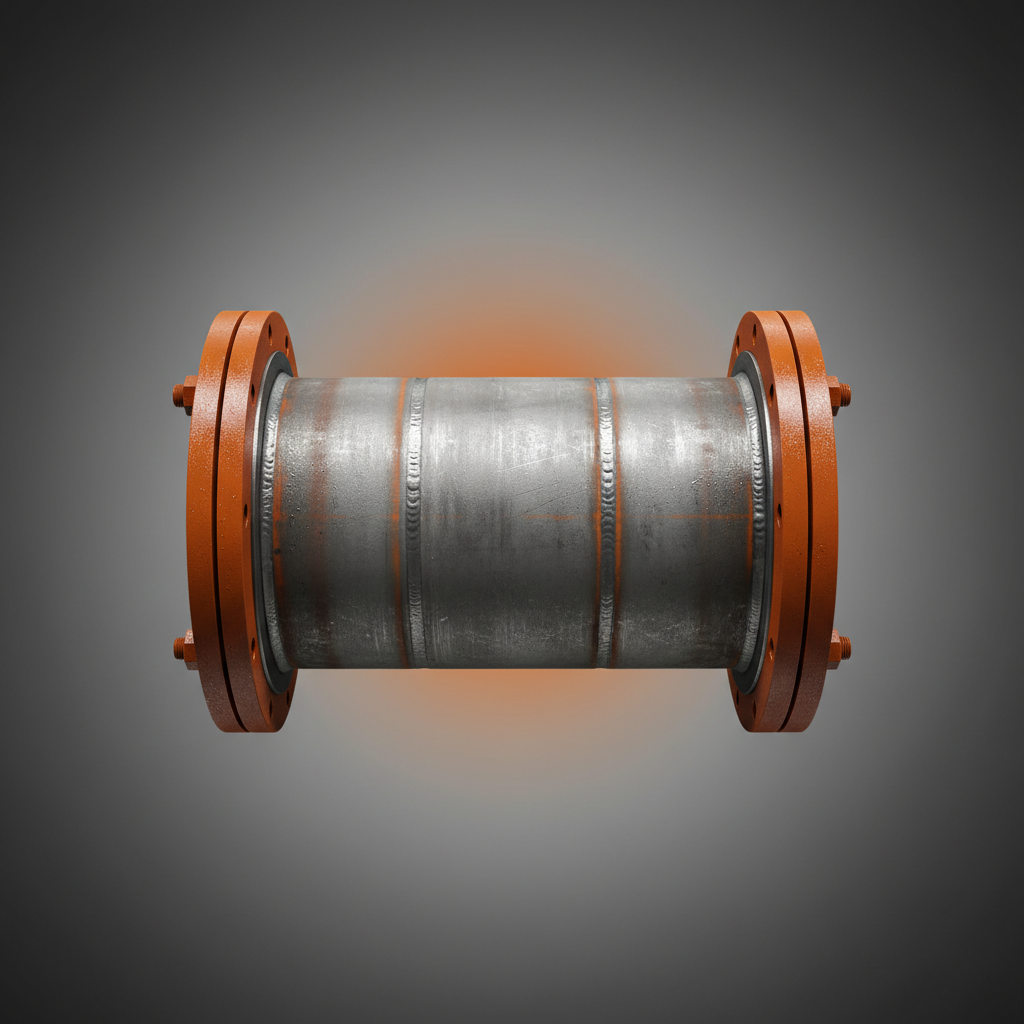
Simply put, the API 5L standard is a specification defining the requirements for seamless and welded steel line pipes used primarily in pipeline transportation systems in the petroleum and natural gas industries. It covers aspects like material grade, chemical composition, mechanical properties, and testing methods.
In everyday terms, if you imagine pipelines as the veins of the energy world, API 5L sets the rules for the metal “pipes” that keep those veins flowing safely. Its connection to humanitarian and industrial needs can’t be overstated — clean water supply, energy distribution, and disaster recovery often depend on these pipeline materials being up to spec.
Core Components of the API 5L Standard
1. Material Grades and Classifications
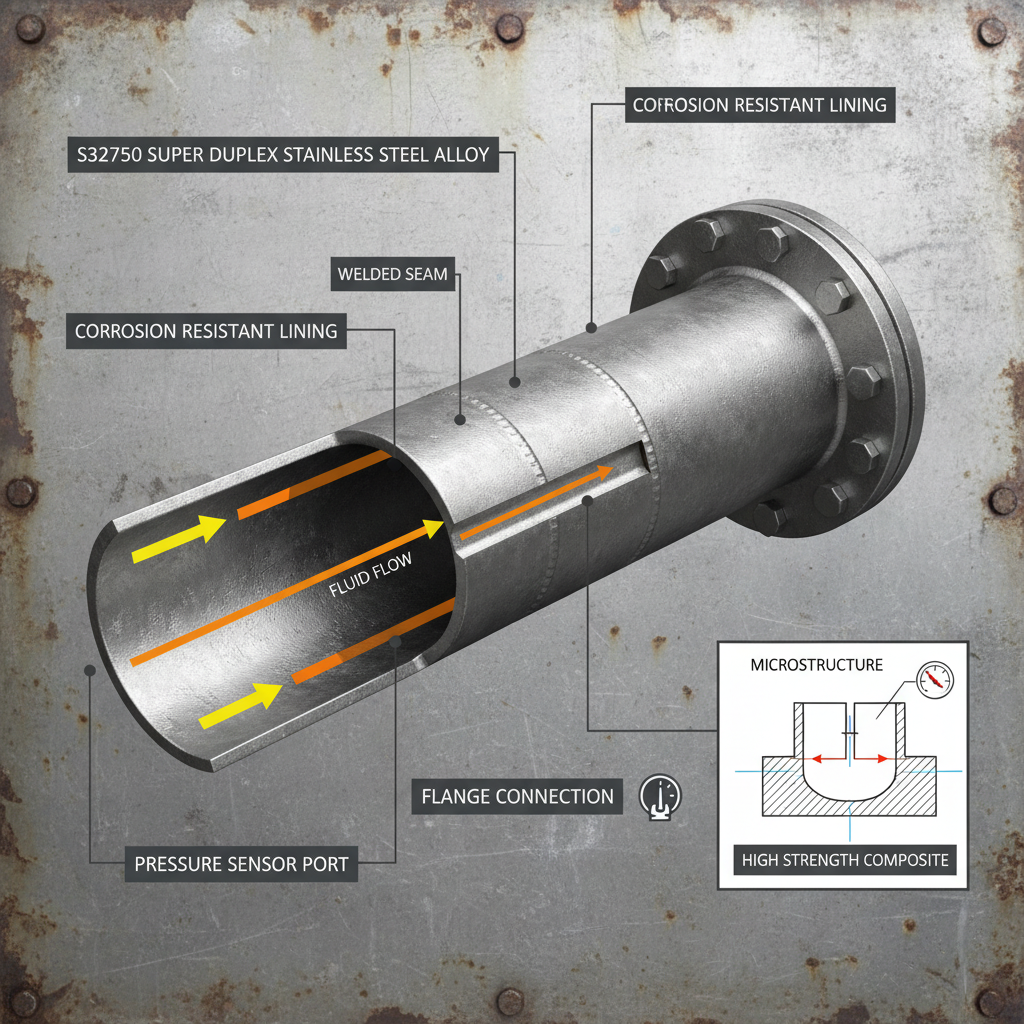
API 5L covers a range of grades, most notably Grade B and high-strength line pipe grades like X42, X52, X60, X70, and X80. Each grade sets minimum yield strengths and tensile strengths, ensuring pipes are fit for different pressure levels.
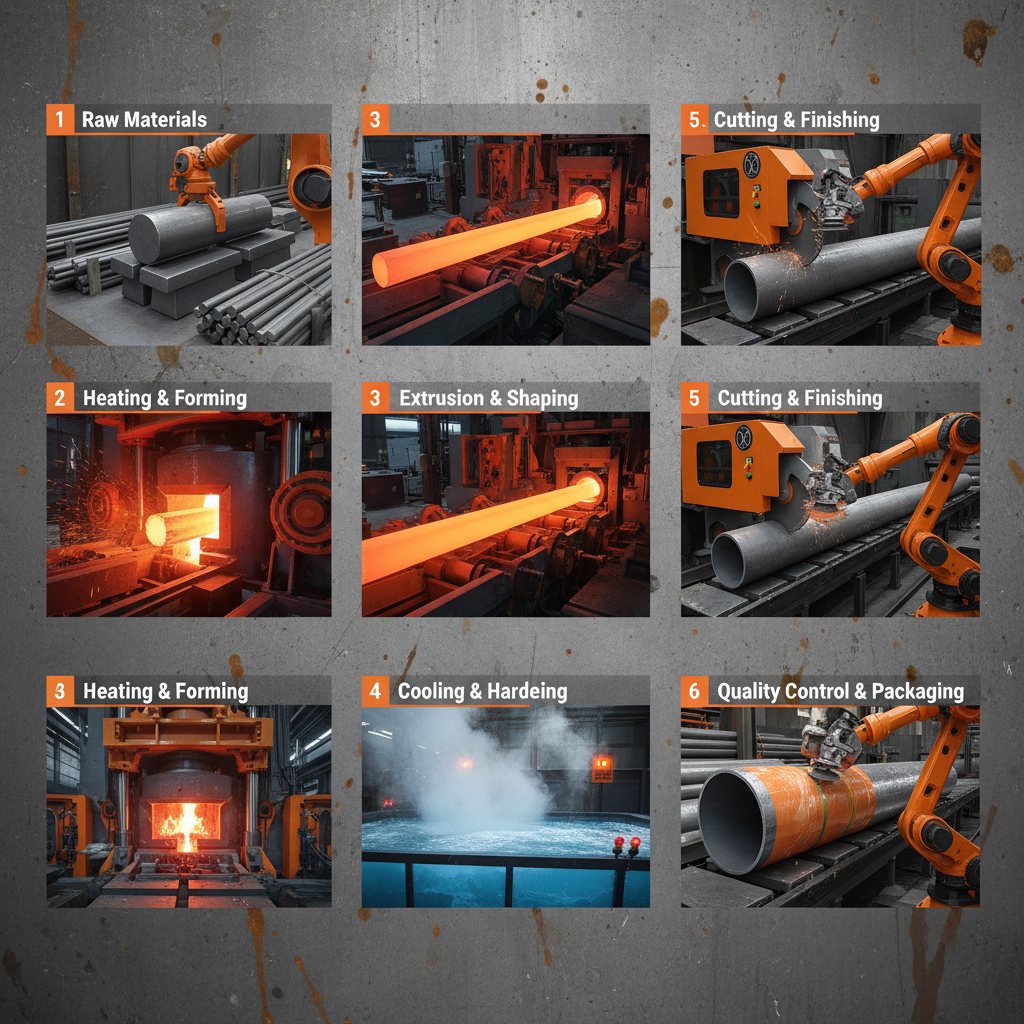
2. Manufacturing Processes
The standard accommodates both seamless and welded pipes, addressing different use cases and cost considerations. Manufacturers must comply with chemical composition limits and mechanical property requirements.
3. Testing and Quality Control
Extensive testing protocols—like hydrostatic testing, non-destructive testing (NDT), hardness tests, and flattening tests—are mandatory to guarantee integrity. This ensures pipes can withstand operational stresses and environmental factors.
4. Dimensional Tolerances and Markings
API 5L specifies exact dimensional tolerances to ensure pipes fit together correctly and can be traced back to their production batches via standardized markings.
5. Additional Requirements (Optional)
Properties like impact toughness or special coatings can be required depending on the pipeline's intended environment, such as low-temperature or corrosive scenarios.
Mini takeaway: If you’re sourcing pipe materials, understanding these components helps clarify what type of steel line pipe suits your project, whether it’s a refinery pipeline or a community water supply.
API 5L Applications: Real-World Use Cases
- Oil and Gas Pipelines: The most common use. From vast cross-country oil transport to undersea gas pipeline projects, API 5L steel pipes are standard.
- Water Transmission: Municipal and agricultural water pipelines require durable steel pipes meeting API 5L grades to prevent leaks and contamination.
- Post-Disaster Infrastructure Repair: After floods or earthquakes, rapid deployment of reliable pipelines is critical. Many NGOs rely on API 5L standard pipes to rebuild water and gas distribution networks quickly and safely.
- Industrial Zones: In remote manufacturing or mining sites, pipelines transporting raw materials or waste need to be both strong and corrosion resistant.
Regions like the Middle East, North America, and parts of Asia increasingly lean on API 5L specified materials to support their energy and infrastructure projects. For instance, the Nord Stream gas pipeline incorporates API 5L-grade pipes to withstand extreme underwater pressure.
Advantages and Long-Term Value of API 5L Pipes
Here’s the thing — quality pipeline steel isn’t just about strength (although that’s critical). The API 5L standard brings a bunch of tangible benefits:
- Cost Efficiency: Pipes meeting API 5L specs reduce maintenance costs due to their durability and reduced failure rates.
- Safety and Reliability: For people living near pipelines, this standard helps ensure safer energy transportation, reducing spill risks.
- Sustainability: Longer-lasting pipelines mean fewer replacements and less environmental disruption.
- Innovation-friendly: As new testing methods and materials come online, the API 5L standard evolves, allowing companies to adopt cutting-edge tech without sacrificing compliance.
Putting yourself in the shoes of a project manager, you’d probably appreciate how these factors—reliability, cost containment, and safety—translate into peace of mind over decades.
Product Specification Table: Typical API 5L Pipe Grades
| Grade | Minimum Yield Strength (ksi) | Tensile Strength (ksi) | Typical Use Case |
|---|---|---|---|
| B | 35 | 60-90 | Low-pressure pipelines, water transport |
| X42 | 42 | 60-80 | Medium-pressure oil and gas lines |
| X52 | 52 | 65-90 | High-pressure gas pipelines |
| X70 | 70 | 75-95 | Critical high-strength pipelines |
Comparing Top API 5L Vendors
| Vendor | Global Reach | API 5L Grades Offered | Lead Time (Typical) | Certifications & Standards |
|---|---|---|---|---|
| Xingtai Pipe Inc. | Asia, Middle East | B, X42, X52, X60 | 4–6 weeks | API, ISO 9001, CCS |
| Tenaris | Global | All major grades including X80 | 6–8 weeks | API, ISO, PED, NACE |
| Jindal Saw | India, Middle East | B, X42, X52 | 3–5 weeks | API, ISO 14001 |
Future Trends Transforming API 5L Pipeline Materials
What’s on the horizon? Frankly, quite a bit. Innovations in production like advanced microalloying and thermomechanical treatments are making steel stronger and lighter (think X80+ grades). This means pipelines can handle more pressure without added weight or cost.
Moreover, digital transformation is creeping into pipeline manufacturing — smart sensors during production and AI-driven quality control reduce defects and speed certification.
Environmental policies also push for greener steels — recycled content and less carbon-intensive processes. As api 5l standard evolves, it increasingly reflects these sustainable goals.
Common Challenges and Practical Solutions
- Supply Chain Delays: Global disruptions slow down pipe delivery. Solution? Localized vendors who comply with API 5L can cut lead times.
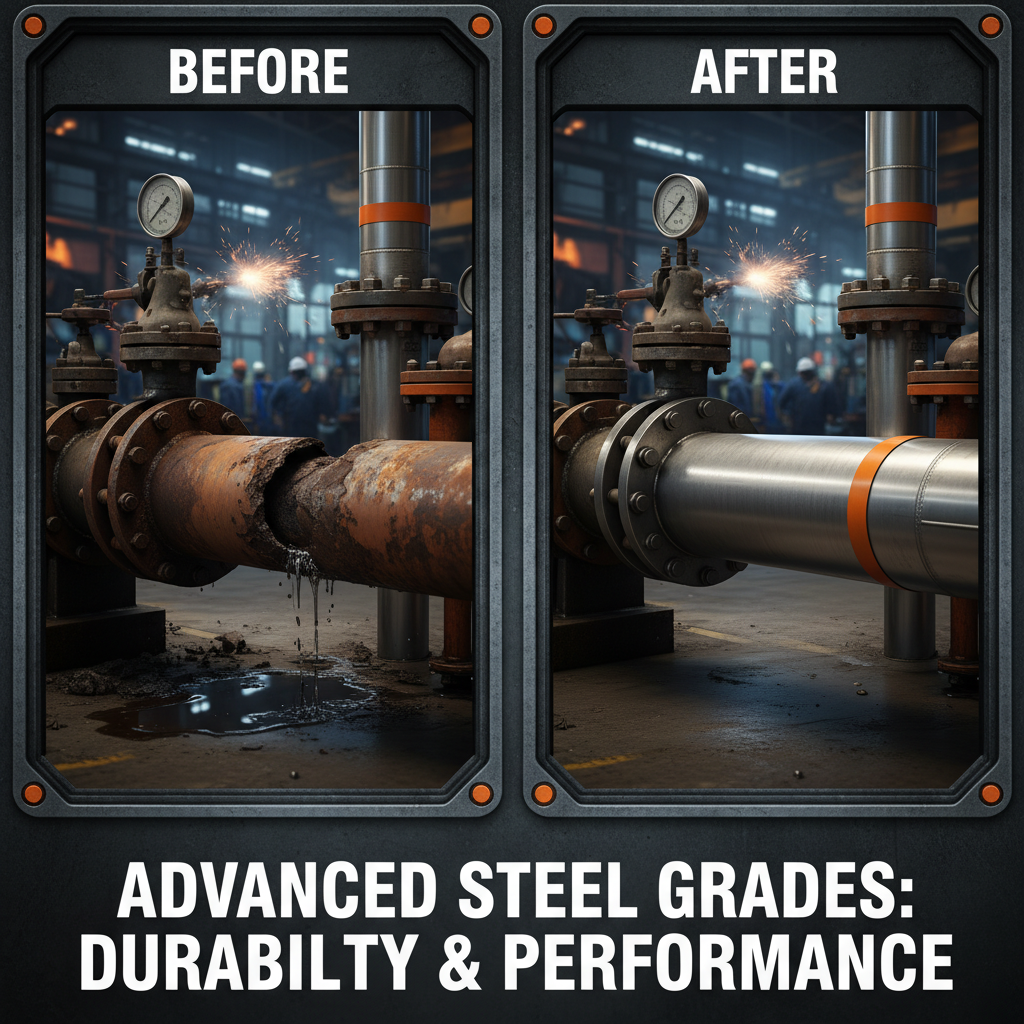
- Corrosion in Harsh Environments: Sometimes standard coatings aren’t enough. Specialized corrosion-resistant grades or external coatings provide a fix.
- Regulatory Variations: Different countries may have extra standards. Partnering with vendors offering multi-certification ensures compliance.
FAQ: Your API 5L Questions Answered
Q1: What grades does the API 5L standard cover for high-pressure pipelines?
A1: API 5L includes several grades suitable for high-pressure applications, notably X52, X60, X70, and X80. These grades specify minimum yield strengths and tensile properties to withstand operational stresses.
Q2: Can API 5L pipes be used for water transportation?
A2: Absolutely! While it originated for oil and gas, API 5L steel pipes are often used for municipal and agricultural water pipelines thanks to their strength and corrosion resistance.
Q3: How long do API 5L grade pipes typically last in field conditions?
A3: With proper coating and maintenance, API 5L pipes can last 50 years or more, especially when installed in environments matched to their material grade specifications.
Q4: Are all API 5L pipes tested before shipping?
A4: Yes, strict testing such as hydrostatic and non-destructive examinations are mandatory under the standard to ensure pipeline integrity.
Wrapping Up: Why API 5L Standard Matters Long-Term
Ultimately, the API 5L standard is more than just technical specs; it’s a global trust mark that keeps energy flowing safely and efficiently. Whether you’re an engineer specifying pipelines, a project manager sourcing materials, or just a curious mind, understanding this standard reveals much about the invisible infrastructures shaping our world.
To explore high-quality API 5L grade pipes and learn more, visit our website — a growing hub for pipeline materials and standards insights.
References
Post time: Nov . 28, 2025 19:50
 English
  Arabic
  Bengali
  China
China  French
  German
  Hausa
Hausa  Indonesian
  Italian
  Japanese
  Javanese
  Malay
Malay  Persian
  Portuguese
  Punjabi
  Russian
  Spanish
  Swahili
  Telugu
  Vietnamese